
Osaka’s yoshoku culture is at its sharpest when Western forms are pulled into a compact, everyday Japanese format. New Tonsuke sits in that tradition with tonkatsu, hamburger steak, counter seating, and a 2025 Tabelog 100 Yoshoku WEST selection that puts a modest Suminoe address into a more serious dining conversation.
Pearl is the En Primeur Club membership app — saves, bookings, and concierge access live there. Same editors, same standards.
- Address
- 3 Chome-1-22 Nakakagaya, Suminoe Ward, Osaka, 559-0017, Japan
- Phone
- +81 6-6685-4096
- Website
- tabelog.com
 Saves & bookings on Pearl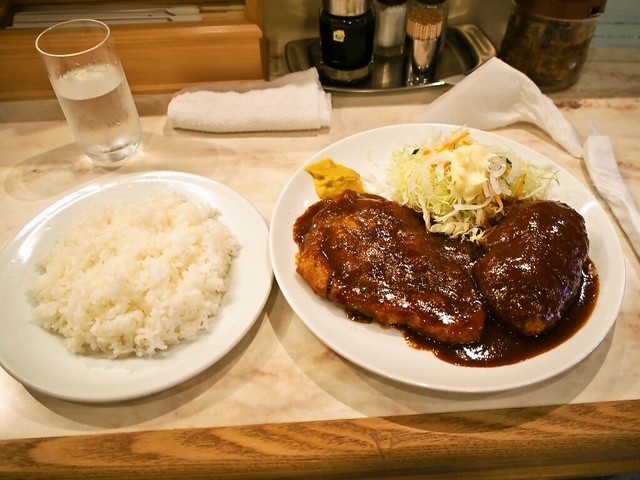
Approaching a small yoshoku counter in Osaka is rarely about ceremony. The appeal is in compression: a short menu language, a visible working rhythm, and a room where frying, plating, and turnover happen within arm’s reach. New Tonsuke belongs to that Osaka genre of compact, practical dining, where Western-derived dishes have been absorbed so completely into Japanese daily life that they no longer feel imported.
Yoshoku is often misunderstood by visitors as a nostalgic category, but in Kansai it functions as working food with a surprisingly exacting standard. Tonkatsu, hamburger steak, omelet rice, cutlets, demi-glace, and fried seafood all sit inside a cuisine shaped by Meiji-era Western contact and later by department-store dining rooms, railway-station restaurants, and neighborhood counters. Osaka’s version tends to reward speed, concentration, and value rather than grand dining-room theatre.
That is why recognition matters here. A 2025 selection in Tabelog 100 Yoshoku WEST signals more than online popularity; it places the restaurant inside a regional group where everyday formats are judged against deep local repetition. In Osaka, a yoshoku counter has to compete not only with other Western-style Japanese kitchens, but also with udon specialists, curry shops, pork-cutlet counters, and casual set-meal rooms that locals use with precision.
Yoshoku in Osaka is judged by rhythm, not ceremony
The format is the story. Counter seating changes the meal’s tempo: dishes move from preparation to plate with little buffer, and the guest reads the room through sound and movement rather than décor. In a city where casual dining can be technically disciplined without dressing itself as fine dining, that intimacy is part of the standard. The category rewards a kitchen that can repeat familiar dishes cleanly, quickly, and with enough character to justify a trip beyond the central shopping districts.
New Tonsuke’s listed categories, yoshoku, tonkatsu, and hamburger steak, put it in a branch of Osaka dining where breaded pork and minced-meat cookery carry the same weight that noodles or sushi might elsewhere. This is not a tasting-menu argument. It is a study in how a narrow comfort-food vocabulary becomes serious through repetition. The useful comparison is not luxury dining, but other low-price, high-frequency Osaka rooms where locals measure quality by consistency and timing.
Within that bracket, peer context is instructive. Tsukiro, M Kasse, Zouya, and Kamaage Udon Raku occupy similarly accessible spending territory in Osaka, though they speak different casual-dining dialects. Kashiya sits even lower in listed budget terms. The shared lesson is that Osaka’s affordable restaurants can carry destination weight without behaving like destinations. For a broader map of the city’s dining spread, start with Our full Osaka restaurants guide, then read across bakeries, pork buns, pizza, and Italian rooms such as .cafe, 52CHO-ME BAKERY, 551 Horai (551蓬莱), 99 Pizza Napoletana Gourmet, and a canto (Italian).
The sensory case for the counter
The sensory appeal of yoshoku is direct because the techniques are direct. Frying, griddling, saucing, and shaping do not hide behind abstraction. A counter room makes those processes public: the scrape of tools, the pace of service, the sequence of plates leaving the line. That closeness is especially useful for visitors who want to understand Osaka through ordinary formats rather than through the polished language of omakase or hotel dining.
New Tonsuke’s 13-seat counter format reinforces that reading. Small capacity in this category changes expectations: solo dining is natural, groups need restraint, and lingering is not the point. The restaurant’s non-smoking policy and family-friendly listing, with children limited to junior high school students and above, also define the room as orderly rather than rowdy. The result is a practical Osaka meal that is likely to feel more local than performative.
There is also a neighborhood point. Suminoe Ward is not the first district many visitors associate with Osaka dining, which often concentrates attention around Namba, Umeda, Shinsekai, and Fukushima. A yoshoku counter here asks a different kind of decision from the traveler: leave the central loop for a short, focused meal, or stay within the easier cluster of stations and hotels. The answer depends on appetite for specificity. Anyone building a wider stay can pair that decision with Our full Osaka hotels guide, Our full Osaka bars guide, Our full Osaka wineries guide, and Our full Osaka experiences guide.
How to read New Tonsuke against Japan's casual dining culture
Japan’s casual restaurants often reward specialization more than breadth. A traveler moving across the country sees the pattern in sukiyaki rooms, tuna-and-charcoal counters, Vietnamese kitchens, curry shops, sake bars, and rice-ball specialists. For a wider national frame, compare how focused formats appear at -Grilled beef Sukiyaki- KAMAKURA TANUKIAN 鎌倉 たぬき庵 in Kamakura. 鮪と炭火焼き うお炭 秋葉原店 in Tokyo.know in Kumamoto, (Shoku) Vietnam in Kawasaki, [Curry Senmon Ten] Maruyama Kyoju. in Sapporo, and [ki:] in Kyoto.
Seen that way, the restaurant is not just a place for pork cutlet or hamburger steak; it is a clean example of how Japan turns adopted foods into local systems. The cooking categories are familiar, but the dining grammar is Japanese: concise seating, quick cadence, defined house identity, and little interest in explanatory spectacle. That makes the restaurant useful for travelers who already know Osaka’s louder food signatures and want a quieter measure of the city’s everyday standards.
The editorial call is simple: this is the kind of Osaka address that rewards diners who value format as much as fame. The Tabelog 100 Yoshoku WEST 2025 selection supplies the external signal, but the deeper reason to care is category literacy. Yoshoku is one of Japan’s clearest examples of adaptation becoming tradition, and a small counter in Suminoe shows that tradition at a scale where every seat matters.
For readers extending the theme beyond Japan, focused casual formats also translate well overseas, from sake-led Los Angeles rooms to specialist onigiri shops in Southern California. See Jōdo Saké Bar in Los Angeles and Onigiri Time in Pasadena for useful parallels in how Japanese food culture travels without always needing a luxury frame.
A Quick Peer Check
Comparable venues by cuisine and price in the same metro.
| Venue | Cuisine | Price | Notes |
|---|---|---|---|
| New TonsukeThis venue — the venue you are viewing | Yoshoku Japanese-style Western diner specializing in tonkatsu and hamburger steak | $ | Not listed |
| M Kasse | Japanese Curry House | $ | Sumiyoshi |
| Chuka Soba Sen | Japanese Ramen | $ | Sumiyoshi |
| Okonomiyaki Hayashi | Osaka okonomiyaki & casual Japanese comfort food | $ | Abeno |
| Okonomiyaki Dan | Traditional Osaka okonomiyaki & teppanyaki | $ | Chūō |
| Hakugin Tei | Japanese Curry | $ | Chūō |
Recognition history
Dated appearances from independent guides and award organizations, with the underlying list record or original source where available.
Tabelog 100 #18 · No. 18
Tabelog · Tabelog 100 - Yoshoku - WEST - 2025
Continue exploring
More in Osaka
Restaurants in Osaka
Browse all →




Bars in Osaka
Browse all →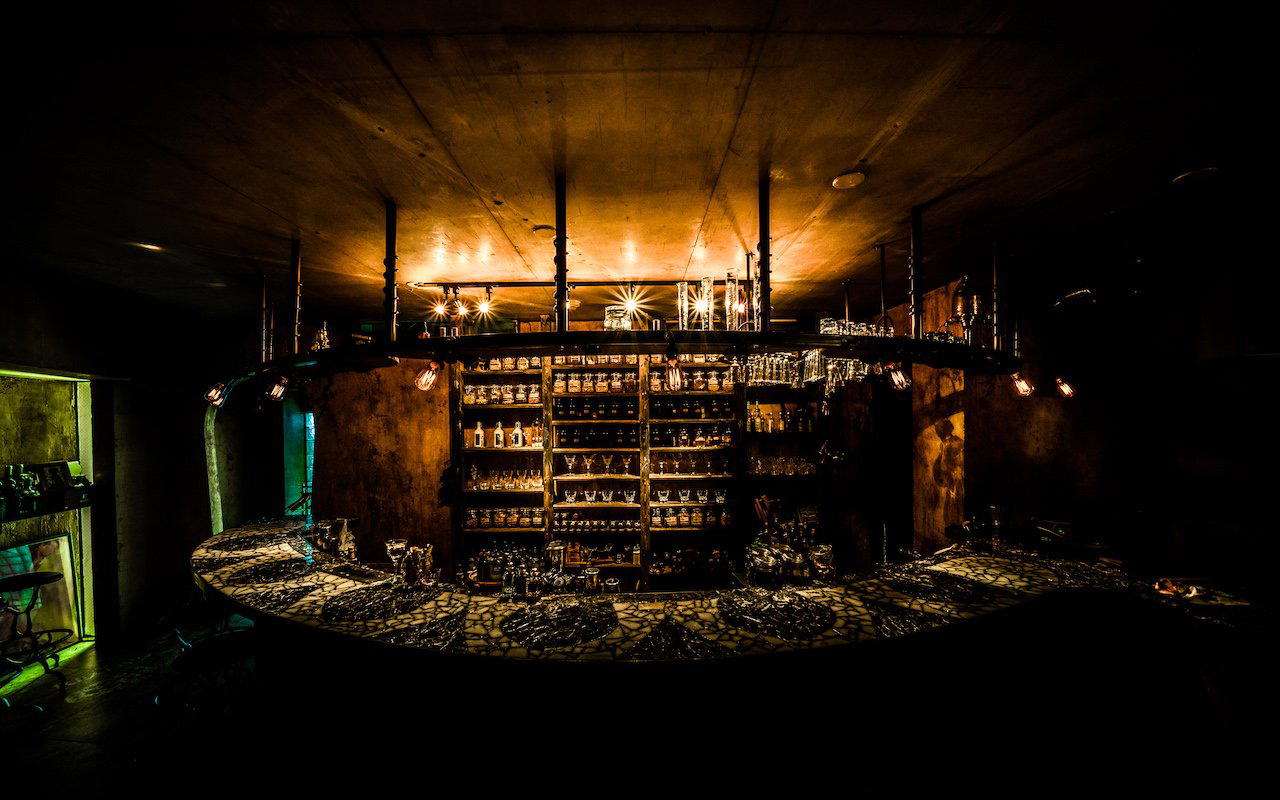

Hotels in Osaka
Browse all →



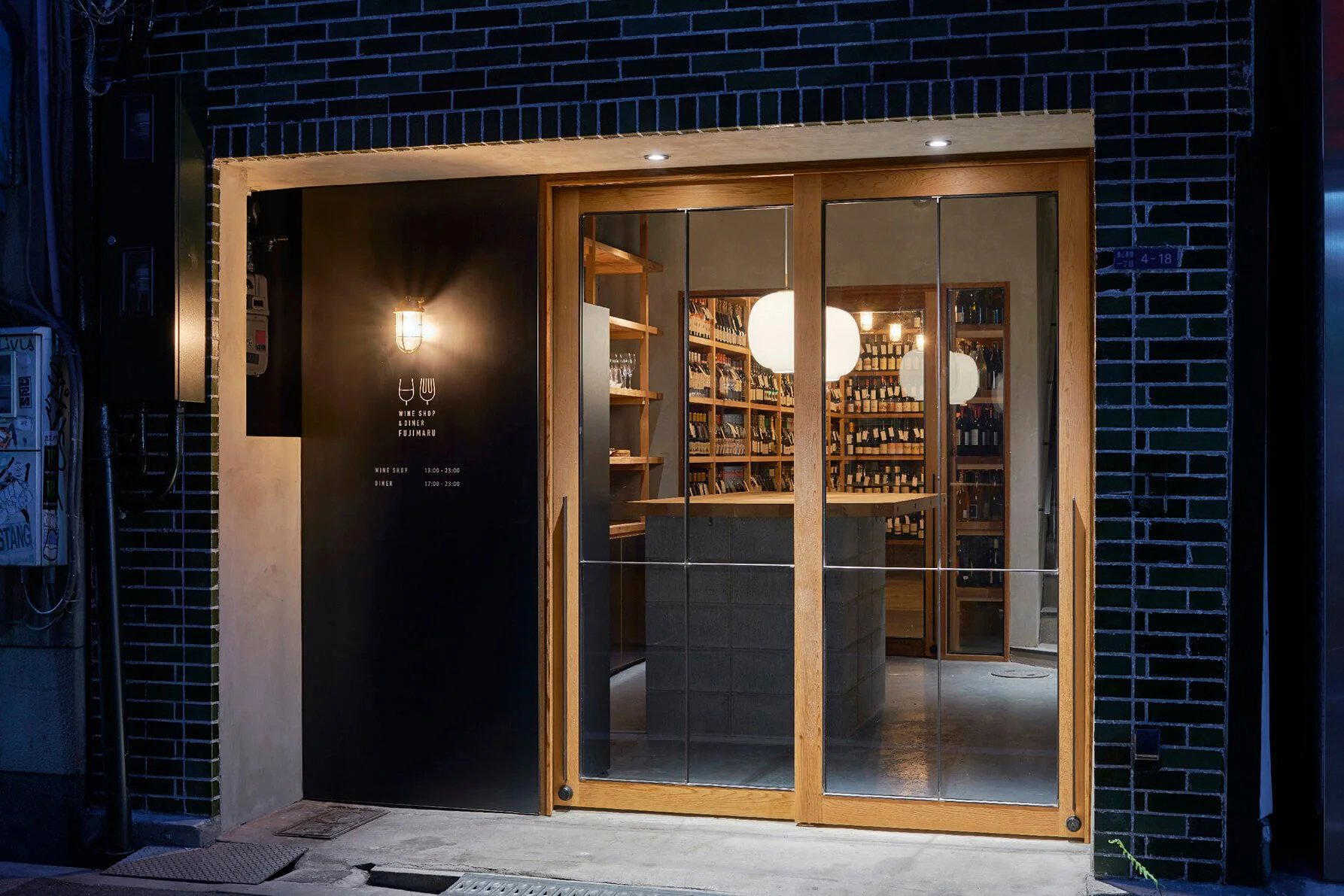
Wineries in Osaka
Browse all →
At a Glance
- Cozy
- Classic
- Intimate
- Solo
- Family
- Casual Hangout
- After Work
- Standalone
Current opening hours
- Monday
- 10:30 AM–1:20 PM
- Tuesday
- 10:30 AM–1:20 PM
- Wednesday
- Closed
- Thursday
- Closed
- Friday
- 10:30 AM–1:20 PM
- Saturday
- 10:30 AM–1:20 PM
- Sunday
- Closed
Hours can change for holidays and private events. Last verified .
A classic, no‑frills neighborhood yoshoku spot with a compact counter, bright lunch‑time atmosphere, and a cozy, old‑school feel focused entirely on the food rather than decor.