
Daikoku sits in Osaka’s diner tradition rather than its luxury dining circuit: compact, low-friction, and built around everyday Japanese cooking with regional character. Its Tabelog 100 Diner selections in 2021, 2024, and 2026 place it inside a serious national conversation about casual restaurants, where menu structure and repeatability matter more than spectacle.
Pearl is the En Primeur Club membership app — saves, bookings, and concierge access live there. Same editors, same standards.
- Address
- 2 Chome-2-7 Dotonbori, Chuo Ward, Osaka, 542-0071, Japan
- Phone
- +81 6-6211-1101
- Website
- tabelog.com
 Saves & bookings on Pearl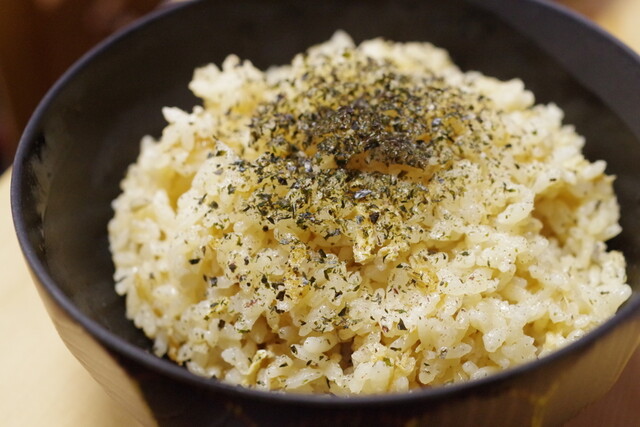
Approaching Dotonbori usually means neon, queues, and edible theatre. The more interesting Osaka meal can be quieter: a compact room, a short service window, a menu that reads less like performance and more like a working grammar of local eating. Daikoku belongs to that side of the city. Its 14-seat scale and cafeteria, Japanese cuisine, and regional-cuisine classification put it closer to Osaka’s everyday dining tradition than to the chef-counter economy that dominates luxury travel itineraries.
That distinction matters. Osaka is often reduced to takoyaki, okonomiyaki, and street-snack shorthand, yet the city’s deeper restaurant culture depends on formats that serve regular meals with precision and little ceremony. The menu architecture at this kind of diner is the story: set-meal logic, rice-centered pacing, side dishes that create balance, and a drinks list that stays within familiar Japanese categories such as sake and shochu. Nothing about that structure needs a tasting-menu arc. It rewards appetite, timing, and an understanding that Japanese regional cooking often expresses itself through restraint rather than declaration.
A compact Osaka diner where the menu does the sorting
In a city crowded with specialist counters, grill houses, noodle shops, and late-night drinking rooms, the cafeteria format occupies a useful middle ground. It gives structure without ceremony. Daikoku’s recognition in Tabelog 100 Diner 2026, after earlier selections in 2024 and 2021, signals consistency in a category where repeat local approval carries weight. A Tabelog score of 3.66 is not a luxury signal; it is a useful marker for a casual room competing on reliability, clarity, and value within Japan’s intensely reviewed dining culture.
The ordering logic is the point. Instead of asking the diner to submit to a chef’s sequence, the format lets the meal assemble around categories: main dish, rice, accompaniments, soup-like comfort, and drinks that sit naturally beside Japanese home-style cooking. That architecture reveals why Osaka diners have such staying power. They are flexible enough for friends, families, and solo meals, but disciplined enough that the experience does not collapse into generic comfort food.
Compared with nearby Dotonbori options, the position is distinct. Hari Ju Doutonbori honten occupies a higher-spend meat tradition, while Nikushou Nakata Honten sits in a much more expensive beef bracket. Ajinoya Honten maps to Osaka’s okonomiyaki identity, and hadoromanchikka shares the lower casual spend tier but not necessarily the same diner grammar. Daikoku’s relevance comes from sitting in the plain-meal lane with enough recognition to make it more than a convenience stop.
Dotonbori beyond neon dining
Dotonbori can punish unfocused eating. The district’s visual volume pushes visitors toward obvious queues and oversized signs, but its better meal strategy is to separate spectacle from substance. The strongest casual addresses here tend to be small, quick, and format-led. A 14-seat diner with take-out service fits that pattern: low capacity, direct turnover, and a room where the menu has to carry the experience because there is little space for theatre.
This is where Daikoku is useful for a traveler who already has one splurge meal planned in Osaka. It does not compete with the city’s tasting counters or expensive wagyu rooms. It belongs between them, giving shape to the everyday register of Japanese dining that many itineraries skip. The Tabelog Diner category is especially relevant because it separates these rooms from fine-dining awards and treats casual mealcraft as its own discipline.
The surrounding city context helps. Namba and Dotonbori compress transport, shopping, drinking, and food tourism into a walkable zone, which means casual dining has to work under pressure. Restaurants here do not survive on atmosphere alone. They need fast comprehension, a clear menu logic, and enough local confidence to avoid becoming scenery. Daikoku’s repeated Tabelog 100 selections suggest that its value is not novelty, but a format that keeps making sense.
How to place it in an Osaka eating day
Daikoku makes the strongest editorial case as a calibrated casual meal, not as the centerpiece of a celebratory night. Pair it with broader Osaka planning: use Our full Osaka restaurants guide for a wider dining map, then separate hotel, drinking, wine, and cultural planning through Our full Osaka hotels guide, Our full Osaka bars guide, Our full Osaka wineries guide, and Our full Osaka experiences guide. Within the restaurant field, contrast its Osaka everyday-dining role with quick-service and casual addresses such as 551 Horai (551蓬莱), bakery-led stops like 52CHO-ME BAKERY, café formats such as.cafe, or Italian cooking at a canto (Italian) and 99 Pizza Napoletana Gourmet.
For readers building a Japan-wide casual dining file, the useful comparison is not cuisine-to-cuisine sameness, but format discipline across cities. A diner in Osaka can be considered alongside specialist addresses such as -Grilled beef Sukiyaki- KAMAKURA TANUKIAN 鎌倉 たぬき庵 in Kamakura. 鮪と炭火焼き うお炭 秋葉原店 in Tokyo.know in Kumamoto, (Shoku) Vietnam in Kawasaki, [Curry Senmon Ten] Maruyama Kyoju. in Sapporo, and [ki:] in Kyoto. For Japanese food culture outside Japan, Jōdo Saké Bar in Los Angeles and Onigiri Time in Pasadena show how narrow formats travel when the underlying structure is strong.
The critical read is simple: Daikoku is not trying to enlarge Osaka dining into a performance. It compresses it into a small, legible format with enough award history to justify attention from travelers who care about how locals actually eat. In Dotonbori, that restraint is the advantage.
A Quick Peer Check
Comparable venues to calibrate price, style, and recognition.
| Venue | Cuisine | Price | Notes |
|---|---|---|---|
| DaikokuThis venue — the venue you are viewing | Traditional Osaka cafeteria (teishoku & obanzai) | $ | Not listed |
| Teishokudo Kongoseki | Japanese Curry & Teishoku | $ | Chūō |
| Honneri Kwashi Suiren isshin | Japanese traditional sweets (wagashi) & cafe | $ | Chūō |
| Taniguchi Curry | Osaka spice curry & Japanese curry | $ | Chūō |
| Teuchi Men Yasuda | Handmade Noodle Ramen Shop | $ | Higashiyodogawa |
| Chuka Soba Fukuhara | Classic Japanese ramen (chuka soba) | $ | Higashiosaka |
Recognition history
Dated appearances from independent guides and award organizations, with the underlying list record or original source where available.
Tabelog 100 #65 · No. 65
Tabelog · Tabelog 100 - Diner - 2026
Continue exploring
More in Osaka
Restaurants in Osaka
Browse all →




Bars in Osaka
Browse all →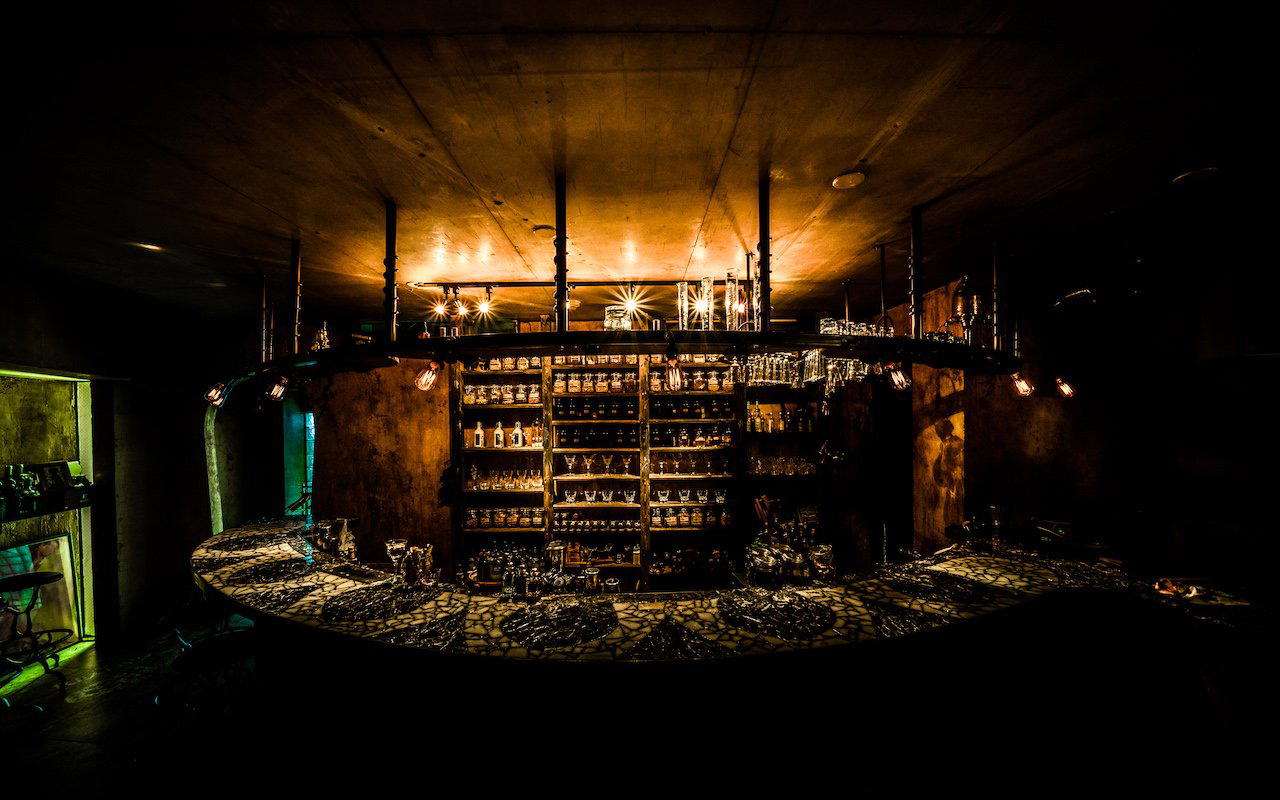
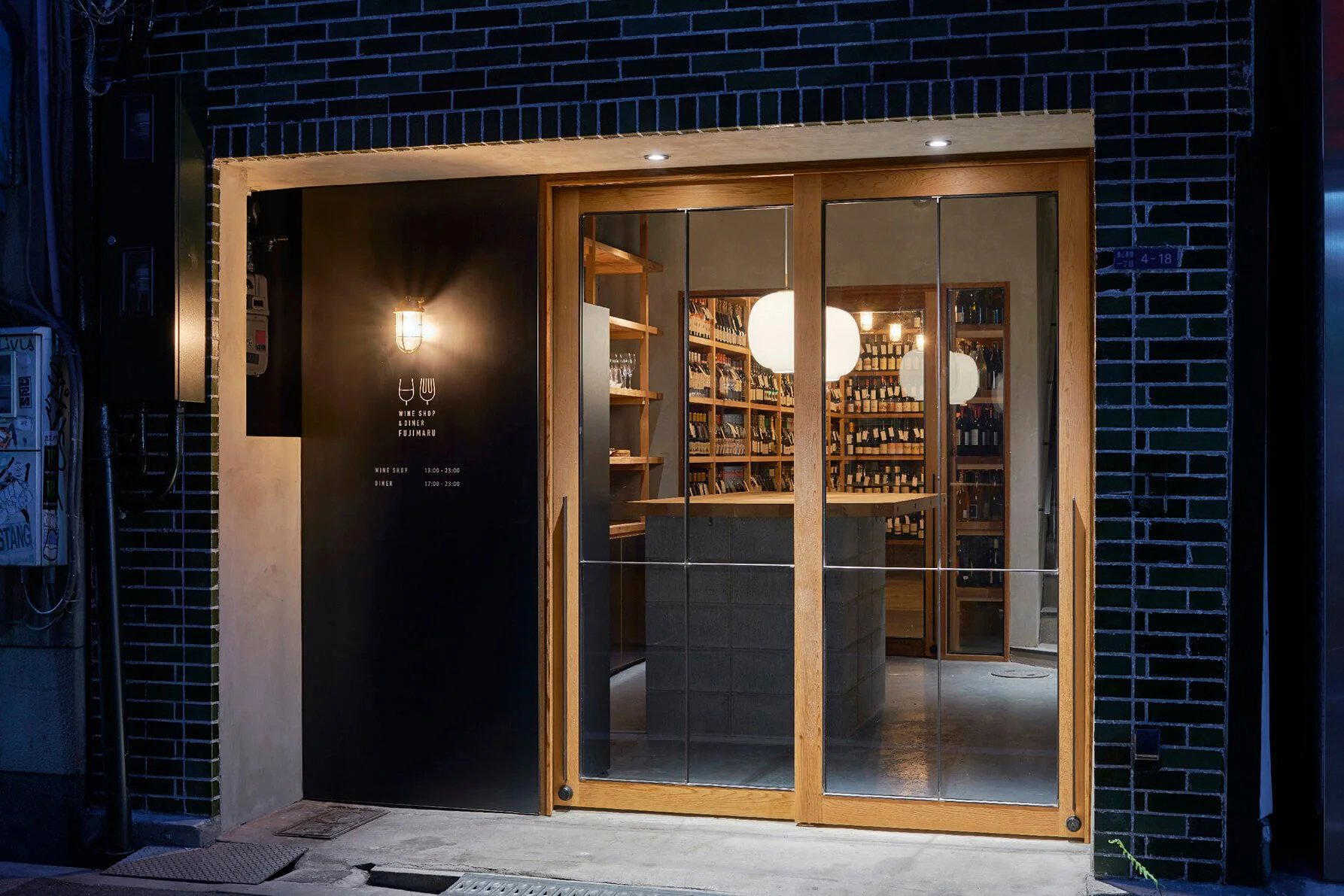


Hotels in Osaka
Browse all →




Wineries in Osaka
Browse all →
At a Glance
- Classic
- Cozy
- Well Known
- Solo
- Family
- Casual Hangout
- After Work
- Standalone
- Sake Program
- Street Scene
Current opening hours
- Monday
- Closed
- Tuesday
- 11:30 AM–2:30 PM
- Wednesday
- 11:30 AM–2:30 PM
- Thursday
- 11:30 AM–2:30 PM
- Friday
- 11:30 AM–2:30 PM
- Saturday
- 11:30 AM–2:30 PM
- Sunday
- Closed
Hours can change for holidays and private events. Last verified .