
A 12-seat okonomiyaki counter in Nishinari, Okonomiyaki Chitose represents Osaka’s low-cost teppan culture at its sharpest: compact, informal, and serious about griddle work. Its repeated selection for Tabelog’s Okonomiyaki 100 from 2022 through 2025 gives the room a stronger credential than its modest format suggests, especially for travelers measuring Osaka dining by value rather than ceremony.
Pearl is the En Primeur Club membership app — saves, bookings, and concierge access live there. Same editors, same standards.
- Address
- 1 Chome-11-10 Taishi, Nishinari Ward, Osaka, 557-0002, Japan
- Phone
- +81 6-6631-6002
- Website
- bunjin.com
 Saves & bookings on Pearl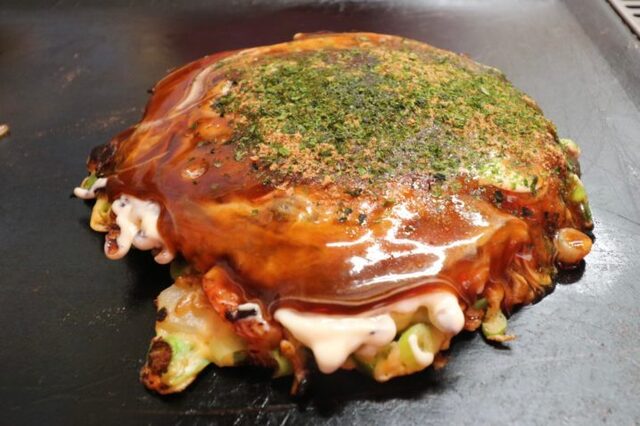
Approaching Taishi in Nishinari, Osaka’s eating culture shifts register. Polished hotel dining rooms and department-store food halls give way to small shopfronts, house restaurants, and griddles at street level. Okonomiyaki belongs here naturally: batter, cabbage, sauce, heat, and timing rather than ceremony. Okonomiyaki Chitose sits squarely in that tradition, a compact room whose value is not luxury signaling but the amount of local food culture compressed into a small teppan meal.
That matters because okonomiyaki is not a novelty dish in Osaka. It is everyday grammar, closer to a neighborhood meal than a special-occasion reservation. The better addresses reveal themselves through repeat recognition, queue discipline, and a room that turns without losing craft. Chitose’s selection for Tabelog’s Okonomiyaki 100 in 2022, 2023, 2024, and 2025 places it among Osaka okonomiyaki shops judged against specialists, not general casual restaurants.
Osaka value is measured at the griddle, not in theatrics
The useful way to read this restaurant is through yield: technique, local identity, and scarce seats for a modest outlay. Visitors often treat okonomiyaki as inexpensive comfort food, but in Osaka the category has gradations: neighborhood counters, tourist-facing chains, and specialist rooms where the griddle is the whole argument. Okonomiyaki Chitose sits at the specialist end of the casual spectrum. Its categories include okonomiyaki, yakisoba, and teppanyaki, keeping the focus on Kansai griddle cooking rather than a broad izakaya spread.
The room’s scale is part of the value equation. Twelve seats, including counter seating, make the meal feel closer to watching short-form craft than ordering from a large kitchen. That compactness also explains why recognition carries weight. A Tabelog score of 3.65 in a category as heavily represented in Osaka as okonomiyaki is not decorative; it signals separation inside a crowded local field. Compared with Okonomiyaki Hayashi, which prices dinner higher while keeping lunch in a similar casual bracket, Chitose reads as the leaner proposition. Against broader Osaka comfort-food addresses such as Sukiyaki Nabemono Nabeya or Grill Bon, it offers a narrower but more Osaka-specific thesis.
Nishinari matters too. The ward’s dining identity is not built around polish; it rewards direct formats, quick meals, and neighborhood utility. For travelers cross-shopping the city, Chitose sits in a different frame from higher-spend beef rooms such as Itamae Yakiniku Itto Tengachaya honten or hotel-linked dining like Restaurant ZK. The question is not which address feels grander, but which teaches more about Osaka’s everyday appetite per course, per seat, and per minute at the grill.
A small Osaka room with national-list credibility
Repeated Tabelog Okonomiyaki 100 selection is the cleanest trust signal because it is category-specific. Michelin-style recognition can flatten regional food into fine-dining terms; this list keeps okonomiyaki in its lane. The 2025 selection, announced in September 2025, confirms the shop remains part of the national conversation around the form rather than a nostalgic local holdover.
The 1959 opening date adds another authority. Longevity alone does not guarantee quality, but in Osaka’s casual dining ecology it suggests the restaurant has survived changes in neighborhood traffic, tourism cycles, and eating habits without needing to expand into a concept. That restraint helps travelers: a small house restaurant, griddle-focused menu, and format that works for solo diners, friends, and families without becoming a production.
There is a practical trade-off. Small specialist rooms do not behave like hotel restaurants, and the operational rhythm is part of the experience. Seats are limited, private rooms are not part of the format, and house rules favor eating over lingering. Photography inside is prohibited, a detail that improves the room more than it inconveniences serious diners. In a city where many meals are filtered through screens before tasting, the rule keeps attention on the griddle and table.
How to fit it into an Osaka food itinerary
Okonomiyaki Chitose works well as a focused Nishinari meal, not a catch-all dinner. The categories are tight, the room is small, and the strongest reason to go is to understand Osaka’s flour-based food culture at street level. Build the day around contrast: coffee and bakeries in another pocket of the city, a griddle meal here, then cocktails or a hotel bar elsewhere if the evening needs polish. For broader planning, Our full Osaka restaurants guide, Our full Osaka hotels guide, Our full Osaka bars guide, Our full Osaka wineries guide, and Our full Osaka experiences guide help place this kind of meal within a fuller city itinerary.
The surrounding Osaka list is useful because it shows the breadth of the city’s casual dining. A morning can start at.cafe or 52CHO-ME BAKERY, move through the civic shorthand of 551 Horai (551蓬莱), then shift to a specialist griddle counter. For travelers who want Osaka beyond takoyaki clichés, that sequencing is more useful than chasing one prestige booking. The city’s dining intelligence lives in repetition, heat, and specialization.
There are other routes through the same argument. 99 Pizza Napoletana Gourmet and a canto (Italian) show how Osaka absorbs imported forms, while Chitose shows the local form with minimal translation. Beyond Osaka, Japan’s casual-specialist spectrum stretches from -Grilled beef Sukiyaki- KAMAKURA TANUKIAN 鎌倉 たぬき庵 in Kamakura to. 鮪と炭火焼き うお炭 秋葉原店 in Tokyo.know in Kumamoto, (Shoku) Vietnam in Kawasaki, [Curry Senmon Ten] Maruyama Kyoju. in Sapporo, and [ki:] in Kyoto. The same lesson appears overseas in different idioms at Jōdo Saké Bar in Los Angeles and Onigiri Time in Pasadena: narrow formats often carry more cultural information than broader menus.
The editorial call is clear. Choose the restaurant when the purpose of the meal is Osaka itself: compact, affordable in spirit, category-specific, and serious without becoming formal. It is not for a long tasting-menu evening or private-room celebration. It is for understanding why a humble griddle dish can sustain a citywide dining culture for decades.
Credentials Lens
Comparable venues for cuisine and category context.
| Venue | Cuisine | Price | Notes |
|---|---|---|---|
| Okonomiyaki ChitoseThis venue — the venue you are viewing | Traditional Osaka okonomiyaki | $ | Not listed |
| Zouya | Classic Osaka okonomiyaki & yakisoba | $ | Nishinari |
| Columbia8 Sakaisuji honmachi ten | Japanese Curry | $ | Chūō |
| Curry Rice | Japanese Curry House | $ | Chūō |
| Matsushita kitchen | Japanese café with Western-style sweets and shaved ice | $ | Higashinari |
| Spice and Curry Ougon no Kaze | Japanese spice curry | $ | Kita |
Recognition history
Dated appearances from independent guides and award organizations, with the underlying list record or original source where available.
Tabelog 100 #17 · No. 17
Tabelog · Tabelog 100 - Okonomiyaki - 2025
Continue exploring
More in Osaka
Restaurants in Osaka
Browse all →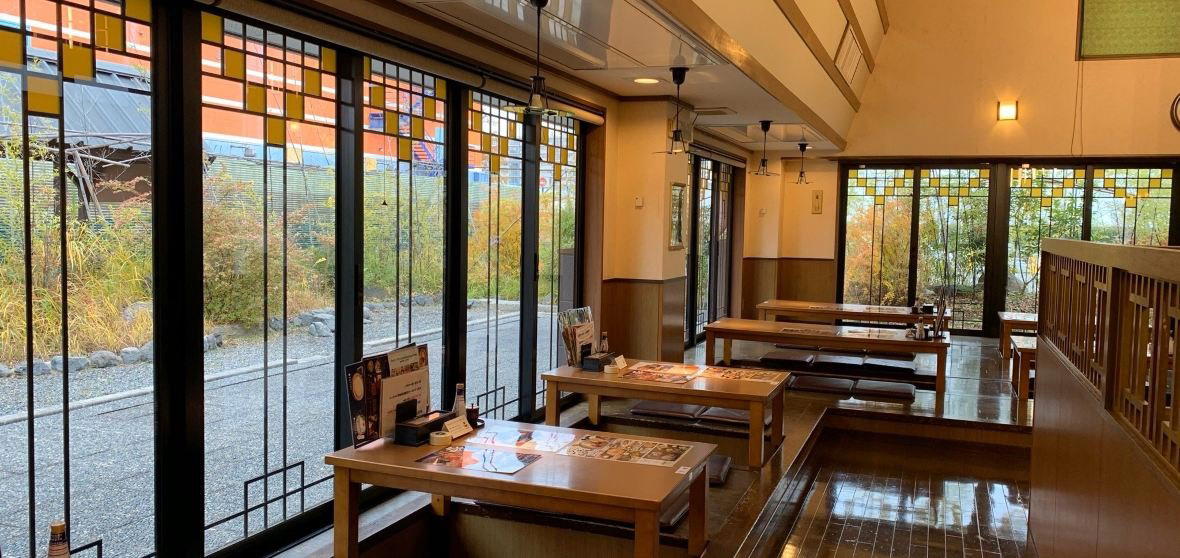




Bars in Osaka
Browse all →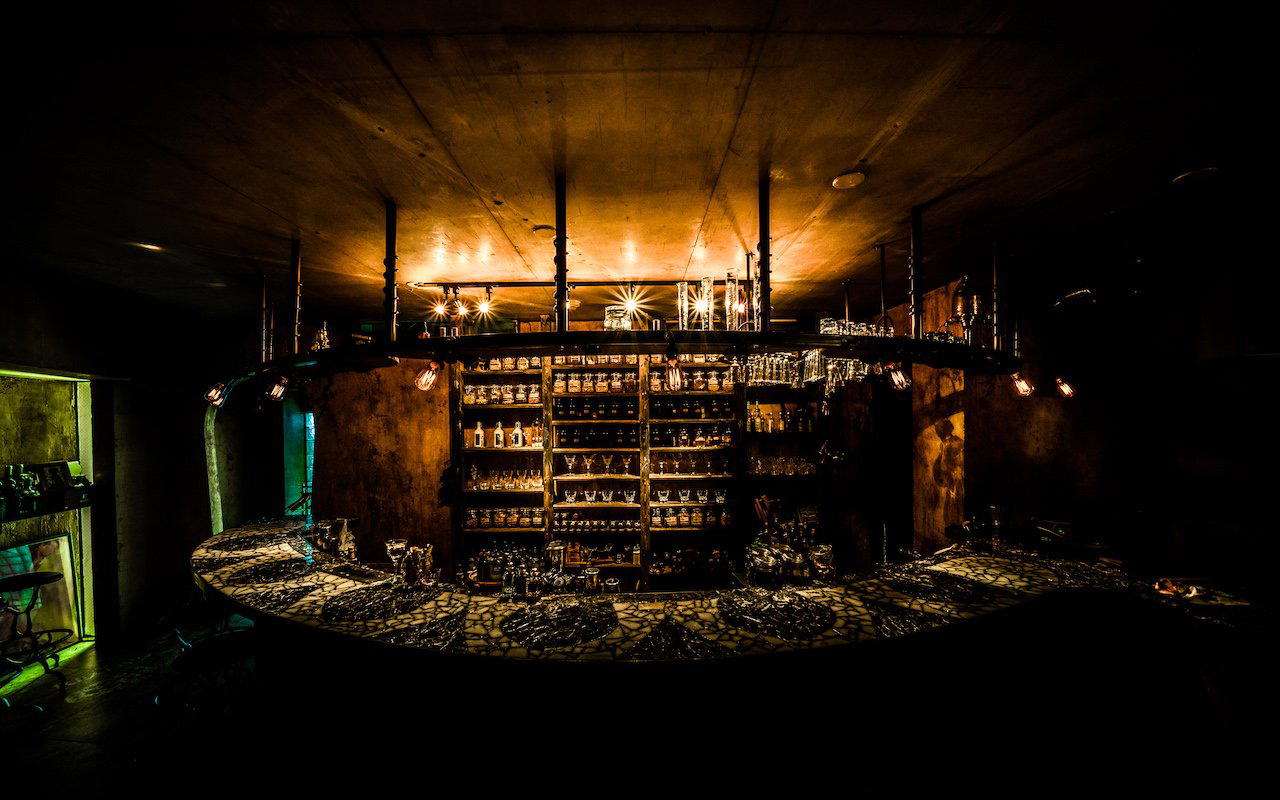
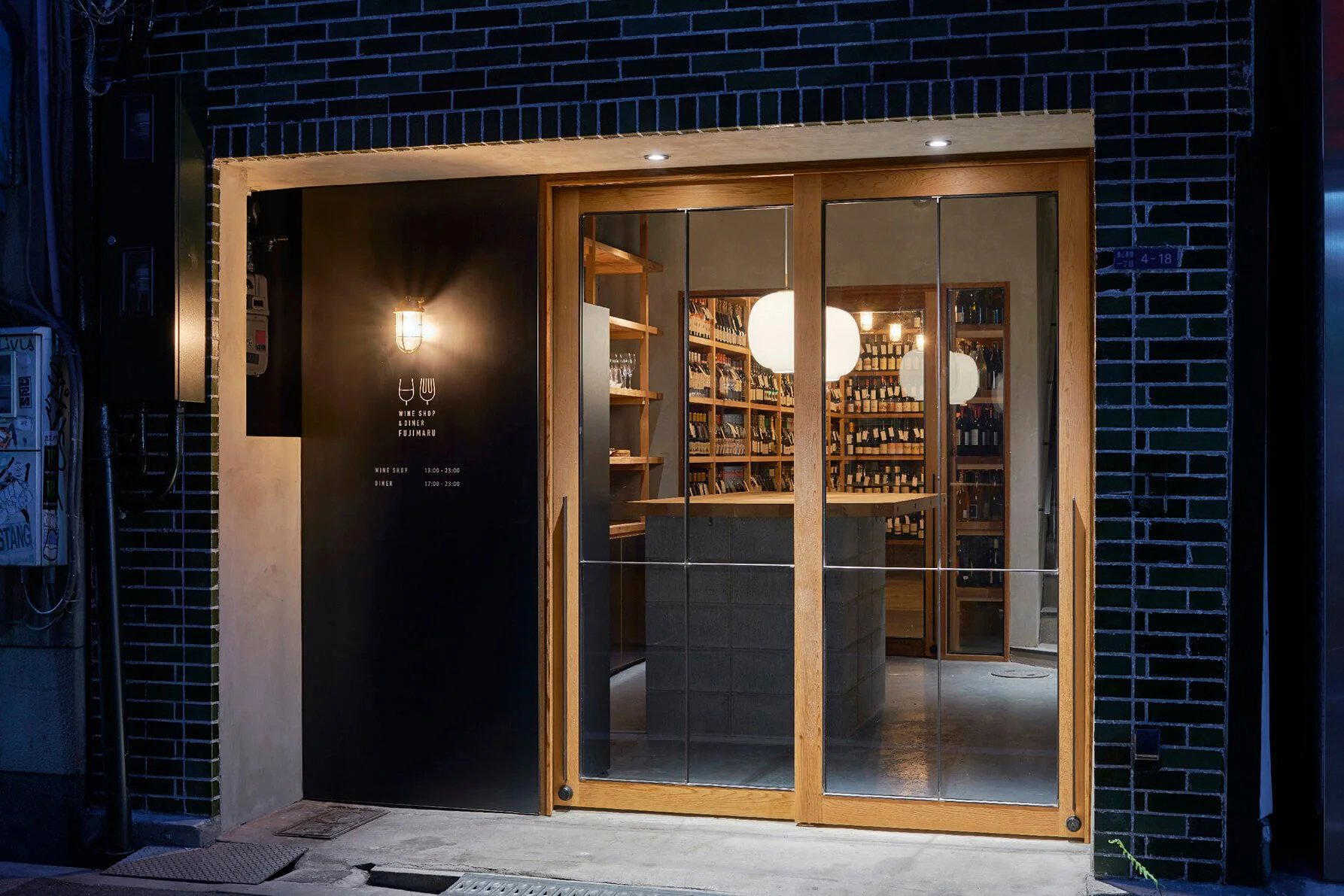


Hotels in Osaka
Browse all →



Wineries in Osaka
Browse all →
At a Glance
- Cozy
- Lively
- Classic
- Intimate
- Solo
- Casual Hangout
- Family
- Late Night
- Standalone
- Open Kitchen
Current opening hours
- Monday
- 11:30 AM–2:30 PM, 5–8 PM
- Tuesday
- Closed
- Wednesday
- Closed
- Thursday
- 11:30 AM–2:30 PM
- Friday
- 5–8 PM
- Saturday
- 5–8 PM
- Sunday
- 11:30 AM–2:30 PM, 5–8 PM
Hours can change for holidays and private events. Last verified .
A snug, old-school neighborhood spot with just a few counter and table seats, the atmosphere is warm and casual, with the sizzle of the teppan and friendly owner interaction creating a lively yet homey feel.