
Tabelog 100 #11
Our verdict
Handa’s ramen scene rewards precision over ceremony, and Menya Sakura fits that tradition with an eight-seat counter, ramen and tsukemen focus, and recognition in Tabelog’s Ramen AICHI 100 for 2025. The format is compact, counter-led, and priced in the everyday ramen bracket, which makes the sourcing and broth discipline carry more weight than luxury signals.

Pearl is the En Primeur Club membership app, where members save venues, book tables and use the concierge.
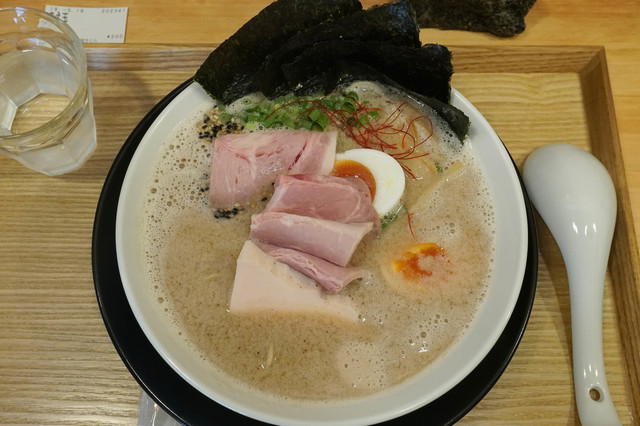
The menu
What to order
- Sakura Ramen Koi Kuchi Shoyu
- Tsukemen (dipping noodles)
Approaching a serious ramen stop in a smaller Japanese city, the first cue is compression: a concise menu identity, a lunch rhythm, and the sense that the meal is built around the bowl rather than the room. In Handa, that compact rhythm matters. Ramen here is not late-night neon cliché; it is regional craft, where broth extraction, noodle texture, tare balance, and ingredient choices carry a meal still priced for regular eating.
Menya Sakura fits that sharper category. Its public identity is narrow: ramen and tsukemen, with a place on Tabelog’s Ramen AICHI 100 selection for 2025. That recognition matters because Aichi’s ramen field stretches beyond one tourist district, across Nagoya, commuter towns, coastal areas, and smaller cities where local repeat custom can matter as much as destination traffic. For a Handa address to register, the cooking has to read beyond neighbourhood loyalty.
Handa ramen, judged by broth discipline rather than theatre
Japan’s current premium ramen tier often splits between two instincts. One borrows tasting-menu language: reservation scarcity, chef-counter choreography, and luxury ingredient messaging. The other keeps old ramen-shop grammar, then tightens everything inside it. Menya Sakura reads closer to the second camp. The ramen-tsukemen focus puts attention on repetition: how consistently the kitchen produces soup, noodles, toppings, and dipping broth through service.
Ingredient sourcing is more than a menu footnote. In ramen, it is layered inputs: stock, tare, wheat for noodles, fat for aroma, dried ingredients for depth, and vegetables for sweetness or lift. Tsukemen makes this sharper because dipping exposes concentration. A broth balanced in soup form can feel heavy when reduced into a dip; a noodle adequate in a hot bowl can lose definition when served separately. The category asks for engineering as much as appetite.
Handa’s position in Aichi matters too. The prefecture has strong noodle cultures, from Nagoya’s kishimen and miso-nikomi udon to a dense ramen scene shaped by commuters and car travel, not only central-city footfall. A ramen counter here competes for customers who quickly understand texture, salt, portion, and value. A prefectural Tabelog 100 list signals that the shop is measured inside that demanding local frame, not merely against travel convenience.
Compared with nearby casual price references such as Menya Ippachi and Yakiimo Maru Jun, Menya Sakura remains accessible while sitting in the publicly listed JPY 1,000–JPY 1,999 band. That distinction matters: not fine dining pricing, but enough room for a bowl built with production care. At the other end of the local set, Ittou occupies a different dining bracket, underlining the point: ramen’s Handa value equation is depth per bowl, not ceremony per cover.
The counter format keeps the meal focused
Focused ramen changes how a meal is read. There is little buffer between production and consumption, and little room for distraction. The guest reads timing, order rhythm, and the way bowls move through the room. Comfort comes from control rather than leisure. A compact operation makes pacing sensitive: a delayed order, a slow decision, or a late arrival can affect the flow more than in a larger restaurant.
The service style reinforces that discipline. Rather than treating ramen as a long, open-ended sit-down meal, the format rewards planning and attention to timing. For travellers, this is a scheduling decision as much as a dining choice. It suits solo diners and pairs who are willing to make lunch the day’s anchor rather than an afterthought.
The narrow category is part of the appeal, not a limitation. Menya Sakura is publicly classified around ramen and tsukemen, so the meal is best approached as a specific noodle stop rather than a flexible all-purpose restaurant. For travellers building a food-focused day in Handa, the reading is simple: come for the bowl, the dipping noodles, and the discipline of a shop recognised within Aichi’s ramen field.
Payment, access, and daily operating details can change, so the practical move is to verify current information before going. What remains steady in the public profile is the price band, the ramen-tsukemen category, and the 2025 Tabelog Ramen AICHI 100 recognition. Those are the details that frame expectations without overcomplicating a fundamentally direct meal.
How to place it in a Handa eating day
Menya Sakura is not trying to solve every Handa dining need. Its use is narrower and stronger: a focused ramen or tsukemen stop for travellers who care about regional noodle craft and want a meal reflecting Aichi’s everyday dining intelligence. The Tabelog score of 3.71 and 2025 Ramen AICHI 100 selection add external signals, but the more persuasive evidence is the format: a tight category, a clear price band, and a style of food where small flaws become obvious.
For a broader Handa itinerary, treat the meal as one part of the city’s food map. Use Our full Handa restaurants guide for dining context, then cross-check the trip through Our full Handa hotels guide, Our full Handa bars guide, Our full Handa wineries guide, and Our full Handa experiences guide. The wider Japan file helps calibrate price and format across categories, from other regional dining rooms and city restaurants to casual cafes, noodle counters, grills, curry shops, burger spots, mountain huts, and Japanese food culture abroad. The point is comparison by format and pressure, not by forcing Menya Sakura into a fine-dining frame.
The editorial case for Menya Sakura is not scale, glamour, or breadth. It is the opposite: a small ramen and tsukemen specialist in Handa where ingredient choices and noodle structure have nowhere to hide, backed by a 2025 Aichi ramen selection and a format that keeps the meal tightly focused.
Frequently asked questions
Is Menya Sakura suitable for children?
Menya Sakura is best approached as a focused ramen and tsukemen stop in Handa. Public pricing is listed at JPY 1,000–JPY 1,999. Check the venue's official channels for the latest details.
What's the vibe at Menya Sakura?
It is a focused ramen and tsukemen venue in Handa. The Tabelog 100 Ramen AICHI 2025 selection points to a serious noodle shop rather than a lingering, all-purpose dining room.
What price level is Menya Sakura?
Pricing at Menya Sakura is listed as JPY 1,000 - JPY 1,999.
What part of town is Menya Sakura in?
Handa.
Fast Comparison
Comparable venues by cuisine and price in the same metro.
| Venue | Cuisine | Price | Awards | Notes |
|---|---|---|---|---|
| Menya SakuraThis venue (the venue you are viewing) | Ramen and tsukemen shop | $10–20 | Tabelog 100 #11 | Not listed |
| Suzaki Foods Shop | Sanuki Udon | $1–10 | Not listed | Takasecho, Mitoyo City |
| Ebi Soba Hiiro | Shrimp-focused Ramen | $10–20 | Tabelog 100 #15 | Mizuho |
| Menya Saisakizaka | Modern Japanese ramen & tsukemen | $10–20 | Tabelog 100 #37 | Naka |
| BUCYO COFFEE | Nagoya kissaten café with Ogura toast | Not listed | Not listed | Nakamura |
| Tsubameya Dainagoya birudingu ten | Traditional Japanese wagashi & dorayaki shop | $10–20 | Tabelog 100 #45 | Nakamura |
Recognition history
Dated appearances from independent guides and award organizations, with the underlying list record or original source where available.
Tabelog 100 #11 · No. 11
Tabelog · Tabelog 100 - Ramen - AICHI - 2025
Continue exploring
More in Handa
Restaurants in Handa
All restaurants in Handa →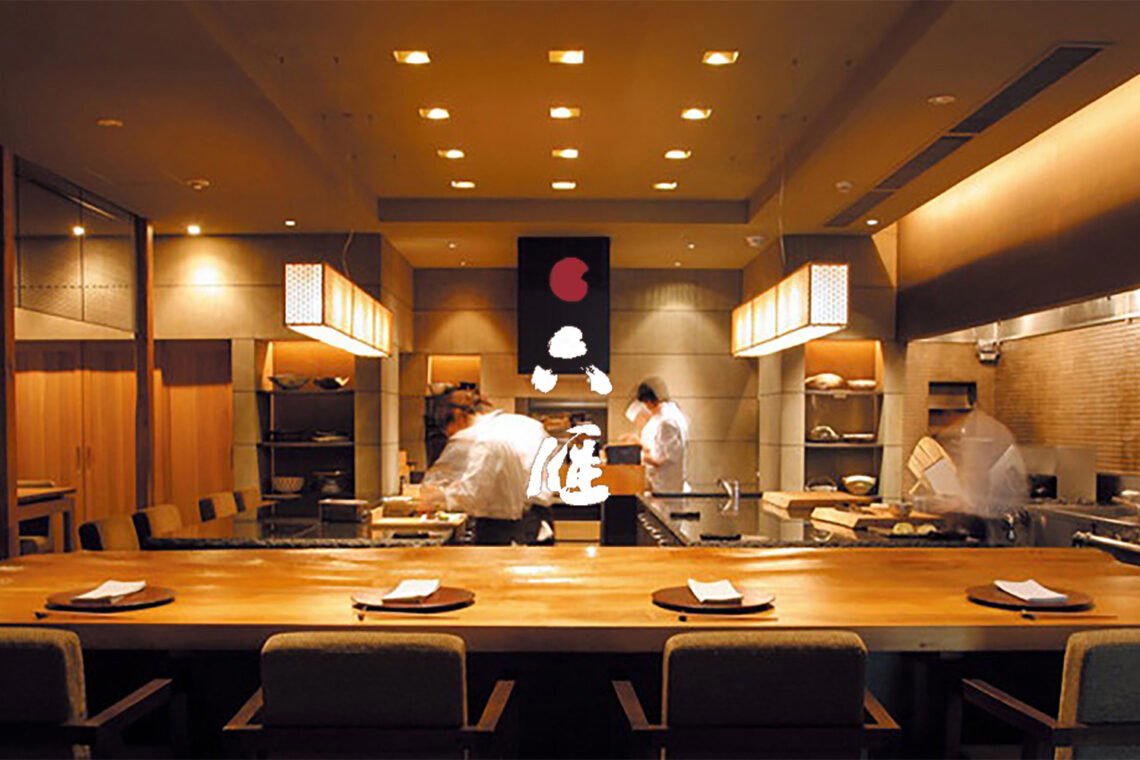


Details
- Cozy
- Quiet
- Minimalist
- Solo
- Casual Hangout
- Date Night
- After Work
- Chefs Counter
- Standalone
- A La Carte
- Counter Dining
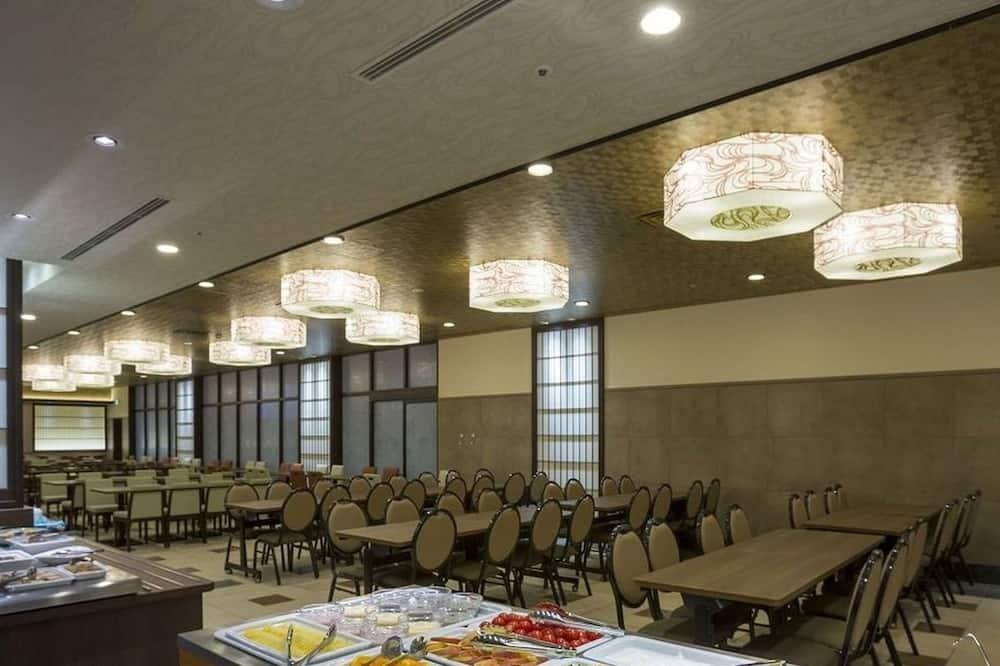
An intimate, counter-only ramen shop with non-smoking, relaxed seating and a simple, uncluttered space designed for focused solo or small-party dining at lunchtime.