
Menya Eguchi puts Nara into the Kansai ramen conversation with a compact counter-and-table format, ramen and tsukemen focus, and selection for Tabelog Ramen WEST 100 in 2025. It is a small, cash-only, no-reservations stop near Kyobate, better treated as a planned lunch rather than a flexible add-on between temple visits.
Pearl is the En Primeur Club membership app — saves, bookings, and concierge access live there. Same editors, same standards.
- Address
- 101 1 Chome-223-1 Minamikideracho, Nara, 630-8303, Japan
- Phone
- +81 742-93-3822
- Website
- instagram.com
 Saves & bookings on Pearl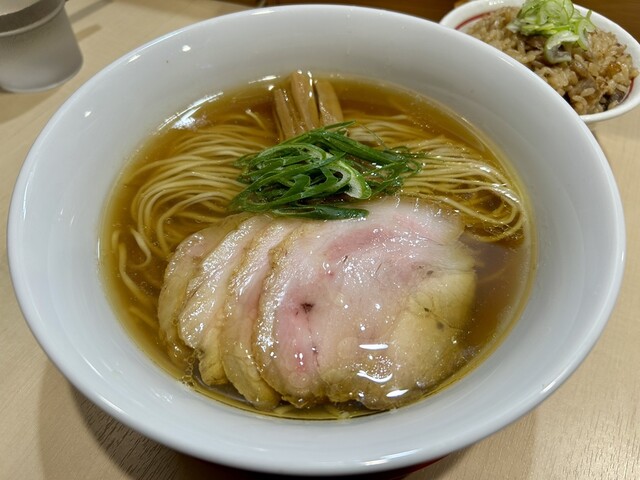
Approaching a serious ramen shop in Nara rarely carries the theatre of Ginza sushi or Kyoto kaiseki. The signal is quieter: a small frontage, a line that has to fit around the neighbourhood, and a room built for quick concentration rather than lingering ceremony. Menya Eguchi belongs to that grammar. The experience is compact, practical, and ingredient-led, closer to the working rhythm of Kansai noodle culture than to the staged polish of destination dining.
Nara’s dining identity is often discussed through old capital references, temple districts, seasonal sweets, or refined Japanese cooking, but its ramen scene rewards a different kind of attention. Here, the value sits in broth discipline, noodle texture, and the way a shop handles volume without diluting focus. Selection for Tabelog Ramen WEST 100 in 2025 places Menya Eguchi in a regional ramen conversation that extends beyond tourist Nara, and that matters: ramen recognition in western Japan is crowded, format-driven, and unforgiving of weak fundamentals.
Ramen and tsukemen in a city better known for slower meals
The menu’s center of gravity is ramen and tsukemen, two formats that reveal different priorities. Ramen asks whether broth, tare, aroma oil, noodles, and toppings can move as one bowl. Tsukemen separates the noodles from the dipping broth, putting more pressure on noodle structure and concentration. In Kansai, where udon and soba traditions have long shaped expectations around wheat, chew, and broth clarity, a ramen shop cannot hide behind novelty for long.
The ingredient angle is the reason this category travels well across Japan but rarely tastes interchangeable. Wheat selection changes the bite of the noodle. Broth style changes the pace of the meal. Seasoning has to land with enough force to hold attention, especially in tsukemen, without flattening the finish. No single named dish needs to be mythologised here; the broader point is that this is a shop built around noodle-and-broth decisions rather than chef biography, luxury produce display, or multi-course progression.
That focus also explains why the room’s size matters editorially. A 12-seat setup, with counter seating and one small table, keeps the meal close to the kitchen’s rhythm. Ramen counters are not merely space-saving devices; they compress the distance between cooking and eating, which is central to a dish where noodles keep changing from the moment they hit hot liquid. In a larger dining room, service can absorb delays. In ramen, timing is part of the craft.
Where it sits in Nara's broader dining map
For travellers building a Nara eating itinerary, Menya Eguchi fills a different slot from the city’s more formal restaurants. Soba specialists such as Noto Toto Teuchisoba Tabiki speak to older noodle traditions, while Ristorante L'incontro and Bon appétit Meshiagare show how European formats have been absorbed into the city’s dining calendar. Tsukumo sits in a higher-priced Japanese bracket, and Chugokukusai Naramachi Kuko points toward another strand of Nara’s small-restaurant culture. The useful comparison is not prestige, but tempo: ramen is quicker, more elemental, and less forgiving.
That makes the shop a sharp counterpoint to Nara’s heritage-day pacing. Many visitors plan the city around shrines, deer park routes, and late-afternoon train exits; ramen demands a tighter food-first decision. A no-reservations noodle shop with limited seating does not behave like a hotel dining room or a booked tasting menu. It works better when treated as the meal around which the afternoon is arranged, not the fallback after sightseeing runs long.
Nearby editorial context also includes 37+1 - Sanjuhachi, A VOTRE SANTE (French), Ajinokaze Nishimura (Japanese), Ajinotabibito Roman (Japanese), and akordu (Spanish, Innovative). The broader trip planning layer sits in Our full Nara hotels guide, Our full Nara bars guide, Our full Nara wineries guide, and Our full Nara experiences guide.
How to read the recognition without overreading it
Tabelog’s Ramen WEST 100 selection is a useful trust signal because it evaluates a competitive field where small shops and specialist formats dominate. It does not turn ramen into fine dining, and it should not be read like a Michelin tasting-menu marker. It signals consistency, regional attention, and enough technical credibility to belong in a serious Kansai ramen itinerary.
The opening date, 2022, also matters. This is not an old shop coasting on inherited reputation; its recognition has arrived within a relatively short operating window. In ramen, that can cut both ways. Newer shops often reflect current preferences for tighter sourcing stories, cleaner kitchen systems, and sharper queue management, while older shops may trade on memory and habit. The restaurant’s appeal sits in the former camp: compact, focused, and judged by the bowl rather than nostalgia.
Payment and seating details shape the practical read, but they also say something about the category. Cash-only operations and small rooms are not anomalies in Japanese ramen; they are part of a model that keeps throughput, staffing, and pricing aligned. The shaded-line instruction outside is another small but telling marker. Serious ramen shops are public-facing neighbourhood businesses, not private dining rooms, and queue etiquette is part of the social contract.
Travellers comparing Japanese casual formats beyond Nara can look at -Grilled beef Sukiyaki- KAMAKURA TANUKIAN 鎌倉 たぬき庵 in Kamakura. 鮪と炭火焼き うお炭 秋葉原店 in Tokyo.cafe in Osaka.know in Kumamoto, (Shoku) Vietnam in Kawasaki, and [Curry Senmon Ten] Maruyama Kyoju. in Sapporo. For a North American contrast in Japanese drinking and snack culture, see Jōdo Saké Bar in Los Angeles and Onigiri Time in Pasadena.
The editorial call is simple: this is a ramen stop for travellers who care about how noodles, broth, and sourcing decisions define a bowl, not for those seeking a long dining room arc. In Nara, that makes it useful. It cuts through the city’s softer heritage framing and lands in a more immediate register: sit, order, eat while the noodles are at their point, and move on.
Fast Comparison
Comparable venues by cuisine and price in the same metro.
| Venue | Cuisine | Price | Notes |
|---|---|---|---|
| Menya EguchiThis venue — the venue you are viewing | Ramen & Tsukemen Shop | $ | Not listed |
| Menya K | Ramen & Tsukemen Shop | $ | Nara |
| Wakakusa Curry Honpo | Japanese Curry House with Vegan & Gluten-Free Options | $ | Nara |
| Ocha no Ko | Tea Cafe / Japanese Dessert Shop | $ | Nara |
| 麺屋 NOROMA | 鶏白湯ラーメン | $$ | 西大寺 |
| Poku Poku | Japanese Tonkatsu | $$ | Nara |
Recognition history
Dated appearances from independent guides and award organizations, with the underlying list record or original source where available.
Tabelog 100 #45 · No. 45
Tabelog · Tabelog 100 - Ramen - WEST - 2025
Continue exploring
More in Nara
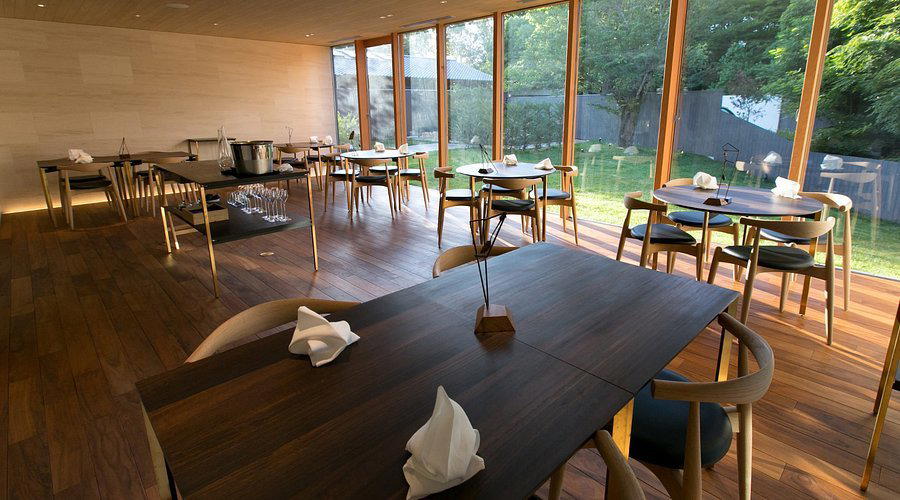




Bars in Nara
Browse all →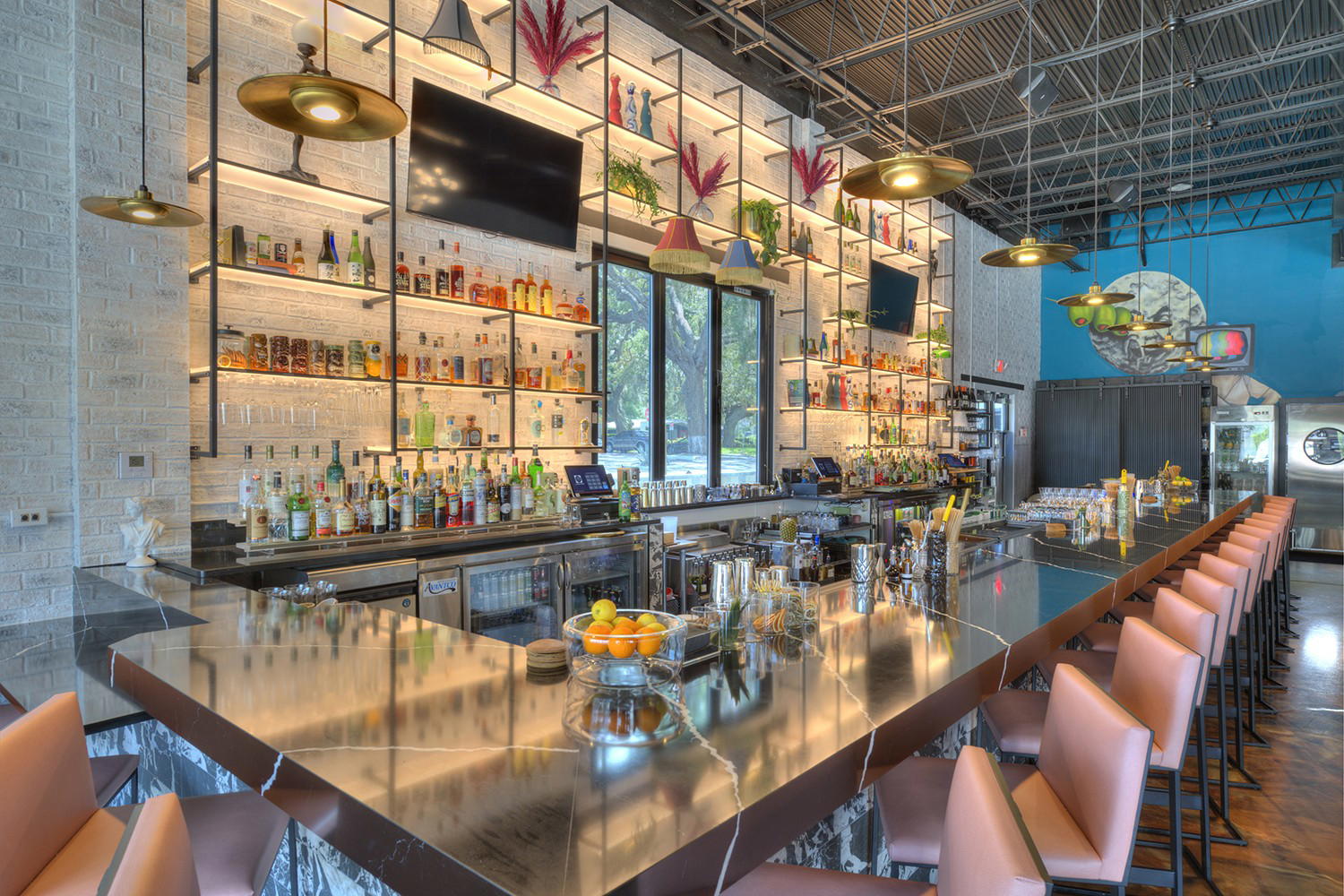
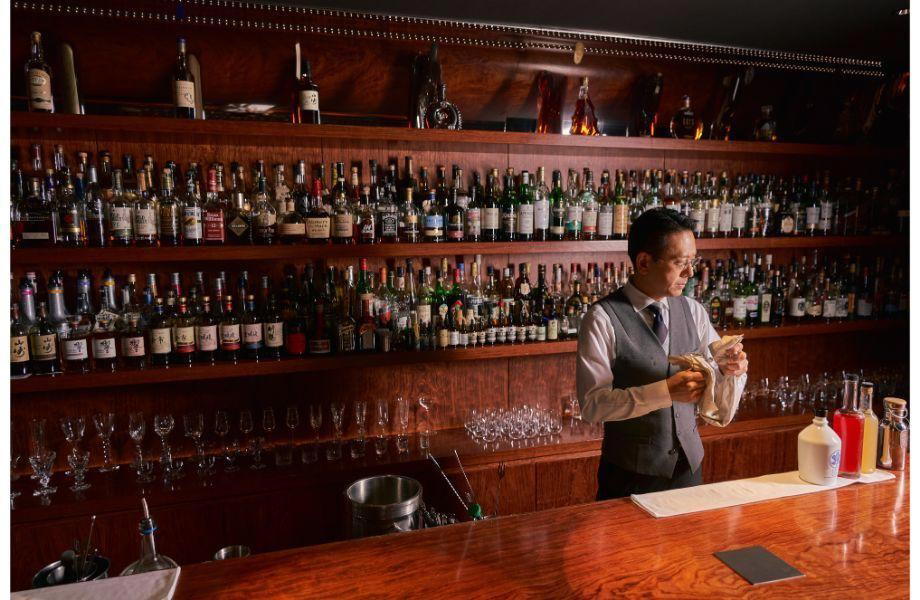


Hotels in Nara
Browse all →



Wineries in Nara
Browse all →
At a Glance
- Cozy
- Lively
- Solo
- Casual Hangout
- After Work
- Standalone
Current opening hours
- Monday
- Closed
- Tuesday
- Closed
- Wednesday
- 11 AM–4 PM
- Thursday
- 11 AM–4 PM
- Friday
- 11 AM–4 PM
- Saturday
- 11 AM–4 PM
- Sunday
- 11 AM–4 PM
Hours can change for holidays and private events. Last verified .
A compact, non-smoking ramen shop with about a dozen seats, simple counter-focused layout, and an energetic, casual atmosphere typical of popular local noodle spots.