
Michelin Plate
Our verdict
On a small square in central Parma, Meltemi brings serious seafood technique to a city more associated with cured pork and aged cheese. The kitchen works fish in all its forms, from raw tartares to homemade pasta, with Michelin Plate recognition in both 2024 and 2025. At the €€ price point, it holds an uncommon position in a dining scene that rarely foregrounds the sea.

Pearl is the En Primeur Club membership app — saves, bookings, and concierge access live there. Same editors, same standards.
- Address
- Borgo del Carbone, 3, 43121 Parma PR, Italy
- Phone
- +39 0521 030814
- Hours
- Mon 7:30–10:30 PMTue–Sat 12:30–2:30 PM, 7:30–10:30 PMSun Closed
- Website
- ristorantemeltemi.com
- Directions
- Get directions
- Booking
- Book on the venue's website
The menu
What to order
- Pappardelle with raw and cooked prawns
- Mullet dish
- Raw fish tartare
Seafood in a Landlocked Capital
Parma's dining identity is built almost entirely on land: prosciutto from the hills, Parmigiano-Reggiano from the valley floors, Emilian pasta traditions that go back centuries. Restaurants like Cocchi, I Tri Siochètt, and Osteria del 36 anchor a scene grounded in cured and aged ingredients, where the sea rarely appears. Against that backdrop, a dedicated seafood kitchen with two consecutive Michelin Plate recognitions occupies a genuinely distinct position. Meltemi, on the small Borgo del Carbone square in the city centre, is not an anomaly to be explained away. It is evidence that Parma's food culture has space for a different kind of precision.
The Square, the Terrace, and the Approach
Borgo del Carbone is a compact square set back from the main pedestrian corridors that run through Parma's historic centre. Approaching on foot, you encounter a space that slows down city movement rather than channelling it: a small piazza with a domestic scale, the kind of setting where a terrace table in summer becomes less a seating option and more the obvious choice. The outdoor tables at Meltemi face the square directly, which places the meal inside the rhythm of the neighbourhood rather than apart from it. Italian restaurant terraces in city squares of this character tend to define the seasonal experience as much as any dish, and here the summer evening context is the frame within which the food operates.
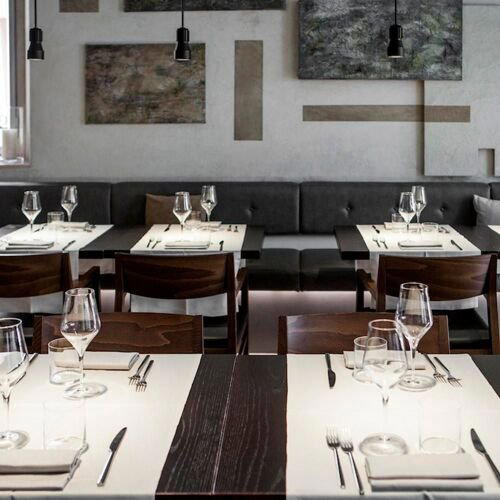
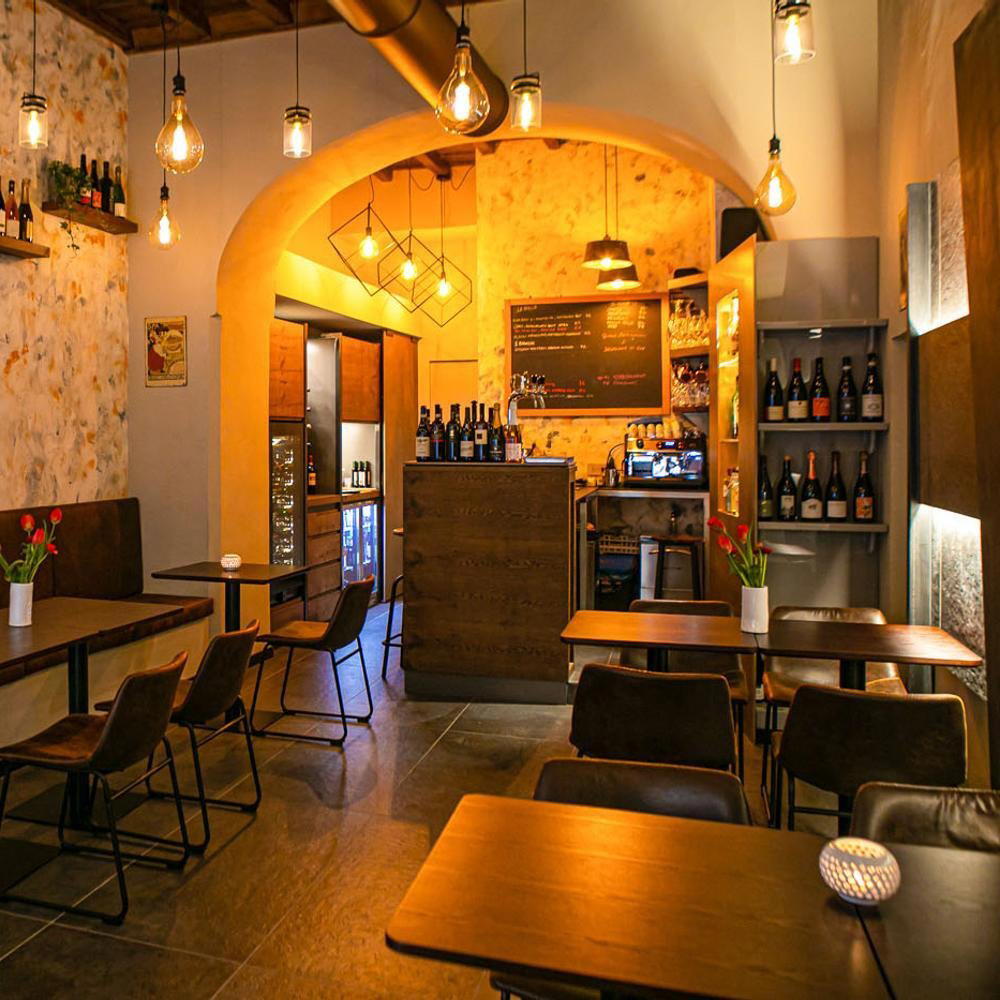
Inside, the format follows the logic of a mid-range neighbourhood restaurant that takes its sourcing and technique seriously without staging the fact. The price tier sits at €€, broadly comparable to Cocchi and I Tri Siochètt within Parma's mid-range bracket, and well below the €€€€ territory of Inkiostro. That positioning is part of what makes the Michelin Plate recognition meaningful: it signals quality within a format that is not asking for a special-occasion commitment from the diner.
The Whole Fish Philosophy in Practice
Italian coastal cooking has long understood fish not as protein to be dressed but as a system of flavours to be read and worked across every part of the catch. The approach that informs serious fish-forward kitchens, whether at Quattro Passi in Marina del Cantone, Alici on the Amalfi Coast, or Gambero Rosso in Marina di Gioiosa Ionica, is one that refuses to reduce fish to its most neutral, accessible form. Raw preparations, tartares, and whole-fish cookery each demand a different kind of respect for the ingredient: understanding how texture shifts with temperature, how fat is distributed, how acidity interacts with flesh at different stages of preparation.
At Meltemi, the kitchen works this range rather than selecting from it. Raw options and tartares appear alongside cooked main courses, so the menu functions as a study in how the same ingredient category behaves under different treatments. The mullet dish, described as delicate, sits in a tradition of preparing fish that could easily become bitter or heavy with a lightness that depends on timing and restraint. The homemade pasta, including pappardelle with both raw and cooked prawns, applies the same dual-treatment logic to a single ingredient: the contrast between the prawn's cooked sweetness and its raw texture is the point of the dish, not an accident of preparation. Burrata appears as a counterweight, its dairy fat providing a platform that amplifies rather than competes with the seafood flavours around it.
This is the kind of menu architecture that requires a coherent point of view about what fish can do rather than a rotation of crowd-pleasing standards. The accompaniments are described as designed to bring out the full flavour of the fish, which in practical terms means the kitchen is making choices that serve the ingredient rather than the plate aesthetic. That discipline is what earns the Michelin Plate designation two years in a row, and it places Meltemi in a different conversation from the city's largely meat-and-pasta default.
The Wine List
A seafood kitchen in northern Italy with a wine list anchored in Italian sparkling wines and Champagne is making a deliberate pairing argument. The effervescence and acidity of both categories work mechanically with raw fish and lightly cooked seafood in ways that still, oak-forward whites do not always manage. Offering both formats by the glass extends the logic to solo diners and to tables that want to move through the menu without committing to a full bottle at each course. Within the broader context of northern Italian wine culture, which includes serious Franciacorta and Trento DOC production alongside French Champagne, a list that draws on both signals a kitchen aware of what the glass is doing for the food.
Meltemi in the Wider Italian Seafood Frame
The serious end of Italian seafood cooking operates at a range of scales and price points. At the high end, kitchens like Dal Pescatore in Runate, Enoteca Pinchiorri in Florence, and Enrico Bartolini in Milan incorporate fish into menus that are priced and formatted as full destination experiences. At the other end, trattoria fish dishes are common but rarely constructed with the same intention. Meltemi operates in the territory between those poles: Michelin-recognised, mid-price, and specific enough in its seafood focus to function as a destination for that reason alone rather than as a default dinner option. For a reference point on what altitude-focused mountain cooking can do with similar ingredient-respect principles, Atelier Moessmer Norbert Niederkofler in Brunico and Osteria Francescana in Modena offer the starred comparison, though at a substantially different price level.
Within Parma specifically, the restaurant fills a gap that the city's otherwise deep food culture leaves open. Brisla and Osteria del 36 both work the Emilian canon with care, but neither foregrounds the sea.
Planning Your Visit
Meltemi is at Borgo del Carbone 3, in the centre of Parma, walkable from the Duomo and the main shopping streets. The terrace makes the restaurant a summer-weighted choice; booking ahead is advisable for evening tables in the warmer months, particularly on weekends. The €€ pricing means a full meal with wine by the glass is unlikely to represent a major financial commitment relative to the quality level, which makes it a reasonable opening dinner for a longer stay in the city rather than a reserved special-occasion slot. For a broader orientation to eating and staying in Parma, the full Parma restaurants guide, hotels guide, bars guide, wineries guide, and experiences guide cover the full picture.
Frequently asked questions
How much does it cost to eat at Meltemi?
Pricing at Meltemi is listed as €€.
What part of town is Meltemi in?
Meltemi is located at Borgo del Carbone, 3, 43121 Parma PR, Italy, Parma.
Where the Accolades Land
| Venue | Cuisine | Price | Awards | Notes |
|---|---|---|---|---|
| MeltemiThis venue — the venue you are viewing | Seafood Pesceria | $50–100 | Michelin Plate | Not listed |
| Inkiostro | Modern Italian Fine Dining | $50–100 | 1 Michelin Star · The Best Chef One Knife | Modern French, Creative |
| Cocchi | Traditional Emilian Trattoria | $30–50 | Michelin Plate | Not listed |
| I Tri Siochètt | Traditional Emilian Trattoria | $30–50 | Michelin Bib Gourmand | Not listed |
| Osteria del 36 | Traditional Emilia-Romagna Osteria | $30–50 | Michelin Plate | Not listed |
| Parizzi | Modern Emilian Fine Dining | Not listed | Michelin Plate | Not listed |
Recognition history
Dated appearances from independent guides and award organizations, with the underlying list record or original source where available.
Michelin Plate
Michelin
Full recognition history (3 entries)
Michelin Plate
Michelin
Michelin Plate
Michelin


Details
- Elegant
- Intimate
- Sophisticated
- Date Night
- Special Occasion
- Extensive Wine List
- Street Scene
- A La Carte
- Gluten Free Options
Current opening hours
- Monday
- 7:30–10:30 PM
- Tuesday
- 12:30–2:30 PM, 7:30–10:30 PM
- Wednesday
- 12:30–2:30 PM, 7:30–10:30 PM
- Thursday
- 12:30–2:30 PM, 7:30–10:30 PM
- Friday
- 12:30–2:30 PM, 7:30–10:30 PM
- Saturday
- 12:30–2:30 PM, 7:30–10:30 PM
- Sunday
- Closed
Hours can change for holidays and private events. Last verified .
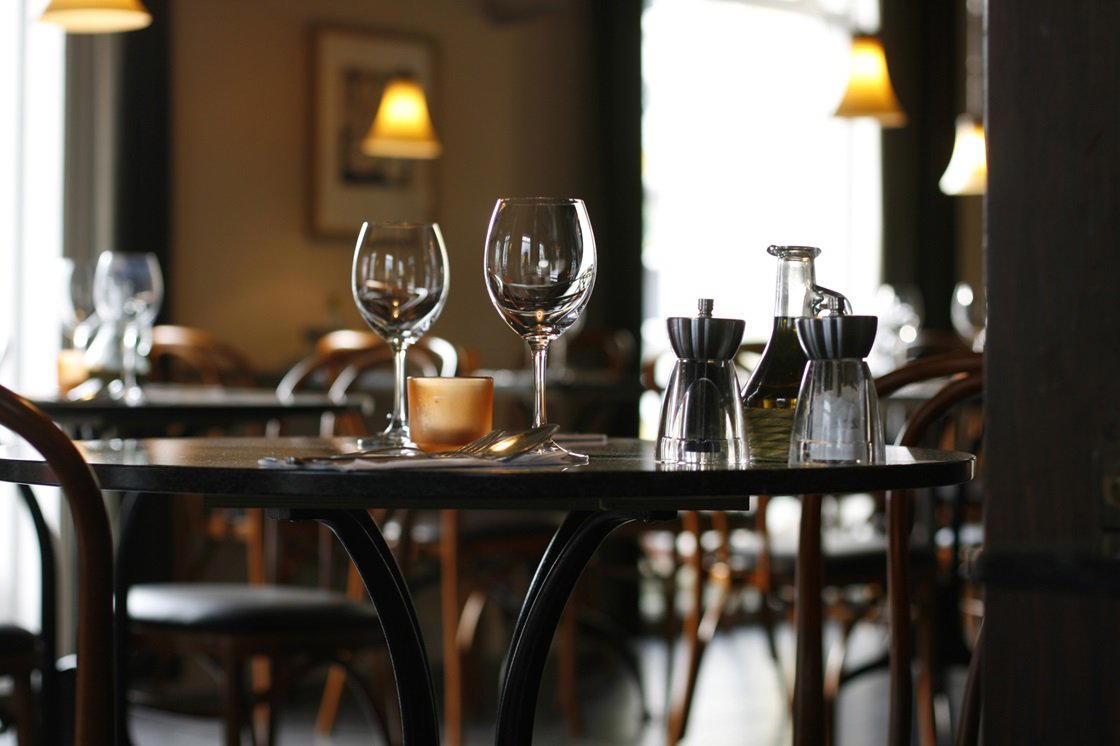
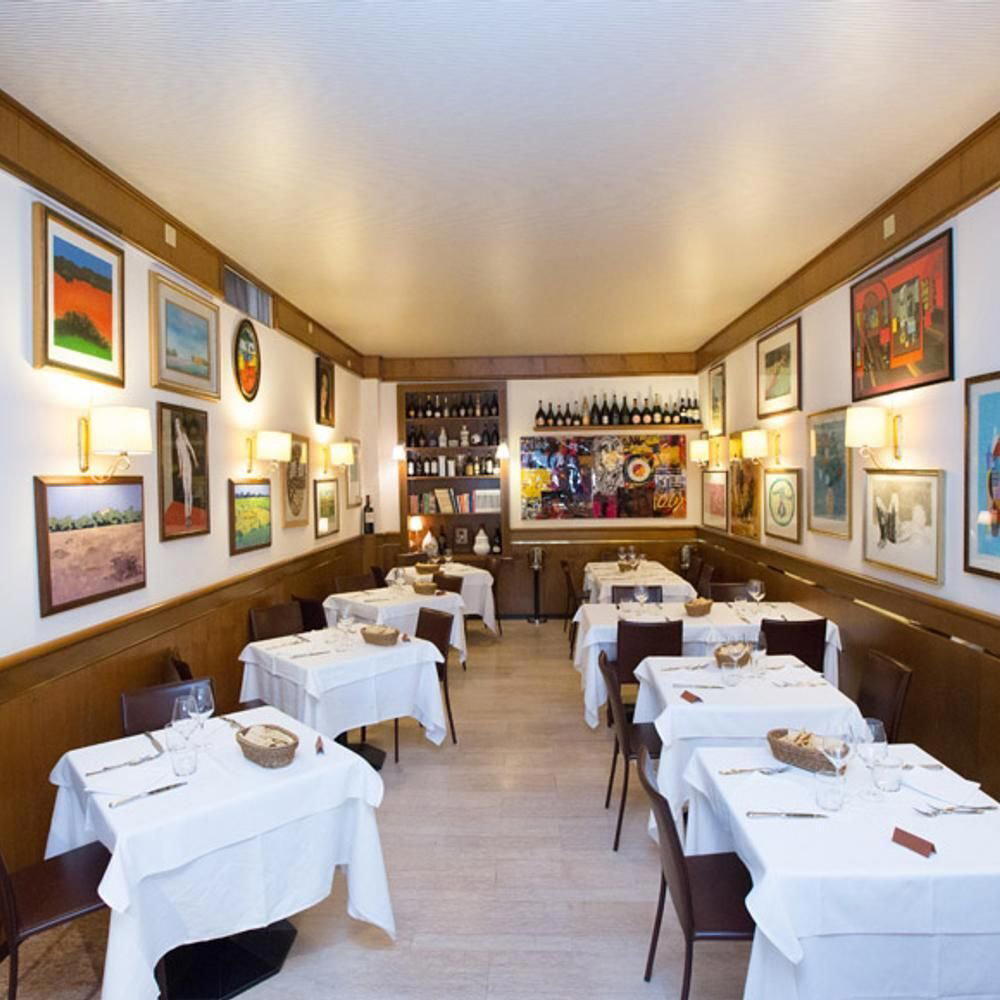
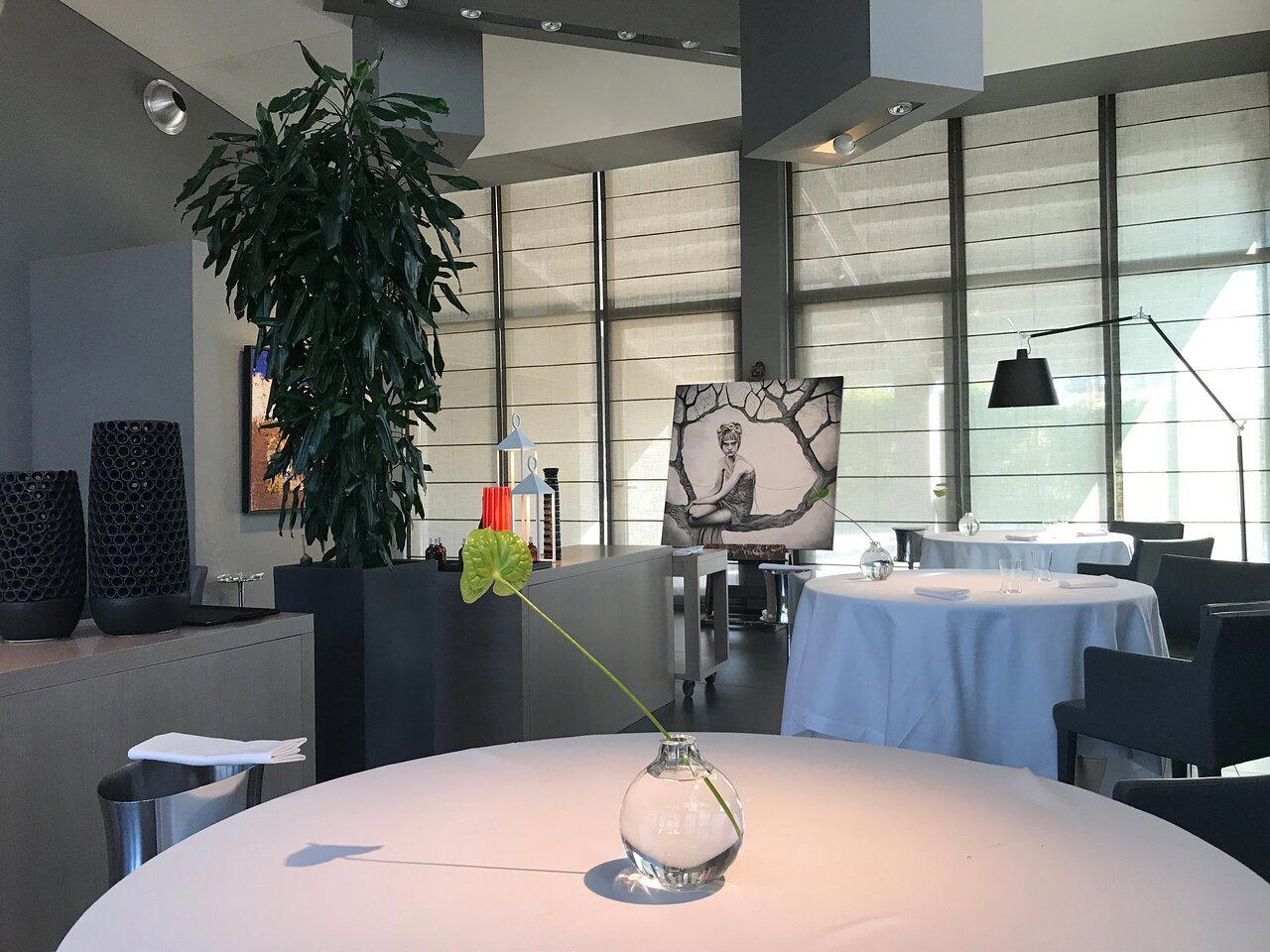
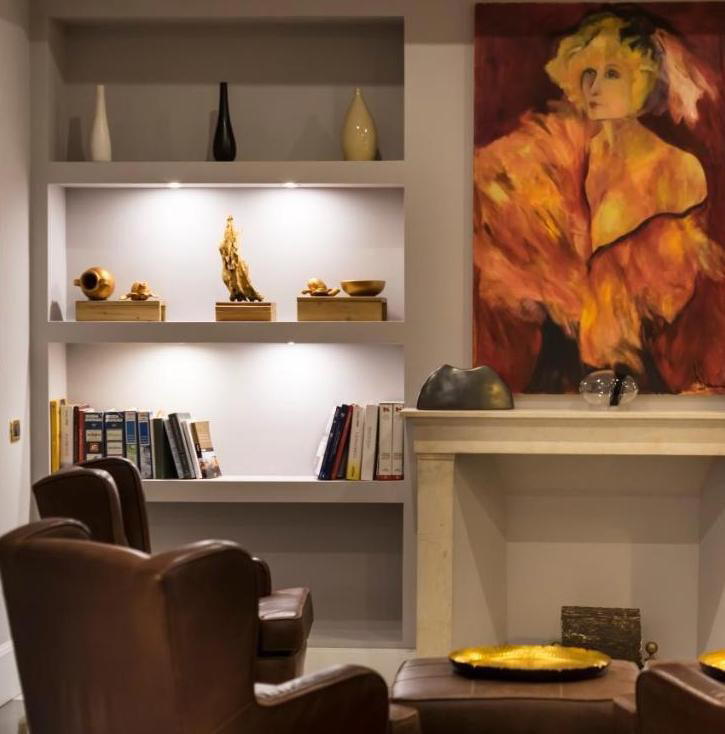
Elegant and harmonious with modern furnishings, light tones, and a welcoming family-like atmosphere, though tables can feel close leading to some noise.