Mekong Deventer
Mekong Deventer brings Southeast Asian cooking to one of the Netherlands' oldest Hanseatic towns, situated at Nieuwstraat 22 in the heart of Deventer's historic centre. The restaurant draws on the culinary traditions of the Mekong River region, offering a counterpoint to the Dutch and French-leaning dining options that dominate the local scene. For visitors to Deventer, it represents a distinct change of register from the city's farm-to-table and modern European offerings.
Pearl is the En Primeur Club membership app — saves, bookings, and concierge access live there. Same editors, same standards.
- Address
- Nieuwstraat 22, 7411 LM Deventer, Netherlands
- Phone
- +31653618224
- Website
- mekongdeventer.nl
- Directions
- Get directions
 Saves & bookings on Pearl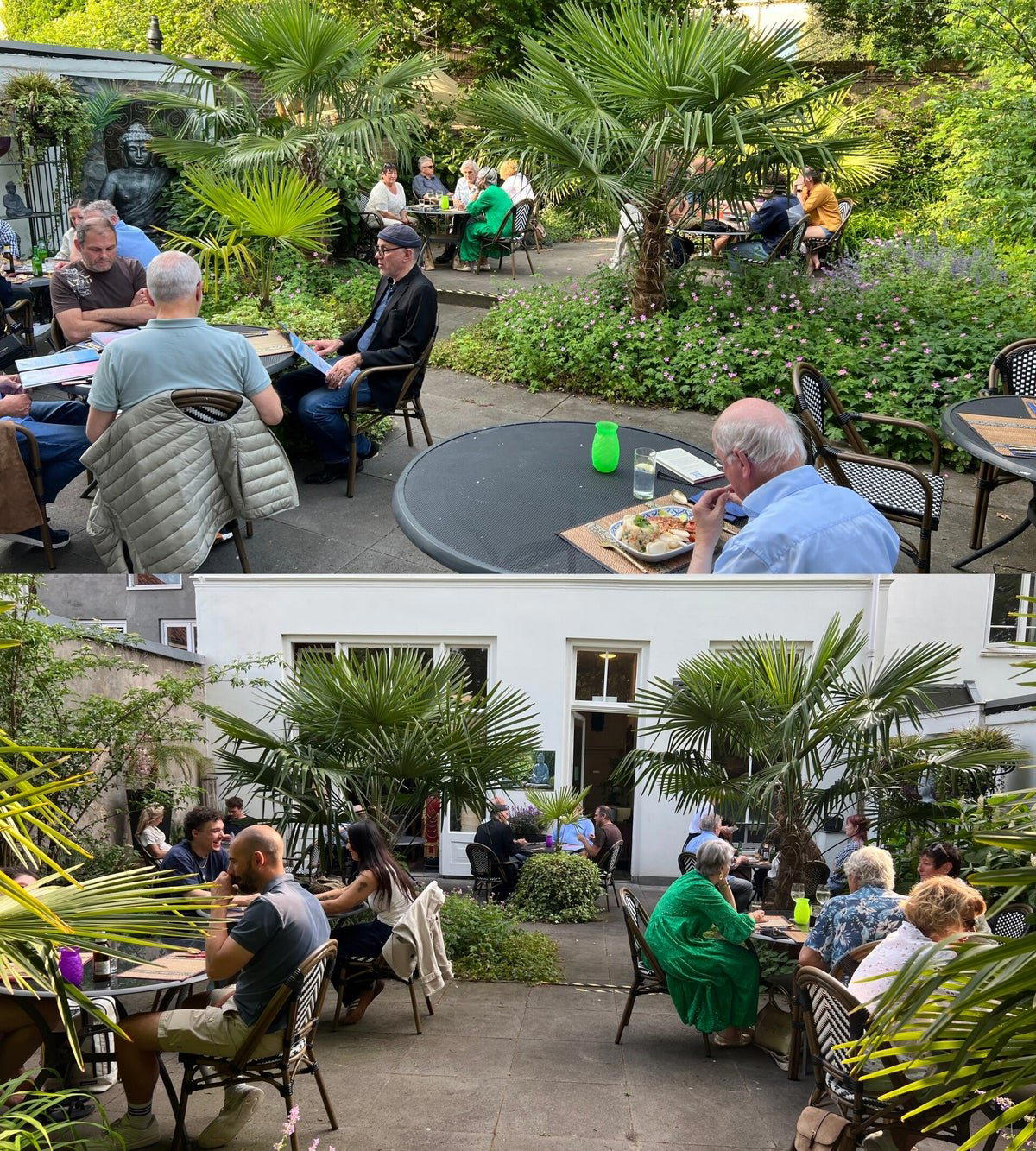
Southeast Asian Cooking in a Hanseatic Town
Deventer sits on the IJssel River with a medieval street grid and a city centre that has remained largely intact since its days as a prosperous Hanseatic trading port. The streets around Nieuwstraat, where Mekong Deventer occupies number 22, still carry the architectural density of a place built for commerce and exchange. That history of trade and cross-cultural contact makes it less surprising than it might appear that a restaurant rooted in the cooking of mainland Southeast Asia has found a home here.
The Mekong River drains parts of China, Myanmar, Laos, Thailand, Cambodia, and Vietnam, and the cuisines that developed along its banks share certain structural features: the use of fermented fish pastes and fish sauces as umami foundations, fresh herbs deployed in volume rather than as garnish, a calibration of heat that functions as flavour rather than spectacle, and rice in forms ranging from steamed grains to noodles to crêpe-like wrappers. These are not decorative flourishes. They are load-bearing elements of dishes that have evolved over centuries. A restaurant working in this tradition is operating within a framework as technically demanding as any European haute cuisine lineage.
Where Mekong Fits in Deventer's Dining Scene
Deventer's restaurant options cluster in a few recognisable categories. Farm-to-table Dutch cooking appears at places like 't Arsenaal, which signals the local appetite for produce-driven, seasonally adjusted menus. Modern French technique anchors IJssel Restobar. Mediterranean options, including Greek mezze and grill formats at Kreta Mezes & Grill, fill out the middle range. Carotte rounds out the local independent scene.
Against that backdrop, Mekong operates as the primary representative of mainland Southeast Asian cooking in the city. That positioning matters because it means the restaurant is not competing on the same terms as its local peers. Diners choosing between Mekong and Beryl's Fish & Chips & Veggies are making a categorical choice, not a comparative one within the same culinary tradition. Mekong's competitive set, in terms of cuisine type, is found more often in Amsterdam or Utrecht than in Deventer itself, which gives the restaurant a degree of local specificity that geography alone confers.
For a broader view of what Deventer's dining scene offers across price points and styles, the full Deventer restaurants guide maps the options across the city centre and surrounding neighbourhoods.
The Cultural Weight of Mekong Cooking
Dishes associated with the Mekong region carry specific cultural freight that distinguishes them from the broader category of pan-Asian cooking. Lao cuisine, for instance, centres on sticky rice eaten by hand, fermented fish sauce called padaek, and dishes built around the balance of sour, bitter, and spicy notes rather than sweetness. Khmer cooking from Cambodia layers aromatic kroeung pastes, built from galangal, lemongrass, and kaffir lime leaf, into slow-cooked preparations that bear little resemblance to Thai or Vietnamese neighbours despite geographic proximity. Vietnamese northern cooking differs meaningfully from southern Vietnamese preparations in its relative restraint with sugar and its preference for dill in certain fish dishes, a herb that appears nowhere else in Southeast Asian cooking at comparable frequency.
The point is that Southeast Asian cooking is not a monolith, and a restaurant that takes the Mekong River as its thematic anchor is, at least in principle, committing to a geographically and culturally specific tradition rather than serving a generic approximation. That kind of specificity is what separates a restaurant serious about its cuisine from one using cultural reference as decoration.
Dutch Context for Southeast Asian Cuisine
The Netherlands has a longer and more complicated relationship with Southeast Asian cooking than most Western European countries. The Dutch colonial presence in what is now Indonesia produced, over centuries, a hybrid culinary tradition that persists in the form of rijsttafel restaurants and Indonesian-Dutch households across the country. That history created an audience in the Netherlands that is more familiar with Southeast Asian flavour profiles than comparable populations in France or Germany, even if the specific Mekong River tradition sits somewhat apart from the Indonesian lineage that Dutch diners know leading.
That culinary familiarity is part of why Southeast Asian restaurants have found audiences in smaller Dutch cities, not just in Amsterdam or Rotterdam. The broader dining public in cities like Deventer has exposure to the structural logic of the cuisine, which lowers the barrier to engagement. A dish built on fish sauce, lime, and fresh chilli reads as intelligible to Dutch diners in a way it might not to audiences with no prior contact with the flavour grammar.
For those interested in the upper tier of the Dutch restaurant scene more broadly, the country produces fine dining that competes at a European level. De Librije in Zwolle and 't Nonnetje in Harderwijk represent the regional premium end within reasonable distance of Deventer, while Ciel Bleu in Amsterdam and Aan de Poel in Amstelveen anchor the national fine dining conversation. Further afield, De Nieuwe Winkel in Nijmegen, De Bokkedoorns in Overveen, De Groene Lantaarn in Staphorst, De Lindehof in Nuenen, De Lindenhof in Giethoorn, and Brut172 in Reijmerstok each occupy distinct positions in that national picture. For a global reference point, Le Bernardin in New York City and Atomix in New York City show how seafood-centred and Korean fine dining have pushed the international conversation.
Planning a Visit
Mekong Deventer is located at Nieuwstraat 22, 7411 LM Deventer, in the historic centre of the city. Nieuwstraat runs through the core of the old town and is accessible on foot from Deventer's main railway station in under ten minutes. The station connects to Zwolle, Apeldoorn, and Amsterdam via direct intercity services.
Frequently Asked Questions
- What should I eat at Mekong Deventer? The restaurant draws on the cooking traditions of the Mekong River region, which encompasses the cuisines of Laos, Cambodia, Vietnam, and Thailand. Dishes in this tradition typically feature fermented fish sauces, fresh herbs, and calibrated heat as core structural elements rather than background flavouring. For the most representative experience, look for dishes that foreground these elements rather than adapted versions moderated for broader European palates. Specific current menu items should be confirmed directly with the restaurant.
- Should I book Mekong Deventer in advance? Deventer's city centre dining scene is compact, and restaurants in the historic core can fill on weekends and during local events. Given that Mekong operates as the primary Mekong River-style restaurant in the city, demand among visitors specifically seeking this cuisine type may concentrate here. Booking ahead is a reasonable precaution, particularly for Friday and Saturday evenings or if you are visiting during Deventer's annual summer book market, one of the largest in Europe, which draws significant visitor numbers.
- What is Mekong Deventer leading at? The restaurant's primary distinction within the Deventer dining scene is its position as the representative of a specific Southeast Asian culinary tradition in a city where the restaurant options otherwise lean toward Dutch, French, and Mediterranean cooking. Within that tradition, the structural qualities of the Mekong region cuisine, its use of fermented bases, fresh aromatic herbs, and multi-register heat and sourness, are what characterise the cooking at its most accurate.
- Can Mekong Deventer handle vegetarian requests? Southeast Asian cuisines from the Mekong region vary in their accommodation of vegetarian diets: some dishes are inherently plant-based, while others use fish sauce or shrimp paste as a foundational ingredient that cannot be simply removed without altering the dish's character. The restaurant's website or phone contact, once confirmed, would be the appropriate route for this query.
- Is Mekong Deventer suitable for diners unfamiliar with Southeast Asian cooking? The Mekong River culinary tradition may be less familiar to some diners than Thai or Japanese cooking, which have wider international profiles, but the Netherlands as a whole has a longer engagement with Southeast Asian flavour grammar than most Western European countries, partly due to its colonial history with Indonesia. That context means Dutch diners, including those in smaller cities like Deventer, tend to have a baseline familiarity with fish sauce-based seasonings and fresh herb-heavy preparations. For first-time visitors to this style of cooking, asking the kitchen for guidance on dish selection is a standard and well-received approach in most Southeast Asian restaurants.
How Mekong Deventer compares with similar nearby venues.
| Venue | Cuisine | Price |
|---|---|---|
| Bouwkunde | French | €€ |
At a Glance
- Cozy
- Intimate
- Date Night
- Family
- Casual Hangout
- Garden
- Open Kitchen
- Local Sourcing
- Garden
Current opening hours
- Monday
- Closed
- Tuesday
- Closed
- Wednesday
- 5:30–10 PM
- Thursday
- 5:30–10 PM
- Friday
- 5:30–10 PM
- Saturday
- 5:30–10 PM
- Sunday
- 5:30–10 PM
Hours can change for holidays and private events. Last verified .
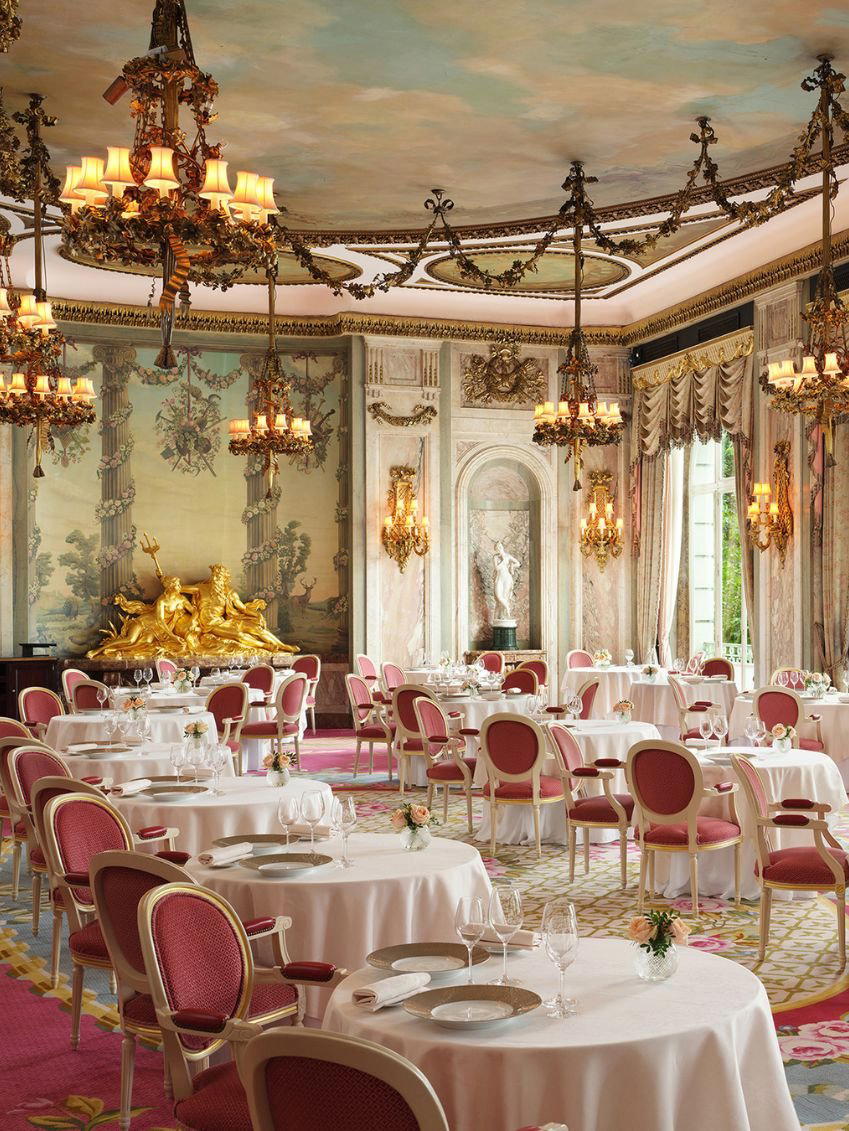
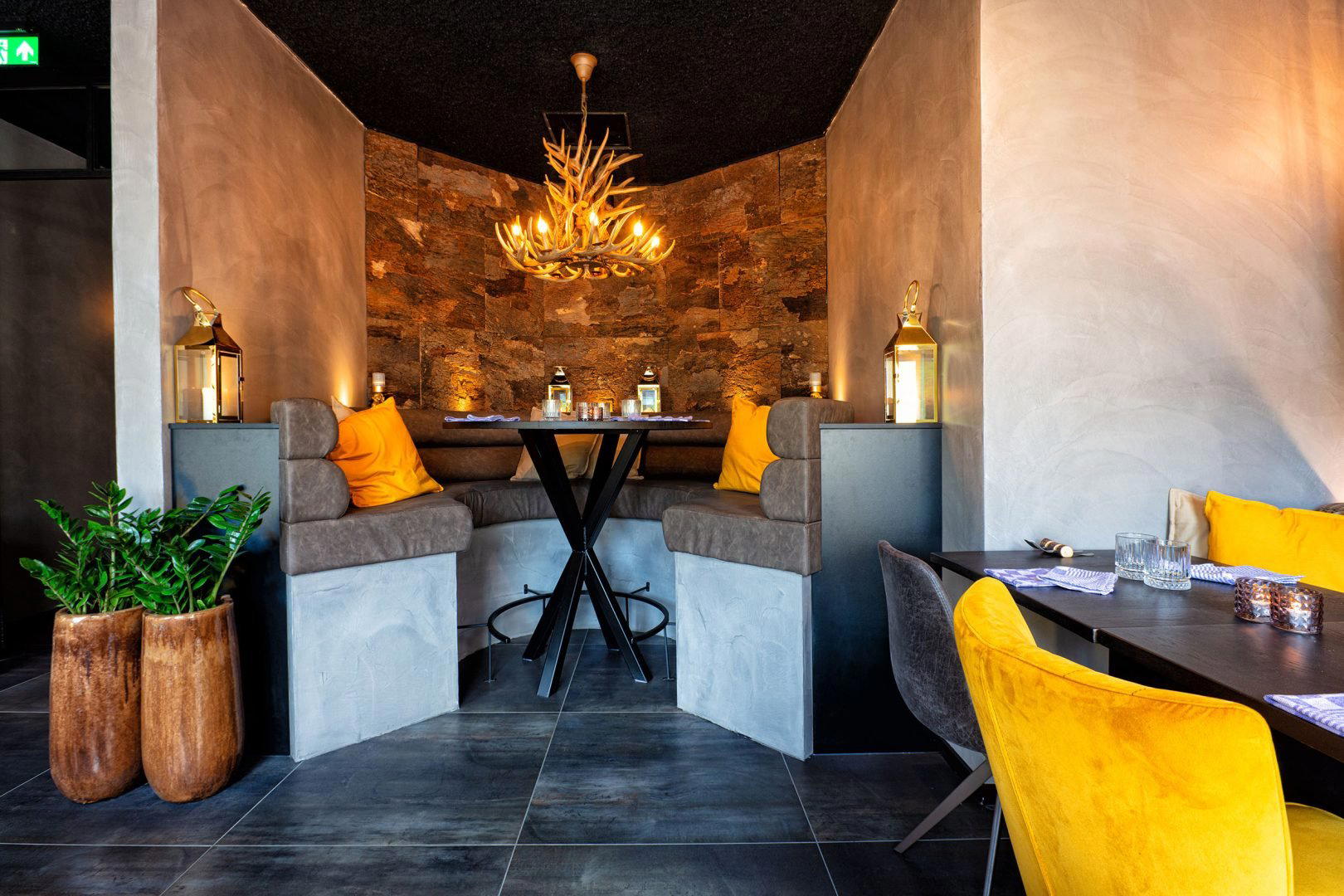
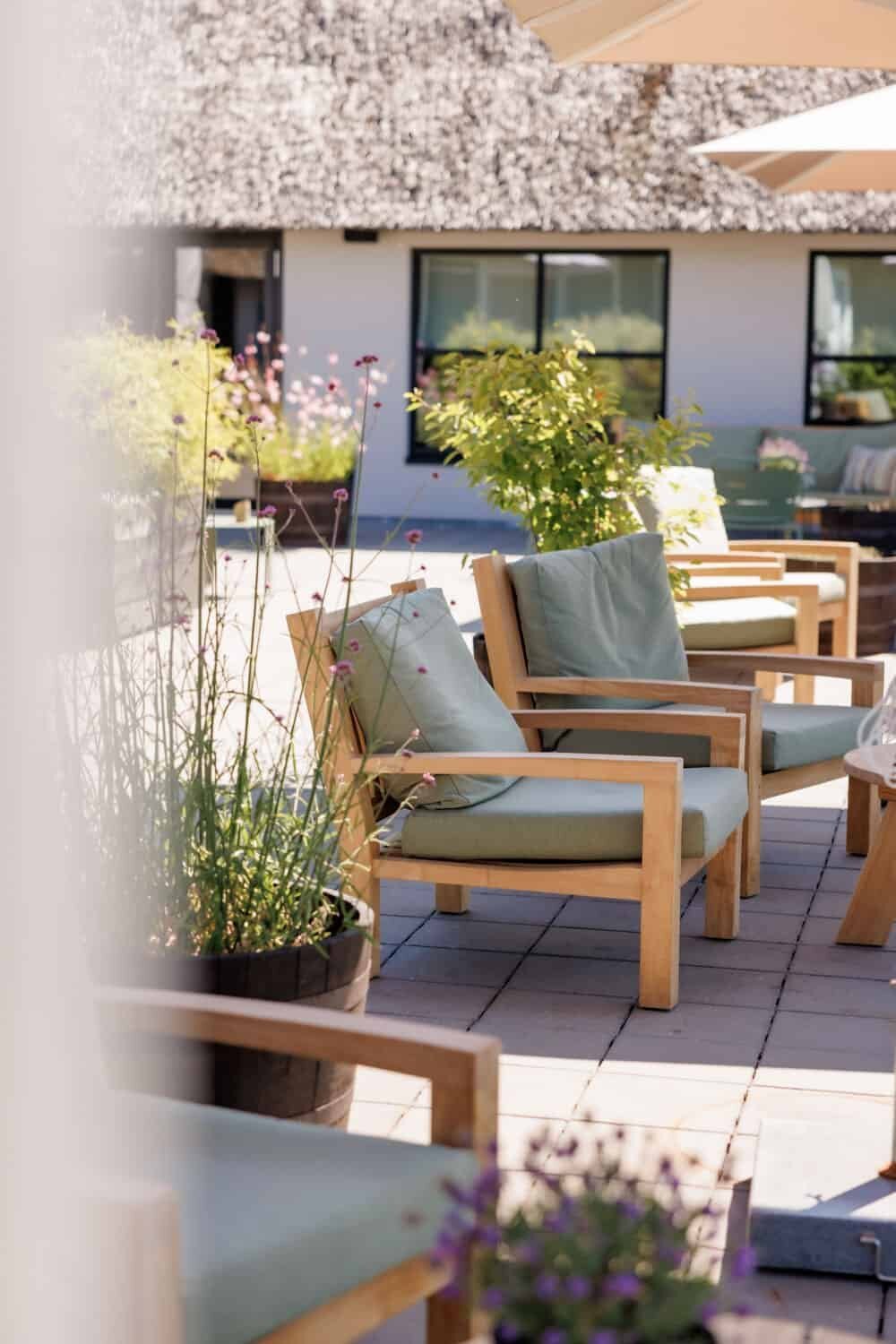
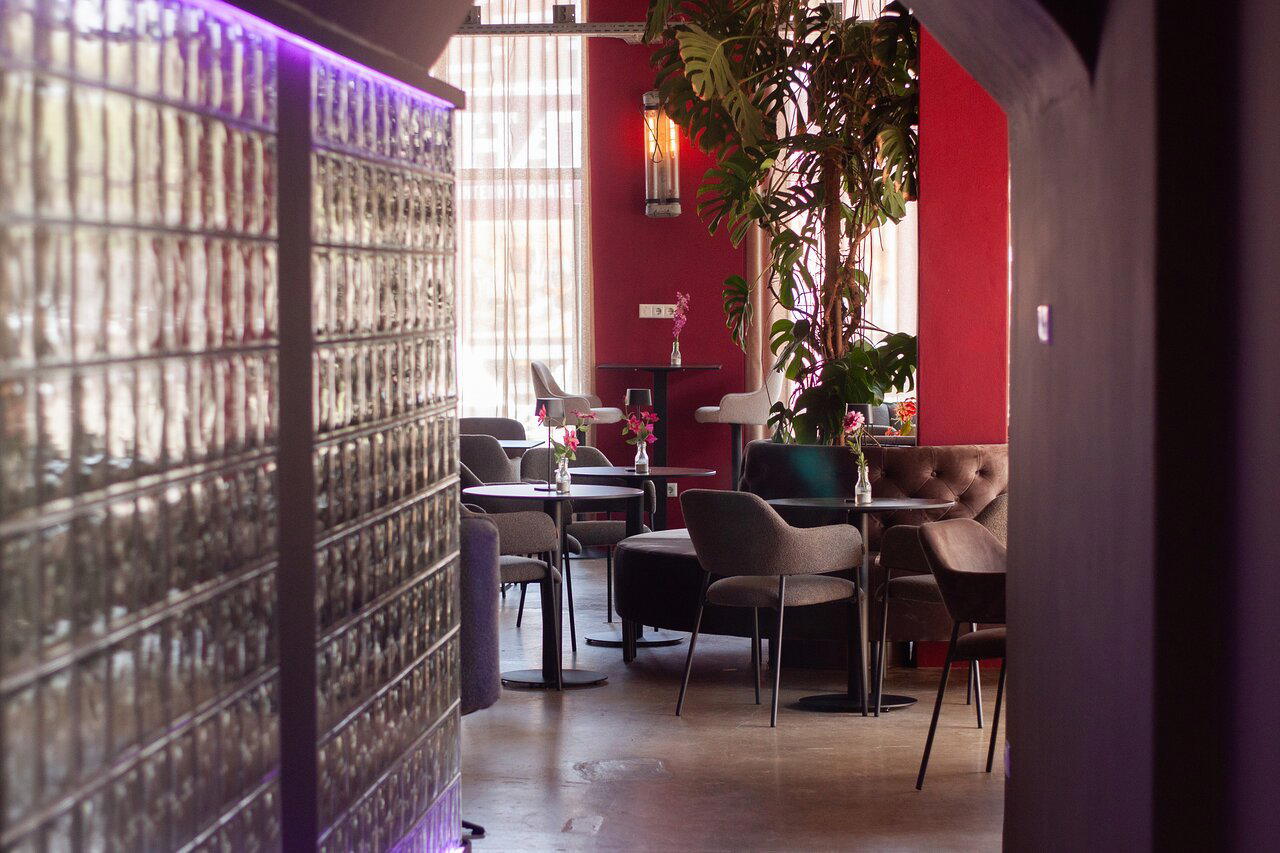
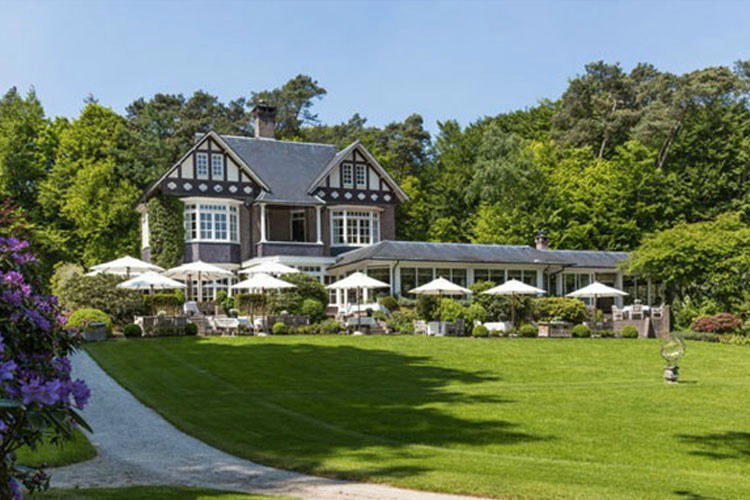
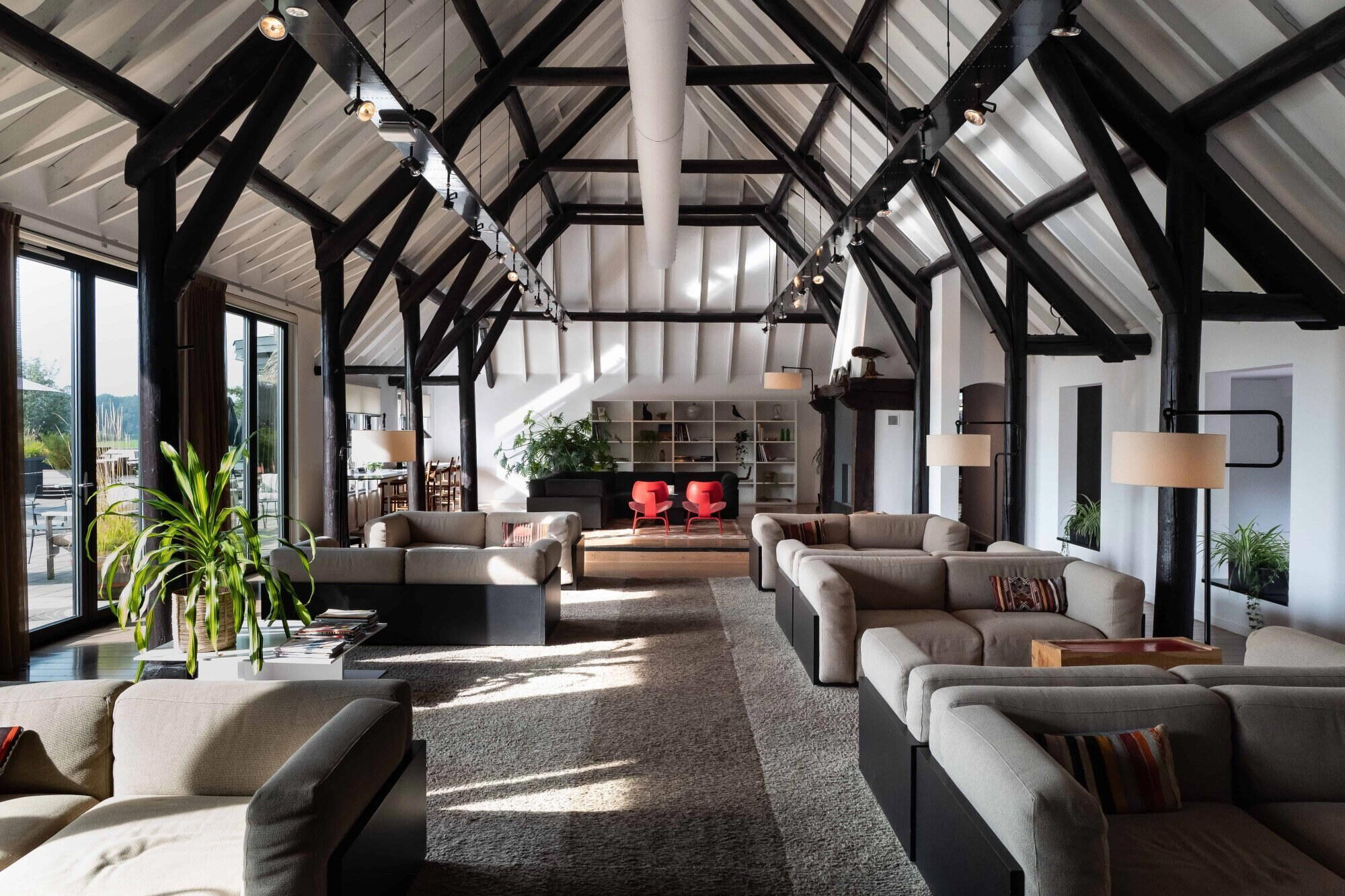
Cozy home-like atmosphere with Thai decor, Buddha statues, and a pleasant garden terrace.
Know Before You Go
- Getting there
- Nieuwstraat 22, 7411 LM Deventer, Netherlands