The Lemon Tree


Open since spring 2019 on Grote Poot in Deventer's old town, The Lemon Tree runs a Scandinavian-inflected menu of small, vegetable-forward dishes built around pure, clean flavours. Wine is treated as a structural part of the meal, with genuine guidance rather than a standard list. A chef's table is available for small groups.
Pearl is the En Primeur Club membership app — saves, bookings, and concierge access live there. Same editors, same standards.
- Address
- Grote Poot 1, 7411 KE Deventer, Netherlands
- Phone
- +31 570 244 144
- Website
- thelemontree.nl
- Directions
- Get directions
 Saves & bookings on Pearl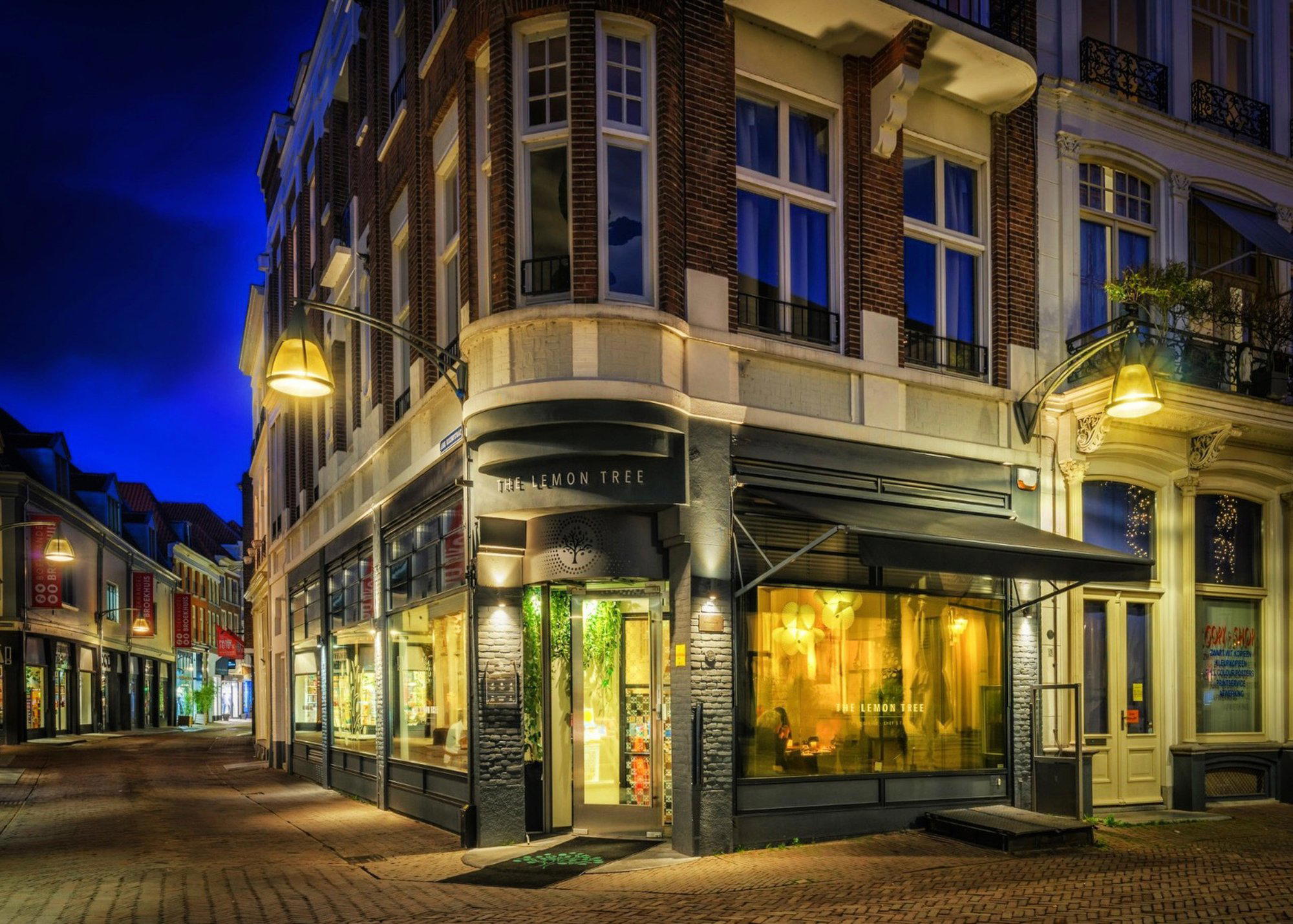
Where Deventer's Old Town Meets Nordic Restraint
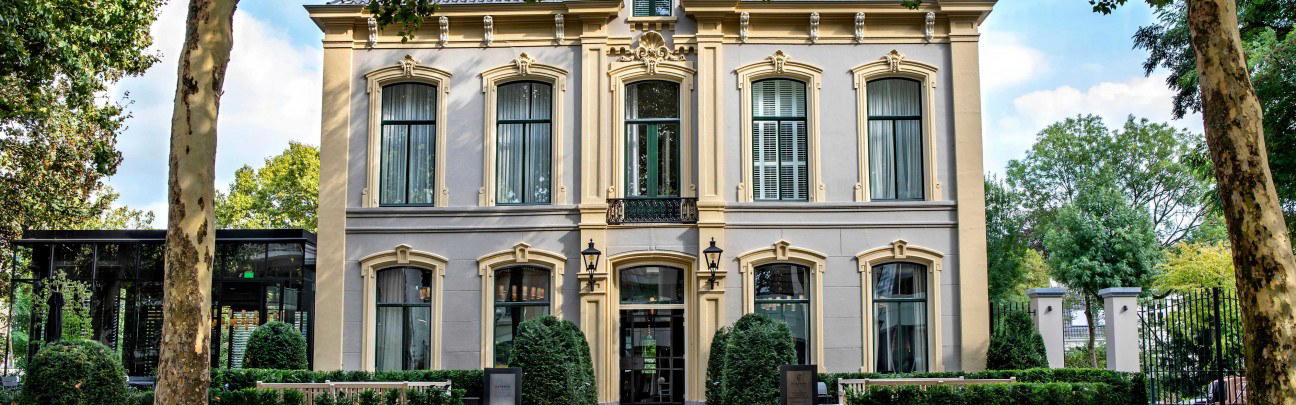
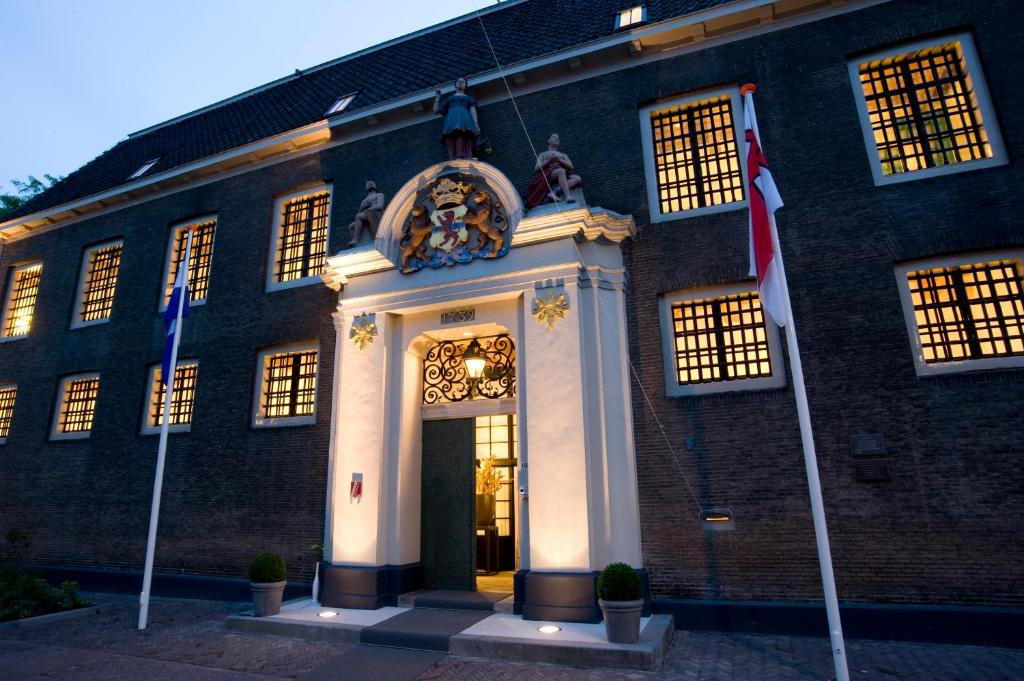
Grote Poot is one of Deventer's older commercial streets, running through a city that holds some of the best-preserved medieval architecture in the eastern Netherlands. The address puts The Lemon Tree inside a neighbourhood where the built environment is centuries old and the food scene has, in recent years, been developing a quieter but increasingly considered identity. Arriving here, the surroundings set a tone: there is no spectacle, no marquee signage competing with the brick facades. The entrance signals a room that has chosen restraint as its operating mode.
That choice of restraint connects directly to the kitchen's reference point. Scandinavian cooking, in its more serious contemporary form, is not about austerity for its own sake. It is a discipline that centres on produce integrity, minimal intervention, and the kind of flavour clarity that only comes when a kitchen resists the impulse to add more. Since The Lemon Tree opened in spring 2019, that philosophy has shaped how the menu is constructed: small dishes, vegetables at the centre, pure flavours as the measure of quality rather than richness or portion weight.
The Scandinavian Influence and What It Actually Means
The Nordic influence on European fine dining has filtered into many kitchens since the early 2010s, but it lands differently depending on how seriously a kitchen engages with its logic. At its surface, the Scandinavian model offers a palette of pickles, ferments, foraged herbs, and root vegetables. At a deeper level, it imposes a discipline: every element on the plate must justify its presence by contributing flavour, texture, or structural contrast rather than visual complexity.
Vegetable-forward cooking in this tradition is not the same as vegetarian cooking, though the two can overlap. It is a reordering of priorities, where the vegetable is the subject of a dish and any protein or fat plays a supporting role. This places The Lemon Tree in a growing cohort of Dutch restaurants that have moved away from the classical French protein-centred plate. Compared to peers in the region, such as IJssel Restobar with its Modern French orientation, or the farm-to-table approach at 't Arsenaal, The Lemon Tree occupies a more defined ideological position: the Nordic framework is not decorative here, it is structural.
Across the Netherlands, a number of kitchens have built serious reputations on precisely this kind of produce discipline. De Librije in Zwolle and De Groene Lantaarn in Staphorst operate at higher price points with extensive tasting menus, but the underlying commitment to regional produce and clean flavour logic is a shared reference. What The Lemon Tree offers is a version of that sensibility at smaller scale and in a city that does not yet draw the same international dining attention as Amsterdam or Maastricht.
Small Dishes, the Chef's Table, and the Format Logic
The small-dishes format is worth taking seriously as a structural choice rather than a trend. When a kitchen builds a menu around multiple smaller plates, it commits to a different kind of precision: each dish must read clearly on its own, and the sequence across the meal needs to hold together without the anchor of a large central course. This is harder to execute than a conventional three-course structure, and it demands more from both the kitchen and the diner.
The chef's table at The Lemon Tree, available for small groups, follows a model that several serious Dutch kitchens have adopted as a way of creating a more direct relationship between the kitchen and the guest. At venues like Brut172 in Reijmerstok or De Lindehof in Nuenen, the chef's table functions as a higher-engagement format within an already focused restaurant. The principle is the same: proximity to the kitchen changes the pace and texture of a meal, and for small groups it offers something closer to a private dining experience without requiring a separate room.
Wine as a Structural Commitment
One of the more telling signals about how seriously a restaurant is thinking about the full dining experience is how it treats wine. At many small restaurants, the list is assembled from distributor defaults and left largely unexamined. The Lemon Tree's approach is different: wine is described in the venue's own framing as an integral part of the story on the table, and the guidance offered to guests is genuine rather than perfunctory.
That kind of wine investment at a smaller restaurant in a secondary city is not standard. It places The Lemon Tree closer in spirit to the dining philosophy you find at places like Aan de Poel in Amstelveen or Ciel Bleu in Amsterdam, where the beverage programme is understood as inseparable from the kitchen's intentions, even though those are substantially larger operations with different price anchors. For a restaurant built around the clean, precise flavours of Scandinavian-inflected vegetable cooking, a wine list that can match that register, offering selections with clarity and tension rather than weight and oak, matters more than it might at a kitchen working in richer, more forgiving flavour territory.
Deventer's Dining Context
Deventer is not a city that appears on most short lists of Dutch dining destinations, but that is partly a function of attention rather than quality. The city's dining scene has been developing steadily, and The Lemon Tree, alongside Carotte, represents a tier of considered, concept-driven restaurants that would read as credible in Amsterdam or Utrecht without the premium pricing those cities typically carry. For visitors staying in the area, the [full Deventer restaurants guide]() maps the current scene, and there are also useful resources covering [hotels](), [bars](), [wineries](), and experiences in the city.
For context on what the broader Dutch fine dining landscape looks like, restaurants such as De Bokkedoorns in Overveen and 't Nonnetje in Harderwijk show how smaller Dutch cities outside the Randstad have consistently produced serious kitchens. The Lemon Tree sits within that wider pattern, even if its scale and format are more intimate than those operations.
Planning Your Visit
The Lemon Tree is located at Grote Poot 1, 7411 KE Deventer, within walking distance of the historic centre. The restaurant opened in spring 2019 and operates a format of small, vegetable-driven dishes with a chef's table available for small groups. Given the focused format and limited capacity implied by the chef's table offering, advance booking is advisable, particularly for weekend evenings or group reservations.
A Pricing-First Comparison
| Venue | Price | Awards |
|---|---|---|
| The Lemon TreeThis venue — the venue you are viewing | At The Lemon Tree, wine is not an afterthought but an integral part of the story on the table. The thoughtful selection and genuine guidance create an experience that stays with you long after your vi...; The Lemon tree opened in the spring of 2019. The kitchen is inspired by Scandinavia and plays creatively with vegetables. The menu consists of small dishes in which pure flavours dominate. A chef’s table is installed for small groups. | This venue |
| 't Arsenaal | €€ | €€ · Farm to table, €€ |
| IJssel Restobar | €€ | €€ · Modern French, €€ |
Recognition history
Dated appearances from independent guides and award organizations, with the underlying list record or original source where available.
Star Wine List
Star Wine List
We're Smart World 2 Radishes
We're Smart World
At a Glance
- Elegant
- Sophisticated
- Modern
- Intimate
- Date Night
- Special Occasion
- Celebration
- Chefs Counter
- Open Kitchen
- Private Dining
- Extensive Wine List
- Sommelier Led
Current opening hours
- Monday
- Closed
- Tuesday
- 6–11 PM
- Wednesday
- 6–11 PM
- Thursday
- 6–11 PM
- Friday
- 6–11 PM
- Saturday
- 6–11 PM
- Sunday
- 12:30–1:30 PM, 6–11 PM
Hours can change for holidays and private events. Last verified .
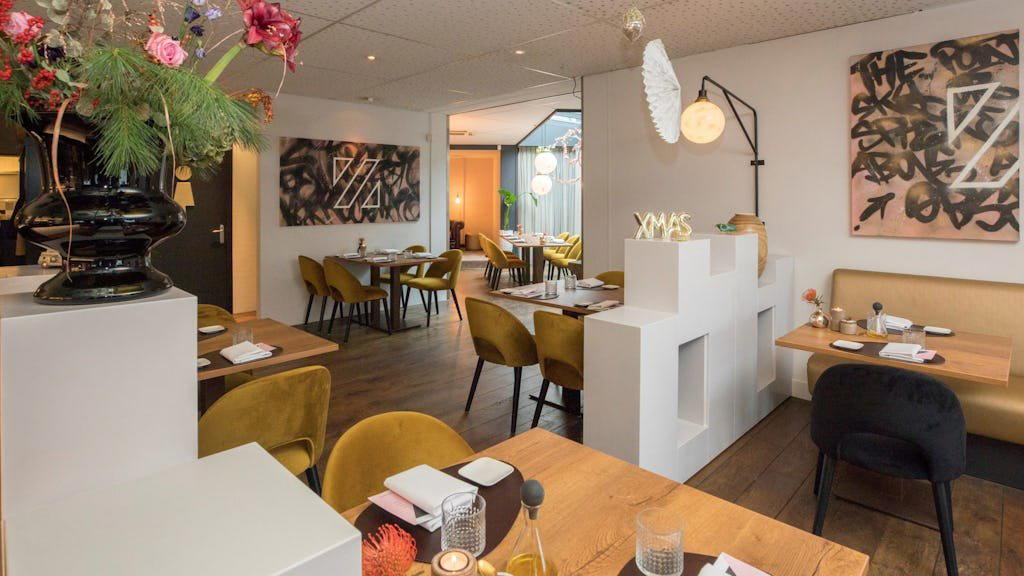
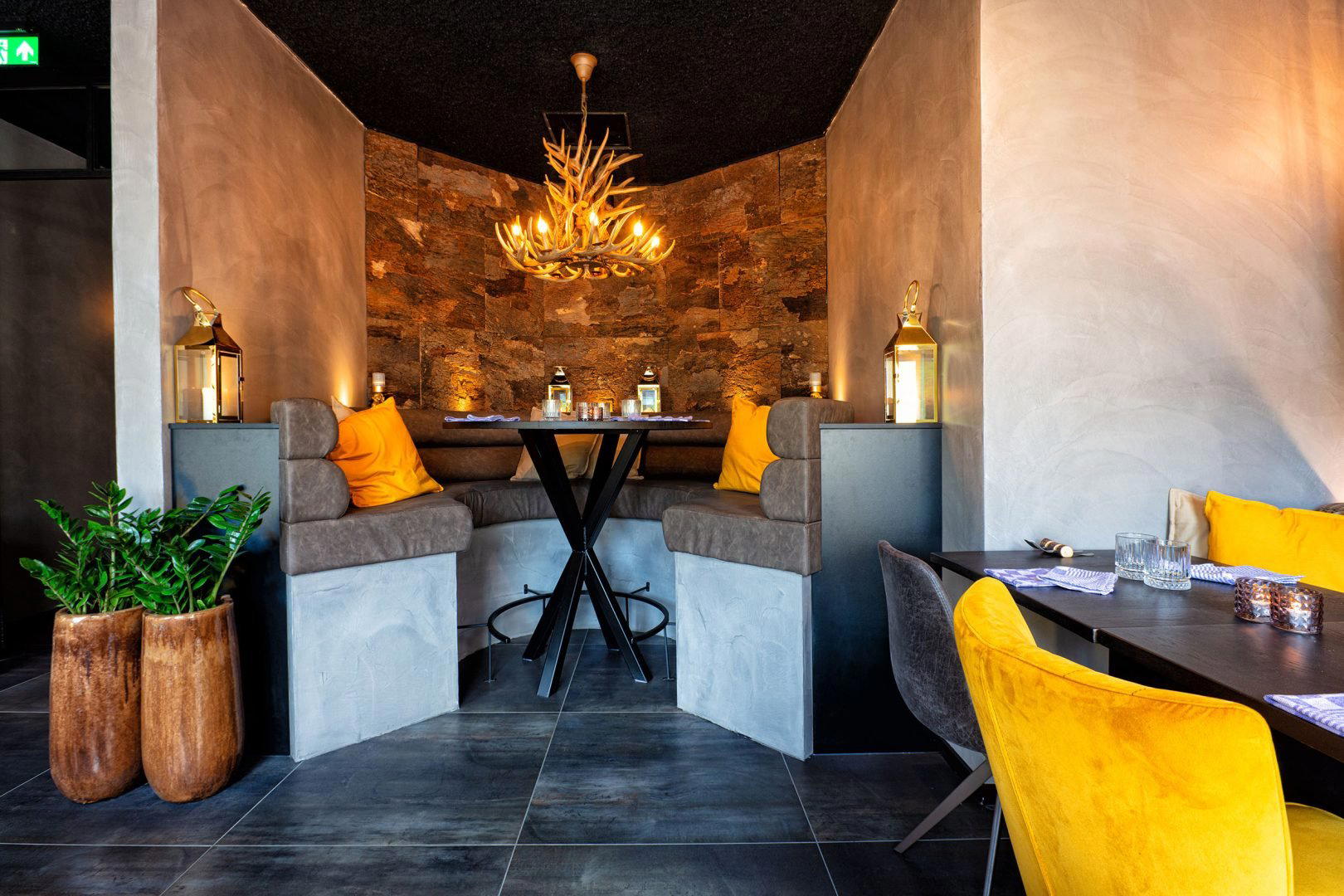
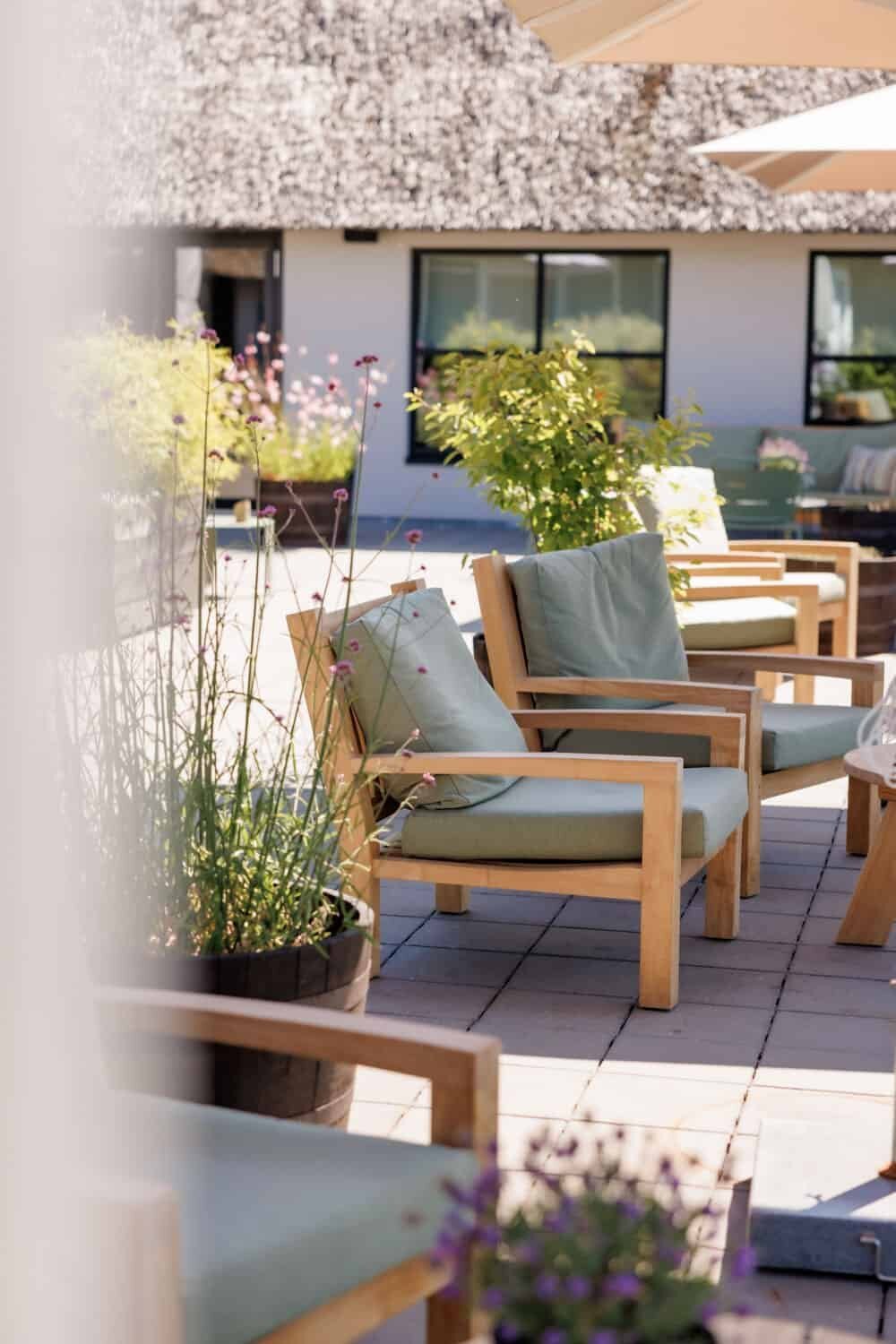
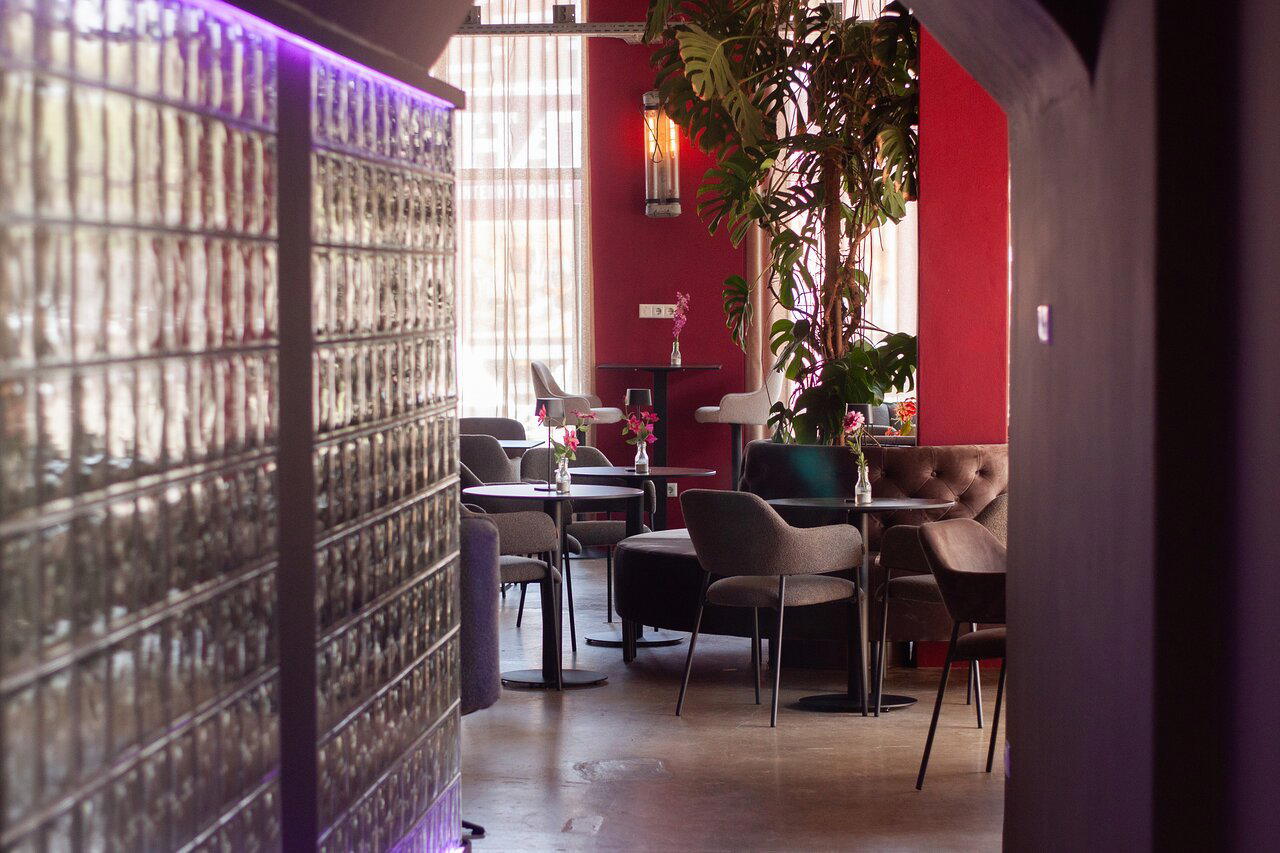
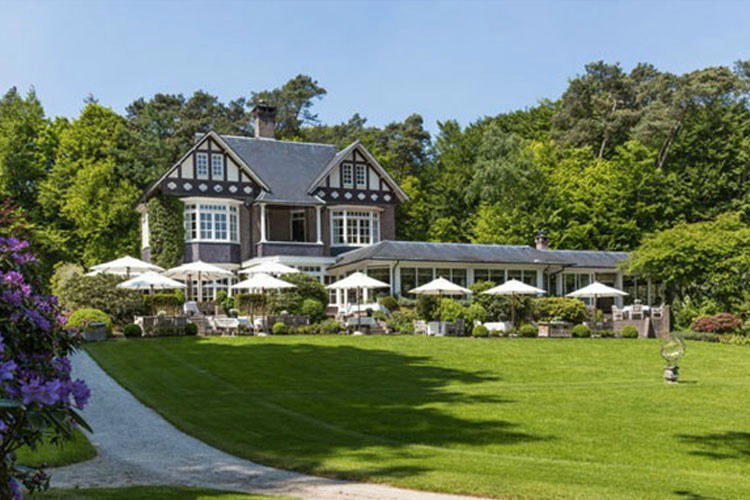
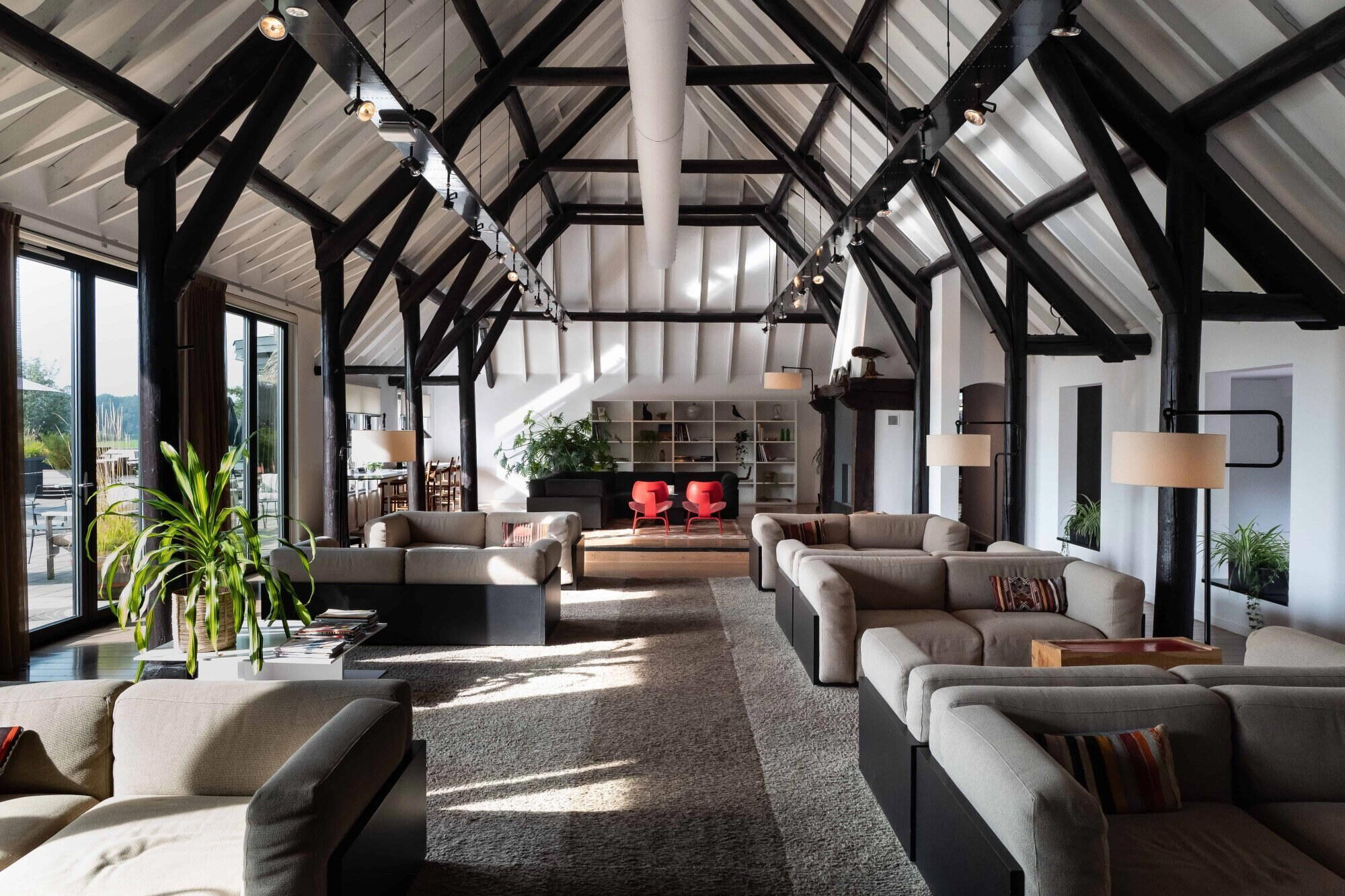
Contemporary and fresh interior with widely-spaced tables creating an intimate, comfortable atmosphere; natural ambiance with happy conversation hovering near the ceiling; feels like a culinary holiday without leaving town.
Know Before You Go
- Getting there
- Grote Poot 1, 7411 KE Deventer, Netherlands