Lilith Restaurant
Our verdict
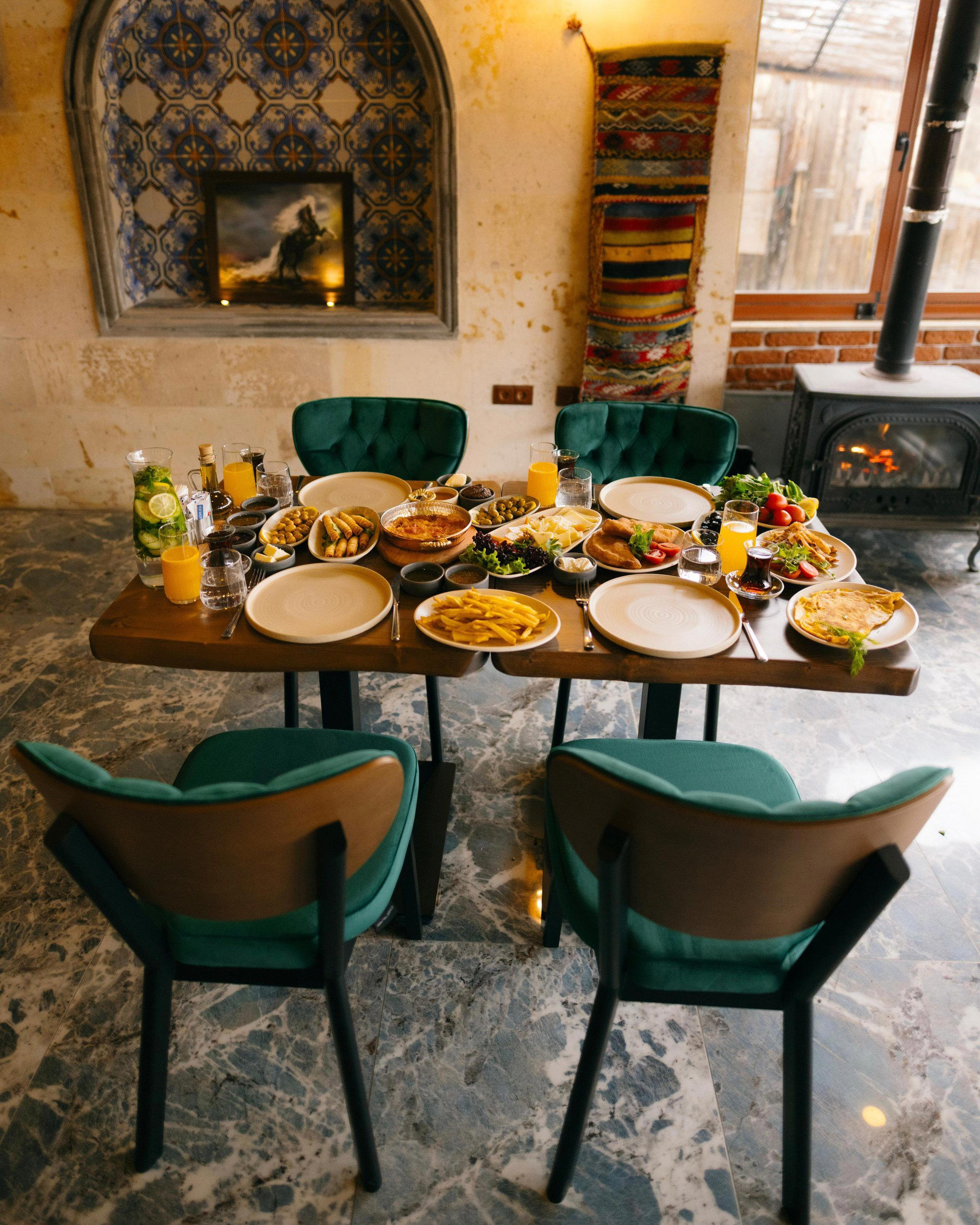
Lilith Restaurant occupies a address on Uzundere Caddesi in Nevşehir Merkez, positioning it within reach of Cappadocia's volcanic-plateau produce and centuries-old Anatolian kitchen traditions. The setting places Central Anatolian ingredients at the centre of the plate, in a region where tuff stone, altitude, and clay-pot cooking have shaped one of Turkey's most geographically distinct cuisines.

Pearl is the En Primeur Club membership app — saves, bookings, and concierge access live there. Same editors, same standards.
- Address
- Aydınlı - Orta, Uzundere Cad No
- Phone
- +905314626920
- Hours
- Daily 8 AM–12 AM
- Website
- sacredmansion.com.tr
- Directions
- Get directions
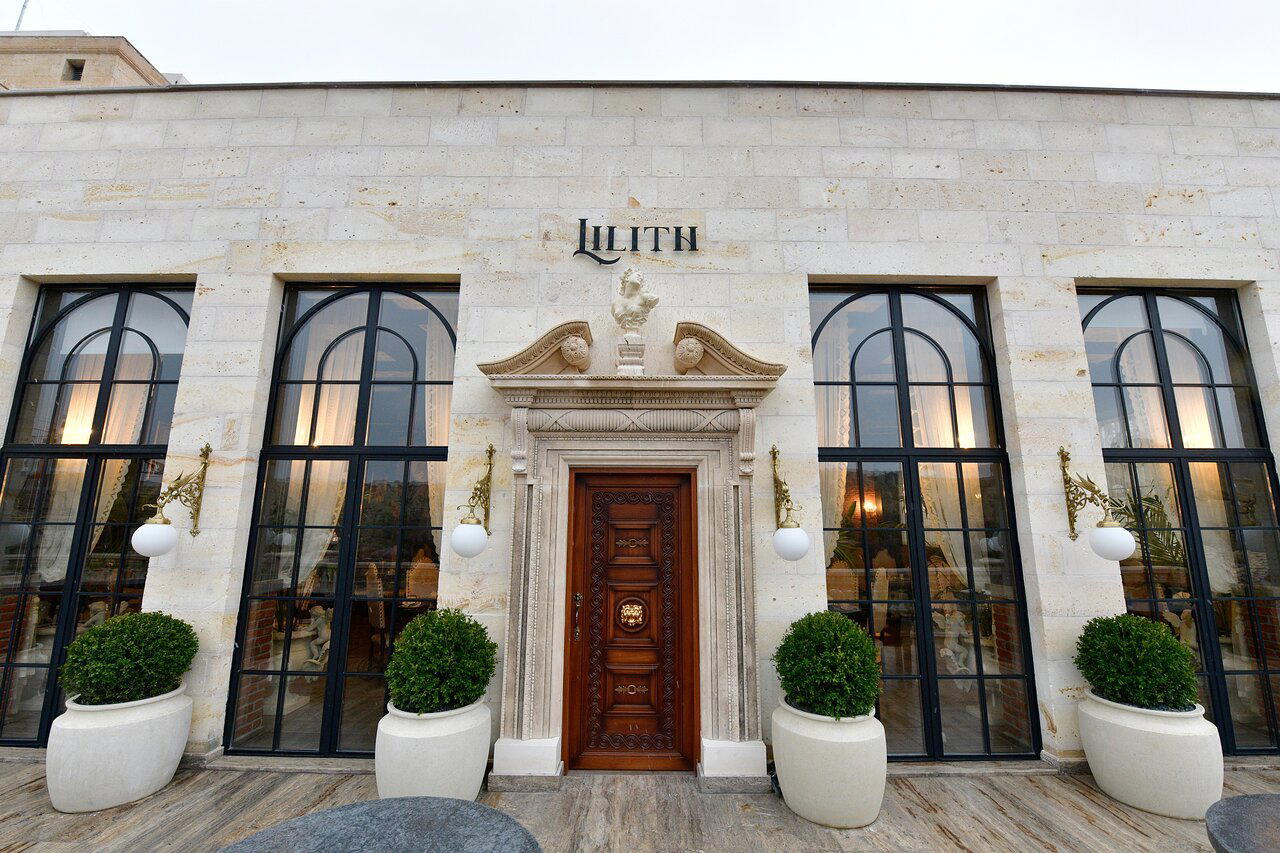
Cappadocia on the Plate: Ingredient and Place
Few regions in Turkey press their geography onto the plate as directly as Cappadocia. The volcanic plateau around Nevşehir sits at roughly 1,000 to 1,200 metres, a combination of altitude, mineral-rich tuff soil, and a semi-arid climate that produces vegetables, pulses, and cereals with a flavour density rarely matched by lower-altitude growing regions. Potatoes from the Ürgüp basin, dried apricots from the surrounding valleys, and the dried red peppers that appear in almost every traditional kitchen here are not decorative touches — they are the structural ingredients that define the region's food culture. Restaurants in this part of Central Anatolia either engage seriously with that agricultural context or they do not, and the distinction matters more here than in, say, a coastal city where supply chains are broad and sourcing is less tied to immediate geography.
Lilith Restaurant sits on Uzundere Caddesi in Nevşehir Merkez, the administrative centre of the province, rather than in the more tourist-saturated villages of Göreme or Ürgüp. That positioning matters for understanding the dining context. Merkez addresses tend to serve a more locally rooted clientele alongside visitors, which typically shapes both the menu logic and the pace of service. For a broader survey of what the city currently offers across formats and price points, the full Nevsehir Merkez restaurants guide maps the competitive field in detail.
The Anatolian Kitchen Tradition This Venue Sits Within
Central Anatolian cooking is a slow-heat, long-time tradition. Güveç — clay-pot stews sealed and cooked for hours, testi kebabı broken tableside from a sealed clay vessel, tarhana soup made from fermented grain and dried yoghurt: these are dishes that require preparation cycles measured in days, not minutes. The leading kitchens in the region treat those cycles as non-negotiable rather than as theatre. Restaurants like Cappadocian Cuisine and Cappadocia Sunrise Breakfast represent different points on the same regional spectrum, with the latter foregrounding the morning meal as its own distinct format within local food culture. Lil'a Restaurant sits closer to the contemporary end of the Merkez scene, while Quick China Kapadokya represents the kind of international counterpoint that appears in most mid-sized Turkish cities regardless of regional identity.
The wider Turkish restaurant conversation has shifted considerably in recent years. Operations like Turk Fatih Tutak in Istanbul have reframed Anatolian ingredient sourcing as a high-precision, internationally legible project, drawing direct lines between specific growing regions and specific dishes. Asitane in Fatih takes a different approach, reconstructing Ottoman-era recipes from archival sources to make the historical agricultural record visible on the plate. Both represent a broader national interest in regional specificity that filters down into how provincial restaurants are judged and what well-travelled diners now expect when they eat outside Istanbul.
Reading the Setting: What Uzundere Caddesi Signals
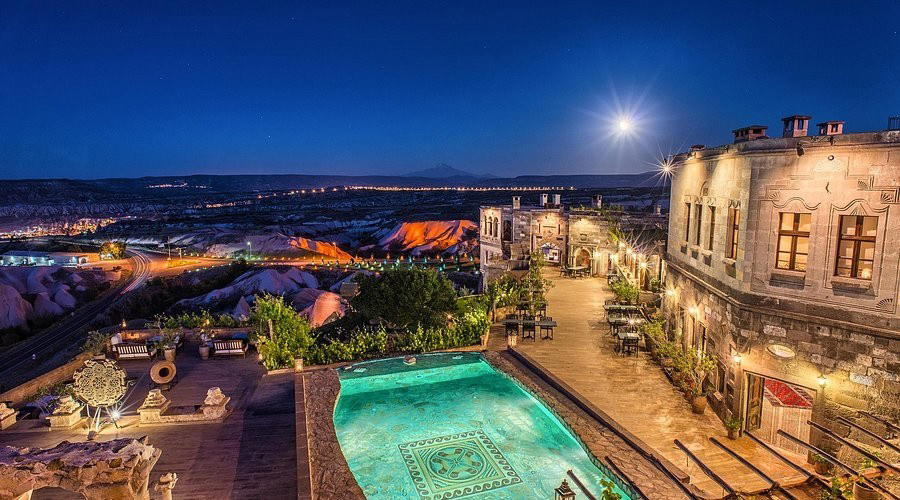
Arriving at a street-level address on Uzundere Caddesi in Nevşehir Merkez, rather than inside a cave hotel or a terrace dining room in Göreme, already tells you something about the dining register. The urban centre of Nevşehir lacks the visual drama of the fairy chimney valleys, but it operates with a more functional, less scenography-dependent approach to hospitality. Restaurants here are not selling the backdrop; they are selling the food, the service, and the room in more conventional terms. For visitors staying in the valley villages and making a day trip into the city, that shift in register can be grounding. The meal becomes about the plate rather than the panorama.
Comparable shifts in register appear at venues like Hiç Lokanta in Urla, where the physical setting is deliberately understated relative to the depth of the kitchen's sourcing work, or Narımor in Izmir, which operates with a similar logic of letting the Aegean ingredient supply speak without architectural amplification. The pattern across Turkey's mid-sized provincial restaurant scene is that the most ingredient-serious kitchens often occupy the least visually theatrical spaces.
Without publicly available awards data, published ratings, or a documented tasting format, placing Lilith precisely within the Nevşehir competitive tier requires a degree of inference from location and context. Uzundere Caddesi addresses in Merkez typically position a restaurant as a general-purpose dining room rather than a specialist destination. That is not a disadvantage in a region where the daily lunch trade, the family dinner market, and the occasional hotel-overflow guest all represent viable commercial anchors. The question for a visitor deciding where to eat is whether the kitchen engages with local sourcing at the ingredient level or defaults to a more generic Central Anatolian menu assembled from regional clichés.
Turkey's regional dining scene has enough depth now, from Maçakızı in Bodrum to Kocak Baklava in Gaziantep, from Kritikos Meyhane in Mudanya to Kısmet Etliekmek ve Lahmacun Salonu in Karaman, that the provincial restaurant is no longer automatically the lesser version of the Istanbul original. Cappadocia in particular has seen enough international visitor attention over the past decade that its better kitchens have been exposed to higher expectations around sourcing specificity, and some have responded accordingly. For contrast at the elite international end of the spectrum, Le Bernardin in New York City or Atomix in New York City represent what ingredient-narrative cuisine looks like when taken to its formal extreme, a useful reference point for understanding what the regional version is and is not trying to do.
Planning Your Visit
Nevşehir Merkez is most easily reached by road from Kayseri Airport (approximately 75 kilometres) or Nevşehir Kapadokya Airport, which handles seasonal domestic routes. Most visitors to the wider Cappadocia region base themselves in Göreme, Ürgüp, or Uçhisar, each roughly 10 to 20 kilometres from the city centre, making Nevşehir Merkez a direct half-day excursion. The Uzundere Caddesi address is within the urban grid, accessible by local transport or a short taxi from the central otogar. Given the absence of published booking contact details, visiting in person or checking locally on arrival is the most reliable approach. Cappadocia's high season runs from April through October, with September and October offering the clearest weather and the best of the autumn harvest ingredients, dried peppers, late-season squash, and the region's distinctive dark-skinned potatoes, which is when Central Anatolian menus typically show the most depth.
Frequently asked questions
Is Lilith Restaurant child-friendly?
Lilith's street-level address on Uzundere Caddesi in Nevşehir Merkez suggests a conventional dining room format rather than a cave terrace or cliffside setting, which typically makes physical access more straightforward for families. Central Anatolian menus built around clay-pot stews and grilled meats tend to work well across age groups. For specifics on high chairs or children's portions, check the venue's official channels before visiting.
What is the atmosphere like at Lilith Restaurant?
A Uzundere Caddesi address in Nevşehir Merkez places Lilith in the working city rather than the tourist circuit of Göreme or Ürgüp, which signals a more locally oriented room. Expect a setting shaped by everyday Cappadocian life rather than curated cave aesthetics or panoramic terrace views. The tone is closer to a neighbourhood restaurant than a destination hotel dining room.
How does Lilith Restaurant differ from the cave-dining venues in Göreme?
Lilith sits on Uzundere Caddesi in Nevşehir Merkez, the administrative city centre, rather than inside a carved rock formation or boutique cave hotel in Göreme or Ürgüp. That geography separates it from the heavily tourism-facing dining circuit and places it within a residential and commercial district used primarily by locals. For travellers staying in Nevşehir itself or arriving via Nevşehir Kapadokya Airport, it represents a more accessible city-centre option than the plateau villages.
What should I order at Lilith Restaurant?
Without a published menu on record, the safest approach is to look for Central Anatolian staples that define this region: testi kebabı, the sealed clay-pot dish broken at the table, is the signature format across Nevşehir's better kitchens. Güveç, slow-cooked clay-pot stew, is another category worth asking after. Ask staff what is prepared fresh that day, as volcanic-plateau produce and local sourcing vary by season.
Where exactly is Lilith Restaurant?
Lilith Restaurant is located at Aydınlı - Orta, Uzundere Cad No, Nevsehir Merkez.
Fast Comparison
Comparable venues nearby, for context on price, style, and recognition.
| Venue | Cuisine | Price | Awards | Notes |
|---|---|---|---|---|
| Lilith RestaurantThis venue — the venue you are viewing | Turkish-Italian Fusion | Not listed | Not listed | Not listed |
| Cappadocia Sunrise Breakfast | Traditional Turkish Breakfast | $20–30 | Not listed | Göreme |
| Quick China Kapadokya | Chinese-Japanese Fusion | $10–20 | Not listed | Göreme |
| Lil'a Restaurant | Traditional Turkish Anatolian | $30–50 | Relais Chateaux Award · Gault & Millau Türkiye 2 Toques | Uchisar |
| Cappadocian Cuisine | Authentic Cappadocian Turkish | Not listed | Not listed | Nevsehir Merkez |
| Metanet Lokantasi | Traditional Gaziantep Turkish | $10–20 | Not listed | Kozluca |
Continue exploring
More in Nevsehir Merkez
Restaurants in Nevsehir Merkez
Browse all →
Bars in Nevsehir Merkez
Browse all →
Details
- Trendy
- Intimate
- Date Night
- Casual Hangout
- Craft Cocktails
- A La Carte
- Vegetarian Friendly
Current opening hours
- Monday
- 8 AM–12 AM
- Tuesday
- 8 AM–12 AM
- Wednesday
- 8 AM–12 AM
- Thursday
- 8 AM–12 AM
- Friday
- 8 AM–12 AM
- Saturday
- 8 AM–12 AM
- Sunday
- 8 AM–12 AM
Hours can change for holidays and private events. Last verified .
Sensual and dark with precise decoration.