
Meganeya sits in Osaka’s smaller yoshoku-and-wine lane rather than the city’s louder takoyaki, ramen, and okonomiyaki conversation. Its 2025 selection for Tabelog 100 Yoshoku WEST gives it a clear trust signal, while the compact counter-and-table format makes planning more consequential than at larger casual restaurants.
Pearl is the En Primeur Club membership app — saves, bookings, and concierge access live there. Same editors, same standards.
- Address
- 2 Chome-4-4 Jusohonmachi, Yodogawa Ward, Osaka, 532-0024, Japan
- Phone
- +81 6-6885-9333
- Website
- meganeya-jyuso.owst.jp
 Saves & bookings on Pearl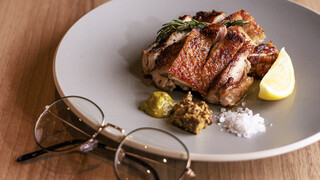
Juso has a different register from Osaka’s polished central dining districts: rail lines, narrow streets, after-work drinking rooms, and restaurants that make more sense at night than at noon. In that setting, yoshoku has room to behave less like nostalgia and more like grown-up urban comfort food. Meganeya belongs to that Osaka category where Japanese-style Western cooking, Italian references, and wine-bar habits overlap, with the room and rhythm closer to a small neighbourhood counter than a formal destination restaurant.
That matters because yoshoku in Japan is often misunderstood by visitors as a fixed set of retro dishes. In practice, the category covers a broad field: demi-glace tradition, cutlet culture, omelette rice, hamburg steak, gratin, pasta-adjacent cooking, and drinking food that borrows freely from Europe without surrendering its Japanese grammar. Osaka gives the genre a particularly useful stage. The city is less precious about boundaries than Kyoto and less status-driven than parts of Tokyo, so Western-influenced cooking can sit naturally beside wine, cocktails, casual groups, and date-night pacing.
Yoshoku with wine-bar instincts in Juso
The clearest credential here is external rather than self-declared: selection for Tabelog 100 Yoshoku WEST 2025. For a category that can range from lunch-counter comfort to serious evening cooking, that placement signals that the restaurant is being read within a regional yoshoku field, not merely as another casual Western-style kitchen. The listed score of 3.53 also places it in the kind of Tabelog zone where local enthusiasm and category recognition matter more than international trophy-chasing.
The category mix is the editorial point. Yoshoku, Italian, and wine bar is a revealing Osaka combination: the food can be broad enough for sharing, the drinks list can carry the evening, and the room does not need to behave like a tasting-menu restaurant. Compared with Nomiba Umeda Umeda, which sits in a lower drinking-and-dining budget band, Meganeya reads as a slightly more deliberate night out. Against Chuka Soba Kirimen Souhonten or Negiyaki Yamamoto Honten, the difference is not quality hierarchy but use case: ramen and negiyaki answer a quicker Osaka craving, while yoshoku with wine stretches into a longer table conversation.
That comparison is useful for travellers building an Osaka food itinerary. The city rewards eating across formats rather than chasing a single grand meal. A day might move from bakery or cafe stops to dumplings, pizza, Italian, and local drinking rooms; EP Club’s Osaka pages reflect that spread through .cafe, 52CHO-ME BAKERY, 551 Horai (551蓬莱), 99 Pizza Napoletana Gourmet, and a canto (Italian). Meganeya fits that map as the compact evening choice: more composed than a snack stop, less ceremonious than fine dining.
The planning value is in the small-room format
Small restaurants change the logic of a night out in Osaka. They reward advance planning, smaller groups, and a willingness to treat the meal as the main plan rather than a flexible stop between bars. Here, the listed layout is a tight mix of counter seats and two tables, so the experience is structurally different from high-turnover restaurants around major stations. The counter format also suits yoshoku’s hybrid character: sauces, pans, wine service, and shared plates can feel more immediate when the room is compact.
The practical read is simple: this is not the Osaka meal to leave vague if the date matters. Reservations are available, and the restaurant’s small scale makes that more meaningful than it would be at a large dining room. It also suits visitors staying north of central Osaka or moving through the Hankyu network, since Juso functions as a useful hinge between Umeda and residential north-side neighbourhoods. The city’s dining geography often pushes travellers toward Namba, Shinsaibashi, and Umeda; Juso offers a less polished, more local counterpoint without requiring a full suburban expedition.
There are trade-offs. Travellers seeking a chef-led tasting menu, a long wine-pairing script, or a grand room should look elsewhere. The appeal is narrower and more Osaka-specific: a compact yoshoku restaurant with wine-bar flexibility, evening energy, and enough recognition to separate it from the category’s anonymous middle. For visitors who already have takoyaki, okonomiyaki, ramen, and department-store food halls covered, this is a useful way to see how Western-influenced Japanese cooking functions as contemporary neighbourhood dining.
Where it belongs in an Osaka itinerary
Osaka dining is strongest when it is treated as a network of formats. The point is not to rank kushikatsu against sushi, or ramen against yoshoku, but to understand what each does for a particular hour and neighbourhood. Meganeya works in the dinner slot for travellers who want wine, small-room pacing, and a style of cooking that sits between Japanese comfort and European influence. It is less about spectacle than fit: the right room, the right category, the right part of town.
For broader planning, use Our full Osaka restaurants guide alongside Our full Osaka hotels guide, Our full Osaka bars guide, Our full Osaka wineries guide, and Our full Osaka experiences guide. Travellers comparing Japanese dining styles beyond Osaka can also scan -Grilled beef Sukiyaki- KAMAKURA TANUKIAN 鎌倉 たぬき庵 in Kamakura. 鮪と炭火焼き うお炭 秋葉原店 in Tokyo.know in Kumamoto, (Shoku) Vietnam in Kawasaki, [Curry Senmon Ten] Maruyama Kyoju. in Sapporo, [ki:] in Kyoto, Jōdo Saké Bar in Los Angeles, and Onigiri Time in Pasadena.
The Essentials
Comparable venues to calibrate price, style, and recognition.
| Venue | Cuisine | Price | Notes |
|---|---|---|---|
| MeganeyaThis venue — the venue you are viewing | Yodogawa, Creative Yoshoku & Wine Bar | $$ | Not listed |
| Labyrinth | Not listed | $$ | Nishi, Original Spice Creative Curry & Asian Fusion |
| STUN.S | Miyakojima, Innovative Japanese | $$ | Not listed |
| Kosuda | Not listed | $$$ | Kita, Innovative Japanese Omakase Counter |
| Negiyaki Yamamoto Honten | Yodogawa, Japanese Negiyaki | $$ | Not listed |
| OSORACAFE | Not listed | $$ | Yodogawa, Cafe / Dessert Cafe |
Recognition history
Dated appearances from independent guides and award organizations, with the underlying list record or original source where available.
Tabelog 100 #71 · No. 71
Tabelog · Tabelog 100 - Yoshoku - WEST - 2025
Continue exploring
More in Osaka
Restaurants in Osaka
Browse all →

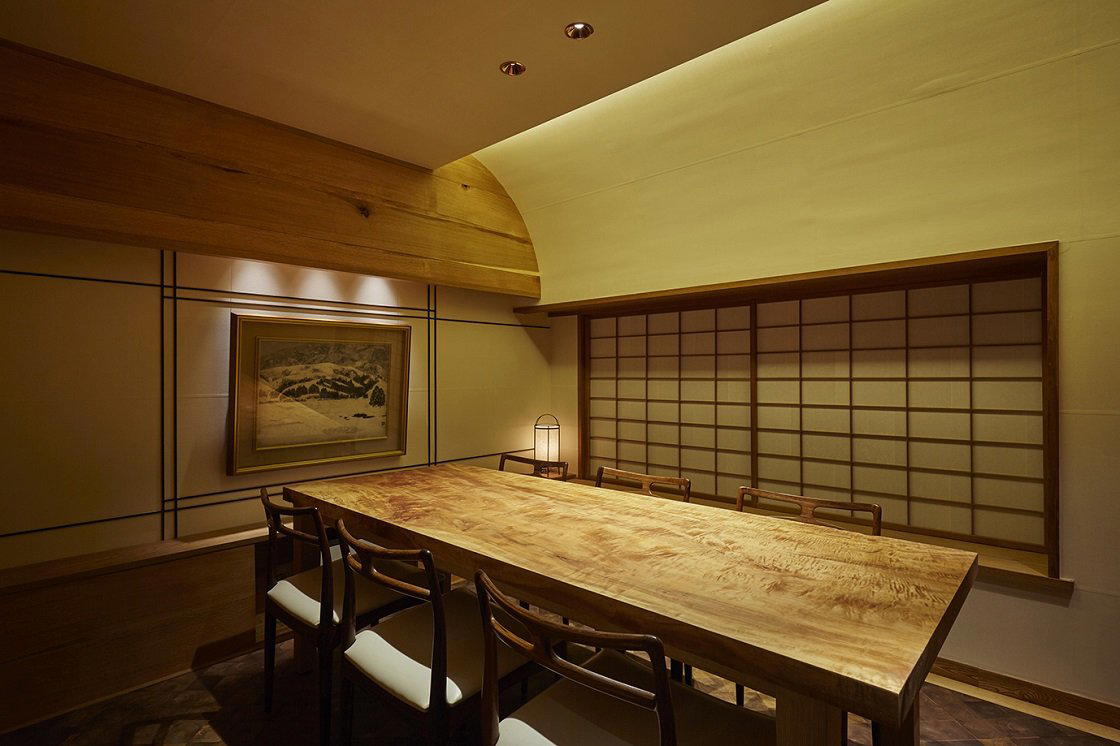


Bars in Osaka
Browse all →




Hotels in Osaka
Browse all →

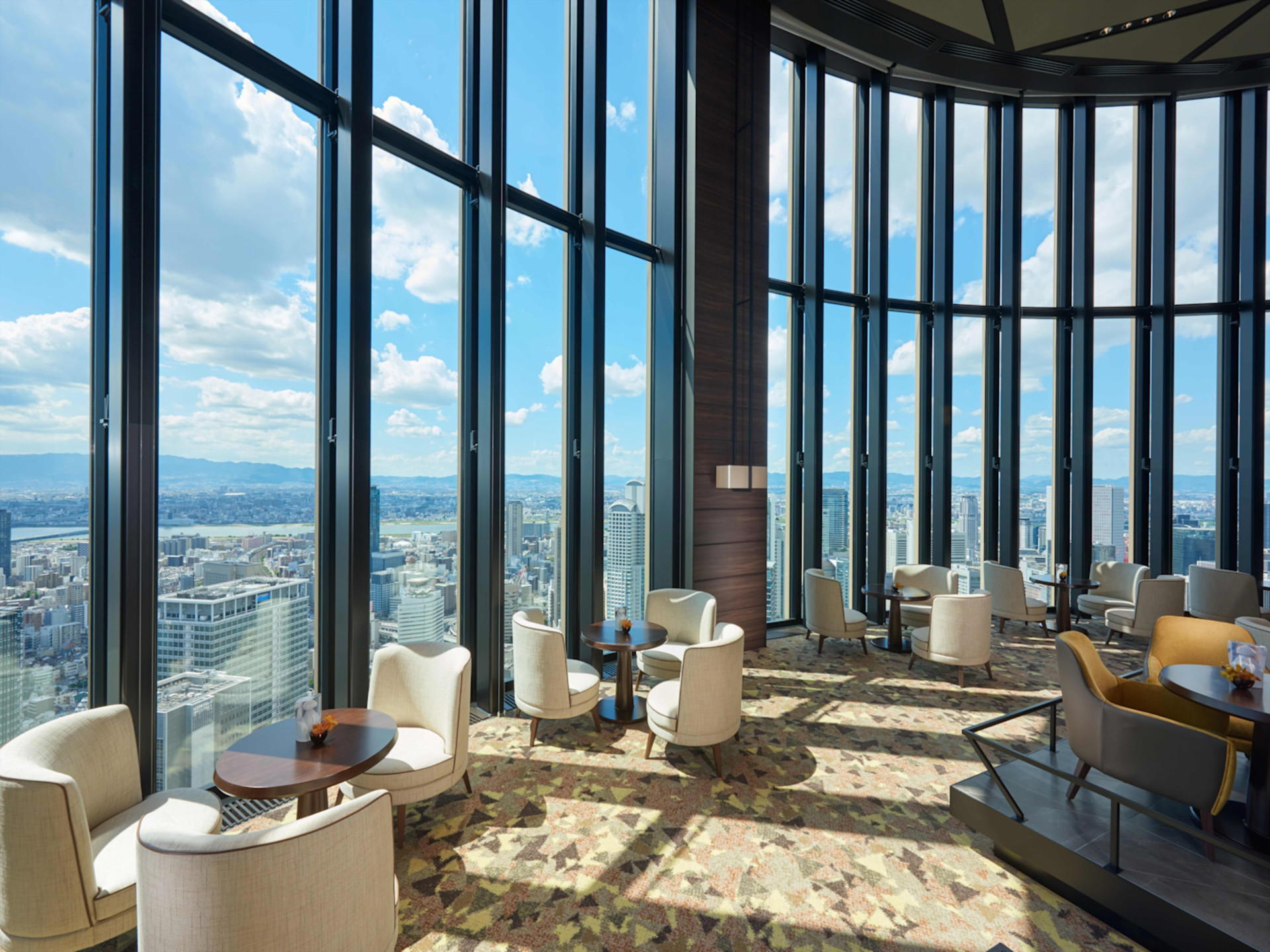


Wineries in Osaka
Browse all →
At a Glance
- Cozy
- Intimate
- Modern
- Date Night
- After Work
- Casual Hangout
- Solo
- Group Dining
- Late Night
- Standalone
- Open Kitchen
- Extensive Wine List
- Beer Program
Current opening hours
- Monday
- 5:30 PM–12 AM
- Tuesday
- 5:30 PM–12 AM
- Wednesday
- 5:30 PM–12 AM
- Thursday
- 5:30 PM–12 AM
- Friday
- 5:30 PM–12 AM
- Saturday
- 5:30 PM–12 AM
- Sunday
- 5:30 PM–12 AM
Hours can change for holidays and private events. Last verified .
Compact and cozy with high-chair tables and counter seating facing the open cooking area, creating an intimate, stylish yet relaxed atmosphere that works for dates, solo dining, and small gatherings.