
Labyrinth is Osaka spice cooking in a compact counter format, with lunch operating as a curry shop and dinner shifting into reservation-only omakase. Its Tabelog Curry WEST 100 selection in 2024, earlier Curry 100 selections, nine counter seats, sake focus, and cash-only setup place it in a more specialist lane than casual curry stops around Shinmachi and Yotsubashi.
Pearl is the En Primeur Club membership app — saves, bookings, and concierge access live there. Same editors, same standards.
- Address
- 1 Chome-20-1 Shinmachi, Nishi Ward, Osaka, 550-0013, Japan
- Phone
- +81 6-6578-0015
- Website
- twitter.com
 Saves & bookings on Pearl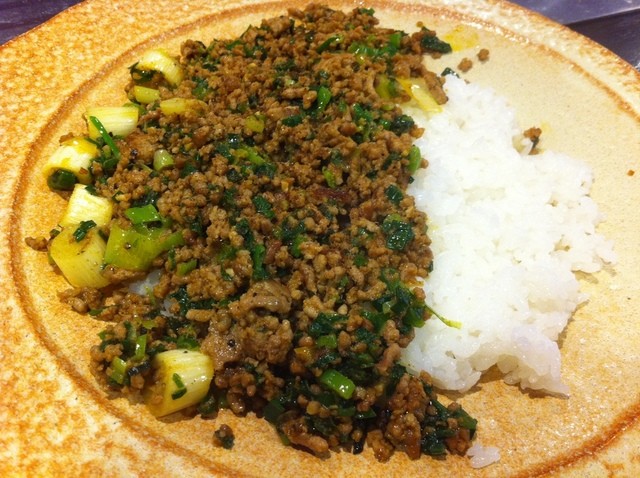
Approaching the Shinmachi side of Nishi Ward, Osaka’s restaurant rhythm shifts from station-front speed to narrower streets, small counters, and places that demand attention. Labyrinth belongs to that register: counter seating, spice in the air, and a format that treats curry not as a quick plate but as a language for fish, sake, and course-based cooking. In a city better known internationally for takoyaki, okonomiyaki, kushikatsu, and late-night appetite, this is the Osaka curry conversation at a more exacting scale.
The useful comparison is not hotel dining or formal kaiseki, but the city’s specialist counters, where capacity, cadence, and repeat recognition matter. Labyrinth has been selected for Tabelog Curry WEST 100 in 2019, 2020, 2023, and 2024, and for Tabelog Curry 100 in 2022. That run matters because curry in Japan is crowded, from lunch-counter comfort food to South Asian inflection, spice bar cooking, and hybrid Japanese forms. Multi-year selection places the restaurant in the serious curry tier rather than the novelty lane.
Osaka curry treated as counter cooking, not a quick refuel
Osaka’s curry culture has long rewarded personality. The city absorbs outside forms quickly, then bends them toward local habits: compact rooms, sharp lunch pricing, drinking-friendly seasoning, and dishes that work as both comfort and performance. Labyrinth’s public category labels, curry, Asian, and ethnic, only partly describe it. More revealing are the fish emphasis, health-and-wellness menu note, sake focus, and counter-only room. Those details point to spice cooking closer to a small Japanese dining counter than a generic curry house.
Lunch and dinner occupy different parts of the same idea. Lunch is the more direct curry-facing mode; dinner moves into omakase and sake pairing, with spice used across multiple dishes. That split is a familiar Osaka tactic: serve office-hour regulars at one speed, then narrow the room at night for diners wanting a longer sequence. It explains why Labyrinth reads differently from curry specialists built around a single lunch plate. The argument is format as much as flavor.
The counter count reinforces it. Nine seats change how a restaurant behaves. Sound is contained, pacing is visible, and the room lacks the anonymity of a larger dining room. In Osaka, where informal eating can be thrillingly democratic, that scale creates concentration without fine-dining theater. The attraction is proximity to process, portioning, aroma, and heat, not luxury signaling.
Spice, fish, sake: the signals that separate it from casual curry rooms
The strongest editorial clue is the pairing of curry recognition with sake. Japan’s curry restaurants often sit outside the sake conversation, leaning toward beer, lassi, wine, or quick-service turnover. A stated focus on nihonshu shifts expectation. Sake pairing asks spice to behave with umami, salinity, acidity, and texture, not simply heat. It also places dinner closer to contemporary Japanese counter dining, where the drink program is structural, not an afterthought.
Fish is another differentiator. Osaka’s food identity has always been tied to markets, dashi, and making inexpensive ingredients feel immediate, but curry specialists do not automatically build around seafood. A fish-led or fish-conscious spice format changes the balance: less stew weight, more extraction, aroma, and seasoning precision. The restaurant’s public description of original spice creative cuisine from Osaka since 2010 gives a useful time marker; the more interesting fact is longevity within a genre of constant openings and fast fashion cycles.
Compared with Lakshmi, which sits in a lower everyday curry budget band, Labyrinth belongs to a narrower specialist category. Compared with neighbourhood names such as tamanegi, Yotsubashi Cafe, YAMAMOTO KASHITEN, and Yoshoku Teshima, it is less about broad local utility and more about a tightly defined counter identity. That matters for travellers planning Osaka meals: this is not the slot for covering the city’s entire casual-food canon in one day. It is better understood as a focused spice meal within Nishi Ward’s smaller-room dining culture.
For readers mapping the broader city, Labyrinth is a useful counterpoint to Osaka’s obvious eating routes. The fuller city picture sits in Our full Osaka restaurants guide, while hotel positioning belongs in Our full Osaka hotels guide. Drinking itineraries can be cross-checked against Our full Osaka bars guide, and category completists can scan Our full Osaka wineries guide and Our full Osaka experiences guide. Nearby and comparative Osaka restaurant reading can include.cafe, 52CHO-ME BAKERY, 551 Horai (551蓬莱), 99 Pizza Napoletana Gourmet, and a canto (Italian).
How to place it in a Japan dining itinerary
Labyrinth makes the strongest sense for diners who know Japanese curry is not a single category. It can be canteen food, kissaten comfort, South Asian adaptation, spice-bar cooking, or tasting-menu material. This address sits toward the latter end, without abandoning the compact, counter-based Osaka temperament. The room size and awards history suggest a meal planned with intent, not a casual fallback between sightseeing stops.
Travellers building a Japan-wide food route can use it as a contrast point. Beef-focused cooking in Kanagawa appears in -Grilled beef Sukiyaki- KAMAKURA TANUKIAN 鎌倉 たぬき庵 in Kamakura, Tokyo charcoal and tuna in. 鮪と炭火焼き うお炭 秋葉原店 in Tokyo, Kyushu contemporary dining in.know in Kumamoto, Vietnamese cooking in (Shoku) Vietnam in Kawasaki, and northern curry culture in [Curry Senmon Ten] Maruyama Kyoju. in Sapporo. Kyoto comparison can run through [ki:] in Kyoto, while Japanese drinking and casual formats abroad show up at Jōdo Saké Bar in Los Angeles and Onigiri Time in Pasadena.
The critical read is clear: Labyrinth is for diners interested in how Osaka’s appetite for informality can coexist with disciplined specialization. The evidence is not one grand credential but a cluster of practical and editorial signals: repeated Tabelog Curry recognition, a nine-seat counter, sake orientation, fish emphasis, and a lunch-to-dinner split that moves from curry shop to omakase structure. In Osaka, that combination says more than decorative language ever could.
Cost and Credentials
Comparable venues for orientation by cuisine and category.
| Venue | Cuisine | Price | Notes |
|---|---|---|---|
| LabyrinthThis venue — the venue you are viewing | Not listed | $$ | Not listed |
| Asian Kitchen Cafe Momofuku | Nishi, Asian Fusion Cafe | $$ | Not listed |
| STUN.S | Miyakojima, Innovative Japanese | $$ | Not listed |
| Spice Ryori Nallamanam | Not listed | $$ | Chūō, Modern South Asian–inspired spice curry & banana-leaf bento |
| Mochisho Shizuku Shinmachi ten | Not listed | $$ | Nishi, Artisanal Japanese Wagashi & Mochi Cafe |
| Spice Shokudo Nikki | Not listed | $$ | Nishi, Spice-focused Indian-style curry house |
Recognition history
Dated appearances from independent guides and award organizations, with the underlying list record or original source where available.
Tabelog 100 #70 · No. 70
Tabelog · Tabelog 100 - Curry - WEST - 2024
Continue exploring
More in Osaka
Restaurants in Osaka
Browse all →




Bars in Osaka
Browse all →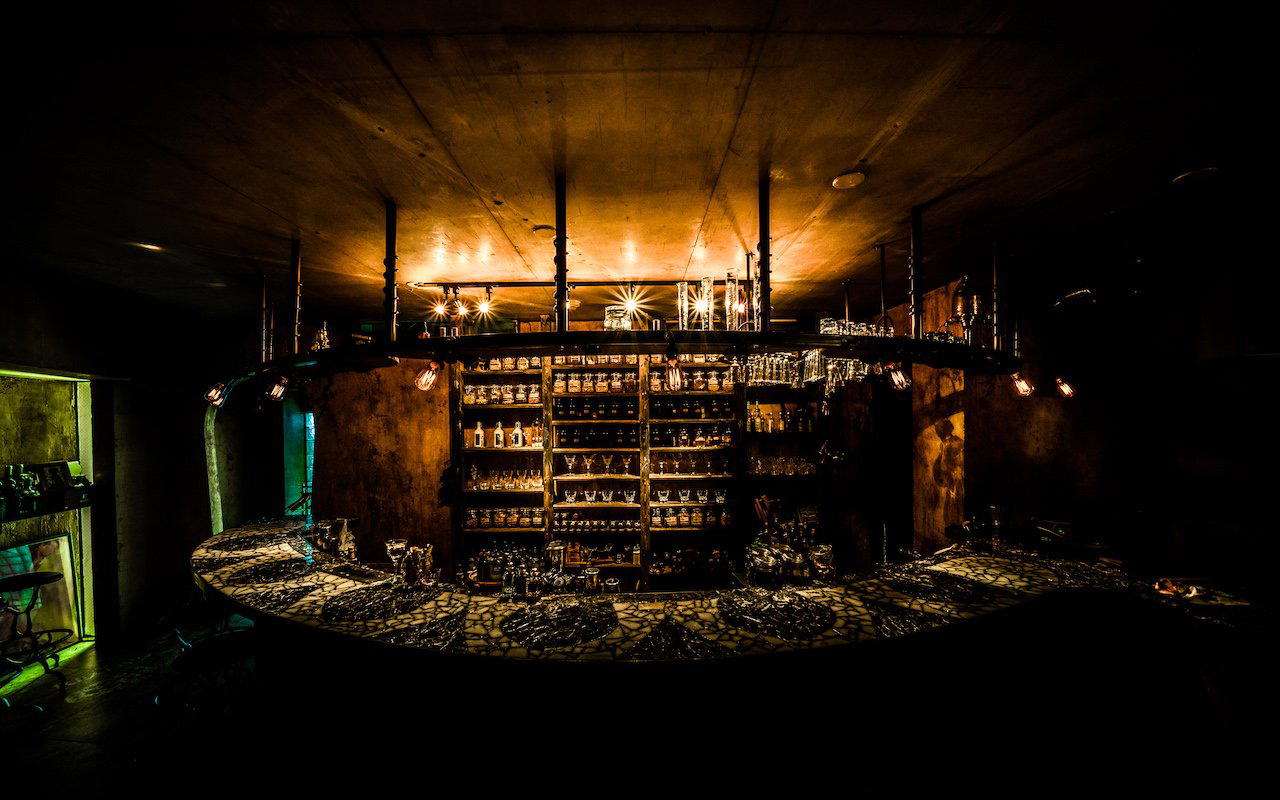

Hotels in Osaka
Browse all →



Wineries in Osaka
Browse all →
At a Glance
- Solo
- Casual Hangout
- After Work
- Standalone
Current opening hours
- Monday
- 11:30 AM–2 PM, 6–9 PM
- Tuesday
- Closed
- Wednesday
- Closed
- Thursday
- 11:30 AM–2 PM, 6–9 PM
- Friday
- 11:30 AM–2 PM, 6–9 PM
- Saturday
- 6–9 PM
- Sunday
- 6–9 PM
Hours can change for holidays and private events. Last verified .
Described as a hideout house-restaurant with an intimate, tucked-away feel, focused on bold spice aromas rather than decor, giving it a cozy, underground curry spot atmosphere.