On Van Beethovenstraat in Mechelen's quieter residential fringe, Lam'eau occupies a position within the city's growing cohort of serious independent restaurants. The address places it away from the cathedral-square tourist circuit, signalling a dining room built for guests who arrive with intent rather than impulse. Context and menu architecture suggest a kitchen working within Belgium's tradition of produce-led, technically precise cooking.
Pearl is the En Primeur Club membership app — saves, bookings, and concierge access live there. Same editors, same standards.
- Address
- Van Beethovenstraat 8/10, 2800 Mechelen, Belgium
- Phone
- +3215209530
- Website
- lameau.be
- Directions
- Get directions
 Saves & bookings on Pearl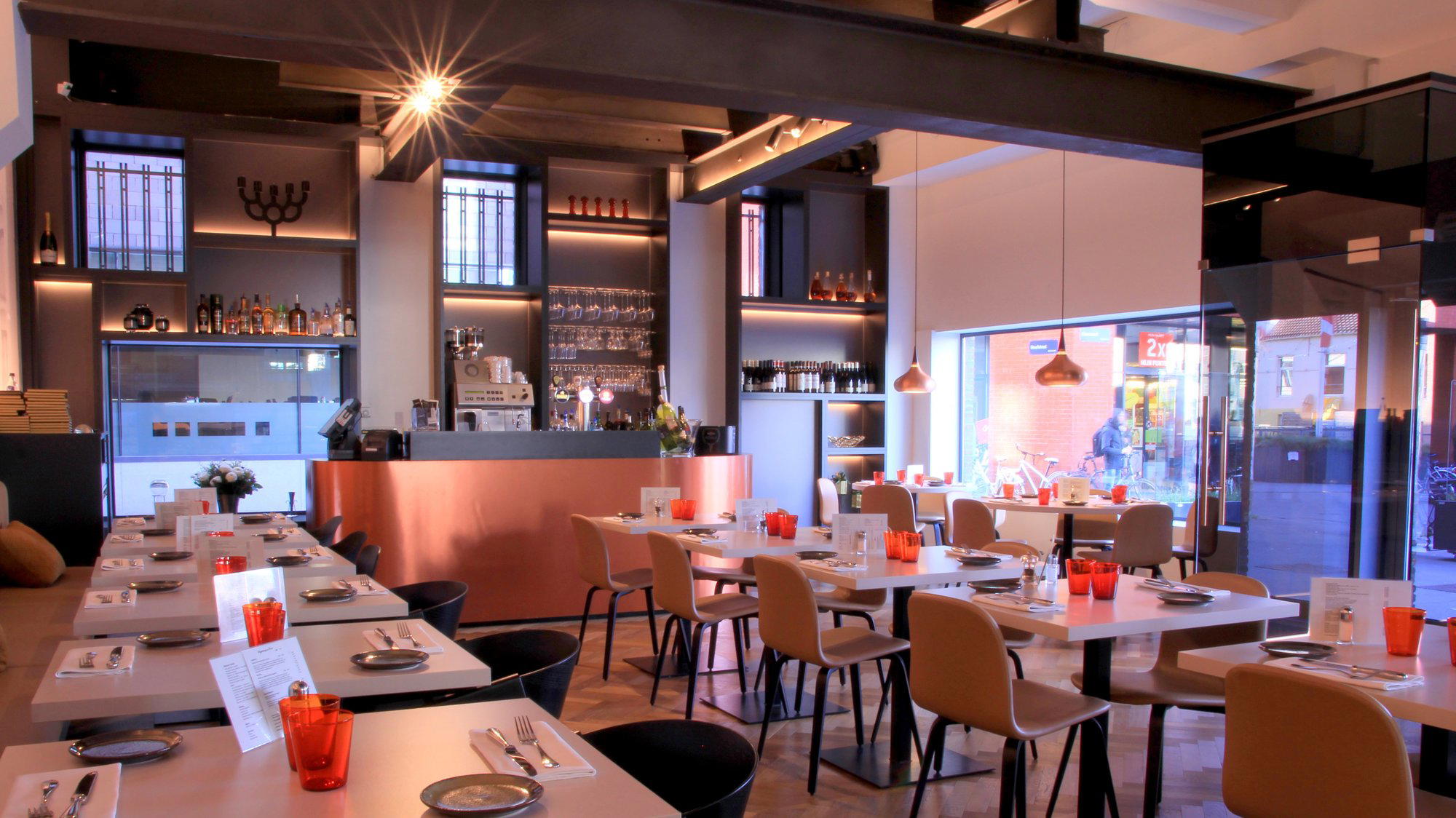
A Street Address That Signals Intent
Mechelen's dining scene has quietly consolidated around a core of independent kitchens that operate outside the gravitational pull of the Grote Markt. Van Beethovenstraat 8/10 is that kind of address: residential in character, offering no concession to passing foot traffic, and therefore communicating something immediate about who the kitchen is cooking for. In Belgian cities of Mechelen's scale, the geography of a restaurant often tells you as much as the menu does. Venues on peripheral streets tend to rely on reputation rather than location, which means the cooking has to carry the room.
Mechelen sits in the corridor between Antwerp and Brussels, a position that has historically kept it in the shadow of both. That dynamic has, over the past decade, worked in the city's favour: rents that allow serious kitchens to operate without the cover-count pressure of a capital, a local clientele with developed palates, and enough proximity to major restaurant markets that chefs who might otherwise gravitate toward Antwerp or Brussels have found reasons to stay. The city now has a restaurant profile disproportionate to its size, with establishments ranging from the farm-to-table register of 't Gasthuis by InstroomArt at the higher price tier to the more accessible sharing format of Cosma. Lam'eau occupies a position within this spread, though the specifics of its pricing and format are not publicly documented in available records.
What the Name Suggests About the Kitchen
The name Lam'eau is worth pausing on. In French, it reads as a compressed phrase for water, with a contraction that introduces ambiguity: lamb, wave, or simply a phonetic play on a word that carries connotations of clarity and fluidity. In Belgian restaurant naming conventions, this kind of deliberate linguistic softness often signals a kitchen that thinks about register, one that is interested in refinement without formality. It is a small detail, but menu architecture in serious restaurants rarely begins at the plate: it begins at the name on the door.
Belgium's fine dining tradition has long operated on a tension between classical French structure and a more ingredient-forward northern European sensibility. The kitchens that have defined the country's international reputation, from Hof van Cleve in Kruishoutem to Boury in Roeselare and Zilte in Antwerp, have each resolved that tension differently. What they share is a commitment to menu structures that move through clearly defined courses, where each dish functions as evidence of a culinary argument rather than a standalone attraction. Lam'eau, as a Mechelen independent in this tradition, operates in that same broader frame.
Menu Architecture as Editorial Statement
The way a menu is structured tells you what a kitchen believes cooking is for. A long carte with many choices signals confidence in breadth and a kitchen that trusts its guests to self-direct. A tasting format with few or no alternatives signals a kitchen that has an argument to make and wants to make it in sequence. In Belgium's mid-to-upper independent tier, the tasting menu format has become the dominant mode, partly because it allows a small kitchen team to control quality across service, and partly because it reflects how Belgian diners, particularly those who travel for food, have come to understand what serious cooking looks like.
The specific format Lam'eau uses is not confirmed in available records, but its positioning within Mechelen's independent restaurant tier, on a residential street address not calibrated for casual walk-in trade, points toward a kitchen operating with intention about the shape of a meal. That intentionality is what separates restaurants in this category from those built around a single strong dish or a broad menu designed to capture diverse preferences. The comparison venues active in Mechelen's current scene, including the French Contemporary format of Tinèlle and the more relaxed register of De Fortuyne, each represent different bets on what Mechelen diners want from an evening out. Lam'eau's address and name suggest a different bet again.
Belgium's Wider Restaurant Geography
To understand where a Mechelen independent sits, it helps to read it against Belgium's broader restaurant geography. The country punches significantly above its weight in fine dining terms: Michelin coverage is dense relative to population, and internationally recognised addresses such as Willem Hiele in Oudenburg, Bartholomeus in Heist, and De Jonkman in Sint-Kruis demonstrate that the country's most serious kitchens are distributed across small cities and semi-rural addresses rather than concentrated in Brussels. L'air du Temps in Liernu and d'Eugénie à Emilie in Baudour extend that geographic spread further. Even Castor in Beveren demonstrates that a small-city address is no obstacle to a kitchen with a clear point of view.
Mechelen benefits from this national pattern. The city is thirty minutes from Brussels by train and under twenty minutes from Antwerp, making it plausible as a dining destination in its own right rather than a waypoint. The Bozar Restaurant in Brussels and Atomix in New York represent the more internationally visible end of this kind of urban-adjacent serious dining. Le Bernardin in New York City, with its long-standing commitment to a focused culinary argument around seafood, offers a different model for how menu architecture and singular focus can define a restaurant's identity over decades. Lam'eau operates in a much smaller market but within a dining culture that shares those reference points.
Planning a Visit
Van Beethovenstraat 8/10 in Mechelen's 2800 postal district is reachable from Mechelen railway station in a short taxi or a walkable distance depending on pace. The city itself is served by frequent direct rail connections from both Brussels-Centraal and Antwerp-Centraal, making Lam'eau a plausible destination for visitors combining it with broader exploration of the city. For current booking arrangements, hours, and pricing, contacting the restaurant directly or consulting current listings is advisable, as this information is not confirmed in available records. Those planning around Mechelen's wider food offer should consult our full Mechelen restaurants guide for context on the city's full range of options.
How Lam'eau Mechelen compares with similar nearby venues.
| Venue | Cuisine | Price |
|---|---|---|
| Graspoort | Creative French | €€€ |
| Ember | Seasonal Cuisine | €€€ |
| 't Gasthuis by InstroomArt | Farm to table | €€€€ |
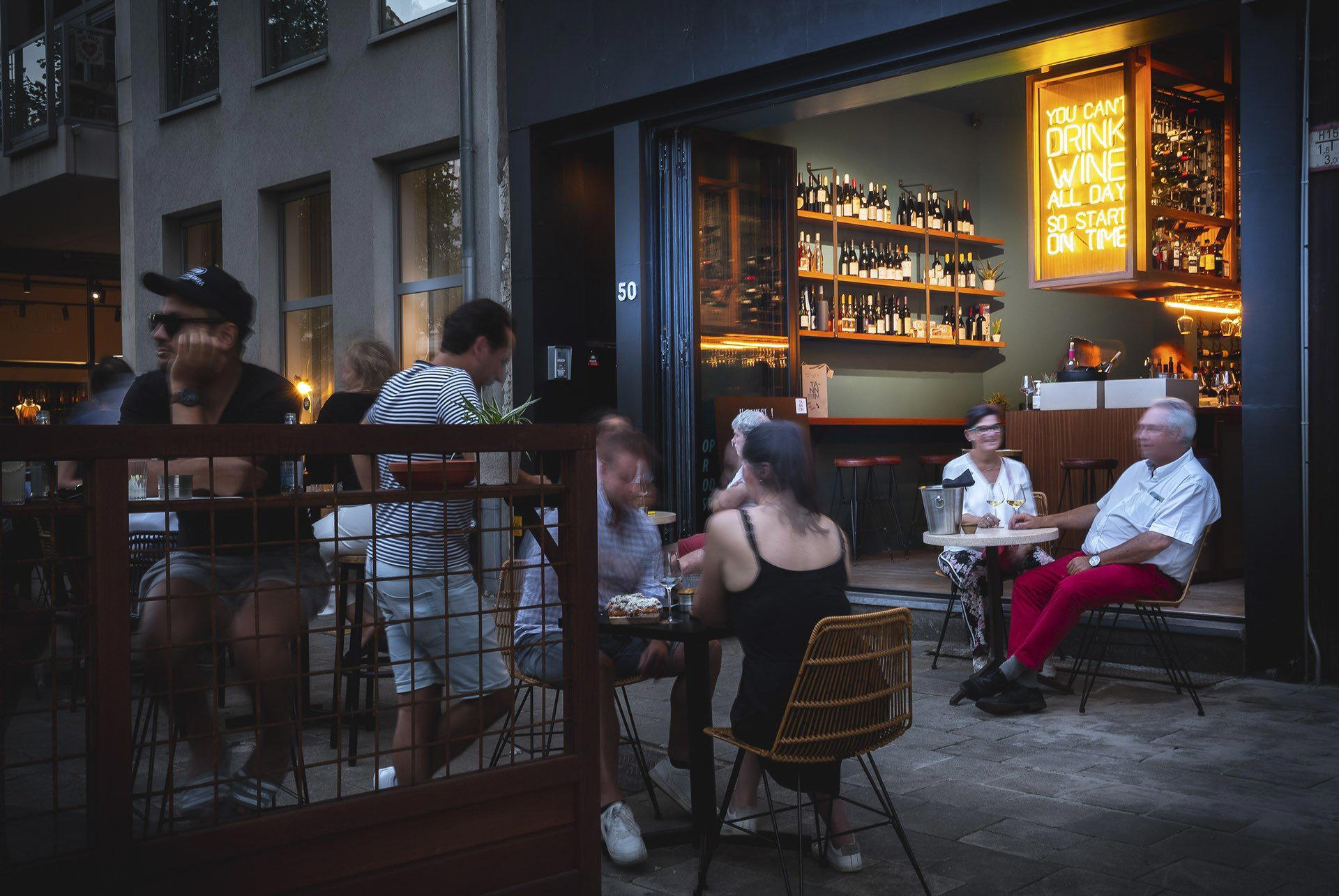
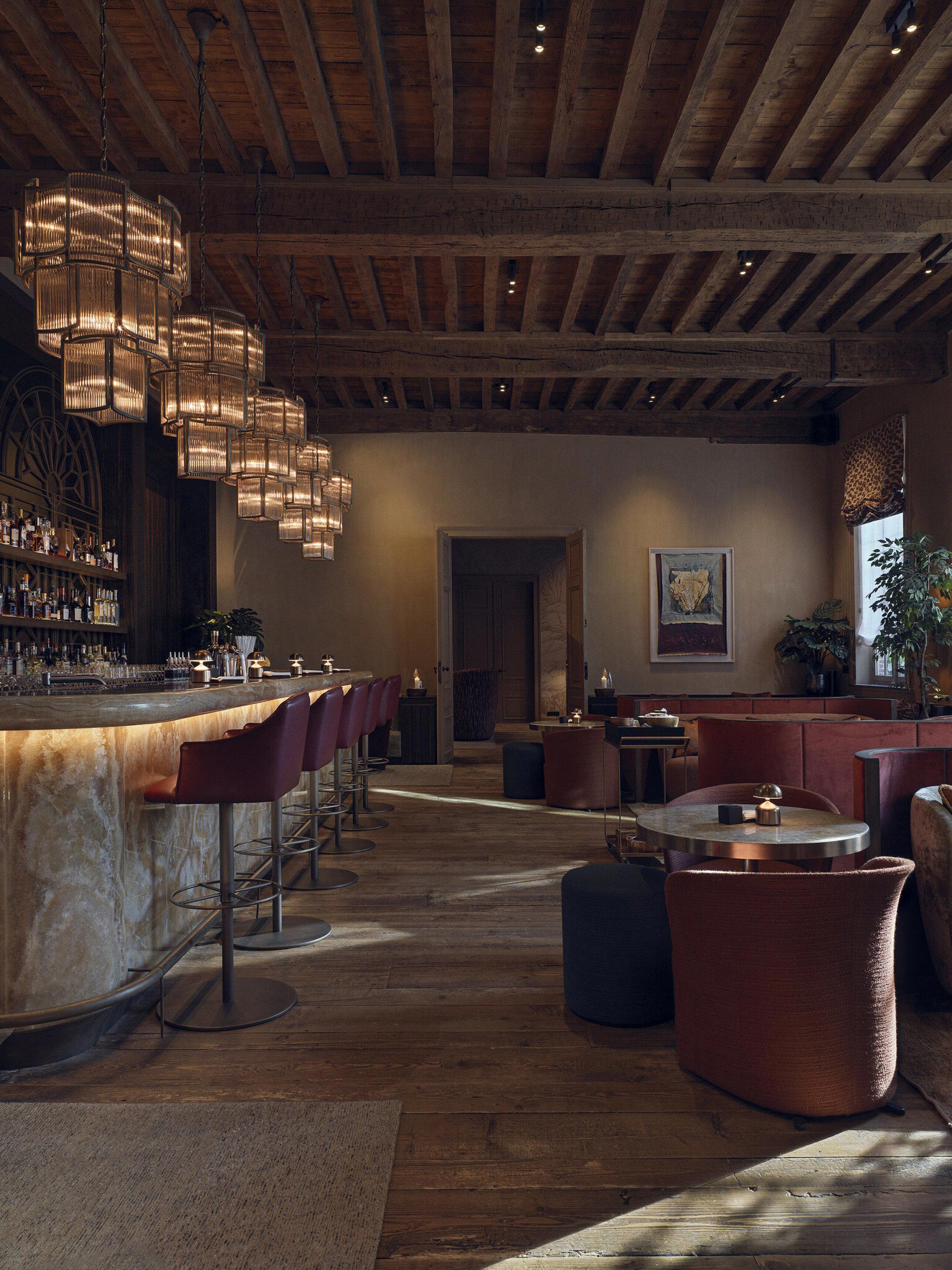
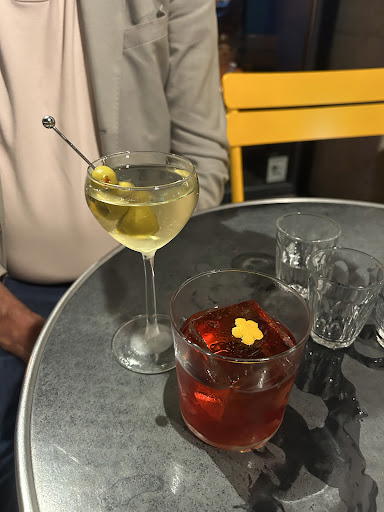
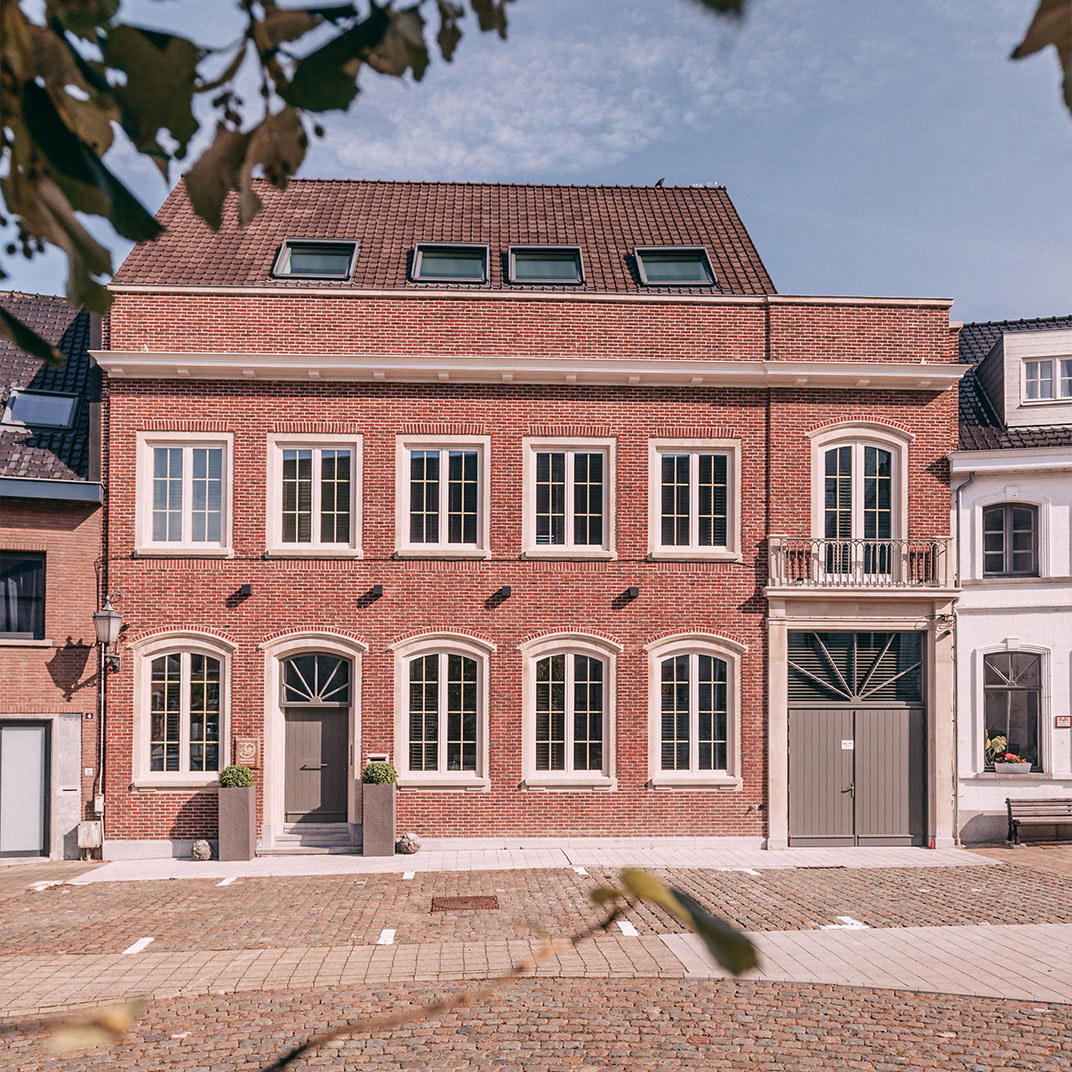
At a Glance
- Cozy
- Romantic
- Modern
- Date Night
- Waterfront
- Terrace
- Local Sourcing
- Waterfront
Current opening hours
- Monday
- 5:30–10:30 PM
- Tuesday
- 11:30 AM–3:30 PM, 5:30–11:30 PM
- Wednesday
- 11:30 AM–3:30 PM, 6–11:30 PM
- Thursday
- 11:30 AM–3:30 PM, 5:30–11:30 PM
- Friday
- 11:30 AM–3:30 PM, 5:30–11:30 PM
- Saturday
- 11 AM–3 PM, 5:30 PM–12 AM
- Sunday
- Closed
Hours can change for holidays and private events. Last verified .
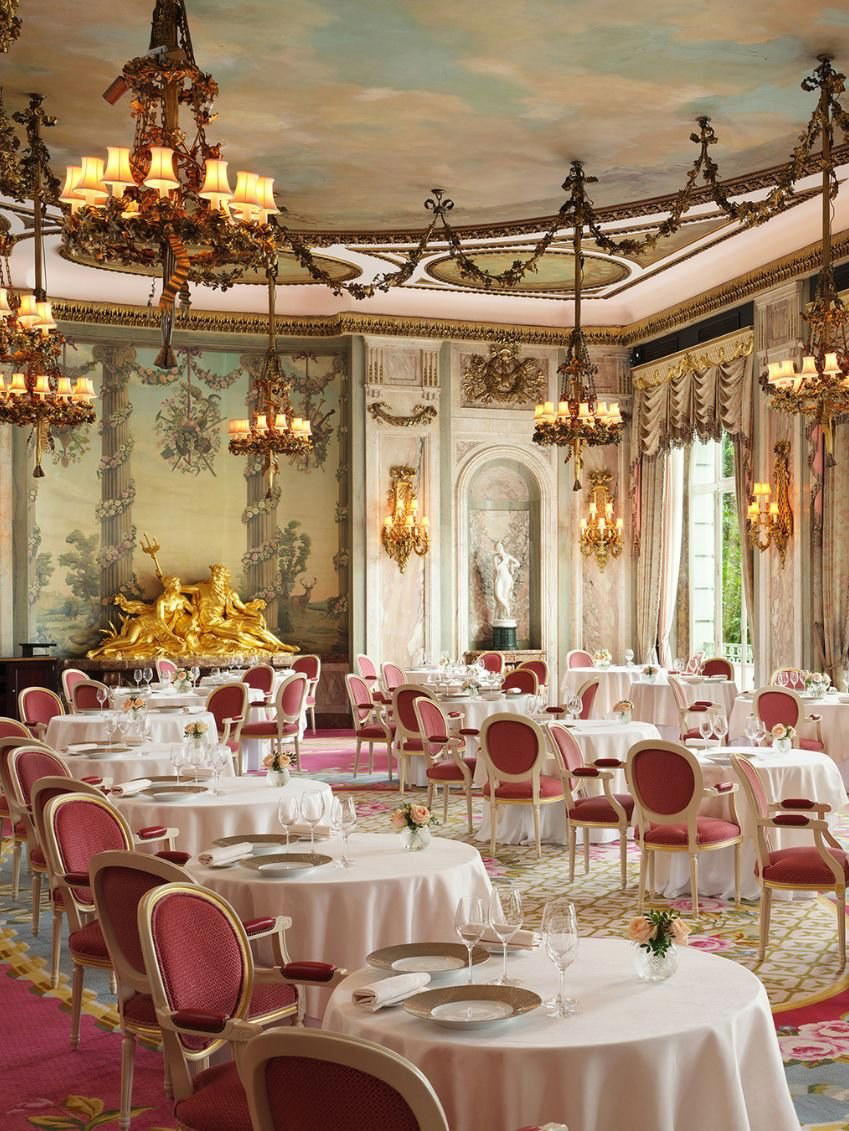
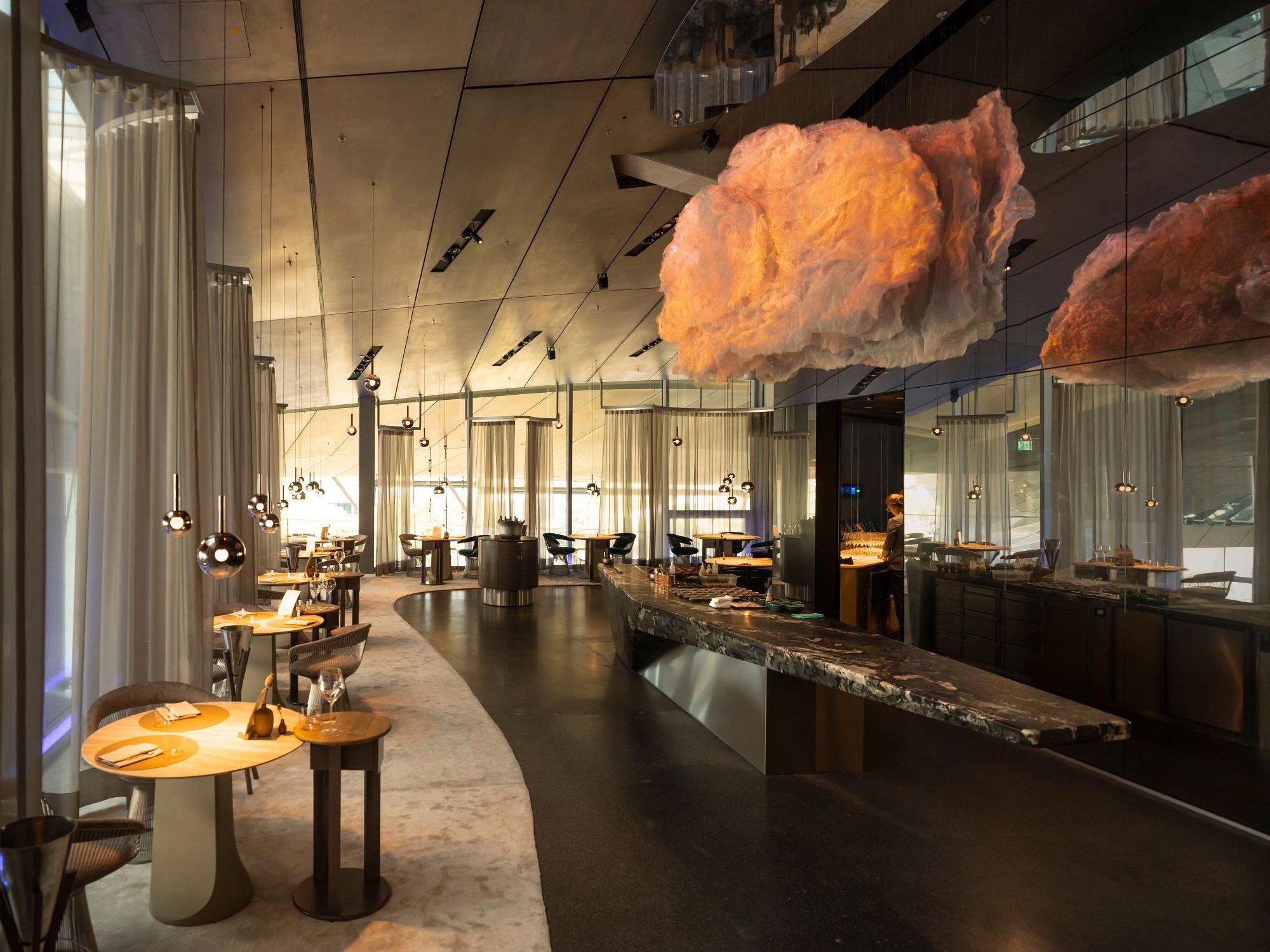
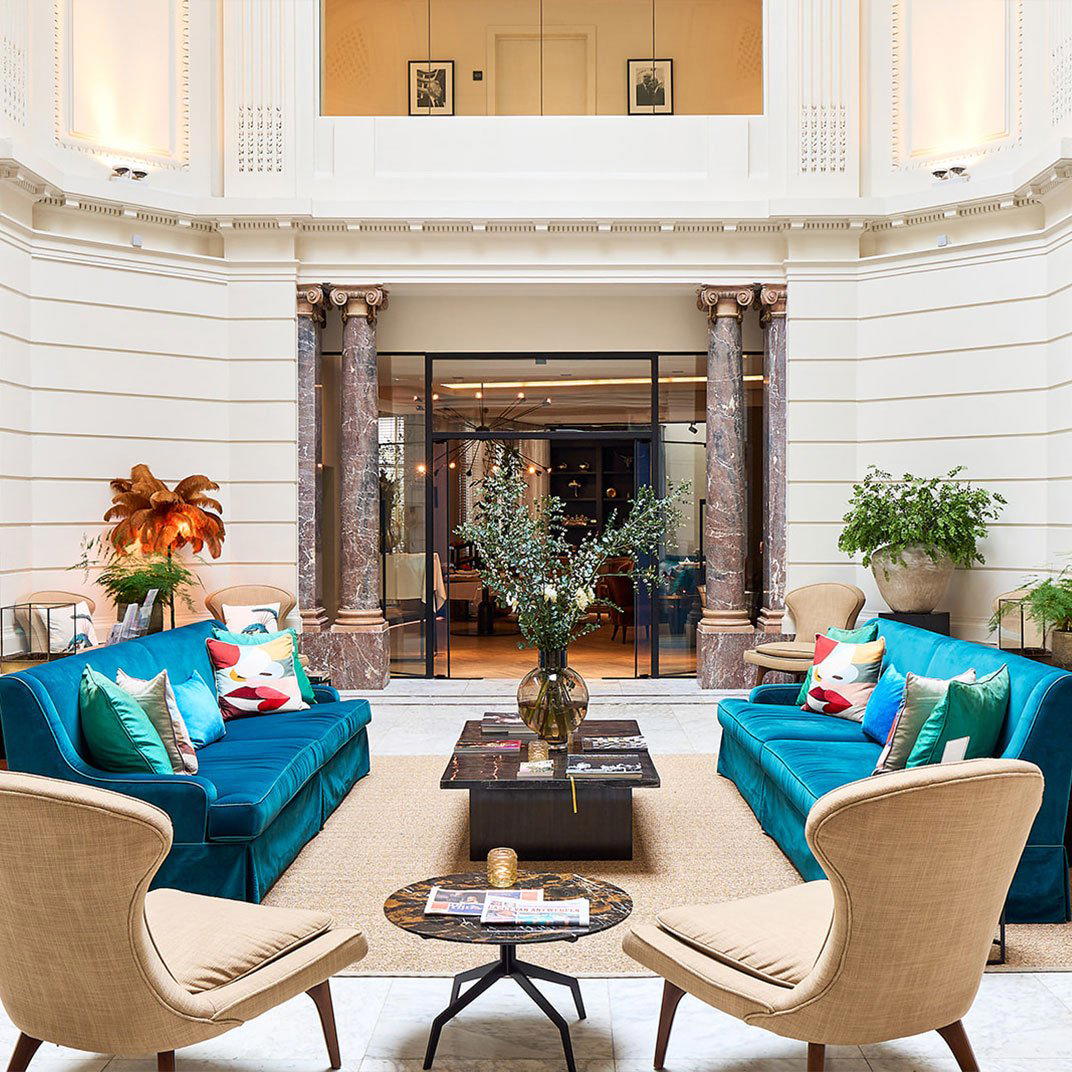
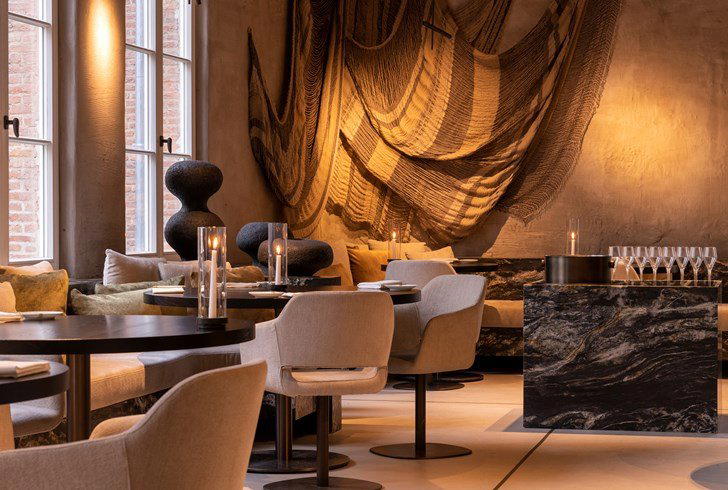
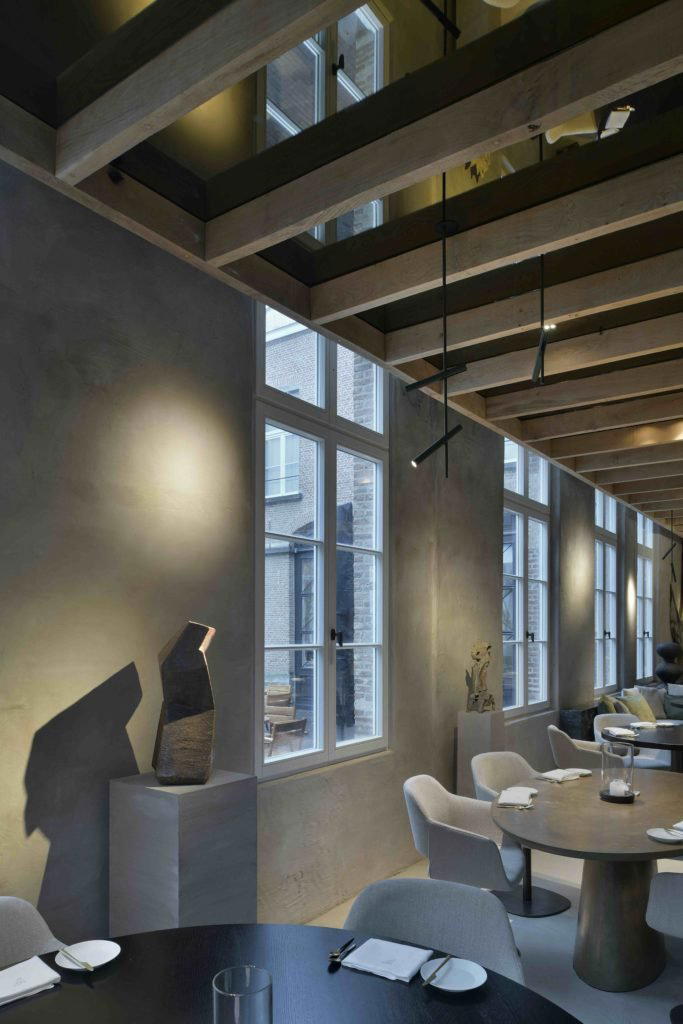
Cozy and intimate atmosphere with modern design in a historic brewery setting.
Know Before You Go
- Getting there
- Van Beethovenstraat 8/10, 2800 Mechelen, Belgium