De Fortuyne occupies a historic address on Befferstraat in central Mechelen, placing it within walking distance of the city's cathedral quarter and a dining scene that has matured considerably over the past decade. With limited publicly available details, the venue rewards direct contact for reservations and current programming. It sits in a city where Belgian culinary ambition increasingly challenges the pull of Brussels and Antwerp.
Pearl is the En Primeur Club membership app — saves, bookings, and concierge access live there. Same editors, same standards.
- Address
- Befferstraat 20/201, 2800 Mechelen, Belgium
- Phone
- +32483389966
- Website
- defortuyne.be
- Directions
- Get directions
 Saves & bookings on Pearl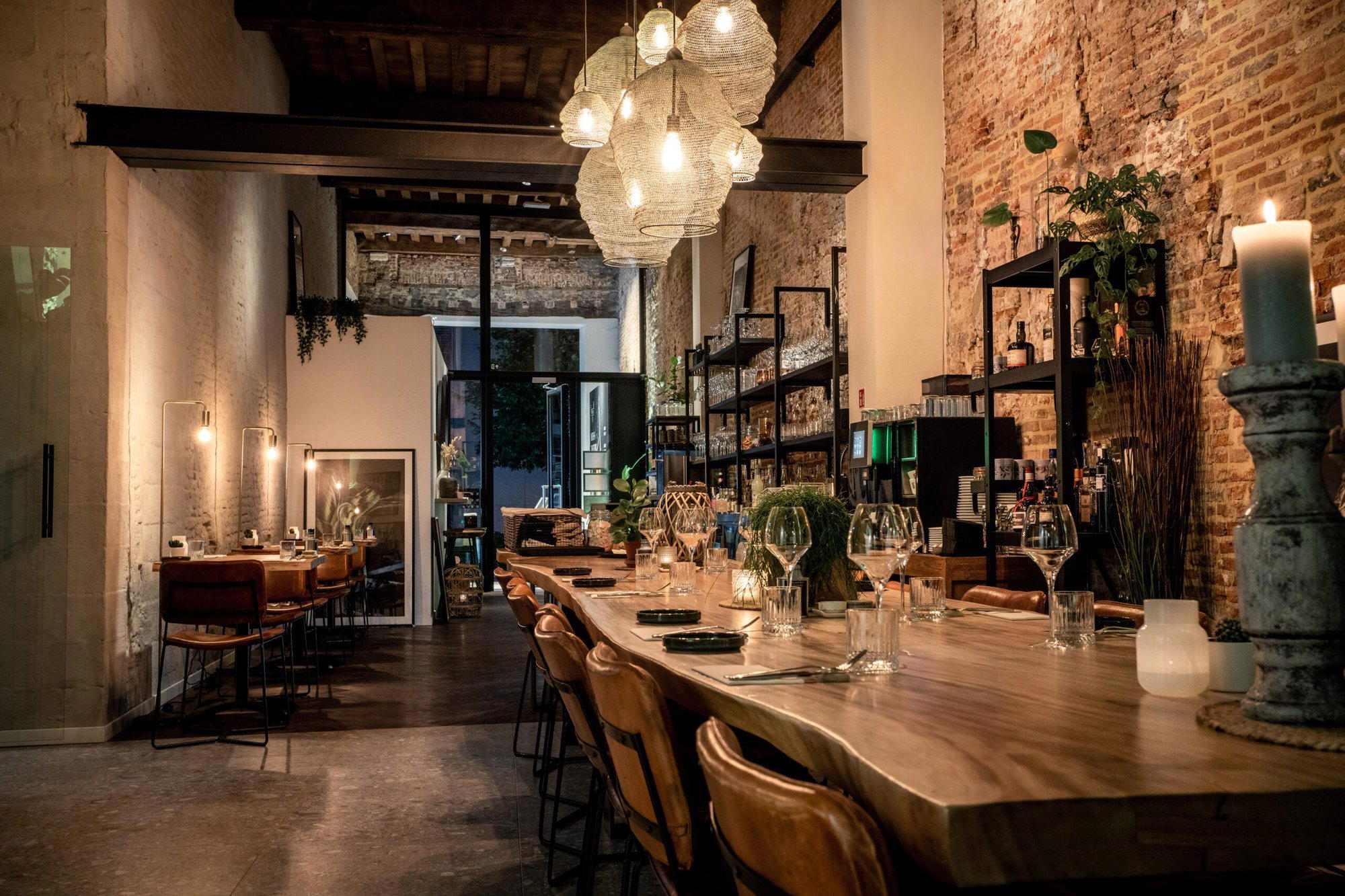
Mechelen's Dining Scene and Where De Fortuyne Fits
Mechelen has spent the better part of a decade building a restaurant culture that no longer treats Brussels or Antwerp as its reference points. The city's compact historic centre, anchored by Sint-Romboutskathedraal and a network of pedestrianised lanes, has accumulated a range of dining registers: farm-to-table formats like 't Gasthuis by InstroomArt, French contemporary cooking at Tinèlle, and the produce-led seasonal approach of Ember. That density, concentrated in a city of roughly 90,000 people, is unusual for a Flemish provincial capital and reflects a broader pattern across Belgium where mid-sized cities have developed genuinely local dining identities rather than simply replicating what larger centres offer.
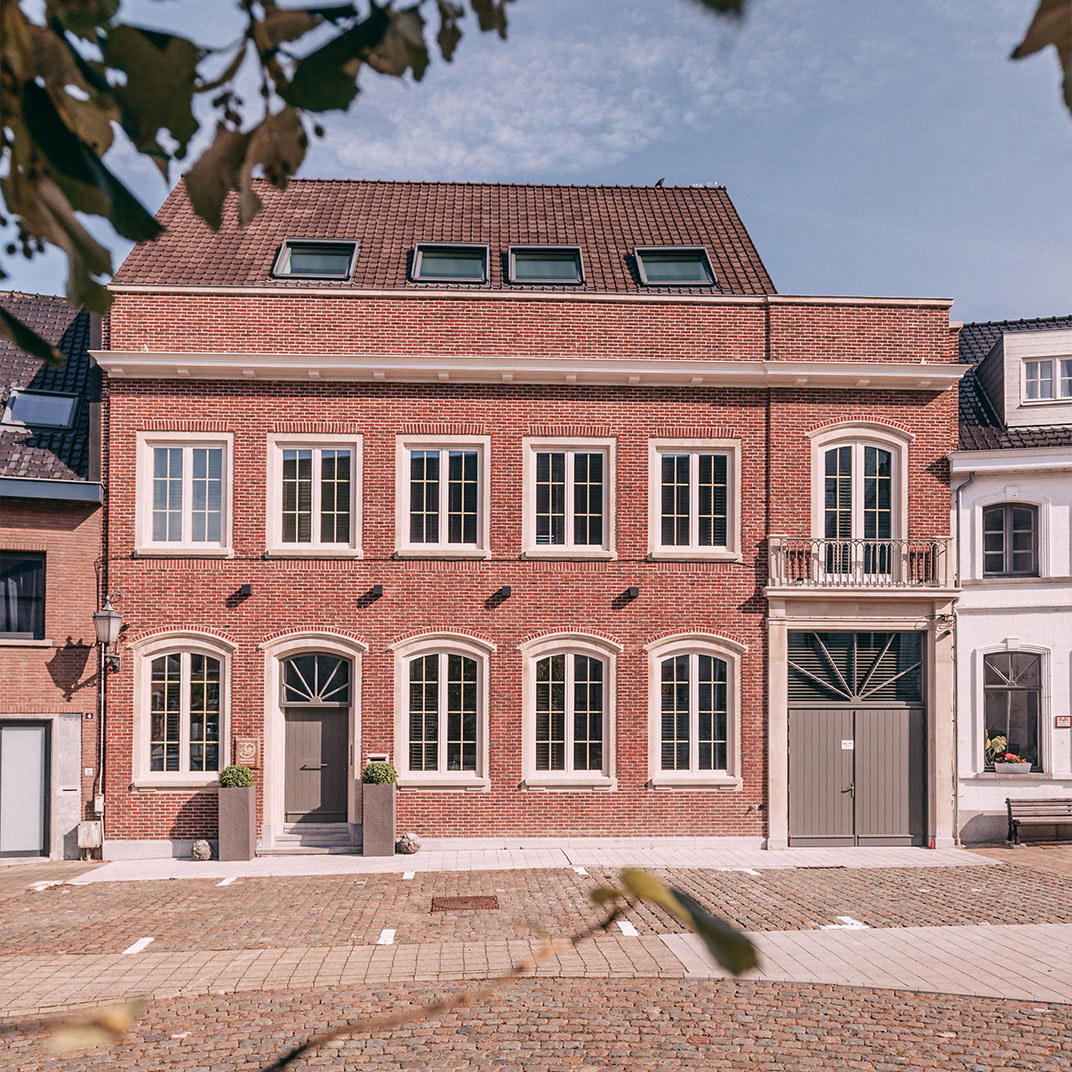
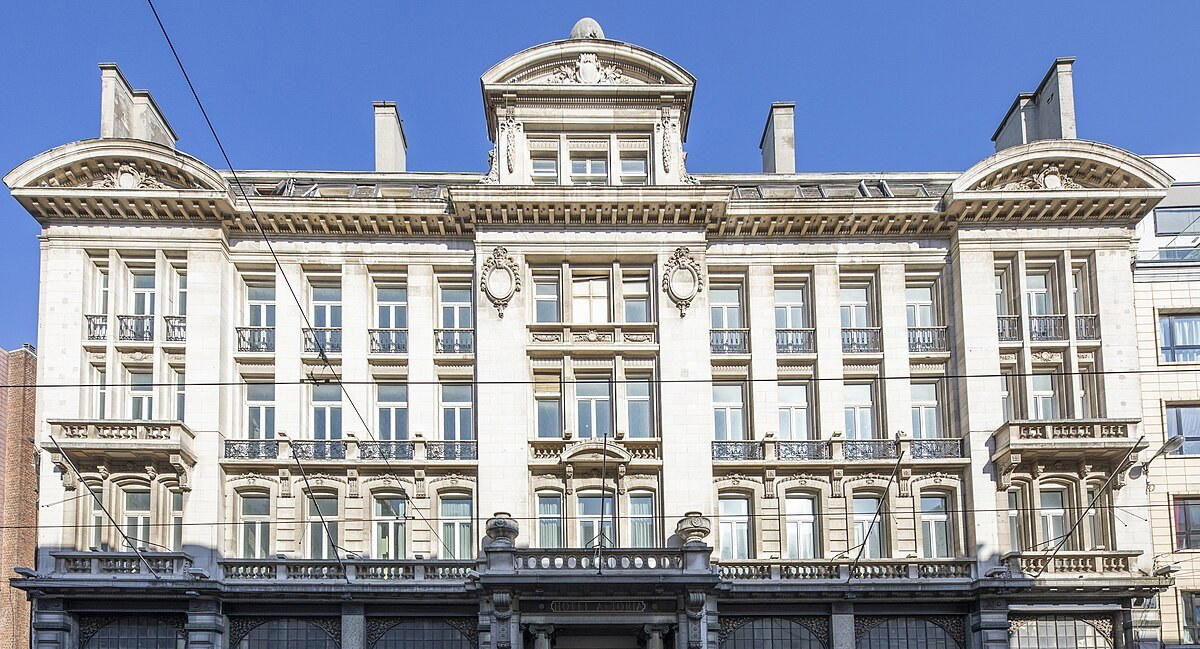
De Fortuyne sits at Befferstraat 20/201, a street that runs close to the city's historical commercial and civic core. In Belgian cities of Mechelen's scale, addresses in this zone tend to occupy former guild houses or merchant buildings, structures with layered histories that shape the physical character of any restaurant that moves into them. Arriving on Befferstraat puts you in the middle of that older civic fabric, with the cathedral visible at close range and the rhythm of the city's foot traffic setting the pace. That physical context matters in a city where the gap between monument and table is often a five-minute walk.
The Cultural Weight of Belgian Table Tradition
Belgium's restaurant culture is frequently underestimated internationally, partly because it lacks a single flagship city with the gravitational pull of Paris or Copenhagen, and partly because its most serious cooking often happens in towns and smaller cities that don't register on standard European food tourism itineraries. What Belgium has instead is a deep tradition of bourgeois Flemish cooking, a long history of French culinary influence absorbed and adapted over centuries, and a contemporary generation of chefs who have trained at institutions across Europe and returned to apply that experience to Belgian ingredients and dining habits.
The country's Michelin presence is dense relative to its size. Properties like Hof van Cleve in Kruishoutem, Boury in Roeselare, and Zilte in Antwerp demonstrate that serious Belgian cooking is not concentrated in Brussels but distributed across regions, with Flanders carrying a disproportionate share of the country's fine dining weight. That pattern extends to places like Willem Hiele in Oudenburg, Bartholomeus in Heist, and De Jonkman in Sint-Kruis, each operating in towns well outside the main urban centres. Mechelen, positioned between Brussels and Antwerp on the main rail corridor, has the geographic advantage of accessibility without the overhead costs that constrain central-city restaurants in either of those capitals.
That broader context shapes expectations for any restaurant in Mechelen's centre. Diners arriving from Brussels or Antwerp by train, a journey of under thirty minutes from either city, are not arriving without reference points. They carry comparisons. Mechelen's better restaurants have responded by developing distinctive identities rather than mirroring what those larger cities already do at higher price points. The €€€ tier across multiple Mechelen venues, including 't Witte Goud and the sharing-format offer at Cosma, suggests the city has settled into a price register that reflects local economic conditions while delivering cooking that competes with more expensive markets.
A Note on Available Information
De Fortuyne's public profile is notably thin. No cuisine classification, chef attribution, price tier, hours, or booking contact appear in current circulation. That absence is not unusual for certain Belgian restaurants that rely on local reputation and word-of-mouth rather than international directory presence. Venues in this category often maintain a deliberately low external profile, operating at comfortable capacity through return visitors and local referral rather than destination-dining traffic. The pattern is familiar across Belgium's smaller cities, where a restaurant on a well-known street in a historic centre can sustain itself without significant digital footprint.
For visitors, this means the practical approach is direct contact through the address at Befferstraat 20/201, or visiting in person to confirm current programming. Mechelen's centre is walkable enough that arriving without a confirmed reservation and assessing availability directly is a reasonable strategy for lunch, though less reliable for dinner at any venue with a serious local following. The city's broader restaurant scene, mapped in our full Mechelen restaurants guide, provides useful alternatives if De Fortuyne is fully committed on a given evening.
Positioning in a Competitive Belgian Reference Set
For readers using Mechelen as a base to explore Flemish and wider Belgian dining, De Fortuyne's address places it in a convenient circuit. Day trips to Castor in Beveren or d'Eugénie à Emilie in Baudour extend the scope of a visit to the region, while the Brussels connection opens access to Bozar Restaurant. For those arriving from further afield, particularly from North America where Belgian cooking rarely receives proportionate attention, venues like Le Bernardin in New York City or Atomix in New York City provide a familiar calibration point for fine dining ambition, though the Belgian model operates at different price levels and with a different relationship to seasonal and regional produce than either of those New York references. Closer to home in terms of comparable Walloon fine dining ambition, L'air du temps in Liernu represents the French-speaking counterpart to what Flemish restaurants have built over the same period.
What distinguishes Mechelen's position in this geography is accessibility combined with a dining culture that has developed on its own terms. A restaurant on Befferstraat operates in a city that has earned its own culinary credibility, not as a satellite of Brussels or a smaller Antwerp, but as a destination with a coherent identity and a local audience that expects cooking to match the quality of the surroundings.
Planning a Visit
Mechelen is served directly by Belgian rail from both Brussels-Central and Antwerp-Central, with journey times typically under thirty minutes from either terminus. The Befferstraat address is within walking distance of the main train station. Given the absence of confirmed online booking infrastructure for De Fortuyne, visitors planning around this venue specifically should allow flexibility in their itinerary and treat the Mechelen stop as part of a wider Flemish dining exploration rather than a single fixed reservation.
How De Fortuyne Mechelen compares with similar nearby venues.
| Venue | Cuisine | Price |
|---|---|---|
| Cosma | Sharing | €€ |
| 't Gasthuis by InstroomArt | Farm to table | €€€€ |
| The Chick | Modern Cuisine | €€€ |
| Graspoort | Creative French | €€€ |
At a Glance
- Modern
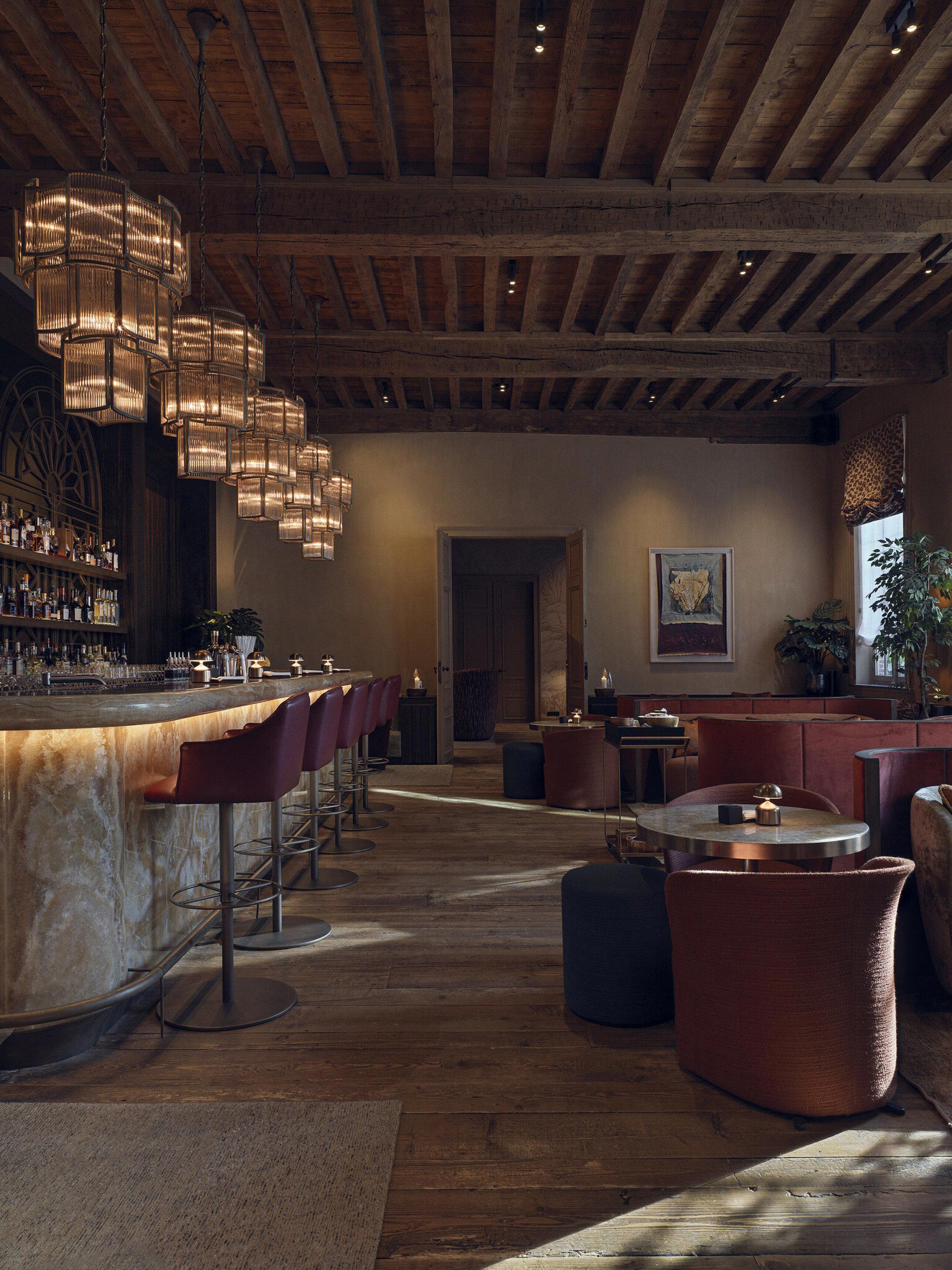
- Cozy
- Elegant
- Intimate
- Date Night
- Group Dining
- Special Occasion
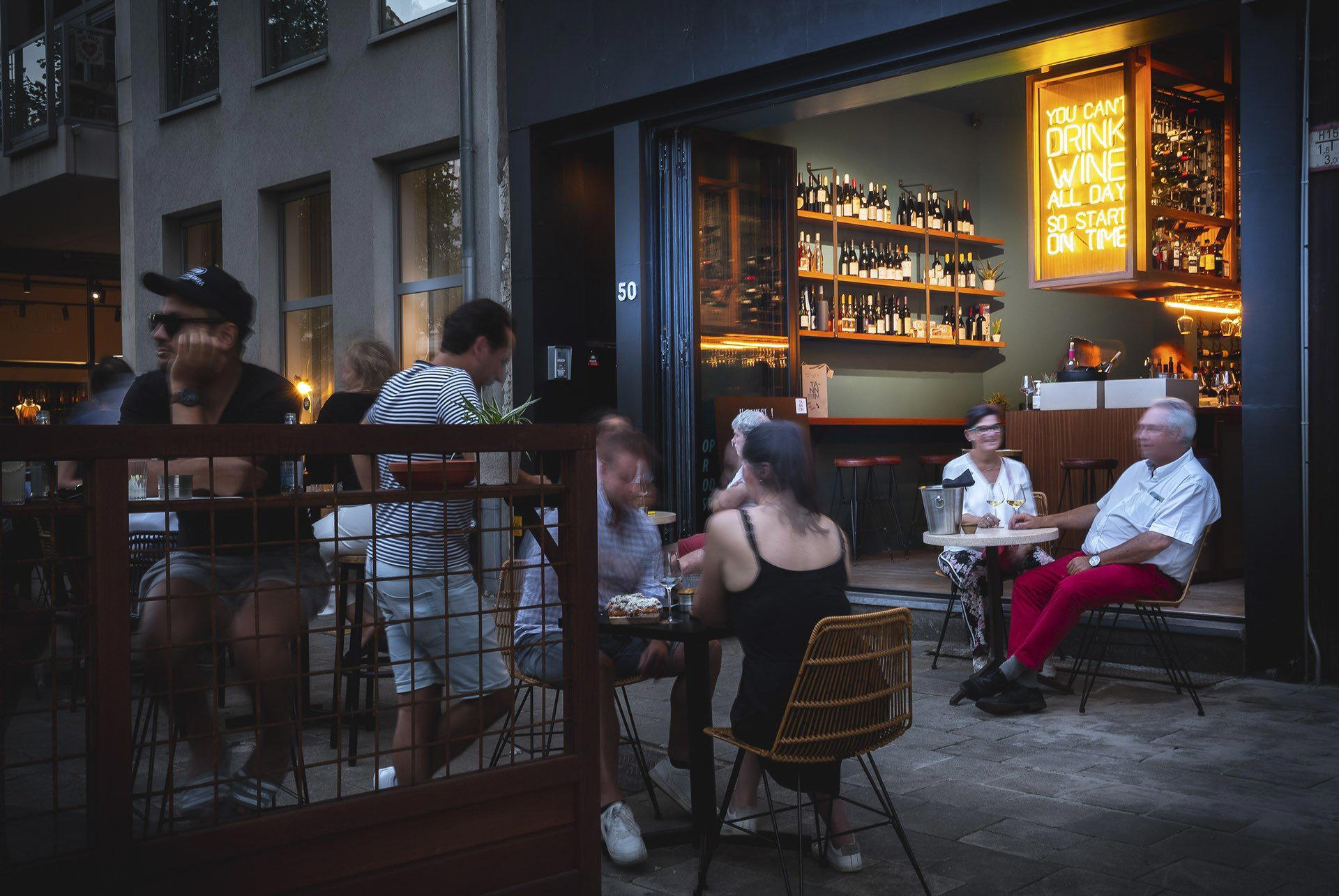
- Terrace
- Open Kitchen
- Extensive Wine List
- Sommelier Led
Current opening hours
- Monday
- Closed
- Tuesday
- 6:30–10 PM
- Wednesday
- 6:30–10 PM
- Thursday
- 6:30–10 PM
- Friday
- 6:30–10 PM
- Saturday
- 12–2 PM, 6:30–10 PM
- Sunday
- Closed
Hours can change for holidays and private events. Last verified .
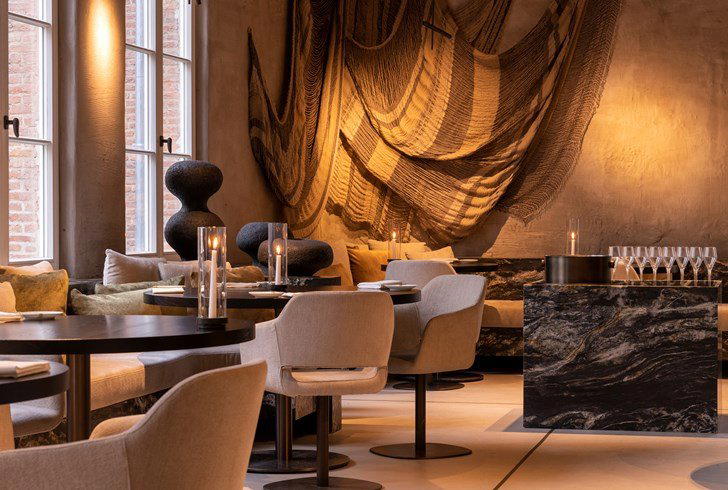
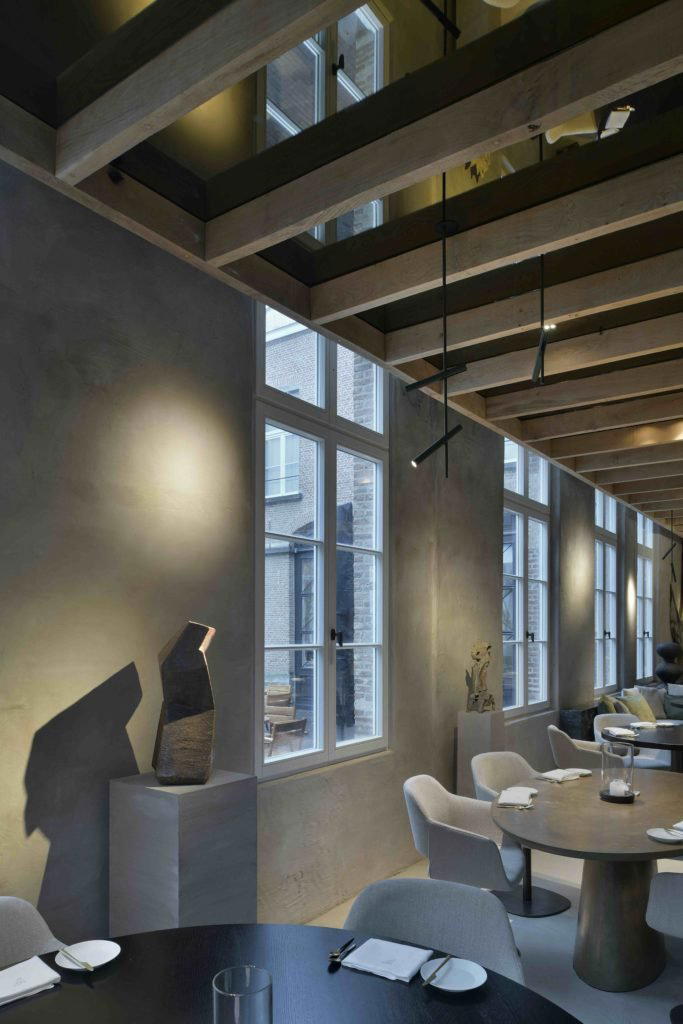
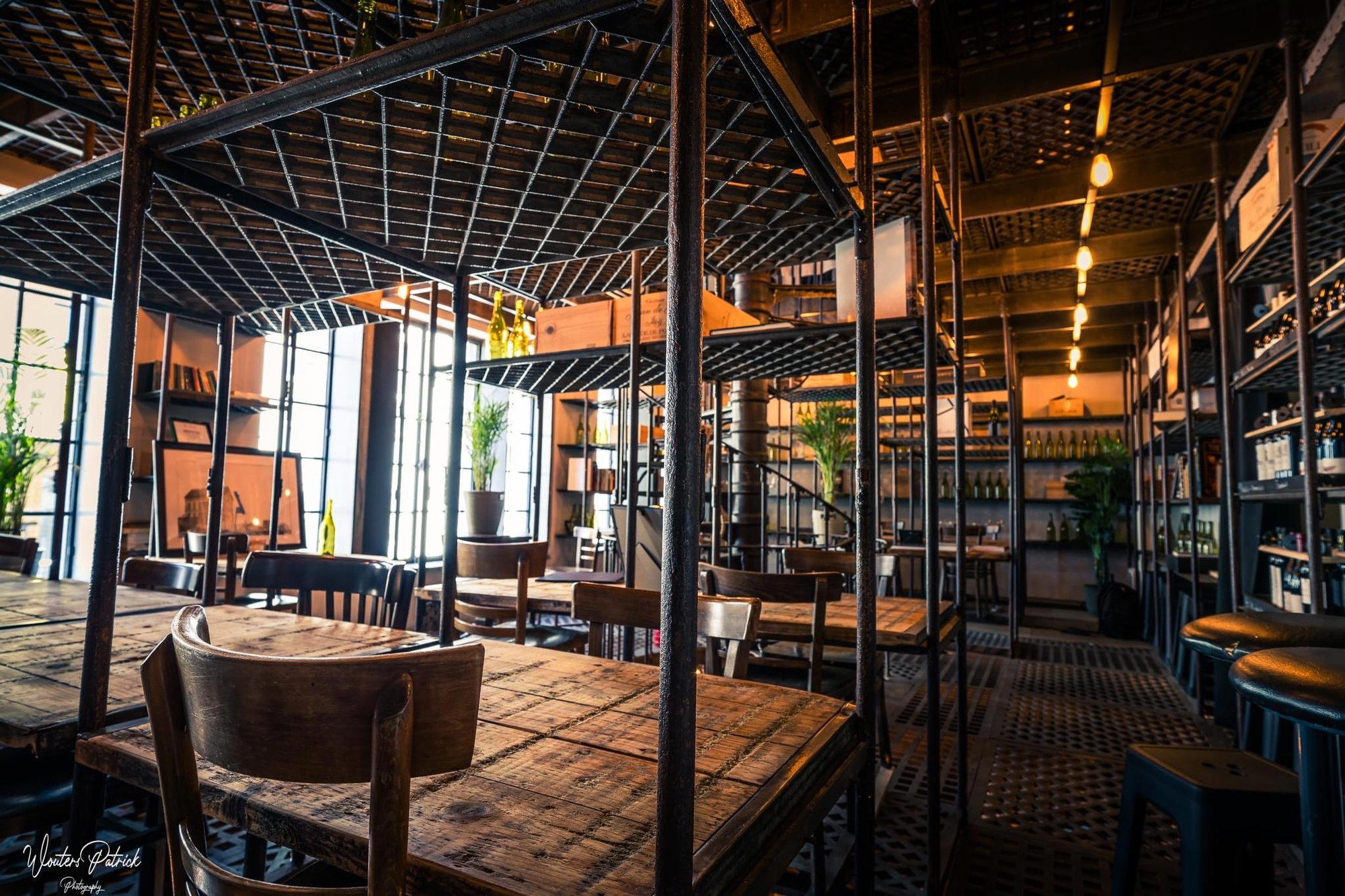
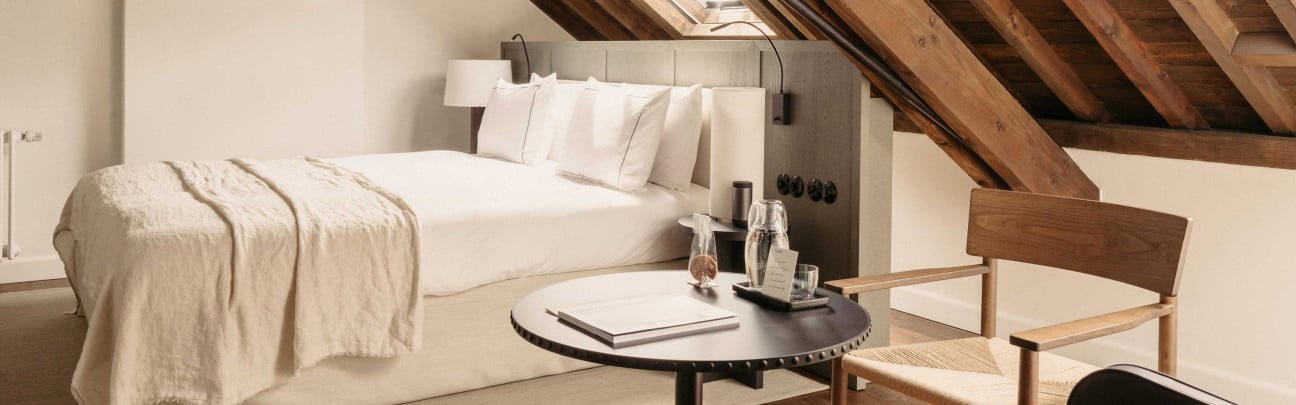
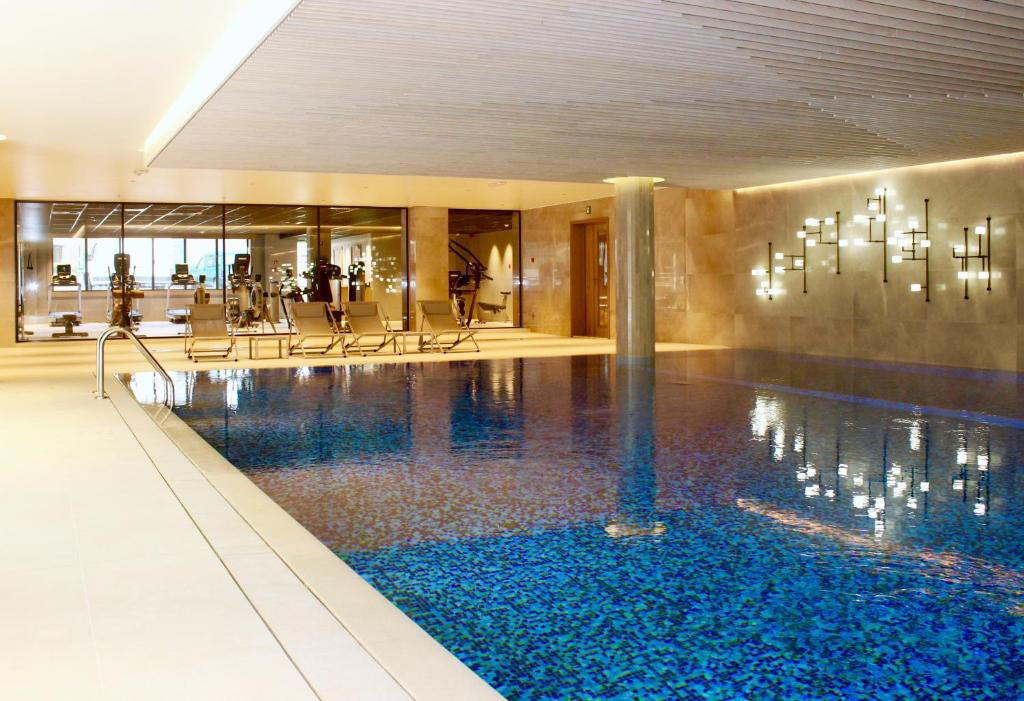
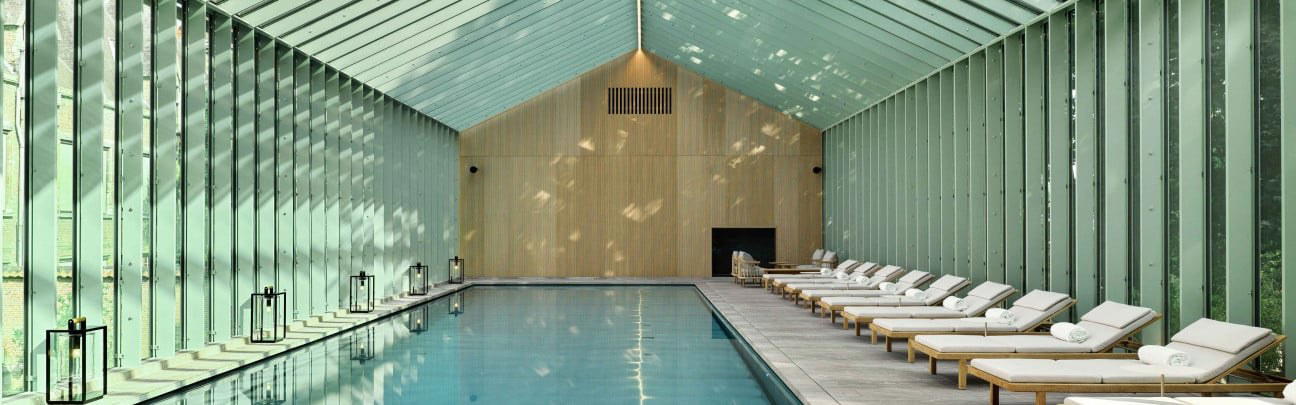
Calm atmosphere with beautiful interior designs, cozy industrial style, pleasant lighting that dims for evening culinary experiences.
Know Before You Go
- Getting there
- Befferstraat 20/201, 2800 Mechelen, Belgium