On Calle de Antonio Maura in Madrid's Retiro district, Maura Wines & Food sits at the intersection of Spanish product and considered technique — the kind of address that rewards wine-led curiosity as much as appetite. The Retiro setting places it within easy reach of the city's more celebrated fine-dining circuit, but the wine-and-food pairing format gives it a different register entirely.
Pearl is the En Primeur Club membership app — saves, bookings, and concierge access live there. Same editors, same standards.
- Address
- C. de Antonio Maura, 7, Retiro, 28014 Madrid, Spain
- Phone
- +34910292332
- Website
- terrazamaura.com
- Directions
- Get directions
 Saves & bookings on Pearl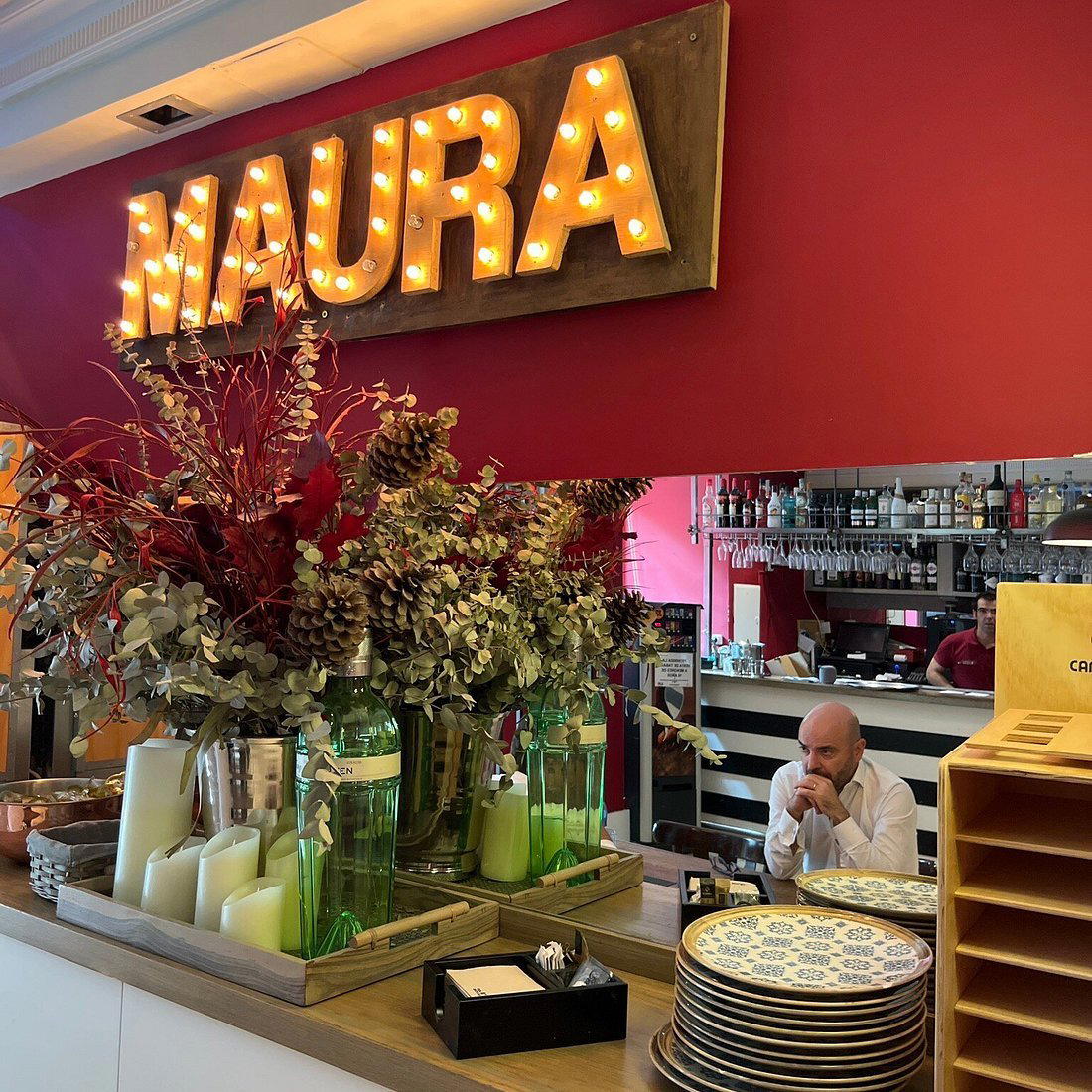
Where Retiro's Formality Meets a Wine-First Approach
Calle de Antonio Maura runs along the northern edge of Retiro, connecting the Prado axis to the park's formal promenades. It is a street of stone facades and deliberate architecture, the kind that has historically housed embassies, institutions, and the quieter end of Madrid's restaurant scene — places that do not need a neon sign because their clientele already knows where they are going. Maura Wines & Food occupies this register: an address that signals seriousness without announcing it.
In Madrid's current dining conversation, the loudest voices belong to the multi-Michelin tier: DiverXO, Coque, Deessa, DSTAgE, and Paco Roncero, all working in the €€€€ bracket with tasting menus and considerable theatre. Maura sits outside that conversation by design, positioning wine as the organizing principle of the experience rather than a supporting cast member.
The Wine-and-Food Format in Madrid's Context
Spain's fine-dining tradition has long been food-forward, with wine treated as accompaniment. The country's most decorated kitchens — from El Celler de Can Roca in Girona to Arzak in San Sebastián to Martin Berasategui in Lasarte-Oria, build menus around culinary ideas first, with sommelier programs that follow. The wine-and-food format that inverts this hierarchy, where the bottle selection shapes what arrives on the plate, represents a smaller, more European-continental tendency in Spanish dining. Madrid, more so than Barcelona or the Basque Country, has developed an appetite for this kind of address: the kind of room where a serious wine list is the primary reason to book, and where the kitchen is disciplined enough to keep up.
Across Spain, the venues that have made this format work share a common discipline: Spanish product treated with technical precision informed by method rather than convention. Aponiente in El Puerto de Santa María does it with marine ingredients and fermentation science. Quique Dacosta in Dénia does it with Mediterranean terroir and avant-garde plating. Ricard Camarena in València does it with minimal intervention and market-driven sourcing. In each case, the product stays Spanish while the methodology arrives from somewhere broader, French classical structure, Japanese precision, Nordic restraint. Maura's proposition belongs to this same lineage, applied to a wine-first framework in a Retiro setting.
Local Ingredients, Borrowed Frameworks
The intersection of imported technique and indigenous product is one of the defining tensions in contemporary Spanish cooking. It is not new, the Basque movement of the 1970s and 1980s borrowed heavily from nouvelle cuisine before developing its own syntax, but it remains the productive fault line where the most interesting kitchens operate. At the level Maura appears to occupy, this means treating Iberian ingredients with a rigor that does not flatten their character. Manchego lamb, Galician seafood, Extremaduran charcuterie, Cantabrian anchovies: these are products with enough depth that they reward technical precision rather than resist it.
What distinguishes a wine-and-food address from a wine bar with kitchen is the degree to which both sides of the equation are taken seriously. The global wine trade has shifted substantially over the past decade toward natural, low-intervention, and biodynamic production, with Spanish regions such as Ribera del Duero, Priorat, Bierzo, and Jerez attracting renewed international attention alongside more established appellations. A serious wine program at a Madrid address like Maura has an unusually deep Spanish cellar to draw from, and the intelligence of that program lies in how it maps domestic production against the broader European canon, pairing a Manzanilla from the coast of Cádiz where a Muscadet might conventionally appear, or positioning a Mencía from Galicia where Burgundy Pinot would be the reflex choice. This kind of substitution requires the kitchen to meet the wine on its terms, which shapes the entire cooking approach.
For a comparative frame outside Spain: the integration model most analogous in international terms is found at addresses like Le Bernardin in New York, where classical French technique is applied to product with near-absolute precision, or Atomix in New York, where Korean culinary tradition is expressed through a tasting counter format informed by fine-dining conventions from multiple traditions. The common thread is craft applied across a cultural gap, producing something that is neither purely one thing nor an awkward hybrid.
Retiro as a Dining Address
The Retiro neighbourhood carries a different weight than Malasaña or Chueca in Madrid's dining geography. It is quieter, more residential in character above the commercial Paseo del Prado corridor, and its restaurant culture skews toward considered, longer meals rather than tapas-and-movement. The proximity to the Prado and the Reina Sofía places it on the cultural itinerary of Madrid's international visitors, but the streets away from the museum facades attract a more regular local clientele of lawyers, civil servants, and the kind of Madrileño who prefers a room without a queue forming at the door.
This context matters for understanding where Maura sits. It is not competing with the late-night energy of Lavapiés or the see-and-be-seen circuit of Castellana. It is operating within a quieter, more deliberate register, the restaurant for a Tuesday evening with someone worth talking to, or a long Saturday lunch before the park. The address on Calle de Antonio Maura confirms this: the street itself is an editorial statement about what kind of experience you are walking into.
For the broader Madrid dining context, including where the city's Michelin-starred circuit sits and how to plan a multi-night eating itinerary, see our full Madrid restaurants guide. For Michelin-calibre comparison beyond the capital, the Iberian fine-dining circuit includes Azurmendi in Larrabetzu, Mugaritz in Errenteria, Cocina Hermanos Torres in Barcelona, and Atrio in Cáceres.
Know Before You Go
- Address: C. de Antonio Maura, 7, Retiro, 28014 Madrid, Spain
- Neighbourhood: Retiro, close to the Prado and Parque del Retiro
- Format: Wine-and-food concept; expect wine selection to drive the experience
- Nearest Metro: Banco de España (Line 2) or Retiro (Line 2)
- Booking: Contact details not confirmed at time of publication, walk-in availability may apply
- Hours: Not confirmed at time of publication, verify before visiting
- Price range: Not confirmed at time of publication
How Maura Wines & Food Madrid compares with similar nearby venues.
| Venue | Cuisine | Price |
|---|---|---|
| Restaurante Vinoteca García de la Navarra | Traditional Spanish | Not listed |
| Alabaster | Modern Cuisine | €€€ |
Continue exploring
More in Madrid
Restaurants in Madrid
Browse all →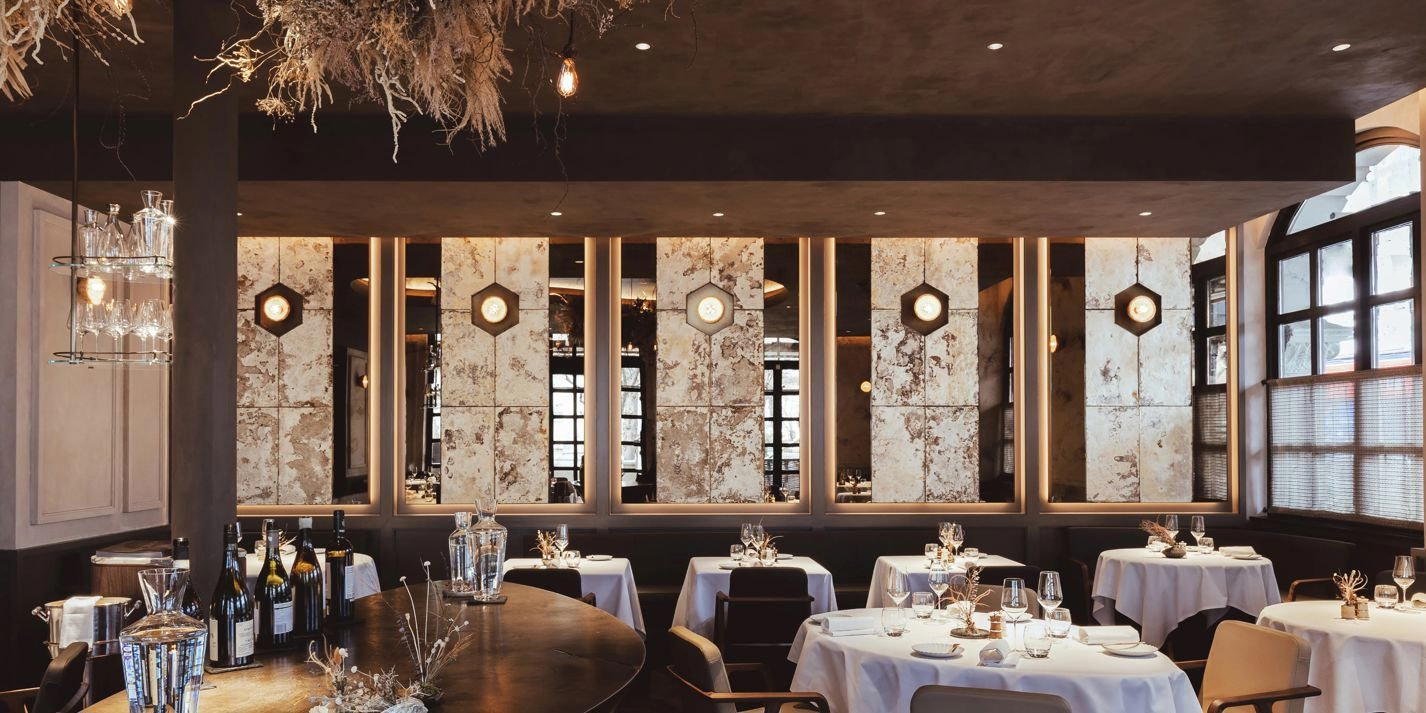
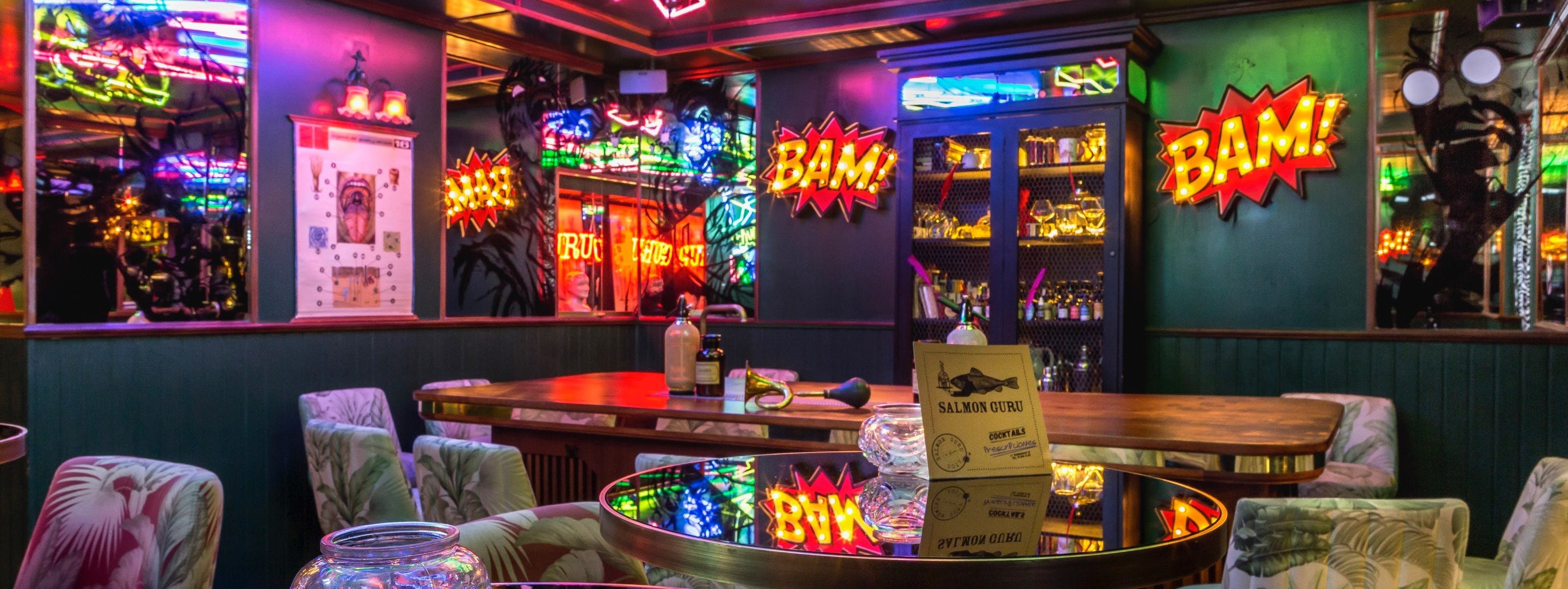
Bars in Madrid
Browse all →
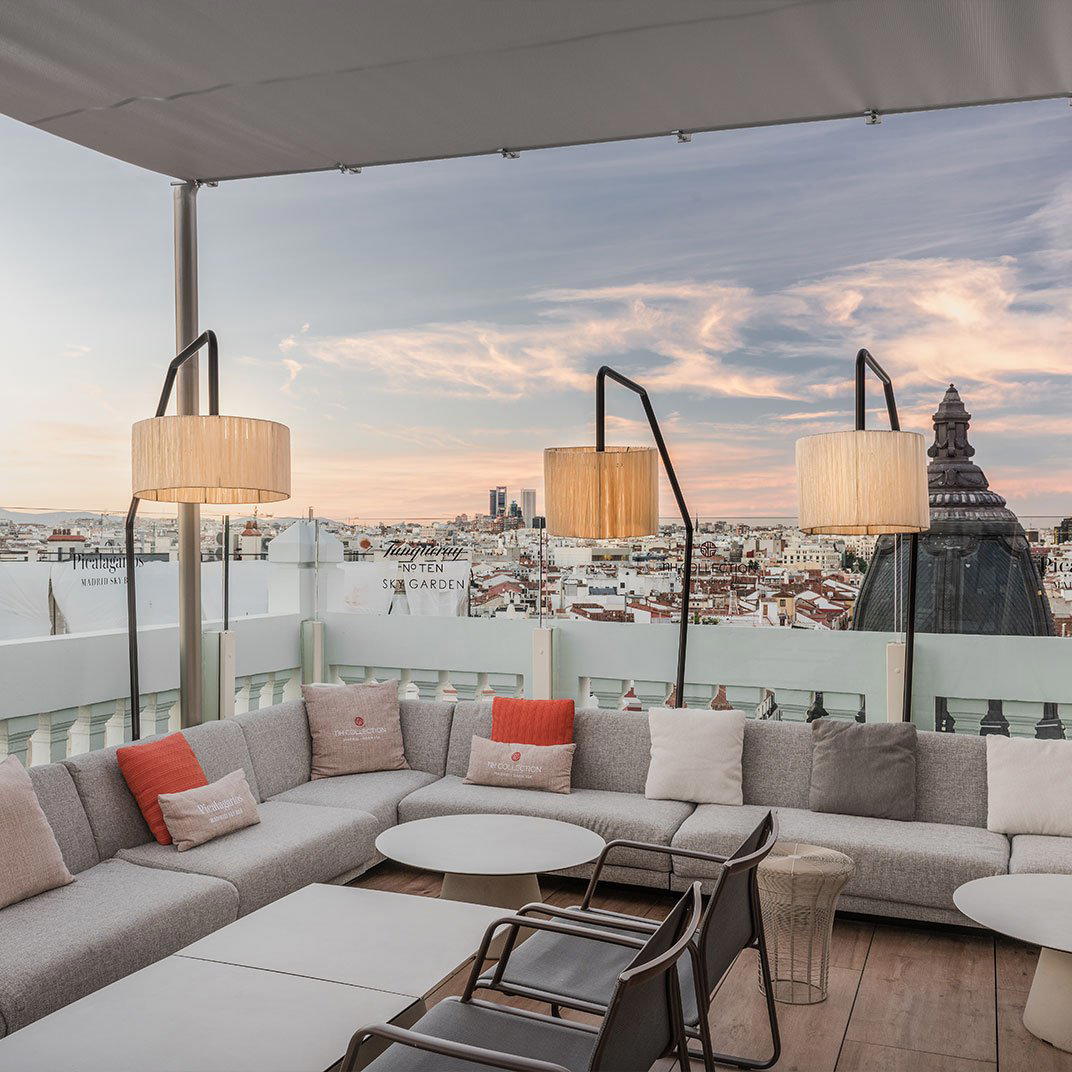
Hotels in Madrid
Browse all →

At a Glance
- Cozy
- Trendy
- Casual Hangout
- Brunch
- Terrace
- Extensive Wine List
- Street Scene
Current opening hours
- Monday
- 9 AM–12 AM
- Tuesday
- 9 AM–12 AM
- Wednesday
- 9 AM–12 AM
- Thursday
- 9 AM–12 AM
- Friday
- 9 AM–12 AM
- Saturday
- 12–8 PM
- Sunday
- 12–8 PM
Hours can change for holidays and private events. Last verified .
Relaxed and cool vibe with sunny outdoor terrace seating and friendly service.
Know Before You Go
- Getting there
- C. de Antonio Maura, 7, Retiro, 28014 Madrid, Spain