Poc-Chuc
Poc-Chuc sits on 16th Street in San Francisco's Mission District, one of the city's most concentrated corridors for Mexican regional cooking. The kitchen takes its name from a Yucatecan pork preparation that rarely appears outside the Yucatán Peninsula itself, signaling a menu organized around specificity rather than generality. For a neighborhood that has long sustained serious Mexican food at accessible prices, Poc-Chuc represents the tradition-forward end of that spectrum.
Pearl is the En Primeur Club membership app — saves, bookings, and concierge access live there. Same editors, same standards.
- Address
- 2886 16th St, San Francisco, CA 94103
- Phone
- +14155581583
- Website
- pocchuc-restaurant.net
- Directions
- Get directions
 Saves & bookings on Pearl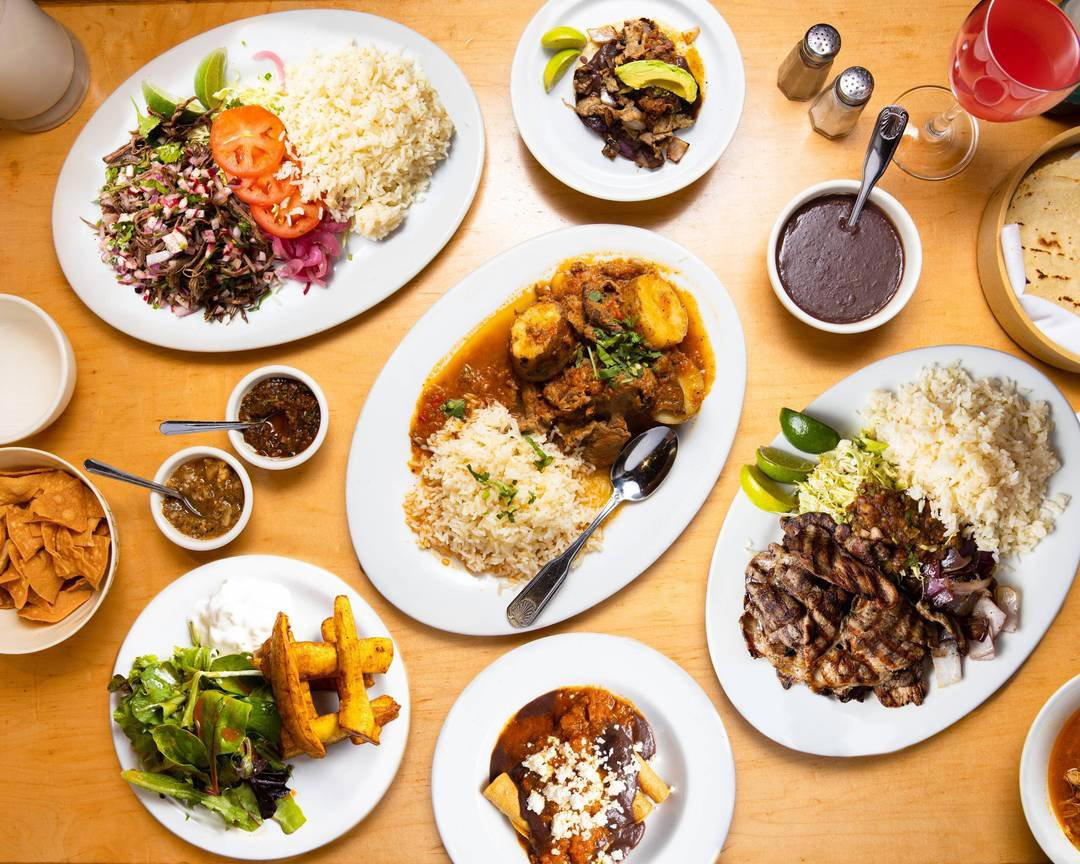
16th Street and the Logic of Regional Mexican Cooking in the Mission
Poc-Chuc is a restaurant in San Francisco's Mission District serving authentic Yucatecan Mayan cooking. The Mission sustains a parallel tradition: Mexican cooking that earns its reputation through sourcing depth and regional fidelity rather than prix-fixe format. Poc-Chuc, at 2886 16th Street, operates inside that tradition. The address at 2886 16th Street places it squarely in the Mission.
The name itself is the first structural signal. Poc-chuc is a Yucatecan preparation, pork marinated in sour orange, grilled over wood, served with pickled onion and tomato, that traces directly to the Maya kitchen. It is not a taco-truck staple, not a Tex-Mex crossover, and not a dish that appears on menus built around the greatest-hits model of Mexican-American dining. Naming a restaurant after it is a curatorial decision, one that tells the reader what kind of menu architecture to expect before they sit down.
What the Menu Structure Reveals
The menu reflects Yucatecan cooking. Yucatán's cuisine is geographically and historically distinct from the central Mexican traditions that dominate most U.S. interpretations of the food. The peninsula's relative isolation, its Mayan heritage, and the influence of Lebanese immigration in the 19th century, which introduced the al pastor preparation via shawarma technique, produced a cooking tradition that reads differently on the plate. Achiote-heavy marinades, sour orange as the dominant acid, slow-pit preparations like cochinita pibil, and the particular earthiness of Yucatecan black beans all contribute to a flavor profile that is less chile-forward and more herbaceous and citric than, say, Oaxacan or Northern Mexican cooking.
A menu organized around this tradition tends to have internal coherence rather than breadth. Expect a focused set of preparations built around sour orange, achiote, and pickled onion. This is menu architecture in the proper sense, dishes that are in conversation with each other, not merely coexisting on a laminated page.
That specificity is still relatively rare in the U.S. market. Across the country, the restaurants that have pushed back against that flattening, whether through Oaxacan mole depth, Baja coastal preparations, or Yucatecan pit cooking, tend to attract the same reader: someone who already knows what cochinita pibil is supposed to taste like and is calibrating the kitchen's version against a reference point. The restaurant addresses that reader directly.
The Mission Context and the Price-Tier Question
The Mission's Mexican restaurant scene is varied. There is a bottom tier of taquerias operating on volume and accessibility, a middle tier of sit-down restaurants that blend Mexican and Californian influences, and a smaller group of places making a strict regional argument. The restaurant sits in that category. The comparison set is not Quince or Saison, nor The French Laundry or Single Thread Farm in the North Bay, but rather the handful of Mexican regional specialists in U.S. cities that have made specificity their competitive position. Think of the way Providence in Los Angeles argues for a particular kind of seafood seriousness, or the way Addison in San Diego has staked a claim on a specific formal register. The register here is entirely different, more casual, more neighborhood-rooted, but the underlying logic of specialization is the same.
Mexican regional cooking at the serious end in San Francisco tends to price significantly below the city's fine-dining tier. A meal at the restaurant occupies a different economic register than an evening at Atelier Crenn or Benu, or for that matter at Le Bernardin in New York or Alinea in Chicago. That is part of the Mission's argument as a dining destination: the ceiling on price does not correlate with the ceiling on specificity. Particularly regionally rigorous cooking in the city has always been available at moderate spend, and the restaurant is consistent with that pattern.
Planning Your Visit
The restaurant is located at 2886 16th Street in the Mission District. The restaurant sits at a different point on that map than the tasting-menu restaurants that dominate international rankings, but it addresses a real gap in the city's regional Mexican offering.
Walk-ins are welcome, and the dress code is casual. Expect about $20 per person.
Comparable Venues
Comparable venues nearby, for context on price, style, and recognition.
| Venue | Cuisine | Price | Notes |
|---|---|---|---|
| Poc-ChucThis venue — the venue you are viewing | Authentic Yucatecan Mayan | $$ | Not listed |
| El Rey Taquiza Artesanal | Authentic Mexican Taqueria | $$ | Mission |
| Hecho | Upscale Mexican | $$$ | Castro |
| Maria Isabel | Contemporary Mexican | $$$ | Presidio Heights |
| Yo También Cantina | Farm-Fresh Mexican Counter-Serve | $$ | Inner Sunset |
| Mosto | Mexican Street Tacos & Tequila Bar | $$ | Mission |
Continue exploring
More in San Francisco
Restaurants in San Francisco
Browse all →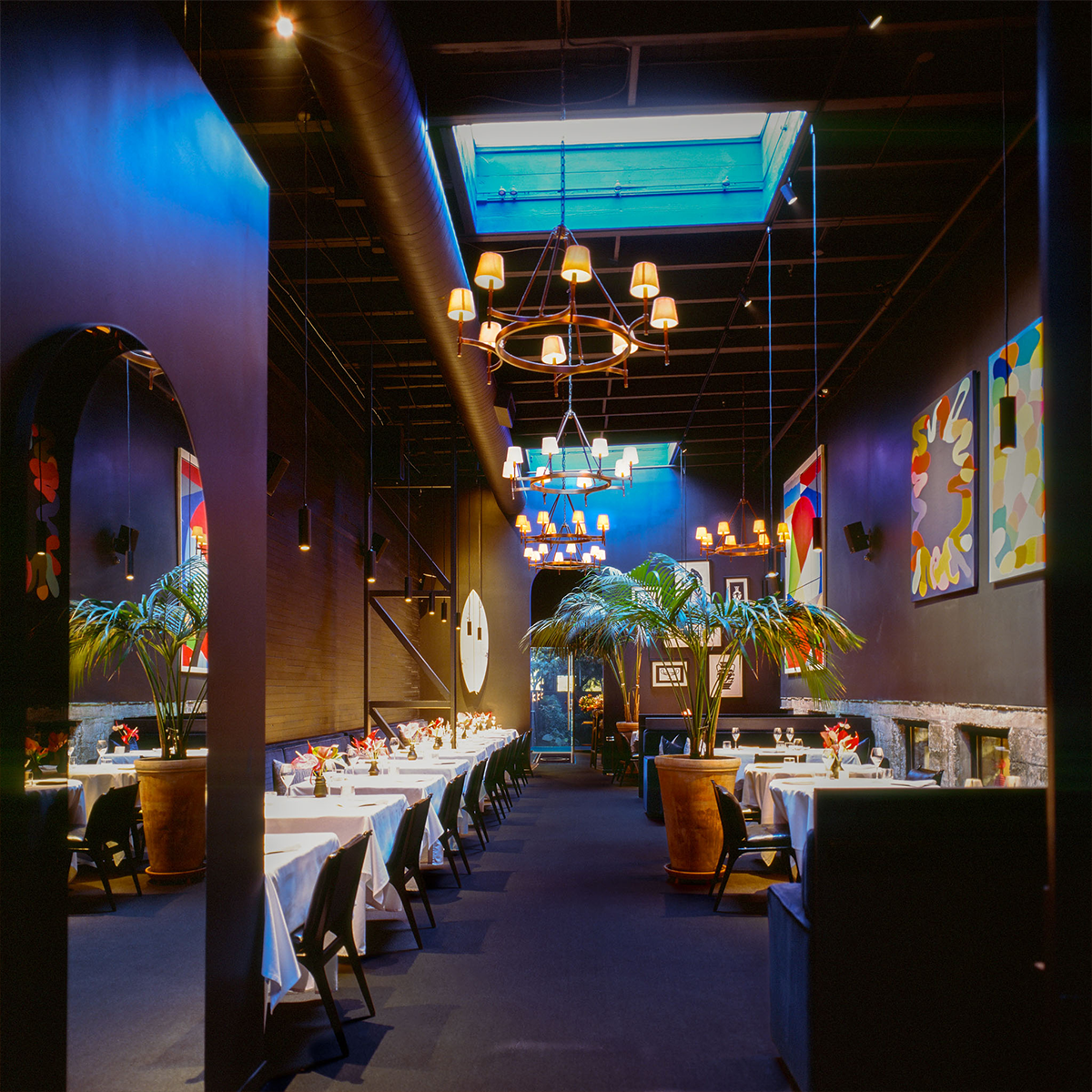
Bars in San Francisco
Browse all →
Hotels in San Francisco
Browse all →
At a Glance
- Trendy
- Lively
- Rustic
- Casual Hangout
- Open Kitchen
- Byob
Current opening hours
- Monday
- 12–10 PM
- Tuesday
- 12–10 PM
- Wednesday
- Closed
- Thursday
- 12–10 PM
- Friday
- 12–10 PM
- Saturday
- 12–10 PM
- Sunday
- 12–10 PM
Hours can change for holidays and private events. Last verified .
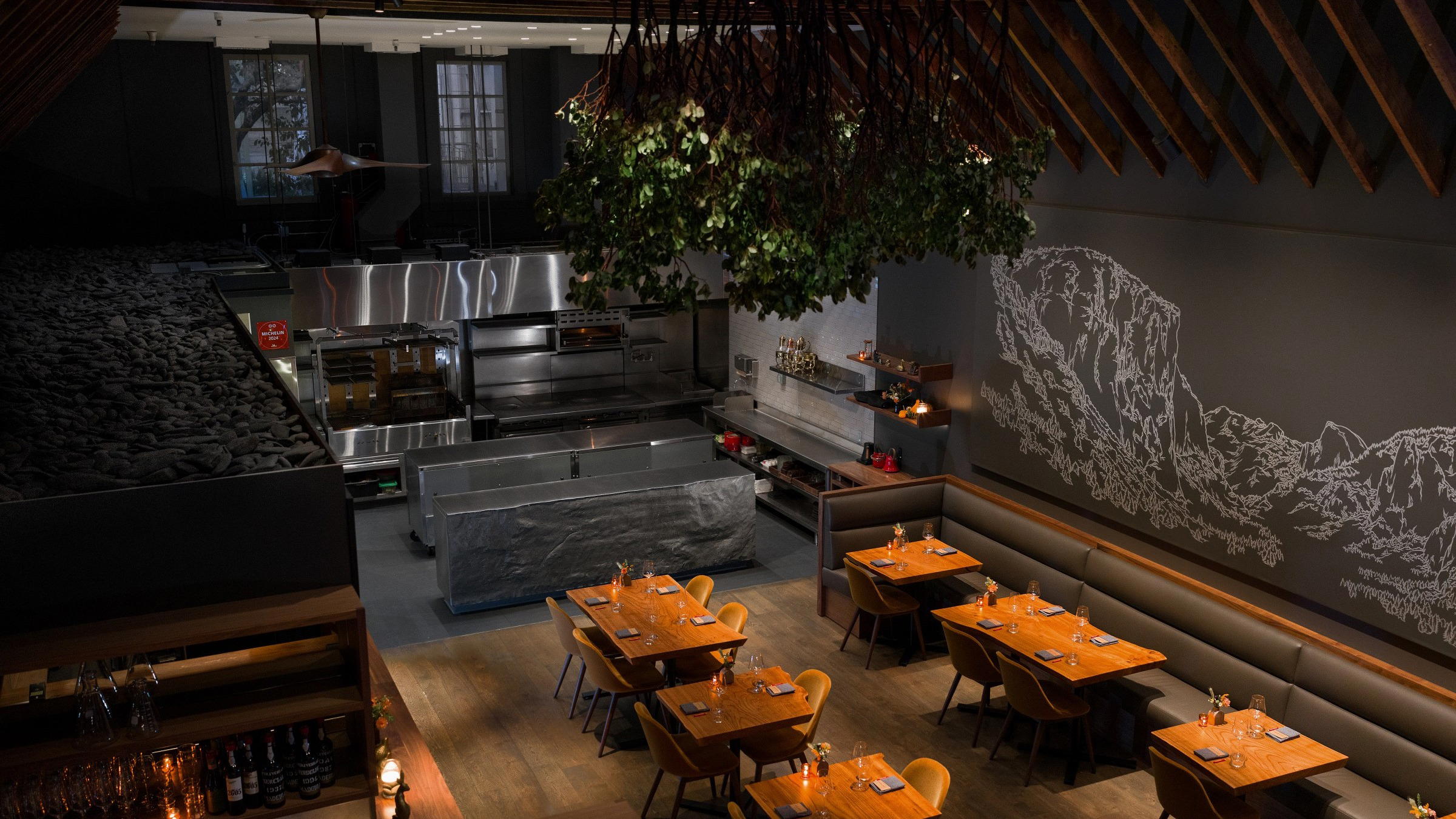
Lively interior with signature red painted walls and golden mirrors creating a lively, colorful atmosphere.