Masu Sushi & Robata
Masu Sushi & Robata on East Hennepin brings Japanese robata cooking and sushi to one of Minneapolis's most food-forward corridors. The dual format, live-fire grill alongside a sushi program, reflects a broader Twin Cities appetite for Japanese technique applied with Midwestern ingredients. For diners who want more than a single-note menu, the combination makes Masu a practical anchor for an evening in Northeast Minneapolis.
- Address
- 330 E Hennepin Ave, Minneapolis, MN 55414
- Phone
- +1 612 332 6278
- Website
- masusushiandrobata.com
- Directions
- Get directions
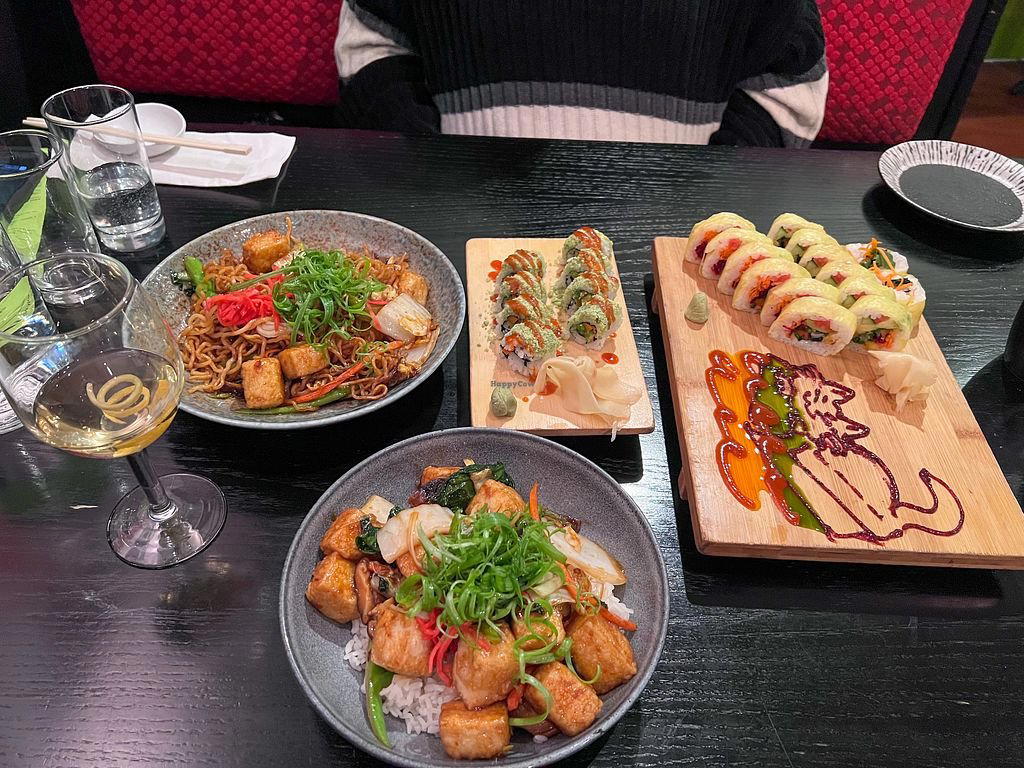
East Hennepin's Japanese Kitchen, Framed by Fire and Fish
Northeast Minneapolis has spent the better part of a decade hardening its identity as the city's most restless dining corridor. The stretch of East Hennepin running from the Mississippi flats toward the old warehouse grid now holds enough serious kitchens, from Southeast Asian-inflected spots like Hai Hai, a James Beard-nominated standout, to the Indigenous sourcing program at Owamni, that it competes with the North Loop for dining primacy. Masu Sushi & Robata, at 330 E Hennepin Ave, is a Japanese Sushi & Robata restaurant in Minneapolis: an approachable, moderately priced spot where a robata charcoal grill runs alongside a sushi counter.
That format is more demanding than it looks. Robata cooking, the Japanese tradition of slow-grilling skewered ingredients over bincho charcoal at consistent, controlled heat, requires different sourcing logic than sushi. Fish for crudo or nigiri needs to arrive with traceability and handling integrity; proteins and vegetables for the grill can draw from a wider regional network, where the Midwest's agricultural depth becomes an asset rather than a limitation. In cities like Minneapolis, where the distance to either coast makes imported luxury fish a logistics question, the robata side of the menu often carries more local credibility than the sushi side.
Why Ingredient Origin Matters at a Robata Counter
The question of sourcing sits at the center of how any Japanese-format restaurant in the American interior positions itself. Coastal reference points, Providence in Los Angeles with its named-fishery ethos, or the hyper-local farm integration at Blue Hill at Stone Barns, set an expectation that sourcing is a narrative, not a footnote. In the Midwest, that standard has begun to migrate inland. Smyth in Chicago treats its sourcing as structural to the menu's identity. Minneapolis restaurants operating in the same era face the same pressure: diners who arrive from either coast or who follow serious food media expect the kitchen to have answers about where the fish came from and why.
For a robata program specifically, the Midwest offers genuine material. Minnesota pork, regional poultry, and late-summer root vegetables all respond well to high-heat charcoal cooking, where the grill's caramelizing effect rewards ingredients with natural sweetness and density. The bincho charcoal style, burning hotter and cleaner than standard charcoal, suits vegetables and leaner proteins without overwhelming them. That connection between technique and local ingredient is where a Minneapolis robata kitchen can argue its case most coherently, distinct from what an equivalent program in Los Angeles or New York would source.
Northeast Minneapolis: The Dining Scene Behind the Address
The neighborhood context matters for understanding Masu's competitive position. Northeast Minneapolis runs a different culinary register than downtown's steakhouse-anchored power-dining circuit, Kincaid's and Manny's Steakhouse anchor that zone, or the more polished North Loop corridor where Spoon & Stable and 112 Eatery set a high-end New American benchmark. Northeast trades in a more informal authority: the kitchens here tend to be sharper-elbowed, more likely to experiment, and priced for frequency rather than occasion.
That register suits a dual-format Japanese restaurant. The robata grill creates a social dining mode, shared skewers, progressive ordering, that fits Northeast's less ceremonial posture better than a formal omakase counter would. Compare that to the omakase tier at the summit of the national market, where Atomix in New York operates at a completely different level of orchestration and price, or where tasting-menu formats at The French Laundry in Napa and Addison in San Diego demand a different kind of evening commitment. Masu sits closer to the neighborhood-anchor model: a kitchen you return to regularly rather than mark on a calendar months in advance.
Robata Versus the Rest of the Grill Tradition
Robata's American arc has been gradual. The format arrived in major coastal cities in the early 2000s, largely through Japanese-owned or Japanese-trained kitchens, and spent a decade being absorbed into broader pan-Asian restaurant formats before re-emerging as a standalone identity. The emphasis on sourced ingredients, live-fire technique, and tableside sociability aligns it with the same dining instincts that made wood-fired cooking a dominant format across American restaurants in the 2010s, the visible flame, the aromatic char, the intimacy of watching food cook.
For Minneapolis specifically, robata fills a gap that conventional Japanese restaurants often leave. Standard sushi bars in mid-sized American cities tend to anchor on raw-fish execution alone, leaving cooked Japanese technique underrepresented. The grill side at a venue like Masu creates a second entry point for diners who want Japanese culinary logic, precision, restraint, clean flavors, without a raw-fish commitment. That broadens the practical appeal without diluting the program's identity.
Planning a Visit
Masu Sushi & Robata sits at 330 E Hennepin Ave in the heart of Northeast Minneapolis, within walking distance of the neighborhood's broader dining and bar ecosystem, the corridor rewards a multi-stop evening. Given the robata format's suitability for group dining and progressive ordering, the room works well for tables of two to four who want to cover both sides of the menu without rushing. Northeast's concentration of independent kitchens, from 4801 S Minnehaha Dr further south to the river-adjacent spots near St. Anthony Main, makes it coherent single-neighborhood dining itinerary in the city.
Same-City Peers
Comparable venues nearby, for context on price, style, and recognition.
| Venue | Cuisine | Price | Notes |
|---|---|---|---|
| Masu Sushi & RobataThis venue — the venue you are viewing | Japanese Sushi & Robata | $$ | Not listed |
| Billy Sushi | Modern Japanese Sushi | $$$ | North Loop |
| Bar La Grassa | Italian Pasta Restaurant | $$ | North Loop |
| Gandhi Mahal Restaurant | Authentic Indian & Bangladeshi | $$ | Seward |
| Pimento Jamaican Kitchen & Rumbar | Authentic Jamaican Jerk | $$ | Eat Street |
| World Street Kitchen | Global Street Food Fusion | $$ | Whittier |
Continue exploring
More in Minneapolis
Restaurants in Minneapolis
Browse all →
Bars in Minneapolis
Browse all →
At a Glance
- Modern
- Trendy
- Elegant
- Date Night
- Casual Hangout
- Open Kitchen
- Sake Program
- Craft Cocktails
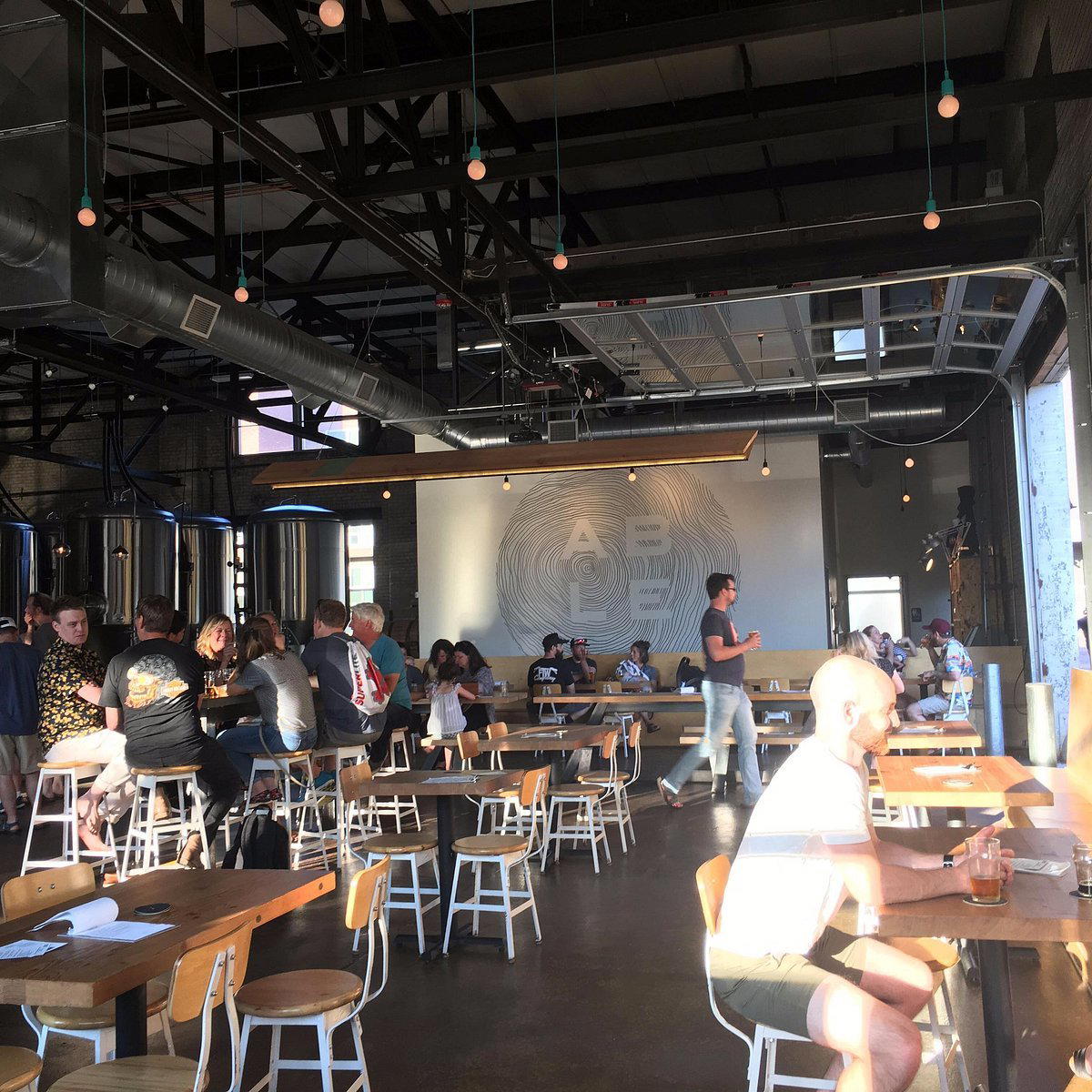
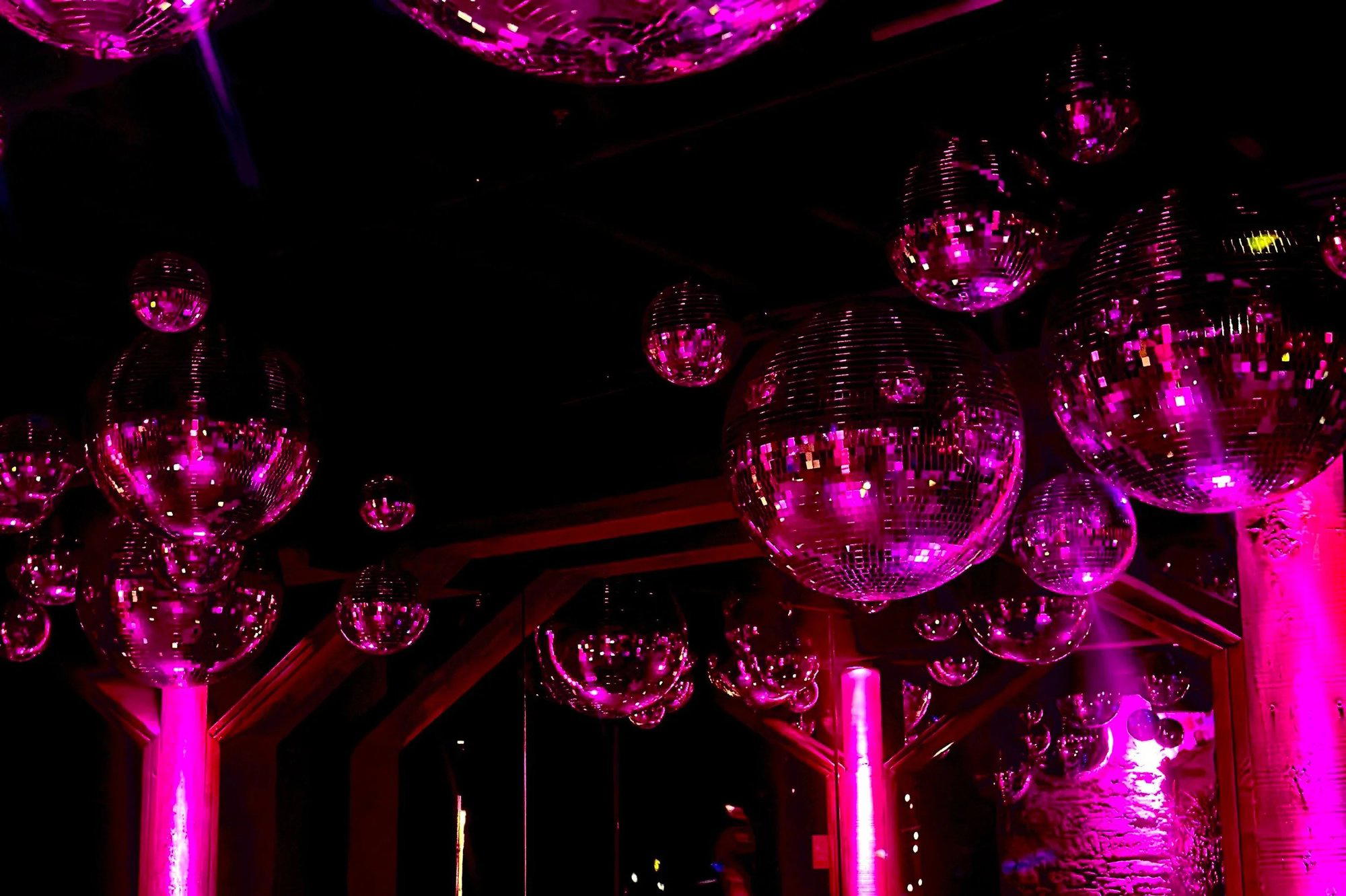
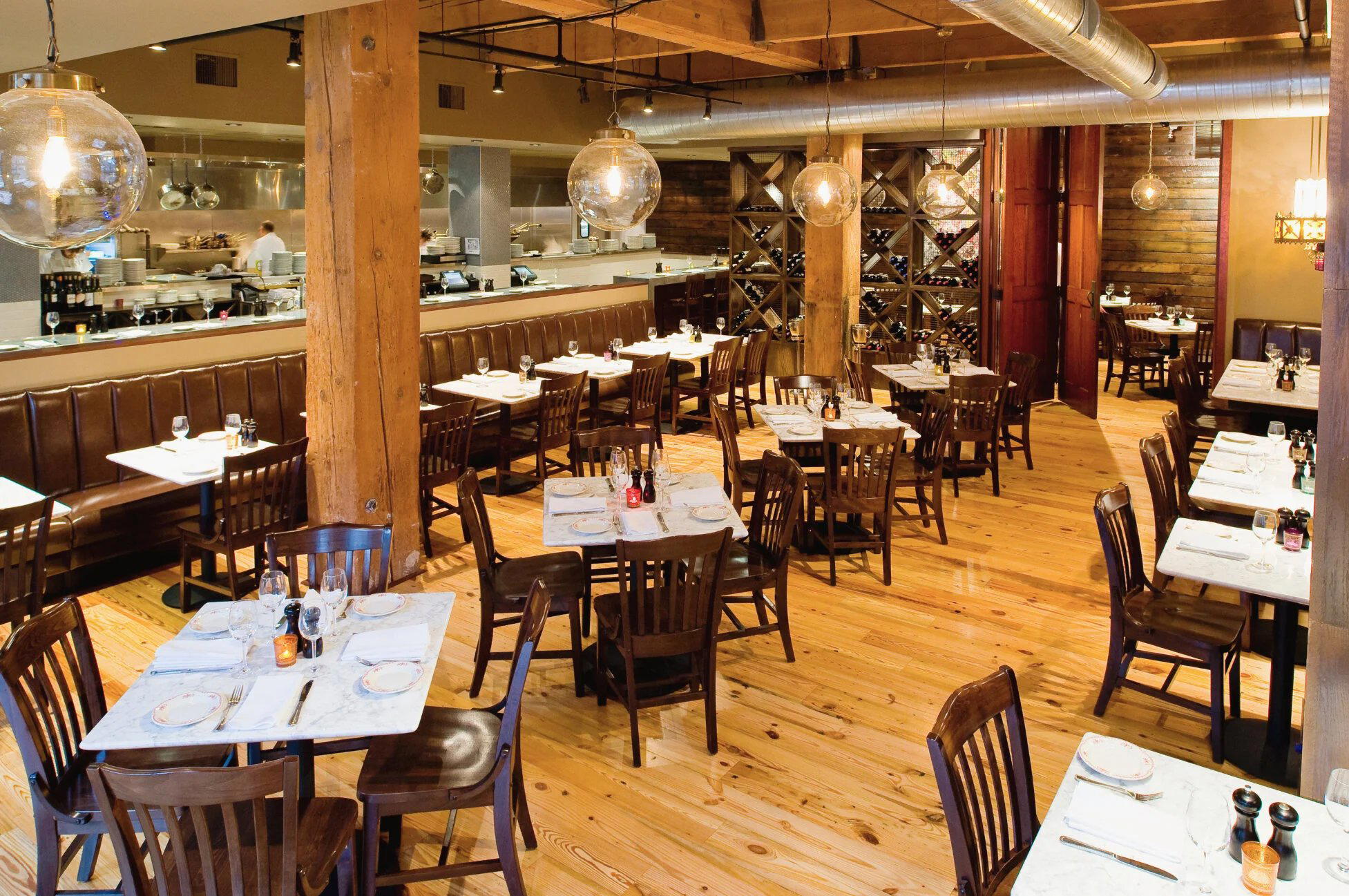
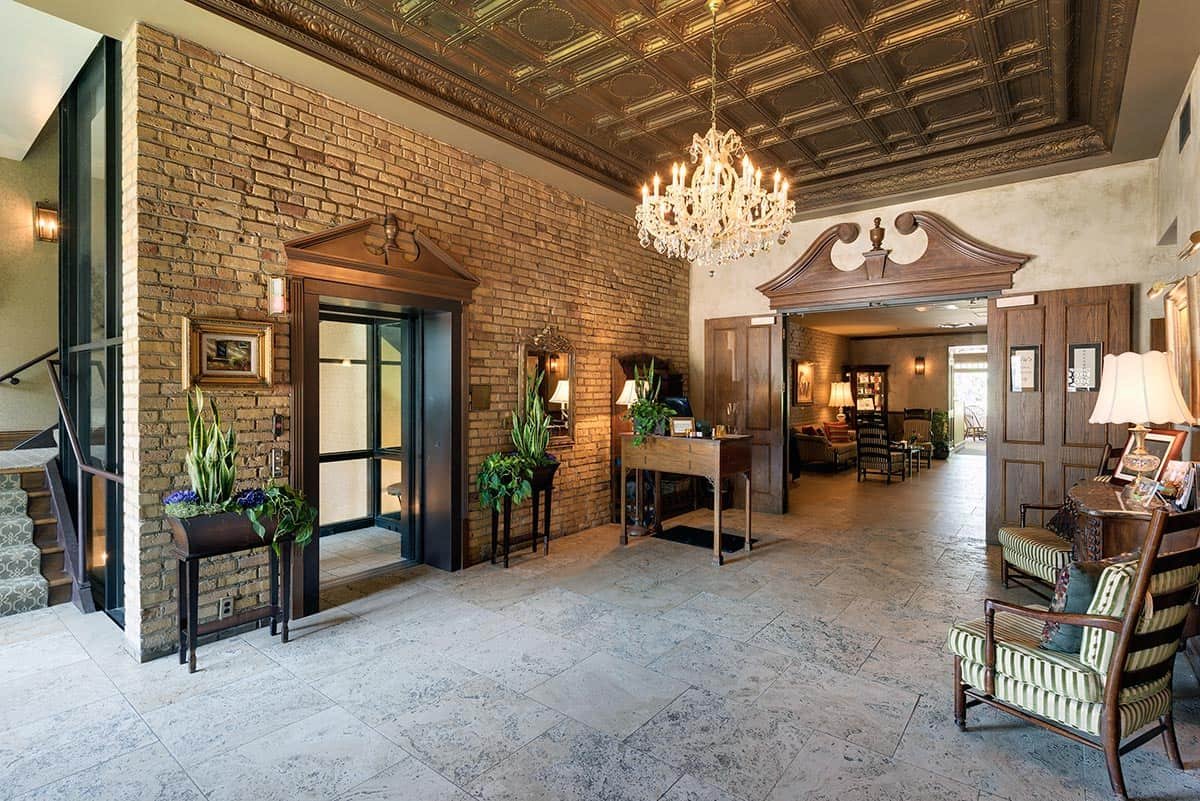
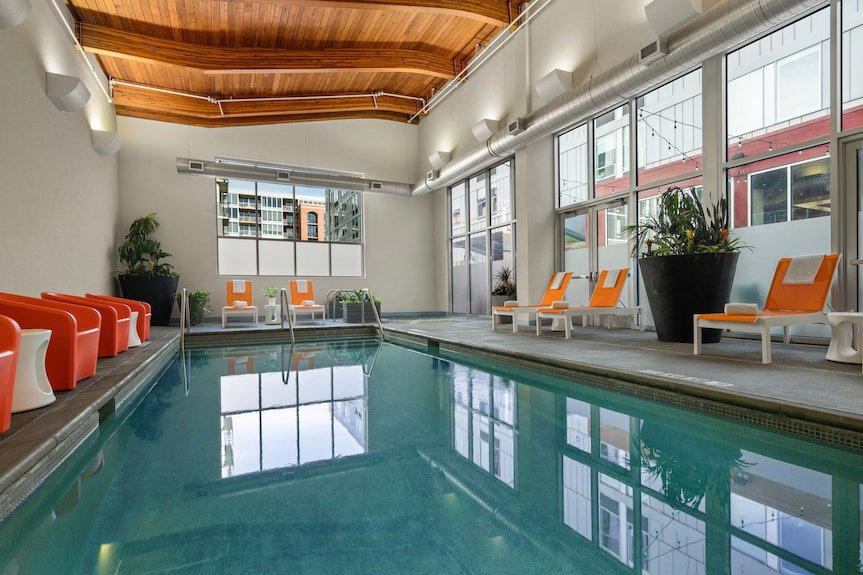
Airy and chic with a modern, trendy vibe.