Informal ambiance pairs wine and ravioli ideas
 Discover on Pearl
Pearl is the En Primeur Club membership app — saves, bookings, and concierge access live there. Same editors, same standards.
- Address
- Sankt Peders Vej 1, 2900 Hellerup, Denmark
- Phone
- +4532201528
- Website
- mastro.dk
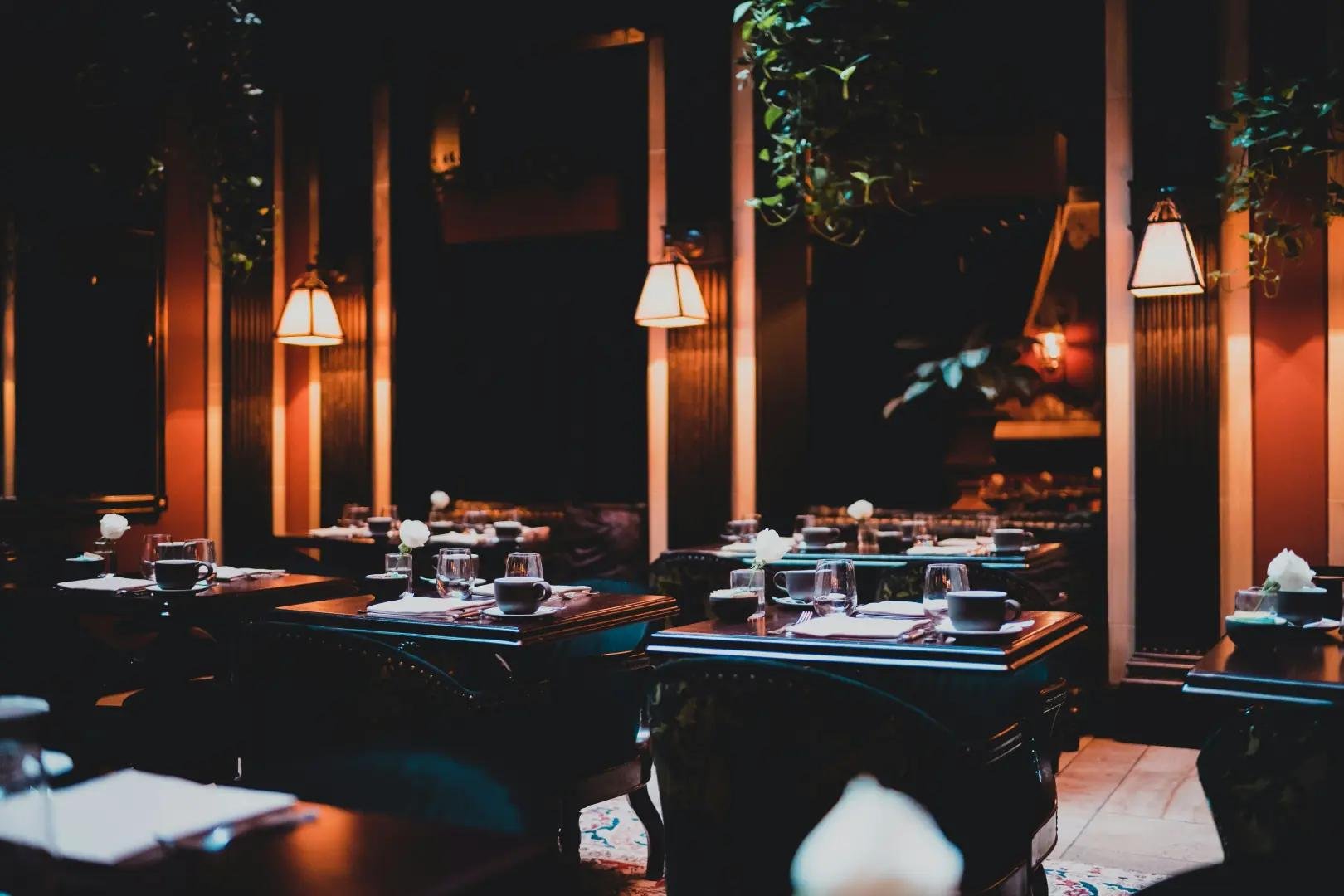
Sankt Peders Vej and the Question of What Hellerup Expects
The approach to Mastro along Sankt Peders Vej 1 situates it immediately within a particular register of the northern Copenhagen suburbs. Hellerup is not a neighbourhood that announces its ambitions loudly. The residential streets running toward the Øresund coast carry a measured confidence, and the dining addresses that have taken root here tend to reflect that same composure: considered rather than theatrical, precise rather than showy. It is a context that rewards restaurants willing to earn attention through quality, and it shapes the expectations that guests bring through the door.
That suburban north-of-Copenhagen corridor has quietly become a legitimate destination for serious dining. Jordnær in Gentofte holds two Michelin stars a few kilometres away. The broader greater Copenhagen region, anchored by Geranium in Copenhagen, has established Denmark as a consequential fine dining territory in Europe. Mastro operates within that wider gravitational field, drawing guests who are already calibrated to the standards the region can deliver.
Where Mastro Sits in Hellerup's Dining Picture
Hellerup's restaurant addresses span a meaningful range. Yves at Park Lane anchors the French end of the spectrum at the more accessible price tier. Parsley Salon covers modern cuisine at a mid-to-upper price point. Sticks'n'Sushi handles the casual end of the neighbourhood's appetite. Together they map a scene that serves a local population with international exposure and consistent spending habits. Mastro occupies its own position within that map, identifiable by address and name to the residents who form its core audience.
The neighbourhood's dining character reflects the demographics of northern Copenhagen's coastal suburbs: households that travel regularly, that have eaten at Frederikshøj in Aarhus or at Henne Kirkeby Kro, and that return home expecting local addresses to keep up. That competitive pressure is quiet but real, and the restaurants on this side of Copenhagen have generally risen to it.
Ingredient Sourcing and the Danish Kitchen Tradition
The framing question for any serious Danish restaurant in 2024 is where its food comes from, and what that sourcing actually changes on the plate. The Nordic kitchen's relationship with provenance is no longer a novelty argument. Since the early 2000s, when the region's most talked-about restaurants began making sourcing the structural centre of their menus rather than a footnote on the back page, Danish diners have developed a genuine literacy around it. They notice the difference between a kitchen that sources locally because it is expected and one that sources locally because it changes what arrives in front of them.
Denmark's geography gives its kitchens access to a specific larder: cold-water fish and shellfish from the North Sea and the Kattegat, root vegetables and brassicas suited to the northern growing season, dairy and pork from a farming tradition that remains central to the country's agricultural identity. The leading Danish restaurants outside Copenhagen, from LYST in Vejle to Dragsholm Slot Gourmet in Hørve, have built their identity around proximity to that larder in specific and traceable ways. MOTA in Nykøbing Sjælland and Frederiksminde in Præstø are further examples of how regional sourcing has become a point of differentiation outside the capital.
A Hellerup address positions Mastro within reach of Copenhagen's established supplier networks: the fish markets, the small-scale producers in North Zealand, the foragers and growers whose relationships with urban kitchens have deepened considerably over the past decade. That proximity is an advantage that a restaurant in this part of the city can draw on if it chooses to, and the evidence of whether it does shows up most clearly in the seasonality of what appears on the menu and in the specificity of the descriptions attached to ingredients.
The Wider Danish Fine Dining Reference Set
Understanding where Mastro sits requires knowing something about the range of addresses that serious Danish dining now covers. Beyond the capital's gravity, the country has developed credible fine dining in provincial cities: Alimentum in Aalborg, ARO in Odense, Domæne in Herning, and Pearl by Paul Proffitt in Kruså near the German border. That geographic spread matters because it means Danish dining standards are being set and tested across the country, not only in the capital's most decorated rooms.
Globally, the conversation about ingredient provenance and sourcing transparency has moved far beyond Scandinavia. Kitchens like Le Bernardin in New York City have built four decades of credibility around a specific ingredient focus, in that case fish and seafood sourced with documented rigour. Atomix in New York City operates from a different tradition but with the same sourcing seriousness, tracing Korean fermentation ingredients and produce to specific origins. Both examples illustrate that sourcing as a structural principle, rather than a marketing gesture, produces restaurants with a coherent identity that sustains critical attention over time.
For a Hellerup address, the relevant comparison is tighter: the northern Copenhagen suburb circuit, where guests circulate between a handful of known addresses and hold each one to the standard set by the others. That peer group is not forgiving of inconsistency, and it does not require Michelin validation to have its own working hierarchy.
Planning a Visit
Mastro sits at Sankt Peders Vej 1 in Hellerup, reachable from central Copenhagen in under twenty minutes by the S-tog line to Hellerup station. For those visiting the wider Danish dining circuit, the northern suburbs make geographical sense as a cluster: Hellerup, Gentofte, and the adjacent addresses can be covered across consecutive evenings without significant travel. The neighbourhood's current roster is covered in our Hellerup guide.
First-time visitors unfamiliar with Hellerup's dining circuit benefit from building an evening with some buffer time: the neighbourhood rewards unhurried movement between address, aperitif, and table rather than the compressed schedule that central Copenhagen sometimes imposes.
How It Stacks Up
Comparable venues nearby, for context on price, style, and recognition.
| Venue | Cuisine | Price | Awards | Notes |
|---|---|---|---|---|
| MastroThis venue — the venue you are viewing | Authentic Italian Pasta & Wine Bar | $$$ | , | |
| Sticks'n'Sushi | Japanese Sushi and Yakitori | $$$ | , | Hellerup |
| Yves at Park Lane | Modern French Fine Dining | $$$$ | Michelin Plate | Hellerup |
| Parsley Salon | Sustainable Nordic Seafood Fine Dining | $$$$ | Michelin 1 Star | Hellerup |
| Restaurant UVA | Modern Italian | $$$ | , | Indre By |
| DILLON | Artisanal Italian Gelato | $$ | , | Østerbro |


At a Glance
- Cozy
- Elegant
- Intimate
- Date Night
- Business Dinner
- Wine Cellar
- Extensive Wine List
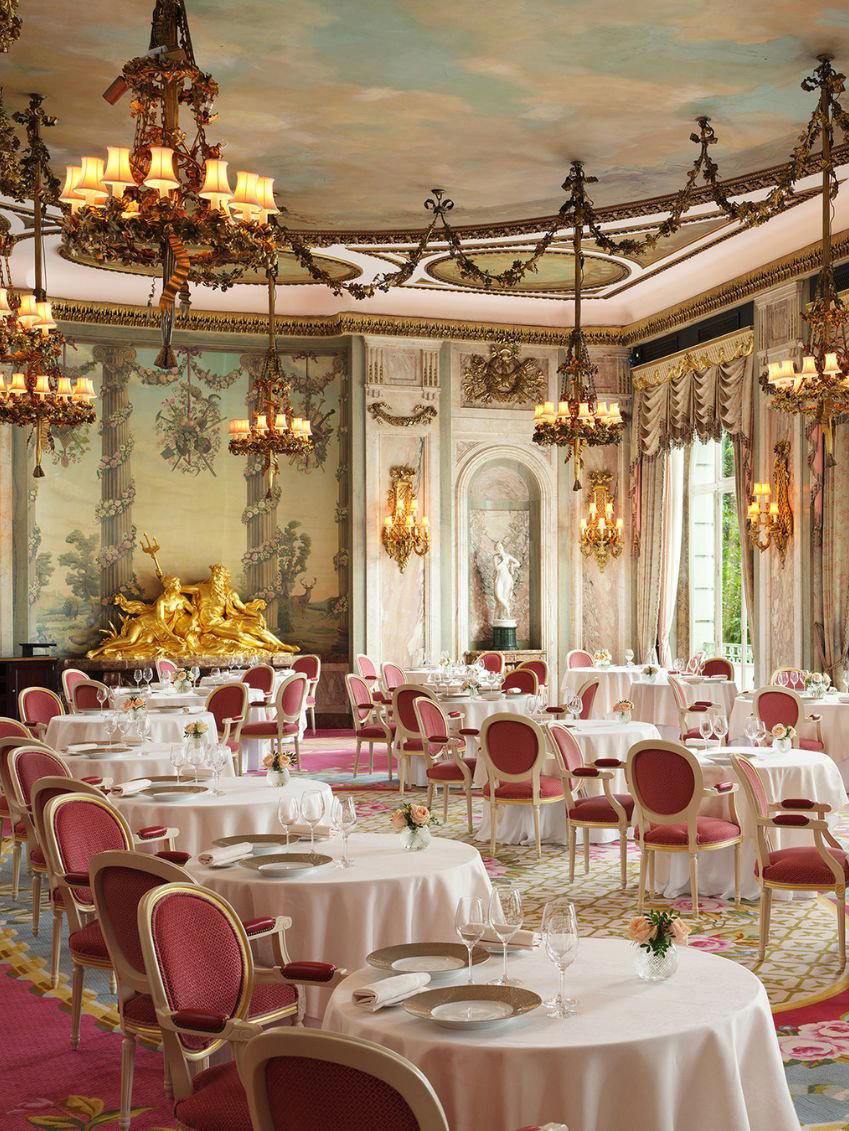
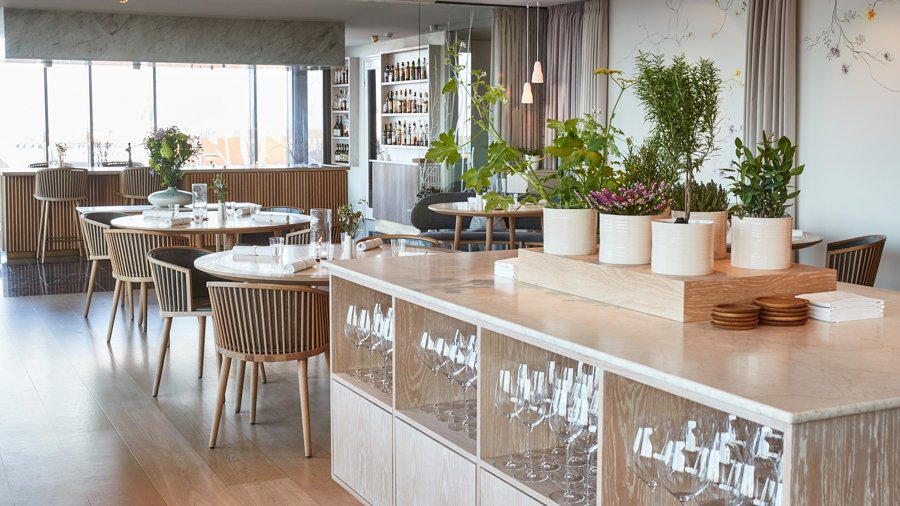
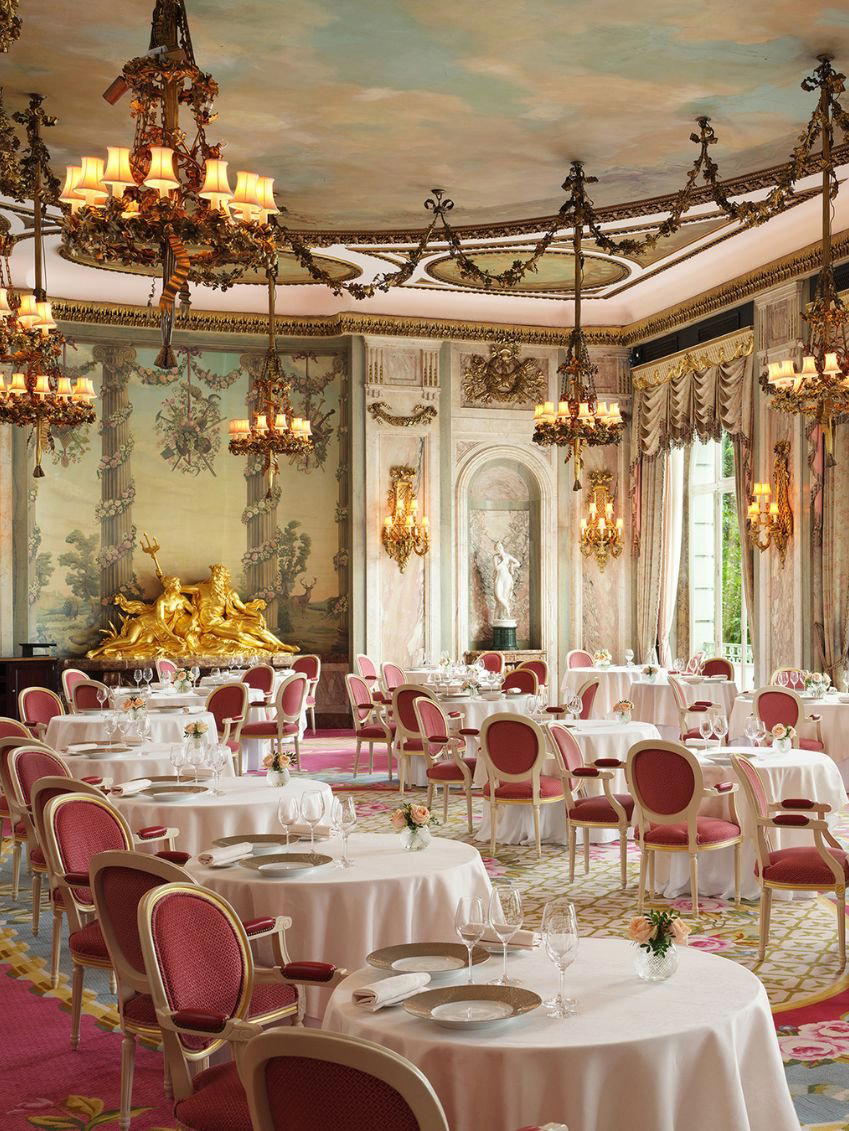
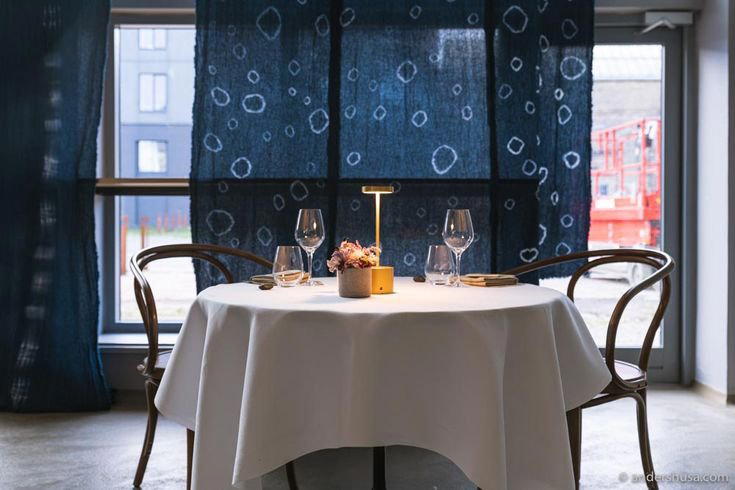
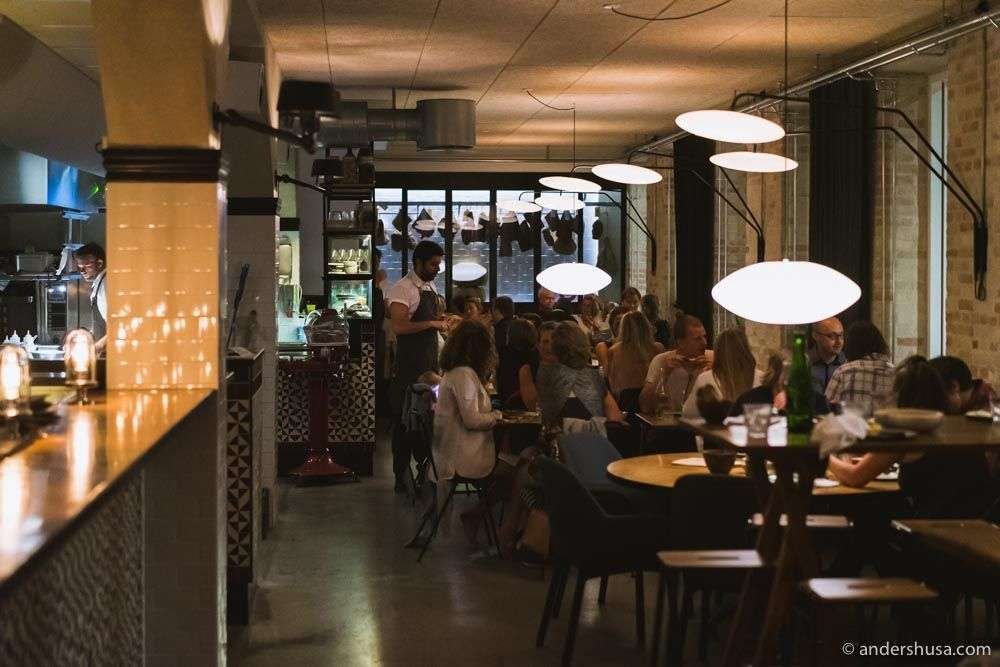
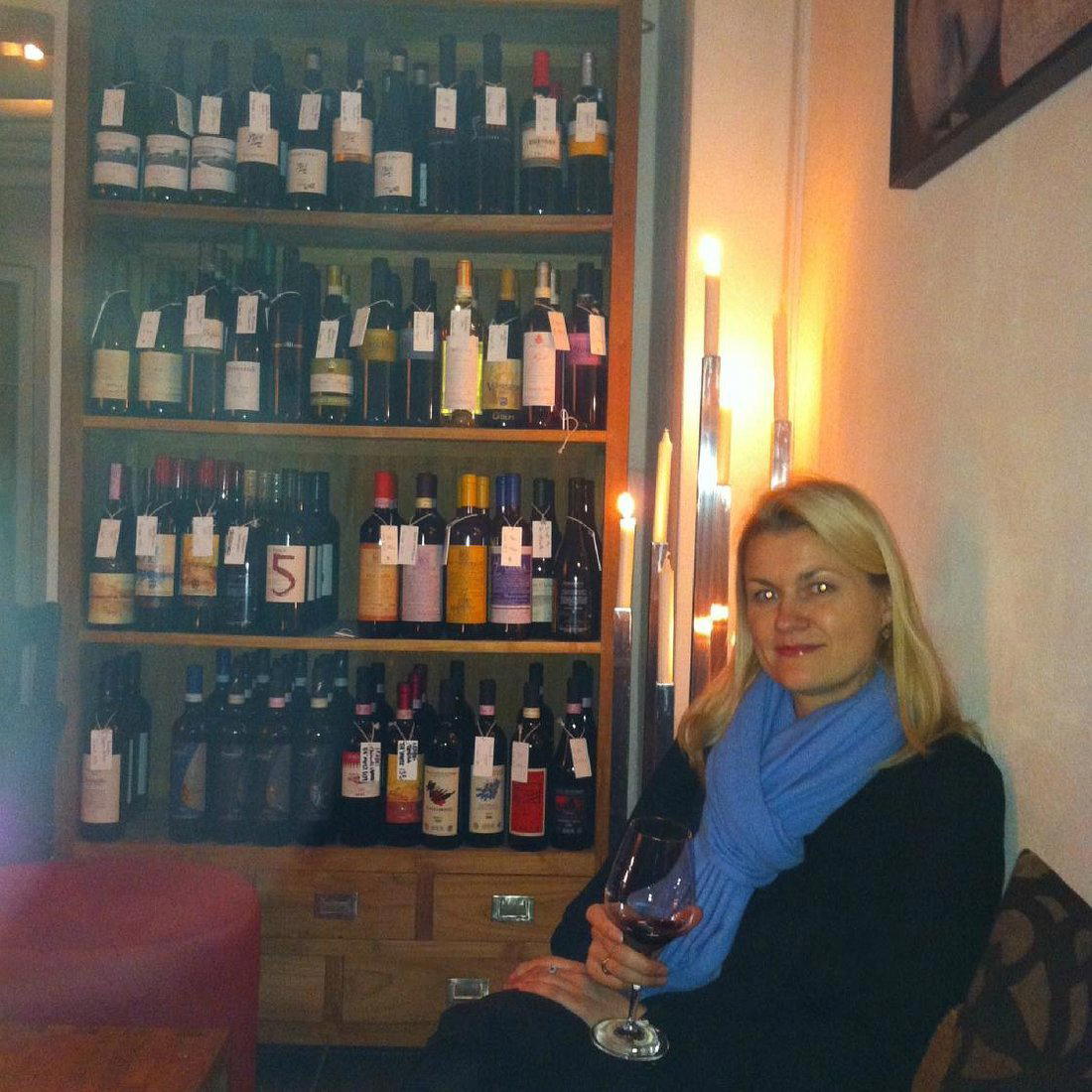
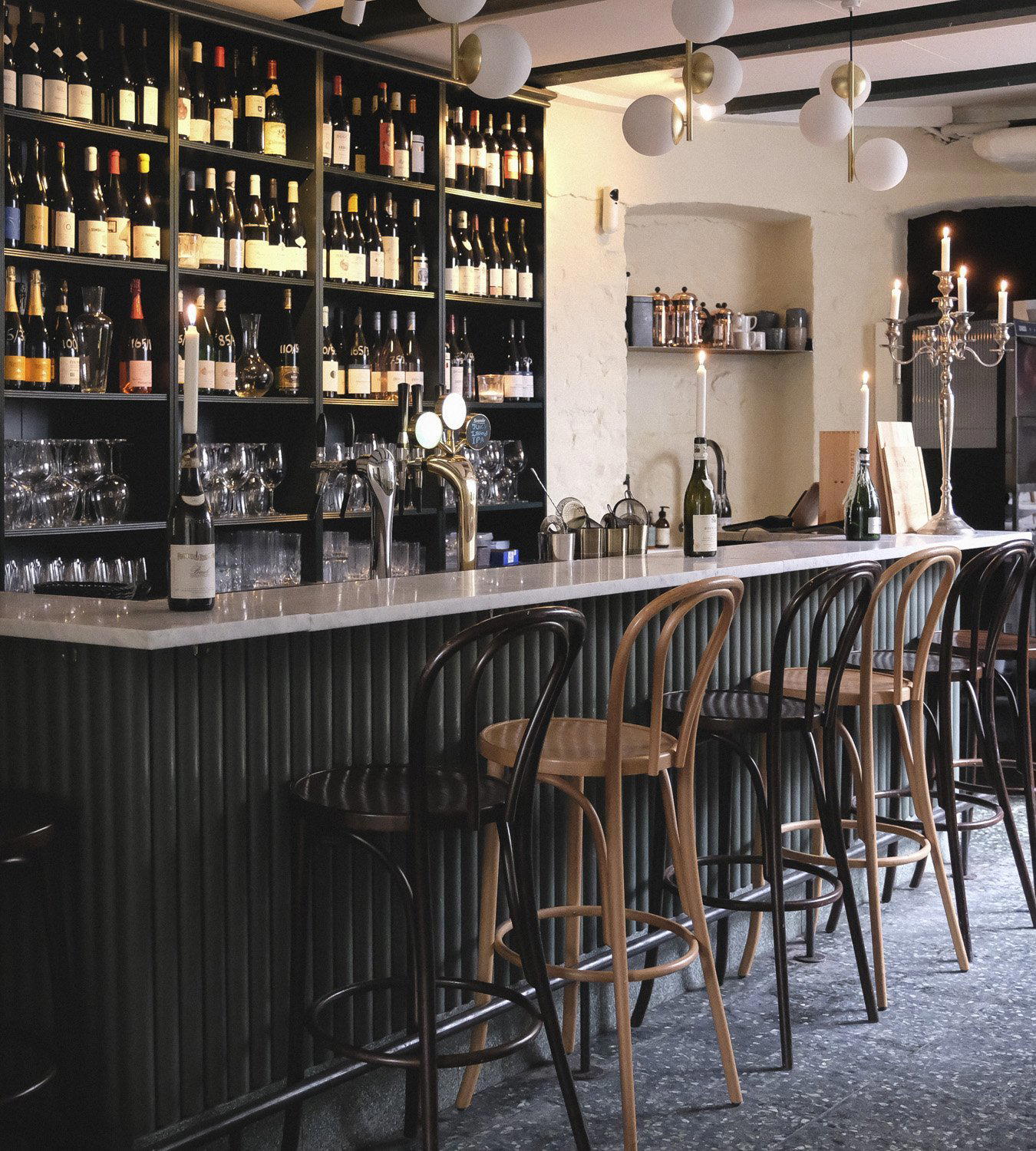
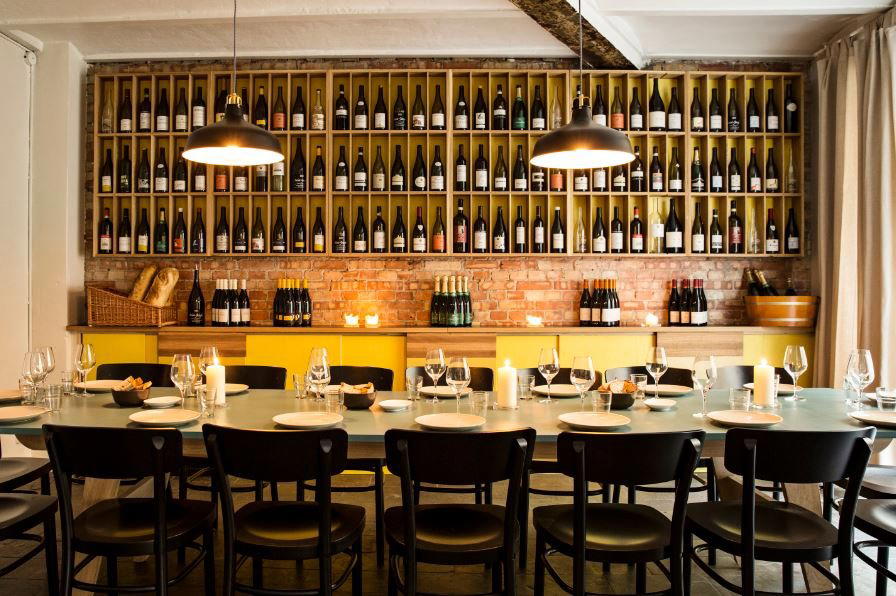
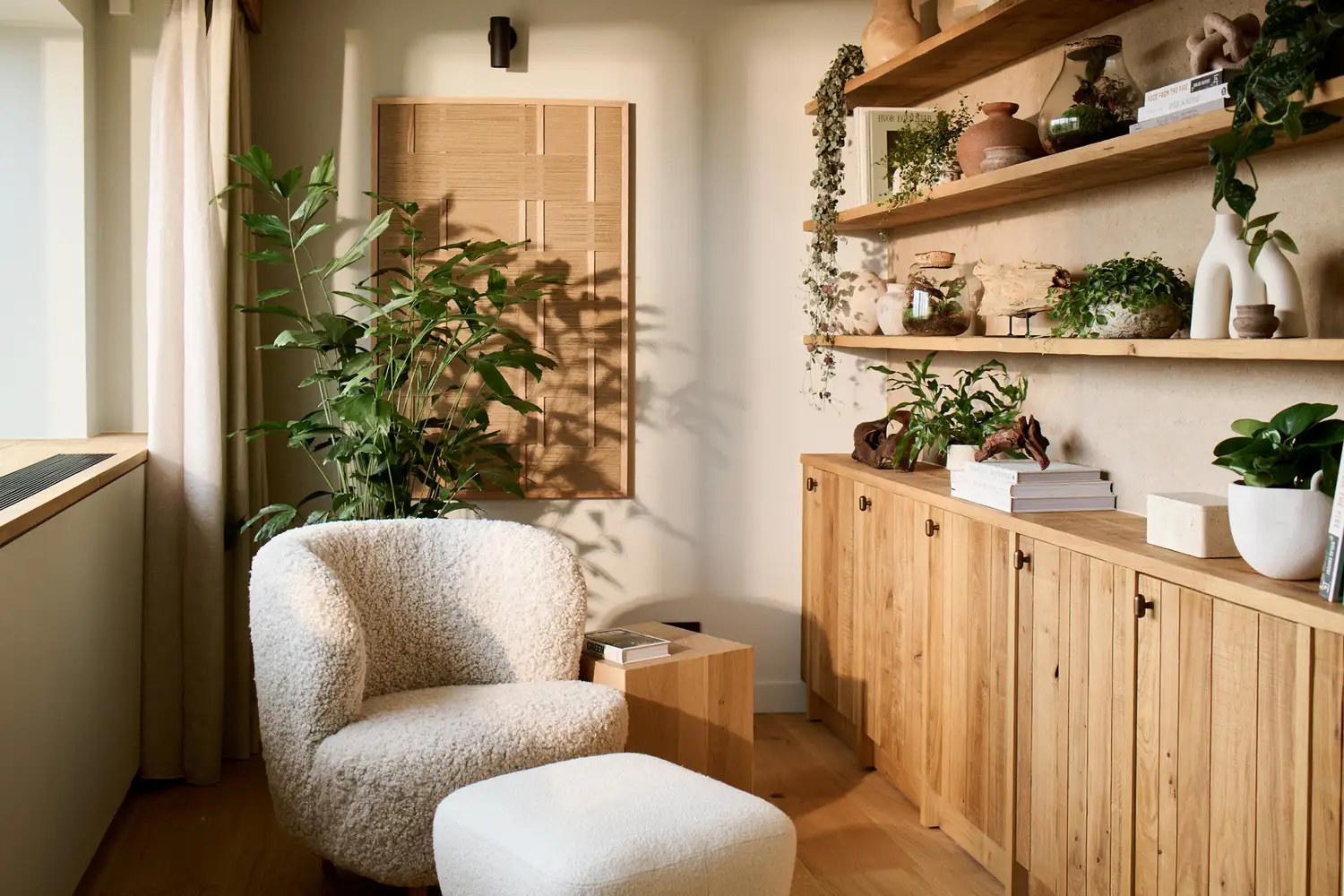
Warm and cozy atmosphere with great service as described by guests.