Maskarada


Michelin Bib Gourmand · Guía Repsol 1 Sol
Our verdict
Maskarada in Lekunberri holds back-to-back Michelin Bib Gourmand recognition (2024 and 2025) for a concept built entirely around the Pío Negro pig, a heritage Basque breed raised in open pasture near Arruitz. Two tasting menus sit alongside a charcuterie shop, making this one of the most focused single-breed eating destinations in northern Spain.

Pearl is the En Primeur Club membership app — saves, bookings, and concierge access live there. Same editors, same standards.
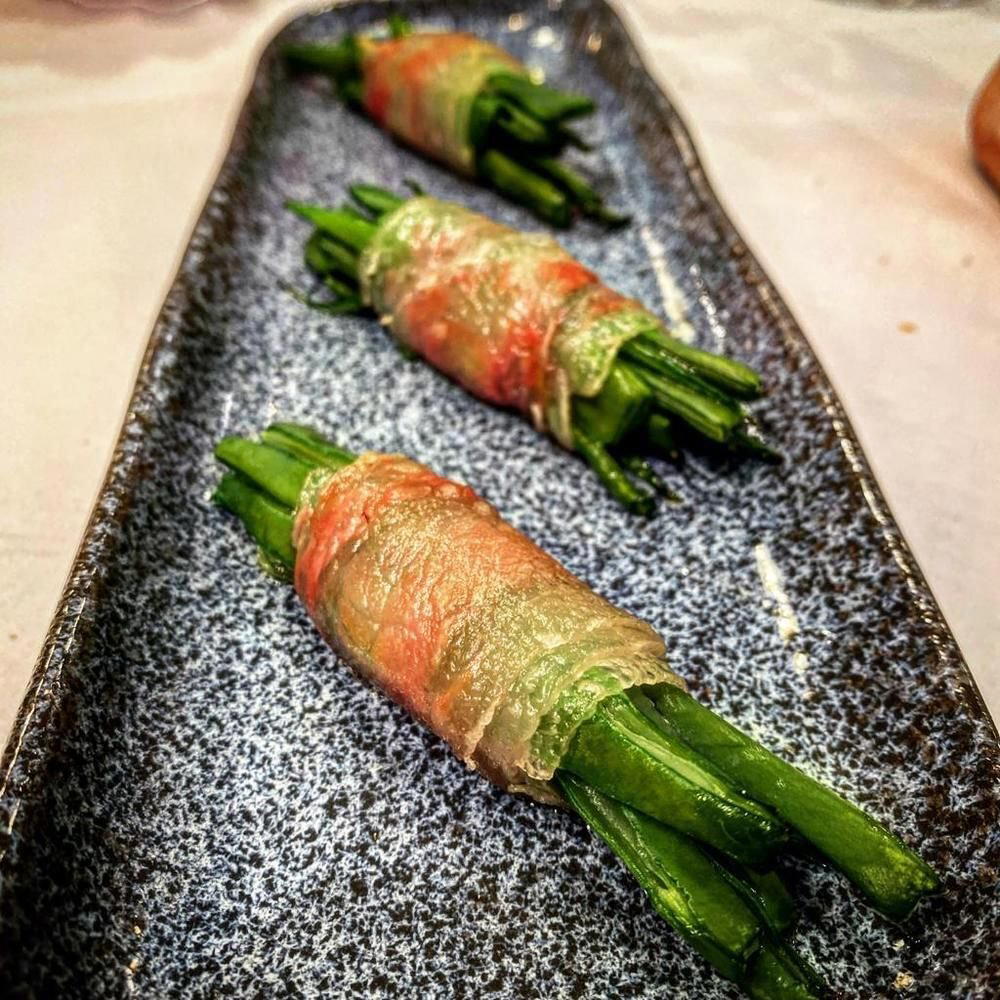
The menu
What to order
- Papada con pimientos de cristal
- Presa
- Gorrín
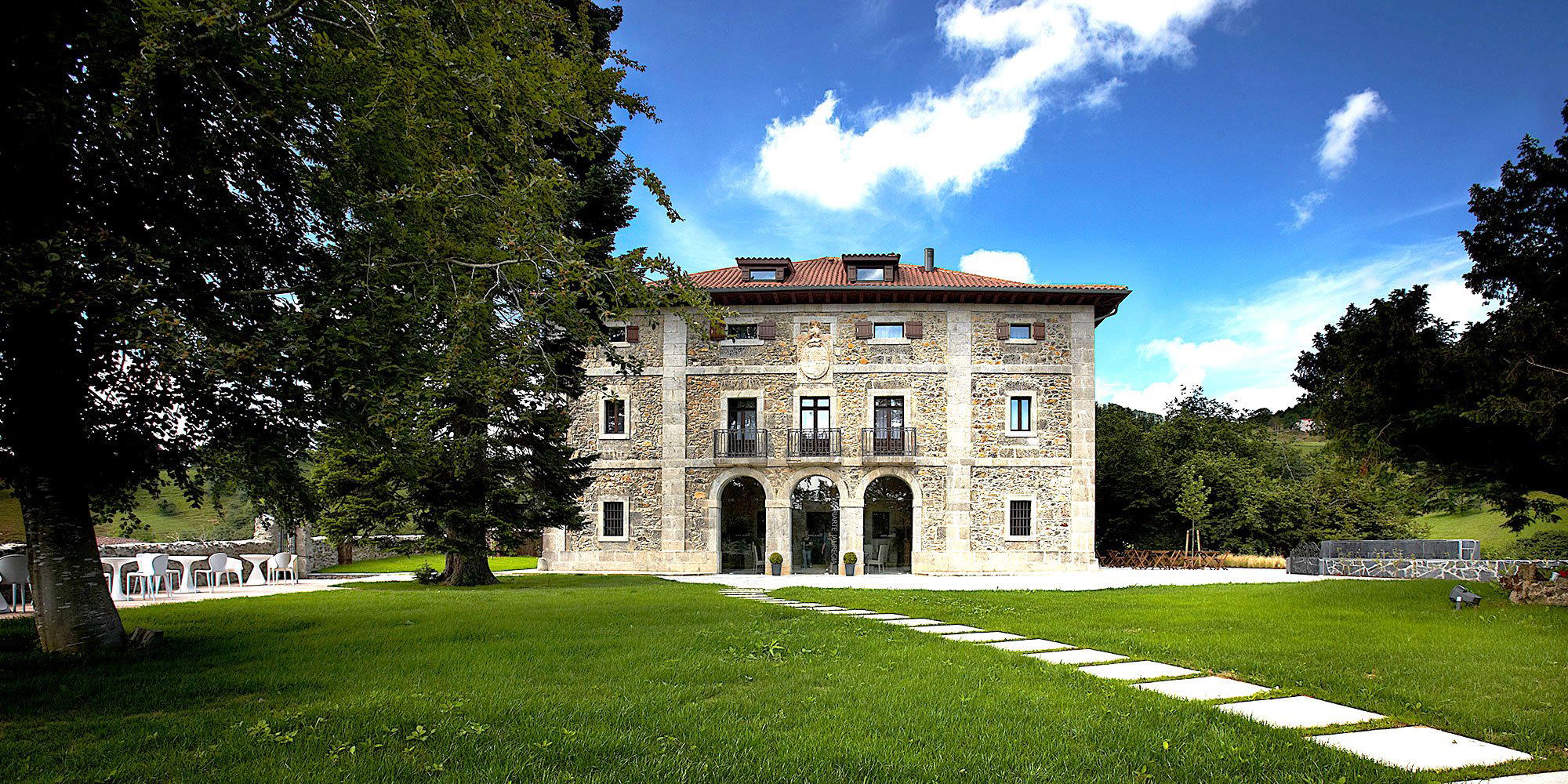
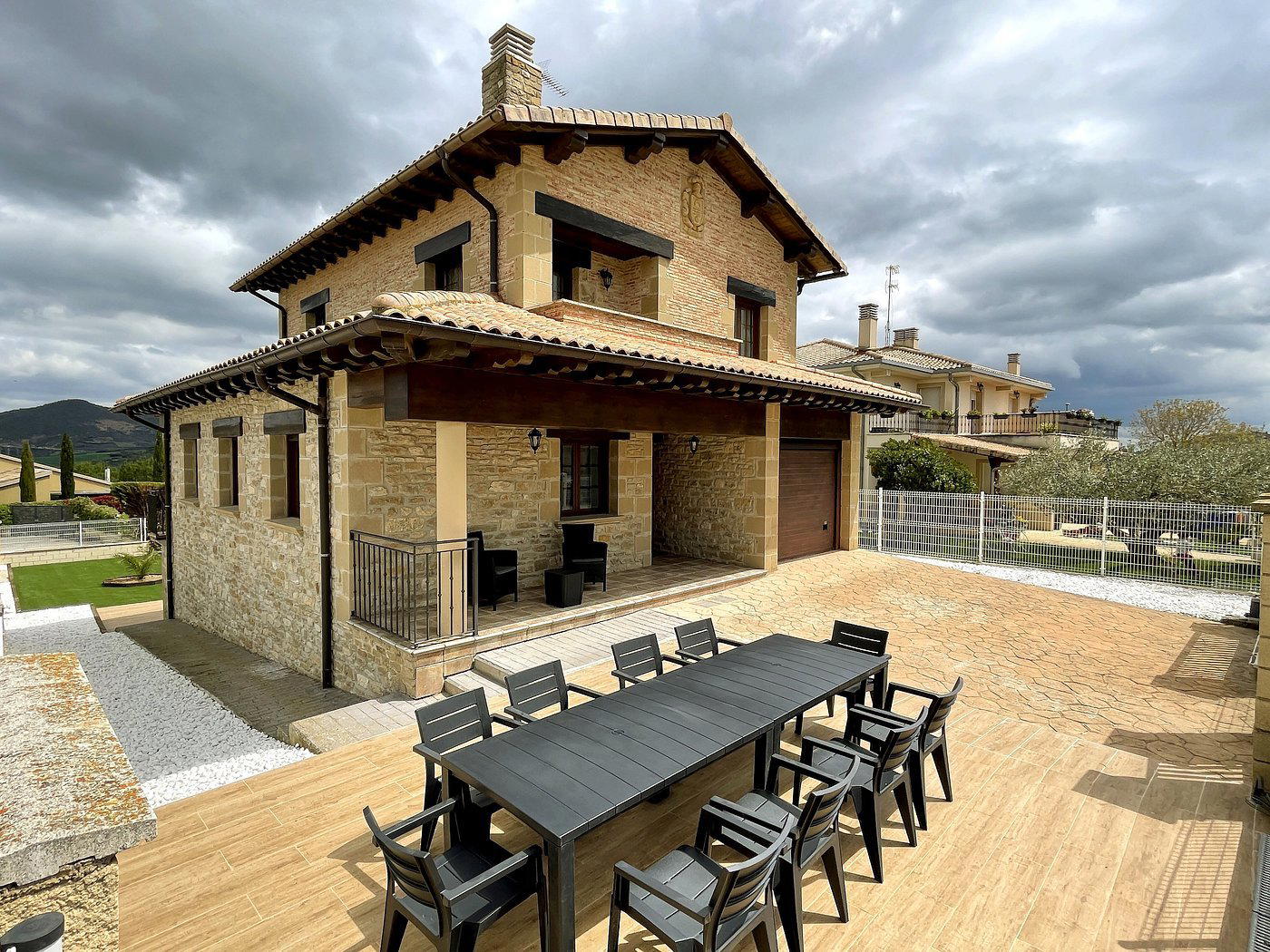
Lekunberri sits in the Larraun valley of Navarre, a small market town that most travellers pass through on the way to somewhere else. The modern building on Aralar Kalea that houses Maskarada does little to announce itself from the street. Inside, however, the logic is total: every element of the operation, from the shop counter stacked with cured meats and aged cheeses to the two tasting menus served in the dining room, exists in service of a single animal, the Pío Negro, also known as the Euskal Txerri, a heritage Basque pig breed reared in open liberty in the hills around the nearby village of Arruitz.
A Breed, Not a Menu Concept
The idea of building a restaurant around a single ingredient is well-established at the high end of Spanish gastronomy. Venues like Aponiente in El Puerto de Santa María and Arzak in San Sebastián have made the argument that deep expertise in one domain produces more interesting food than broad ambition. Maskarada takes that premise further than most: here, the ingredient is not a category (seafood, vegetables) but a specific breed with a documented regional identity.
The Euskal Txerri is one of the few remaining indigenous Iberian pig breeds associated with the Basque Country and Navarre. It has a black coat, slower growth rate than commercial breeds, and a fat composition that lends itself to long curing. The breed nearly disappeared in the twentieth century before selective conservation programmes brought it back to viable numbers. A restaurant that rears its own animals in the surrounding countryside, then processes, cures, sells, and cooks them on-site, represents a degree of vertical integration that is unusual at any price point, and nearly unheard of at the Bib Gourmand tier.
The 360° Model
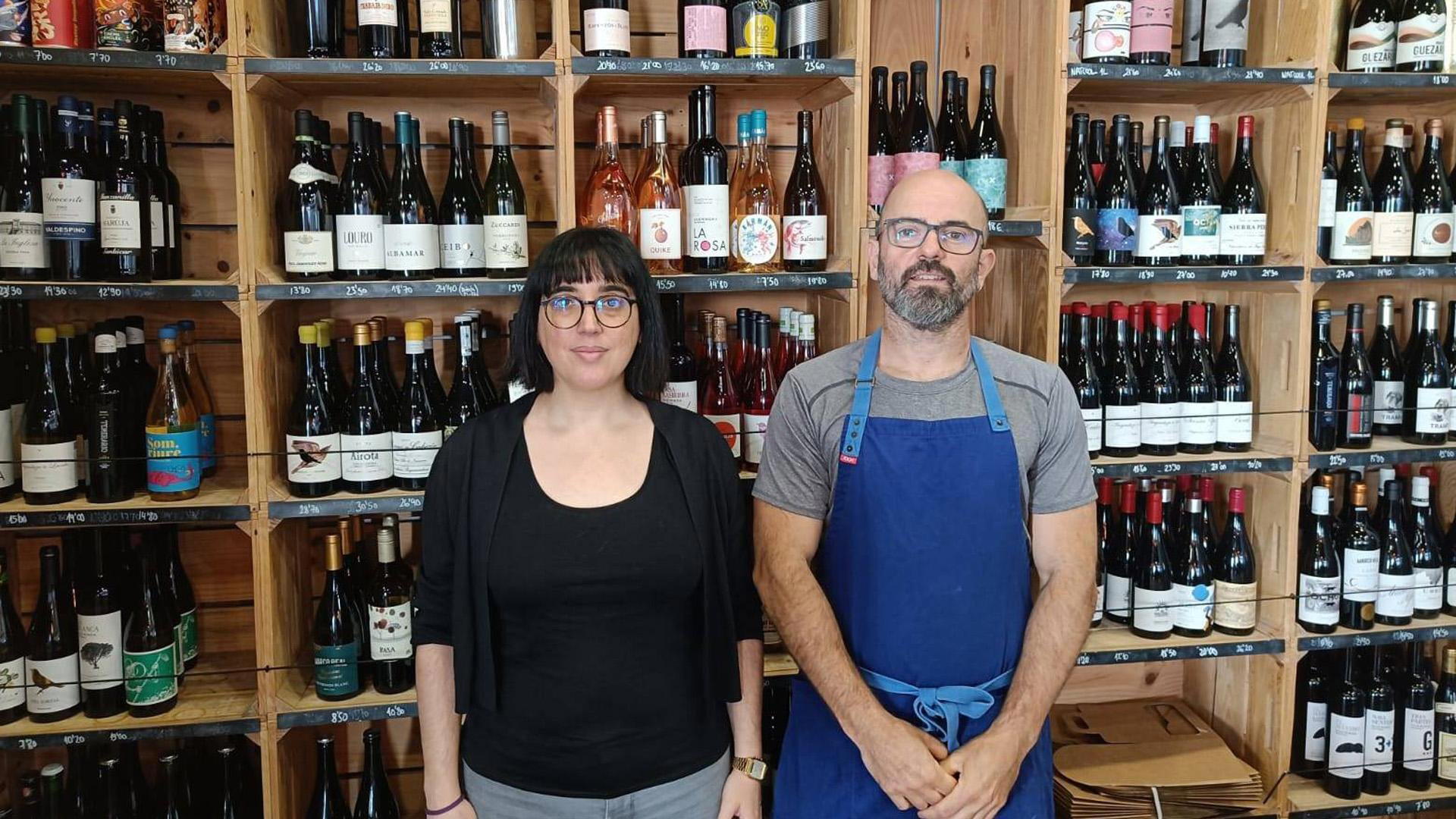
Maskarada operates what it describes as a 360° strategy. The pigs are raised in free-range conditions near Arruitz. The charcuterie shop attached to the restaurant sells the results: jowl, cheek, and Spanish-specific cuts including secreto (the skirt muscle behind the shoulder blade, prized for its marbling) and pluma (the neck end of the loin, known for even fat distribution). Cheeses and fresh meat complete the retail offer.
This integration matters because it collapses the distance between production and plate in a way that most farm-to-table claims never quite achieve. The kitchen is not sourcing from a supplier who raises Euskal Txerri; the kitchen is the downstream end of a rearing and processing operation. The practical result is consistency and full traceability, but the cultural argument is more interesting: it treats the pig as a regional heritage object, not merely a premium protein.
Two Menus, One Animal
The dining room offers two tasting menus, Maskarada and Suletina. Both are built around the Pío Negro, and both carry the Michelin Bib Gourmand designation the restaurant has held consecutively in 2024 and 2025, a recognition that signals high quality at a price point that does not require significant financial outlay. The Bib Gourmand tier, which Michelin defines as good food at a moderate price, sits below the star system but carries meaningful editorial weight, particularly in a region where competition for inspector attention is high.
In broader Basque and Navarrese dining, the Bib Gourmand functions as a reliable marker for local cooking done with seriousness. It is not the register of Mugaritz in Errenteria or Martin Berasategui in Lasarte-Oria, whose multi-star programmes operate at a different scale and price bracket.
Cultural Context: The Basque Pig Tradition
Pork curing in the Pyrenean foothills has a long history. The proximity to Pamplona, to the Roncal valley's cheese traditions, and to the general Basque charcuterie culture means that Maskarada is not inventing something new but rather formalising and amplifying a practice that has existed in farmhouse kitchens and village butchers for generations. What changes at the restaurant scale is the level of curation and the commitment to a single breed rather than a general pork supply.
Across the border, in the Soule region of the French Basque Country (from which the Suletina menu presumably takes its name), pig rearing and curing traditions are similarly embedded. The reference to Soule in the menu name suggests a cross-border reading of Basque pig culture, which is geographically coherent: the Euskal Txerri breed does not observe national boundaries any more than the Basque language does.
For a point of comparison within the pork-focused restaurant category, Odoloste in Bilbao approaches similar territory from an urban Basque perspective. Maskarada's rural production model, with animals on the land around the restaurant, represents a different structural approach to the same cultural raw material.
Where Maskarada Sits in the Spanish Fine Dining Map
Spain's fine dining circuit runs through a handful of well-documented nodes: San Sebastián, Madrid, Barcelona, the Valencian coast. Venues like DiverXO in Madrid, Disfrutar in Barcelona, Quique Dacosta in Dénia, El Celler de Can Roca in Girona, Azurmendi in Larrabetzu, and Ricard Camarena in València collectively define what international visitors associate with Spanish culinary achievement. Maskarada does not compete in that register and does not attempt to. Its Bib Gourmand positioning, single-product focus, and rural Navarrese address put it in a different category entirely: a specialist destination for those who want to understand what a heritage breed tastes like across multiple preparations and cuts, at accessible prices, in the valley where the animals are raised.
That combination, breed specificity, vertical integration, tasting menu format, and Michelin recognition at a budget-accessible price, does not have many precedents in the region.
Planning a Visit
Maskarada is located at Aralar Kalea 66 in Lekunberri, a town of roughly 1,500 people in the Larraun valley, approximately 40 kilometres from Pamplona via the A-15. The attached charcuterie and cheese shop means the visit can extend beyond a meal: the retail offer of Euskal Txerri cuts, cured meats, and regional cheeses makes Maskarada a practical stop for anyone self-catering or assembling provisions for travel. Pricing sits at the single-euro symbol tier, confirming the Bib Gourmand's moderate-price signal. For broader context on eating and staying in the area, and our full Lekunberri experiences guide. If grilled meats are also on your itinerary, Epeleta in Lekunberri offers a complementary angle on the region's meat traditions.
What Regulars Order at Maskarada
Maskarada's menu is built around the Euskal Txerri across its full range of cuts and preparations, anchored by the two tasting menus (Maskarada and Suletina) and supplemented by the retail charcuterie offer in the adjoining shop. Cuts like secreto and pluma, both from the Spanish butchery tradition, appear in the shop and inform the kitchen's approach. The Bib Gourmand designation (held in both 2024 and 2025) reflects consistent quality across the operation. For first-time visitors, the tasting menus are the most structured way to understand the kitchen's reading of the breed, while regulars with access to the shop counter often extend the visit with charcuterie and cheese to take away.
A Pricing-First Comparison
| Venue | Cuisine | Price | Awards |
|---|---|---|---|
| MaskaradaThis venue (the venue you are viewing) | Basque Pork & Regional Cuisine | $30–50 | Michelin Bib Gourmand · Guía Repsol 1 Sol |
| Aponiente | Progressive - Seafood, Creative | Not listed | Michelin 3 Star |
| Arzak | Modern Basque, Creative | Not listed | Michelin 3 Star |
| DiverXO | Progressive - Asian, Creative | Not listed | Michelin 3 Star |
| El Celler de Can Roca | Progressive Spanish, Creative | Not listed | Michelin 3 Star |
| Quique Dacosta | Creative | Not listed | Michelin 3 Star |
Recognition history
Dated appearances from independent guides and award organizations, with the underlying list record or original source where available.
Michelin Bib Gourmand
Michelin
Guía Repsol 1 Sol
Guía Repsol
Full recognition history (4 entries)
Michelin Bib Gourmand
Michelin
Michelin Bib Gourmand
Michelin
Continue exploring
More in Lekunberri
Restaurants in Lekunberri
All restaurants in Lekunberri →
Bars in Lekunberri
Browse all →





Details
- Rustic
- Cozy
- Modern
- Special Occasion
- Group Dining
- Open Kitchen
- Farm To Table
- Local Sourcing
- Tasting Menu
Current opening hours
- Monday
- 10 AM–5 PM
- Tuesday
- 10 AM–5 PM
- Wednesday
- 10 AM–7 PM
- Thursday
- 10 AM–7 PM
- Friday
- 10 AM–7 PM
- Saturday
- 10 AM–7 PM
- Sunday
- 10:30 AM–7 PM
Hours can change for holidays and private events. Last verified .
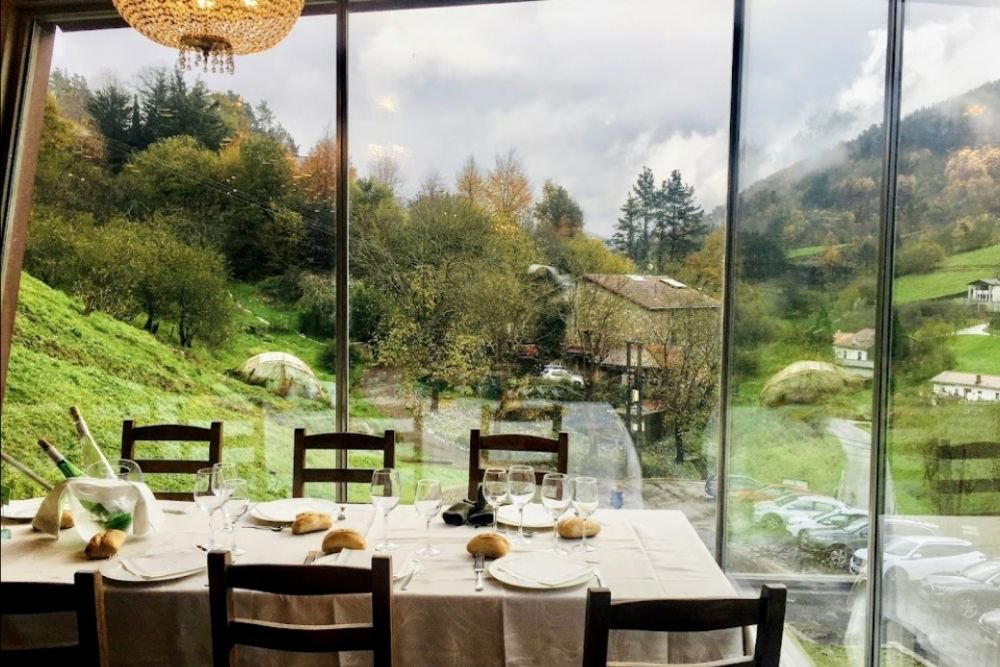
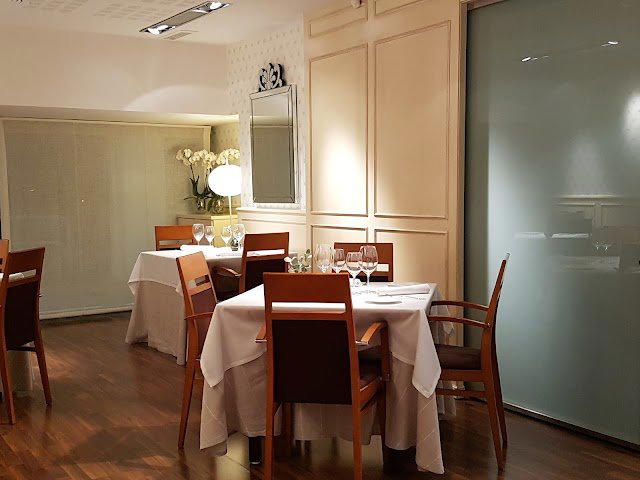
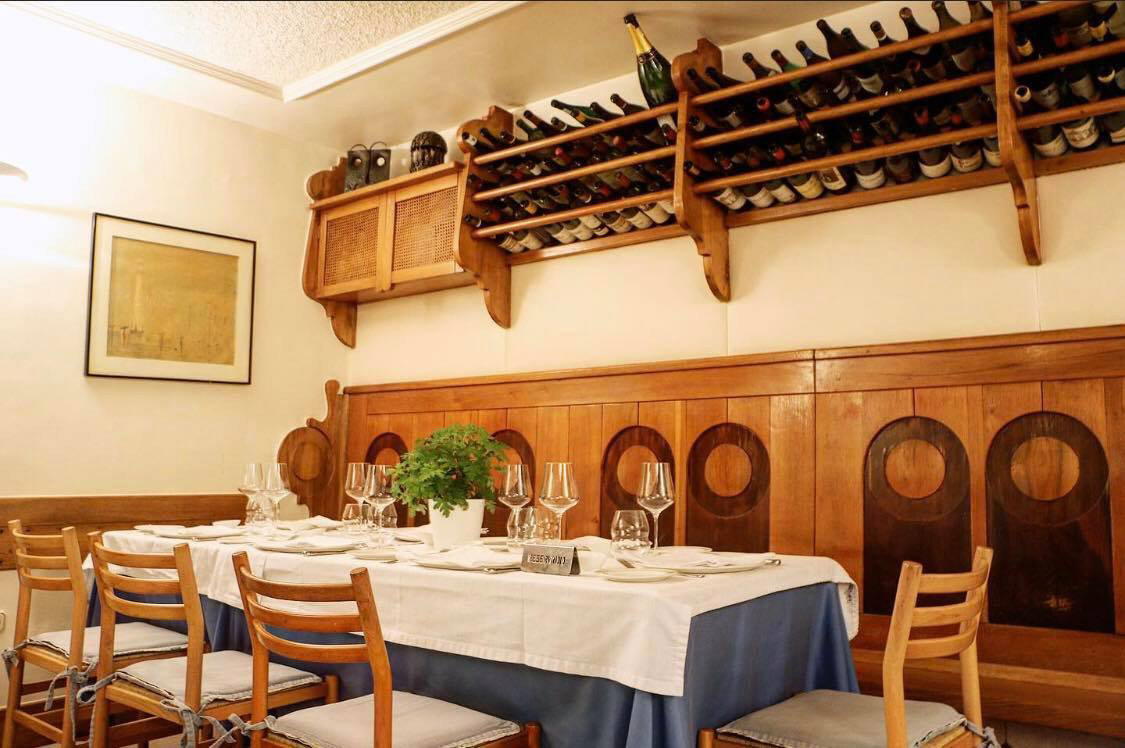
Warm, rustic decor in a modern building with intimate, lively atmosphere.