Masada
Masada occupies a Logan Square address that puts it squarely in Chicago's most contested dining corridor, where ambitious independent kitchens compete for attention alongside Michelin-tracked neighbors. A reservation here requires local knowledge and some patience.
Pearl is the En Primeur Club membership app — saves, bookings, and concierge access live there. Same editors, same standards.
- Address
- 2206 N California Ave, Chicago, IL 60647
- Phone
- +17736978397
- Website
- masadachicago.com
- Directions
- Get directions
 Saves & bookings on Pearl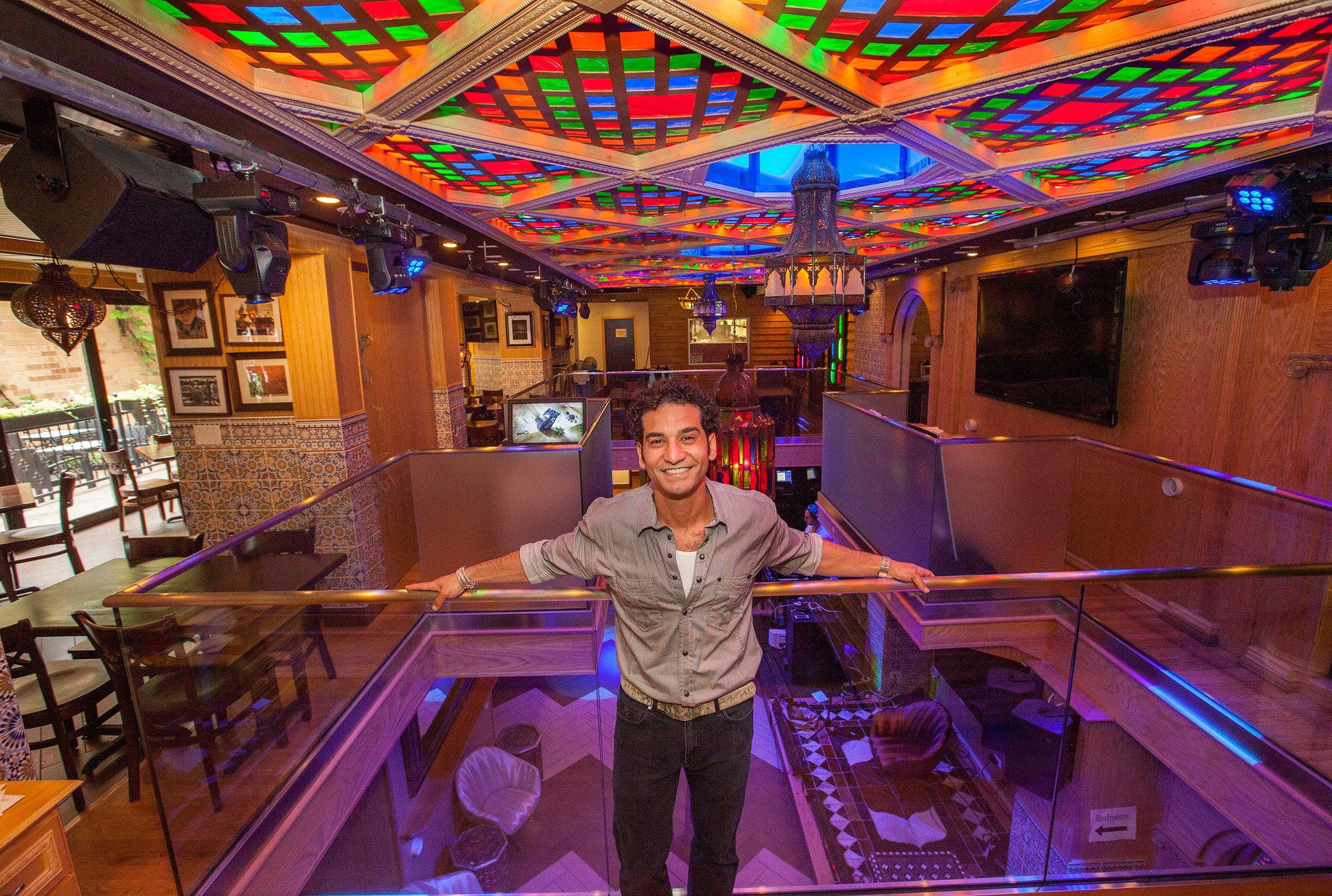
Logan Square's Shifting Dining Register
Chicago's Logan Square has spent the better part of a decade becoming the city's most consequential neighborhood for independent restaurants. The stretch of California Avenue and its surrounding blocks now house some of the most seriously considered cooking in Illinois, operating largely outside the Michelin circuit's headline venues but drawing the same caliber of diner who might otherwise head downtown to Alinea or Smyth. Masada sits at 2206 N California Ave, deep in that pocket, and by its location alone signals a particular kind of ambition: the kind that doesn't need a River North address to make its case.
The neighborhood pattern here follows what's visible in other American cities that have undergone similar cycles. When premium dining disperses from downtown cores, it tends to land first in neighborhoods with low commercial rents, existing creative communities, and foot traffic that skews toward people who eat out for pleasure rather than obligation. Logan Square fits all three conditions, and Masada's address places it in a competitive micro-cluster that includes some of Chicago's most discussed tables. For context on the broader city dining picture, see our full Chicago restaurants guide.
How the Meal Takes Shape
Across American cities, the tasting-progression format has bifurcated. On one side sit the theatrical, high-concept sequences associated with venues like Next Restaurant or the kitchen-as-laboratory model. On the other sits a more restrained approach: meals built around clarity of ingredient and deliberate pacing, where each course functions as a logical extension of what came before rather than a set piece. The latter tradition has gained ground in Chicago particularly, showing up in the quiet conviction of places like Kasama, which earned its own Michelin recognition through a breakfast-to-tasting-menu arc that trusts the food to carry the room.
Where Masada fits within that progression model isn't something the available public record resolves in specific dish-by-dish terms. What the address and the neighborhood context do confirm is that kitchens operating on California Avenue in Logan Square tend to run tight menus rather than sprawling ones, seasonal sourcing over static lists, and dining rooms designed to direct attention toward the plate. That architecture of restraint is the dominant aesthetic grammar of this part of Chicago, and Masada operates within it.
For reference points on what deliberate multi-course sequencing looks like at other American addresses, Lazy Bear in San Francisco and Single Thread Farm in Healdsburg represent how the format can be organized around strong narrative throughlines, while Oriole demonstrates how Chicago itself handles the progression format at its most considered level. Masada operates in a different price tier and format register than Oriole, but the appetite for careful sequencing runs through this city's independent dining culture at multiple levels.
The California Avenue Address in Context
Walking toward 2206 N California Ave, the physical environment communicates a deliberate informality. Logan Square's commercial corridors don't read as restaurant districts in the way that, say, the Fulton Market corridor does. There are fewer signs of the development cycle: less visible investment in frontage, fewer reservations-required queues snaking out the door, more of the quiet confidence that comes from a restaurant trusting its regulars to find it. That quality, which also defines certain independent rooms in cities like New Orleans and Atlanta, is partly what gives neighborhoods like Logan Square their sustained dining credibility. Venues like Bacchanalia in Atlanta have operated with a similar posture for decades: serious cooking in an address that doesn't announce itself.
The competitive set on and around California Avenue is worth naming. Chicago's Kasama operates a Michelin-starred tasting menu from a similar neighborhood position. Smyth, though downtown, demonstrates how far a Chicago kitchen can travel editorially on the strength of its sourcing story alone. Masada's presence in this cluster signals that it belongs to a cohort that competes on cooking quality rather than spectacle or square footage.
American Fine Dining's Independent Tier
The national conversation about American fine dining has increasingly centered on what happens outside the flagship tier. While The French Laundry in Napa, Le Bernardin in New York City, and Providence in Los Angeles define one end of the spectrum, a different and arguably more generative conversation is happening at independent rooms in neighborhoods like Logan Square. These are kitchens that lack the institutional apparatus of James Beard-winning operations but are often running more experimental or personally directed cooking.
Pattern repeats across American cities. Blue Hill at Stone Barns in Tarrytown and Addison in San Diego represent how the fine dining conversation can be anchored by sourcing philosophy or technical ambition at venues that operate outside the obvious coastal flagships. Atomix in New York City and 8 1/2 Otto e Mezzo Bombana in Hong Kong demonstrate how defined culinary traditions, when applied with precision, can generate sustained critical attention without requiring theatrical formats. Masada's position in Logan Square places it in a lineage of American independent dining that values that kind of focused intent over category breadth.
At the city level, Chicago has demonstrated repeatedly that serious cooking can anchor neighborhoods far from the tourist loop. The Inn at Little Washington built a destination-grade reputation from a rural Virginia address; the Logan Square model follows a similar logic, scaled to an urban neighborhood context. Emeril's in New Orleans showed decades ago that a kitchen's reputation could outlast its press cycles when the food is doing consistent work. These are the precedents Masada's neighborhood cohort is implicitly working within.
Know Before You Go
| Address | 2206 N California Ave, Chicago, IL 60647 |
| Neighbourhood | Logan Square |
| Phone | Not publicly listed — contact via venue directly |
| Website | Not currently available |
| Booking | Confirm current reservation method through local listings or social channels |
| Nearest transit | Logan Square Blue Line station (approx. 10-minute walk) |
How Masada Chicago compares with similar nearby venues.
| Venue | Cuisine | Price |
|---|---|---|
| Akahoshi Ramen | Ramen | Not listed |
| Lardon | Deli | $$ |

At a Glance
- Lively
- Energetic
- Trendy
- Group Dining
- Casual Hangout
- Late Night
- Celebration
- Rooftop
- Live Music
- Open Kitchen
- Craft Cocktails
Current opening hours
- Monday
- Closed
- Tuesday
- Closed
- Wednesday
- 8 PM–2 AM
- Thursday
- 9 PM–2 AM
- Friday
- 9 PM–3 AM
- Saturday
- 10 PM–3 AM
- Sunday
- Closed
Hours can change for holidays and private events. Last verified .
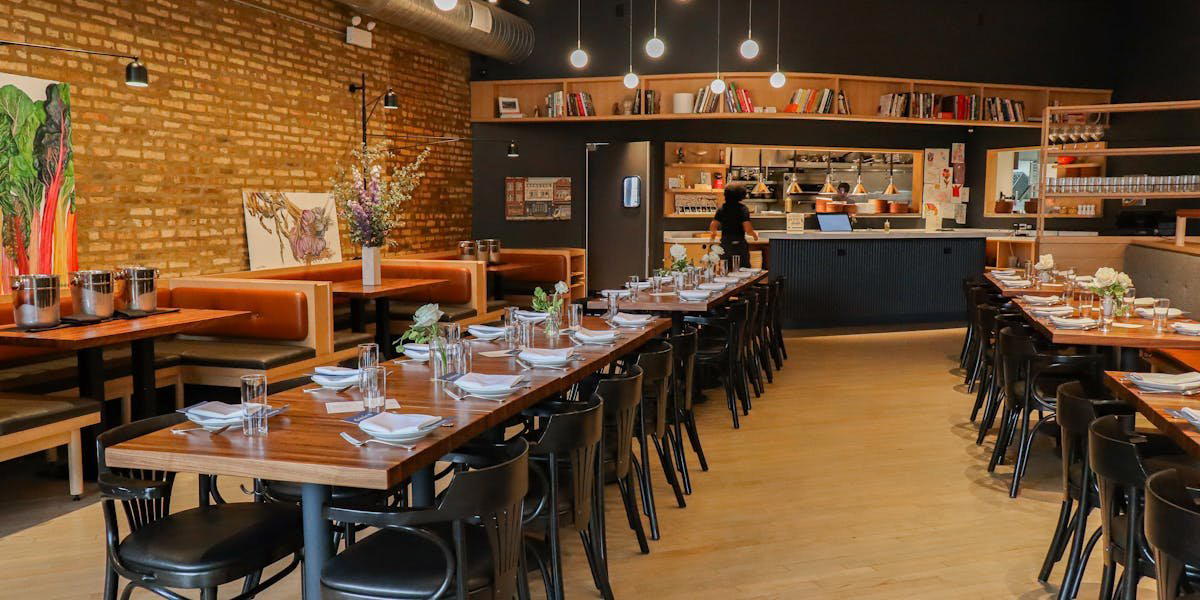
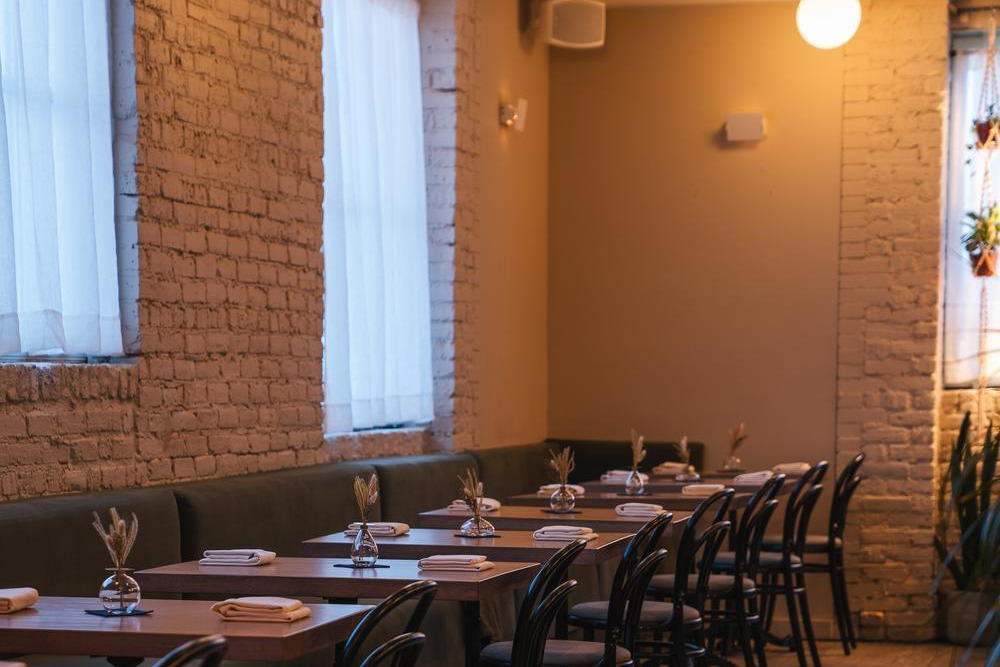
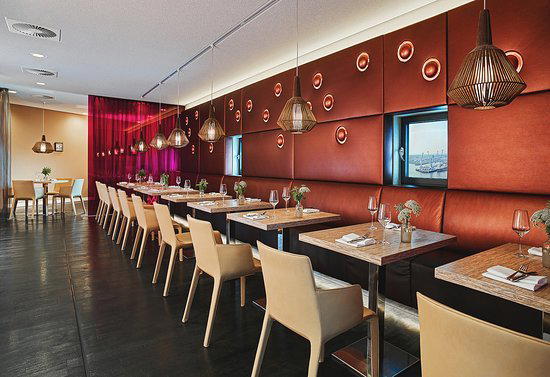
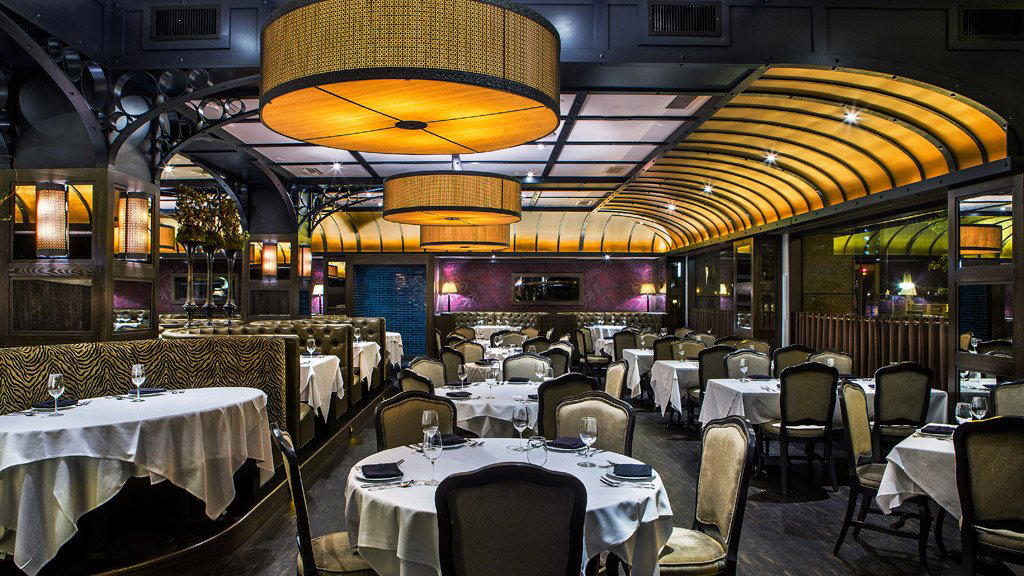
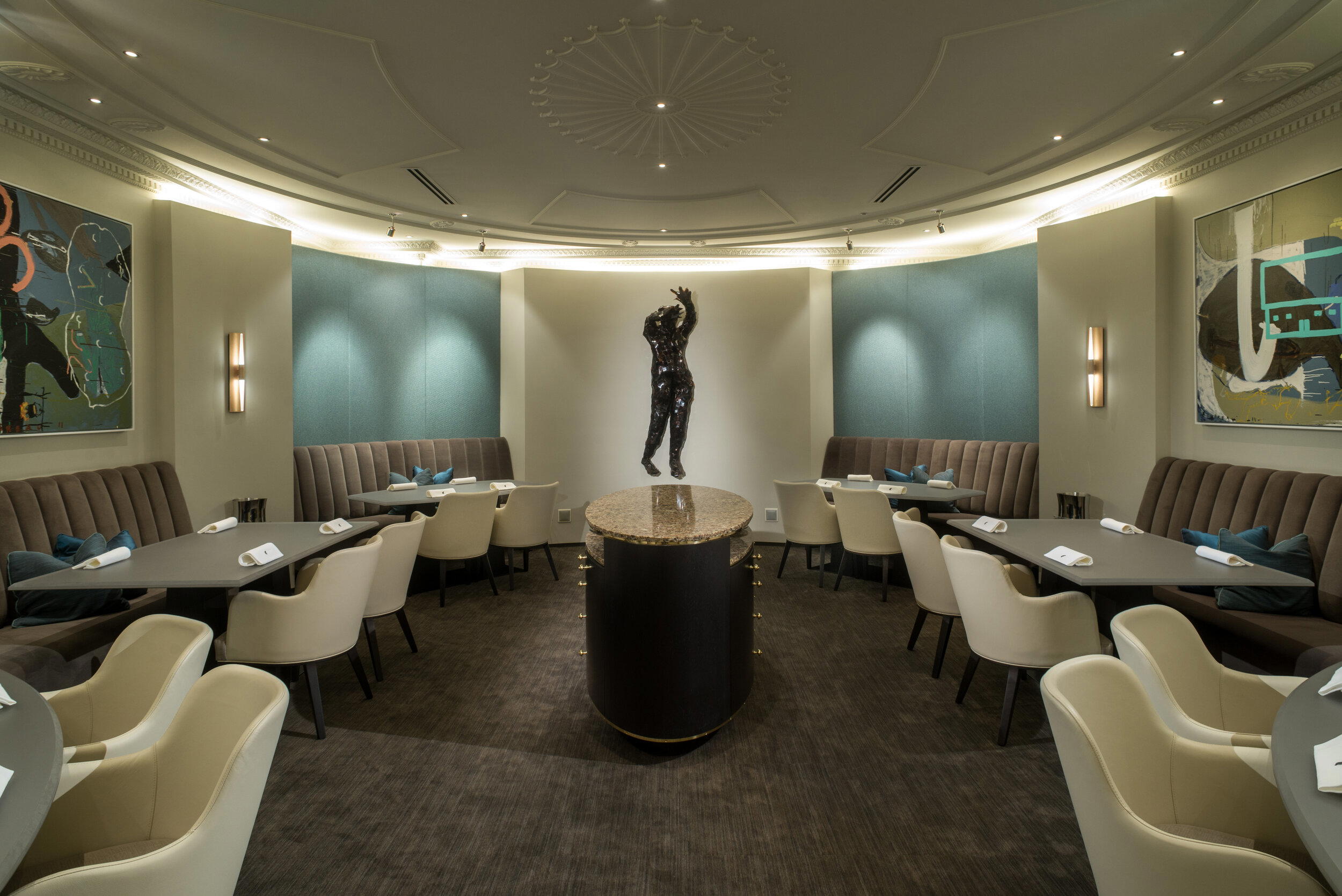
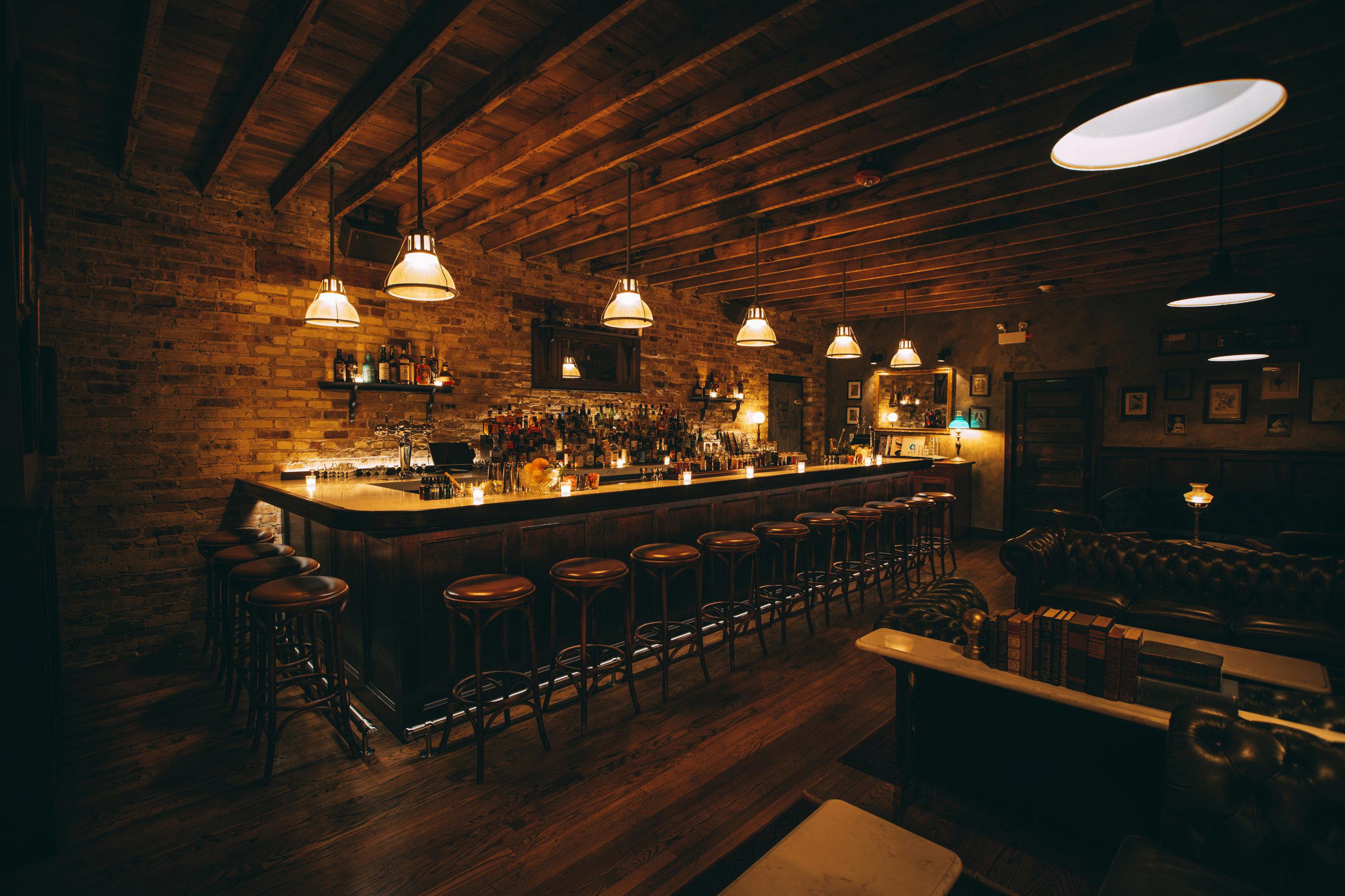
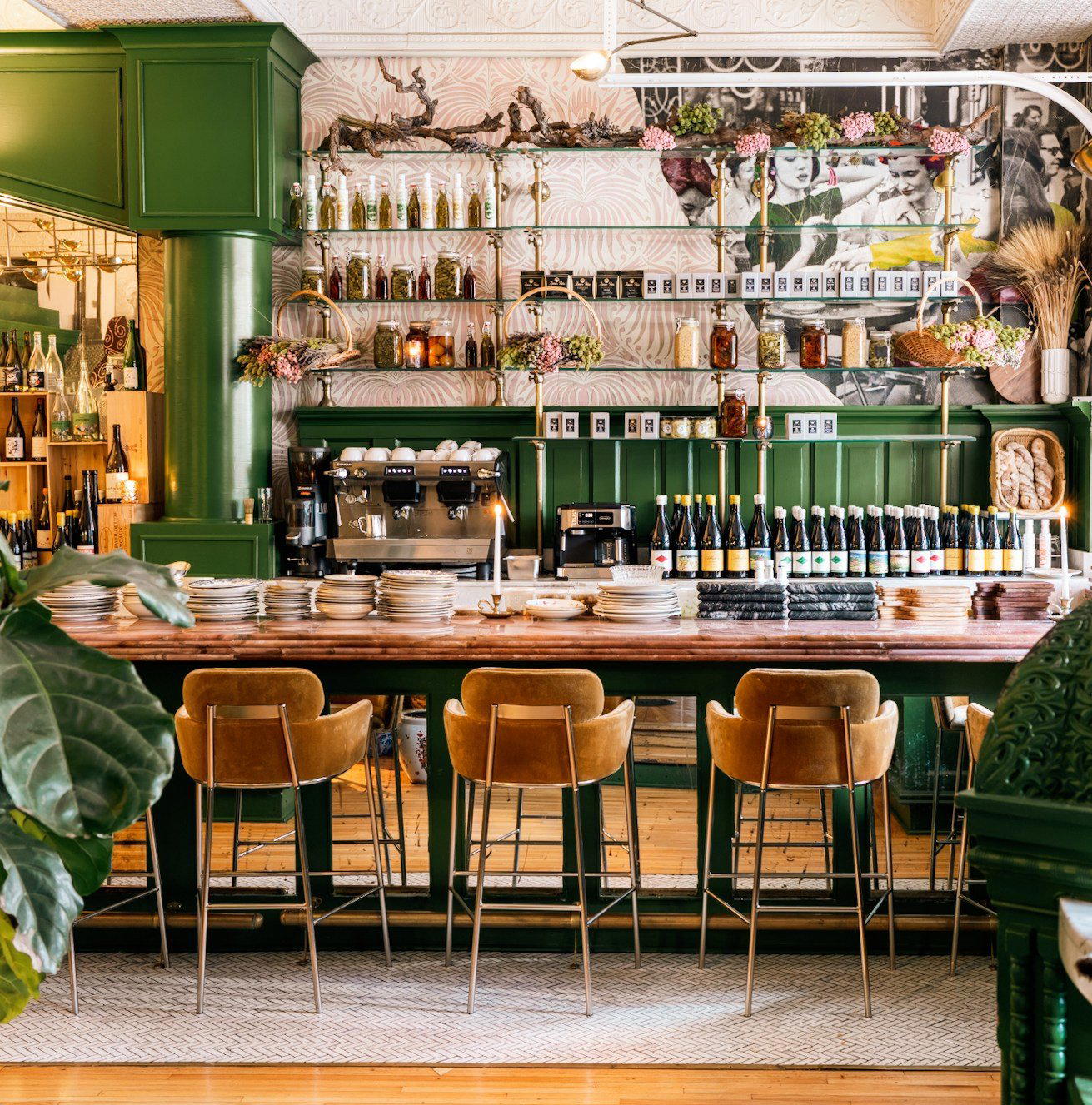
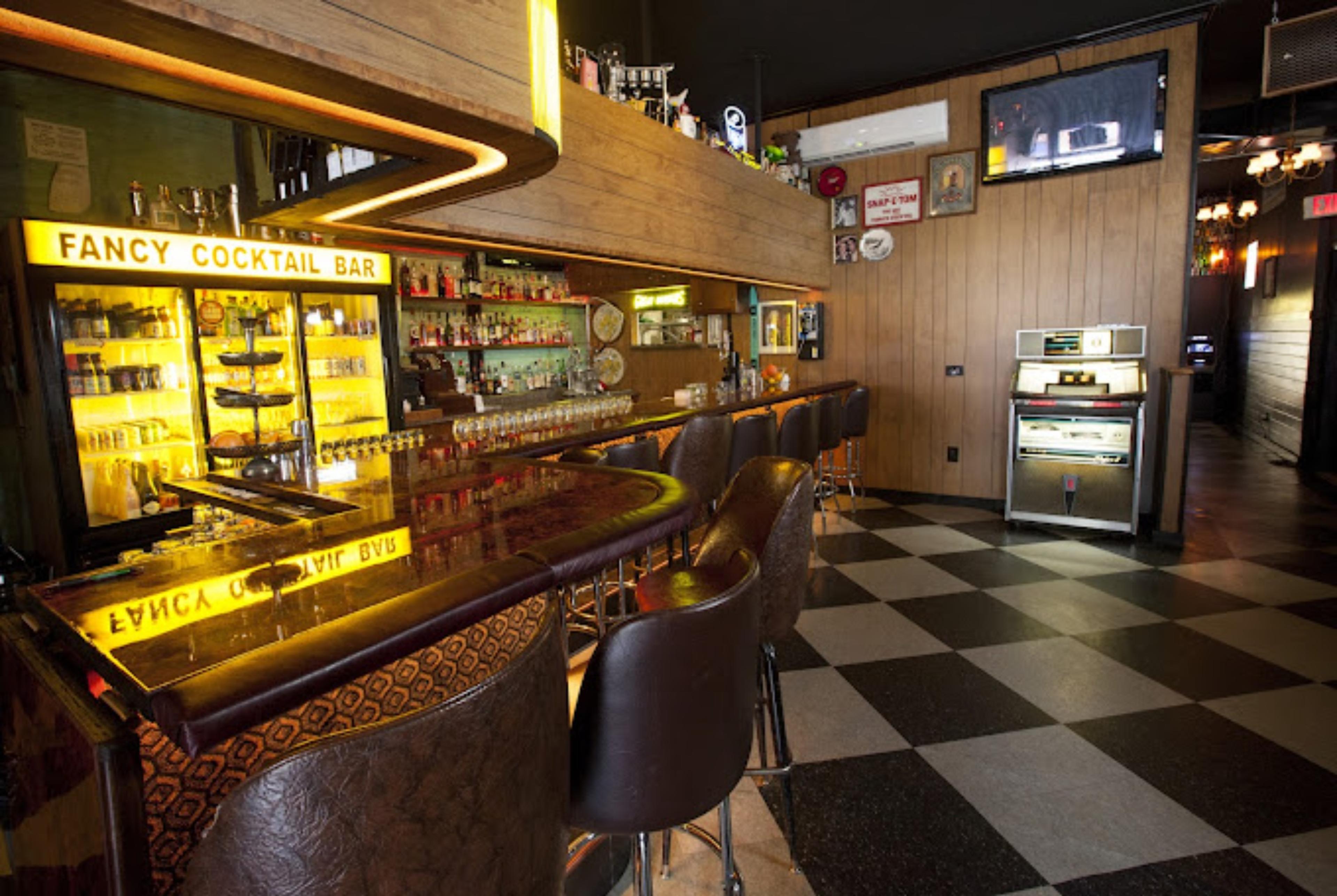
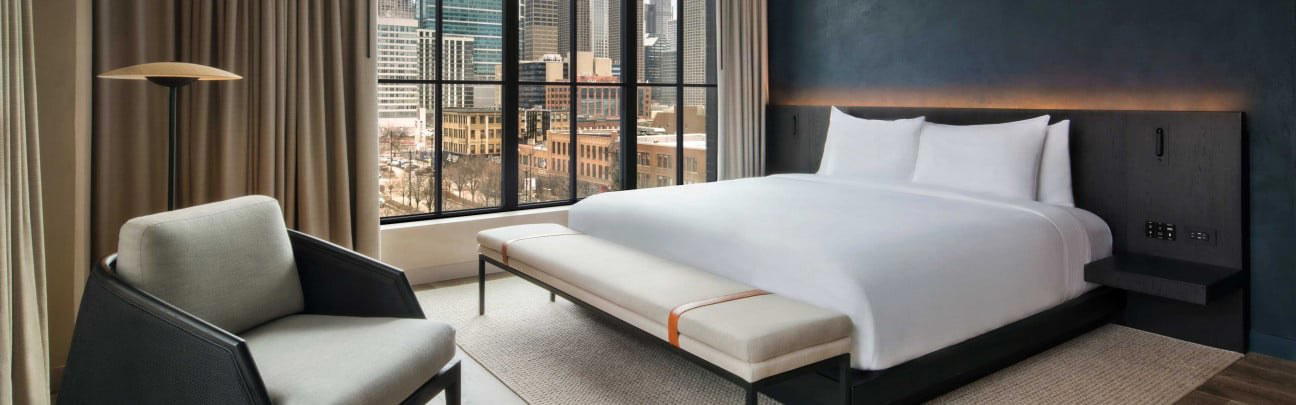
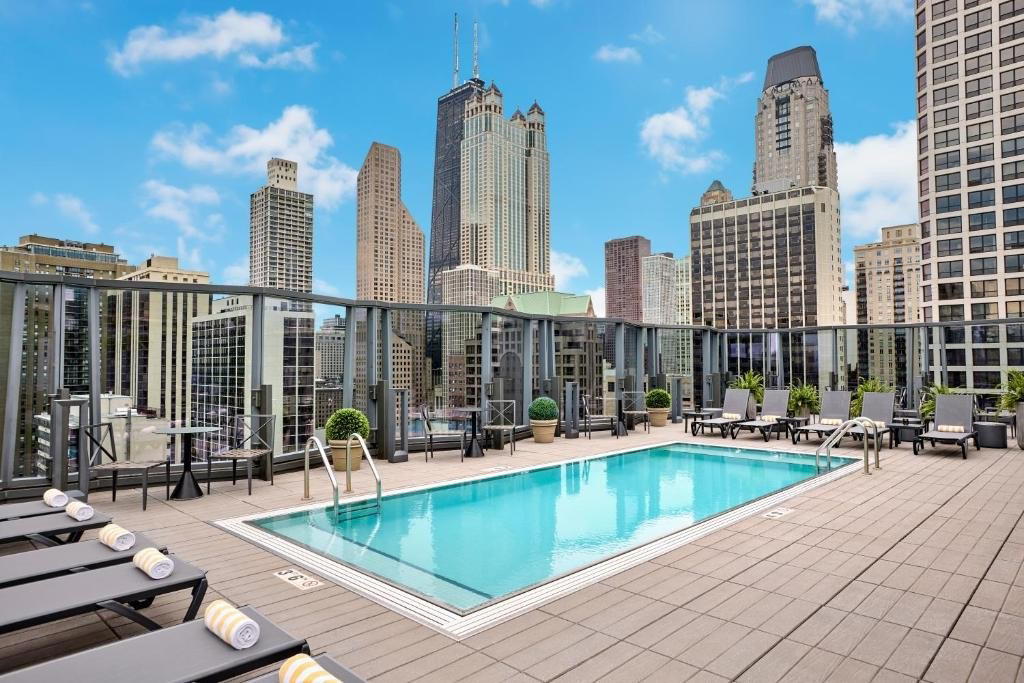
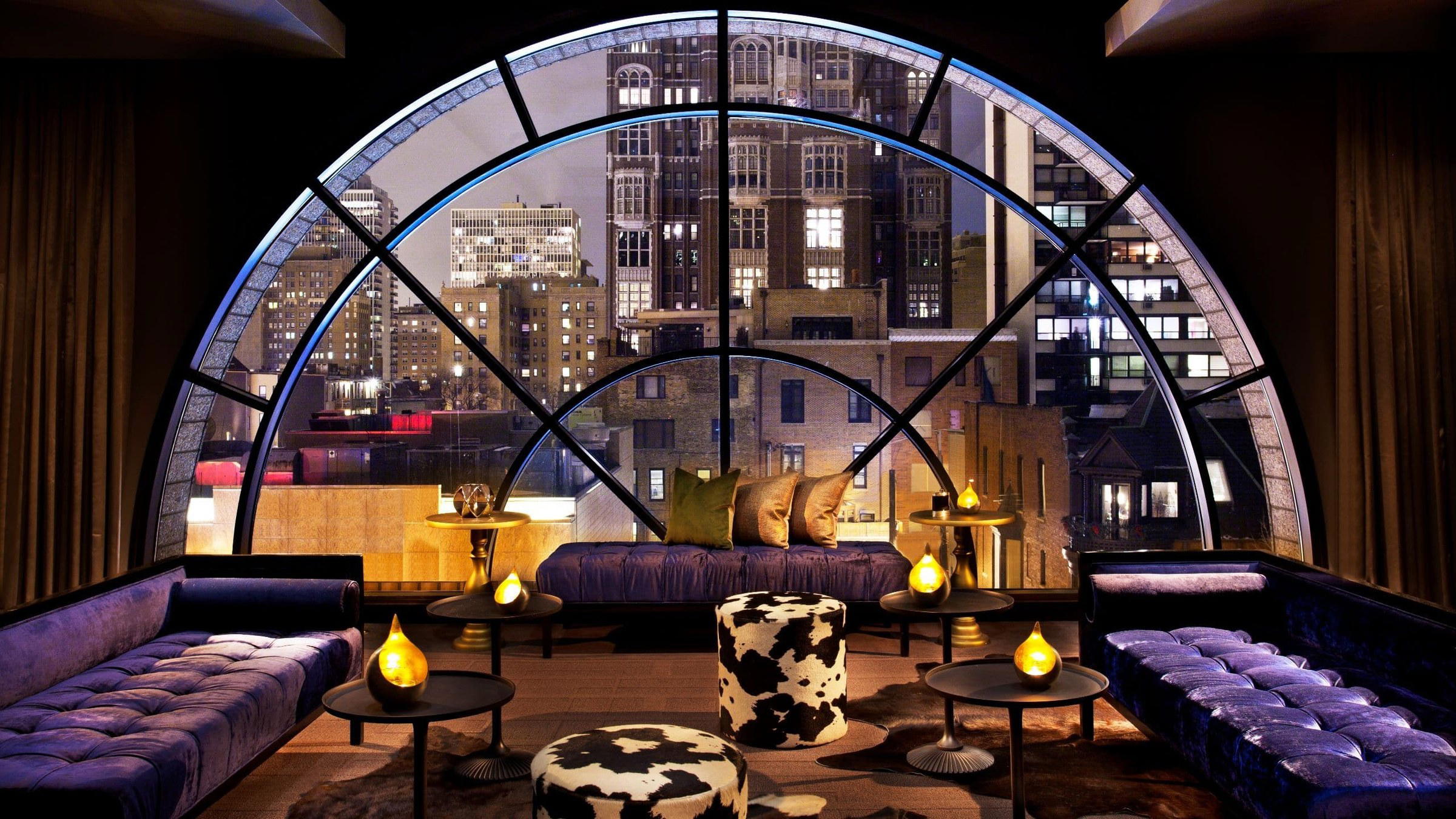
Lively atmosphere featuring a rooftop terrace, dance floor with star projections, multicolored ceilings, mirrored surfaces, and modern decor blending cultural elements.
Know Before You Go
- Getting there
- 2206 N California Ave, Chicago, IL 60647