Le Midi

Star Wine List
Le Midi occupies a corner of West Division Street in Chicago's Ukrainian Village, where the afternoon tempo of the neighbourhood shapes how people drink and eat. The bar program leans into the French-inflected side of the street's character, with food designed to follow the glass rather than the other way around. It belongs to a tier of Chicago bars where the kitchen is a considered part of the proposition, not an afterthought.

Pearl is the En Primeur Club membership app — saves, bookings, and concierge access live there. Same editors, same standards.
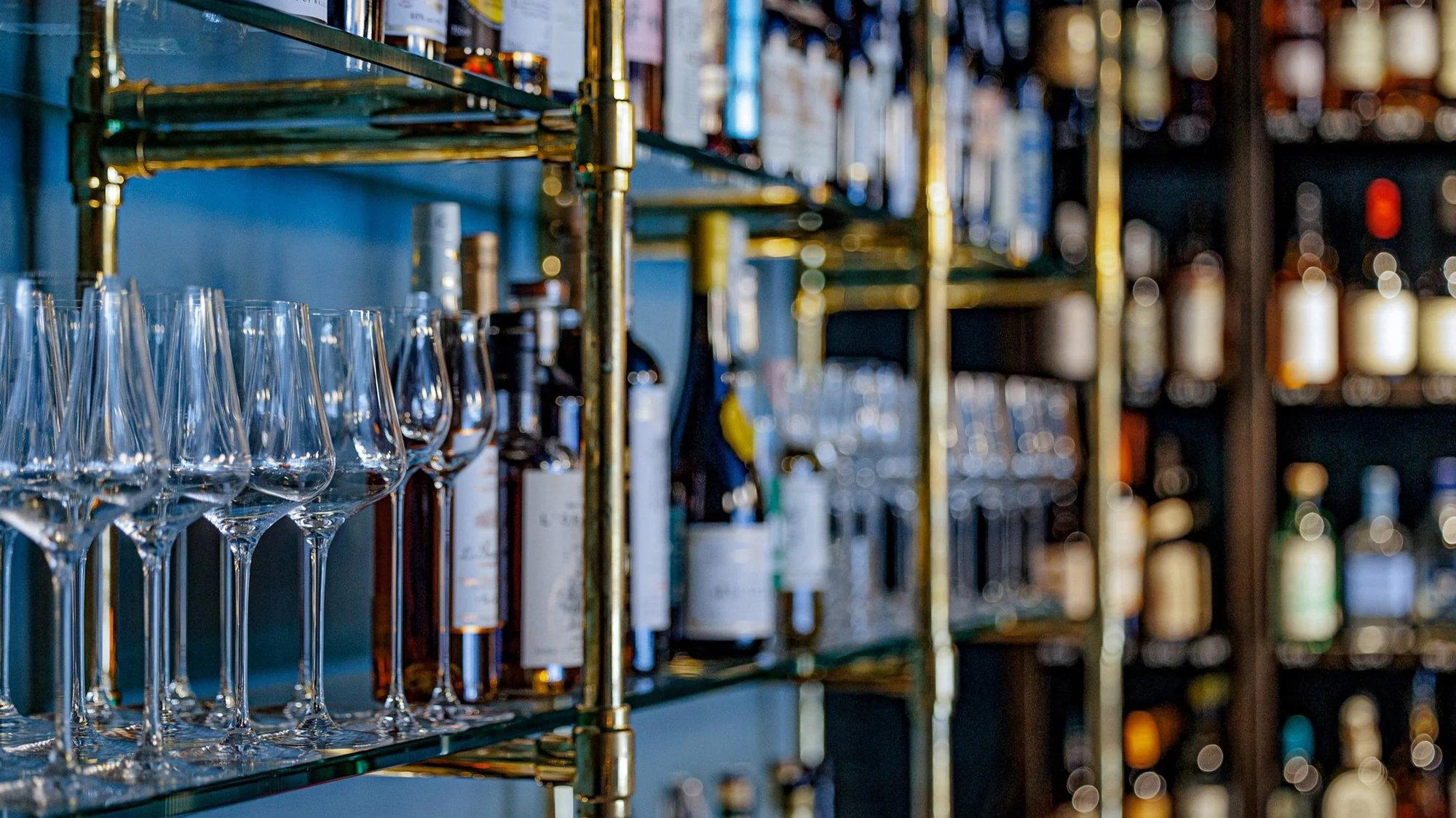
West Division Street and the Art of the Afternoon Bar
Chicago has a specific civic ritual that outsiders underestimate: the neighbourhood afternoon. On West Division Street in Ukrainian Village, it plays out with particular clarity. A Saturday farmers' market dissolves into foot traffic by noon, a street festival materialises without warning in warmer months, and by mid-afternoon the bars along the corridor are doing something more interesting than simply filling seats. They are anchoring a social rhythm that the city's downtown venues rarely manage. Le Midi, at 2108 W Division St, sits inside that rhythm rather than apart from it.
The name gestures toward the French concept of midday, the hinge point of the day when work pauses and the table takes over. In practice, that framing matters for how the bar positions its food-and-drink relationship. This is not a place that treats its kitchen as a late-night afterthought or a compliance measure to satisfy a liquor license. The food program and the drinks list operate as a coordinated argument, each making the case for the other.
The Bar Program and What It Builds Around
Chicago's cocktail scene has matured considerably over the past decade. The city now carries a tier of serious bar programs, from Kumiko's Japanese-inflected precision in the West Loop to the wine-bar hybrids emerging in Logan Square and beyond. Within that context, bars on the neighborhood-anchor model, the kind rooted in a specific block's daily life rather than a destination-dining circuit, occupy a distinct position. They answer to a different brief: regularity over spectacle, hospitality over performance.
Le Midi's editorial angle, the pairing of bar food with drinks, is a specific discipline. The leading versions of this model treat the food menu as a secondary drinks list: each plate extends what's in the glass, either by bridging flavour, cutting richness, or giving the palate something to do between sips. The French café tradition that the name invokes is instructive here. A glass of Beaujolais and a plate of charcuterie is not a compromise; it is a complete proposition. Whether Le Midi executes in that register, with comparable calibration between kitchen and bar, is the relevant question for a first visit.
For comparison, bars operating at the intersection of serious cocktails and considered food in other American cities offer a useful benchmark. Jewel of the South in New Orleans runs a cocktail program with culinary coherence, drawing on the city's Creole larder to give the food genuine stakes. ABV in San Francisco built its reputation on a kitchen that punches well above bar-snack expectations. Superbueno in New York City layers Latin flavour logic through both menus. The pattern across all of them is intentionality: the food is not decorative.
Ukrainian Village as Context
The neighbourhood matters. Ukrainian Village sits west of Wicker Park, calmer in register and less saturated with hospitality venues competing for the same dollar. Division Street here has a lower noise floor than, say, the stretch closer to Damen, which means bars that open in this corridor inherit a more residential audience. That audience tends to return regularly rather than graze once and move on. It also tends to know what it wants, having seen the bar evolve through seasons and ownership cycles.
The area's afternoon street culture, referenced in the venue's own documentation, is relevant to understanding Le Midi's operating context. A bar that opens in a neighbourhood where the sidewalks fill on weekend afternoons with farmers' market spillover and festival foot traffic has a different demand profile than one that lives and dies by late-night covers. The implication for the food-and-drink pairing program is that it needs to work across multiple dayparts, from a lighter mid-afternoon moment to a more substantial evening sitting.
Chicago bars operating in similar neighbourhood-anchor roles in adjacent areas include Leading Intentions, which has staked a position in the city's natural wine conversation, and Bisous, which leans into a French-adjacent sensibility with intention. Lemon operates in a register where the drinks list and the kitchen brief are clearly in dialogue. These venues collectively describe a city where the neighborhood bar has shed its perfunctory food obligations and replaced them with something more considered.
How Le Midi Sits in the Chicago Bar Tier
Chicago's bar taxonomy has been reshuffled by a wave of serious programs over the past several years. At the top of the credential stack sit venues with international recognition and deep reservation books. Below that sits a second tier of neighbourhood-committed bars with genuine technical programs but without the destination-travel gravity of, say, a Kumiko. Le Midi's address and positioning place it in this second tier, which is not a diminishment. The second tier is often where the most consistent hospitality lives, because it is insulated from the pressure of performing for out-of-town tables every night.
Internationally, bars with similar food-forward neighbourhood identities include Allegory in Washington, D.C., which integrates a serious culinary sensibility into its cocktail offering, and The Parlour in Frankfurt on the Main, which operates with European bar-bistro conventions. Bar Leather Apron in Honolulu and Julep in Houston each demonstrate that the food-and-drink pairing discipline translates across very different city contexts, suggesting the model is less about geography and more about editorial commitment.
Planning a Visit: Le Midi vs. Comparable Chicago Bars
| Venue | Neighbourhood | Primary Draw | Booking |
|---|---|---|---|
| Le Midi | Ukrainian Village | Food-and-drink pairing, neighbourhood tempo | |
| Kumiko | West Loop | Japanese-inflected cocktail precision | Reservations recommended |
| Bisous | Chicago | French-adjacent wine and bar program | |
| Leading Intentions | Chicago | Natural wine focus |
City Peers
Comparable venues nearby, for context on price, style, and recognition.
| Venue | Cuisine | Price | Awards | Notes |
|---|---|---|---|---|
| Le MidiThis venue — the venue you are viewing | wine_bar | $20–30 | Star Wine List | Not listed |
| Kitchen 17 | cocktail_bar | Not listed | Not listed | Logan Square |
| The Bad Apple | pub | $20–30 | Not listed | North Center |
| Kale My Name | lounge | $20–30 | Not listed | Albany Park |
| The Broken Barrel Bar | sports_bar | Not listed | Not listed | Lincoln Park |
| Jake Melnick's Corner Tap | sports_bar | $20–30 | Not listed | Downtown Chicago |
Recognition history
Dated appearances from independent guides and award organizations, with the underlying list record or original source where available.
Star Wine List
Star Wine List
Continue exploring
More in Chicago
Bars in Chicago
All bars in Chicago →
Restaurants in Chicago
All restaurants in Chicago →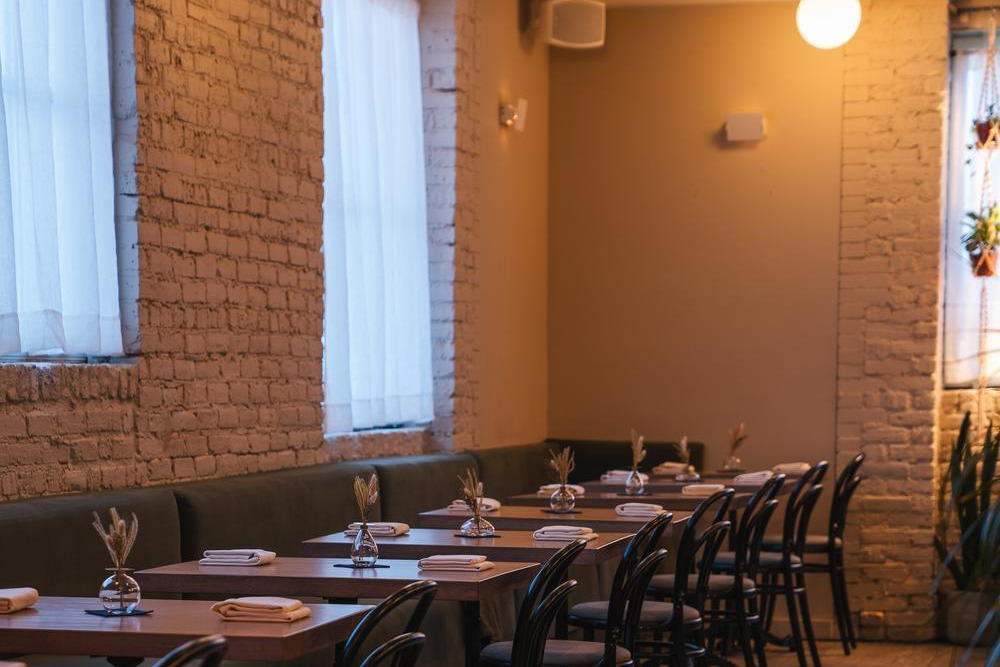


Details
- Cozy
- Intimate
- Trendy
- Date Night
- Casual Hangout
- Group Outing
- Seated Bar
- Lounge Seating
- Outdoor Terrace
- Conventional Wine
Current opening hours
- Monday
- Closed
- Tuesday
- 12–10 PM
- Wednesday
- 12–10 PM
- Thursday
- 12–10 PM
- Friday
- 12–11 PM
- Saturday
- 12–11 PM
- Sunday
- 12–7 PM
Hours can change for holidays and private events. Last verified .
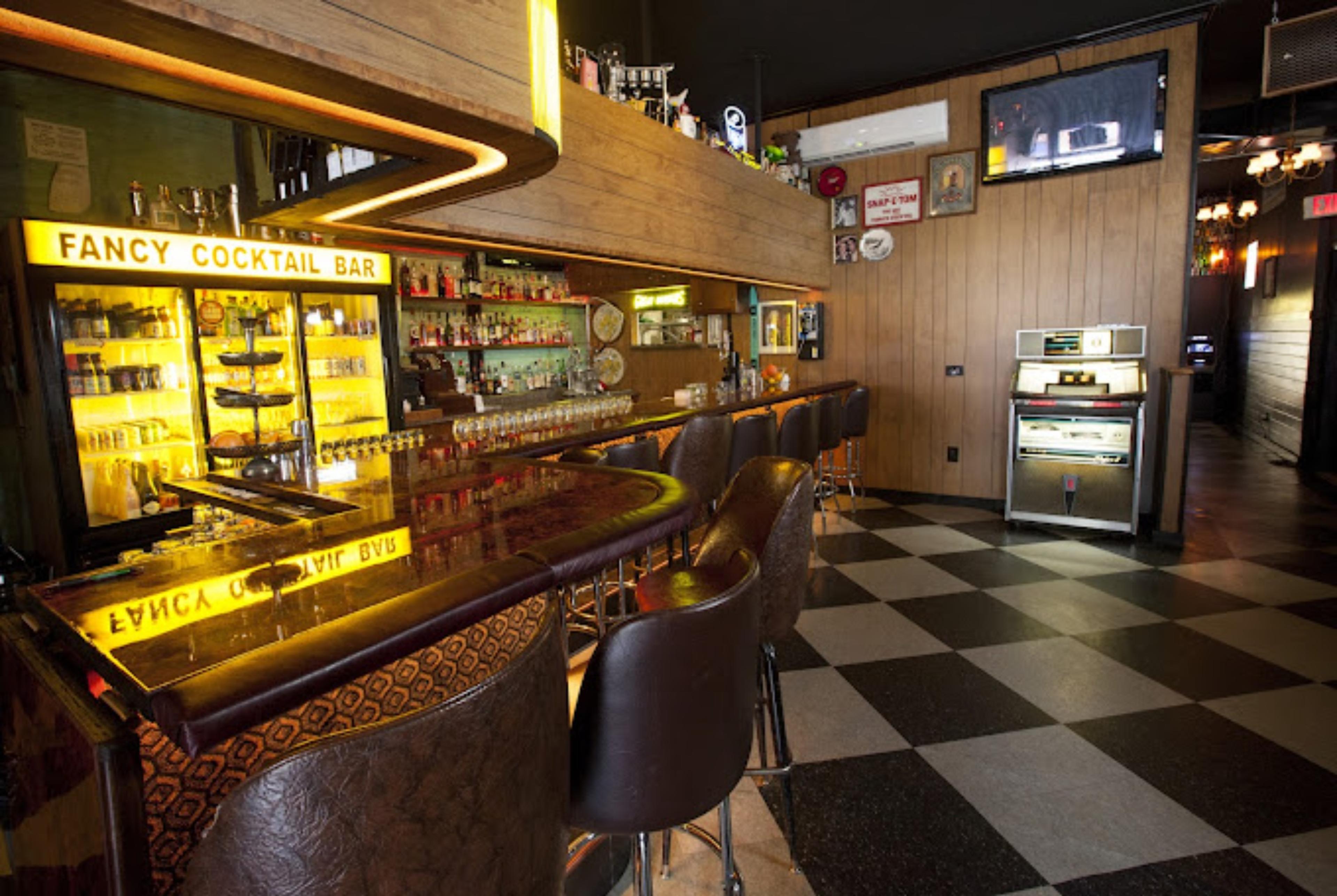
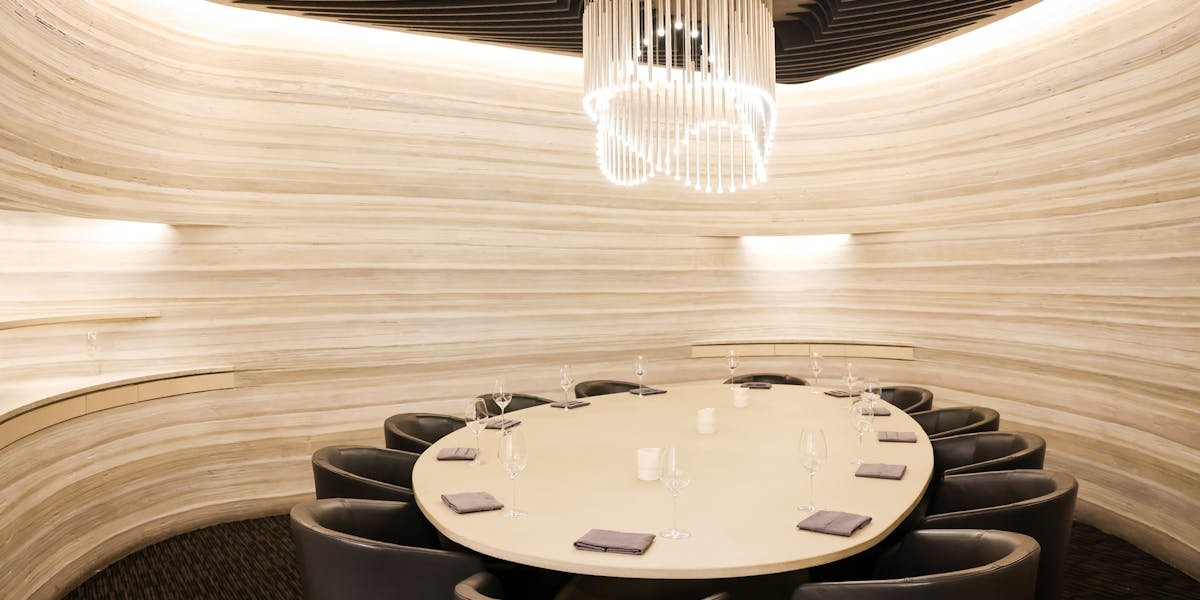
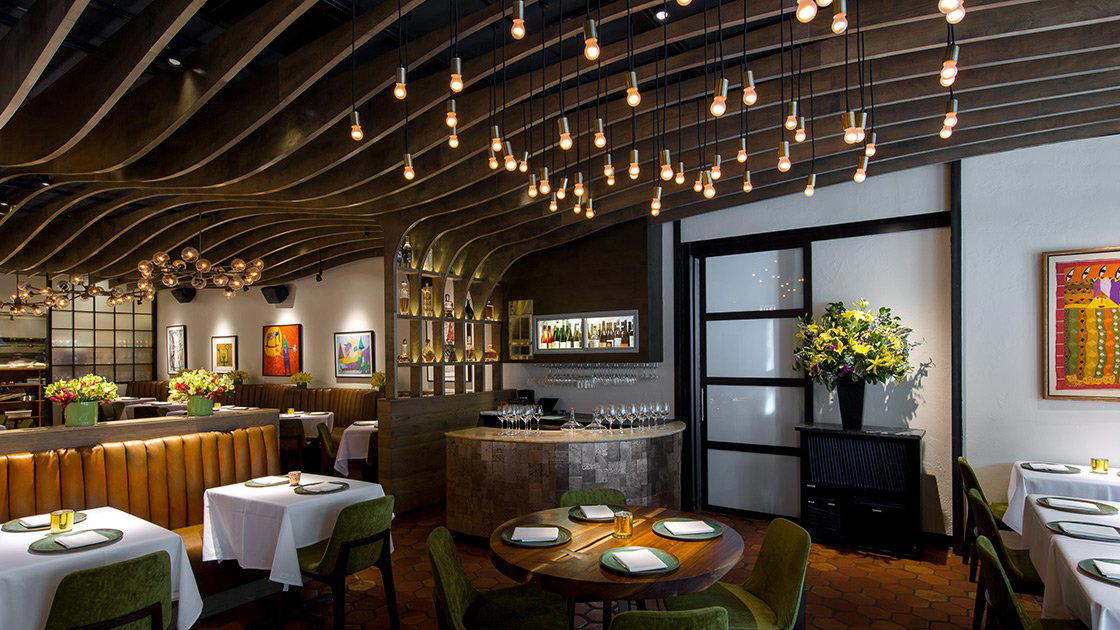
Cozy and inviting with warm decor, well-suited for relaxed socializing indoors or on the charming outdoor patio.