Tabelog Bronze #258
Our verdict
A ten-seat yakiniku counter in Osaka's Nishinari Ward, Masachan operates on a closed-membership basis: reservations require prior approval from the host, and walk-ins are not accepted. The restaurant has held a Tabelog Bronze Award consecutively from 2022 through 2026 and has appeared on the Tabelog Yakiniku WEST 100 list every year since 2019, placing it consistently among the most recognised yakiniku addresses in western Japan.

Pearl is the En Primeur Club membership app, where members save venues, book tables and use the concierge.
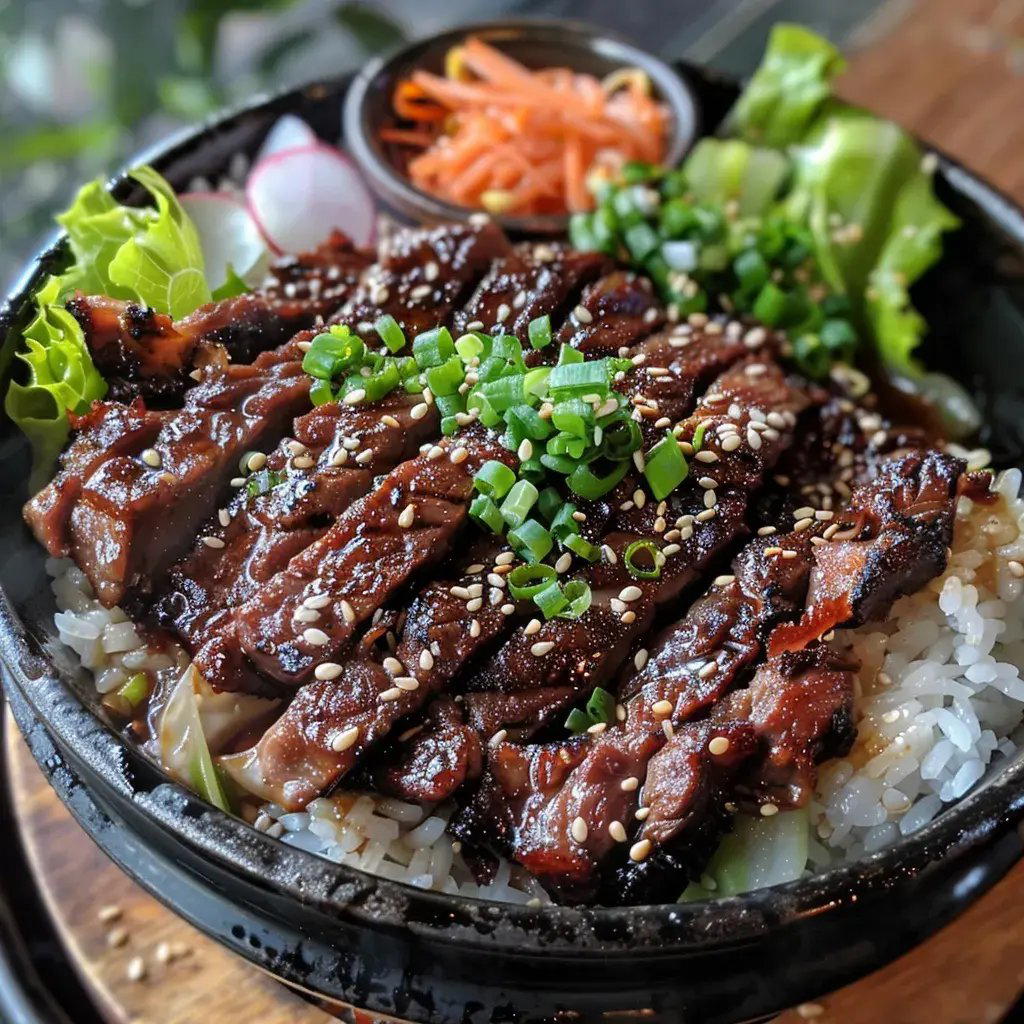
Osaka's yakiniku scene divides more sharply than visitors often expect. At one end sit the high-capacity, tourist-facing grills in Namba and Shinsaibashi, operating on quick turnover and accessible walk-in formats. At the other end sits a smaller, more opaque tier of counter-format specialists, where the number of seats is measured in single digits, access is controlled, and the recognition comes not from visibility but from sustained peer-review scores. Masachan belongs firmly to the second category.
A Counter With Conditions
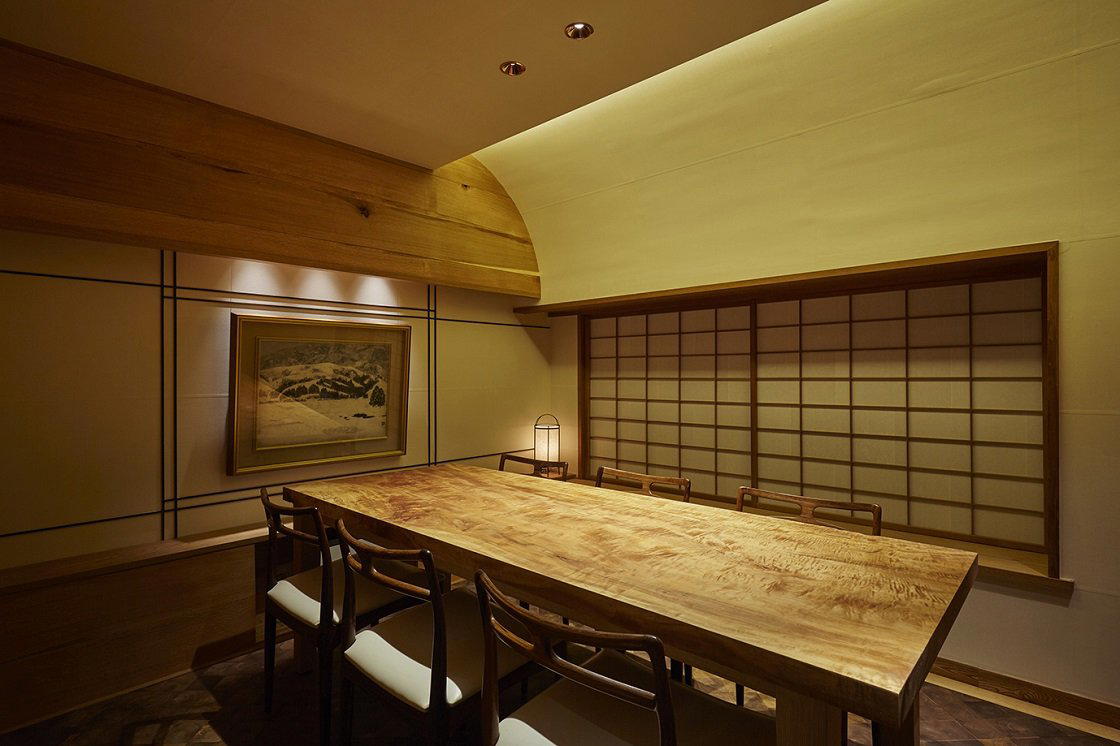
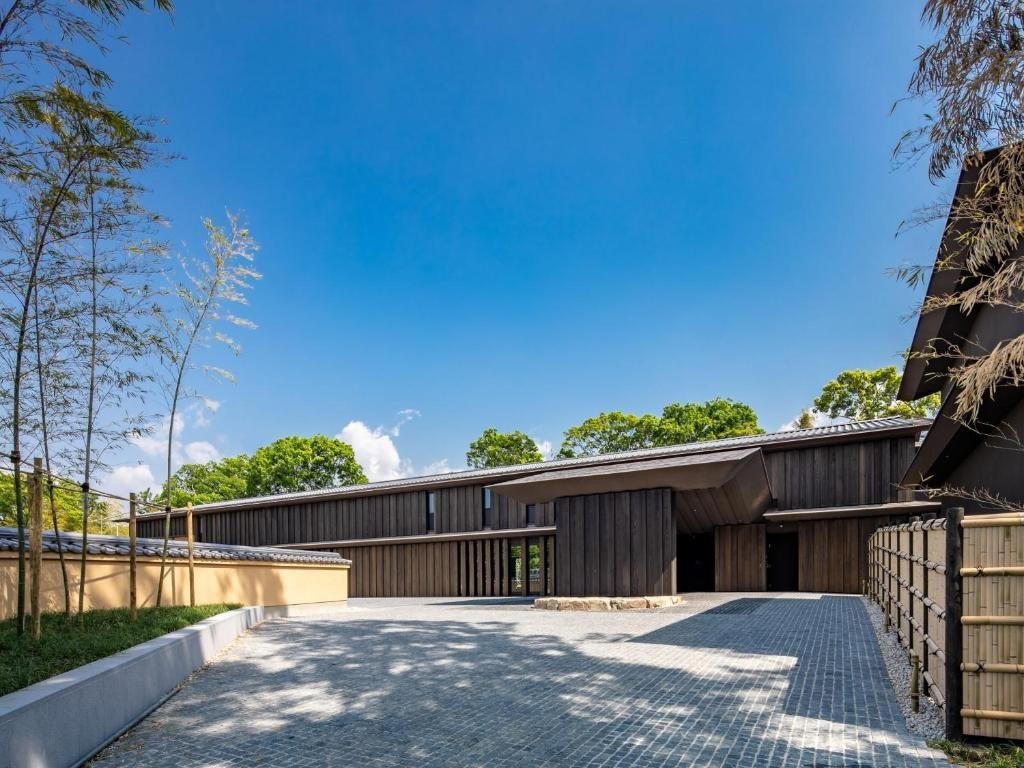
The physical setting in Nishinari Ward's Tsurumibashi neighbourhood is deliberately unassuming. Ten counter seats, all of them, constitute the entire dining room. There are no private rooms, no overflow tables, and no option to simply arrive and be seated. The entry condition is more unusual still: first-time visitors are not accepted. Reservations require prior approval from the host, and only customers who have been approved can make a booking at all. This is not a velvet-rope affectation. It is the operating logic of a small counter whose host has chosen to work with a known audience rather than an anonymous one.
That structure shapes the experience in ways that matter for occasion dining. When a ten-seat counter is populated entirely by guests who have each individually secured the host's approval, the atmosphere in the room is qualitatively different from a normal restaurant evening. There is a shared seriousness of purpose. Conversations tend to be quieter, attention tends to stay on the grill. The format functions less like a restaurant and more like a private dinner that happens to be organised around yakiniku.
The Yakiniku Counter Format in Osaka
Counter-format yakiniku, as distinct from the more common table-and-grill layout, has a particular tradition in the Kansai region. Osaka, with its historically strong beef culture and proximity to the Tajima cattle-producing areas of Hyogo Prefecture, has long supported a tier of small specialist operators whose focus is on premium cuts, precise heat management, and close interaction between grill and guest. The counter format concentrates that interaction. A ten-seat room means every guest is within arm's reach of the host, and the pacing of the meal is set collectively rather than table by table.
At the price point Masachan operates within, roughly JPY 6,000 to JPY 7,999 per head at dinner, the counter yakiniku category in Osaka sits significantly below the city's French and kaiseki fine-dining tier. For context, the tasting menus at HAJIME or La Cime operate at ¥¥¥¥ price levels. Kaiseki specialists like Kashiwaya Osaka Senriyama and Taian similarly price at ¥¥¥. Even Fujiya 1935 at its innovative end sits in the ¥¥¥¥ bracket. Masachan's dinner range positions it as a premium but accessible address within its specific category, where the ceiling is defined by meat quality and sourcing rather than by service architecture or room size.
Seven Years of Consecutive Recognition
The sustained award record is what separates Masachan from the broader population of small Osaka grills. A Tabelog score of 3.81 places it in a narrow band of restaurants whose peer-review consistency over time has earned institutional recognition from Japan's most widely used restaurant rating platform. Tabelog Bronze Awards have been granted consecutively from 2022 through 2026. The Tabelog Yakiniku WEST 100 designation, which identifies the hundred most recognised yakiniku addresses across western Japan, has been awarded every year from 2019 through 2025. That is seven consecutive years of category-specific recognition without a break.
In the context of Japanese restaurant awards, consistency of this kind carries more weight than a single high-scoring year. Tabelog's scoring aggregates thousands of user reviews over time, meaning a sustained 3.81 reflects not a lucky peak but a durable standard. For a ten-seat counter that closes entirely for two months of the year and accepts only pre-approved guests, maintaining that consistency across seven years of public scoring is a meaningful signal about the quality of the grill work and the meat selection.
Planning a Special Occasion Here
The closed-entry format makes Masachan an unusual choice for milestone or celebration dining, but not an inaccessible one. The occasion-dining logic that applies here is different from booking a private room at a kaiseki restaurant. There is no private room. What the format offers instead is something less easily arranged: a small, controlled environment where the host knows who is in the room and can, in theory, calibrate the evening accordingly. The ten-counter format also means that whatever happens in that room is not diluted across forty or sixty simultaneous covers.
For guests who have already been approved and are returning, the occasion reads as a known quantity. The host is familiar, the format is understood, and the ritual of the counter grill has a repeatability that suits anniversaries, quiet celebrations with close company, or any evening where the meal itself is the event rather than the setting.
One practical constraint for celebration planning: cash only. Credit cards, electronic money, and QR code payments are all declined. Dinner budgets in the JPY 6,000 to JPY 7,999 range mean a table of two requires roughly JPY 12,000 to JPY 16,000 in cash. The restaurant closes entirely in August and September, which eliminates those months for any forward planning. Tuesday through Saturday from 17:00 is the only operating window.
Getting There
Masachan sits in Nishinari Ward, accessible via the Osaka Metro Yotsubashi Line with a stop at Hanazono-cho. The Tsurumibashi neighbourhood is approximately 288 metres from Tsumori Station. Paid parking is available nearby, though the restaurant has no affiliation with any particular lot. Given Osaka's dense transit network, public transport is the practical choice for most visitors. Nishinari Ward is not a typical dining destination for international visitors, which adds a layer of neighbourhood authenticity to the address that the central-Osaka tourist circuit does not replicate.
How It Compares
| Venue | Format | Price Tier | Access | Seats |
|---|---|---|---|---|
| Masachan | Yakiniku counter | ¥¥ (dinner ~JPY 6,000–7,999) | Pre-approval required | 10 |
| Taian | Kaiseki | ¥¥¥ | Reservation | N/A |
| Kashiwaya Osaka Senriyama | Japanese kaiseki | ¥¥¥ | Reservation | N/A |
| HAJIME | French innovative | ¥¥¥¥ | Reservation | N/A |
| La Cime | French | ¥¥¥¥ | Reservation | N/A |
Broader Context: Small Counters Across Japan
The operating model at Masachan has parallels elsewhere in Japan's premium dining tier. Harutaka in Tokyo operates a similarly limited counter with controlled access in the sushi category. Gion Sasaki in Kyoto represents the kaiseki equivalent of this format discipline. Further afield, Goh in Fukuoka and akordu in Nara each demonstrate how small-capacity, high-conviction formats have spread across Japanese regional dining cities. Even internationally, the logic resonates: Atomix in New York City and Le Bernardin operate at different scales but share the same premise that limiting access is a prerequisite for quality control. Closer to Osaka, 1000 in Yokohama and 6 in Okinawa extend that pattern across Japan's secondary cities.
What distinguishes Masachan within this broader map is the specific combination of category (yakiniku, not sushi or kaiseki), neighbourhood (Nishinari Ward, not a high-profile dining district), price point (mid-range for Osaka's premium tier), and access model (host approval rather than simple reservation). That combination is uncommon enough that seven consecutive years of Tabelog category recognition carries real weight as external validation.
Planning Details
Reservations require prior approval. Walk-ins are not accepted and first-time visitors cannot book without an existing relationship with the host. The restaurant operates Tuesday to Saturday from 17:00 and closes entirely in August and September. Cash only: no credit cards, electronic money, or QR payments. All ten seats are counter-facing. Smoking is permitted. For a full picture of Osaka's dining options across formats and price tiers, see our full Osaka restaurants guide, as well as our Osaka hotels guide, Osaka bars guide, Osaka wineries guide, and Osaka experiences guide.
Frequently asked questions
What time does Masachan open and close?
Hours at Masachan: ■Business hoursTuesday - SaturdayFrom 17:00 onwardsClosed in August and September.■Closed onSundays, Mondays, and during August and September.
Where is Masachan located?
Masachan is located at Japan, 〒556-0011 Osaka, Naniwa Ward, Nanbanaka, 1 Chome−11−11 マルエスビル 1F, Osaka.
Is Masachan award-winning?
Masachan has received recognition including:
What dish is Masachan famous for?
Masachan is categorised as yakiniku (Japanese BBQ), a format built around grilling premium beef cuts at a 10-seat counter. No specific signature dish is documented in the available record, but the venue has held consecutive Tabelog Yakiniku WEST Top 100 status every year from 2019 through 2025, which points to consistent execution across the format rather than a single standout item. Dinner averages ¥6,000–¥7,999 per person.
Cuisine Context
Comparable venues nearby, for context on price, style, and recognition.
| Venue | Cuisine | Price | Awards | Notes |
|---|---|---|---|---|
| MasachanThis venue (the venue you are viewing) | Traditional Japanese Izakaya | $20–30 | Tabelog Bronze #258 | Not listed |
| Konamon Dokoro Mitsukuni Ura nanba ten | Premium Okonomiyaki & Creative Monjayaki | $30–50 | Tabelog 100 #28 | Chūō |
| OXYMORON Kitahama | Japanese Curry Cafe | Not listed | Tabelog 100 #8 | Chūō |
| Yaogen Raikodo Honten | Japanese Traditional Sweets (Wagashi) | $10–20 | Tabelog 100 #19 | Sakai |
| Raa Menya Harinezumi | Japanese Ramen | $10–20 | Tabelog 100 #90 | Takatsuki |
| Touhichi | Chicken Shoyu Ramen | $10–20 | Michelin Bib Gourmand · Tabelog 100 #76 | Shugakuin |
Recognition history
Dated appearances from independent guides and award organizations, with the underlying list record or original source where available.
Tabelog Bronze #258
Tabelog
Full recognition history (3 entries)
Tabelog Bronze
Tabelog
Tabelog 100 #50 · No. 50
Tabelog · Tabelog 100 - Yakiniku - WEST - 2025