On Georgstraße in central Hanover, Masa occupies a position in a city whose fine dining scene is smaller but more deliberate than its size might suggest. The address places it among a cluster of restaurants that take their craft seriously, and the name itself signals a cultural ambition worth investigating before you book.
Pearl is the En Primeur Club membership app — saves, bookings, and concierge access live there. Same editors, same standards.
- Address
- Georgstraße 50B, 30159 Hannover, Germany
- Phone
- +495113530793
- Website
- masa-hannover.de
- Directions
- Get directions
 Saves & bookings on Pearl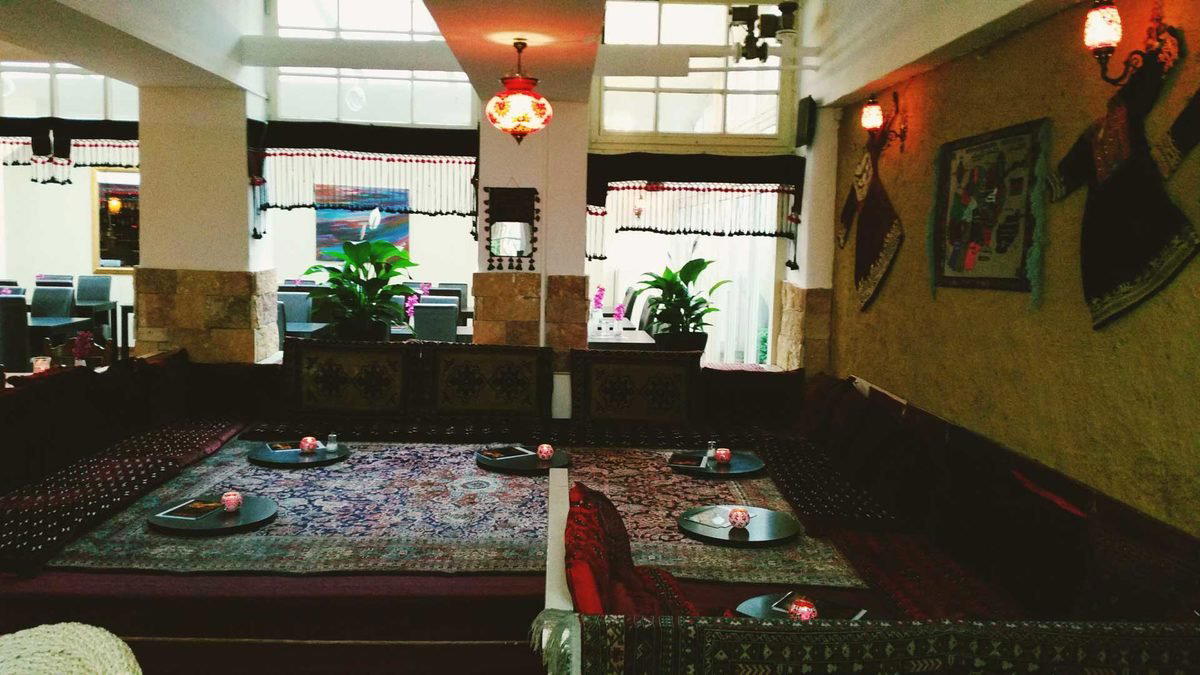
Hanover's Fine Dining Context
Masa is an Afghan restaurant at Georgstraße 50B, 30159 Hannover, Germany. That distinction tends to go to Berlin, Munich, or Hamburg, cities with larger media profiles and denser concentrations of recognized restaurants. Yet the city's dining scene has developed a quiet coherence over the past decade, producing a set of addresses that operate with the precision and intentionality more commonly associated with those larger markets. Jante and Votum anchor the creative end of the spectrum, while Handwerk has carved out a position in the modern cuisine tier. Against that backdrop, Masa on Georgstraße 50B sits in a city that rewards the traveller willing to look past the obvious.
The Georgstraße address is central by any measure, placing Masa within easy reach of the Hauptbahnhof and the commercial core of the old city. This matters in a practical sense: Hanover is frequently a transit city for business travellers moving between northern and central Germany, and a well-placed restaurant on a main artery is accessible without the detour that some of the city's more residential addresses require. The surrounding block mixes retail with hospitality, which tends to produce foot traffic that sustains a restaurant through quieter midweek periods.
A Name as Cultural Signal
In a German city context, a restaurant named Masa carries an immediate cultural weight. The word appears across several culinary traditions: in Japanese cooking, masa denotes the foundational ingredient of mochi and certain wagashi preparations; in Mexican and Central American traditions, masa is the nixtamalized corn dough from which tortillas, tamales, and countless other preparations are made. Either reading implies a kitchen that takes a base ingredient seriously, one that understands how foundational technique shapes everything built on top of it.
This kind of naming choice is not accidental in contemporary European dining. German restaurants that draw on non-European culinary traditions have multiplied significantly since 2015, and the more considered among them tend to signal their orientation through nomenclature before a menu is ever opened. Hanover's dining scene has followed this pattern, with restaurants like Marie anchoring French tradition while newer addresses push into less charted territory.
Where It Sits in the German Dining Hierarchy
Germany's recognized fine dining circuit runs from the multi-starred addresses in Baiersbronn, where Schwarzwaldstube has long defined classical German luxury cooking, through to the more experimental formats emerging in Berlin, where CODA Dessert Dining has built an international following around a dessert-first concept. Between those poles sits a middle tier of serious restaurants in secondary cities, operating without the full infrastructure of press attention and international visitor traffic that Berlin or Munich generate automatically.
Hanover belongs to that middle tier. Restaurants here must build their reputations through local loyalty and regional word of mouth, which tends to produce a more grounded kind of seriousness than the media-facing posturing visible in capital-city dining. Peer addresses in comparable German cities include Aqua in Wolfsburg, which has demonstrated that a deeply recognized restaurant can sustain itself outside the major urban centres, and Schanz in Piesport, which has done the same in an even smaller market. Masa operates in this tradition of regional ambition.
At the French-influenced end of European fine dining, Hanover has Albertz. and the established Marie holding the more classical positions. Nationally, the conversation about French technique applied to German ingredients runs through addresses like Vendôme in Bergisch Gladbach and Victor's Fine Dining by Christian Bau in Perl. Masa, whatever its specific orientation, enters a city where the competitive set is defined and the available niches are identifiable.
Cultural Roots and the Cooking Tradition at Stake
Particularly interesting restaurants in any mid-sized German city tend to succeed by doing one of two things: either they execute a specific non-German culinary tradition with genuine depth, drawing on sourcing relationships and technical training that go beyond surface-level adoption, or they apply classical European technique to local ingredients with enough rigour to make the regional argument convincing. Both paths require a clarity of cultural position that the name Masa at least gestures toward.
Japanese-influenced fine dining has spread through Germany's major cities, with Hamburg providing a useful comparison point through addresses like Restaurant Haerlin, which has incorporated Japanese technique into its broader European framework. At the other end of the spectrum, the Korean-influenced model visible internationally at Atomix in New York City or the seafood-driven seriousness of Le Bernardin represent the kind of cultural commitment that distinguishes a restaurant with genuine culinary roots from one with thematic decoration. The question Masa poses is where on that spectrum it positions itself.
For comparison within Germany's more eclectic fine dining addresses, JAN in Munich and ES:SENZ in Grassau both operate in territory where European classicism and broader influences coexist, and Waldhotel Sonnora in Dreis represents the anchor of tradition that newer restaurants must situate themselves against. Masa's position in that conversation is one of the things worth investigating firsthand.
Planning a Visit
Masa is located at Georgstraße 50B, 30159 Hannover, centrally positioned and walkable from the main station. Hanover's dining scene is compact enough that an evening could combine a pre-dinner drink at one of the city's established bars with dinner at Masa and still feel unhurried. The restaurant is recommended for reservations, serves a casual dress code, and is open Monday to Thursday from 12 to 11 PM, Friday from 12 PM to 12:30 AM, Saturday from 12 PM to 1 AM, and closed on Sunday. This applies particularly to travellers building a multi-restaurant itinerary across northern Germany, where confirming operational details in advance avoids the frustration of a closed door on an otherwise well-planned trip.
How It Stacks Up
Comparable venues nearby, for context on price, style, and recognition.
| Venue | Cuisine | Price | Notes |
|---|---|---|---|
| MasaThis venue — the venue you are viewing | Afghan | $$ | Not listed |
| Layalina | Lebanese | $$ | Old Town |
| Cham | Polished Vegan Vietnamese-Asian | $$ | List / Oststadt |
| KAZUMI Sushi Manufaktur | Modern Sushi | $$ | Oststadt |
| Stadtmauer am Lister Platz | Modern German Crossover | $$ | List |
| La Casa | Spanish Tapas | $$ | List |
Continue exploring
More in Hanover
Restaurants in Hanover
Browse all →
Bars in Hanover
Browse all →
Hotels in Hanover
Browse all →

At a Glance
- Cozy
- Intimate
- Group Dining
- Casual Hangout
Current opening hours
- Monday
- 12–11 PM
- Tuesday
- 12–11 PM
- Wednesday
- 12–11 PM
- Thursday
- 12–11 PM
- Friday
- 12 PM–12:30 AM
- Saturday
- 12 PM–1 AM
- Sunday
- Closed
Hours can change for holidays and private events. Last verified .
Laid-back and intimate atmosphere with traditional floor seating options for sharing dishes.