
Tabelog 100 #81
Our verdict
Marumasara puts Yokohama curry into a compact, low-price format with serious recognition behind it: Tabelog Curry EAST 100 selection in 2023 and 2024, a 3.70 score, and a lunch budget in the JPY 1,000 to JPY 1,999 range. The appeal is not luxury positioning, but the tighter, more personal end of Japan’s curry culture, where room, spice, and tempo matter as much as scale.

Pearl is the En Primeur Club membership app, where members save venues, book tables and use the concierge.
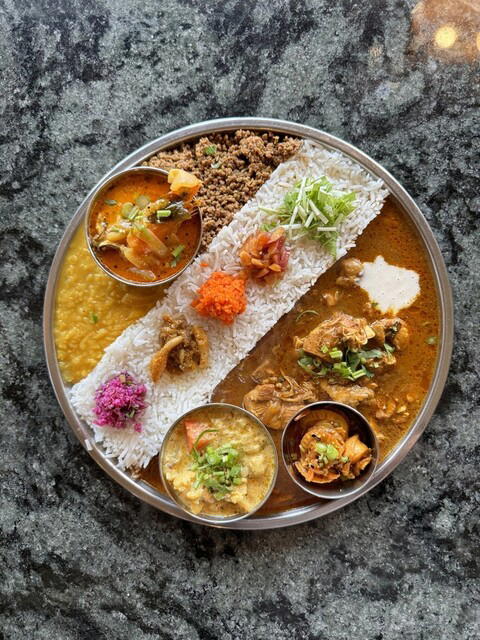
Yokohama does not need to announce every good meal with waterfront polish or port-city theatre. Its pleasure is often smaller and urban: compact rooms, narrow approaches, restaurants discovered through repetition rather than ceremony. Here, curry gains a different charge. It is not simply hotel dining-room curry, department-store lunch, or a late-night chain bowl. It belongs to Yokohama’s compact independent tier, where modest spend and a focused format can say more about local taste than a long menu.
Marumasara sits in that tier with useful credentials. Tabelog Hyakumeiten recognition for curry in 2024 places it in a regional conversation, not just a local one, and a 3.70 Tabelog score is meaningful in Japan’s cautious rating culture. The format reads as modest and focused rather than expansive. That scale matters editorially. Curry at this level depends on timing, aroma, and control; the experience is closer to a specialist meal than a casual cafeteria.
Yokohama curry, seen through a compact room
Japan’s curry scene has long separated into tracks: everyday curry rice, fast and democratic; European-style curry with roux-driven polish; soup curry, often discussed as its own regional style; and the newer spice-curry movement, which treats aromatics, texture, and plating with more individual intent. Yokohama adds another layer. As a port city with a long history of foreign trade and layered foodways, it has always been more porous than its postcard image suggests. Curry here can carry that movement without declaring a grand theory.
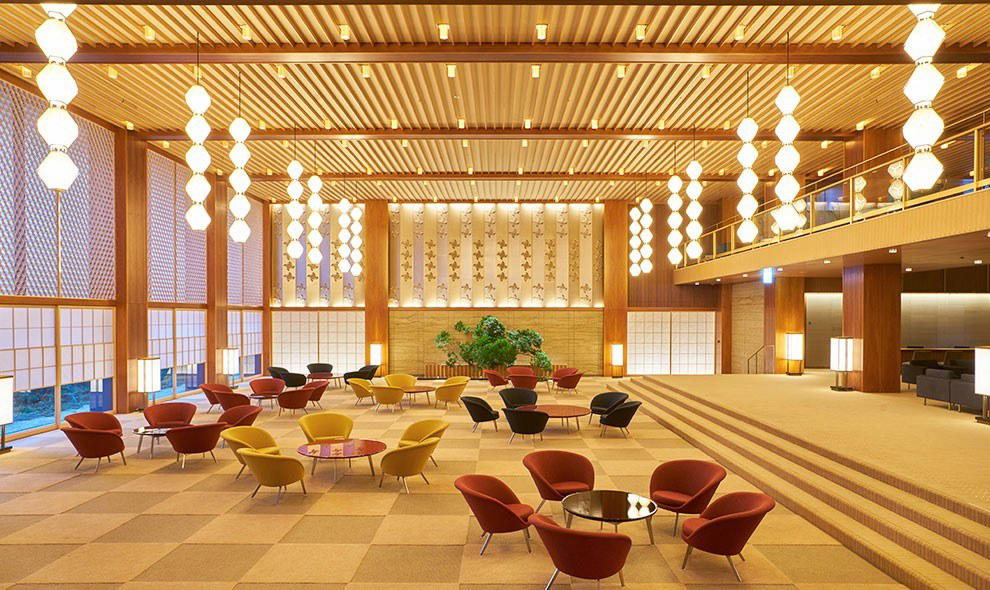
The room’s independent-restaurant character is part of the point. Curry shops often live or die by sensory compression: the smell before the plate arrives, the sound of a small service, proximity, the quick shift from waiting to eating. Marumasara’s appeal sits in that focused register, where spice and cooking aromas define the experience more than décor or ceremony. The in-room format is the stronger editorial proposition because curry is among the cuisines most affected by temperature, texture, and pace.
The price signal is important. A JPY 1,000 to JPY 1,999 range puts the restaurant in a category where Yokohama diners are not paying for ceremony. They are paying for focus. That differs from more expensive specialists, and changes how to read the acclaim. Recognition from Tabelog’s curry-focused Hyakumeiten listings does not make the meal luxury dining; it marks a modest-format shop that has earned attention in a crowded category.
Recognition without fine-dining theatre
Tabelog Hyakumeiten recognition for curry is the main trust signal, and should be read correctly. This is not a Michelin-style tasting-menu credential. It is a category-specific marker in a country where user-driven restaurant culture has unusual influence and high scores often cluster below what international diners expect. A 3.70 score has weight because Japanese review platforms grade conservatively, especially outside high-profile omakase and kaiseki categories.
That context separates Marumasara from Yokohama restaurants with different purposes. A visitor building a broader eating day might choose other Yokohama dining rooms for grilled dishes, cafés, local staples, or a different casual register, while keeping Marumasara for a curry-led meal. None makes the choice automatic; they clarify it. The right meal depends on whether the day calls for spice-led lunch, a regional classic, or a broader crawl through the city’s dining scene.
Nearby comparison venues underline the point. Menya Sakigakeboshi and Bunmeidou Sakan Ru Cafe sit in the same wider Yokohama conversation, while Hetchikan Fukutomichou honten, Chrysler, and Ribatei point to different ways of reading local value and format. Marumasara’s value sits between everyday affordability and specialist recognition, which is why the category matters. It is not mimicking formal dining. It uses a focused curry identity and award-list visibility to compete on concentration rather than breadth.
How to place it in a Yokohama day
The rhythm is best treated as practical and meal-led rather than ceremonial. Plan around the listed JPY 1,000 to JPY 1,999 spend and the fact that this is a focused Yokohama curry stop, not a long-form fine-dining appointment. For travellers building a tight itinerary, the sensible approach is to confirm current operating details directly before going and to avoid assuming the conventions of a larger restaurant.
The location should be understood simply as Yokohama, a useful base for eating across the city without committing every meal to the waterfront circuit. The appeal is not a landmark address but the way a compact curry restaurant can become a clear anchor in a day of local dining. That matters because many small specialist restaurants in Japan are best approached with flexibility, patience, and an appetite for a narrow thing done with confidence.
For a wider itinerary, use Our full Yokohama restaurants guide to connect curry with the city’s other dining threads, then layer in Our full Yokohama hotels guide, Our full Yokohama bars guide, Our full Yokohama wineries guide, and Our full Yokohama experiences guide if the day extends beyond lunch. Travellers comparing regional Japanese formats can also read across other casual restaurants and specialist counters in Japan and abroad. The pattern is clear: Japan’s casual formats travel well in name, but the strongest versions are shaped by room size, local rhythm, and the discipline of doing a narrow thing with confidence.
Frequently asked questions
What's the price range at Marumasara?
Pricing at Marumasara is listed as JPY 1,000 - JPY 1,999.
Where exactly is Marumasara?
Yokohama.
How hard is it to get a table at Marumasara?
Marumasara is a focused Yokohama curry restaurant, so it is best approached with current details confirmed directly before visiting rather than assuming the conventions of a larger restaurant.
What is Marumasara known for?
Marumasara is known for curry in Yokohama and for Tabelog Hyakumeiten recognition for curry in 2024.
Fast Comparison
Comparable options at the same price tier.
| Venue | Cuisine | Price | Awards | Notes |
|---|---|---|---|---|
| MarumasaraThis venue (the venue you are viewing) | Spice Curry | $10–20 | Tabelog 100 #81 | Not listed |
| Spice Corner Benzie | South Indian & Nepalese Curry House | $20–30 | Tabelog 100 #7 | Nishi |
| INDU | Ayurvedic South Indian with Indian & natural wines | $30–50 | Tabelog 100 #36 | Naka |
| Ajowan | Indian-style Clay Pot Curry House | $10–20 | Tabelog 100 #37 | Tsuzuki |
| BAKE ROOM | Western-style baked sweets shop | $20–30 | Tabelog 100 #63 | Naka |
| Sumire Yokohama ten | Hokkaido-Style Miso Ramen | $10–20 | Tabelog 100 #63 | Naka |
Recognition history
Dated appearances from independent guides and award organizations, with the underlying list record or original source where available.
Tabelog 100 #81 · No. 81
Tabelog · Tabelog 100 - Curry - EAST - 2024
Continue exploring
More in Yokohama
Restaurants in Yokohama
All restaurants in Yokohama →




Bars in Yokohama
Browse all →





Details
- Cozy
- Rustic
- Trendy
- Family
- Solo
- Casual Hangout
- Standalone
- Design Destination
- Beer Program
- Sake Program
- Street Scene
- Set Menu
- A La Carte
- Wine
- Shochu
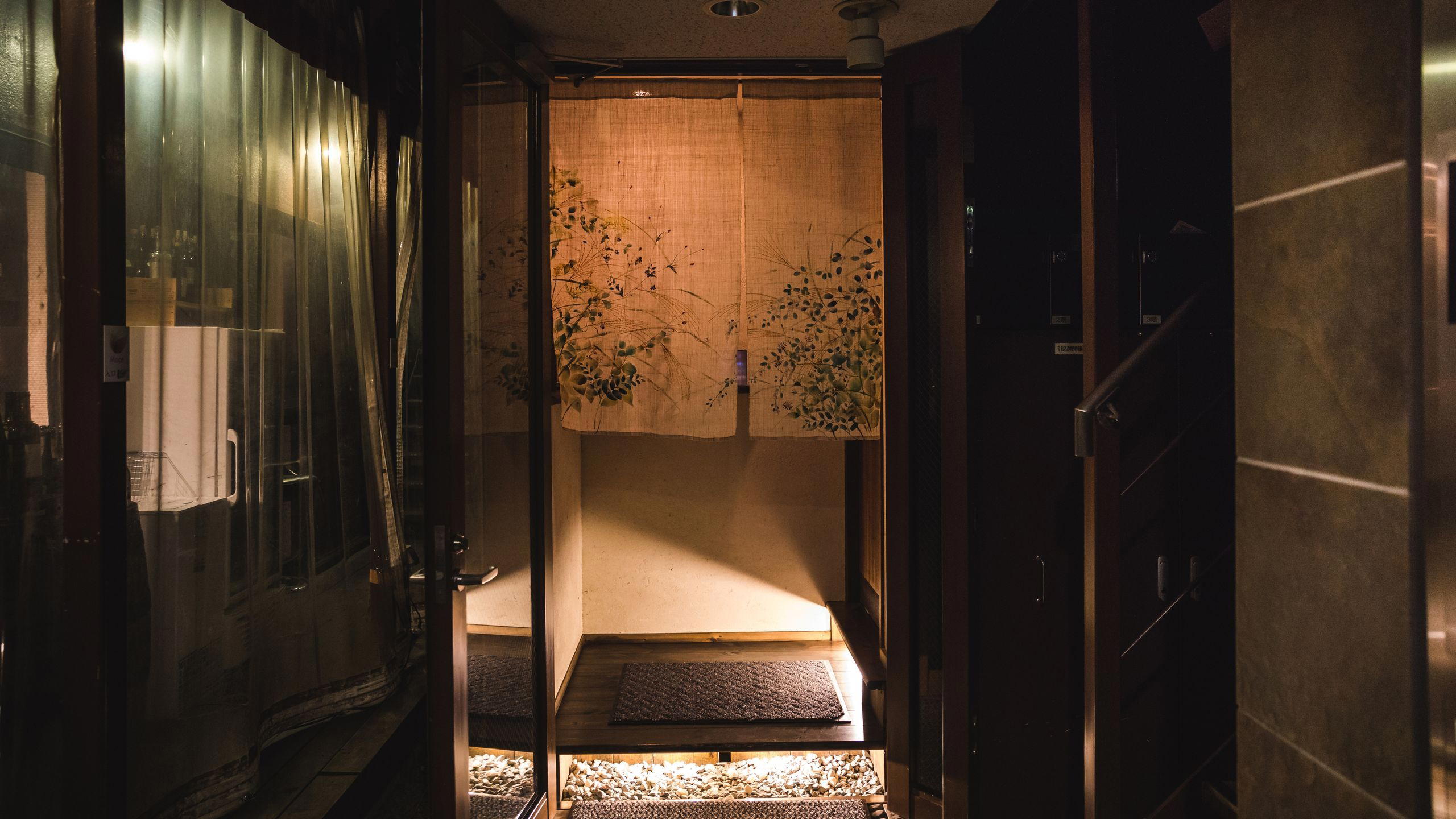
Stylish and relaxing, with an interior designed to resemble a charming old house in the countryside and a hideout-like atmosphere.