
Tabelog 100 #63
Our verdict
BAKE ROOM belongs to Yokohama’s small-format sweets culture rather than the city’s hotel-patisserie circuit. Its Tabelog 100 Sweets EAST 2023 selection, two-seat counter format, take-out service and Western-style sweets category put it in a precise niche: compact, disciplined, and better understood as a specialist stop within Kannai and Yoshidamachi than as a conventional café.

Pearl is the En Primeur Club membership app, where members save venues, book tables and use the concierge.
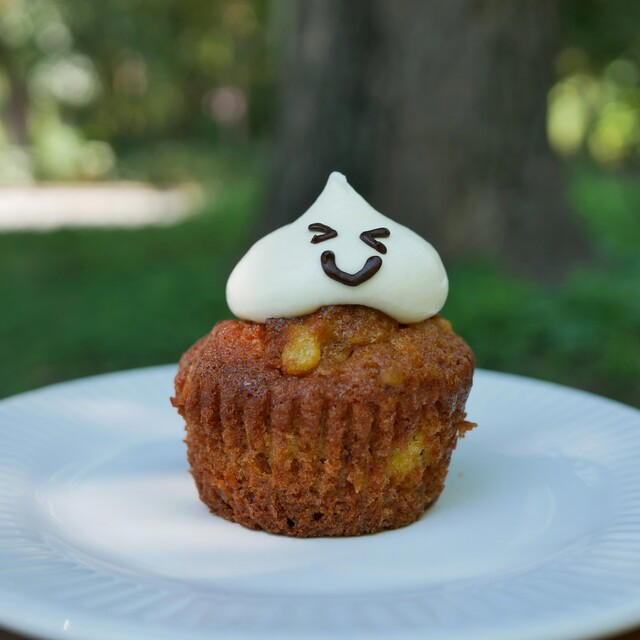
Yoshidamachi sits between Yokohama’s office rhythm and its after-dark drinking districts, a useful setting for a sweets counter that works on a smaller scale than the city’s grand hotel lounges or department-store pastry cases. The room is built around counter seating and take-out, so the experience reads closer to a specialist atelier than a leisurely café. In Yokohama, where Chinatown, Noge, Kannai and the waterfront each pull dining in different directions, that restraint matters: sweets here are not an accessory to tea service, but the entire point of the visit.
BAKE ROOM’s place in the city is sharpened by its Tabelog 100 Sweets EAST 2023 selection, a recognition that places it within a broader eastern Japan sweets conversation rather than only a local Yokohama one. The score attached to its listing, 3.67, is another useful signal in Japan’s review culture, where small differences can carry weight in specialist categories. The format is compact even by Japanese standards, and that changes the reader’s expectations. This is not the Yokohama of banquet dining, skyline hotel restaurants or broad à la carte choice. It is the Yokohama of narrow rooms, exact categories and customers who plan around limited access.
Western-style sweets in a city better known for port dining
Yokohama’s food identity is often discussed through import routes: Chinese cooking in Chinatown, Western dining tied to the port, coffeehouse culture, postwar bar streets and a strong appetite for casual specialist shops. Western-style sweets fit that history neatly. They carry the imprint of European pastry technique, but in Japan they are often sold through a tighter, more controlled format than the grand pâtisseries of Paris or hotel counters in Tokyo. The appeal is partly technical and partly logistical: customers are choosing a focused category, a narrow production window and a shop whose scale forces selectivity.
That is why the recognition matters more than any sweeping adjective. The Tabelog 100 Sweets EAST 2023 list is category-specific, and category specificity is useful in Japan. It separates a sweets specialist from a restaurant that happens to finish well, a café with desserts, or a bakery built around daily bread. The relevant comparison is not with Yokohama’s ramen or yakitori counters, but with other tightly defined formats where the operation has to be legible immediately. A reader moving through the city can see that same specialization in restaurants such as 1000 (Yakitori (Grilled chicken skewers)), Aichun, Ajowan and Alpenjiro Honten, where the city’s dining range is defined by narrow competence rather than broad menus.
A counter-scale operation where the team is the format
The assigned drama here is not a named chef biography or a sommelier-led dining room. It is the way a small sweets operation compresses production, service and guest management into a compact team dynamic. In a two-seat counter setting, front-of-house cannot hide behind architecture, and the kitchen cannot rely on the anonymity of volume. The exchange between making, presenting and handing over becomes the format. For a sweets shop, that can be more revealing than a long menu: timing, packaging, counter flow and customer pacing have to work together.
This is where BAKE ROOM differs from Yokohama’s more socially expansive drinking and dining culture. Noge’s small bars, for example, often reward lingering; comparison venues such as Noge Highball and Hoppy Sennin belong to a different kind of compactness, one organized around alcohol, repetition and counter conversation. A sweets counter runs on another clock. The visit is shorter, the decision set narrower, and the quality signals are more exposed because the category gives fewer distractions. Compared with low-priced everyday stops such as Menya Sakigakeboshi or Hetchikan Fukutomichou honten, this is a higher-spend sweets bracket, but not a luxury restaurant proposition. It is a precision purchase.
The wider Yokohama map helps explain the appeal. Kannai and Yoshidamachi are practical bases for eating across categories, and readers planning a full day can move from sweets to neighborhood dining without treating dessert as an afterthought. For broader context, Our full Yokohama restaurants guide gives the city’s range, while Our full Yokohama hotels guide, Our full Yokohama bars guide, Our full Yokohama wineries guide and Our full Yokohama experiences guide place the stop inside a wider itinerary. Nearby and regional eating references also matter: Anzen Shokudo shows a different casual register, while -Grilled beef Sukiyaki- KAMAKURA TANUKIAN 鎌倉 たぬき庵 in Kamakura points south toward a more formal day-trip meal.
How to read the BAKE ROOM signal
The useful way to read this address is through discipline, not spectacle. The category is Western-style sweets; the service model includes take-out; the room is counter-led; the recognition comes from a sweets-specific Tabelog list. Those facts put BAKE ROOM in a narrow competitive lane, and that lane is increasingly important in Japanese city dining. Serious travelers are not only chasing long tasting menus. They are also tracing the specialist shops that define how locals allocate attention: a curry counter here, a cake shop there, a bar after dinner, each judged within its own code.
That same logic extends beyond Yokohama. The national and international spread of Japanese and Japan-adjacent formats can be seen through addresses as different as. 鮪と炭火焼き うお炭 秋葉原店 in Tokyo.cafe in Osaka.know in Kumamoto, (Shoku) Vietnam in Kawasaki, [Curry Senmon Ten] Maruyama Kyoju. in Sapporo, Jōdo Saké Bar in Los Angeles and Onigiri Time in Pasadena. The common thread is not cuisine type, but focus. BAKE ROOM belongs in that reading of dining: a small, category-driven operation where scale, recognition and format tell the story before any invented mythology is needed.
Frequently asked questions
How do I find BAKE ROOM?
BAKE ROOM is located in Yokohama.
What price level is BAKE ROOM?
Pricing at BAKE ROOM is listed as JPY 3,000 - JPY 3,999 View spending breakdown.
Do I need a reservation for BAKE ROOM?
Reservations are available, which matters at a two-seat counter on 吉田町6-2 in Yokohama. The Tabelog Sweets EAST 100 selection for 2023 points to a small-format operation where planning ahead is sensible.
What do critics highlight about BAKE ROOM?
The clearest signal is the 2023 Tabelog Sweets EAST 100 selection, paired with a two-seat counter and take-out service. In practical terms, that reads as a tightly run sweets address in Yokohama rather than a large dining room.
Can BAKE ROOM adjust for dietary needs?
The public record only confirms Western-style sweets, take-out service, and payment limits, not dietary tailoring. With a price band of JPY 3,000–JPY 3,999 and a compact two-seat format, the safest approach is to ask before ordering. Check the venue's official channels for the latest details.
A Tight Comparison
Comparable venues at the same tier for side-by-side context.
| Venue | Cuisine | Price | Awards | Notes |
|---|---|---|---|---|
| BAKE ROOMThis venue (the venue you are viewing) | Western-style baked sweets shop | $20–30 | Tabelog 100 #63 | Not listed |
| Hetchikan Fukutomichou honten | Ramen & Japanese Sake Bar | $20–30 | Tabelog 100 #91 | JPY 2,000 - JPY 2,999 JPY 1,000 - JPY 1,999 |
| Menya Sakigakeboshi | Modern Ramen with White Truffle Oil | $10–20 | Tabelog 100 #94 | JPY 999 - JPY 999 |
| Ribatei | Traditional Yakitori Omakase | $50–100 | Tabelog Bronze #368 | Not listed |
| Noge Highball | Japanese Highball Bar | $20–30 | Tabelog 100 #32 | JPY 2,000 - JPY 2,999 View spending breakdown |
| Hoppy Sennin | Traditional Japanese Hoppy bar | $10–20 | Tabelog 100 #85 | JPY 1,000 - JPY 1,999 |
Recognition history
Dated appearances from independent guides and award organizations, with the underlying list record or original source where available.
Tabelog 100 #63 · No. 63
Tabelog · Tabelog 100 - Sweets - EAST - 2023
Continue exploring
More in Yokohama
Restaurants in Yokohama
All restaurants in Yokohama →



Bars in Yokohama
Browse all →

Details
- Cozy
- Quiet
- Minimalist
- Intimate
- Solo
- Casual Hangout
- After Work
- Standalone
- Design Destination
- Street Scene
- A La Carte
- Counter Dining
A small, non-smoking counter-only sweets shop with just two seats, likely quiet and minimalist, feeling like a hidden neighborhood bakery rather than a full café; its limited hours and modest space create an intimate, almost elusive atmosphere.