Marktamt occupies a spot on Brusattiplatz in the centre of Baden bei Wien, a spa town whose café culture and Biedermeier heritage set a specific register for how food and leisure intersect here. The address places it within easy reach of Baden's main dining corridor, where establishments range from casino-adjacent fine dining to neighbourhood Gasthäuser. It belongs to a mid-range local scene that rewards visitors willing to look beyond the thermal resort circuit.
Pearl is the En Primeur Club membership app — saves, bookings, and concierge access live there. Same editors, same standards.
- Address
- Brusattipl. 5, 2500 Baden, Austria
- Phone
- +432252256930
- Website
- marktamt.at
- Directions
- Get directions
 Saves & bookings on Pearl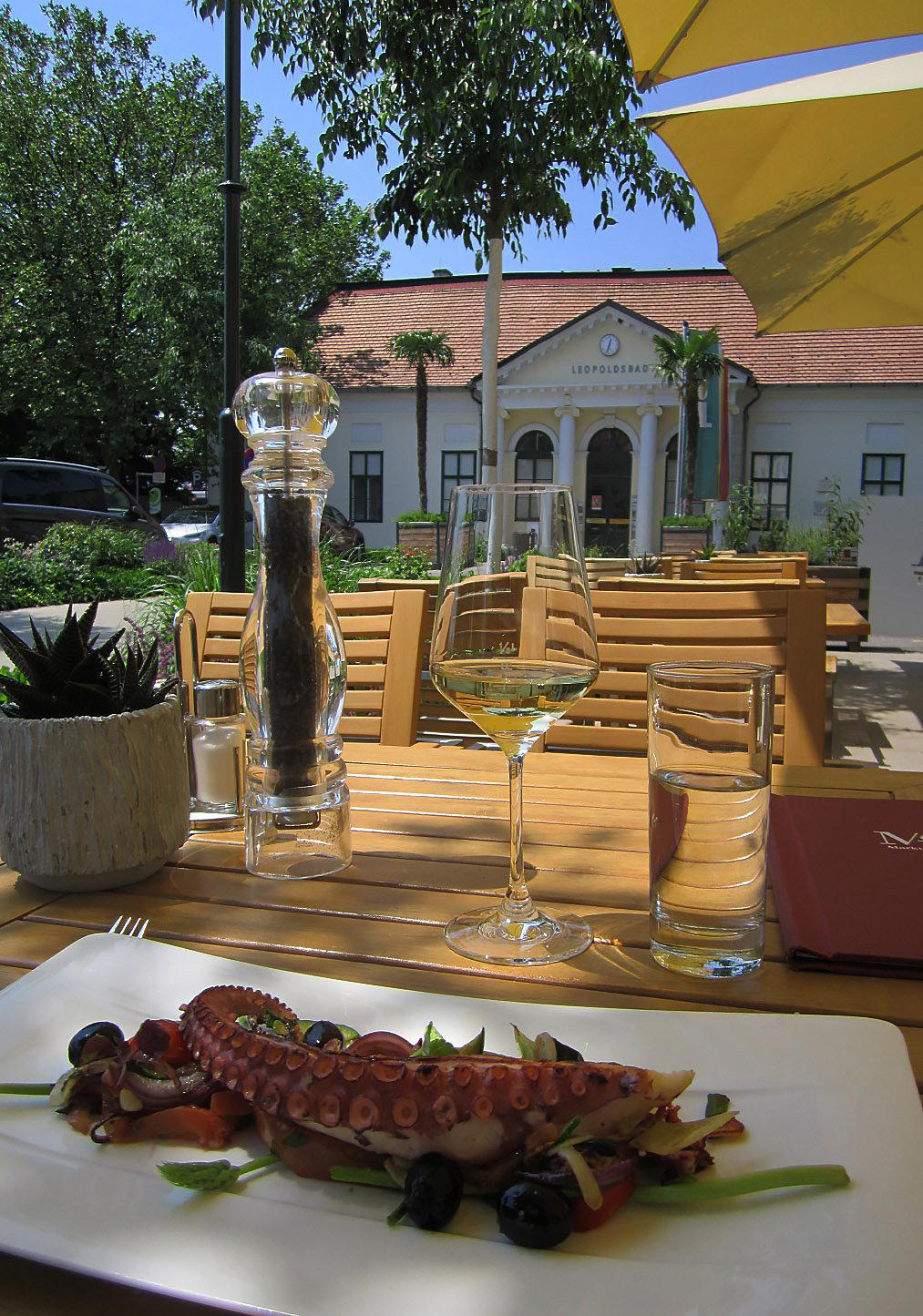
Baden's Market Square and the Ritual of the Midday Table
Baden bei Wien has always organised its civic and culinary life around the square. The Kurpark, the Hauptplatz, the therapeutic baths, these are not just landmarks but the armature around which the town's eating and drinking rhythms have developed over two centuries. Brusattiplatz, where Marktamt is addressed, sits within that same fabric: a compact, walkable zone where the logic of the meal is unhurried, where lunch extends past two o'clock without apology, and where the afternoon pause between courses and coffee is less exception than expectation. That context matters when you consider what kind of dining Marktamt occupies and how to approach it.
Austrian market-town dining operates on principles that differ noticeably from Vienna's restaurant culture, even though the two cities are separated by less than thirty kilometres. In Baden, the imperative is not the tasting menu or the theatrical mise-en-scène of a metropolitan destination. The imperative is a well-executed, seasonally grounded midday meal eaten in a room that functions as public square extension, a place where regulars arrive with newspapers and visitors pause with relief after a morning at the Römertherme or a walk through the rose garden. Marktamt, positioned on that plaza, operates within this local grammar.
How the Meal Unfolds in a Town Like Baden
The dining ritual in Baden's middle tier, where Marktamt sits, follows a cadence that Austrian restaurant culture has refined over generations. There is rarely a rush to seat or turn the table. Wine arrives by the Viertel, the traditional quarter-litre carafe that signals a particular relationship with pace. The menu changes in response to the weekly market cycle rather than quarterly chef decisions, which means what is available on a Thursday may differ from what was possible on Monday. This seasonality is structural, not marketing language: it reflects the produce rhythms of a region where asparagus, game, pumpkin, and Sturm (young wine) each have their brief, defined windows.
For visitors arriving from Vienna for the day, the conventional planning approach is to take the S-Bahn from Wien Meidling to Baden (approximately 30 minutes), walk the central zone in the morning, and allow the midday meal to anchor the afternoon. Baden's dining scene is genuinely compact: the gap between a coffee at a Konditorei, a main course at a market-square address, and an early evening departure fits comfortably into a single day's arc. Marktamt's position on Brusattiplatz makes it a natural candidate for that midday anchor.
Baden's Dining Tier and Where Marktamt Fits
Baden's restaurant offering divides into recognisable bands. At the upper end, Le Gavrinis represents the modern cuisine register, with the price point and formality to match. The Casino Restaurant Baden occupies the event-dining tier, a room designed as much for occasion as for food. At a more accessible register, Amterl and ArteMia each occupy distinct neighbourhood niches, while Crêperie La Goélette offers a more casual, single-concept format. Marktamt operates in a space that is recognisably local and daily rather than occasion-driven, which positions it differently from the upper tier but still within a town whose baseline expectations for hospitality are informed by its spa-resort history.
That spa-resort history has consequences for the dining culture in ways worth noting. Baden's visitors have traditionally been Austrian domestic travellers, Viennese families, Kurhaus guests, visitors to the Casino, which means the town has developed a food culture calibrated for a reasonably well-travelled, moderately demanding audience. This is not the unreflective tourist trap that marks some thermal resort towns. The standard of everyday cooking in Baden is higher than you would find in a comparable-sized market town without the resort pedigree, and the expectation of good bread, proper coffee, and seasonal ingredients is embedded in the baseline. See the full Baden restaurants guide for a broader mapping of the scene.
Austrian Dining Customs and What They Ask of You
For visitors unfamiliar with Austrian table customs, a few structural notes. In a market-square setting like Marktamt's, it is standard to wait to be seated rather than choosing freely, even when a room appears empty. The greeting exchange on arrival and departure (Grüß Gott, Auf Wiedersehen) is not perfunctory; it is functional social glue, and skipping it reads as abrupt in a way that affects the tenor of service. The Austrian custom of sharing tables with strangers when a room is full (Platznehmen) is common in rooms like this and should not be mistaken for poor organisation.
The pacing of a meal at a market-square Gasthof or Marktrestaurant is calibrated to the Austrian understanding that eating is not an errand. Attempting to compress the meal into a forty-five-minute window will produce friction; arriving with the expectation of ninety minutes and a Verlängerter at the end will produce a more representative experience of what the room offers.
Placing Baden in the Broader Austrian Restaurant Context
Austria's serious restaurant tier is concentrated in Vienna, Salzburg, and a cluster of destination addresses in Vorarlberg and the Salzburger Land. Steirereck im Stadtpark anchors Vienna's leading table. Further afield, addresses like Döllerer in Golling an der Salzach, Obauer in Werfen, and Landhaus Bacher in Mautern an der Donau define a regional fine-dining circuit that requires specific travel. In the Alpine west, Griggeler Stuba in Lech, Gourmetrestaurant Tannenhof in Sankt Anton am Arlberg, and Kräuterreich by Vitus Winkler in Sankt Veit im Pongau represent the high-altitude chef-driven format, while Ikarus in Salzburg and Ois in Neufelden occupy their own categories. Restaurant 141 by Joachim Jaud in Mieming is worth noting for the Tyrolean region.
Baden sits outside that destination circuit by design. It functions as a day-trip or short-stay extension of Vienna rather than a standalone dining destination. Addresses like Marktamt serve the logic of place, the square, the bath, the afternoon, rather than the logic of the gastronomic pilgrimage. Internationally, the contrast is analogous to the difference between Le Bernardin in New York City and a well-regarded neighbourhood room in Brooklyn; or between Atomix and a Korean market lunch counter two blocks away. Both have value; they are answers to different questions.
Planning a Visit
Baden is served by the S-Bahn Badner Bahn from the Vienna Opera (Wiener Oper/Kärntner Ring stop) with a journey time of approximately one hour, or the regional rail service from Wien Meidling in around thirty minutes, making it accessible for a half-day or full-day visit from Vienna without requiring a car. Brusattiplatz is a short walk from Baden's main Fußgängerzone and from the Hauptbahnhof Baden. Marktamt is open Mon 11 AM to 10 PM, Tue 11 AM to 10 PM, Wed closed, Thu 11 AM to 10 PM, Fri 11 AM to 11 PM, Sat 11 AM to 11 PM, and Sun 11 AM to 10 PM. Reservations are recommended.
Category Peers
Comparable venues nearby, for context on price, style, and recognition.
| Venue | Cuisine | Price | Notes |
|---|---|---|---|
| MarktamtThis venue — the venue you are viewing | Seafood & Mediterranean | $$$ | Not listed |
| Krennmayers | Classic Austrian with Mediterranean Touches | $$ | city center |
| Raw Energy | Healthy Bowls & Bagels | $$ | Grüner Markt |
| Kostbar | Modern Mediterranean Cuisine | $$$ | Weingarten |
| El Gaucho at Josefsbad | Argentine Steakhouse | $$$$ | Baden |
| Restaurant Rudolfshof | Traditional Austrian Home-Style | $$ | Gaminger Berg |
Continue exploring
More in Baden
Restaurants in Baden
Browse all →![[aend] restaurant in Vienna](https://cdn.enprimeurclub.com/storage/v1/object/public/images/locations/recsVyRkMfzCxPmp0/hero2.jpg?width=3840&quality=75)
Bars in Baden
Browse all →

Hotels in Baden
Browse all →
At a Glance
- Elegant
- Cozy
- Date Night
- Special Occasion
- Open Kitchen
- Extensive Wine List
Current opening hours
- Monday
- 11 AM–10 PM
- Tuesday
- 11 AM–10 PM
- Wednesday
- Closed
- Thursday
- 11 AM–10 PM
- Friday
- 11 AM–11 PM
- Saturday
- 11 AM–11 PM
- Sunday
- 11 AM–10 PM
Hours can change for holidays and private events. Last verified .
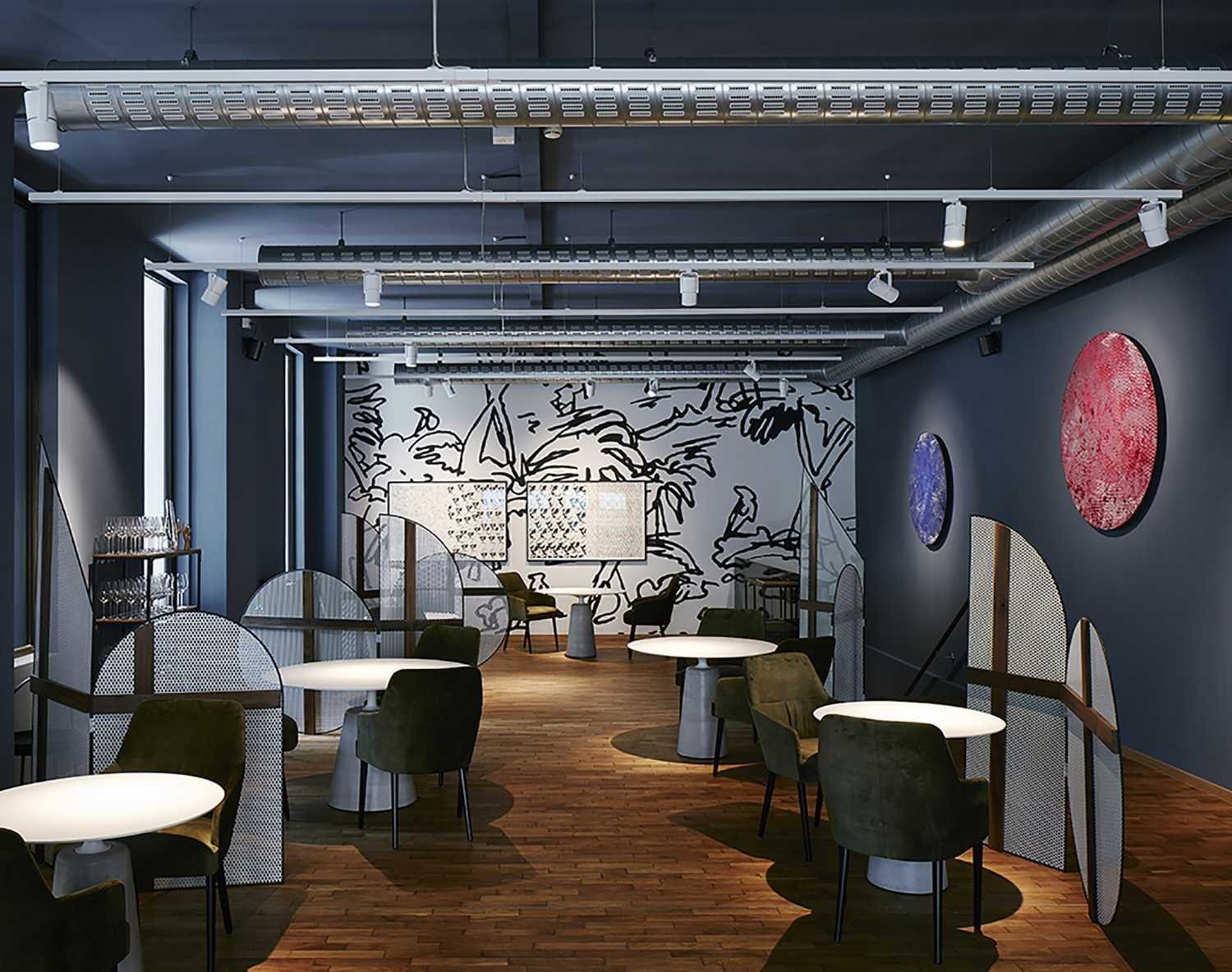
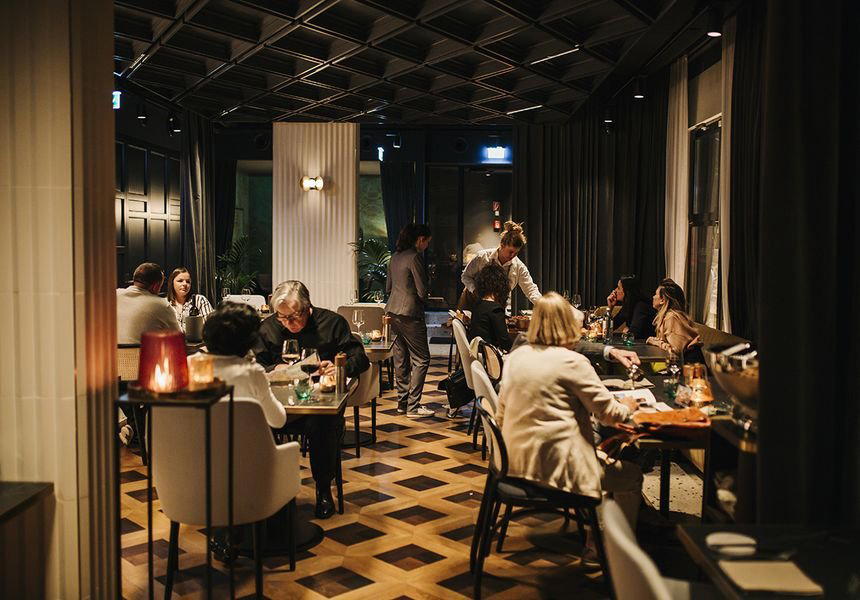
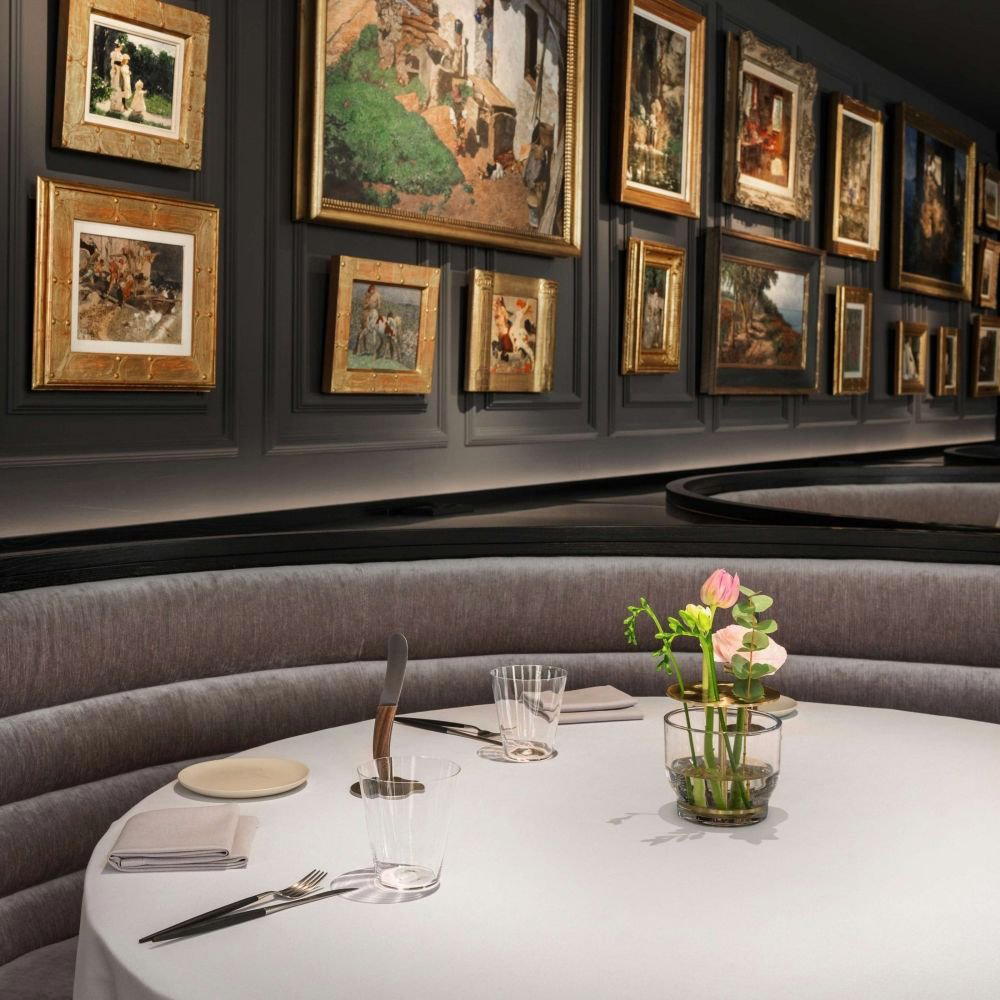
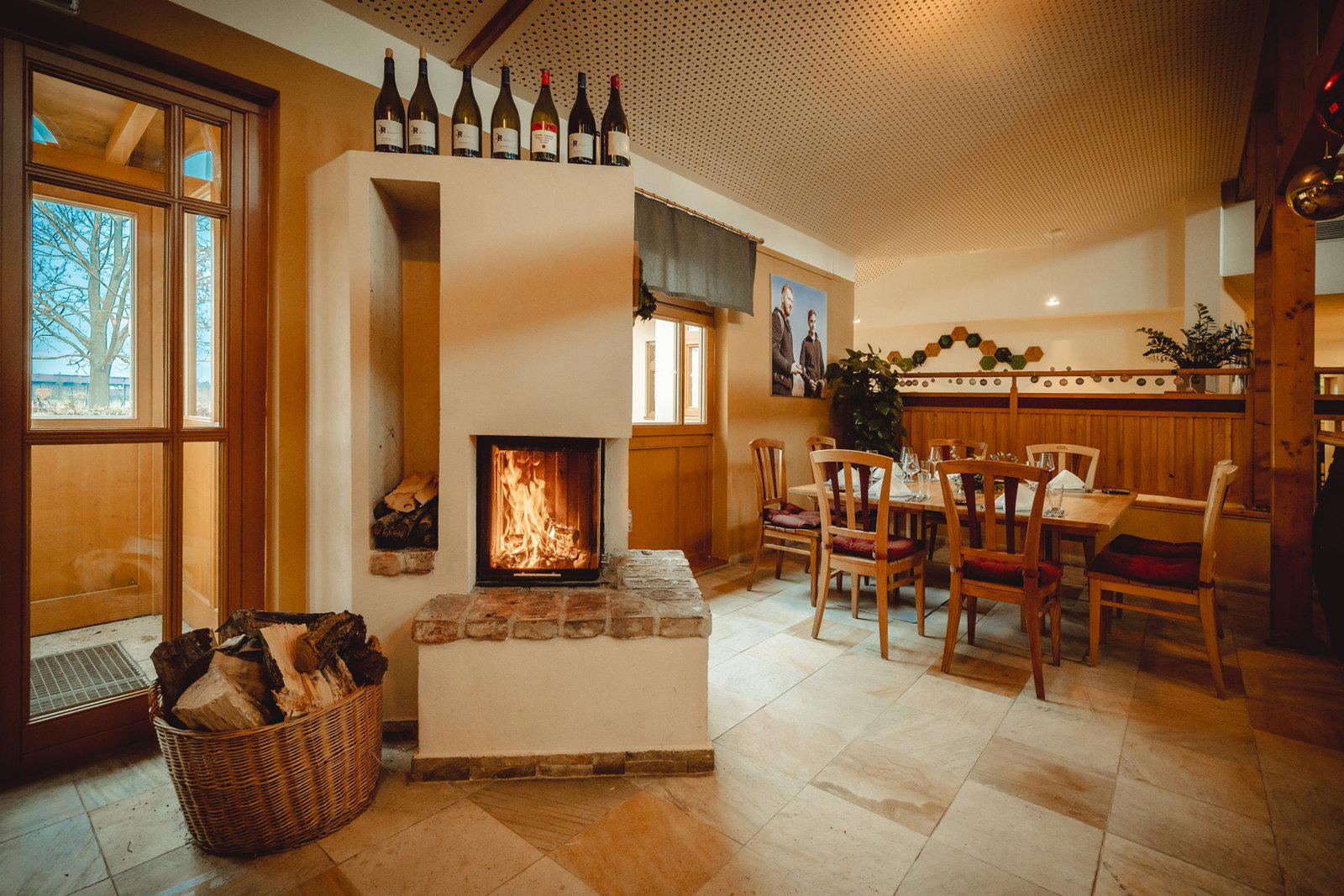
Nicely decorated with a wonderful mood, offering a pleasant and stylish atmosphere for seafood dining.