Paradies

Inside a former guild house from 1616, Paradies occupies one of Baden's most historically charged rooms, where an original wooden coffered ceiling frames a seasonal set menu of four to seven courses built on regional Swiss ingredients and international technique. The chef works both kitchen and floor, and a bar-cigar lounge adds a second register to the evening. In summer, the cobblestone square outside becomes a dining terrace.
Pearl is the En Primeur Club membership app — saves, bookings, and concierge access live there. Same editors, same standards.
- Address
- Cordulapl., 5400 Baden, Switzerland
- Phone
- +41 56 221 50 58
- Website
- paradies-baden.ch
- Directions
- Get directions
 Saves & bookings on Pearl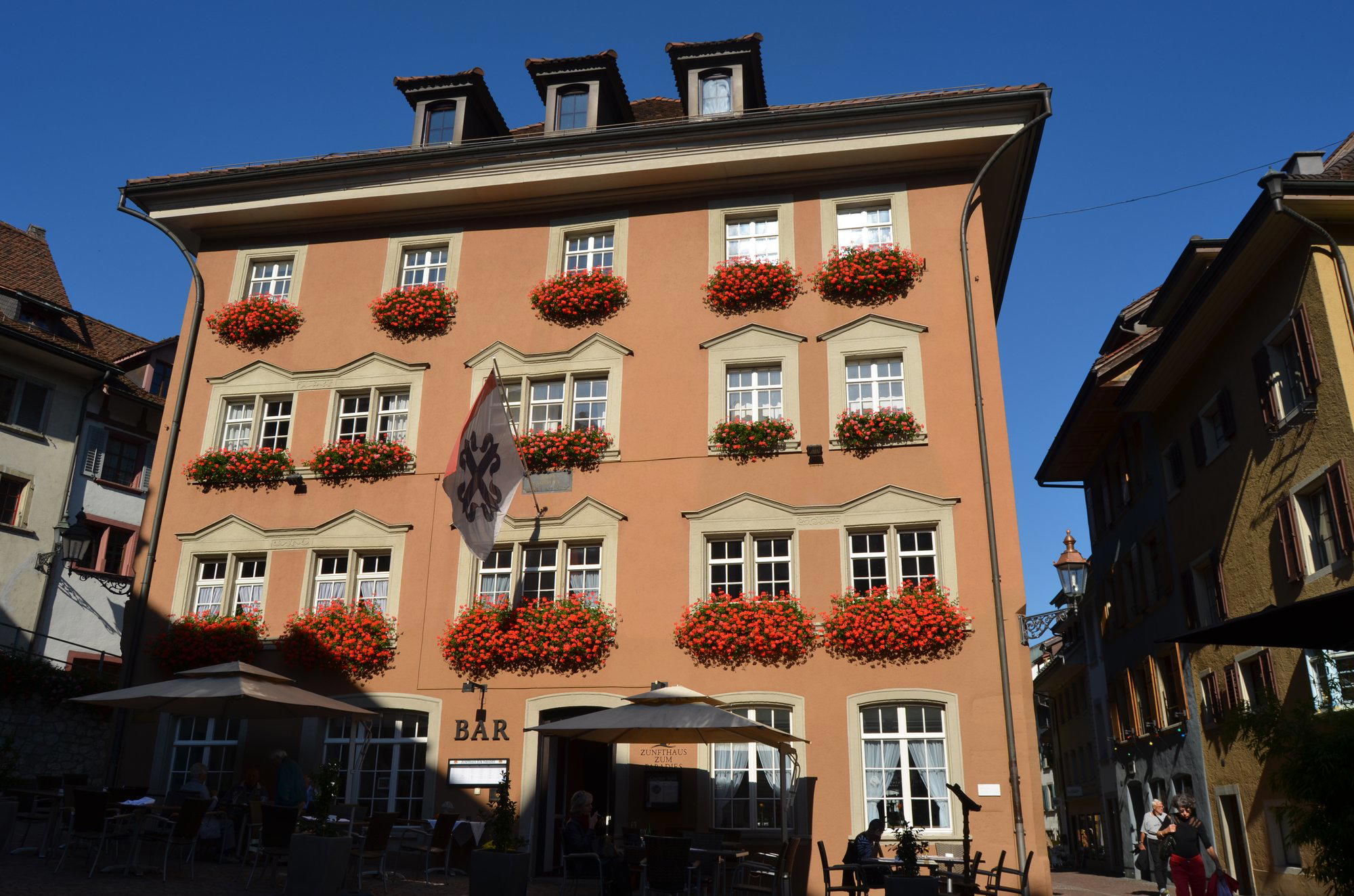
A Guild House, a Coffered Ceiling, and the Logic of Seasonal Cooking
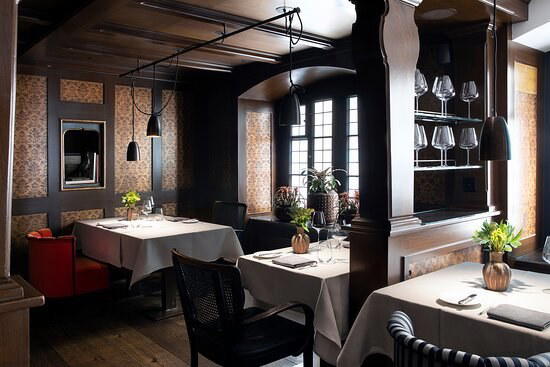
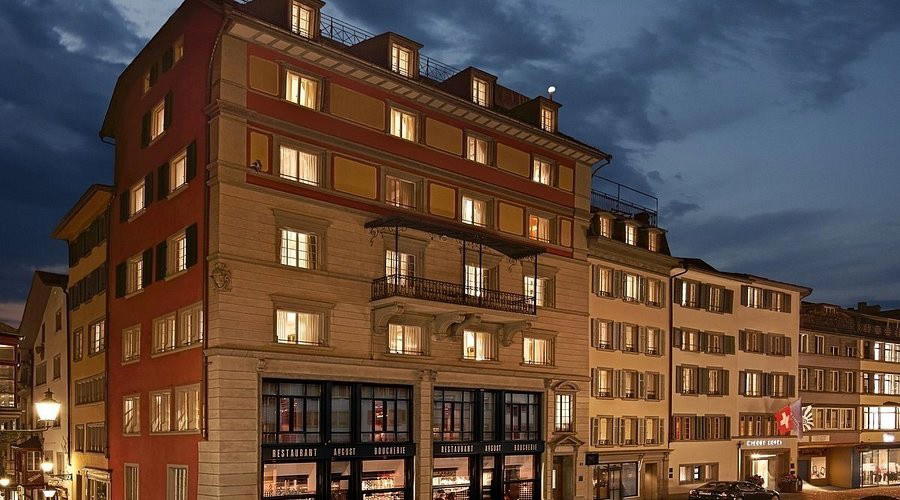
Baden's old town sits above the Limmat river on a compact medieval footprint, and Obere Gasse, the upper lane that cuts through its historic core, carries that density in every building face. At number two, the structure that houses Paradies has been standing since 1616, when it operated as a guild house. That origin is not incidental to the dining experience: guild halls were, by function, places of civic ceremony and shared eating, and something of that register persists. The original wooden coffered ceiling, preserved and still overhead, does more than add visual weight. It sets an expectation of occasion that the kitchen is asked to meet.
In the broader context of Swiss regional dining, this kind of setting, a historically protected room repurposed for serious contemporary cooking, appears more often in the country's German-speaking cantons than elsewhere. The architecture absorbs the ambition of the food rather than competing with it. Paradies sits comfortably in that tradition, and within Baden specifically, it occupies a tier above the everyday without claiming the formal remove of a destination tasting-room. That positioning, between neighbourhood fixture and special-occasion address, is increasingly where Swiss diners want to eat.
Seasonal Sourcing as the Organising Principle
The menu at Paradies is a seasonal set, running four to seven courses depending on the period and configuration. The structure itself encodes an ingredient-led philosophy: a kitchen that changes its course count with the season is one organised around what is available, not around a fixed format imposed on whatever produce arrives. That approach has become a marker of seriousness in European regional dining over the past decade, and Switzerland's proximity to both Alpine agriculture and the productive zones of the Swiss Mittelland gives kitchens like this an unusually direct supply chain.
Regional ingredients meeting international influences is the stated frame, and it reflects the reality of cooking in a small, prosperous, multilingual country that sits at the intersection of French, German, and Italian culinary traditions. The Swiss kitchen has never been purely parochial: it absorbs technique from all three neighbouring traditions while anchoring itself in what the immediate geography produces. The result, at its leading, is food that tastes local without tasting narrow. At Paradies, the vegetarian version of the set menu is offered as a full parallel format rather than an afterthought, which signals that the kitchen has thought through its sourcing beyond the protein column. Venues that treat vegetarian menus as structurally equivalent to their main sequence tend to be those where vegetables are sourced with the same specificity as meat and fish.
Across Switzerland's more recognised dining addresses, this regional-ingredient framework is consistent. At Schloss Schauenstein in Fürstenau, the kitchen's relationship with the surrounding Graubünden landscape has defined its reputation over years. Memories in Bad Ragaz operates at a similar altitude of ambition. 7132 Silver in Vals and focus ATELIER in Vitznau each position their menus around the specificity of place. Paradies does not carry the same level of international recognition as these addresses, but it operates from the same organising logic: the season and the region dictate the menu, not the reverse.
The Room, the Square, and the Bar
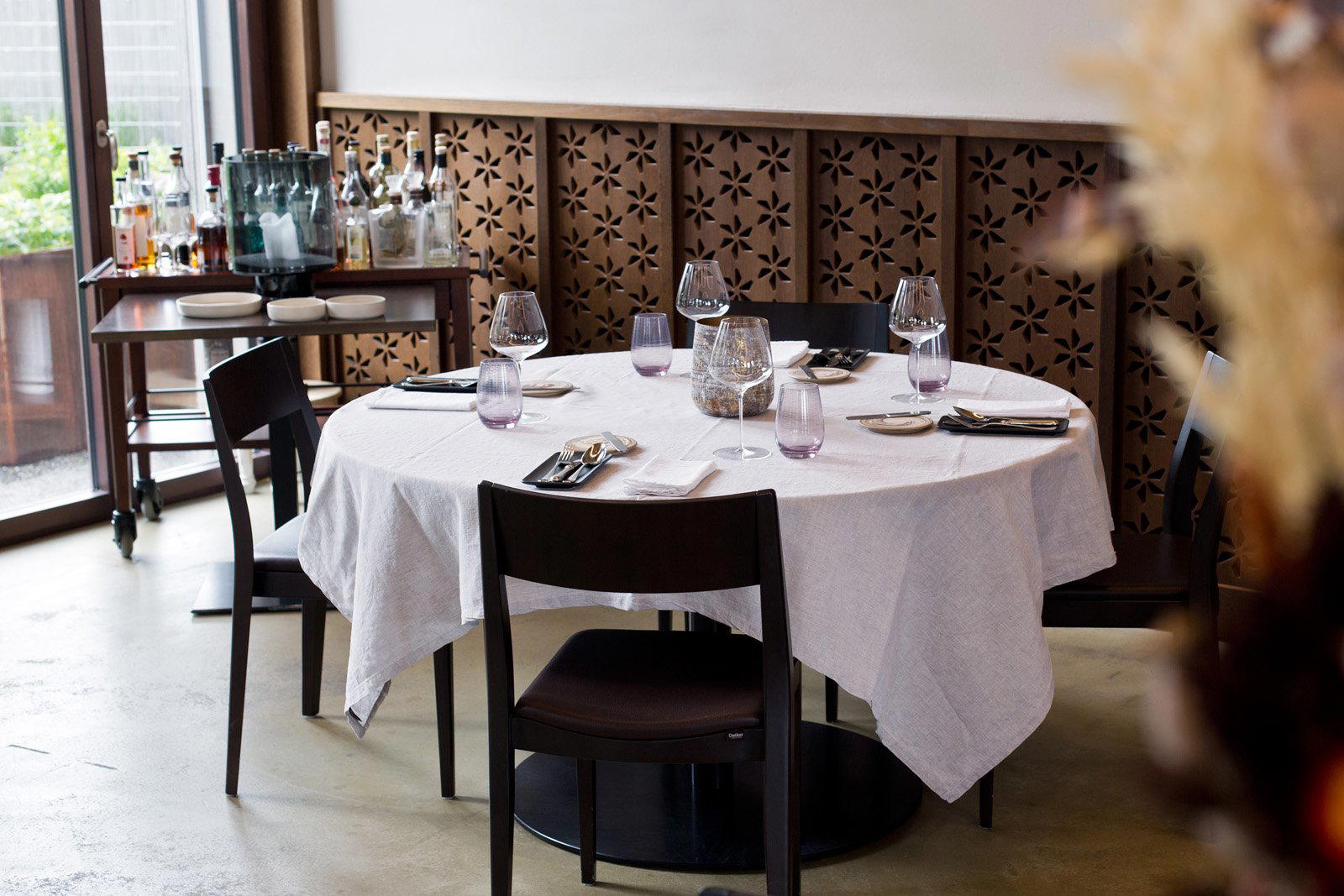
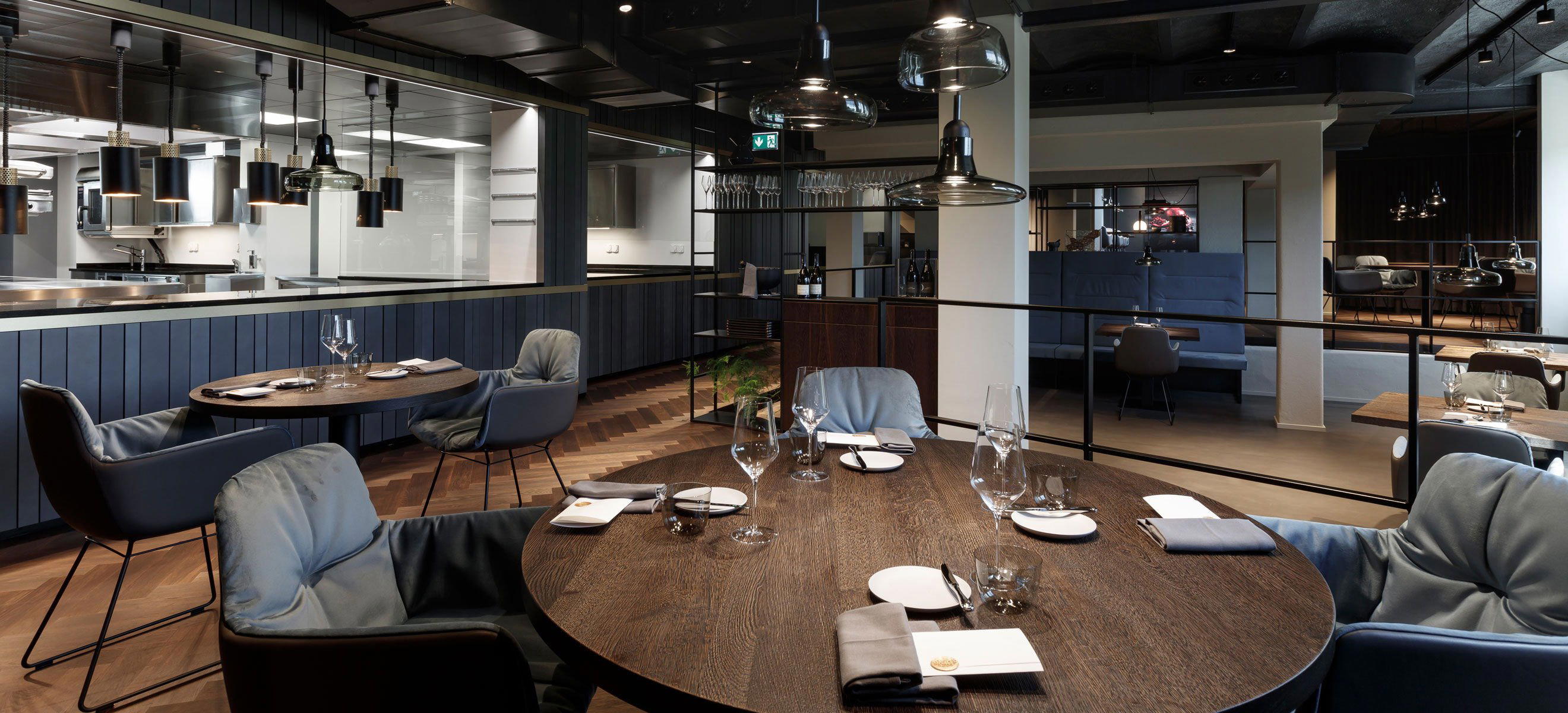
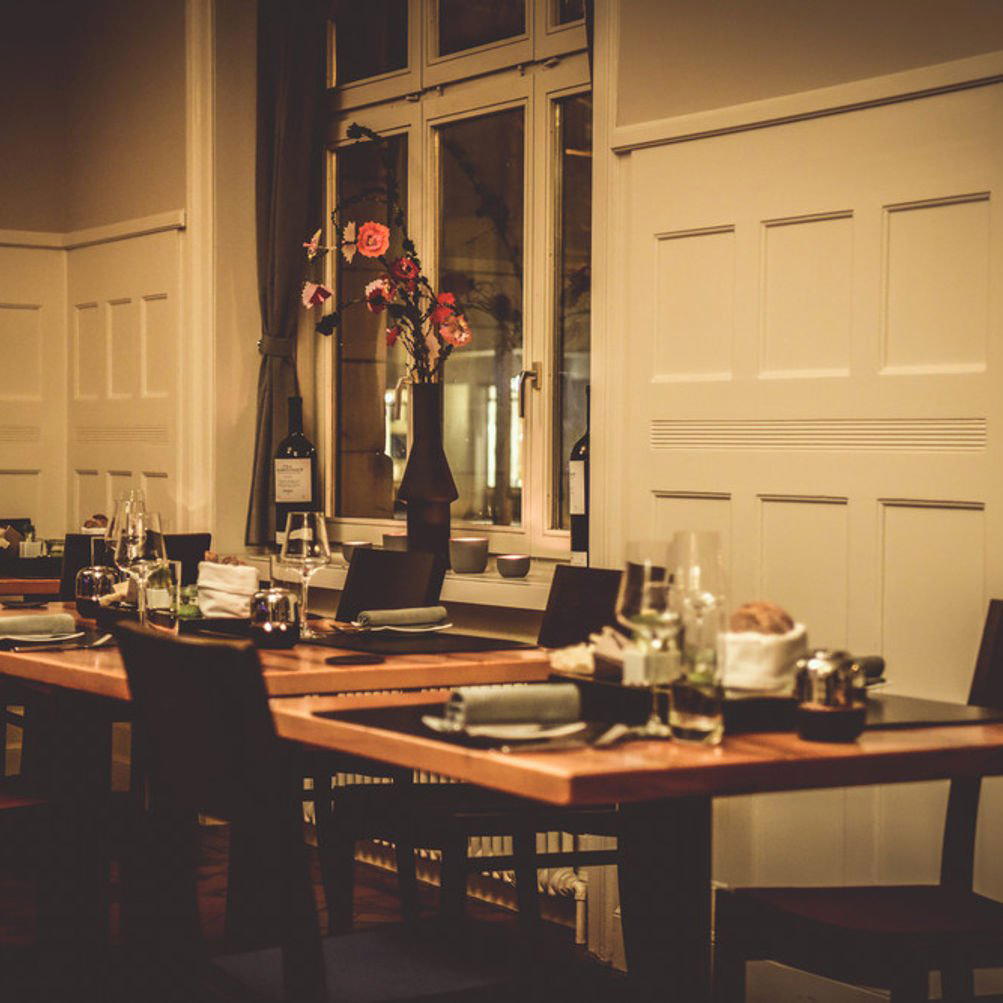
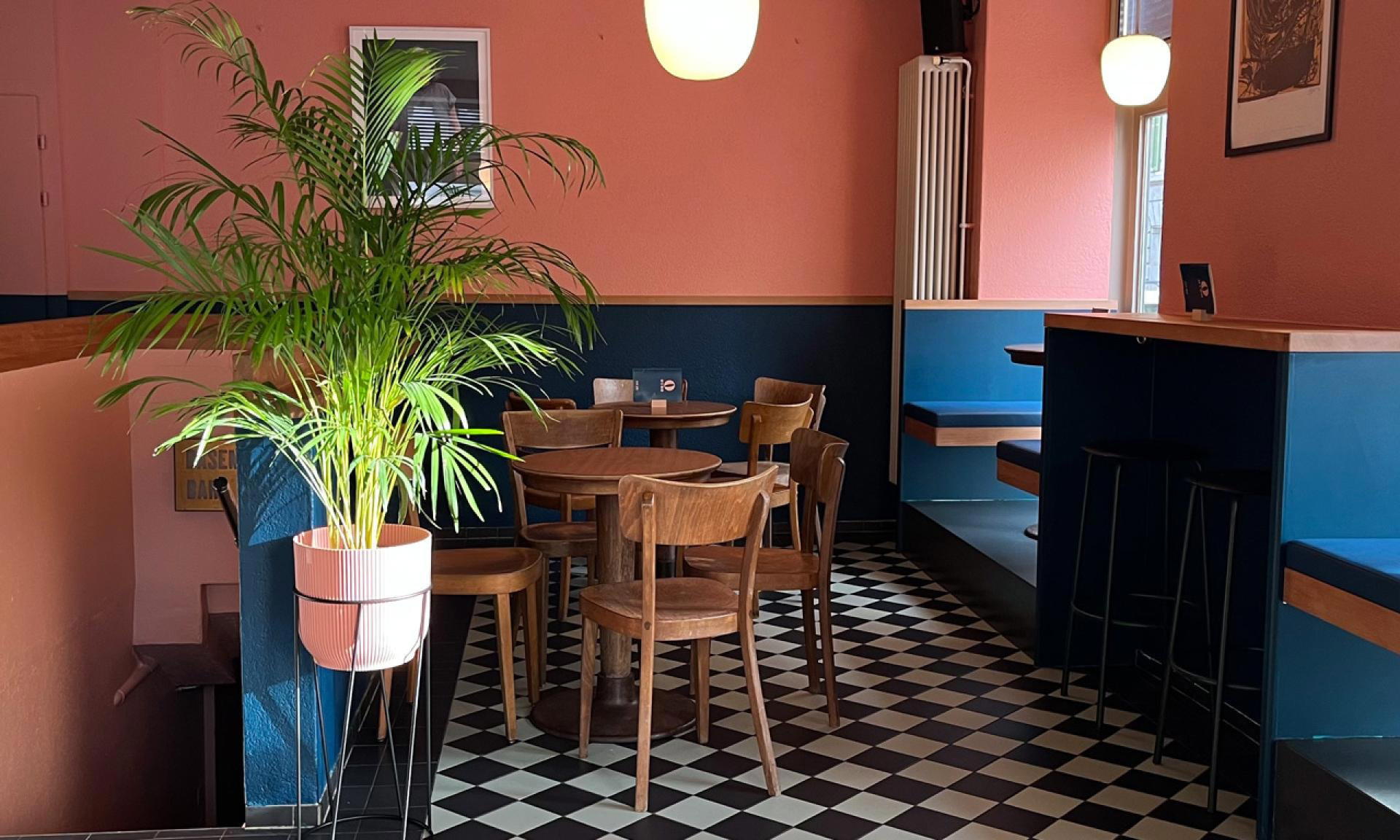
The interior at Paradies reads as a considered negotiation between the building's age and a contemporary dining sensibility. Historical and modern elements are described as working in conjunction rather than in conflict, which is the harder outcome to achieve. A 1616 structure imposes constraints: ceiling heights, window proportions, structural walls. Kitchens and design teams that work with those constraints rather than against them tend to produce rooms with more coherence than those that impose a contemporary aesthetic on top of heritage fabric.
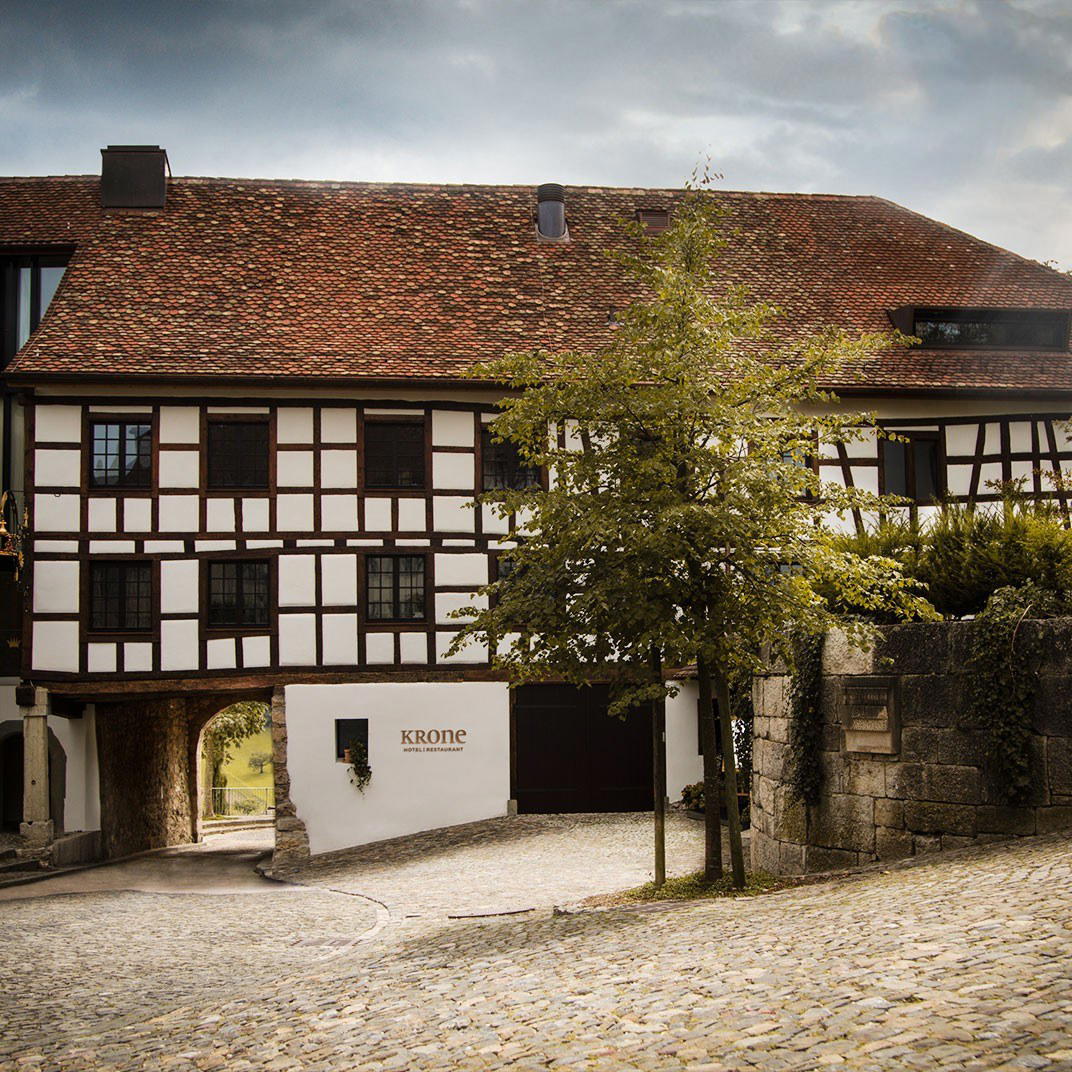
In summer, the cobblestone square fronting the building becomes a terrace. Al fresco dining on a historic square in a Swiss old town is a specific pleasure, the scale is almost always human, the stone surfaces retain warmth into the evening, and the visual rhythm of medieval-era facades provides a context that no interior can replicate. Paradies has that option for warm-weather visitors, and it adds a second character to the venue beyond the formality of the coffered-ceiling room.
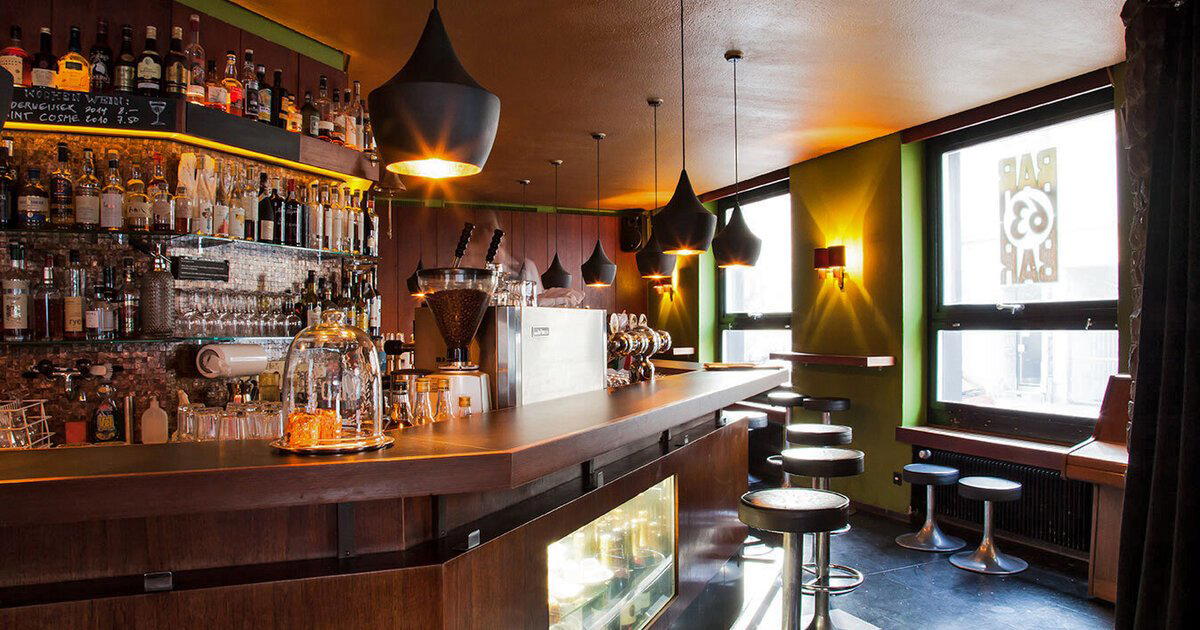
The bar and cigar lounge extends the evening further. Baden has a compact but genuine bar culture, and our full Baden bars guide tracks the options across registers. For diners at Paradies, the in-house lounge means the evening does not have to end with the last course.
Service is described as gracious and professional, with the chef participating on the floor. That detail is worth noting in context: in European fine dining, chef presence in the dining room has become more common, but it is still more characteristic of owner-operated houses than of larger brigade kitchens. When the person who cooked your food also explains it or checks on the table, the information exchange between kitchen and guest tends to be more direct and more useful.
Baden's Dining Position and Where Paradies Sits Within It
Baden is not a city that registers loudly on international dining circuits, but it is a prosperous spa town with a long history of receiving visitors who expect to eat well. Its old town is small and walkable, and the restaurant concentration there reflects a local appetite for cooking that goes beyond the functional. Pinte anchors the classic-cuisine end of the spectrum at a mid-range price point. Le Gavrinis works the modern-cuisine register at the upper tier. La Chaumière de Pomper brings a Breton specificity at the accessible end. Together they sketch a dining scene that is small but not thin.
Paradies sits in this context as the venue that most explicitly uses its physical heritage as part of the dining proposition. The set-menu format, the historic room, and the seasonal sourcing framework place it in conversation with Swiss dining addresses that have built reputations on exactly these elements, among them Cheval Blanc by Peter Knogl in Basel and Hotel de Ville Crissier in Crissier, though at a different scale and profile. Internationally, the model of a set-menu kitchen in a historic building drawing on regional produce has been refined to high precision at addresses like Colonnade in Lucerne and exported globally through formats as different as Le Bernardin in New York City and Da Vittorio - St. Moritz in St. Moritz. The underlying logic, sourcing from a defined region and letting season determine menu structure, is consistent across all of them.
Planning Your Visit
Paradies is located at Obere Gasse 2 in Baden's old town, a walkable distance from the main thermal district and the train station. The format is a set menu of four to seven courses, with a vegetarian version available. Summer dining on the cobblestone terrace outside the building is a seasonal option worth factoring into timing. The bar and cigar lounge can extend the evening after dinner. For a wider view of Swiss cooking at comparable and higher ambition levels, Emeril's in New Orleans offers an instructive transatlantic contrast in how regional-ingredient thinking plays out in a different culinary tradition.
In Context: Similar Options
Comparable venues nearby, for context on price, style, and recognition.
| Venue | Cuisine | Price | Awards | Notes |
|---|---|---|---|---|
| ParadiesThis venue — the venue you are viewing | Modern Swiss Fine Dining | $$$ | Michelin Plate | Not listed |
| DORY & DU | Modern International with Swiss Influences | $$$ | Not listed | Bäderquartier |
| Manito Baden | American Burgers | $$ | Not listed | Schlossbergplatz |
| Papa Oro's Filipino Food Baden Metroshop | Filipino Ricebowls & Take Away | $$ | Not listed | Bahnhof |
| Oberstadt Restaurant | Modern French-Swiss Fine Dining | $$$ | Not listed | Oberstadt |
| Hirschli | Modern Fusion with Sushi and Swiss Classics | $$$ | Not listed | Baden center |
Recognition history
Dated appearances from independent guides and award organizations, with the underlying list record or original source where available.
Michelin Plate
Michelin · 2026 Michelin Plate


At a Glance
- Elegant
- Cozy
- Historic
- Sophisticated
- Date Night
- Business Dinner
- Special Occasion
- Historic Building
- Open Kitchen
- Craft Cocktails
- Local Sourcing
- Street Scene
Current opening hours
- Monday
- 11 AM–11 PM
- Tuesday
- 11 AM–11 PM
- Wednesday
- 11 AM–11 PM
- Thursday
- 11 AM–11 PM
- Friday
- 11 AM–11 PM
- Saturday
- 11 AM–11 PM
- Sunday
- Closed
Hours can change for holidays and private events. Last verified .
Tasteful space with striking original wooden coffered ceiling, warm and stylish atmosphere enhanced by historical elements and comfortable lounge areas.