Mark's Bagel operates from Führichgasse 1 in Vienna's first district, bringing a bagel-focused format to a city whose bread culture runs deep in rye, wheat, and pretzel traditions. The address places it a short walk from the Staatsoper and the dense café network of the Innere Stadt, positioning it as a counterpoint to the Viennese Frühstück tradition rather than a continuation of it.
Pearl is the En Primeur Club membership app — saves, bookings, and concierge access live there. Same editors, same standards.
- Address
- Führichgasse 1, 1010 Wien, Austria
- Phone
- +434315126255
- Website
- marksbagels.at
- Directions
- Get directions
 Saves & bookings on Pearl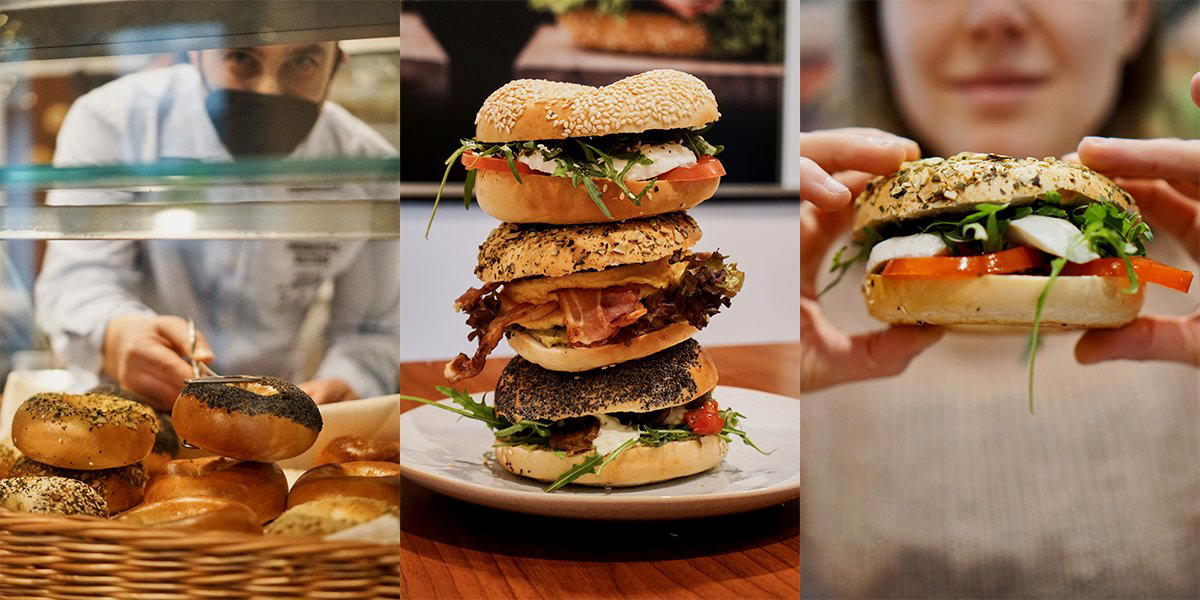
A Different Kind of Bread Culture in the First District
Vienna's relationship with baked goods is long, codified, and deeply local. The Kipferl, the Semmel, the Mohnbeugel, these are not just breakfast items but cultural artifacts, each tied to specific bakers, specific neighbourhoods, and specific rituals that have played out across the city for centuries. Against that backdrop, the arrival of a bagel-focused operation at Führichgasse 1 in the first district represents something worth examining: not as a novelty, but as a statement about how a menu format communicates identity. Mark's Bagel is a casual restaurant in Vienna's first district serving Handmade Bagels, priced at about $10 per person.
The bagel, in its original form, is a bread with a lineage as specific as any Austrian roll. Its origins in Central and Eastern European Jewish baking, likely tracing back to communities in Kraków and later spreading through the Ashkenazi diaspora, give it a historical thread that connects directly to the Habsburg world that Vienna once anchored. In that sense, a bagel counter in Vienna is not as foreign as it might first appear. It is, in a particular reading, a return of something the city once knew. The question any such operation must answer is how seriously it takes that lineage, and how the menu architecture reflects that intent.
What the Menu Format Reveals
A bagel menu structured with editorial seriousness tends to make its decisions visible. The bread itself carries most of the weight: the ratio of crust to chew, the degree of malt in the boil, the size of the hole. These are not decorative choices. They determine what fillings work and what the eating experience actually feels like. Venues that treat the bagel as a neutral vehicle for sandwich fillings, a round bread with a hole, produce a different result from those that start with the bread and build outward.
At Mark's Bagel, the Führichgasse address plants the operation firmly in Vienna's most visited corridor: the stretch between the Albertina, the Staatsoper, and Kärtner Strasse. This is not a neighbourhood of regulars who drift in mid-morning; it is a district where foot traffic is heavy, tourist pressure is constant, and the risk of diluting quality for volume is structural. How a venue holds its format discipline under those conditions tells you more about its priorities than any menu description.
Vienna's broader dining scene, anchored at the fine-dining end by operations like Steirereck im Stadtpark and Amador, runs on a logic of elaborate tasting menus and sourced Austrian produce. At the opposite end of the formality scale, casual daytime formats occupy a different competitive tier entirely. The bagel sits squarely in that daytime tier, where the comparison set is not Konstantin Filippou or Mraz & Sohn but the city's dense network of coffee houses and sandwich counters, a comparable set that is, if anything, harder to distinguish yourself within because the barrier to entry is lower and the expectations are less forgiving of pretension.
The Bagel in Context: Central European Bread Traditions
It is worth placing the bagel's menu logic inside a broader Central European bread conversation, because Vienna is not a city that takes bread lightly. Austria holds one of the highest per-capita bread variety counts in Europe, and Viennese bakers have long operated with a craft seriousness that matches anything found in France or Germany. The Doubek tradition of careful sourcing and the farm-to-table discipline visible at Austrian restaurants from Döllerer in Golling an der Salzach to Landhaus Bacher in Mautern an der Donau reflects a national attentiveness to raw material quality that any food operation in this country inherits as a standard.
What makes the bagel interesting in this context is its structural difference from the Austrian roll tradition. Where a Semmel is baked dry with a scored crust, the bagel is boiled before baking, a process that creates a denser crumb, a chewier interior, and a crust that behaves differently under toppings. These are technical distinctions with real eating consequences, and a menu that acknowledges them, through the choice of fillings, the thickness of cuts, the balance of fat and acid, signals craft awareness.
Planning Your Visit
Mark's Bagel sits at Führichgasse 1, 1010 Wien, in the first district, within walking distance of the U1 and U2 interchange at Karlsplatz and the U1/U3 junction at Stephansplatz. The location is central enough that it fits naturally into a morning or midday itinerary built around the Albertina, the Kunsthistorisches Museum, or the Opera district. For visitors spending time across Austria's broader restaurant scene, a stop at a well-run casual counter in Vienna's first district offers a useful contrast in register and format.
The restaurant is walk-in friendly and open daily from 10 AM to 8 PM.
For those building a wider Austrian itinerary, the country's mid-range and fine-dining options extend well beyond the capital: Kräuterreich by Vitus Winkler in Sankt Veit im Pongau, Obauer in Werfen, Ois in Neufelden, Schwarzer Adler in Hall in Tirol, and Restaurant 141 by Joachim Jaud in Mieming each represent distinct regional approaches to Austrian produce and cooking tradition. For international reference points at the opposite end of the formality scale, the technical ambition of Le Bernardin in New York City or the tasting-menu precision of Atomix in New York City illustrates how seriously particularly considered operations treat menu architecture, a standard that applies, at its own scale, to any format that takes its core product seriously.
Cost and Credentials
Comparable venues nearby, for context on price, style, and recognition.
| Venue | Cuisine | Price | Notes |
|---|---|---|---|
| Mark's BagelThis venue — the venue you are viewing | Innere Stadt, Handmade Bagels | $ | Not listed |
| Börgerei | Alsergrund, Casual Burgers & Sides | $ | Not listed |
| Fischer´s American Restaurant | Alt-Erlaa, American | $$ | Not listed |
| Berliner Babo | Not listed | $$ | Gaudenzdorf, Modern American Street Food with Vegan Options |
| GUTE BURGER | Altmannsdorf, Halal Smash Burgers | $$ | Not listed |
| Der Wiener Deewan | Inner City, Pakistani Curry Buffet | $ | Not listed |
At a Glance
- Cozy
- Trendy
- Casual Hangout
- Standalone
- Local Sourcing
- Street Scene
Current opening hours
- Monday
- 10 AM–8 PM
- Tuesday
- 10 AM–8 PM
- Wednesday
- 10 AM–8 PM
- Thursday
- 10 AM–8 PM
- Friday
- 10 AM–8 PM
- Saturday
- 10 AM–8 PM
- Sunday
- 10 AM–8 PM
Hours can change for holidays and private events. Last verified .
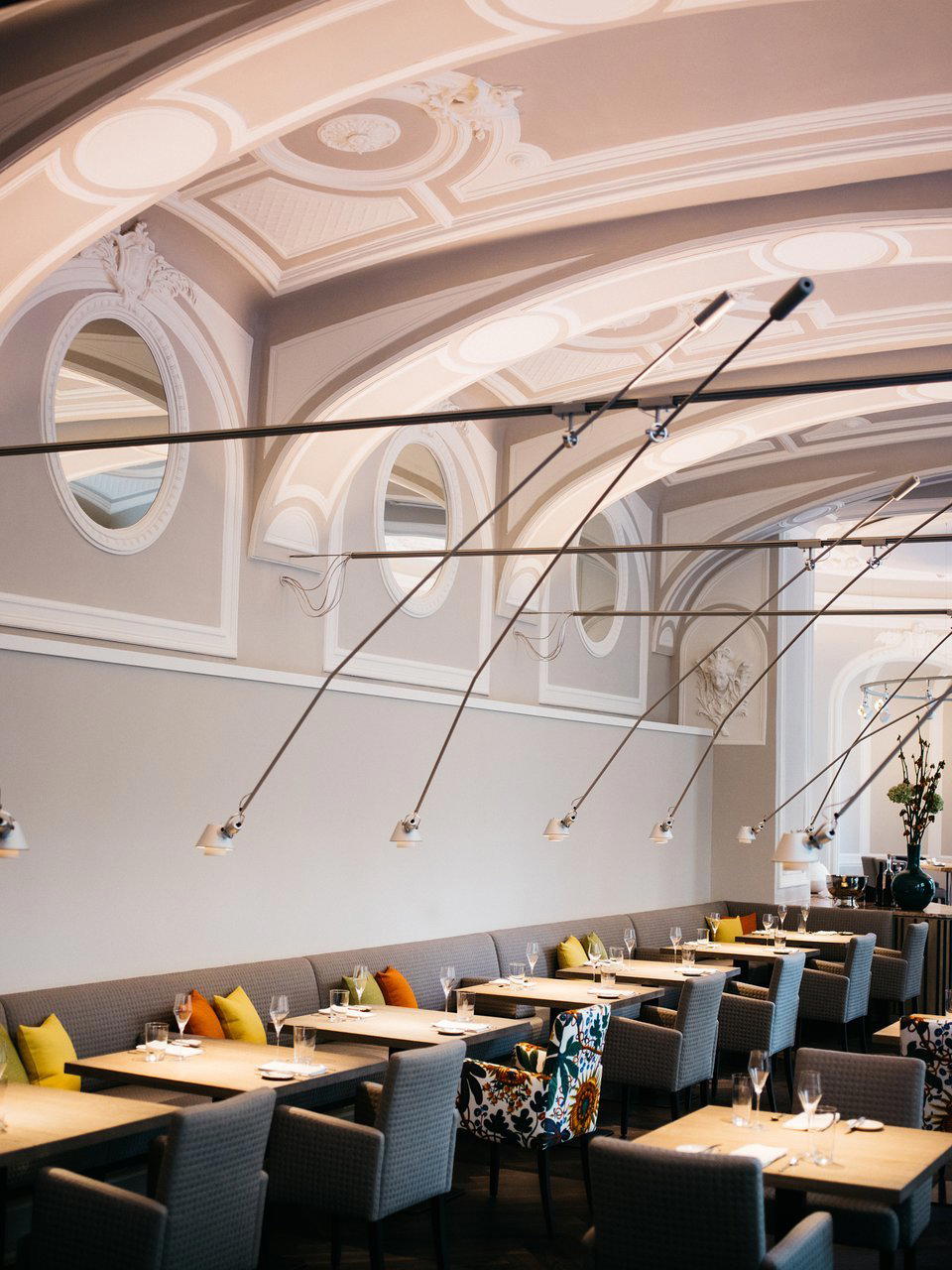
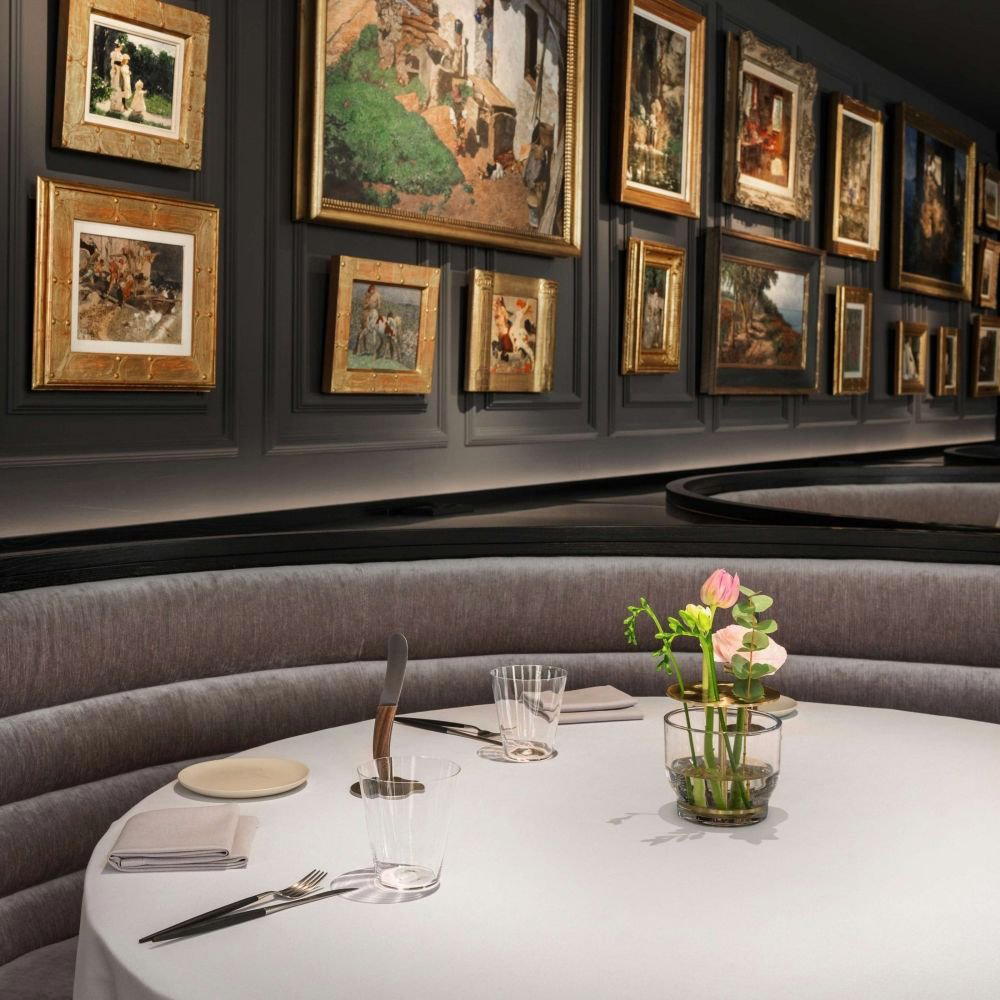
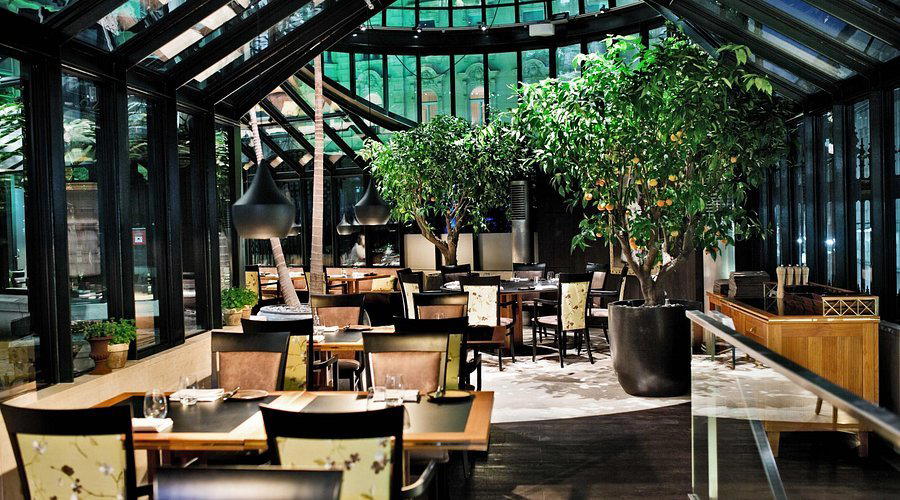
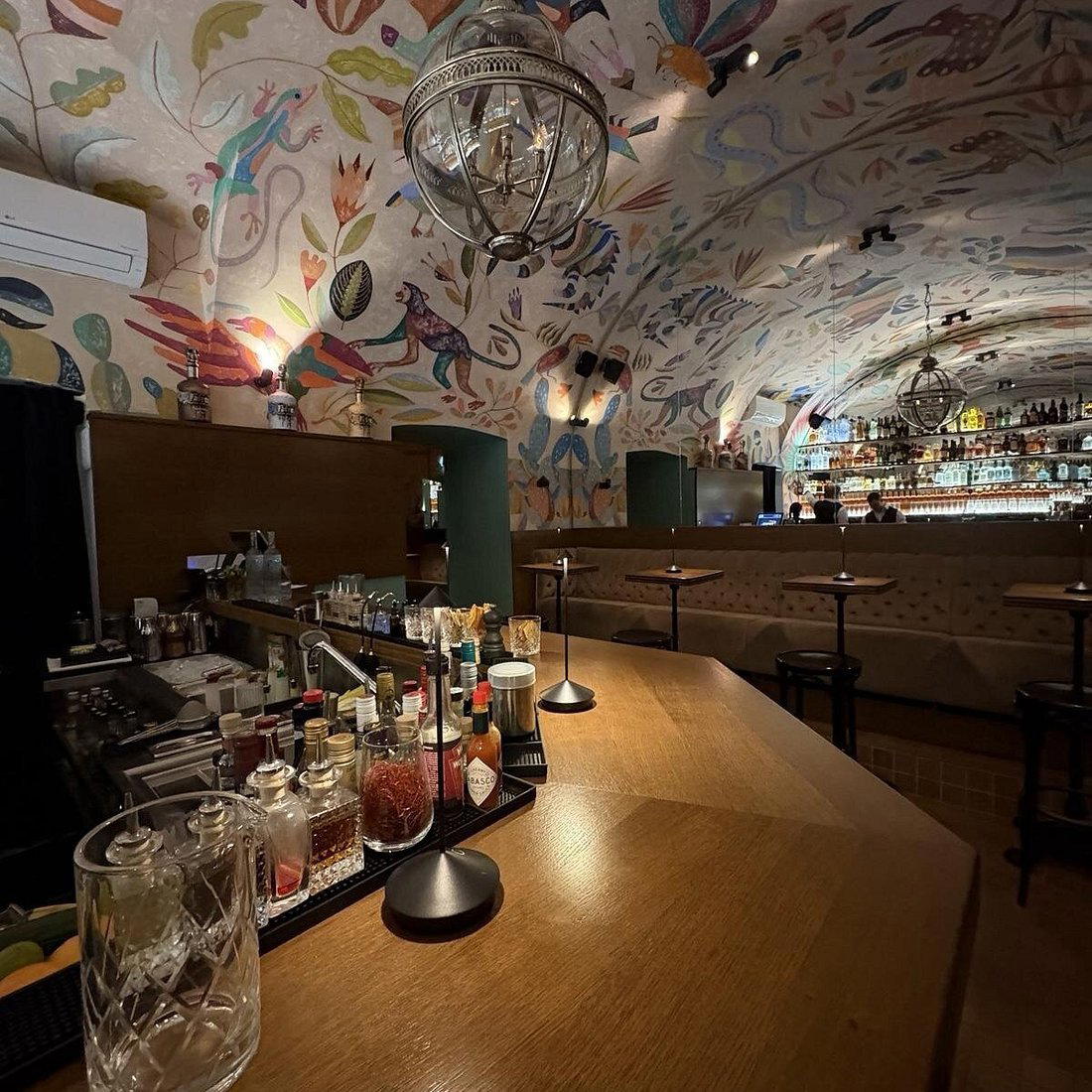
Casual counter-service spot with a cozy, trendy vibe focused on fresh bagel preparation.