Marigny Brasserie
On Frenchmen Street, the Marigny Brasserie occupies one of New Orleans' most musically charged blocks, where the neighbourhood transitions from French Quarter tourism to something more lived-in. The kitchen draws on the deep pantry of Louisiana's coastal and agricultural regions, applying brasserie structure to Southern Gulf ingredients in a city where that conversation has been ongoing for generations.
Pearl is the En Primeur Club membership app — saves, bookings, and concierge access live there. Same editors, same standards.
- Address
- 640 Frenchmen St, New Orleans, LA 70116
- Phone
- +15049454472
- Website
- marignybrasserie.com
- Directions
- Get directions
 Saves & bookings on Pearl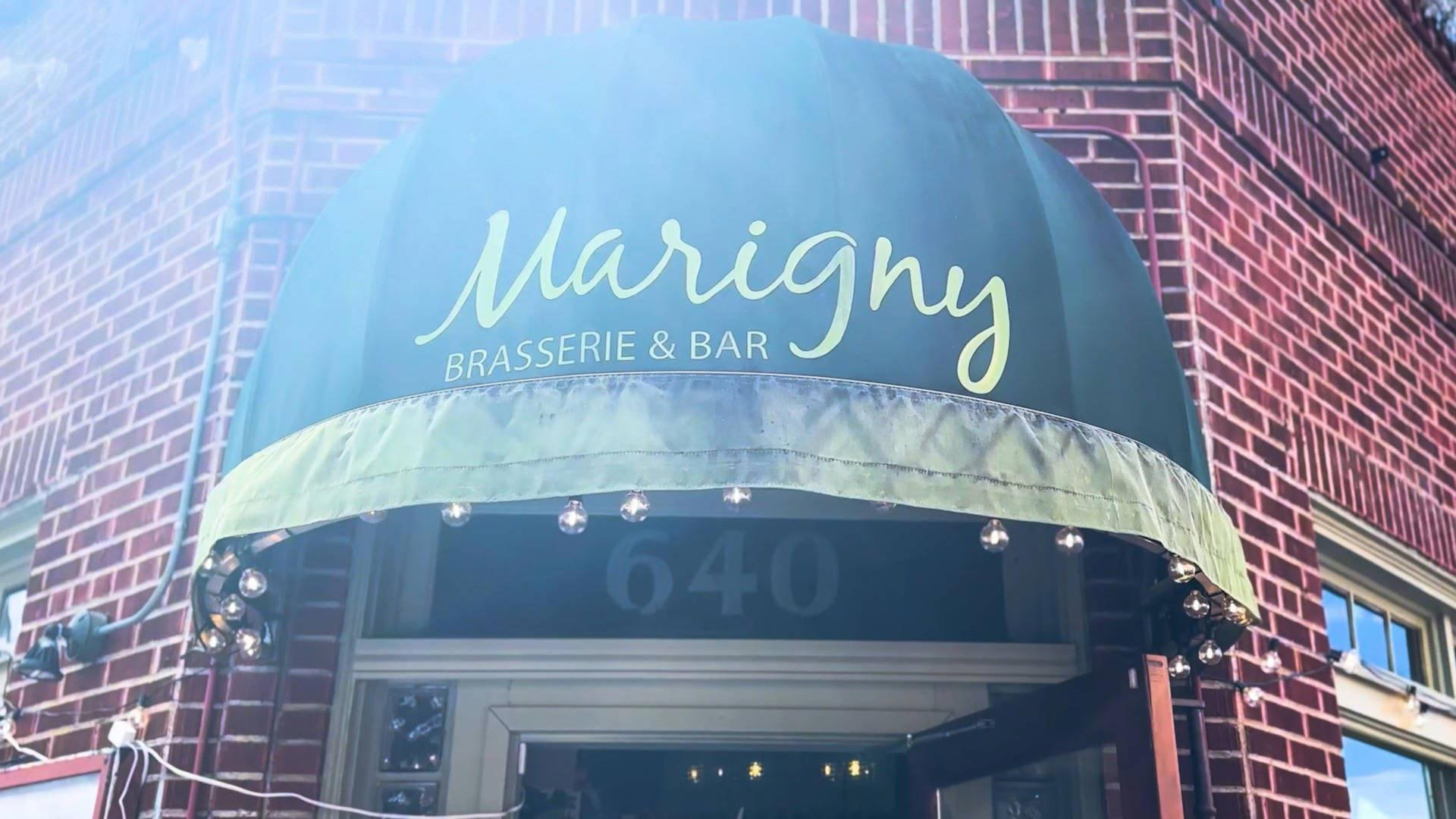
Frenchmen Street and the Neighbourhood That Feeds It
Frenchmen Street has a particular rhythm to it. By evening, Frenchmen Street fills with the kind of foot traffic that mixes neighborhood regulars with visitors who made a deliberate choice to cross Esplanade Avenue and leave the French Quarter behind. The Marigny, as the surrounding Faubourg Marigny district is known, developed as one of the first suburbs of the original French colonial city, and its character has remained distinct: narrower streets, closer houses, a population that has historically been more creole and bohemian than the Quarter's tourist economy allows. Dining here operates under different assumptions than dining on Bourbon Street. Expectations around sourcing, seasonality, and technical ambition tend to run higher.
That context matters when assessing what a brasserie format means on this particular stretch. The brasserie structure, originally a French format that sits between casual bistro and formal restaurant, translates to Louisiana in interesting ways. The Gulf Coast's pantry, anchored by shellfish, freshwater crawfish, local pork, and vegetables from the Mississippi River Delta farms, gives brasserie-style menus a regional specificity that their European counterparts cannot replicate. Where a Paris brasserie might serve plateau de fruits de mer built from Brittany oysters and Normandy mussels, a New Orleans interpretation draws from a different but equally serious coastal tradition.
The Framing: Local Pantry, Structured Technique
New Orleans sits at an unusual position in American dining. It carries one of the country's most codified culinary traditions, Creole and Cajun cooking, while simultaneously maintaining a hospitality culture sophisticated enough to support technically demanding restaurants across multiple neighbourhoods. The French influence that runs through the city's culinary DNA, from the roux-based foundations of gumbo to the classical preparations at Emeril's, creates a particular kind of shorthand between kitchen and diner. Ingredients like andouille, Gulf oysters, mirliton, and blue crab carry meanings that go beyond recipe.
The broader American dining conversation around this intersection of local products and imported technique is active from coast to coast. At Blue Hill at Stone Barns in Tarrytown, the farm-to-table logic reaches its most controlled expression. At Single Thread Farm in Healdsburg, Japanese kaiseki precision is applied to Northern California produce. In New Orleans, the version of that conversation is older and more embedded in everyday restaurant culture, because the local ingredient tradition predates the contemporary farm-to-table movement by generations. Brasserie-style venues in the Marigny occupy a middle register in that conversation: less ceremonial than a tasting menu format, but more ingredient-attentive than casual fare.
Across the New Orleans dining spectrum, that middle register produces some of the city's most consistent work. Bayona in the French Quarter has held a comparable position for decades, applying global technique to Louisiana sourcing in a format that feels neither stiff nor careless. Zasu brings American contemporary sensibility to the city's ingredient base at a similar price tier. Re Santi e Leoni and Saint-Germain represent the higher end of that arc, where the tasting menu format and more formal surroundings define the experience. Marigny Brasserie at 640 Frenchmen St sits in a neighbourhood where the format fits the block: enough structure to signal intention, enough ease to suit an evening that might continue at one of the street's live music venues.
The Frenchmen Street Context: Why Location Shapes the Meal
Location on Frenchmen Street carries specific implications for how a dining experience unfolds. The street's identity as the city's most locally oriented live music corridor means that dinner here is rarely the only plan. Visitors and residents alike tend to approach the block with an open itinerary, moving between the Spotted Cat, d.b.a. and the Snug Harbor jazz club according to what's happening that night. A restaurant operating in this environment functions differently from one in the CBD or the Garden District. The pace of service, the tolerance for lingering, and the general mood of the room all reflect the street's social logic.
This is the kind of context that distinguishes neighbourhood dining in New Orleans from what you find at the city's more formal addresses. The high-ceremony tier, represented nationally by venues like The French Laundry in Napa or Alinea in Chicago, operates with a different set of social protocols. On Frenchmen Street, the protocols are looser, the music is audible from the sidewalk, and the expectation is that dinner flows into the rest of the evening rather than being the event in itself. That doesn't reduce the kitchen's responsibility to execute well, but it does change what execution looks like from the diner's perspective.
For visitors plotting a New Orleans dining itinerary across multiple nights, the Frenchmen Street dinner represents a different register than a meal at Commander's Palace or a reservation at one of the CBD's more formal options. Positioning it as an early evening anchor before a long night on the block is a reasonable approach.
Placing It Against the National Brasserie Conversation
American brasserie dining has evolved considerably in the past decade. The format, once associated primarily with French-inspired urban rooms serving steak frites and moules marinières, has been reinterpreted by kitchens from New York to Los Angeles to incorporate regional sourcing logics that make the category feel more locally grounded. Le Bernardin in New York City operates at the technical ceiling of seafood-forward cooking. Providence in Los Angeles applies similar rigour to Pacific Coast product. Addison in San Diego and The Inn at Little Washington anchor the mid-Atlantic and Southern coastal traditions at the formal end.
New Orleans' contribution to that national picture draws on a coastal pantry that is, in sheer variety, difficult to match: Gulf oysters from the Barataria Bay, soft-shell crabs from the brackish marshes west of the city, redfish, speckled trout, and a freshwater crawfish season that runs from late winter through early summer. A brasserie format that treats those ingredients with the same seriousness that Lazy Bear in San Francisco applies to Northern California product, or that Atomix in New York City applies to Korean-American sourcing, is working with genuinely compelling raw material.
Planning a Visit
Marigny Brasserie is located at 640 Frenchmen St in the Faubourg Marigny, a short walk across Esplanade Avenue from the French Quarter. The address puts it at the heart of the street's dining and music cluster, which means street parking is competitive on weekend evenings; arriving by rideshare is the practical default for most visitors. For visitors building a multi-venue evening, the block's music venues begin programming in earnest after 9pm, which makes an earlier dinner reservation the logical anchor.
Reputation Context
Comparable venues nearby, for context on price, style, and recognition.
| Venue | Cuisine | Price | Notes |
|---|---|---|---|
| Marigny BrasserieThis venue — the venue you are viewing | Cajun & Creole Brasserie | $$$ | Not listed |
| Headquarters by NGN | Creole / Cajun / Southern with a Twist | $$$ | Central Business District |
| Effervescence bubbles & bites | Sparkling Wine Lounge with Small Plates | $$$ | French Quarter |
| Cafe Maspero | Cajun & Creole Cafe | $$ | French Quarter |
| Green Goddess | Modern New Orleans Eclectic | $$ | French Quarter |
| Mulate's | Authentic Cajun & Creole | $$ | Arts District |
Continue exploring
More in New Orleans
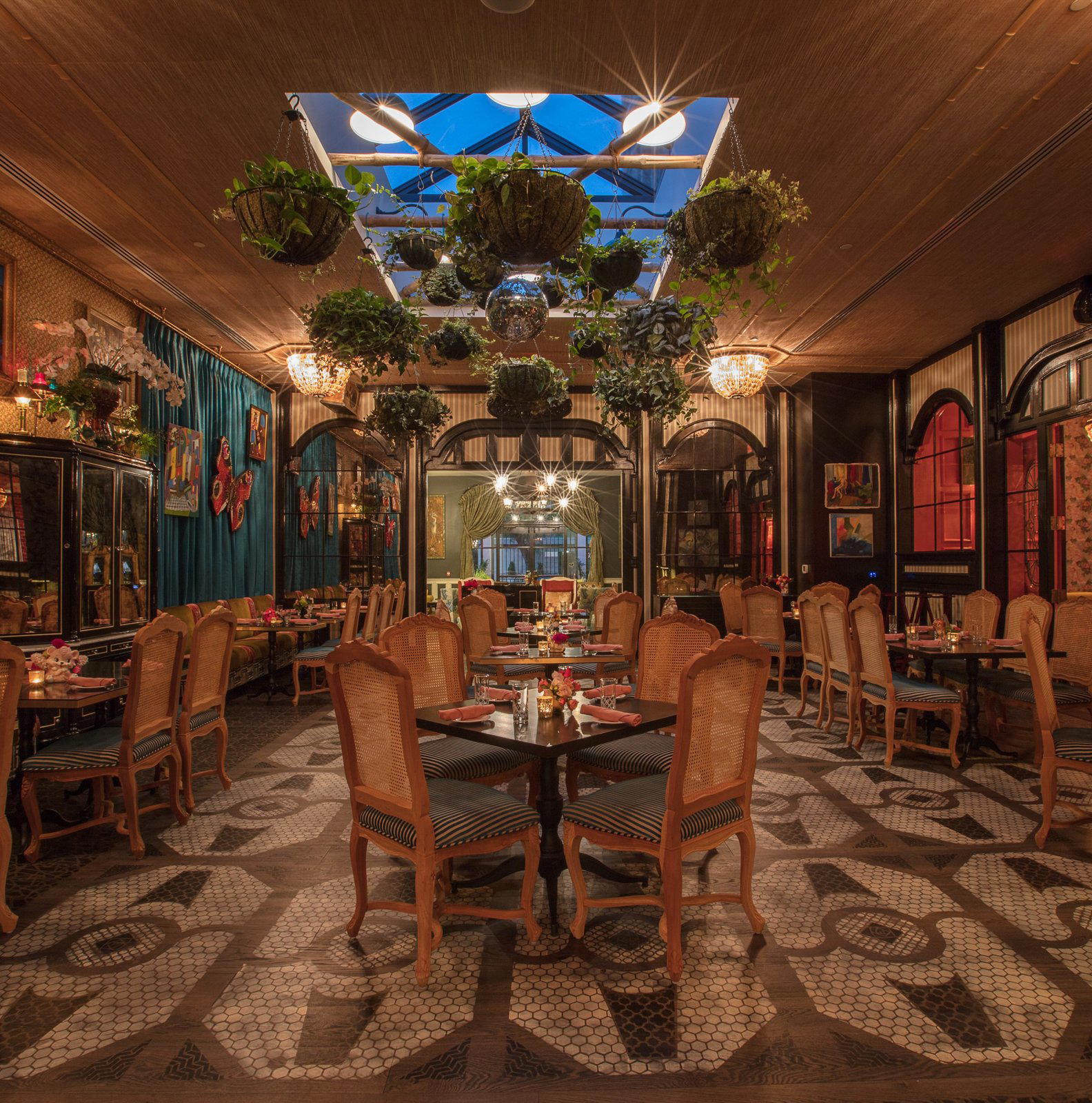
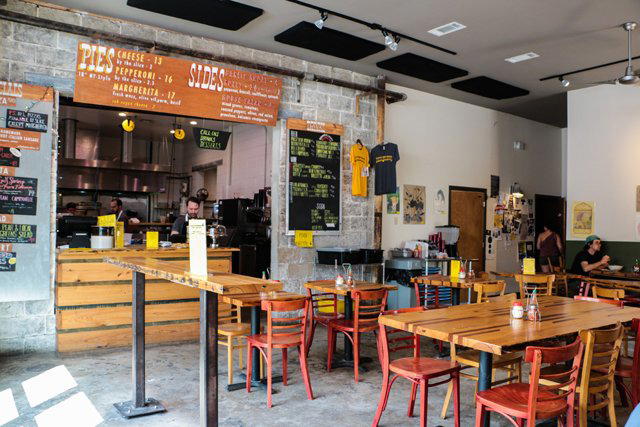
Restaurants in New Orleans
Browse all →
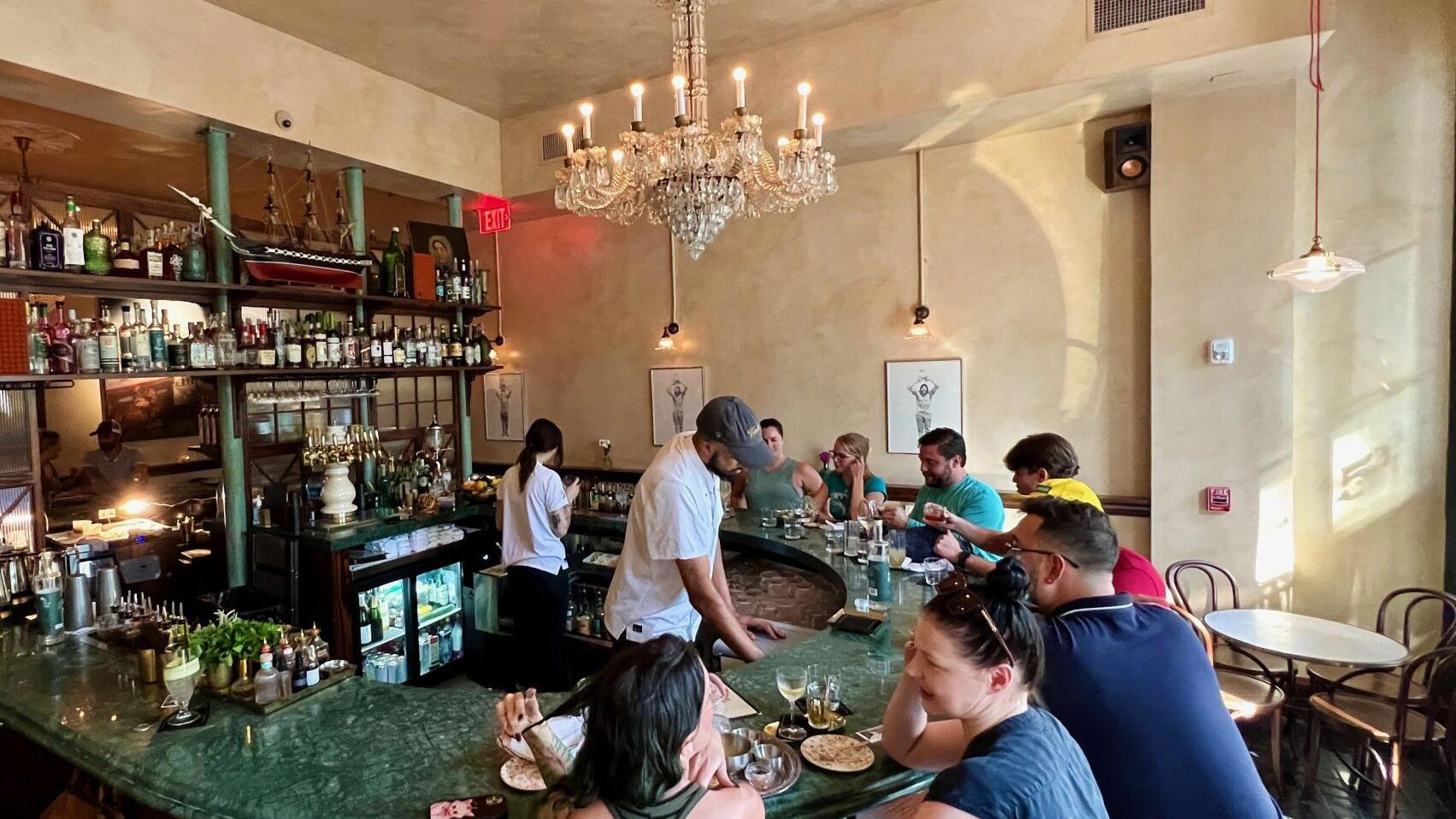
Bars in New Orleans
Browse all →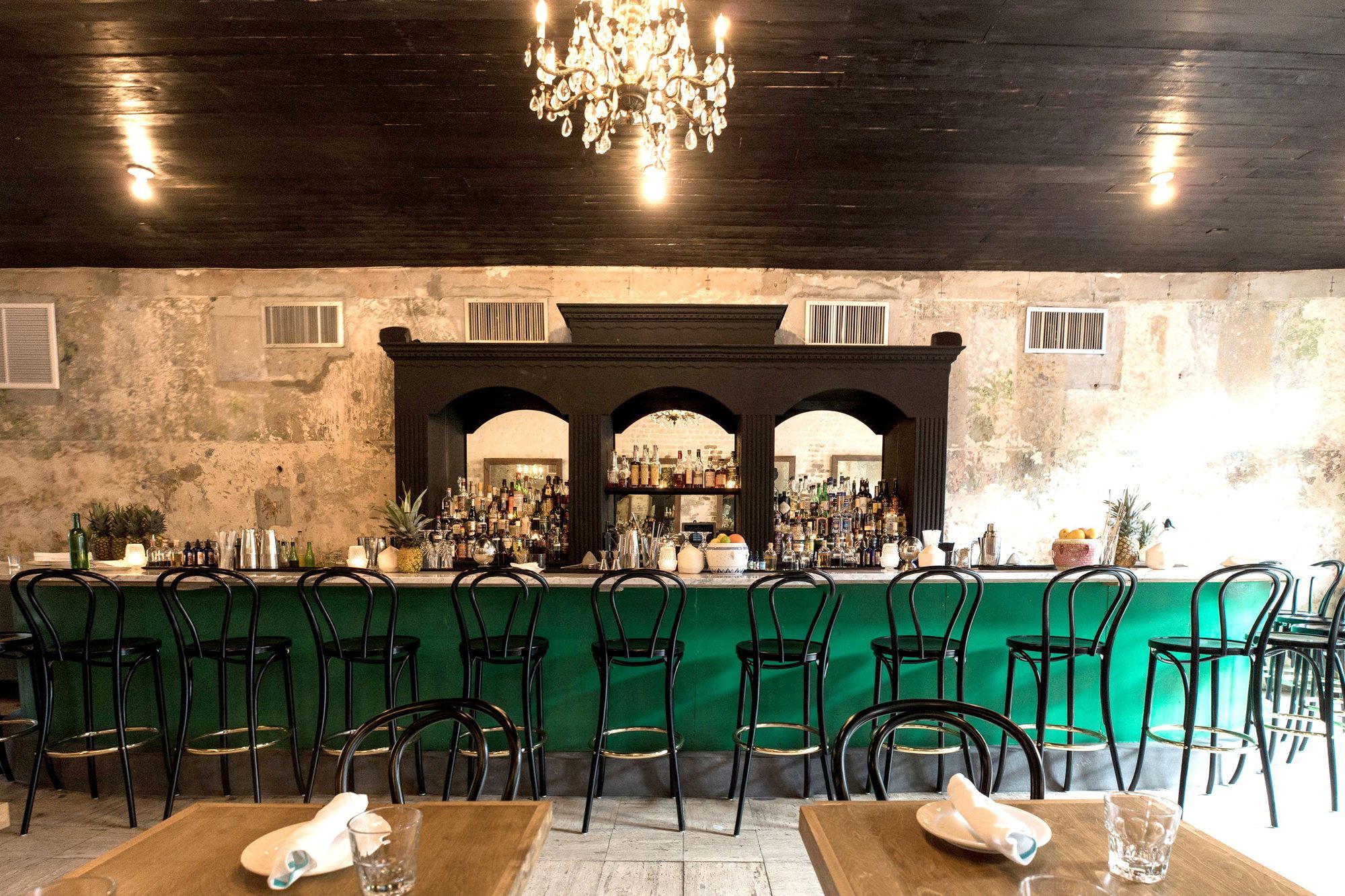
At a Glance
- Lively
- Classic
- Energetic
- Well Known
- Casual Hangout
- Group Dining
- Brunch
- After Work
- Celebration
- Live Music
- Terrace
- Standalone
- Craft Cocktails
- Beer Program
- Local Sourcing
- Street Scene
Current opening hours
- Monday
- 5–11 PM
- Tuesday
- 5–11 PM
- Wednesday
- 5–11 PM
- Thursday
- 5–11 PM
- Friday
- 5 PM–12 AM
- Saturday
- 12 PM–12 AM
- Sunday
- 12–11 PM
Hours can change for holidays and private events. Last verified .