Green Goddess
Green Goddess occupies a slim historic building on Exchange Place in the French Quarter, where New Orleans' appetite for creative, produce-driven cooking meets one of the city's most atmospheric addresses. The menu draws on the region's multicultural pantry without defaulting to Creole formula, making it a useful reference point for understanding how the city's dining identity continues to evolve beyond its own traditions.
- Address
- 307 Exchange Pl, New Orleans, LA 70130
- Phone
- +1 504 301 3347
- Directions
- Get directions
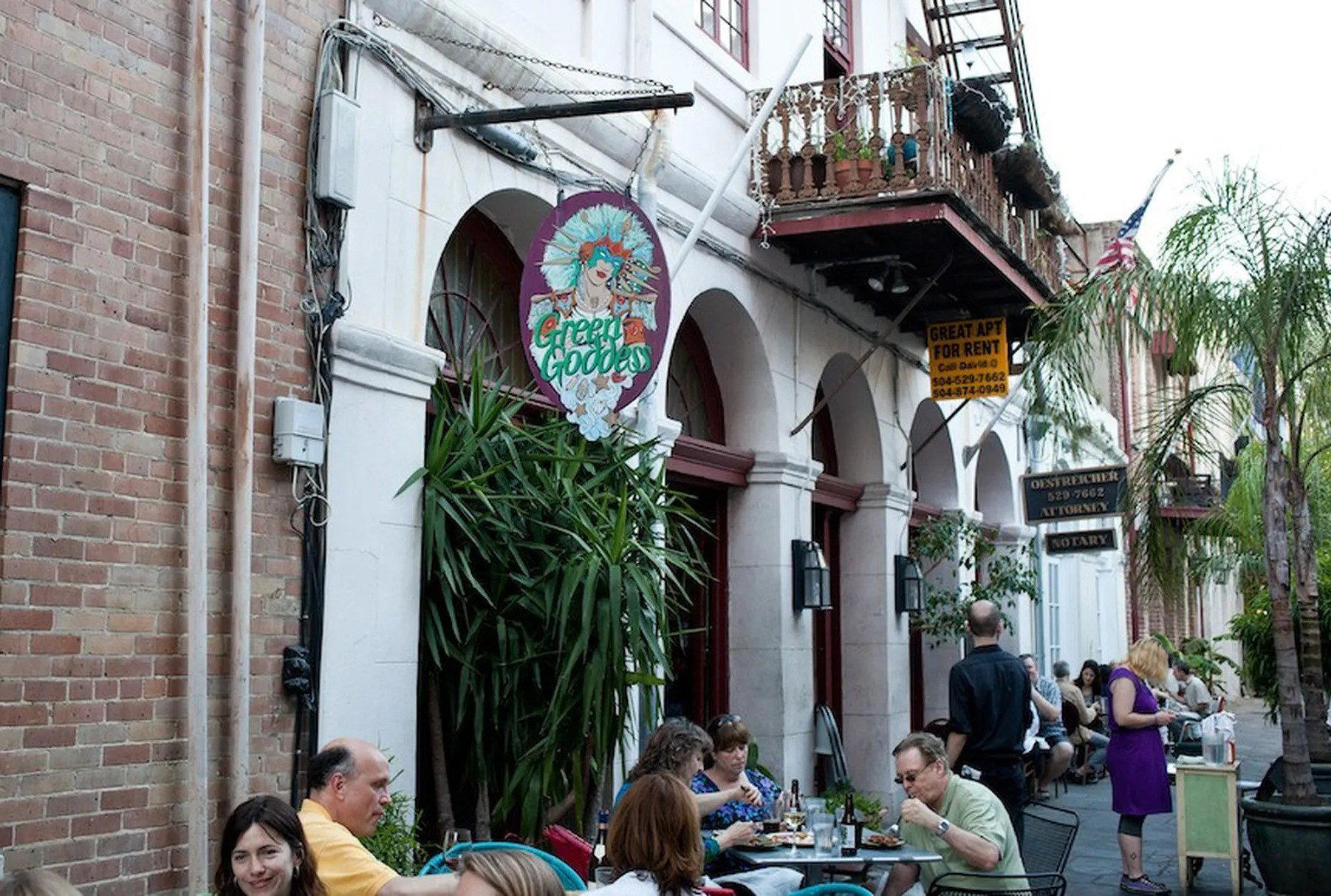
Exchange Place and the French Quarter's Quieter Dining Register
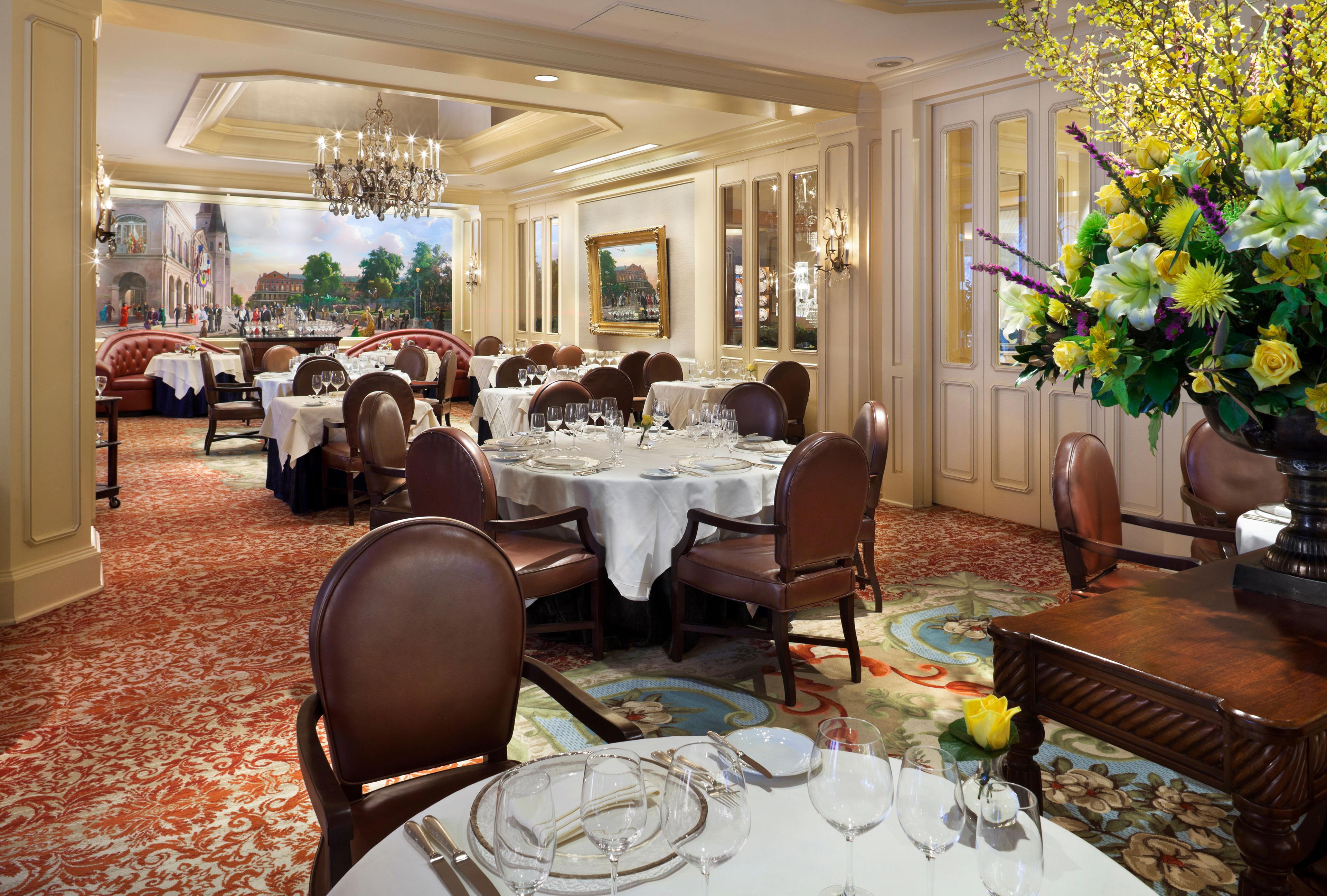
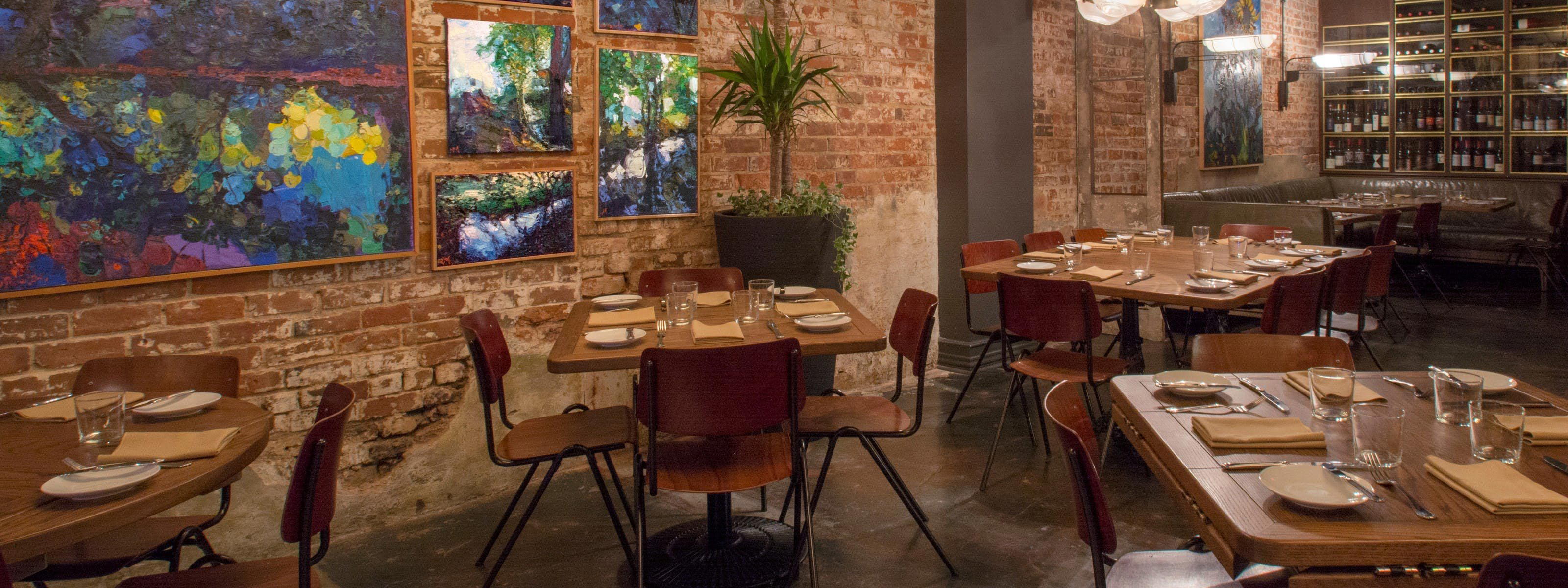
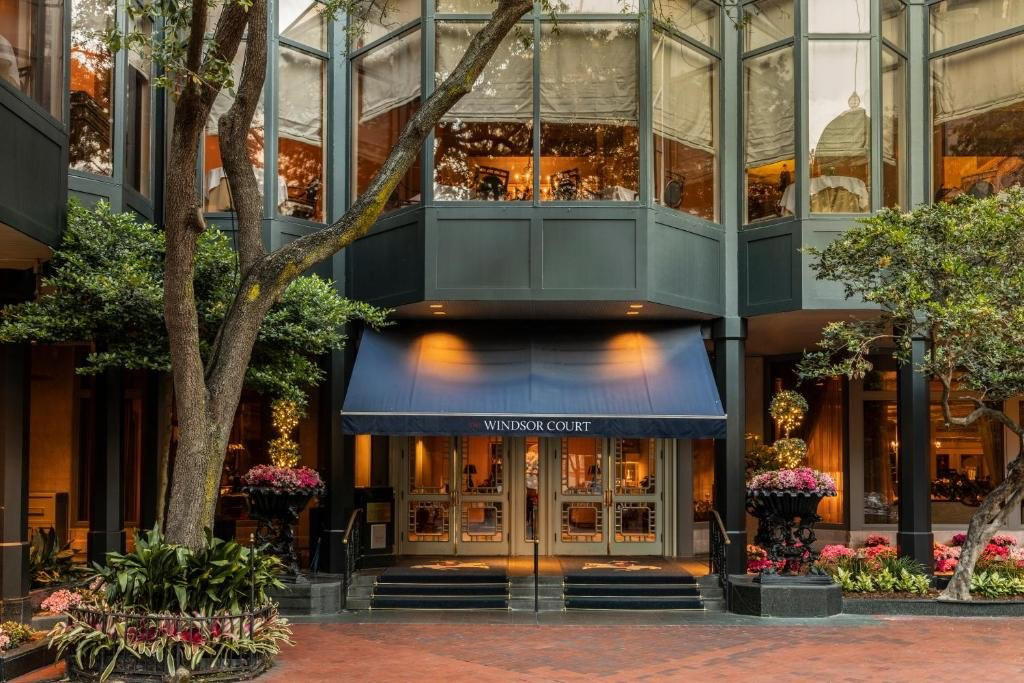
Exchange Place is one of the French Quarter's narrower passages, removed enough from Bourbon Street's noise to maintain the kind of ambient quiet that actually lets you hear the person across the table. Green Goddess sits at 307 Exchange Pl, in one of those compressed historic storefronts that defines the neighbourhood's built character: high ceilings, old brick, and proportions that force a certain intimacy between kitchen and guest. This is not the French Quarter of beads and frozen daiquiris; it is the French Quarter of wrought iron, worn plaster, and restaurants that have been here long enough to know what they are doing.
That physical context matters for understanding what Green Goddess represents within New Orleans dining. The city's restaurant identity tends to get narrated through its monument houses, the grand Creole institutions and the Cajun flagships such as Emeril's that carry decades of ceremony and expectation. Green Goddess occupies a different register: smaller, more eclectic, and oriented toward a style of cooking that treats New Orleans' multicultural pantry as a starting point rather than a constraint.
The Cultural Roots of New Orleans' Most Layered Cuisine
To understand where a place like Green Goddess sits in the city's food culture, it helps to understand how genuinely plural that culture is. New Orleans cooking is not one tradition but several layered on top of each other over three centuries: French colonial technique, Spanish seasoning influence, West African ingredients and methods, Caribbean spice logic, and successive waves of German, Italian, and Vietnamese immigration. The result is a city where the boundaries between Creole, Cajun, and something simply described as New Orleans cuisine are genuinely contested, and where particularly interesting kitchens often resist the taxonomy entirely.
That eclecticism is not a recent development. New Orleans has historically absorbed outside influences and turned them local faster than almost any other American city. What has changed in the past decade is a cohort of restaurants willing to foreground that absorption explicitly, drawing on the city's diverse sourcing, its subtropical growing seasons, and its access to Gulf seafood without anchoring every dish to a Creole or Cajun framework. The restaurant belongs to that tendency, operating in a part of the French Quarter where the dining offering has grown more varied and less ceremonially traditional than the neighbourhood's reputation might suggest.
Elsewhere in the city, the contemporary end of the market has moved in related directions. Bayona on Dauphine Street has spent decades demonstrating that New American cooking can be deeply rooted in Louisiana without being defined by it, while newer arrivals like Re Santi e Leoni and Saint-Germain have pushed the formal end of the market toward European-inflected contemporary menus. The restaurant works a less formal tier, where accessibility and breadth of reference tend to matter more than tasting-menu discipline.
Produce-Forward Cooking in a City Built on Protein
New Orleans has among the more protein-forward culinary identities in the United States. Crawfish, shrimp, oysters, andouille, boudin, whole roasted birds, and slow-braised pork shoulder are the load-bearing elements of the city's dining culture, and most of the celebrated institutions are built around them. What makes the restaurant relevant to a certain kind of diner is that it operates from a different starting premise: vegetables, herbs, and grains as primary rather than supporting elements, drawing on the region's genuinely extraordinary produce without reducing the menu to a list of substitutions.
This is harder to execute well in New Orleans than it sounds. The city's culinary infrastructure, its markets, its farming networks, its ingredient culture, tilts heavily toward animal protein and the coastal harvest. Kitchens that centre produce rather than seafood or meat must work against the grain of local supply chains and diner expectation simultaneously. The French Quarter location, which concentrates a high proportion of tourist traffic, makes that positioning more complicated still: the default expectation walking into a French Quarter restaurant is something that reads legibly as New Orleans, which usually means something from the Creole or Cajun lexicon.
The restaurant navigates this by being eclectic rather than doctrinaire. The menu does not present itself as a vegetarian or plant-forward statement in the campaigning sense; it simply organises its cooking around whichever ingredients and combinations work well on a given day, which in practice means a greater emphasis on produce than is typical for the neighbourhood. Among New Orleans restaurants, that puts it in a smaller peer group that also includes Zasu, where American contemporary cooking leans into a similarly ingredient-first logic.
How Green Goddess Fits the National Conversation
Produce-driven, eclectic, neighbourhood-scaled restaurants have become one of the more durable formats in American fine-casual dining over the past decade. The format appears across American cities: Lazy Bear in San Francisco, Smyth in Chicago, and Blue Hill at Stone Barns in Tarrytown all demonstrate, at various price points and levels of formality, how deeply ingredient sourcing can anchor a restaurant's identity. At the formal end, places like The French Laundry in Napa, Le Bernardin in New York City, Providence in Los Angeles, Single Thread Farm in Healdsburg, Addison in San Diego, The Inn at Little Washington, Frasca Food & Wine in Boulder, Atomix in New York City, and Atelier Moessmer Norbert Niederkofler in Brunico show how rigorously sourced ingredients can define a kitchen at the highest tier. The restaurant operates further down the formality scale, but it draws on the same basic logic: that where ingredients come from and how they are handled is a more interesting organising principle than replicating a received tradition.
In New Orleans specifically, that logic has particular resonance. The city's subtropical climate produces year-round growing seasons with a range of vegetables, fruits, and herbs that most American cities cannot access. A kitchen that pays attention to what is available from Louisiana growers in a given month has access to a genuinely distinctive larder, distinct enough that the menu need not default to the city's canonical dishes to feel rooted in place.
Planning Your Visit
The restaurant is located at 307 Exchange Place in the French Quarter, a short walk from Jackson Square and the riverfront. Exchange Place itself is a narrow, pedestrian-friendly alley that runs between Royal and Chartres Streets, making the approach on foot the natural one. For the broader French Quarter and Central Business District dining picture, including how the restaurant fits alongside the city's more formal Creole houses and newer contemporary arrivals, see our full New Orleans restaurants guide. Current hours, booking availability, and pricing are best confirmed directly with the venue before visiting, as operational details at this scale can shift with season and staffing.
Comparable Spots, Quickly
Comparable venues nearby, for context on price, style, and recognition.
| Venue | Cuisine | Price | Notes |
|---|---|---|---|
| Green GoddessThis venue — the venue you are viewing | Modern New Orleans Eclectic | $$ | Not listed |
| Three Muses | American Small Plates with International Flair | $$ | Marigny |
| Cafe Malou | New Orleans-Inspired Cafe | $$ | West Riverside |
| Sylvain | Southern Gastropub | $$ | French Quarter |
| Mulate's | Authentic Cajun & Creole | $$ | Arts District |
| Lost Coyote | Modern American with New Orleans influences | $$ | Esplanade Ridge |
Continue exploring
More in New Orleans
Restaurants in New Orleans
Browse all →
Bars in New Orleans
Browse all →
At a Glance
- Cozy
- Intimate
- Brunch
- Casual Hangout
- Historic Building
- Craft Cocktails
- Local Sourcing
- Street Scene
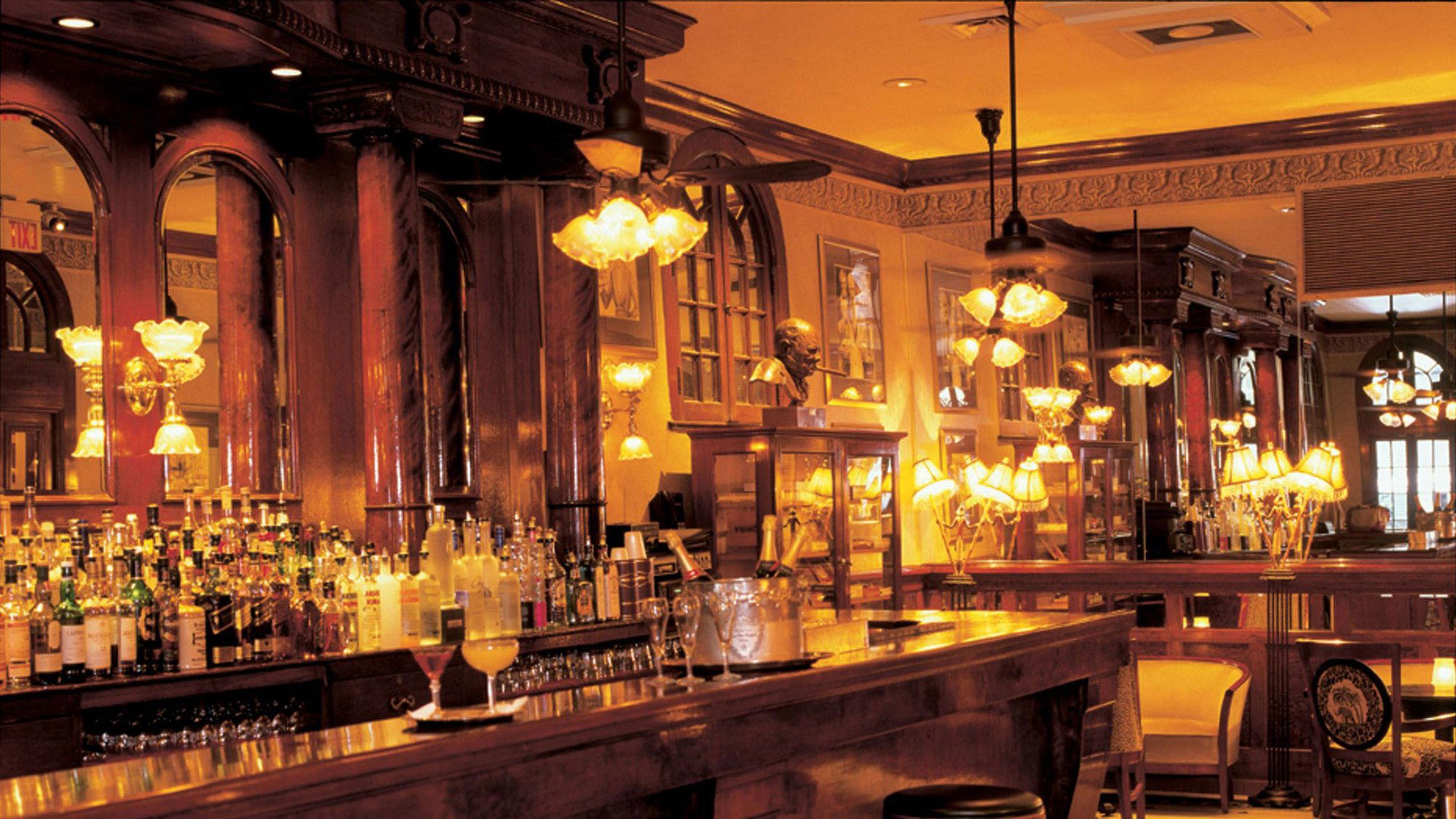
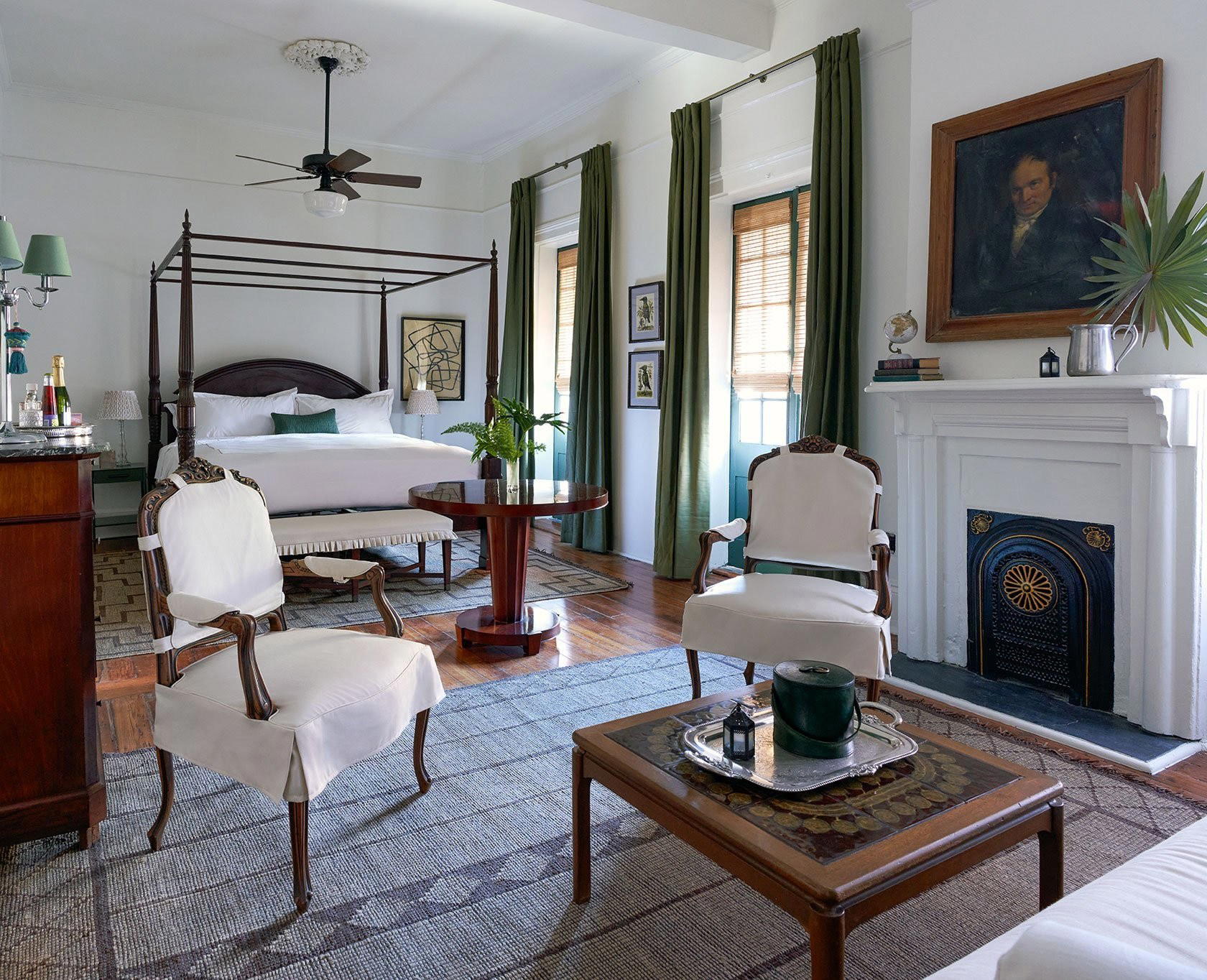
Inviting and classy setting with a cozy, intimate atmosphere.