Mareva1939
Mareva1939 occupies a Collins Avenue address that carries the full weight of Miami Beach's Art Deco era. The venue draws a loyal returning crowd rather than a passing tourist trade, positioning it within a small tier of South Beach addresses where atmosphere and historical context do as much work as the menu. Details on current format and pricing are best confirmed directly at 1677 Collins Ave.
Pearl is the En Primeur Club membership app — saves, bookings, and concierge access live there. Same editors, same standards.
- Address
- 1677 Collins Ave, Miami Beach, FL 33139
- Phone
- +13054237260
- Website
- mareva1939.com
- Directions
- Get directions
 Saves & bookings on Pearl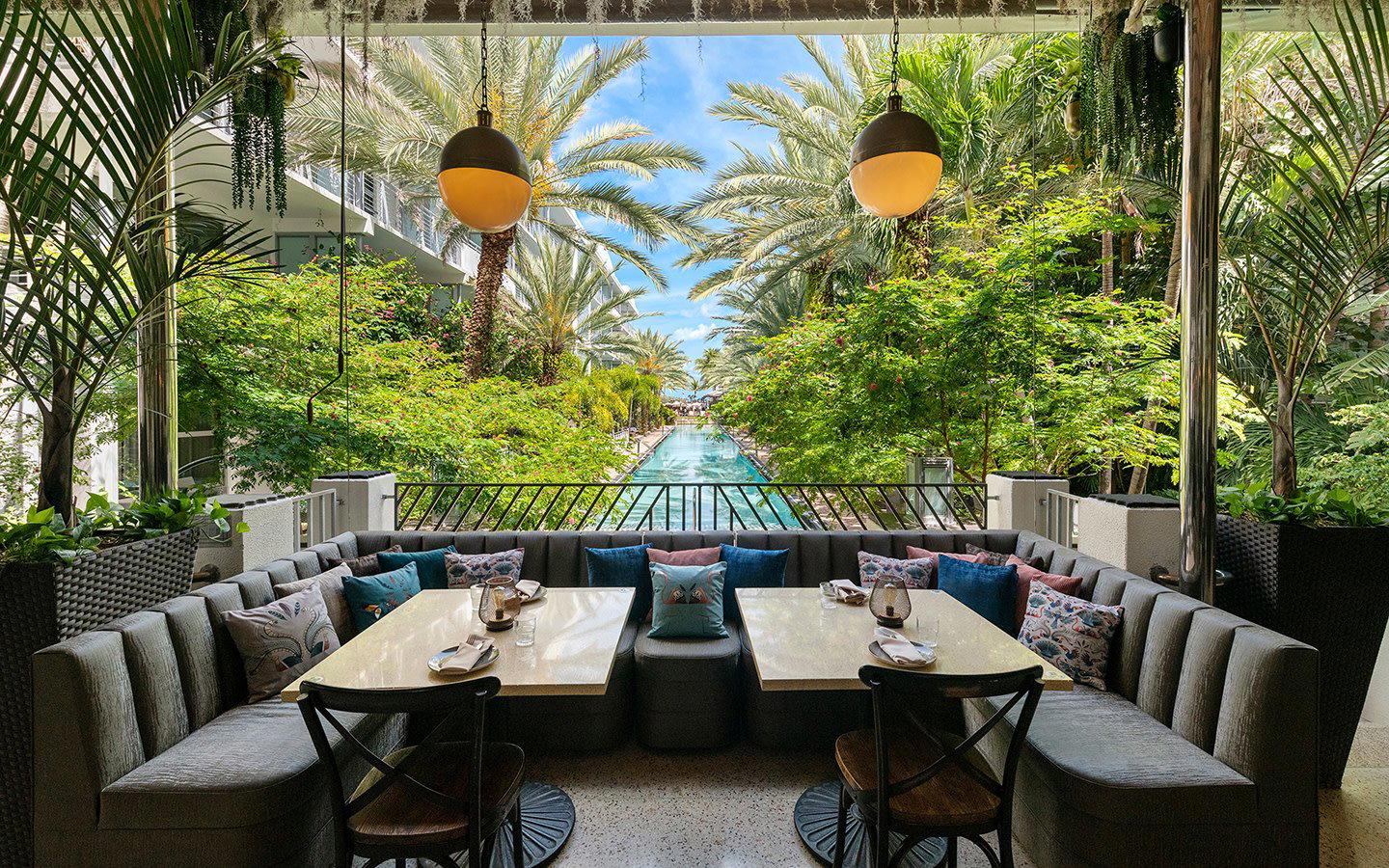
Collins Avenue and the Weight of 1939
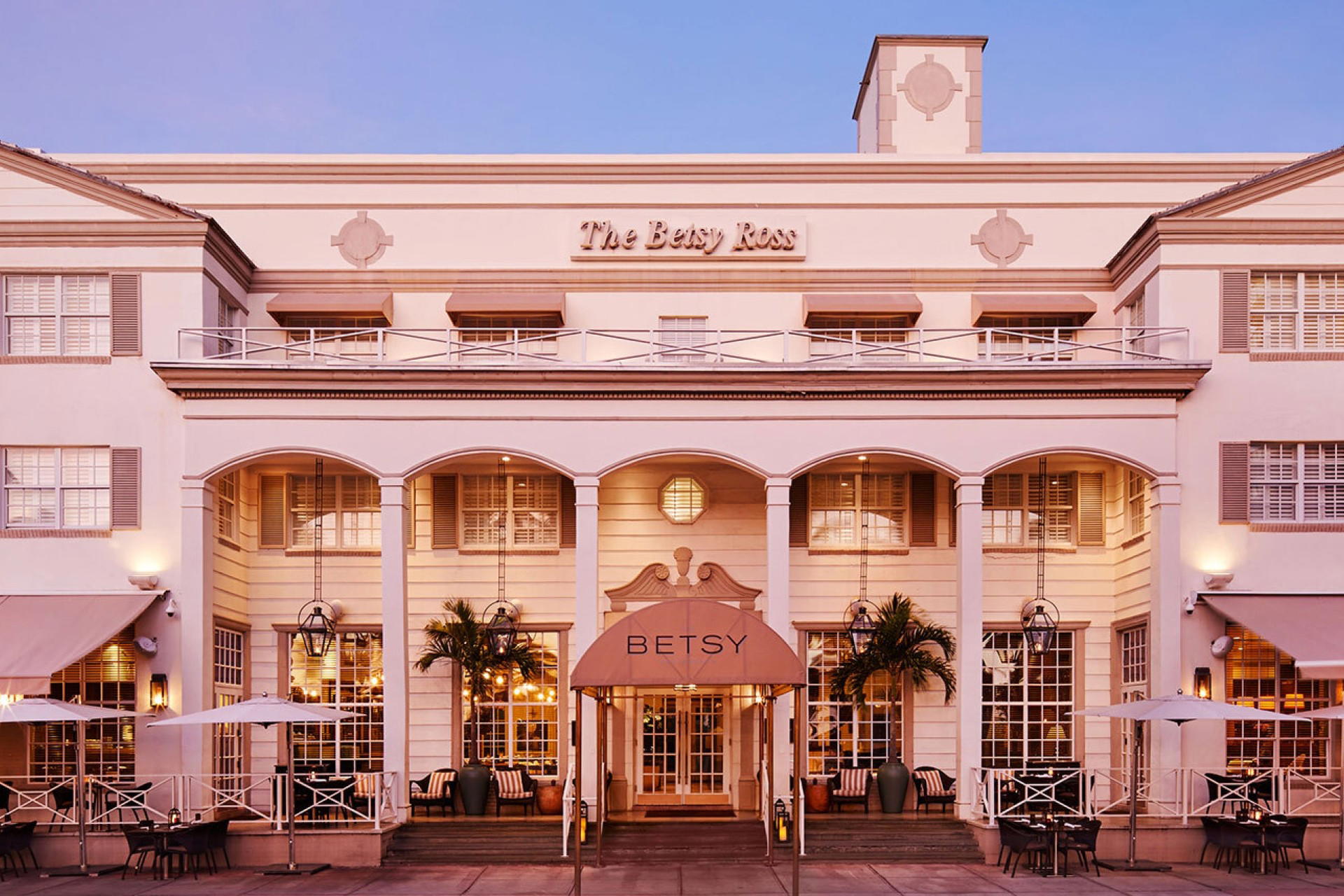
There is a particular quality to Collins Avenue in the heart of Miami Beach's Art Deco district: the architecture does not let you forget where you are or when those buildings were imagined. The low horizontal lines, the pastel facades, the porthole windows, these are not aesthetic choices applied after the fact but the original grammar of a neighbourhood built in the decade before World War Two changed everything. Mareva1939 is a restaurant serving Modern Spanish Tapas in Miami Beach, with a $80 per person price point. Mareva1939 sits inside that grammar at 1677 Collins Ave, and the name alone signals an intention to honour the period rather than merely reference it. Where many South Beach addresses use the Deco setting as backdrop scenery, this one treats the era as a primary material.
Miami Beach's dining and drinking scene has long operated in two registers: the high-volume, high-visibility venues that service the convention and festival calendar, and the smaller, more deliberately curated addresses that depend on returning clientele rather than foot traffic. The Collins Avenue corridor around this block sits at a productive tension between both registers, visible enough to attract a first-time visitor, specific enough to reward repeated attention.
What the Regulars Know
A venue that anchors its identity to a specific historical year is making an implicit promise: that the experience will have some consistency, some fidelity to a point of reference. For the people who return to Mareva1939 rather than simply pass through, that promise functions as a kind of orientation. South Beach produces a constant churn of openings, rebrands, and pop-up formats, the addresses that sustain a loyal clientele tend to do so by offering something that does not change with each season's trend cycle.
This is the pattern that distinguishes the regulars' relationship with a venue from the tourist or the one-time visitor. The regular is not discovering the place; they are confirming it. They know which seat has the leading sightline, which time of evening carries the right energy, and what the room feels like when it is operating at its intended pace rather than at capacity. At addresses on the Art Deco stretch of Collins, that insider knowledge is often architectural as much as culinary, the buildings have specific acoustics, specific light qualities at different hours, specific ways the street noise enters or is held at bay.
The broader Collins Avenue context places Mareva1939 in a neighbourhood that also includes 11th Street Diner, a 24-hour chrome-sided diner with its own historical logic, and A Fish Called Avalon on the next block, which works the Deco-era setting toward a seafood format. Further along the beach strip, a'Riva, Alma Cubana, and Amalia each represent different approaches to the question of how a Miami Beach address builds loyalty rather than just traffic. The addresses that last in this neighbourhood tend to have a clear answer to that question.
Historical Context as a Working Ingredient
The year 1939 in Miami Beach was the peak of the original Art Deco building boom, the moment before the war economy redirected construction priorities and before the postwar period began layering new aesthetic logics onto the district. Venues that take this period as a reference point are working within an American hospitality tradition that valued a particular kind of theatrical formality, the well-set table, the room designed to frame an evening rather than simply contain it, the sense that going out carried some ceremony.
That tradition has its counterparts in American fine dining more broadly. The ceremony-conscious, historically anchored American restaurant exists in different registers across the country: The Inn at Little Washington in Washington operates in a country-house idiom that dates its own aesthetic to a specific mid-twentieth-century sensibility. Le Bernardin in New York City grounds its authority in a French classical tradition imported to an American context. The French Laundry in Napa treats its farmhouse building as an argument about what a serious American restaurant should feel like. In each case, the physical setting is not incidental, it is load-bearing.
Miami Beach in this sense has a more compressed and contested version of the same dynamic. The Deco district is a protected historic zone, which means the buildings cannot be easily erased, but the interiors and the businesses that occupy them change constantly. Addresses that commit to a period-specific identity are making a more durable bet than those that chase current format trends.
Placement in the Miami Beach Scene
Miami Beach's restaurant tier has widened considerably over the past decade. The upper bracket now includes venues competing against the kind of program depth found at Alinea in Chicago, Lazy Bear in San Francisco, Atomix in New York City, and Providence in Los Angeles. The mid-tier has fragmented into a wide range of format experiments. And then there are the addresses that operate somewhat outside the trend economy, not because they are indifferent to quality, but because their identity is grounded in something older than the current format cycle.
Mareva1939's positioning on Collins Avenue, in a building that carries the weight of a specific construction era, places it in this last category by default. The relevant comparison set is less the current wave of tasting-menu formats found at venues like Single Thread Farm in Healdsburg, Blue Hill at Stone Barns in Tarrytown, or Addison in San Diego, and more the broader category of historically anchored American hospitality addresses that define their comparable set by era and neighbourhood character rather than by current award cycles. Venues like Emeril's in New Orleans or 8 1/2 Otto e Mezzo Bombana in Hong Kong offer a different kind of parallel, addresses where the room itself carries credential weight independent of any single season's menu.
For the full map of where Mareva1939 sits within Miami Beach's current dining geography, the EP Club Miami Beach restaurants guide provides neighbourhood-level context across the Collins corridor and beyond.
Planning a Visit
Mareva1939 is located at 1677 Collins Ave, Miami Beach, FL 33139, on a block that is walkable from the heart of the South Beach Art Deco district. Current hours and reservation availability are recommended to confirm directly.
Pricing, Compared
Comparable venues nearby, for context on price, style, and recognition.
| Venue | Cuisine | Price | Notes |
|---|---|---|---|
| Mareva1939This venue — the venue you are viewing | South Beach, Modern Spanish Tapas | $$$$ | Not listed |
| LT Steak & Seafood | Not listed | $$$$ | South Beach, Steakhouse & Seafood with Fusion Influences |
| Nikki Beach | South of Fifth, Global Coastal Fusion | $$$$ | Not listed |
| Mirabella | Miami Beach, Coastal Italian | $$$$ | Not listed |
| The Setai | Not listed | $$$$ | Miami Beach, Mediterranean-Italian Ocean Grill |
| Tropezón | South Beach, Andalusian Spanish Tapas | $$$ | Not listed |
Continue exploring
More in Miami Beach
Restaurants in Miami Beach
Browse all →
Bars in Miami Beach
Browse all →
At a Glance
- Elegant
- Sophisticated
- Romantic
- Date Night
- Special Occasion
- Brunch
- Hotel Restaurant
- Extensive Wine List
- Natural Wine
- Craft Cocktails
- Local Sourcing
- Organic
Current opening hours
- Monday
- 7–11 AM, 6–10:30 PM
- Tuesday
- 7–11 AM, 6–10:30 PM
- Wednesday
- 7–11 AM, 6–10:30 PM
- Thursday
- 7–11 AM, 6–10:30 PM
- Friday
- 7–11 AM, 6–11:30 PM
- Saturday
- 7–11 AM, 6–11:30 PM
- Sunday
- 7–11 AM, 6–10:30 PM
Hours can change for holidays and private events. Last verified .
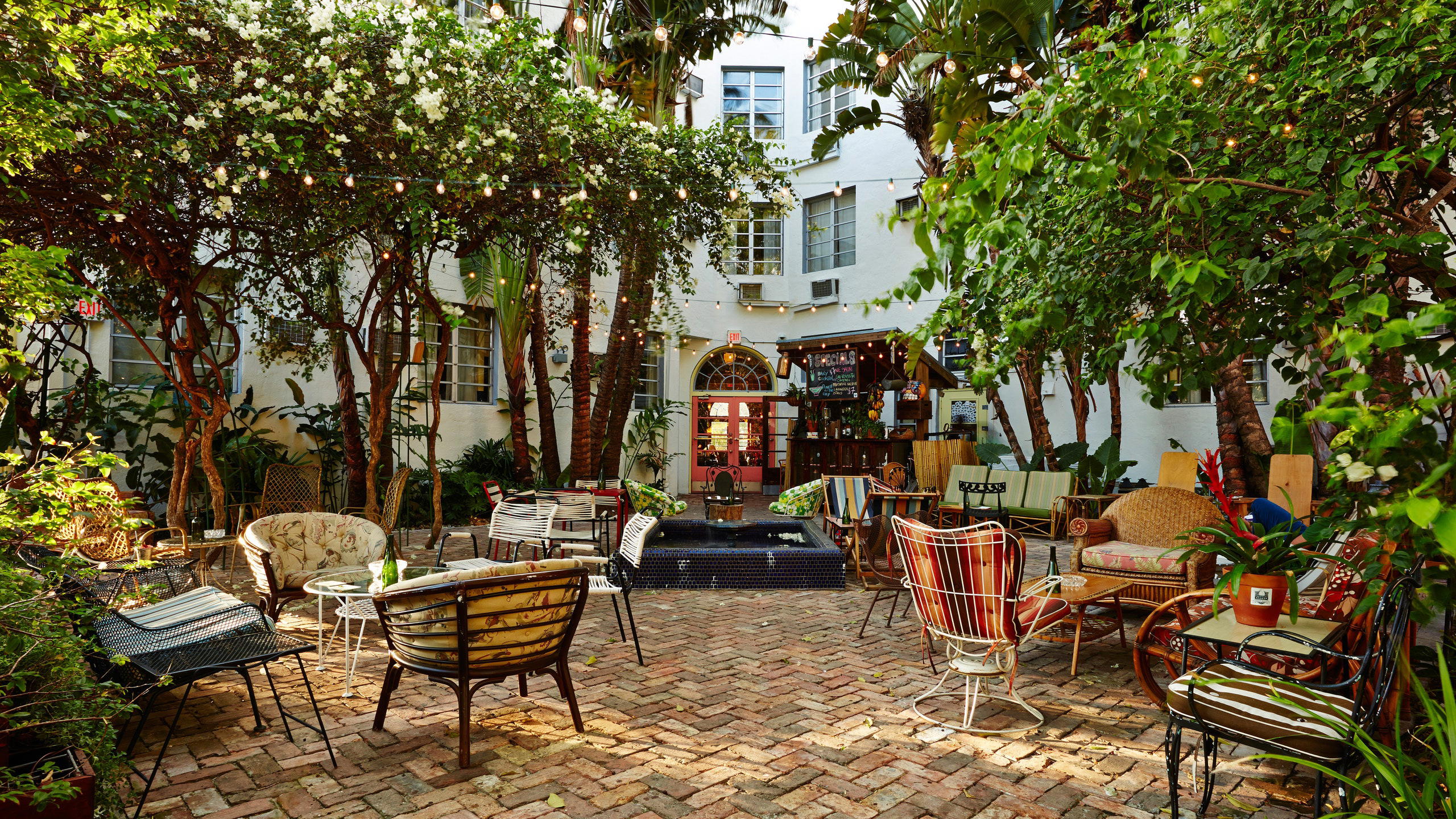
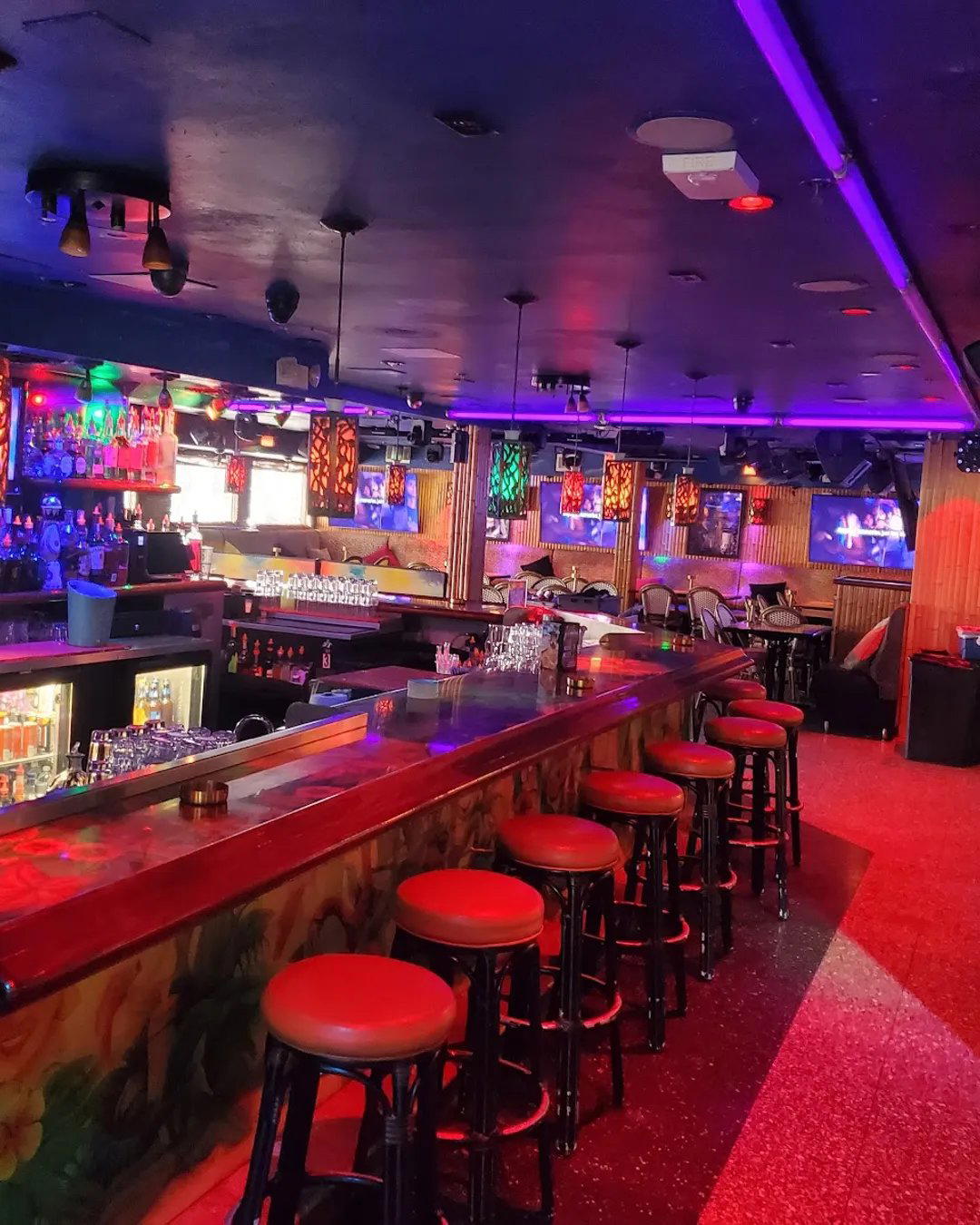
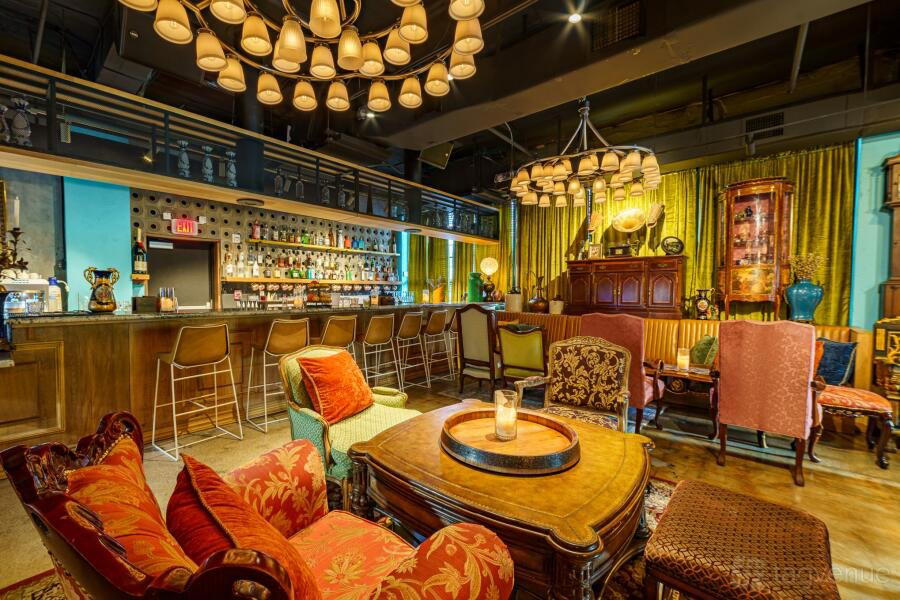
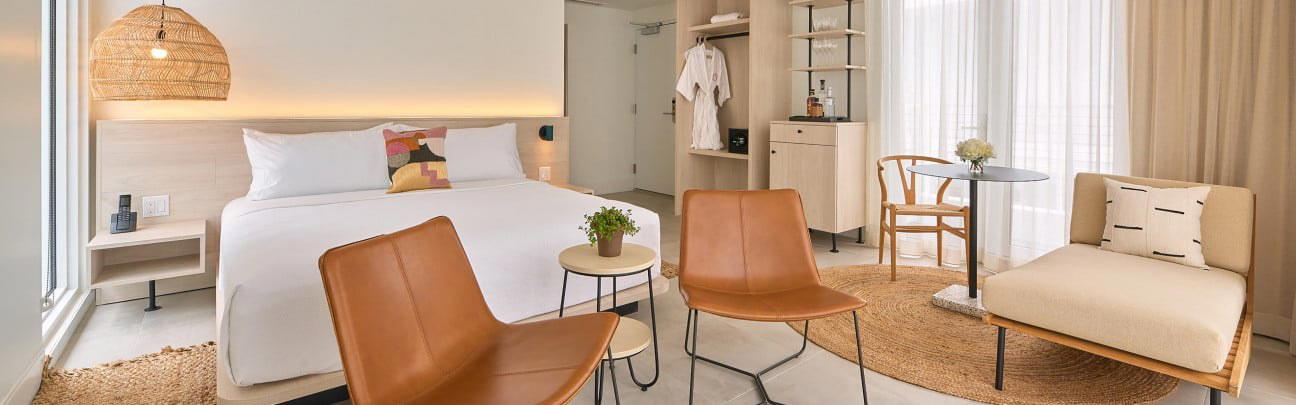
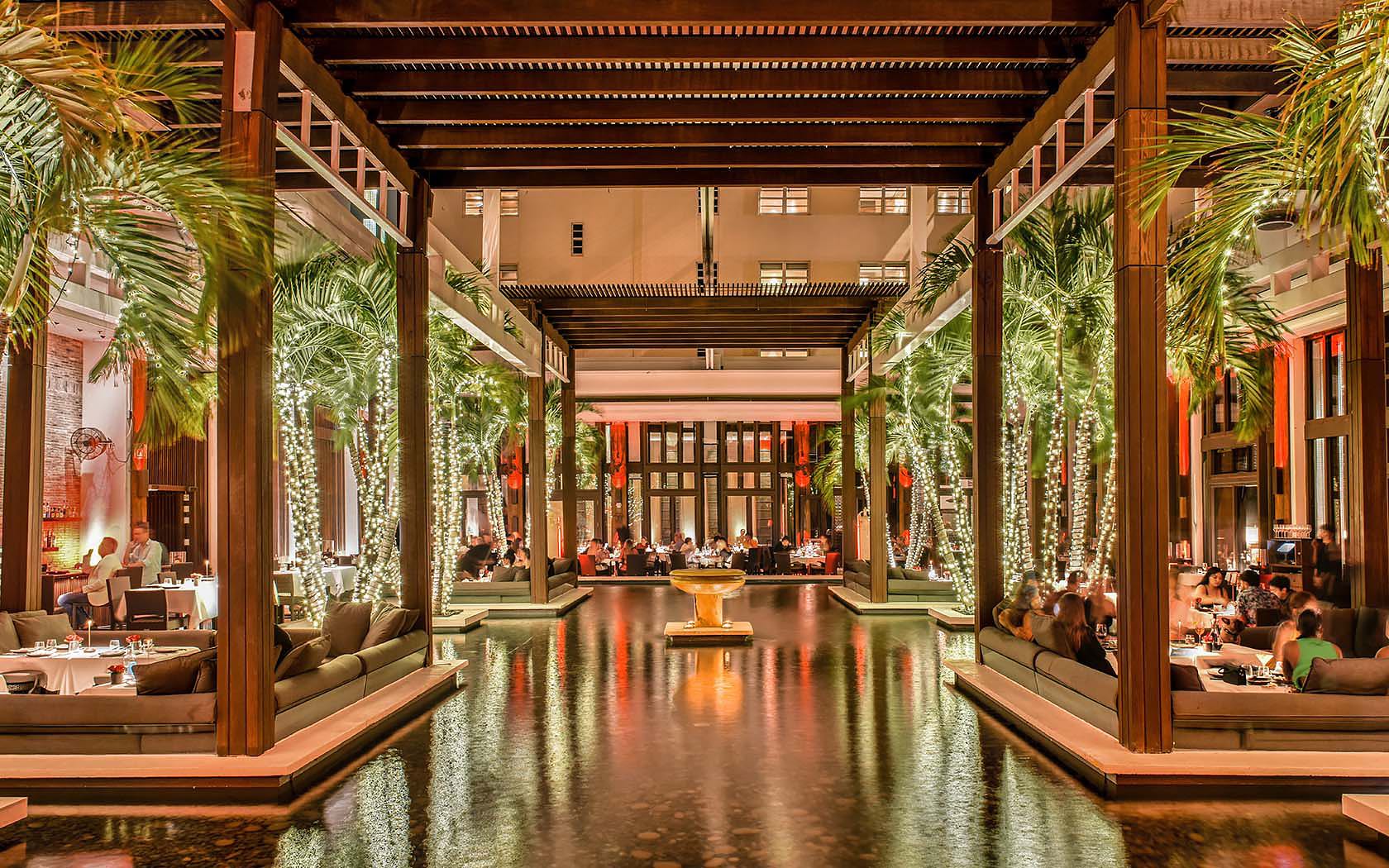
Elegant Art Deco setting with sophisticated and inviting atmosphere.