Maremma

The Good Food Guide GFG Good
Our verdict
A classically grounded Italian restaurant on Brixton Water Lane, Maremma draws its identity from the unspoilt Tuscan region of the same name. The kitchen works a repertoire of deeply traditional dishes, from handmade pasta to rare-breed meat specials, served without pretension in a minimalist room. An all-Italian wine list at accessible prices and a sibling apericena bar nearby complete a quietly serious neighbourhood offer.

Pearl is the En Primeur Club membership app, where members save venues, book tables and use the concierge.
The menu
What to order
- Pappardelle with wild boar ragù
- Tortelli maremmani
- Bistecca fiorentina
When Brixton Meets the Butteri Country
South London's dining character has shifted considerably over the past decade. Brixton, long defined by its market traders and Caribbean food culture, became a testing ground for trend-forward operators through the 2010s, with pop-up concepts, street food halls, and high-rotation small-plates formats crowding into the area around Brixton Village and Electric Avenue. Against that backdrop, a traditionally minded Italian restaurant on Brixton Water Lane reads as a quiet counter-argument: no sharing-plate theatre, no ten-herb oil, no imported nostalgia dressed up as innovation. What Maremma offers instead is something more considered, and in its own way more demanding.
The restaurant takes its name from a coastal stretch of southern Tuscany, an agricultural region of marshland, pine forests, and working cattle country that has historically resisted the kind of manicured tourism associated with Chianti or the Cinque Terre. The Maremma produces some of Tuscany's most characterful Super Tuscan wines, game, seafood from the Tyrrhenian coast, and seasonal produce that travels poorly, which means it tends to stay local. Naming a London restaurant after that region is a statement of intent: this is not about glossy Italian-American tropes, but about the less-photographed, produce-driven cooking of central Italy.
The Room and Its Register
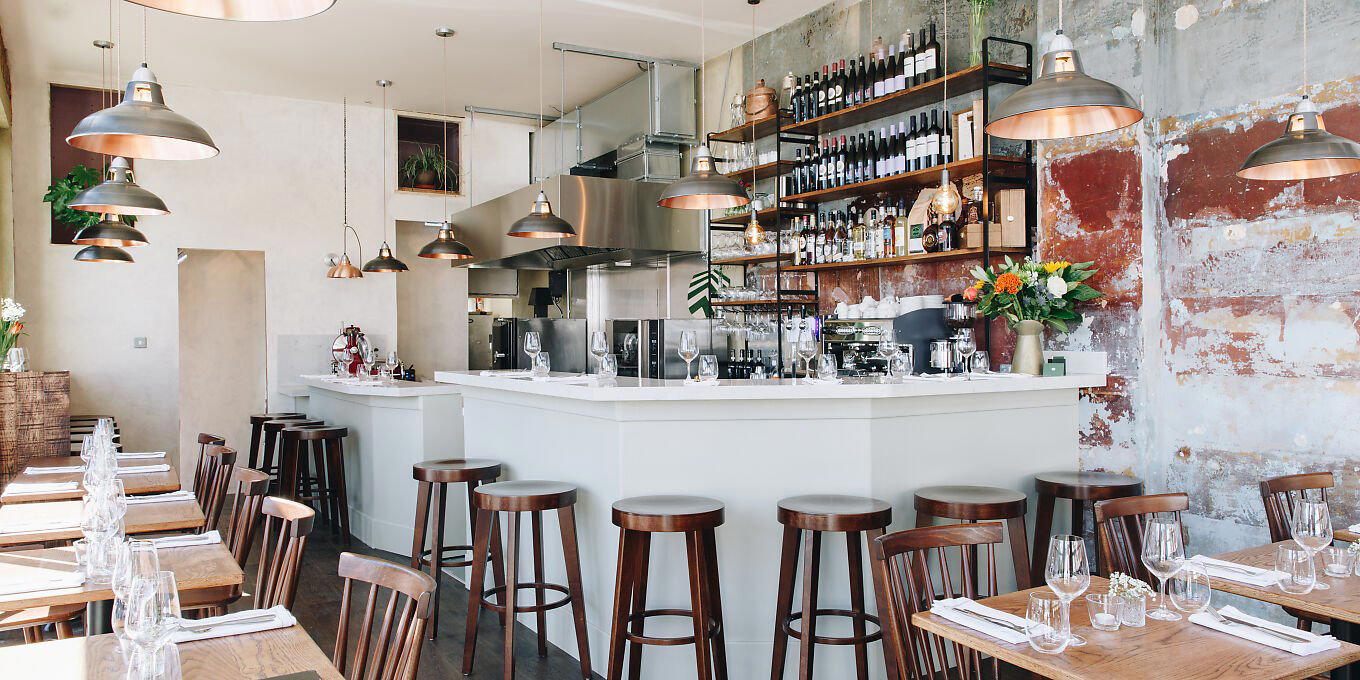
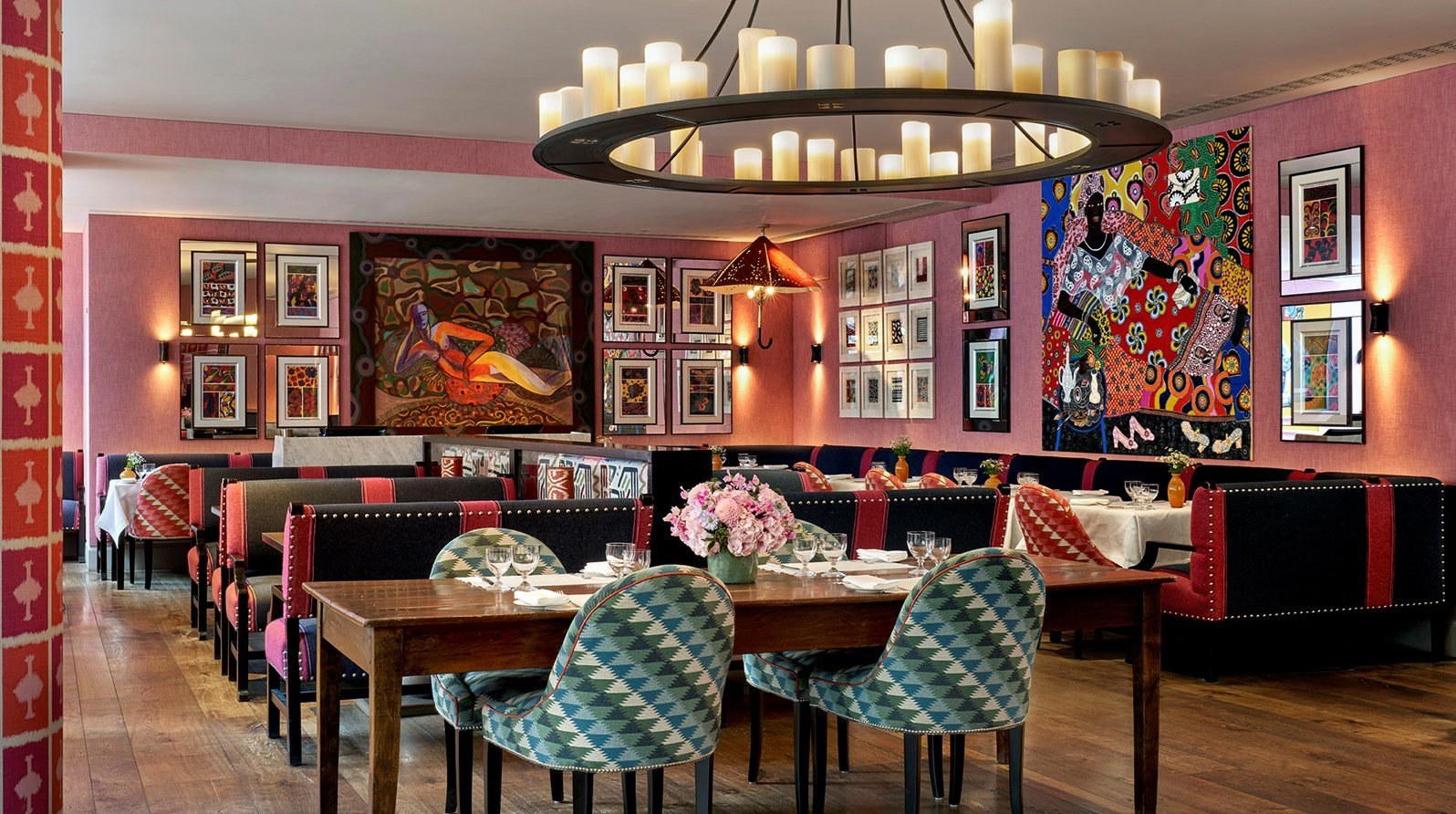
The space on Brixton Water Lane works in a register that has become common among serious neighbourhood restaurants operating below the destination-dining tier: exposed concrete, dark wood, mirrors, and a pair of large-format artworks that anchor the room without dominating it. The aesthetic is spare rather than cold, and the open kitchen allows the room to orient itself around what is actually happening at the pass. That transparency, a feature more common at high-end counters like those at The Clove Club or the tasting-format rooms of Ikoyi, here functions less as spectacle and more as a statement of directness.
Service follows the same logic. The team is knowledgeable and welcoming but operates without the formal distance that defines rooms like Core by Clare Smyth or Alain Ducasse at The Dorchester. The pitch is neighbourhood authority rather than occasion formality.
A Kitchen That Answers to Tradition
The menu's grammar is classical Italian, and the kitchen does not attempt to complicate it. Pasta is the clearest signal of a kitchen's commitment to that tradition, and here it holds up: pumpkin pansotti with butter and sage, chestnut tagliatelle with cavolo nero, chilli, and new-season olive oil, and pappardelle with a wild boar ragù described as velvety all point to a repertoire built around seasonal calibration rather than menu permanence. These are not dishes that work year-round from the same base ingredients; they shift with what the season can support.
The specials board extends that logic into rare-breed meats, a category that connects Maremma's sourcing to a broader shift in how serious Italian and British kitchens approach provenance. On the seafood side, seared rosemary-encrusted tuna with rocket and aged pecorino offers a cleaner, more coastal register against the richer pasta and meat dishes. Desserts carry the same discipline: Stockwell honeycomb gelato (a local reference that grounds the restaurant in its actual neighbourhood rather than a fantasy of Italy) and a tiramisu that has received specific editorial praise. Artisan Italian cheeses served with chestnut honey close the meal at a register that assumes the table is interested in the whole arc of Italian eating, not just the main course.
This approach places Maremma in a specific tier of London's Italian offer: neither the casual trattorias of Soho and Fitzrovia, nor the destination-level Italian rooms that compete with the broader upper bracket represented by venues like The Ledbury in terms of price expectation. It occupies a considered middle ground: serious technique, seasonal fidelity, accessible pricing.
The Wine Counter and the Sibling Bar
Italian wine lists in London frequently treat the category as a delivery mechanism for Barolo, Amarone, and Brunello at prices that eliminate the pleasure of ordering a second bottle. Maremma's all-Italian list takes a different position, with selections described as offering fantastic value at accessible prices. Given the restaurant's namesake region, it would be a missed opportunity not to explore the Super Tuscan category here, blends of Sangiovese with Cabernet Sauvignon or Merlot that emerged from the Maremma coast from the 1970s onward as winemakers stepped outside DOC rules to pursue a different expression. The Italian cocktail list at the counter adds an aperitivo option that works particularly well before a meal structured around the kind of pasta-then-meat-then-cheese progression that Italian dining classically supports.
The owners have also opened Il Maremmano, an apericena bar around the corner on Tulse Hill. The apericena format, a portmanteau of aperitivo and cena (dinner), is common in northern Italian cities as an early-evening ritual but remains relatively rare in London's neighbourhood restaurant circuit. Its presence here suggests a growing confidence in the local audience, and an interest in building a multi-format hospitality presence in SW2 rather than replicating the main restaurant across sites.
Where Maremma Sits in South London's Scene
For readers mapping London's wider restaurant geography, the concentration of serious destination dining remains weighted toward central and west London, from Notting Hill's Ledbury to the Michelin-registered rooms of Mayfair. South London's contribution to that map is still developing, but Brixton and Tulse Hill have accrued enough consistent operators to support a proper neighbourhood restaurant rather than requiring every venue to double as a destination. Maremma fits the latter model: it does not ask you to make a journey for its sake, but it rewards the decision to eat there seriously.
For comparison, the destination Italian rooms that compete at higher price points in London tend to place their identity in Piedmont or Campania, in imported chef prestige, or in tasting menu formats that remove the self-directed pleasure of ordering pasta and meat in sequence. Maremma's attachment to the Maremma region as a source of identity, rather than a marketing hook, gives it a specific grounding that is harder to replicate by scale. You can explore our full London restaurants guide for further context, and if you're extending a trip beyond the city, serious dining in the English regions is well covered by entries including Moor Hall in Aughton, L'Enclume in Cartmel, and The Waterside Inn in Bray.
Planning Your Visit
Maremma is at 36 Brixton Water Lane, SW2 1PE. The neighbourhood is well served by public transport, with Brixton underground and rail stations a short walk away. For broader South London planning, our London hotels guide, bars guide, and experiences guide provide further orientation. If you're also considering venues further afield, Gidleigh Park in Chagford and The Hand and Flowers in Marlow represent strong options for overnight dining trips from London.
Frequently asked questions
What should I eat at Maremma?
Pasta is the clearest measure of the kitchen's ability, and the seasonal variants, from pumpkin pansotti to pappardelle with wild boar ragù, reflect the restaurant's commitment to classically prepared Italian cooking rather than fusion or ornament. Rare-breed meat specials on the board and artisan Italian cheeses with chestnut honey to close are also well-supported by the editorial record. The tiramisu has been specifically cited as exceptional among desserts.
Do they take walk-ins at Maremma?
In London's mid-tier neighbourhood restaurant circuit, particularly for well-regarded venues in areas like Brixton where footfall is high on weekend evenings, walk-in availability tends to be tighter than on weekday lunches or early dinners. Checking directly with the restaurant before arriving without a reservation is the practical approach, particularly if you're travelling specifically to eat there.
What is Maremma known for?
Maremma is known for deeply traditional Italian cooking in a neighbourhood not typically associated with that register. Its pasta, seasonal produce focus, and all-Italian wine list at accessible prices have drawn consistent recognition. The restaurant is also notable for operating the sibling Il Maremmano apericena bar on Tulse Hill, extending the format beyond a single-site offer. The name references the Maremma region of southern Tuscany, a source of seasonal produce, game, coastal seafood, and the Super Tuscan wine category.
Peers You’d Cross-Shop
Comparable venues nearby, for context on price, style, and recognition.
| Venue | Cuisine | Price | Awards | Notes |
|---|---|---|---|---|
| MaremmaThis venue (the venue you are viewing) | Authentic Tuscan Italian | $50–100 | The Good Food Guide GFG Good | Not listed |
| Dalla | Regional Italian Trattoria | $50–100 | National Restaurant Awards Top 100 #70 · The Good Food Guide GFG Good | Hackney Central |
| O Ver Borough | Authentic Neapolitan Italian with Wood-Fired Pizza | $30–50 | Not listed | Bankside |
| Il Pampero | Authentic Italian Trattoria | $50–100 | Not listed | Belgravia |
| Osteria Fiorentina | Authentic Tuscan | $50–100 | Not listed | West Brompton |
| Cafe Murano | Authentic Italian Trattoria | Not listed | Not listed | Aldwych |
Recognition history
Dated appearances from independent guides and award organizations, with the underlying list record or original source where available.
The Good Food Guide GFG Good
The Good Food Guide
Continue exploring
More in London
Restaurants in London
All restaurants in London →
Bars in London
All bars in London →

Details
- Rustic
- Cozy
- Intimate
- Elegant
- Date Night
- Group Dining
- Special Occasion
- Open Kitchen
- Extensive Wine List
- Local Sourcing
- A La Carte
- Small Plates
- Wine
- Vegetarian Friendly
Current opening hours
- Monday
- Closed
- Tuesday
- Closed
- Wednesday
- 12–3 PM, 5:30–10 PM
- Thursday
- 12–3 PM, 5:30–10 PM
- Friday
- 12–3 PM, 5:30–11 PM
- Saturday
- 12–3 PM, 5:30–11 PM
- Sunday
- 12–3 PM
Hours can change for holidays and private events. Hours as of .
Cozy rustic basement dining room with open kitchen, wooden tables, and aromas of herbs and charcoal.