Our verdict
Gasthof Halifax occupies a corner of Deinze's residential dining scene on Emiel Clauslaan, where the gasthof format, part inn, part community table, carries a tradition that predates the modern restaurant category. For visitors tracing Belgian provincial hospitality rather than headline-chasing fine dining, it represents a different kind of evening: slower, more rooted, and shaped by the customs of the table rather than the theatre of the kitchen.

Pearl is the En Primeur Club membership app, where members save venues, book tables and use the concierge.
The menu
What to order
- Côte à l’os Ierse Tomahawk
- Kreeft Belle Vue
The Gasthof Tradition in a Provincial Flemish Town
Belgium's dining identity is often framed through its Michelin-decorated restaurants: the ambition of Hof van Cleve in Kruishoutem, the precision of Boury in Roeselare, or the urban confidence of Zilte in Antwerp. But parallel to that decorated tier runs a quieter, older tradition: the gasthof. The word translates roughly as inn or guesthouse, and the format it describes is one of the most durable in Flemish hospitality, a place where the meal is the occasion, not a performance around it, and where the rhythms of the table are set by the guests, not the kitchen's tasting-menu timeline.
Deinze, a mid-sized Flemish town on the Leie river southwest of Ghent, sits in territory where this tradition remains intact. Its dining options span a range from neighbourhood classics to more contemporary formats: Au Bain Marie, De Zwarte Vos, and MaReine each occupy distinct positions in the town's dining fabric. Gasthof Halifax, at Emiel Clauslaan 143, belongs to a different register from those contemporaries, one where the building type and its cultural associations carry as much meaning as any single dish.
What the Gasthof Format Asks of the Diner
The dining ritual at a gasthof is shaped by conventions that differ from both the formal restaurant and the casual bistro. In the Flemish context, the gasthof historically functions as a communal anchor: meals are longer, portions reference a domestic scale, and the relationship between guest and host is less transactional than in a city-centre establishment. This is a format where arriving without an explicit plan, and allowing the meal to unfold at its own pace, is not a failing but the correct approach.
For visitors accustomed to the tasting-menu format that dominates Belgium's celebrated tier, places like Willem Hiele in Oudenburg or Vrijmoed in Gent operate on a sequenced, chef-directed logic. The gasthof inverts that structure. The guest's preferences, pace, and appetite set the tempo. A table that lingers over a main course before deciding whether to continue is not an inconvenience, it is the expected mode of use.
This has practical implications. Plan for an evening rather than a slot. The address on Emiel Clauslaan is not in the commercial centre of Deinze, which means arriving by car is the most direct approach from surrounding Flemish towns. Those travelling from Ghent, roughly 20 kilometres to the northeast, have direct access via the N43. See our full Deinze restaurants guide for broader context on the town's dining geography and what to combine with a visit.
Placing Gasthof Halifax Within Belgian Dining
Belgian provincial dining operates across a wider range of registers than its international reputation suggests. The Michelin-starred tier, represented nationally by destinations like Le Chalet de la Forêt in Uccle, Bozar Restaurant in Brussels, or d'Eugénie à Emilie in Baudour, occupies one end. The gasthof sits at a different coordinate: outside the award-chasing circuit, oriented toward regulars rather than destination diners, and priced accordingly within a more accessible bracket.
This is not a criticism. Belgium has maintained the gasthof and its functional relatives, the eetcafé, the herberg, as legitimate parts of the hospitality spectrum, where the meal carries cultural weight without requiring tasting menus or wine pairings priced by the glass. Comparable establishments in France would be called auberges; in Germany, gasthauses; the underlying logic is the same: food anchored in regional custom, served without theatre, in spaces built for duration rather than turnover.
For visitors working through Belgium's more decorated addresses, say, the focused ambition of De Jonkman in Sint-Kruis or the precise regionalism of Ralf Berendsen in Neerharen, a gasthof evening offers a genuinely different calibration. The comparison is instructive rather than hierarchical.
The Character of the Leie Region at the Table
Deinze sits in the heart of the Leiestreek, a region whose agricultural and culinary identity is distinct within Flanders. The river Leie historically supported flax cultivation, and the towns along its banks developed a particular civic character: prosperous, self-contained, with a strong tradition of local enterprise in food and hospitality. That background shapes what regional establishments serve and how they serve it.
Flemish cooking in this part of Belgium tends toward hearty preparations: braised meats, stew traditions with deep roots in the boeuf carbonnade and waterzooi lineage, vegetable-forward sides that track seasonal availability. For an international parallel, the pacing and portion logic of a gasthof meal resembles what Lazy Bear in San Francisco describes as a communal dinner experience, though the Belgian version strips away the convivial theatrics and simply delivers the communality as default mode. The focus at the table, not the spectacle around it, is the differentiator.
Seasonal timing matters in this region. Autumn and winter suit the gasthof format naturally: heavier preparations, longer evenings, and the cultural inclination toward warmth and duration at the table that the colder months in Flanders encourage. Spring and summer shift the rhythm, lighter dishes, longer daylight, but the format itself remains consistent year-round.
Planning a Visit
Gasthof Halifax is located at Emiel Clauslaan 143 in Deinze. Given the gasthof format, booking ahead is advisable, particularly for larger groups: establishments of this type often operate with limited covers and a regular clientele that fills the room on weeknights as reliably as weekends. Those combining Deinze with wider Flemish itineraries will find the town accessible from both Ghent and Kortrijk, with Ghent's broader restaurant scene, including Vrijmoed, offering a contrasting register for a multi-day visit. For those whose appetite runs toward Belgium's most celebrated addresses, the internationally recognised French-technique precision of Le Bernardin in New York City or the Flemish fine dining represented by La Durée in Izegem and Cuchara in Lommel represent different points on the same regional spectrum.
Frequently asked questions
What part of town is Gasthof Halifax in?
Gasthof Halifax is located at Emiel Clauslaan 143, 9800 Deinze, Belgium, Deinze.
Is Gasthof Halifax a good option for a group lunch in the Deinze area?
The gasthof format across Flanders has historically served as the default venue for family gatherings, local business lunches, and communal meals, making group sittings a natural fit for the category. Gasthof Halifax is located at Emiel Clauslaan 143 in Deinze, a town centrally placed within the Leiestreek and accessible from Ghent. No capacity figures or group booking policies are currently documented, so direct enquiry ahead of a larger visit is recommended.
What's the best thing to order at Gasthof Halifax?
The gasthof format in Flanders typically centres on hearty, region-driven dishes rather than an à la carte showpiece menu. Given Deinze's position in the Leiestreek, expect the kitchen to draw on the agricultural produce and preparations characteristic of that river region.
Is Gasthof Halifax reservation-only?
In the Flemish gasthof tradition, walk-in tables are common, particularly at lunch, though weekend evenings often fill quickly. Checking directly via local directories before visiting is advisable.
What's Gasthof Halifax best at?
The gasthof format itself is the core proposition: a mid-register, convivial dining experience distinct from both the formal Michelin tier and the casual café. Gasthof Halifax sits in Deinze, a town with a clear Leiestreek agricultural identity, which typically shapes the kitchen's orientation toward regional Flemish cooking.
Can Gasthof Halifax adjust for dietary needs?
Traditional Flemish gasthof kitchens are built around meat-centric, dairy-rich regional cooking, which can limit flexibility for strict dietary requirements. No specific dietary accommodation policy is documented for Gasthof Halifax in Deinze. Contacting the venue directly before arrival is the clearest way to confirm what adjustments the kitchen can make.
Cuisine and Recognition
Comparable venues nearby, for context on price, style, and recognition.
| Venue | Cuisine | Price | Notes |
|---|---|---|---|
| Gasthof HalifaxThis venue (the venue you are viewing) | Belgian Bistro Classics | $50–100 | Not listed |
| De Zwarte Vos | Belgian Artisan Chocolates | Not listed | Astene |
| MaReine | French-Belgian Brasserie | Not listed | Astene |
| Au Bain Marie | French-Belgian Seasonal Bistro | $50–100 | Astene |
| Günther Watté | Belgian Chocolatier Café | Not listed | Anvers-centre |
| Chocolatier M | Artisanal Belgian Pralines | Not listed | Knokke-Heist |
Continue exploring
More in Deinze
Restaurants in Deinze
All restaurants in Deinze →

Details
- Cozy
- Rustic
- Scenic
- Date Night
- Family
- Casual Hangout
- Waterfront
- Terrace
- Historic Building
- Extensive Wine List
- Waterfront
- A La Carte
Current opening hours
- Monday
- 12–2:30 PM, 6–10 PM
- Tuesday
- 12–2:30 PM, 6–10 PM
- Wednesday
- 12–2:30 PM, 6–10 PM
- Thursday
- 12–2:30 PM, 6–10 PM
- Friday
- 12–2:30 PM, 6–10 PM
- Saturday
- 12–2:30 PM, 6–10 PM
- Sunday
- 12–9:30 PM
Hours can change for holidays and private events. Hours as of .
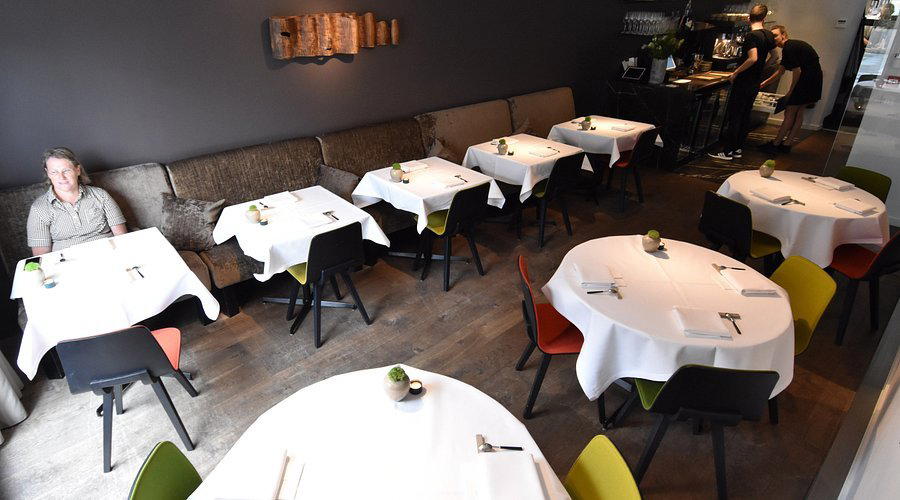
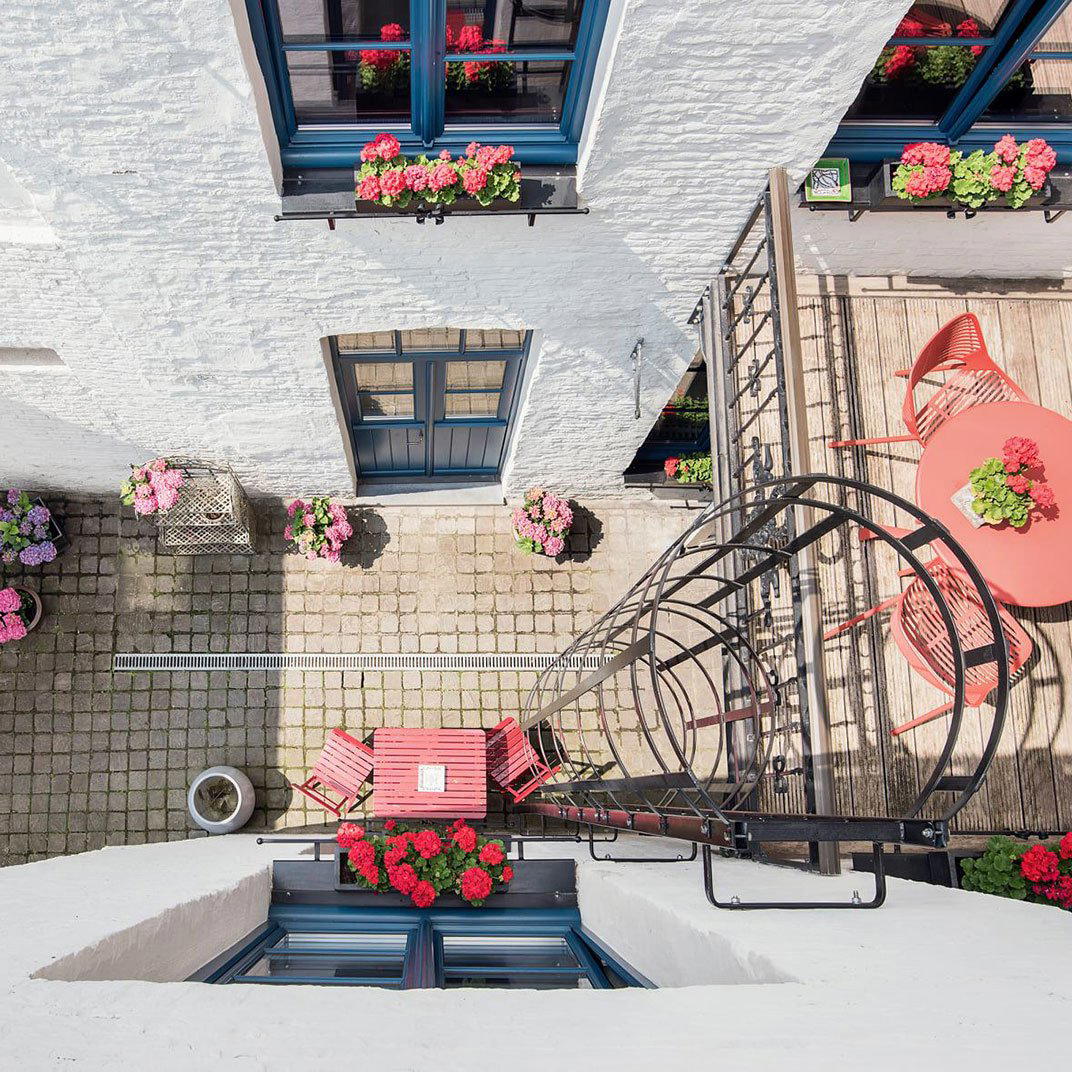
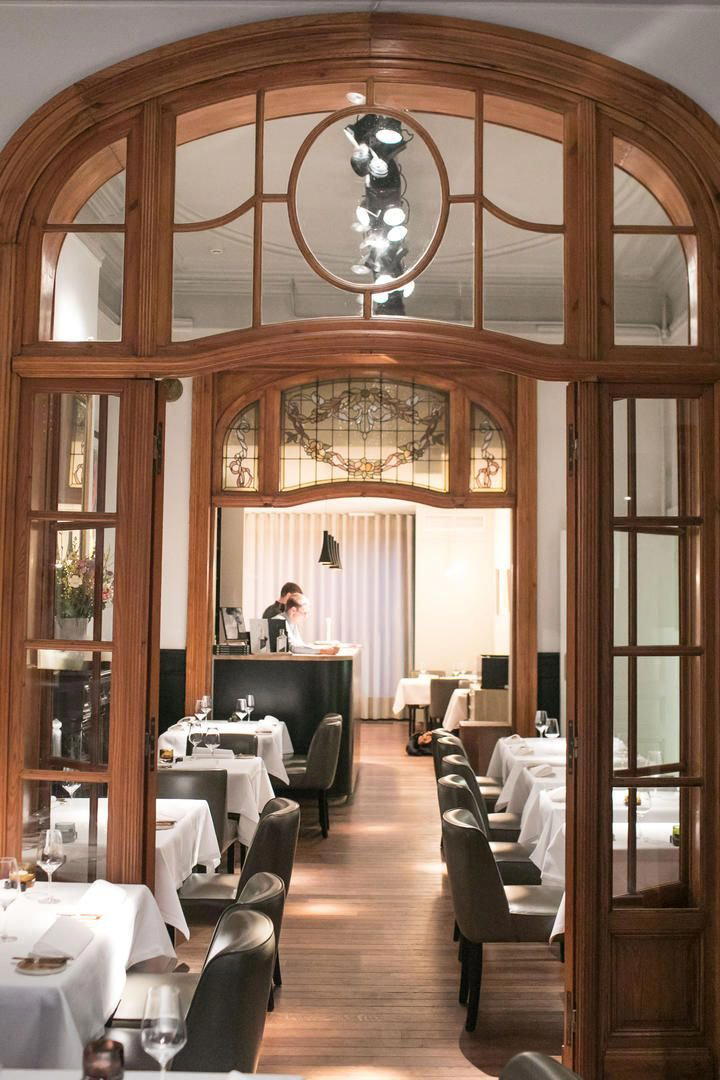
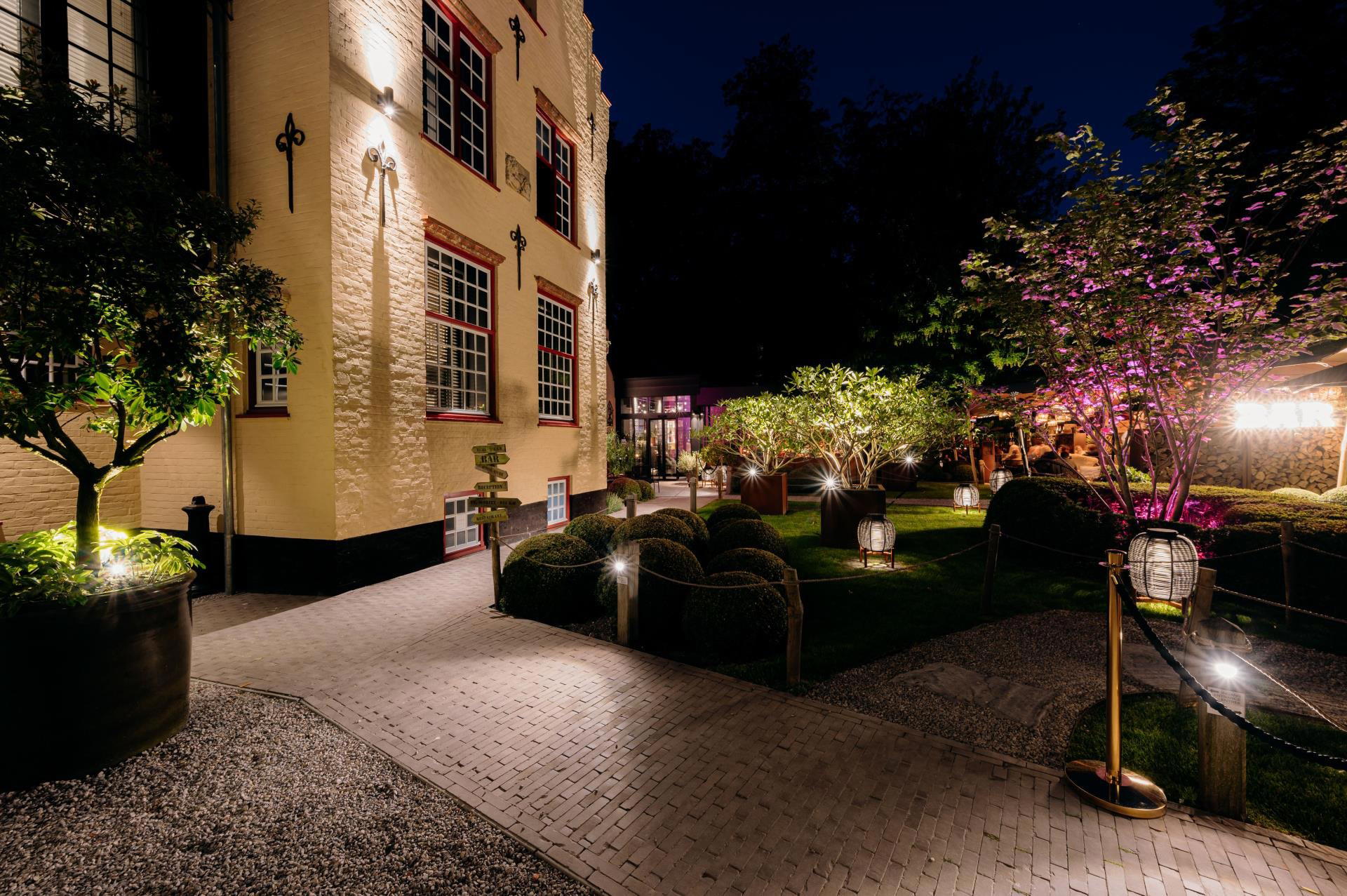
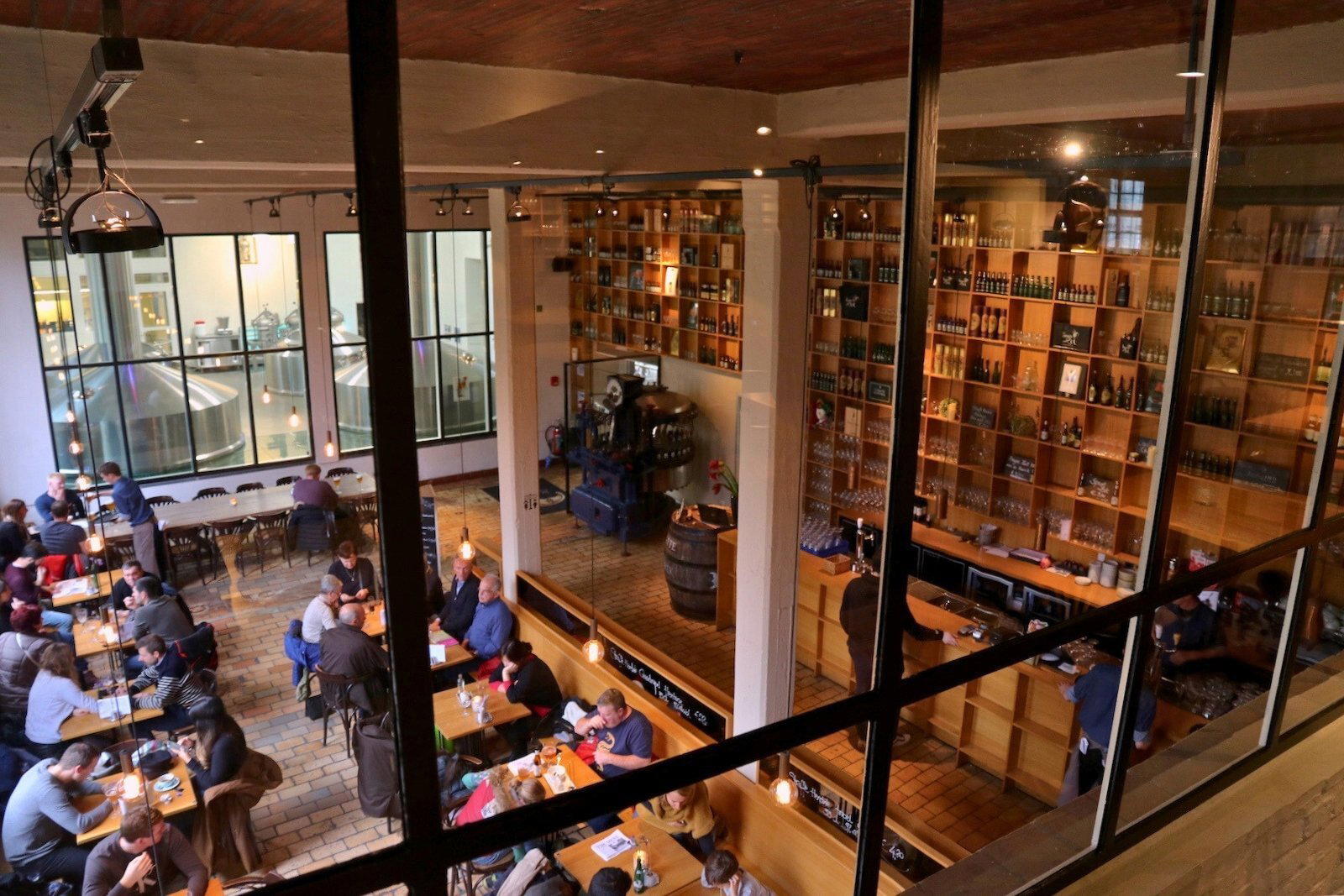
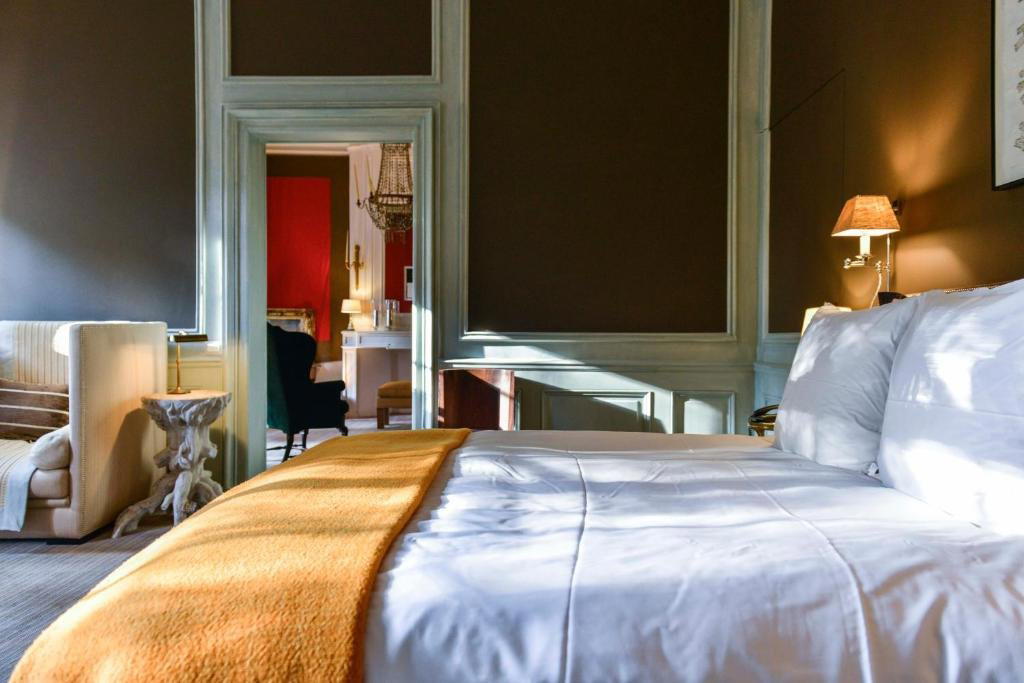
Stylish renewed decor inside with cozy, unpretentious atmosphere; heated and partially covered terrace for year-round outdoor dining.