De Zwarte Vos sits on Dorpsstraat in the East Flemish town of Deinze, placing it within a regional dining corridor that runs from Ghent southwest through the Leie valley. The address alone positions it in a neighbourhood where Belgian kitchen craft operates at a serious register, distinct from the metropolitan pace of Ghent or Antwerp but no less exacting in its expectations.
Pearl is the En Primeur Club membership app — saves, bookings, and concierge access live there. Same editors, same standards.
- Address
- Dorpsstraat 76, 9800 Deinze, Belgium
- Phone
- +32 456 70 54 59
- Website
- bartvancauwenberghe.be
 Saves & bookings on Pearl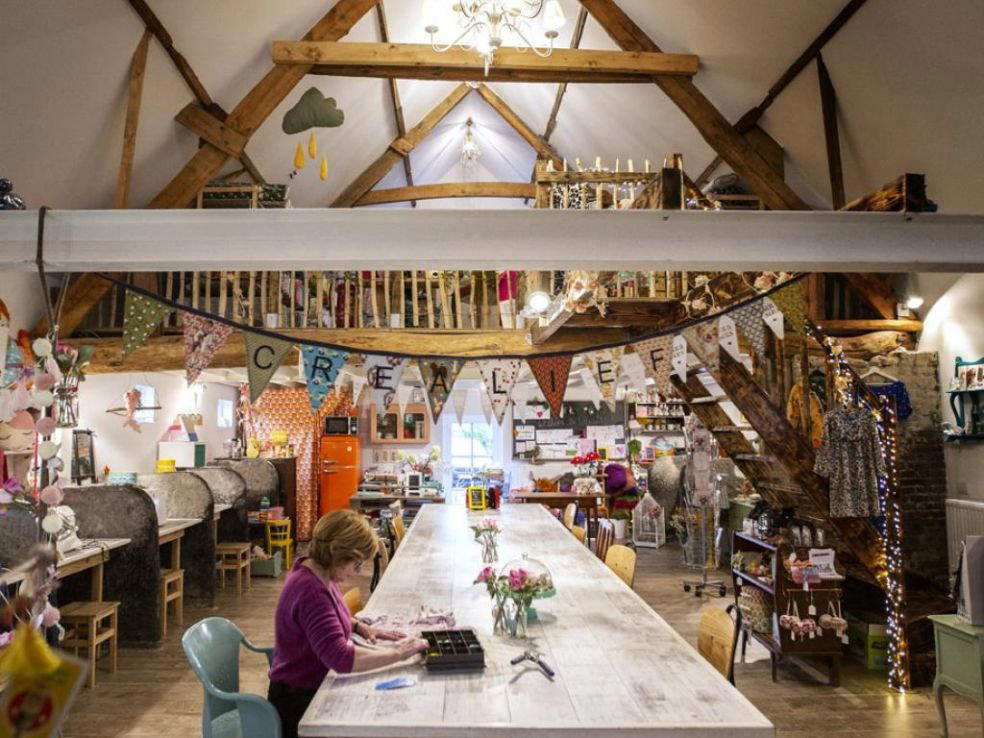
Where the Leie Valley Meets the Table
Deinze is not a city that announces itself. It sits on the Leie river in East Flanders, roughly equidistant between Ghent and Kortrijk, and its dining culture reflects that positioning: rooted in Flemish tradition, neither performing for tourists nor competing with the volume of a provincial capital. The restaurants along Dorpsstraat and the surrounding streets operate for local regulars and for the broader Flemish dining public that has learned, over decades, that serious food often comes from addresses that require a deliberate detour. De Zwarte Vos, at Dorpsstraat 76, belongs to that pattern.
The name translates as The Black Fox, a designation that carries a particular weight in Flemish cultural shorthand. The fox is a figure of shrewdness and territory in the regional imagination, and a black fox carries added rarity. Whether the name was chosen for its symbolism or simply for its visual clarity on a sign, the effect is the same: it marks a place that knows what it is and where it belongs.
The Flemish Kitchen in Context
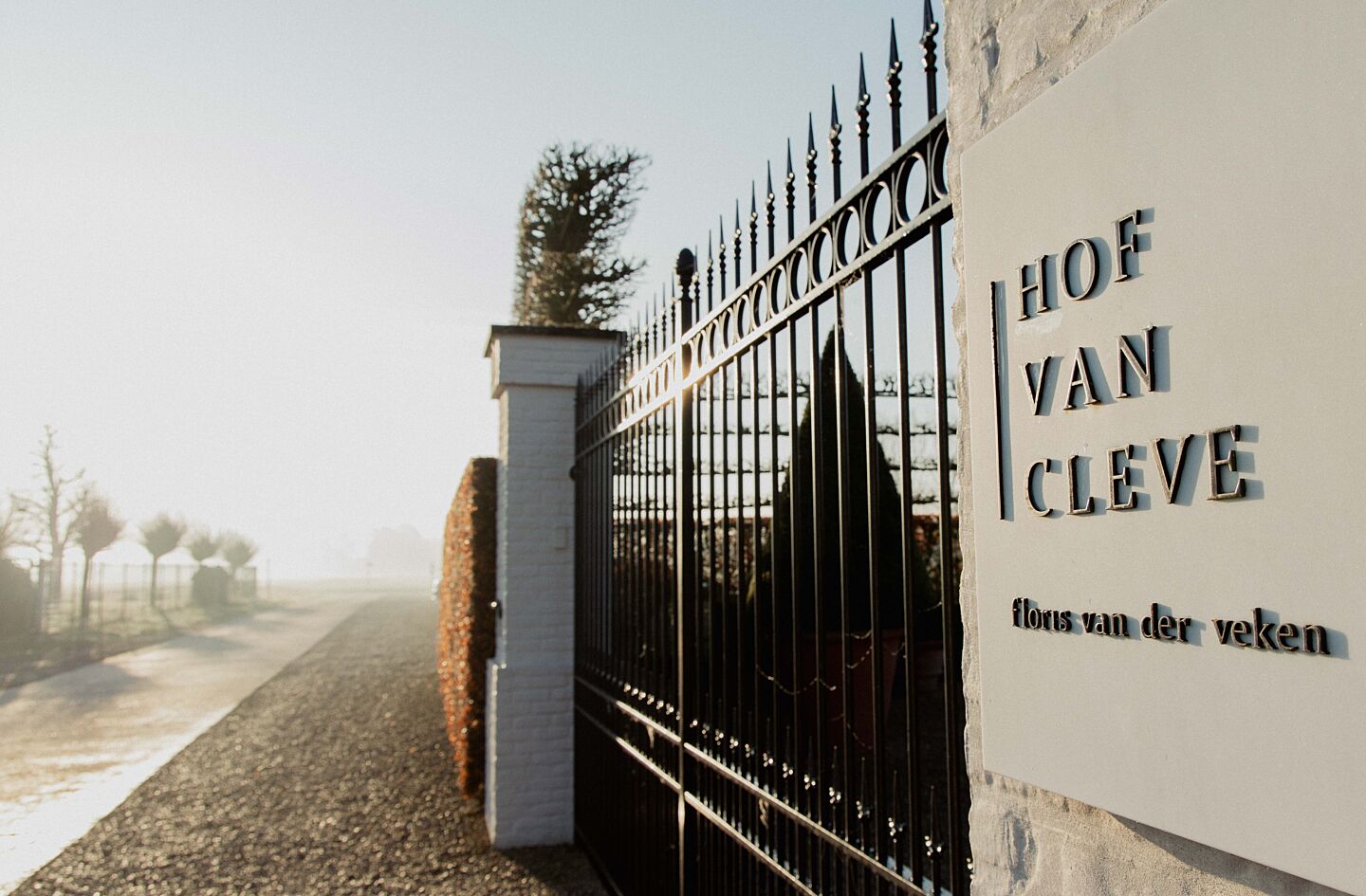
To understand what a restaurant like De Zwarte Vos represents in the Belgian dining map, it helps to trace the geography of serious Flemish cooking. The high-profile anchors are well known: Hof van Cleve in Kruishoutem, which has held its three-star position for years and remains the benchmark for the Flemish interior, sits fewer than fifteen kilometres south of Deinze. Vrijmoed in Ghent represents a different register: plant-forward, urban, self-consciously contemporary. Boury in Roeselare and De Jonkman in Sint-Kruis anchor the West Flemish end of the corridor. Between these poles runs a dense network of smaller, often family-operated addresses that do not attract international press but feed the actual dining life of the region.
That middle tier is where Belgian food culture does some of its most consistent work. The format tends toward a fixed lunch or dinner menu with seasonal anchors, sourcing that leans on regional producers, and a kitchen philosophy shaped more by craft continuity than by conceptual ambition. This is not a criticism. Belgium's most durable restaurants often operate in exactly this register, and the towns of the Leie valley have sustained that tradition for generations.
For broader reference points in the Belgian fine dining conversation, Zilte in Antwerp and Bozar Restaurant in Brussels represent the metropolitan end of the spectrum. Willem Hiele in Oudenburg and Ralf Berendsen in Neerharen occupy the distinctive rural-prestige niche that Belgium does better than most countries its size. Le Chalet de la Forêt in Uccle demonstrates how Brussels' southern fringe sustains its own serious dining identity. Deinze sits at a different point on the map, but not outside the conversation.
Deinze as a Dining Address
The town's dining scene is small enough that each address carries distinct weight. Au Bain Marie and Gasthof Halifax represent different aspects of what Deinze offers at the table, the former leaning into a more intimate bistro register, the latter drawing on the Flemish gasthof tradition of generous hospitality anchored by the kitchen. MaReine adds a third angle. Together these addresses give the town a dining identity that outperforms its size, which is characteristic of East Flemish towns that have retained their independent commercial and cultural life rather than being absorbed entirely into the Ghent orbit.
For visitors arriving specifically to eat in Deinze, the practical reality is that the town is accessible by train from Ghent on the Ghent-Kortrijk line, with the centre walkable from the station. Most serious diners driving from Brussels or Antwerp will find parking on the Dorpsstraat accessible, and the surrounding countryside rewards the approach by car. A full account of the town's dining options appears in our full Deinze restaurants guide.
The Cultural Register of the Address
Belgian cuisine, and Flemish cuisine in particular, operates from a cultural position that is frequently underestimated by visitors whose mental map of European gastronomy runs through Paris and Copenhagen and skips the territory in between. The density of serious cooking per square kilometre in Flanders is among the highest in Europe, a function of a food culture that prizes the table as a social institution rather than a performance space. The Michelin footprint in Belgium relative to population size is a measurable indicator of that density: the country consistently punches well above its demographic weight in starred restaurants.
Within that context, an address on a Flemish high street in a town the size of Deinze is not a consolation prize. It is often precisely the format in which Belgian kitchen tradition concentrates: regular clientele, seasonal menus tied to what is available from nearby producers, and cooking that does not need to justify itself to an international audience. La Durée in Izegem and d'Eugénie à Emilie in Baudour illustrate the same principle in different parts of the country: regional address, serious kitchen, no need to perform beyond the room. Cuchara in Lommel shows how this pattern extends even into areas of Belgium less associated with fine dining. For international comparison, the difference between this model and the high-concept tasting-menu format of a Lazy Bear in San Francisco or the precision-driven fish kitchen of Le Bernardin in New York City is instructive: those are destination restaurants built around a singular public identity. The Flemish provincial address is a different proposition, built around continuity and local trust.
Planning a Visit
De Zwarte Vos is located at Dorpsstraat 76, 9800 Deinze. Visitors can plan around the restaurant's regular opening hours, with service on Tuesday, Wednesday, Friday, and Saturday from 9:30 AM to 6 PM.
Cost Snapshot
Comparable venues nearby, for context on price, style, and recognition.
| Venue | Cuisine | Price | Awards | Notes |
|---|---|---|---|---|
| De Zwarte VosThis venue — the venue you are viewing | Astene, Belgian Artisan Chocolates | $ | , | |
| MaReine | Astene, French-Belgian Brasserie | $$ | , | |
| Gasthof Halifax | Astene, Belgian Bistro Classics | $$$ | , | |
| Au Bain Marie | Astene, French-Belgian Seasonal Bistro | $$$ | , | |
| The Cacao Tree | Sint-Genesius-Rode, Belgian Chocolatier | $ | , | |
| Sjolaa | $ | , | Geerdegemvaart, Artisanal Belgian Chocolatier |
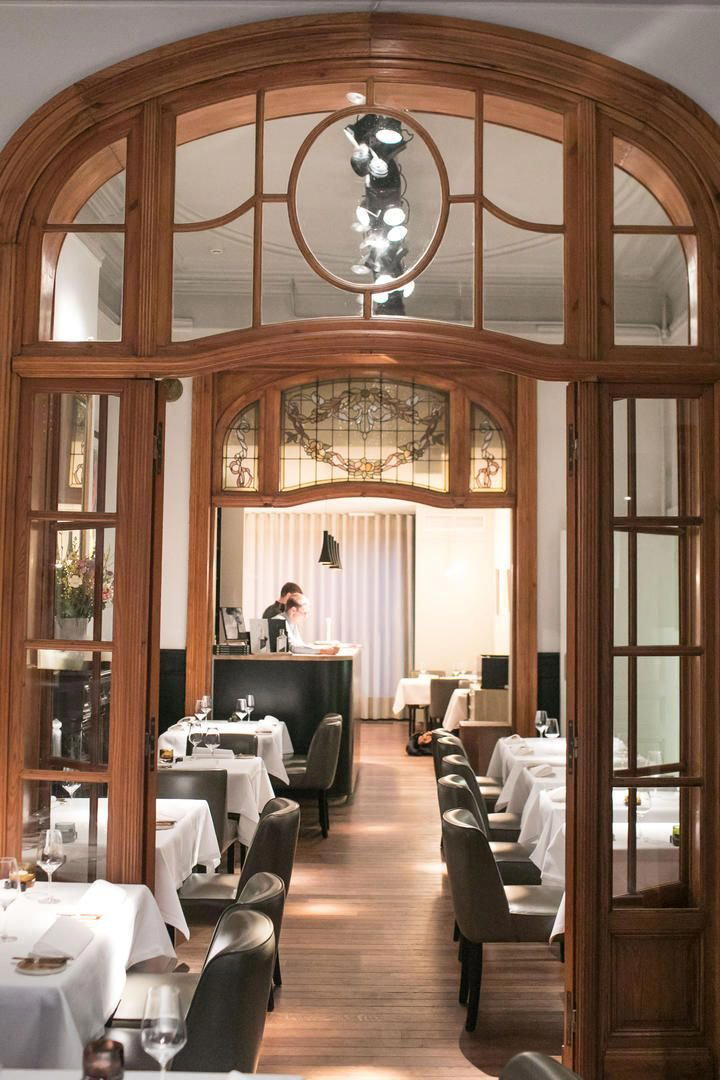
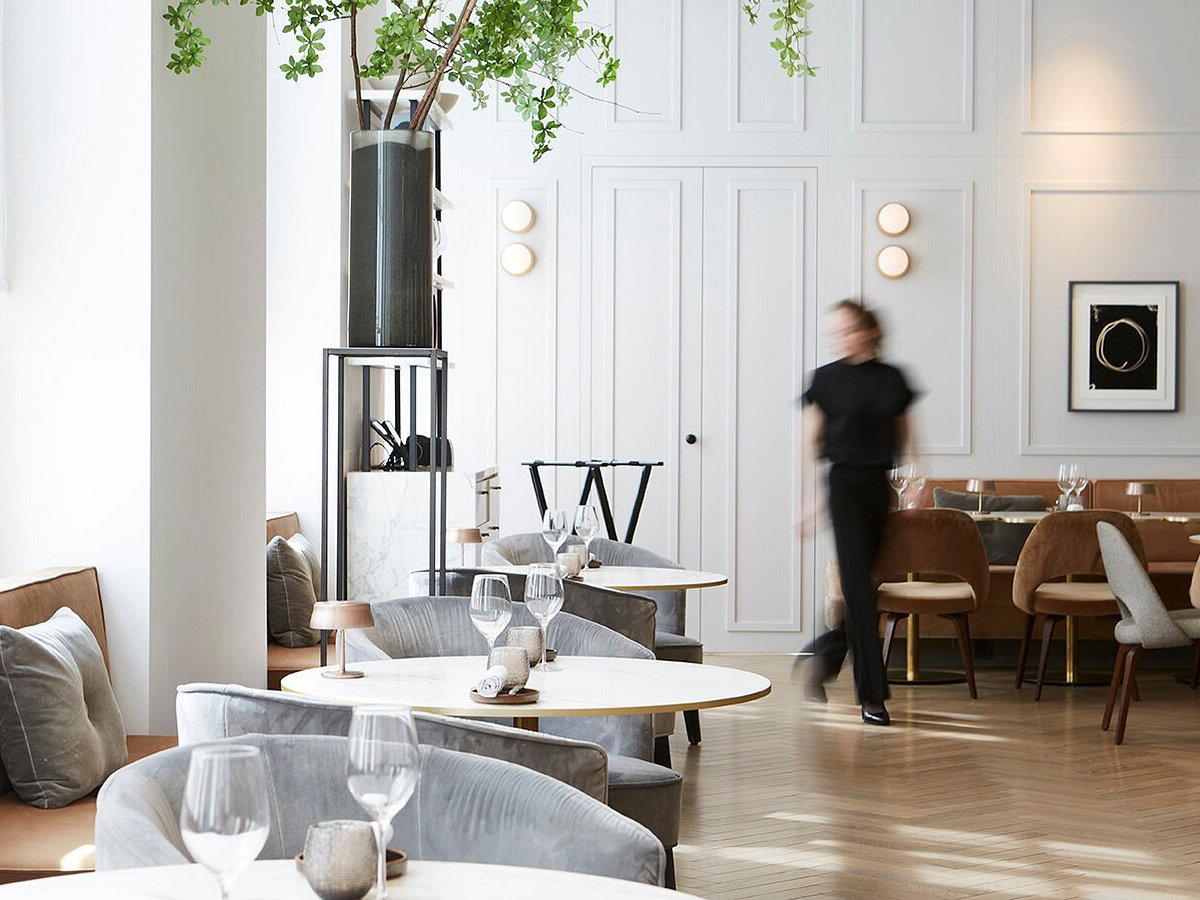

At a Glance
- Cozy
- Intimate
- Casual Hangout
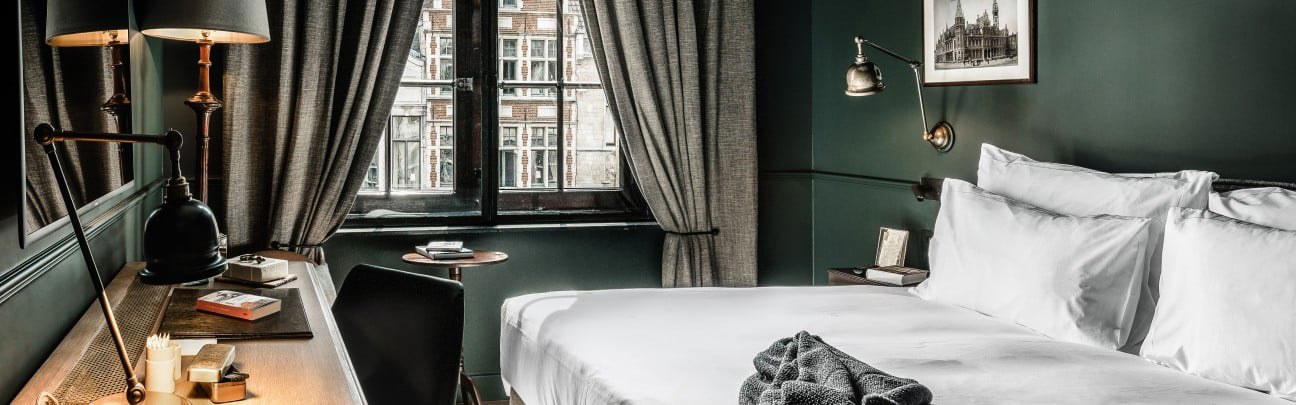
Cozy artisan shop atmosphere focused on chocolate tasting experiences.