Marcella Restaurant by Jose Sanchez
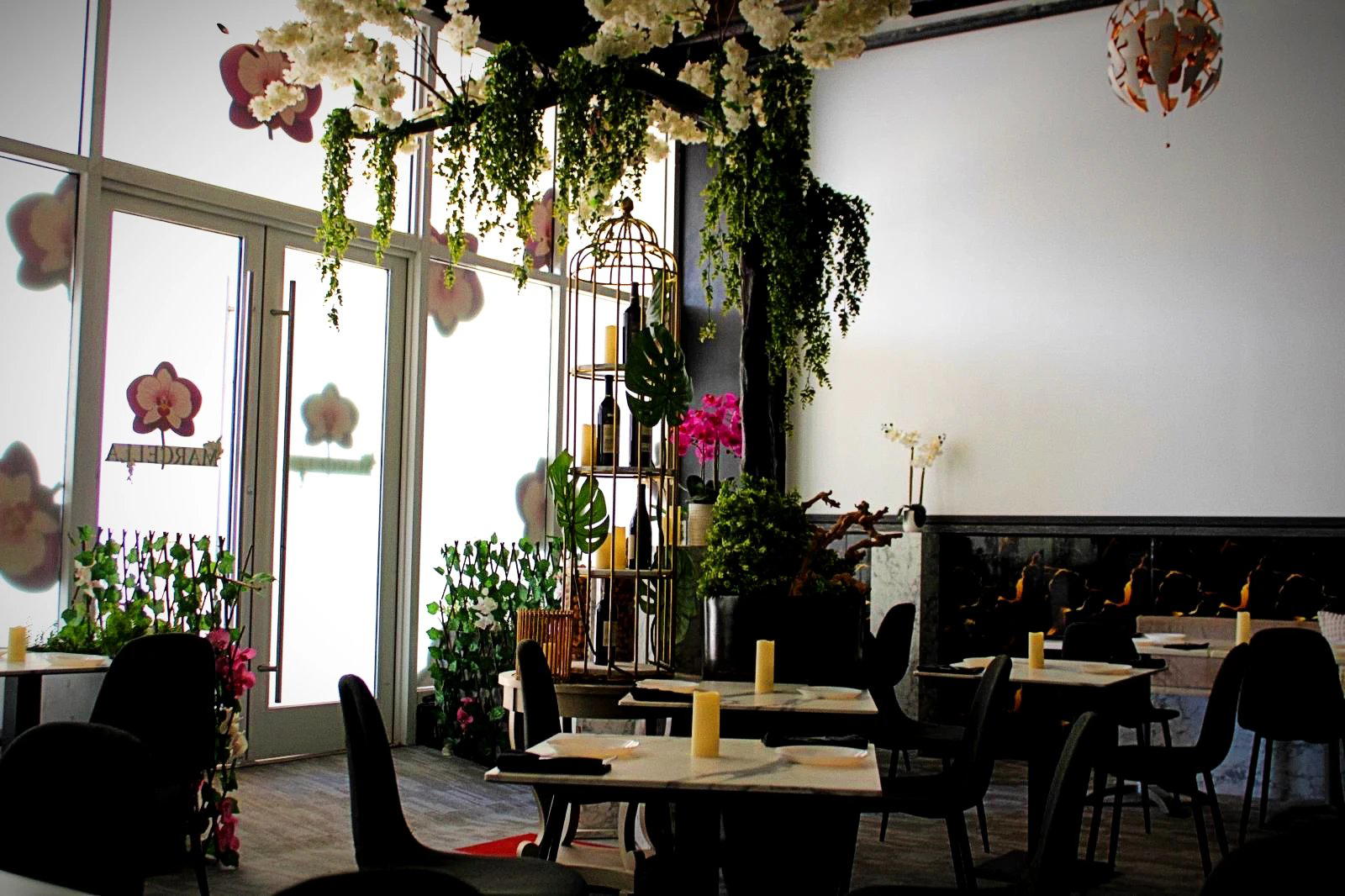
Marcella Restaurant by Jose Sanchez occupies the Paseo Caribe complex along Avenida Luis Muñoz Rivera, where San Juan's waterfront corridor meets a newer generation of Puerto Rican dining. The restaurant represents a strand of the island's food scene that takes sourcing and local identity seriously, placing it within a growing cohort of San Juan kitchens working the line between Caribbean tradition and contemporary technique.
 Discover on Pearl
Pearl is the En Primeur Club membership app — saves, bookings, and concierge access live there. Same editors, same standards.
- Address
- Paseo Caribe Building, 15 Av. Luis Muñoz Rivera, San Juan, 00901, Puerto Rico
- Phone
- +17874631403
- Website
- marcellarestaurante.com
Where San Juan's Waterfront Dining Has Moved
The stretch of Avenida Luis Muñoz Rivera running through Puerta de Tierra and into the edge of Condado has changed considerably over the past decade. The Paseo Caribe development, a mixed-use complex with direct views toward the Atlantic, sits at the intersection of old institutional San Juan and the newer residential and hospitality investment that followed Hurricane Maria's reconstruction period. Restaurants in this corridor tend to draw a clientele split between long-term San Juan residents, the act-30 and act-22 transplant community that has reshaped parts of the city's economy, and visitors staying in the Condado and Miramar hotel zone. Marcella Restaurant by Jose Sanchez is a restaurant in San Juan serving Modern International Puerto Rican Fusion at Paseo Caribe Building, 15 Av. Luis Muñoz Rivera. It has a 4.4 Google rating and is recommended for reservations, with dinner priced at about $50 per person.
San Juan's restaurant scene has been sorting itself into tiers over roughly the same period. At the upper register, you find kitchens working with formal tasting formats and imported technique, places like 1919 Restaurant in the Condado Vanderbilt, which applies a Modern American framework to Caribbean ingredients. Below that tier but above the casual criollo staples that anchor the city's identity, a middle cohort has grown: restaurants that draw on Puerto Rican pantry logic without retreating into nostalgia. Marcella sits in that middle register, where the sourcing story and the local identity of the cooking matter as much as format or formality.
The Sourcing Argument in Puerto Rican Kitchens
Puerto Rico's relationship with food supply is not abstract. The island imports an estimated 85 percent of its food, a figure that became acutely visible after Hurricane Maria in 2017 exposed the fragility of that dependency. In the years since, a strand of the restaurant community has moved deliberately toward local agriculture: working with the island's interior farming regions, sourcing from the southern coast's agricultural belt, and building menus around what is actually growing on Puerto Rican soil in a given season. This is not a niche concern for food-curious tourists; it is an economic and cultural argument about what the island's cooking should mean.
Kitchens aligned with that sourcing position tend to rotate their menus more frequently than venues built around signature dishes, because the available product changes. They also tend to develop relationships with specific farms and fishermen rather than ordering from broadline distributors. The Paseo Caribe location places Marcella close to the San Juan Bay waterfront, which historically connected the city to both Atlantic fishing and inter-island trade routes. That geography does not automatically determine a sourcing philosophy, but it does frame the conversation about where ingredients come from and why proximity matters in a market where logistics are genuinely complicated. Restaurants like Amor y Sal and AQA Oceanfront are working similar waterfront-adjacent territory in San Juan, and the comparison is worth making: the city's oceanfront dining corridor is developing a more coherent identity around seafood sourcing and Caribbean produce, even if each kitchen approaches it differently.
Reading Marcella Against Its comparable set
The most useful frame for Marcella is the competitive set it occupies by address and by the logic of its name. Named restaurants in San Juan, those organized around a chef identity rather than a concept or a hotel brand, tend to operate with a more personal editorial voice in the kitchen. They set their own sourcing standards, build their wine and spirits lists with more idiosyncrasy, and price against ambition rather than category. Areyto Modern Cuisine by Chef Jason González occupies a similar named-chef slot in the city's dining conversation, and ARYA adds another reference point for how San Juan restaurants signal ambition through their format.
Internationally, the question of how a mid-size island city builds a credible fine or near-fine dining scene is not unique to San Juan. Cities with strong fishing economies and agricultural hinterlands, from Auckland to Palermo, have found that sourcing specificity is one of the few arguments that travels globally. At the level of technique, San Juan kitchens are engaging with the same conversations happening at Le Bernardin in New York around product-first cooking, or at Atomix around how a specific cultural culinary tradition gets re-examined through contemporary restaurant practice. The scale is different, but the editorial logic is the same.
Beyond San Juan: The Island's Dining Range
Visitors treating Marcella as part of a broader Puerto Rico itinerary will find the island's restaurant geography more dispersed than the San Juan concentration suggests. The agricultural interior, the western coast, and the southern municipalities each have their own food cultures that rarely appear on abbreviated trip itineraries. Lechonera Los Pinos in Cayey represents the mountain tradition of whole-roast pork, which has its own deep sourcing logic entirely separate from the urban kitchen conversation. Carne Mía in Aguada on the northwest coast and Brazo Gitano Franco in Mayaguez further south represent the density of serious eating outside the capital. Within the metro area, Bottles Dorado in Dorado, CAÑA in Carolina, La Faena in Guaynabo, BODEGA in Caguas, Charco Azul in Vega Baja, Escobar in Canovanas, and El Dorado in Playita fill out a picture of metropolitan Puerto Rican dining that extends well beyond the Condado-Old San Juan axis. Our full San Juan restaurants guide maps these options with more detail.
Planning Your Visit
Marcella sits inside the Paseo Caribe complex, which is accessible from Avenida Luis Muñoz Rivera and within walking distance of the Condado hotel zone. The waterfront position means the restaurant draws from both the residential Paseo Caribe building population and from visitors moving between Old San Juan and Condado. Reservations are recommended. Marcella's regular hours are Mon 5 to 9 PM, Tue 5 to 9 PM, Wed closed, Thu 5 to 10 PM, Fri 5 to 10 PM, Sat 5 to 10 PM, and Sun 5 to 9 PM. For a seasonal visit, San Juan's dry season from December through April brings lower humidity and more predictable outdoor dining conditions, which matters particularly along waterfront corridors where terraces are part of the offer.
Peers You’d Cross-Shop
Comparable venues nearby, for context on price, style, and recognition.
| Venue | Cuisine | Price | Notes |
|---|---|---|---|
| Marcella Restaurant by Jose SanchezThis venue — the venue you are viewing | Modern International Puerto Rican Fusion | $$ | |
| Puttanesca Santurce | New York-Style Italian Pizzeria | $$ | Figueroa |
| Chocobar Cortés | Chocolate-Infused Caribbean | $$ | Catedral |
| Me Vale Madre | Modern Mexican Street Food | $$ | Miramar |
| La Pizzarra | Neapolitan Pizza & Pasta | $$ | Minillas |
| Asia de Lima | Asian-Peruvian-Italian Fusion | $$ | San Mateo |

At a Glance
- Elegant
- Intimate
- Sophisticated
- Date Night
- Special Occasion
- Private Dining
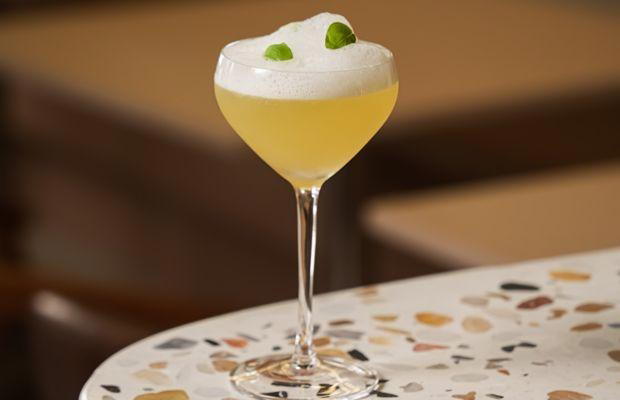
- Craft Cocktails
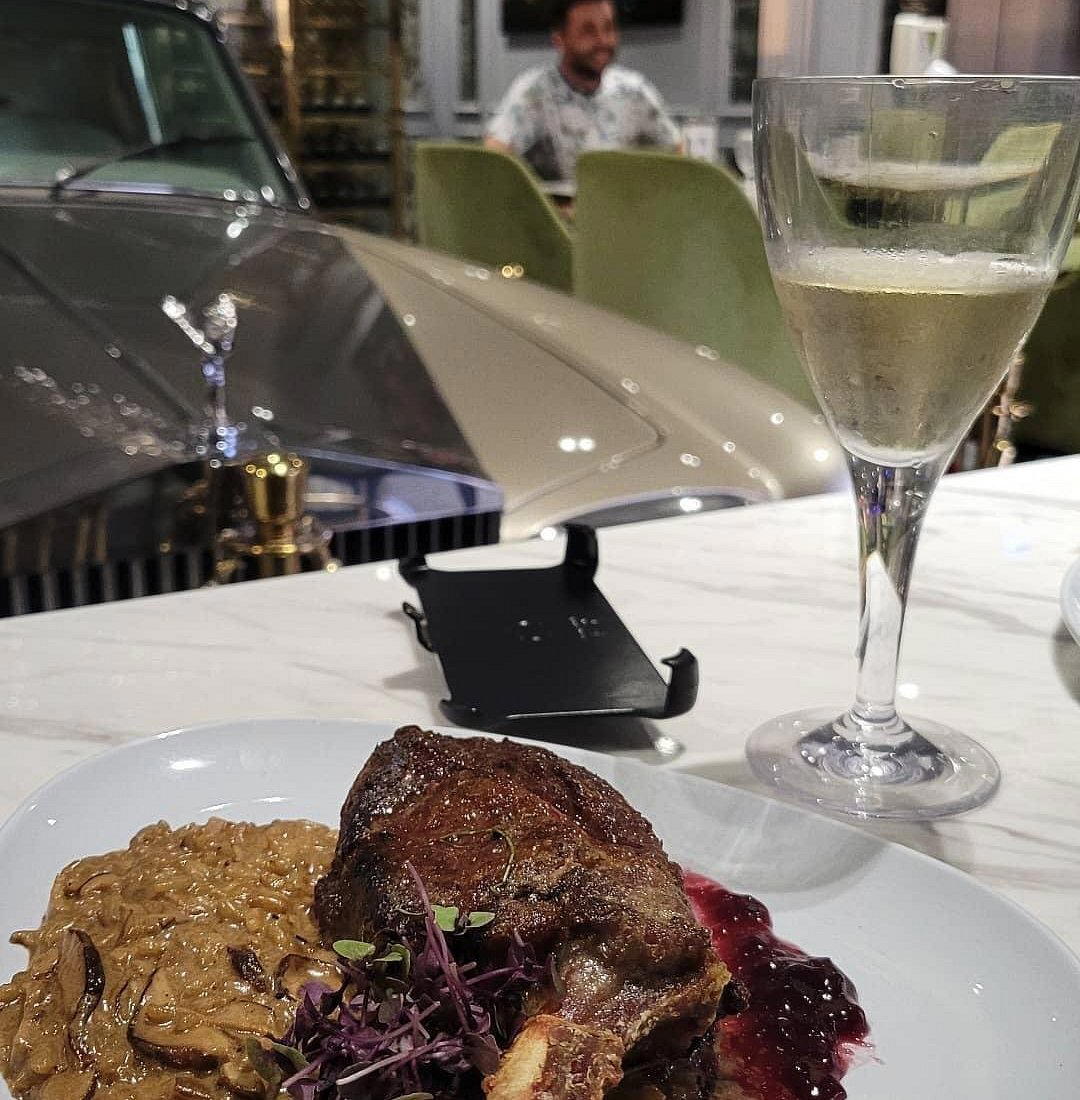
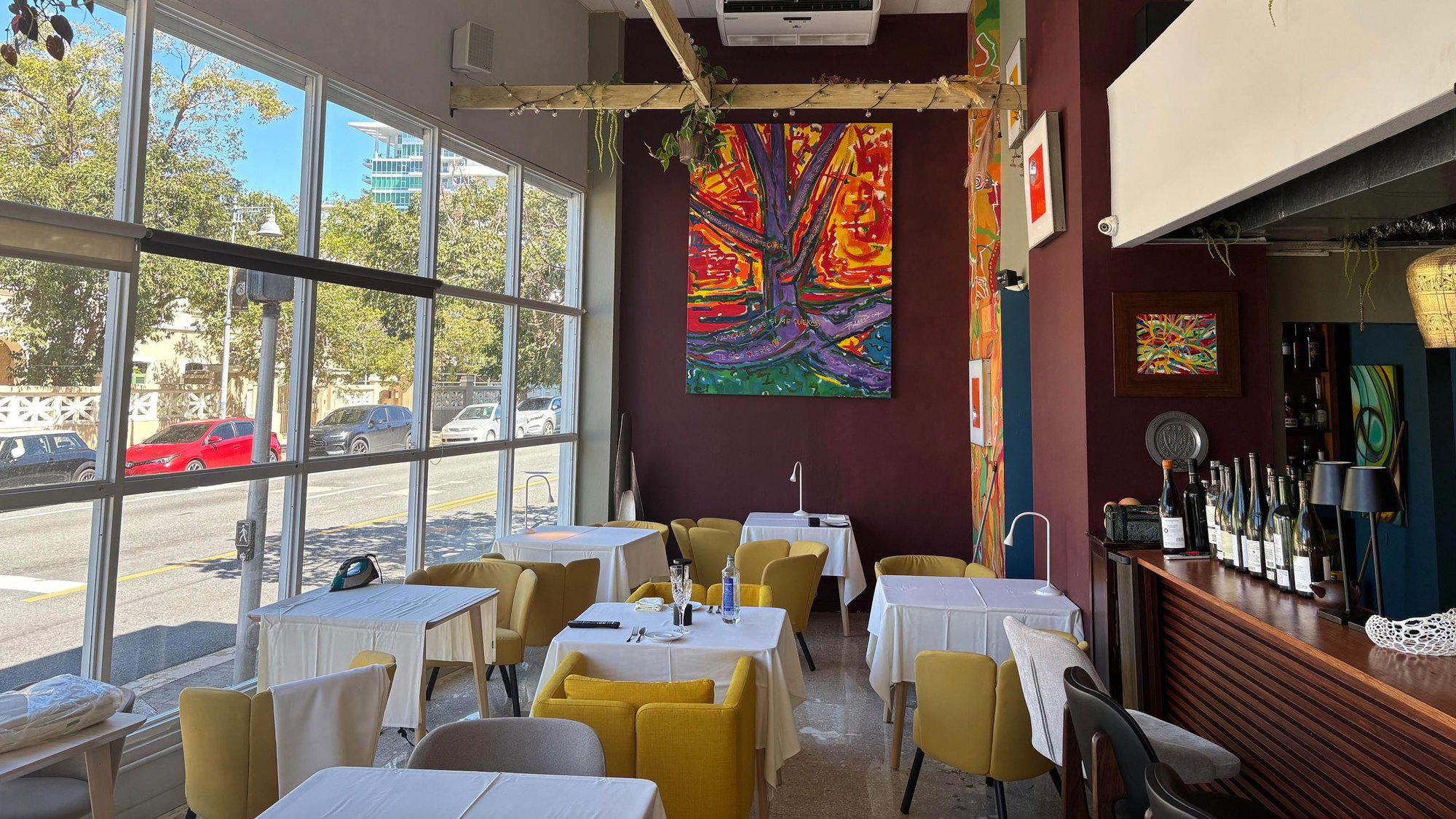
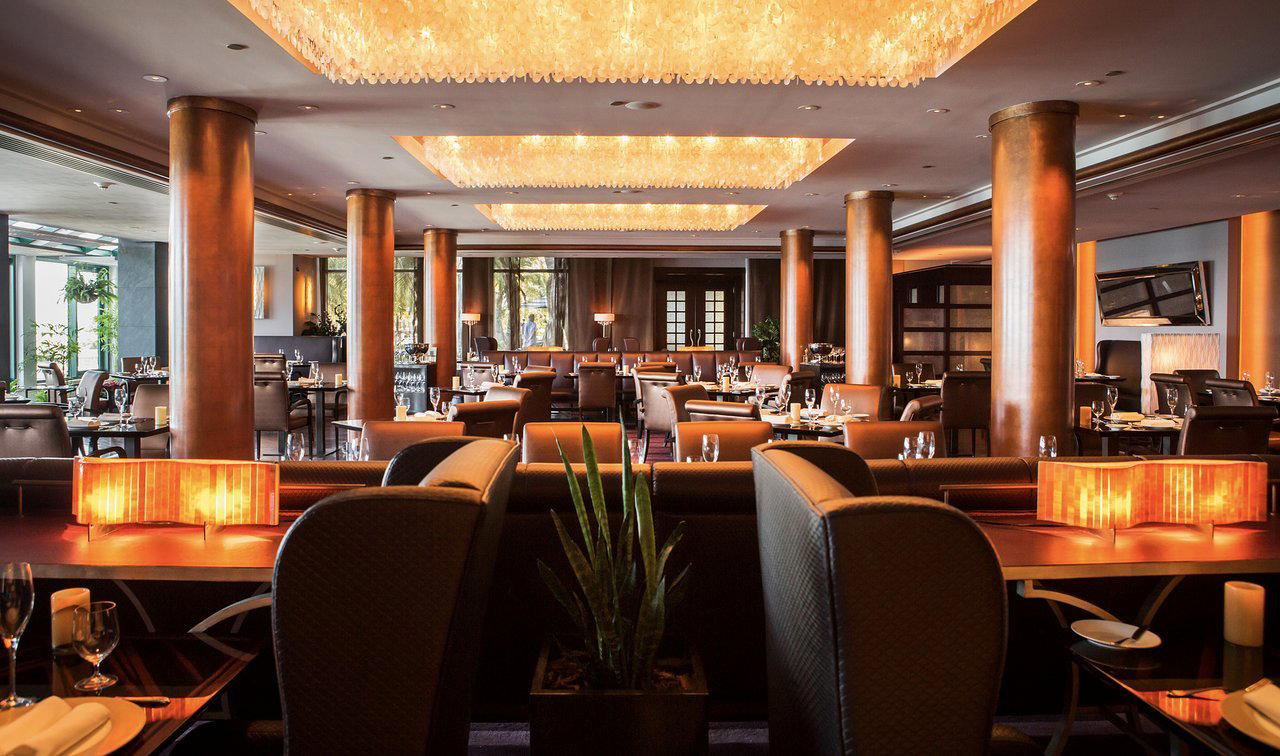
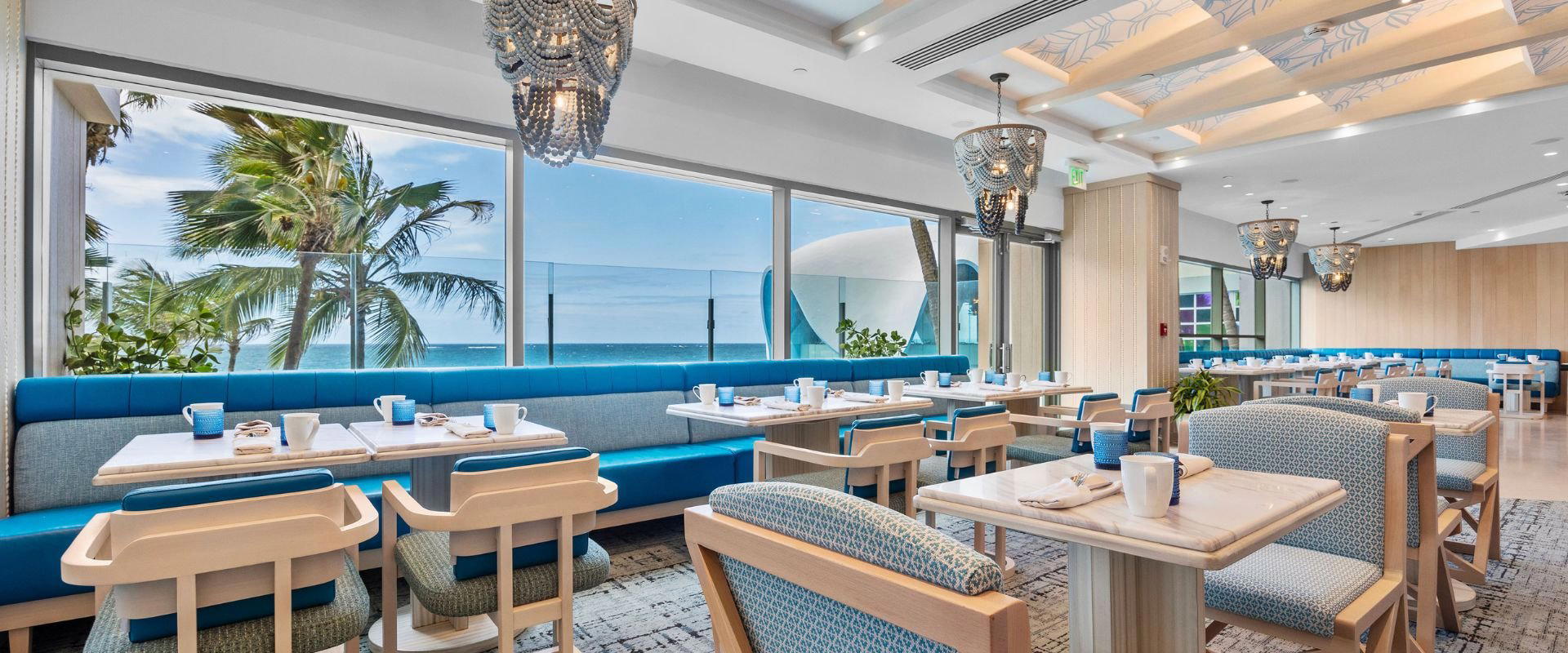
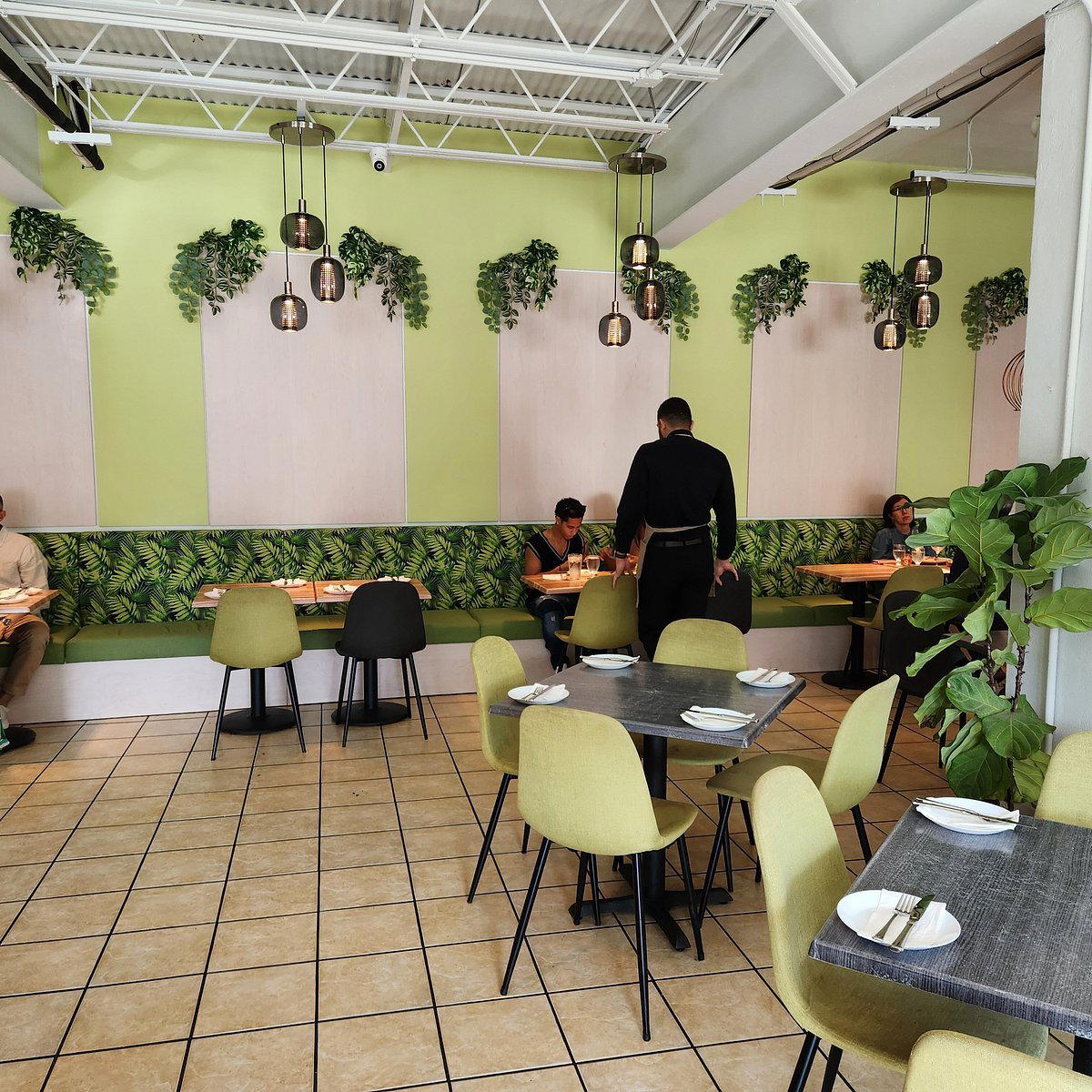
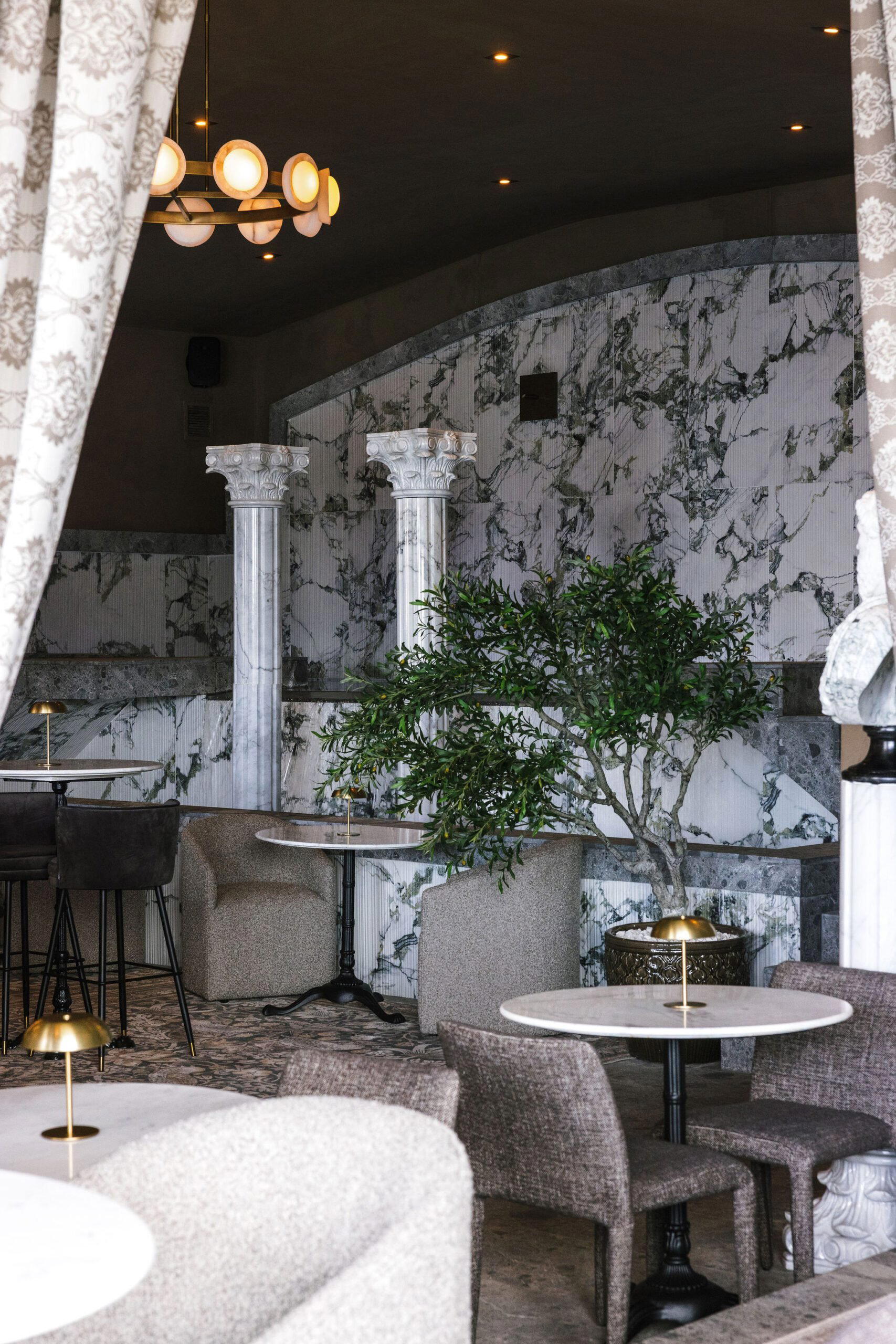
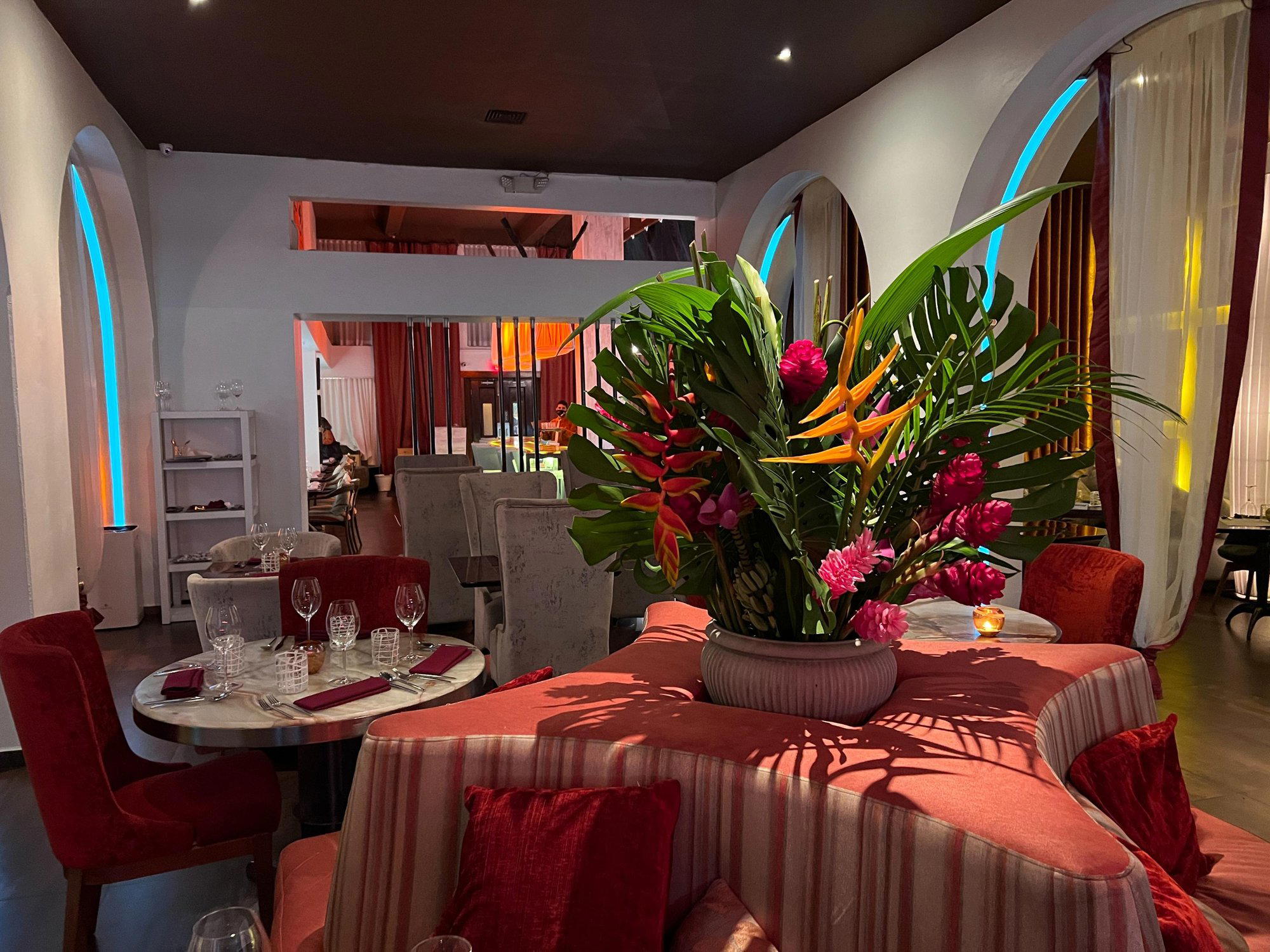
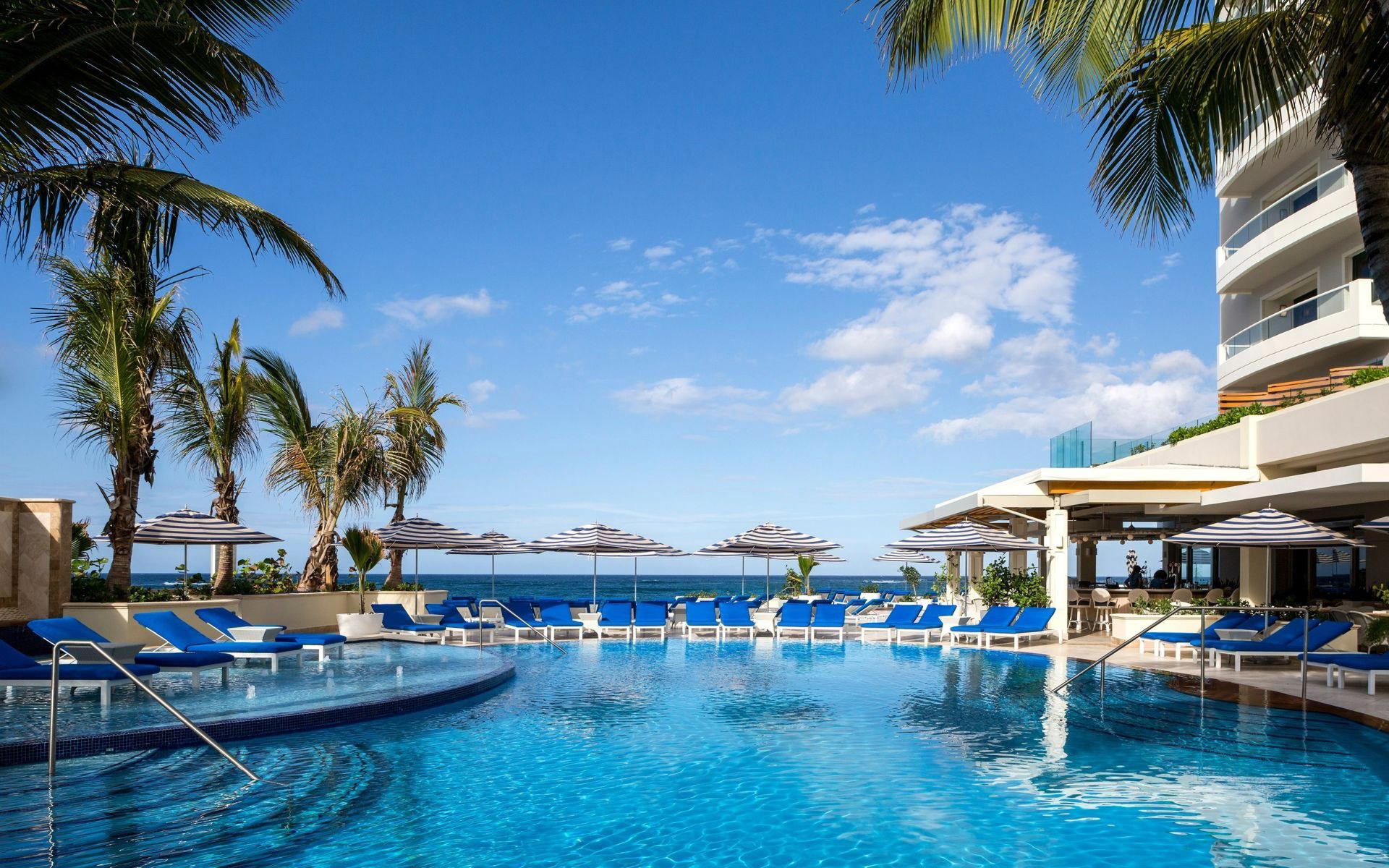
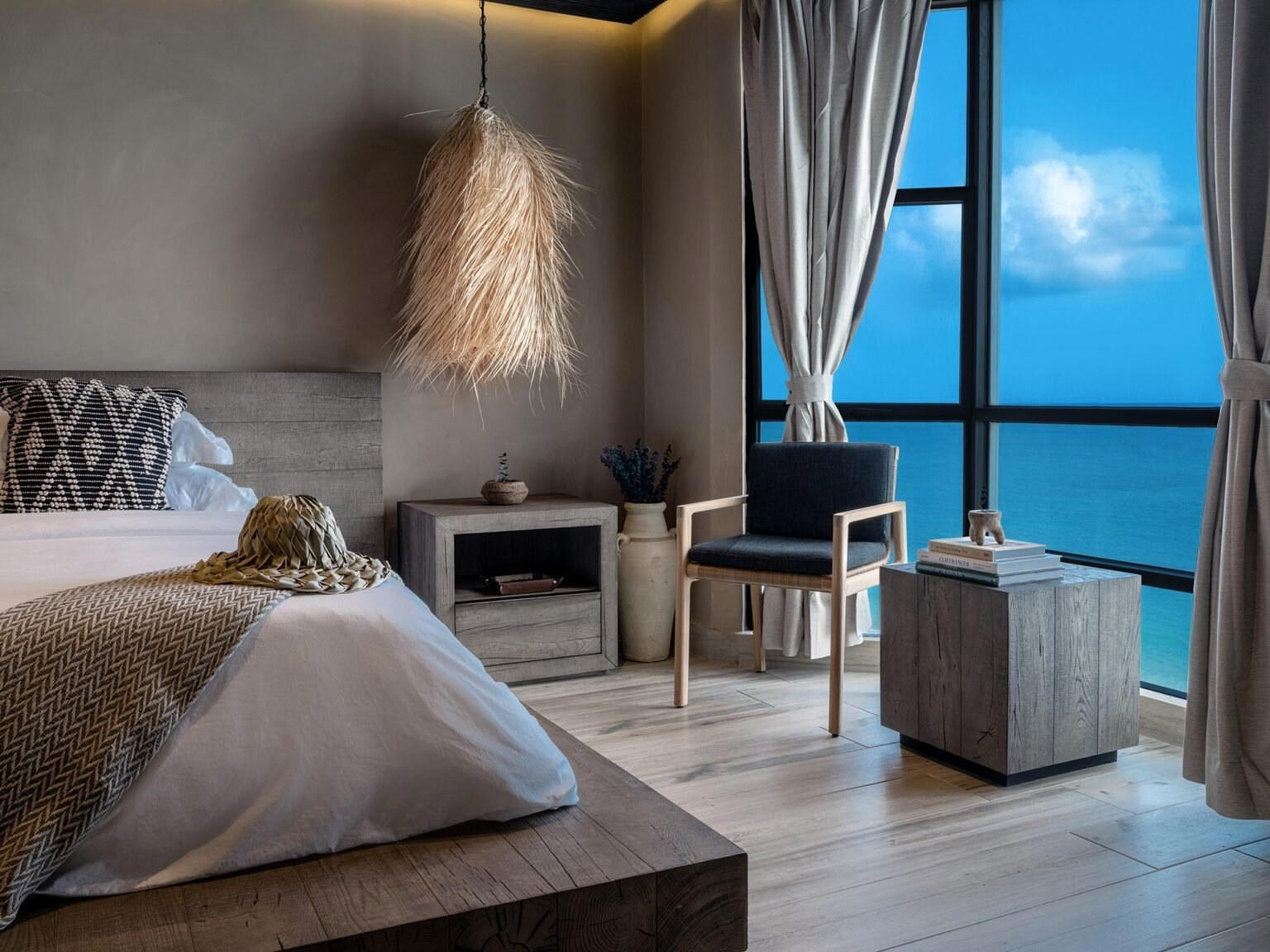
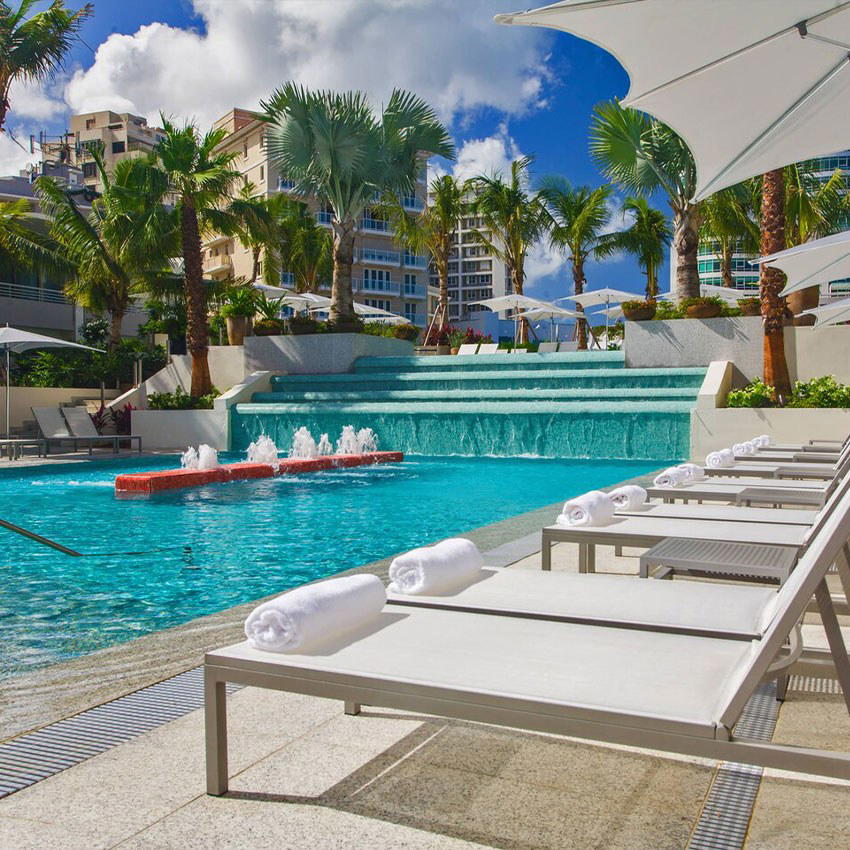
Simple and stylish atmosphere with moderate noise levels, praised for its intimate and elegant dining experience.