Skip to Main Content
← Collection
Kaohsiung, Taiwan

Marc L³

CuisineEuropean Contemporary
LocationKaohsiung, Taiwan
Michelin

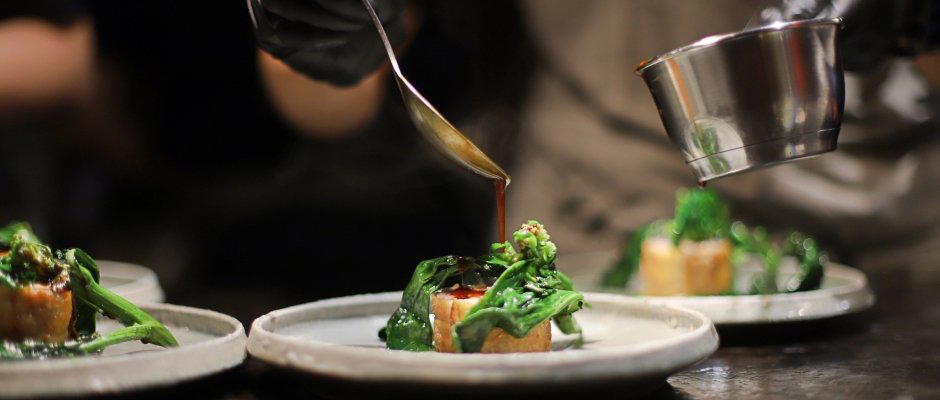
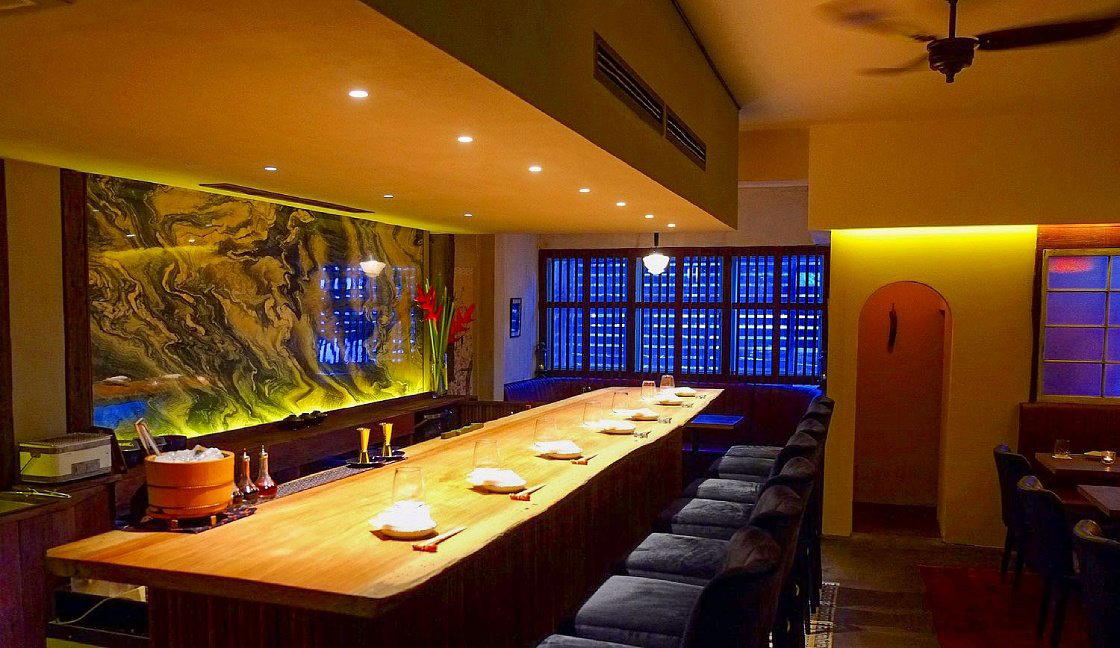
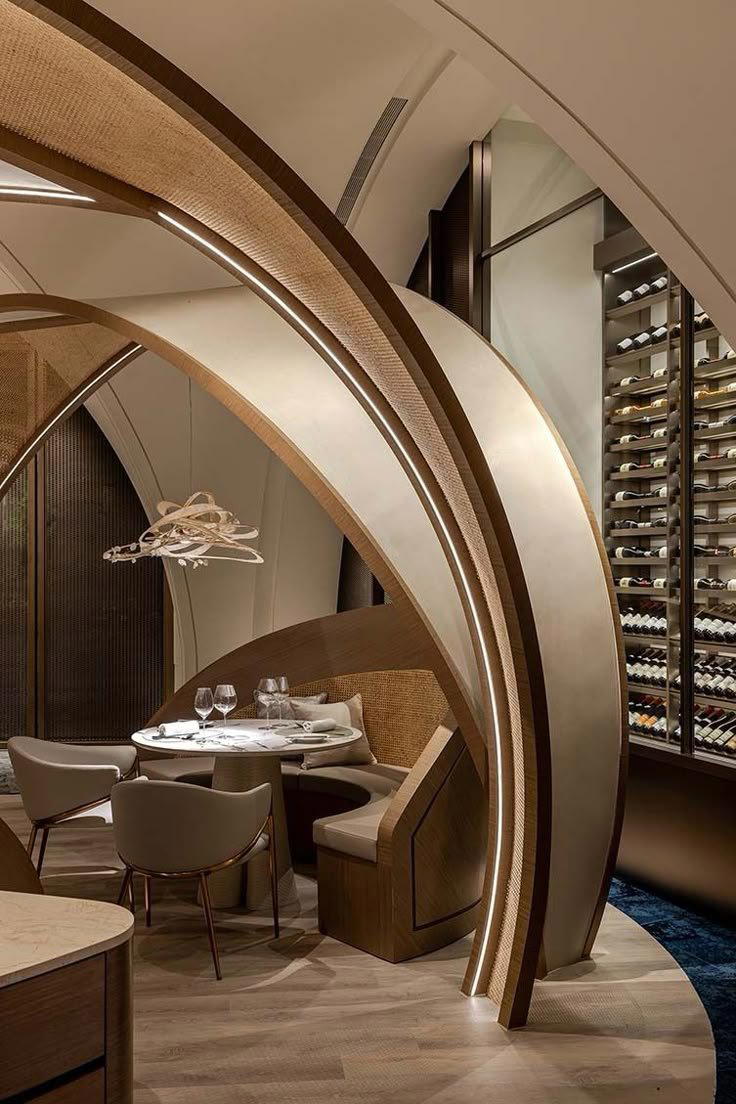
Marc L³ holds a 2024 Michelin Plate on Renyi Street in Kaohsiung's Qianjin District, positioning itself among a small cluster of European Contemporary restaurants earning formal recognition in southern Taiwan. The room and the meal move at the same deliberate pace: each course an argument for restraint over spectacle. With a 4.8 rating across 402 Google reviews, the kitchen's consistency is as notable as its ambition.

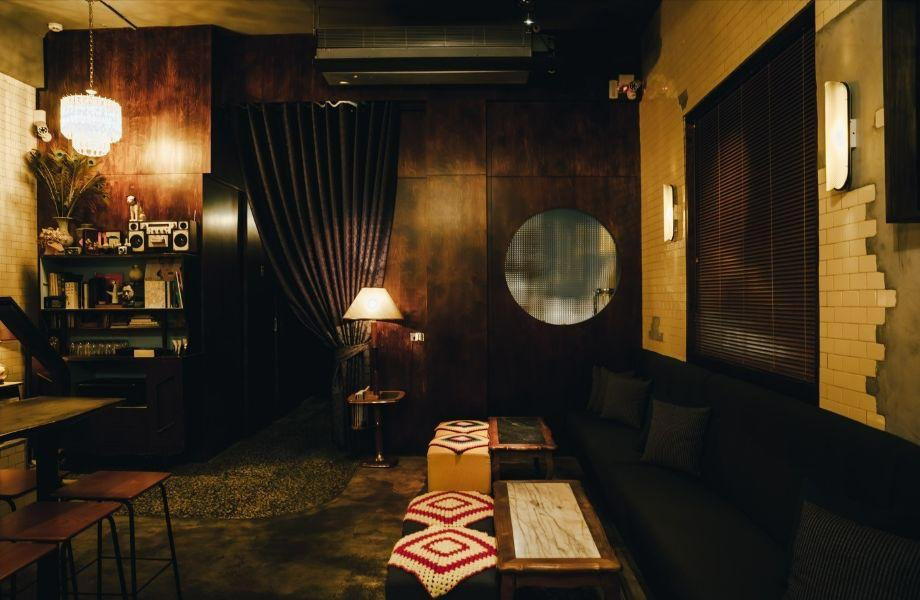
Marc L³ restaurant in Kaohsiung, Taiwan
About

Where Qianjin Slows Down

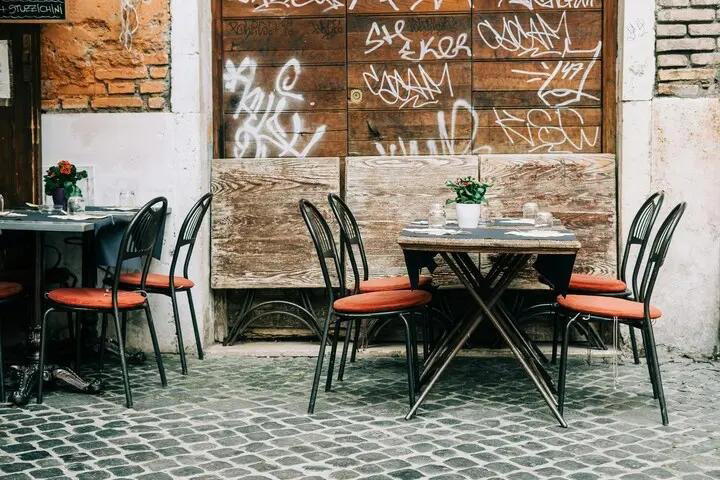
Renyi Street in Kaohsiung's Qianjin District is not the city's most conspicuous dining corridor. That is partly the point. The European Contemporary restaurants earning formal recognition in Taiwan tend to operate away from the loudest commercial strips, and Marc L³ at No. 231 fits that pattern precisely. The address sits in a district more associated with the city's working port history than with fine dining, which means that arriving here carries a small but deliberate sense of transition. The pace outside and the pace inside are different things entirely.

Kaohsiung has been assembling a credible fine dining tier for the better part of a decade, with a peer set that now includes recognised addresses across Japanese, Cantonese, and European Contemporary formats. Marc L³ occupies the European Contemporary column alongside peers like Ça marche, while restaurants such as Anchovy and CRATAIN extend the city's ambition into other registers. The 2024 Michelin Plate places Marc L³ within the Guide's recognition tier below starred restaurants but above the general pool, a designation that in Taiwan's southern dining scene carries specific weight: Michelin's Kaohsiung coverage is thinner than Taipei's, which makes each plate and star more legible as a signal.

Members Only

The shortlist, unlocked.

Hard-to-book tables, cellar releases, and concierge-planned trips.

Get Exclusive Access →

The Logic of the Meal

European Contemporary as a category has a specific grammar in Asia. It rarely means French classicism transplanted wholesale. More often, it describes a format borrowed from European tasting-menu tradition and filtered through local sourcing instincts and a kitchen sensibility that privileges precision over volume. Across Taiwan's serious tasting-menu restaurants, this approach has produced some of the most technically focused cooking in the region. logy in Taipei and JL Studio in Taichung represent different expressions of the same general movement: European frameworks, non-European ingredients, controlled service pacing.

Marc L³ sits inside that tradition. The $$$ price tier places it in the mid-to-upper bracket for Kaohsiung's serious restaurants, below the $$$$ tier occupied by addresses like Sho and Papillon, and above the more accessible southern Taiwanese dining that defines the city at street level. That positioning signals a deliberate meal rather than a casual one, and a deliberate meal at a European Contemporary address has customs attached to it. The kitchen sets the order of courses. The diner agrees to that order. The ritual runs in one direction.

Pacing, Course Structure, and What the Format Demands

The dining ritual at tasting-format European Contemporary restaurants in Taiwan follows a logic that rewards patience. Courses arrive at intervals calibrated to allow the previous plate's reasoning to settle before the next argument begins. At this price tier in Kaohsiung, that pacing is more pronounced than at casual neighbourhood restaurants. The 4.8 Google rating across 402 reviews suggests the execution at Marc L³ earns that patience consistently, a level of crowd-sourced consensus that is difficult to sustain if timing and quality are erratic.

For diners less familiar with the tasting-menu format, the convention is worth understanding before arrival. There is no à la carte negotiation at most European Contemporary addresses in this tier. The kitchen structures the meal as a sequence, and the interaction between diner and service team centres on pace adjustments and dietary considerations communicated in advance, not improvisation at the table. This is not a constraint so much as a design decision: the meal has an argument, and that argument unfolds over time. Restaurants like Nibbon and Opus One Yin Yue operate within adjacent formats in the same city, offering useful reference points for how Kaohsiung's serious dining tier structures a seated evening.

European Contemporary addresses with Michelin recognition in regional Asian cities also attract a specific kind of diner: someone who has encountered this format elsewhere, in Singapore perhaps at a restaurant like Zén, or in the Alpine European context of a venue like Schwarzer Adler in Hall in Tirol, and wants to track how the category expresses itself in southern Taiwan. That comparative curiosity is a legitimate lens, and Marc L³ answers it from a specific geographic position: not Taipei, not a capital city dining scene, but a port city building something of its own.

Kaohsiung as a Dining City

The broader Kaohsiung dining context matters for placing Marc L³ accurately. The city's food identity has historically centred on Taiwanese street food and seafood, with the night market culture at Liuhe and the beef soup tradition of southern Taiwan forming the public-facing culinary character. A Cun Beef Soup in Tainan, a short drive north, illustrates what deep Taiwanese food tradition looks like in its most focused form. Marc L³ operates in the same city but in a different register entirely: it is part of the layer that has been building above the street food floor, drawing on European dining conventions to establish a formal upper tier that Kaohsiung did not have a generation ago.

That construction project is ongoing. For a fuller picture of the restaurants that constitute it, our full Kaohsiung restaurants guide maps the city's dining tier by tier. For those building a longer stay around the meal, our full Kaohsiung hotels guide and our full Kaohsiung bars guide cover the adjacent decisions. The city's experience programming, including cultural and culinary formats, is in our full Kaohsiung experiences guide.

For those whose Taiwan itinerary extends beyond Kaohsiung, Ad Astra in Taipei offers a point of comparison in the European Contemporary category at the island's capital, while Akame in Wutai Township and Volando Urai Spring Spa and Resort in Wulai District demonstrate how Taiwan's serious dining tier extends into non-urban settings. The island's fine dining map is more distributed than many visitors expect.

Planning the Visit

Marc L³ is at No. 231 Renyi Street, Qianjin District, Kaohsiung. The $$$ tier suggests an evening of meaningful spend, appropriate to a Michelin Plate restaurant in this format. Booking at this level of recognition in Kaohsiung should be treated like booking any other Michelin-recognised tasting-menu address: contact well in advance, communicate dietary requirements at reservation rather than arrival, and arrive on time. The meal's structure depends on the kitchen managing multiple table timelines simultaneously, and late arrivals disrupt that coordination. Hours and booking channels are not listed in the available data; the most reliable approach is to contact the restaurant directly or use a reputable reservation platform for current availability.

For wineries relevant to a Kaohsiung visit, our full Kaohsiung wineries guide is the place to start.

Members Only

The shortlist, unlocked.

Hard-to-book tables, cellar releases, and concierge-planned trips.

Get Exclusive Access →

Frequently Asked Questions

Standing Among Peers

A short peer table to compare basics side-by-side.

Collector Access

Need a table?

Our members enjoy priority alerts and concierge-led booking support for the world's most difficult tables.

Get Exclusive Access
Members Only

The shortlist, unlocked.

Hard-to-book tables, cellar releases, and concierge-planned trips.

Get Exclusive Access →