Osteria Mattea Condesa
On a tree-lined stretch of Av. México in the Hipódromo district, Osteria Mattea Condesa brings an Italian osteria format to one of the city's most food-literate neighbourhoods. The location places it in a residential, repeat-visit register that suits the focused, ingredient-driven cooking the format demands. For Mexican context, compare against Rosetta in Roma Norte at a similar price tier.
- Address
- Av México 188, Hipódromo, Cuauhtémoc, 06100 Ciudad de México, CDMX, Mexico
- Phone
- +525562027611
- Website
- opentable.com
- Directions
- Get directions
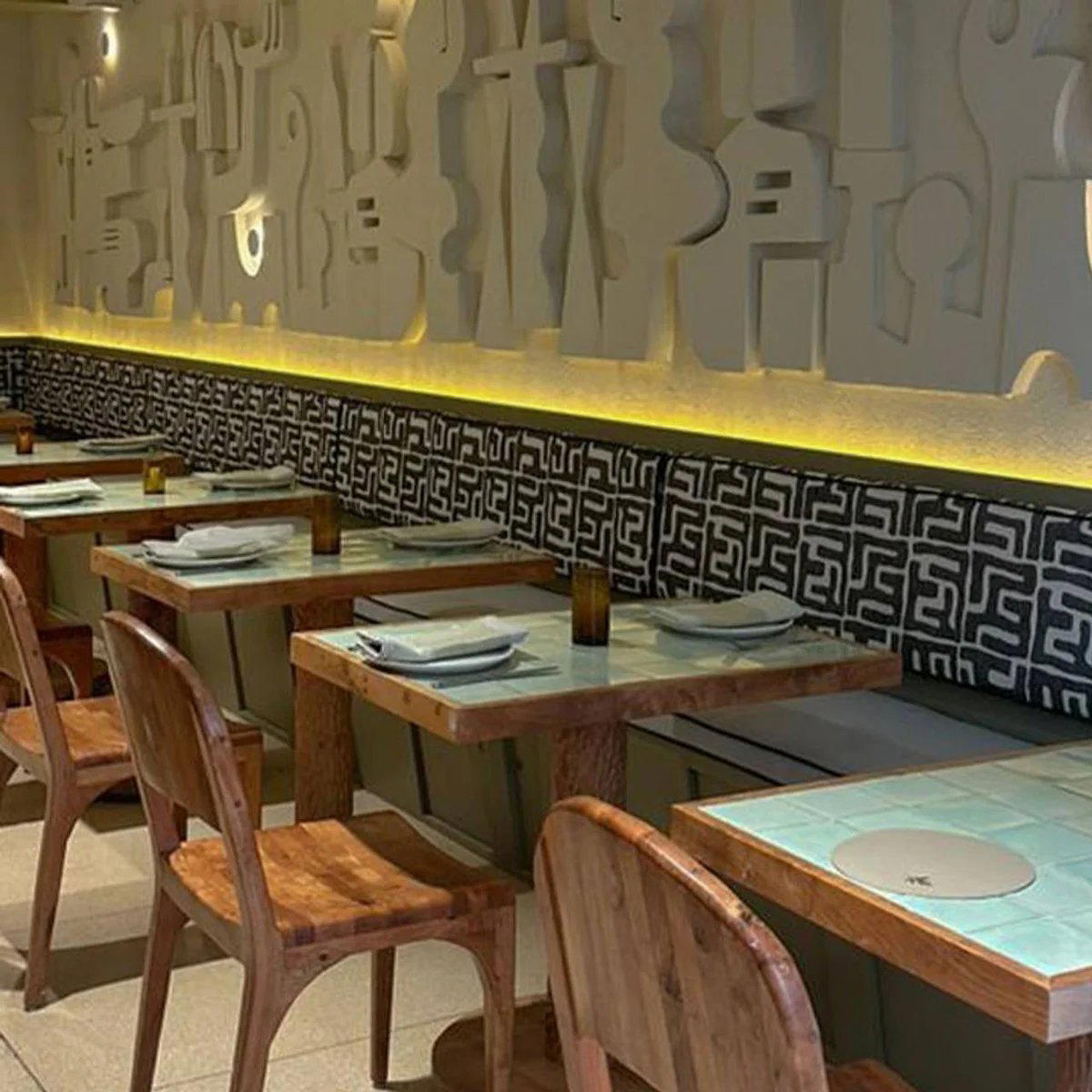
Where Condesa Sets the Table for Italian
Avenida México cuts through the Hipódromo district in a long, tree-lined arc that defines what Condesa feels like at street level: residential without being sleepy, international without performing it. The neighbourhood has been one of Mexico City's most reliable eating corridors for two decades, and the stretch around Av. México 188 pulls together the kind of density, independent restaurants, sidewalk terraces, evening foot traffic, that makes a dining neighbourhood function rather than just exist. Osteria Mattea Condesa sits inside that geography, addressing a specific question the neighbourhood has always posed to its visitors: what does Italian cooking look like when it lands in one of Latin America's most food-literate cities?
That question matters because Mexico City's relationship with Italian food has grown considerably more sophisticated since the early 2000s. Where the city's Italian dining once leaned toward large-format trattorias serving pizza and pasta to families, a smaller cohort of osterie-style spaces now operates closer to the Roman and northern Italian model: shorter menus, ingredient-led cooking, an absence of theatrical production. Osteria Mattea fits the latter register, occupying a format that Condesa is well-suited to host given the neighbourhood's appetite for mid-register, ingredient-focused dining.
Condesa as a Dining Address
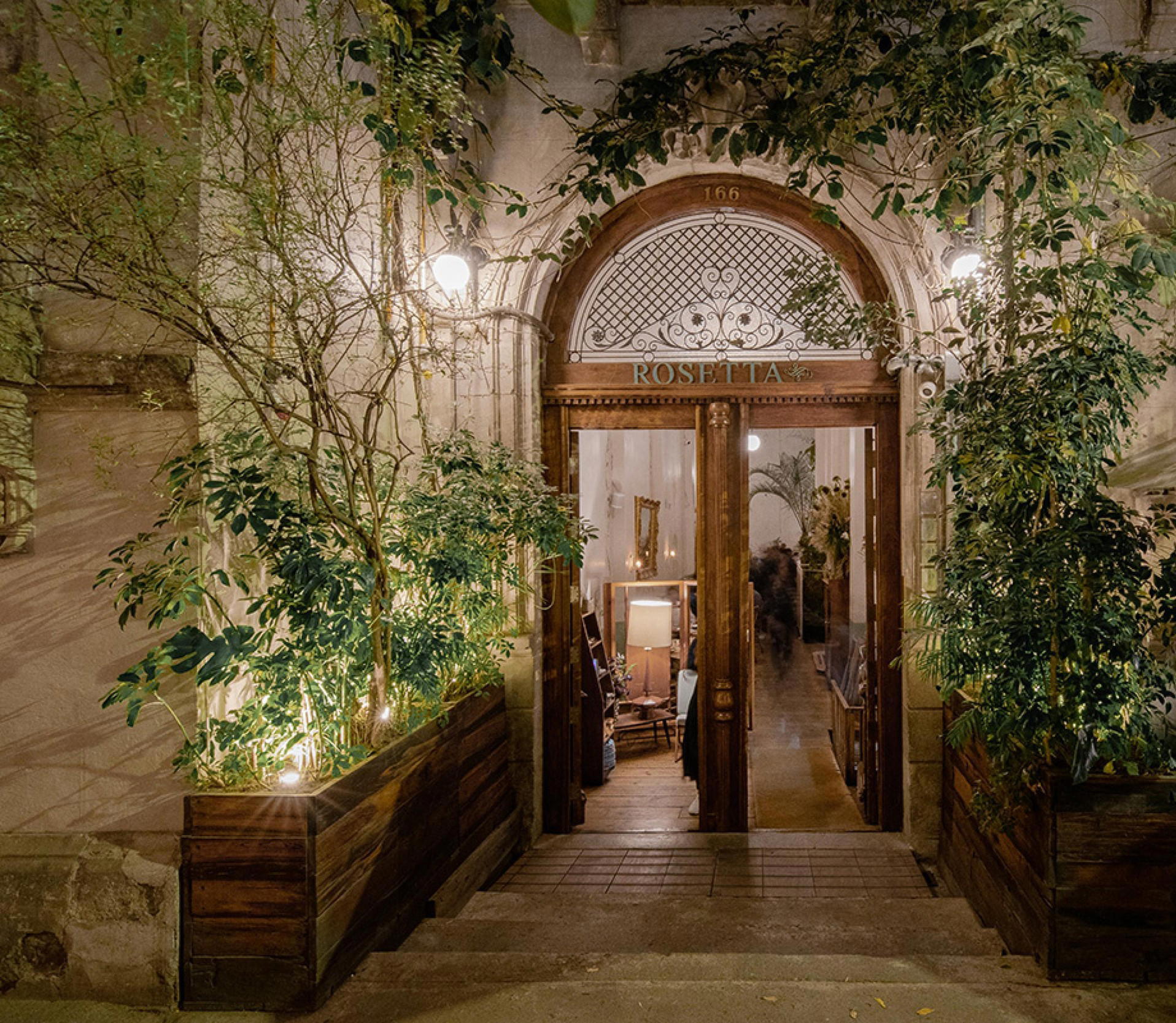
For anyone mapping Mexico City's restaurant geography, Condesa and Roma Norte share a competitive set that sits between the high-concept tasting-menu circuit and the neighbourhood taquería. Rosetta, a few kilometres north in Roma, has for years defined what Italian-leaning creativity looks like in Mexico City at the $$ price tier, a benchmark against which newer Italian-influenced rooms inevitably measure themselves. Condesa proper runs a slightly different frequency: more terraza culture, more international residents, and a dining public that includes both long-term Mexico City eaters and visitors who want something other than the tasting-menu format that defines the city's prestige tier.
The prestige tier itself, Pujol, Quintonil, Em, operates on a different logic, with multi-course formats, advance bookings, and price points that place them at $$$$. Sud 777 in Pedregal represents the creative end of the mid-tier. Osteria Mattea's position in Hipódromo Condesa puts it in a more approachable register, where the emphasis is on the meal rather than the event. That positioning is a choice, and in a city where tasting-menu fatigue is real, it functions as a form of editorial curation.
The Osteria Format in a Mexican Context
The word osteria carries specific expectations in Italian dining culture: an informality of setting, a kitchen that respects seasonal produce, a wine list weighted toward the peninsula, and a menu short enough that every dish has been considered. Those expectations have translated unevenly across the world, many restaurants adopt the label without the discipline, but in Mexico City the format has found a receptive audience among eaters who have spent time in Italy or in the city's own serious restaurant culture.
What makes the Mexico City version of this format interesting is the produce context. The city sits at 2,240 metres elevation and draws from highland markets in Tlaxcala, Puebla, and the State of Mexico, as well as coastal suppliers accessible by cold chain. Italian cooking's reliance on quality primary ingredients, good olive oil, aged cheese, fresh pasta, properly sourced proteins, translates well when the sourcing infrastructure is this developed. Mexico City's wholesale food markets, particularly La Nueva Viga for seafood and the Central de Abasto for produce, give kitchens at this level access to raw material that can hold its own against European sourcing. That context matters: an osteria format in Mexico City has genuine material to work with, which is not a given in every city that tries to import the model.
Neighbourhood Character and the Evening Experience
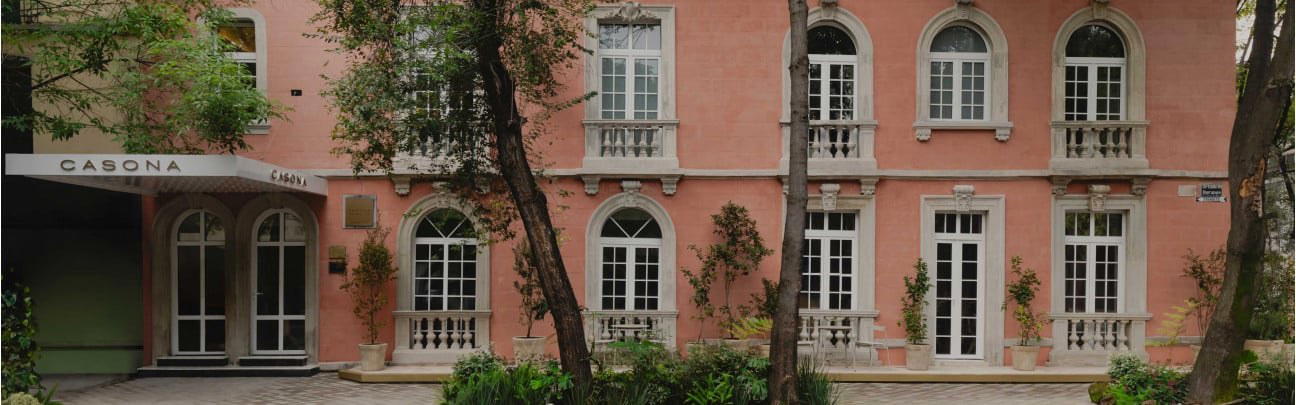
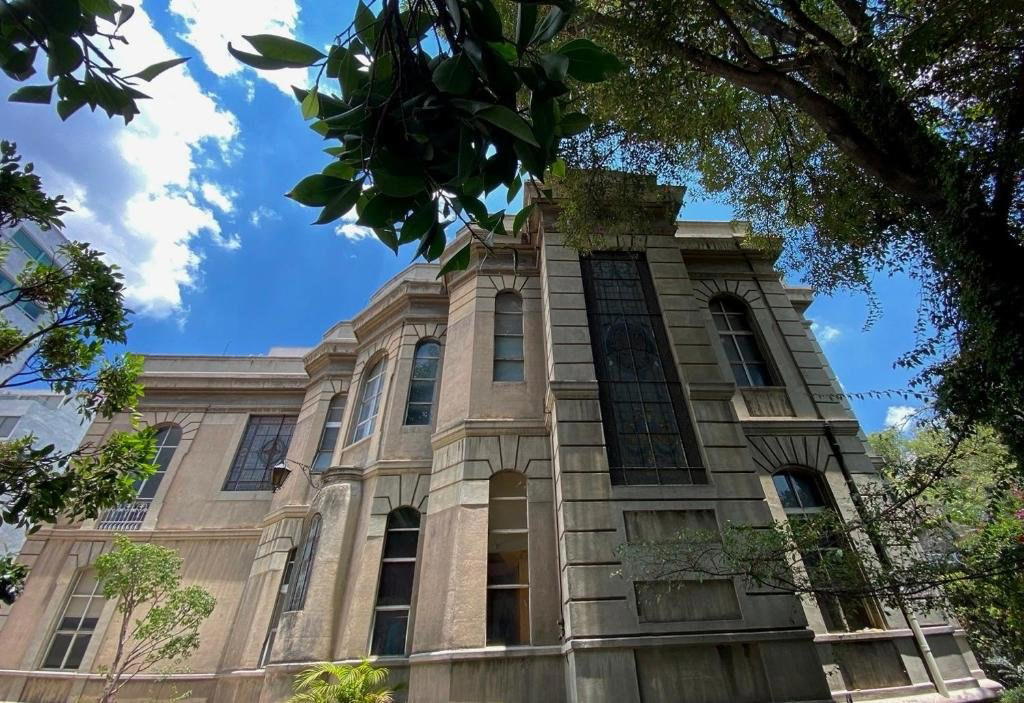
Av. México in the Hipódromo section functions as a slower version of the neighbourhood's more trafficked corners. The street's Art Deco residential buildings, many of them dating to the 1930s and 1940s, create a physical scale that discourages the density of commerce found on Ámsterdam or Tamaulipas. Restaurants here tend to draw from the surrounding residential base rather than from tourist circuits, which gives the evening atmosphere a different character: less performative, more habitual. For a format like an osteria, which depends on repeat custom and a relaxed pace, this is a more natural fit than the high-turnover corridors of Roma Norte.
The Condesa restaurant scene as a whole has matured past the phase when simply being in the neighbourhood conferred credibility. The competition is now real: Italian, Japanese, Mexican, and fusion rooms at every price point. A restaurant on Av. México needs to do specific things well rather than rely on address alone.
Planning Your Visit
Given the limited data currently available for Osteria Mattea Condesa, the practical comparison below maps against the clearest comparable set in the city's Italian and Italian-adjacent dining category.
| Venue | Neighbourhood | Cuisine | Price Tier | Format |
|---|---|---|---|---|
| Osteria Mattea Condesa | Hipódromo Condesa | Authentic Italian Osteria with Pizza and Pasta | $$ | À la carte, osteria-style |
| Rosetta | Roma Norte | Italian, Creative | $$ | À la carte, seasonal |
| Pujol | Polanco | Mexican | $$$$ | Tasting menu |
| Em | Polanco | Mexican | $$$ | Tasting menu |
Beyond Mexico City: Italian-Influenced Dining Across Mexico
The Italian-adjacent dining format appears across Mexico at different registers. Animalón in Valle de Guadalupe works a fire-forward outdoor format that shares the ingredient-first philosophy without the Italian frame. Alcalde in Guadalajara and Pangea in San Pedro Garza García represent the serious independent restaurant culture of Mexico's second-tier cities. Olivea Farm to Table in Ensenada draws on Baja's olive and wine production in ways that echo Mediterranean cooking logic. For coastal and regional Mexican dining, Le Chique in Puerto Morelos, HA' in Playa del Carmen, Huniik in Merida, Levadura de Olla in Oaxaca, Lunario in El Porvenir, and KOLI Cocina de Origen in Monterrey round out a map of where serious cooking is happening at the regional level. For international reference points at the summit of the precision-cooking tier, Le Bernardin in New York City and Atomix in New York City provide a useful calibration.
A Pricing-First Comparison
Comparable venues nearby, for context on price, style, and recognition.
| Venue | Cuisine | Price | Notes |
|---|---|---|---|
| Osteria Mattea CondesaThis venue — the venue you are viewing | Not listed | $$ | Not listed |
| Vecchio Forno | Not listed | $$ | Nva Anzures, Authentic Italian Pizza and Pasta |
| San Giorgio | Roma sur, Authentic Neapolitan Pizza | $$ | Not listed |
| Santo Spirito | Not listed | $$$ | Juarez, Authentic Italian Regional Cuisine |
| Darosa | Juarez, Modern Italian Trattoria | $$$ | Not listed |
| Cantinetta del Becco | Res Parque Santa Fe, Italian Trattoria | $$$ | Not listed |
Continue exploring
More in Mexico City
Restaurants in Mexico City
Browse all →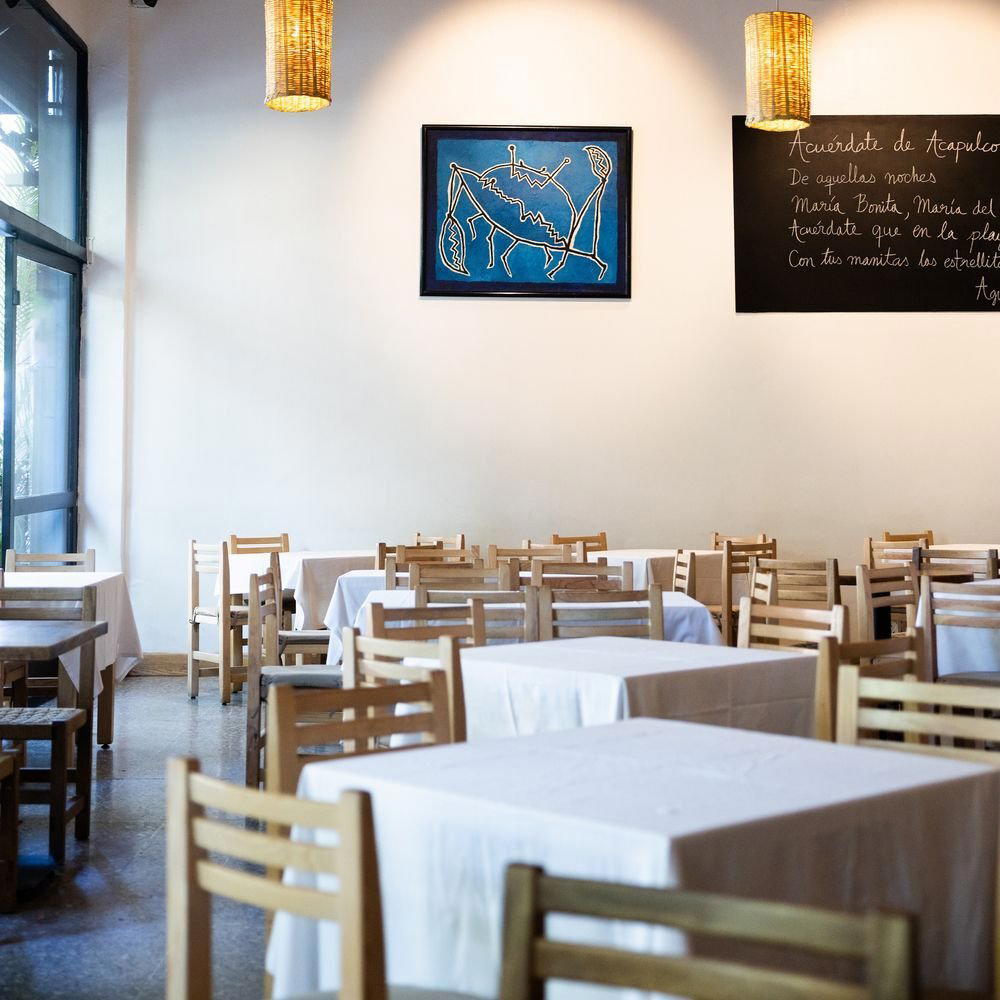
Bars in Mexico City
Browse all →

At a Glance
- Cozy
- Warm
- Lively
- Date Night
- Casual Hangout
- Open Kitchen
- Extensive Wine List
- Craft Cocktails
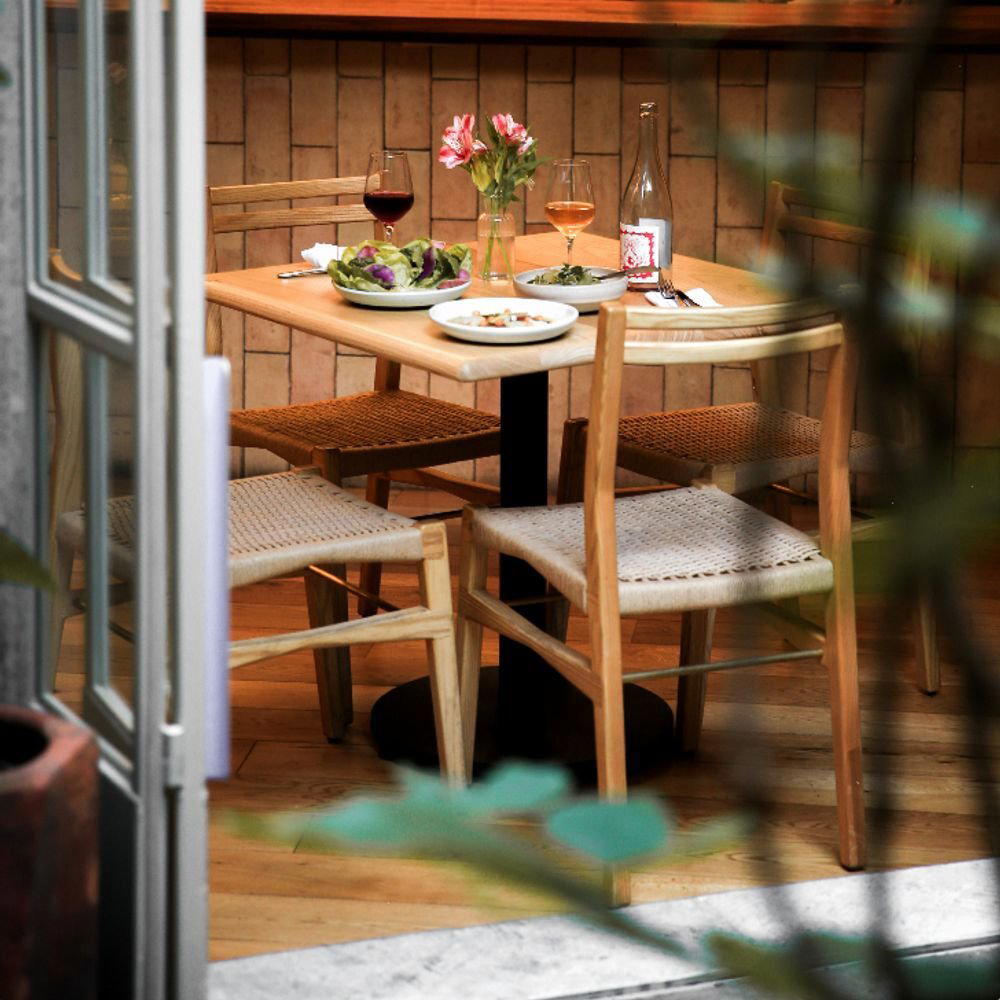
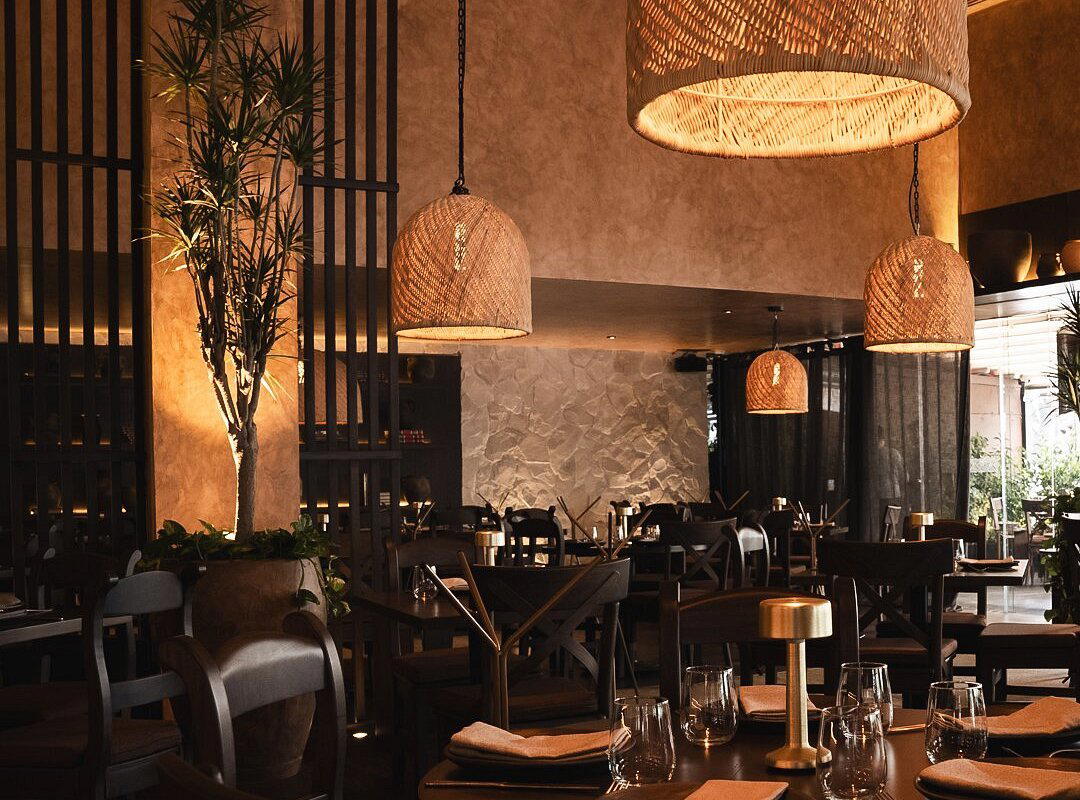
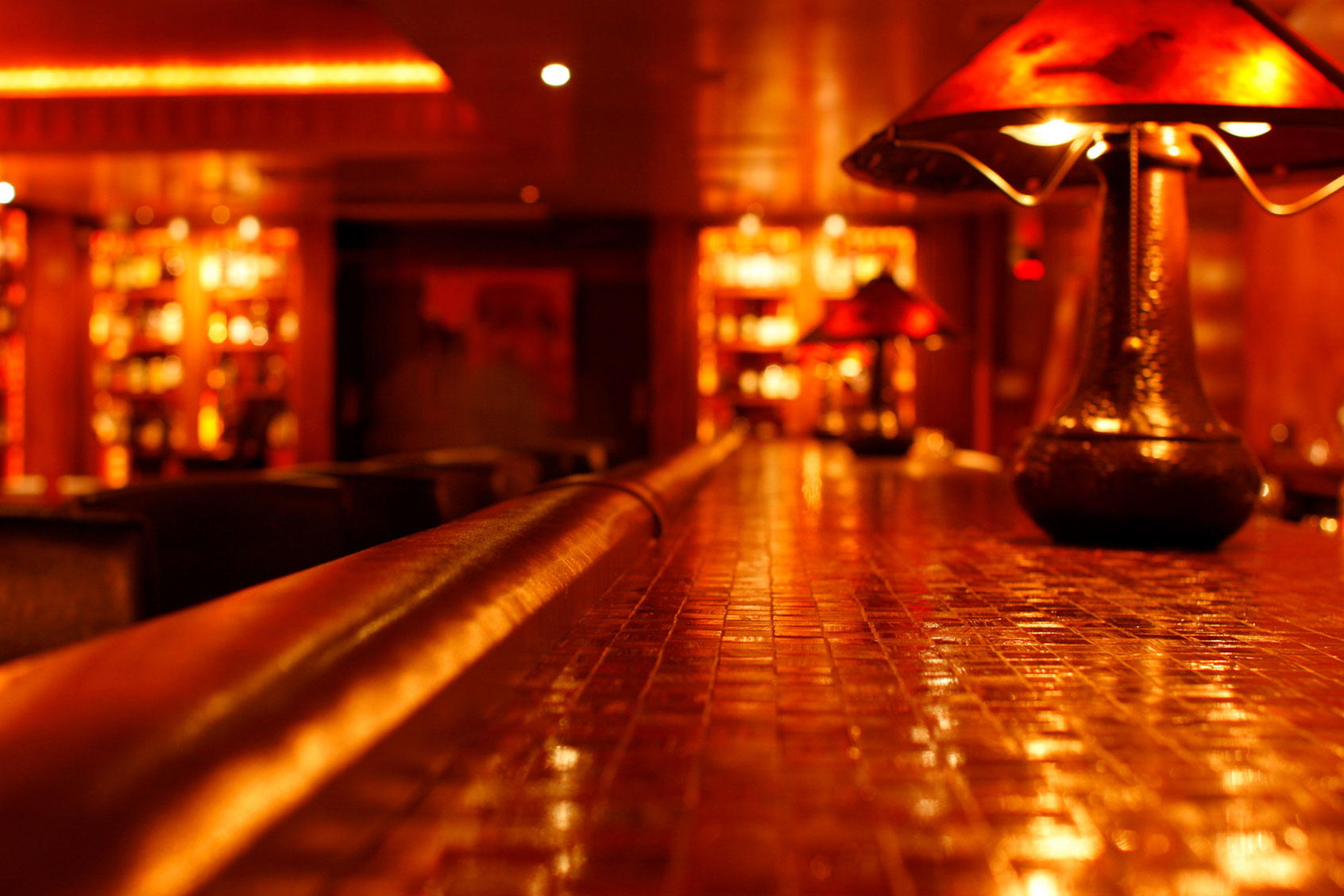
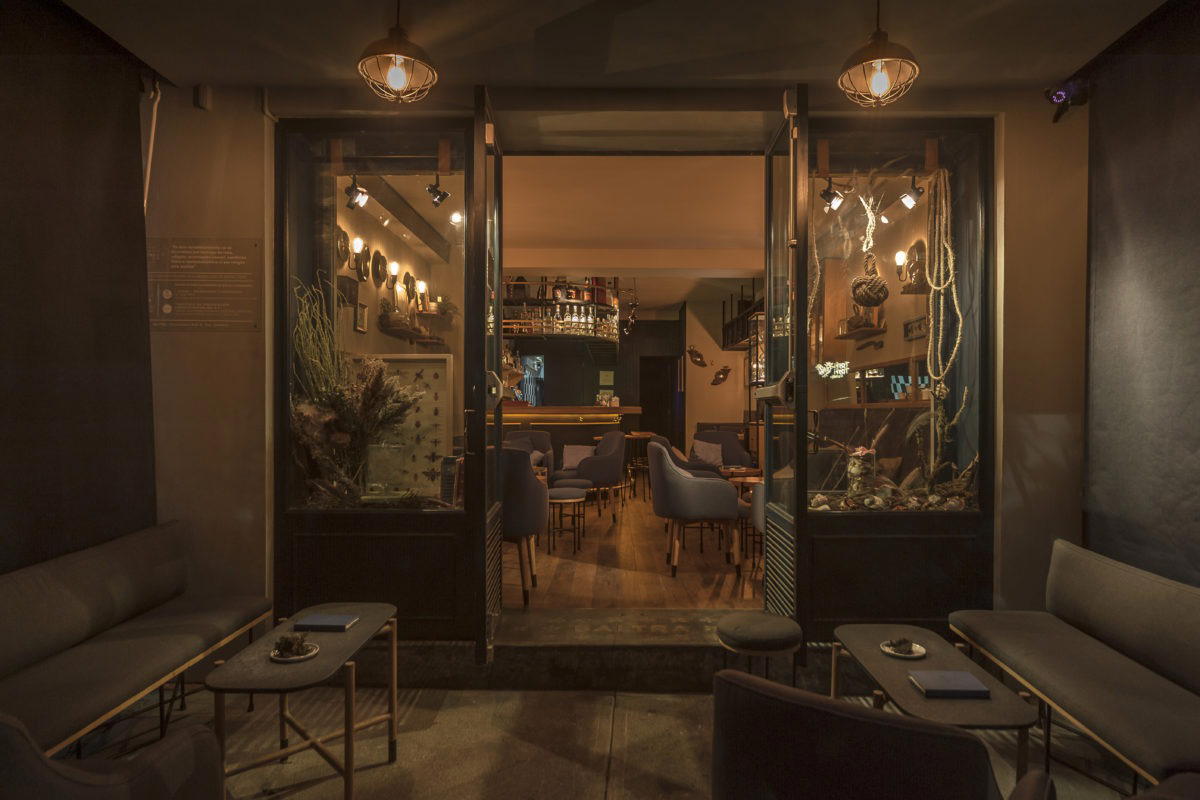
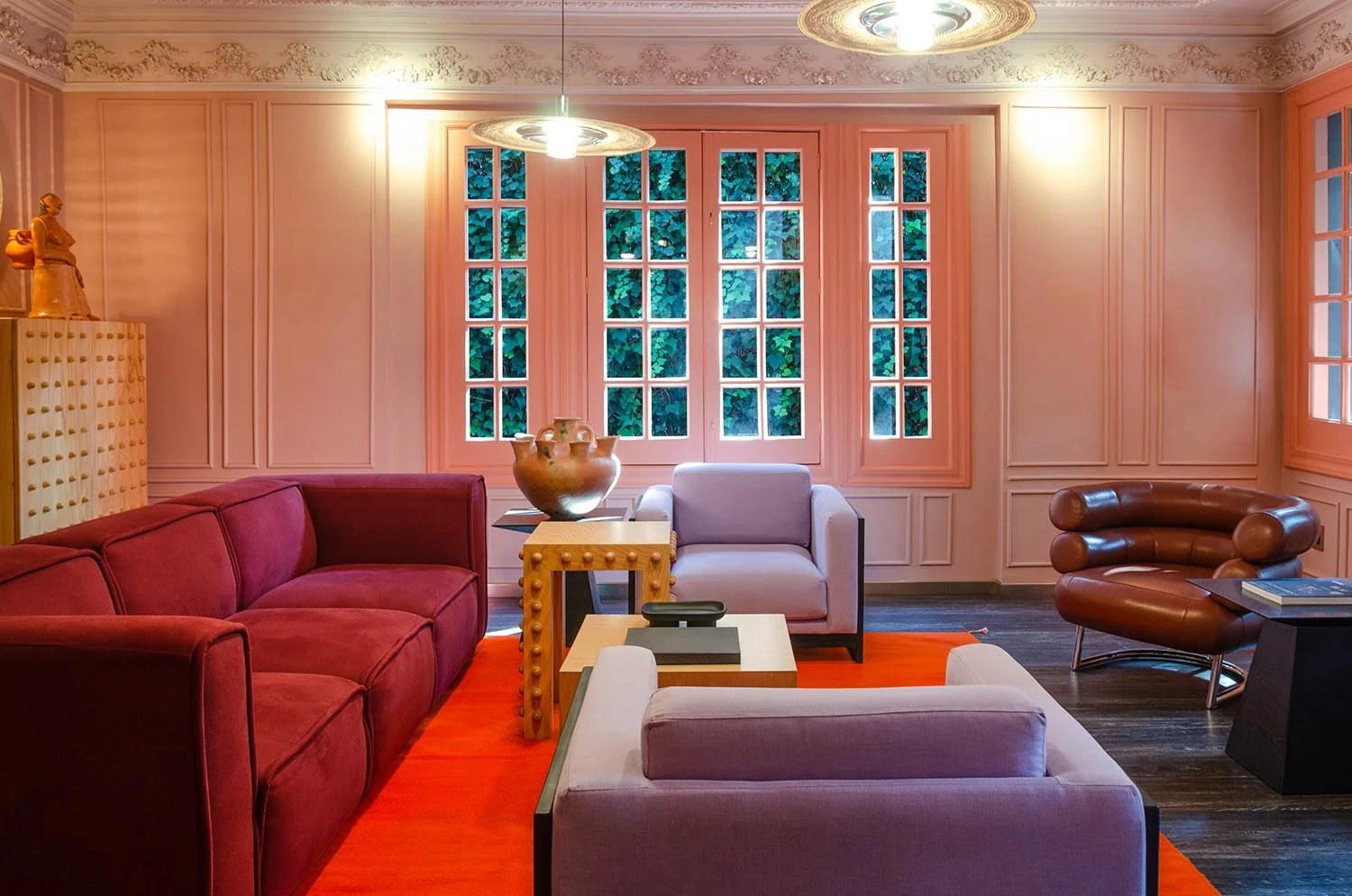
Warm and welcoming atmosphere with cozy lighting that creates an inviting Italian dining experience.