Marakesh Restaurant
Marakesh Restaurant on US-46 in Parsippany sits within New Jersey's understated but active belt of North African dining, where Moroccan hospitality traditions meet an American suburban dining context. The kitchen works within a cuisine that prizes long-cooked proteins, aromatic spice layering, and communal presentation formats that differ structurally from the à la carte norm. For the Route 46 corridor, it represents a specific and relatively rare category of table.
Pearl is the En Primeur Club membership app — saves, bookings, and concierge access live there. Same editors, same standards.
- Address
- 321 US-46, Parsippany, NJ 07054
- Phone
- +19738080062
- Website
- marakeshnj.com
- Directions
- Get directions
 Saves & bookings on Pearl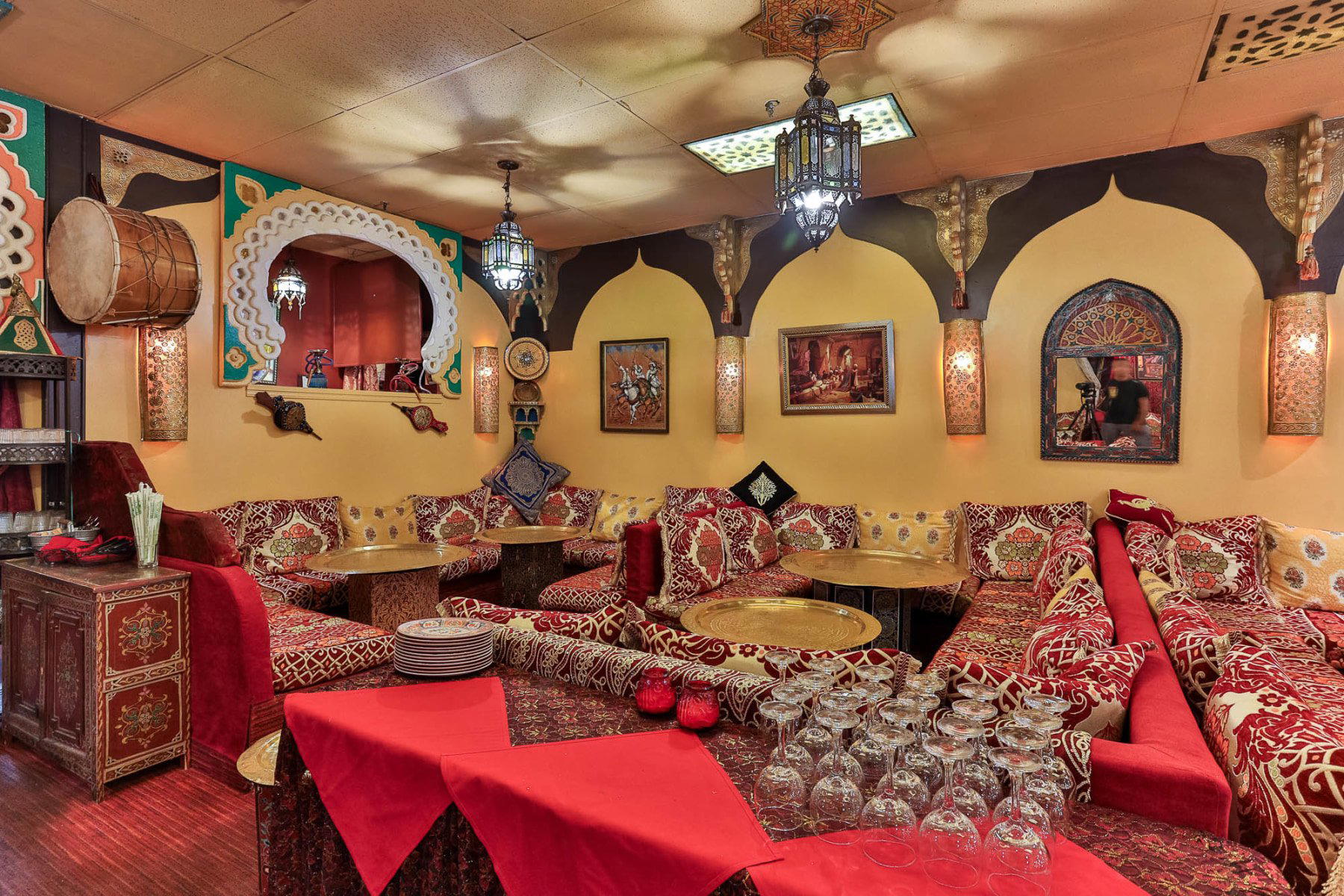
Where the Spice Route Meets Route 46
North African restaurants in American suburban markets occupy a peculiar position. They serve a cuisine built on slow-braised meats, hand-ground spice blends, and communal dining rituals that were developed over centuries across Morocco, Algeria, and Tunisia, yet they operate in contexts where most neighboring tables are turning in under ninety minutes. Parsippany's dining corridor along US-46 is defined largely by national chains and Italian-American standbys, which makes the presence of a Moroccan kitchen at 321 US-46 worth examining on its own terms. Marakesh Restaurant operates in that gap, offering a dining format that structurally differs from most of what surrounds it on the strip.
Moroccan cuisine's foundation is sourcing-driven in ways that are not always obvious to first-time diners. The spice architecture — cumin, ras el hanout, preserved lemon, harissa — is not decorative. Each element performs a function that was historically tied to preservation, climate, and trade routes. The dishes that result, from slow-cooked tagines to couscous steamed multiple times over aromatic broth, are built around protein and vegetable combinations that require time and layered heat rather than speed and reduction. Restaurants that execute this format faithfully are working in a tradition with real technical demands, and the category deserves the same ingredient-focused scrutiny applied to farm-to-table American or nose-to-tail British kitchens. For context on how ingredient sourcing shapes dining identity at the highest levels, properties like Blue Hill at Stone Barns in Tarrytown and Single Thread Farm in Healdsburg have built their entire reputations on traceability and sourcing rigor. The same logic applies, in different register, to any kitchen claiming fidelity to a spice-forward cuisine: the quality of the raw materials is inseparable from the result on the plate.
The Dining Format and What It Asks of the Room
Moroccan restaurants in the United States typically split between two formats: casual counter service aimed at quick turnover, and seated dining rooms that attempt to recreate the communal, extended-meal pace of a Moroccan household or riad. The latter format, when done with conviction, produces a substantially different meal experience. Shared platters, mint tea ceremonies, and courses that arrive without the usual Western sequencing logic all require a room that is designed, at least partially, around slower time. Whether Marakesh in Parsippany commits fully to that format or adapts it for its suburban market is the operative question for a first-time visitor.
Across the United States, Moroccan dining has found its most consistent audiences in cities with established North African or Middle Eastern communities, where ingredient sourcing pipelines for preserved lemons, argan oil, whole dried rosebuds, and specific dried chile varieties are more dependable. In suburban New Jersey, those supply chains exist but require more deliberate sourcing effort. The degree to which a kitchen invests in that effort, rather than substituting domestic approximations, is usually legible in the food. Tagines made with properly cured preserved lemon rather than fresh lemon juice taste measurably different. Couscous steamed by hand over broth rather than hydrated quickly carries a different texture. These are not small distinctions.
Parsippany's Dining Context
Parsippany-Troy Hills has a more textured dining scene than its suburban reputation suggests. The township's significant South Asian population has produced a concentrated cluster of Indian and Pakistani restaurants along several corridors, and those kitchens, some of which operate with serious spice sourcing discipline, have raised the general baseline for aromatic cooking in the area. Moroccan cuisine sits in a related but distinct register: where South Asian cooking tends toward oil-based spice blooming and dry-heat techniques, Moroccan cuisine leans into wet braises, clay-pot confit, and steam. For a dining public already comfortable with cumin, coriander, and turmeric in their South Asian applications, the step toward Moroccan tagine format is not a large one. Our full Parsippany restaurants guide maps the broader scene and helps position Marakesh relative to its neighbors. For another strong Parsippany option in a different register, Eccola represents the Italian end of the local dining spectrum.
For readers coming from or comparing to major-market Moroccan dining, the reference frame shifts considerably. Cities like New York and Washington, D.C. host Moroccan restaurants with dedicated sourcing networks and, in some cases, kitchens that approach the precision of higher-end contemporaries. Venues like Causa in Washington, D.C. demonstrate what ingredient-traceability commitment looks like when applied to non-European cuisines at a serious level. The ambition at that tier, whether applied to Peruvian, Korean (see Atomix in New York City), or North African cooking, is the same: sourcing as a form of argument. Marakesh in Parsippany operates in a different tier and market, but the underlying question, where do the core ingredients come from and how faithfully are the techniques applied, is equally valid regardless of price point or location.
Planning a Visit
Marakesh Restaurant is located at 321 US-46 in Parsippany, New Jersey, accessible by car from most of Morris County and reachable from I-287. The Route 46 corridor is car-dependent, so driving is the practical approach for most visitors. Moroccan restaurants in this format often accommodate groups better than they do solo diners, given the sharing-plate structure of many menus. Readers who want the broadest view of dining options in the area before committing should consult our Parsippany restaurants guide first.
For reference on how Moroccan and North African cuisine fits within the wider American restaurant conversation, the country's most technically ambitious kitchens, from Alinea in Chicago to Le Bernardin in New York City, Lazy Bear in San Francisco, The French Laundry in Napa, Providence in Los Angeles, Addison in San Diego, The Inn at Little Washington, Bacchanalia in Atlanta, Brutø in Denver, Frasca Food and Wine in Boulder, Emeril's in New Orleans, and 8½ Otto e Mezzo Bombana in Hong Kong all share one defining characteristic: a verifiable commitment to where their ingredients originate. That standard is the most honest lens through which to evaluate any kitchen, at any price point, in any cuisine.
Continue exploring
More in Parsippany
Restaurants in Parsippany
Browse all →
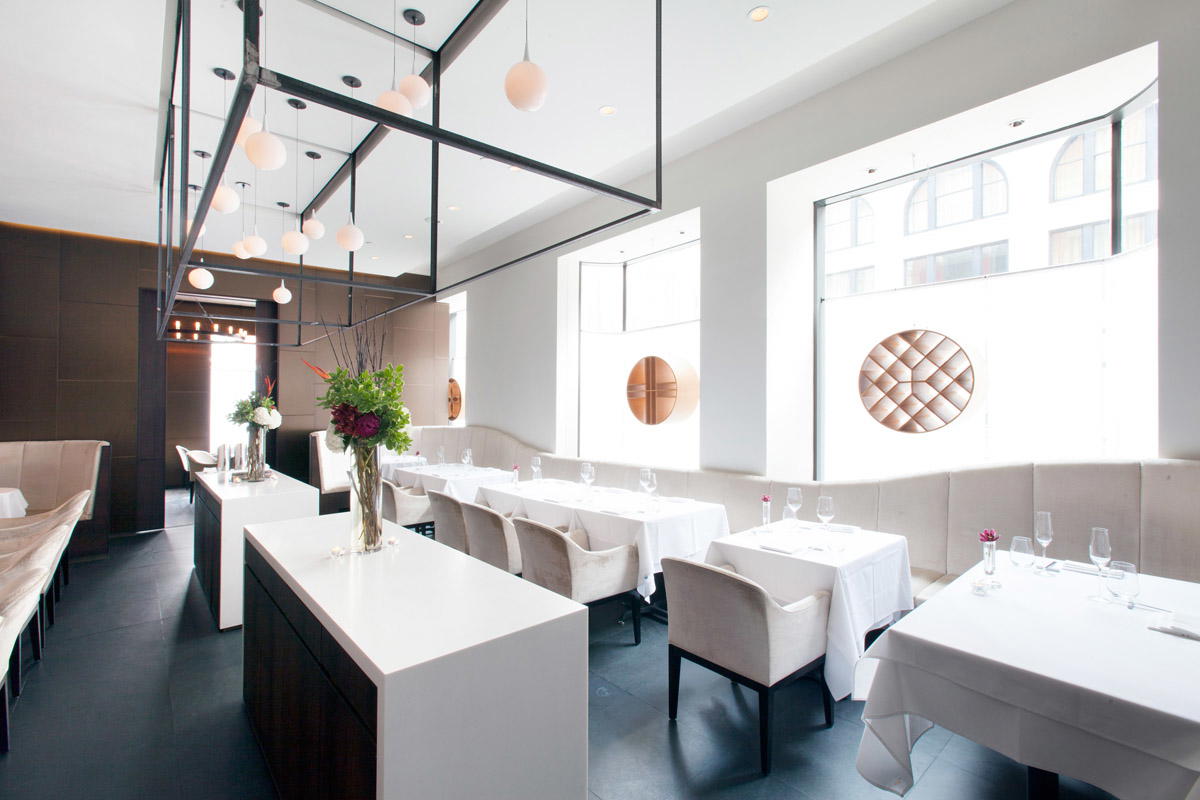
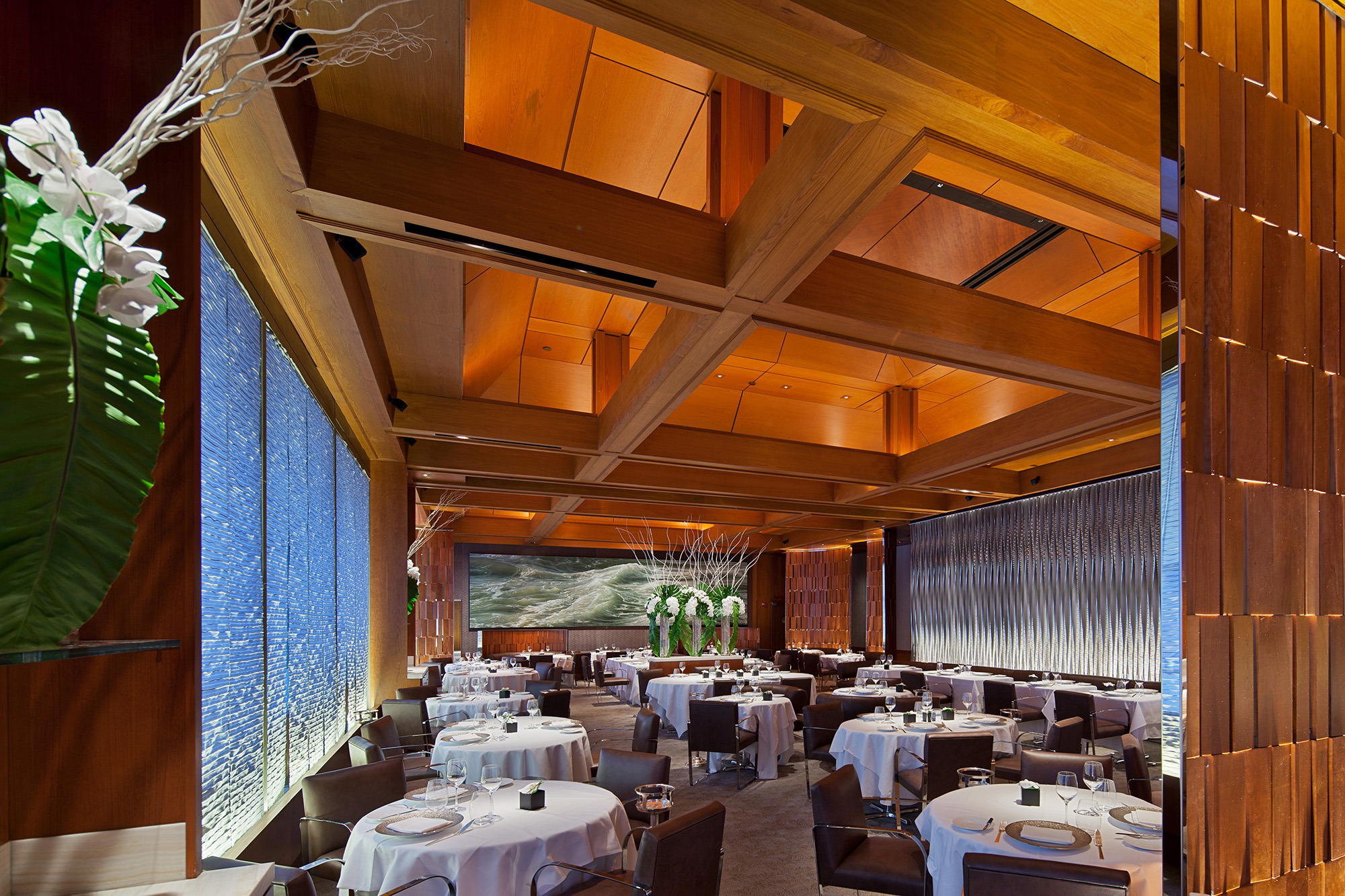
Bars in Parsippany
Browse all →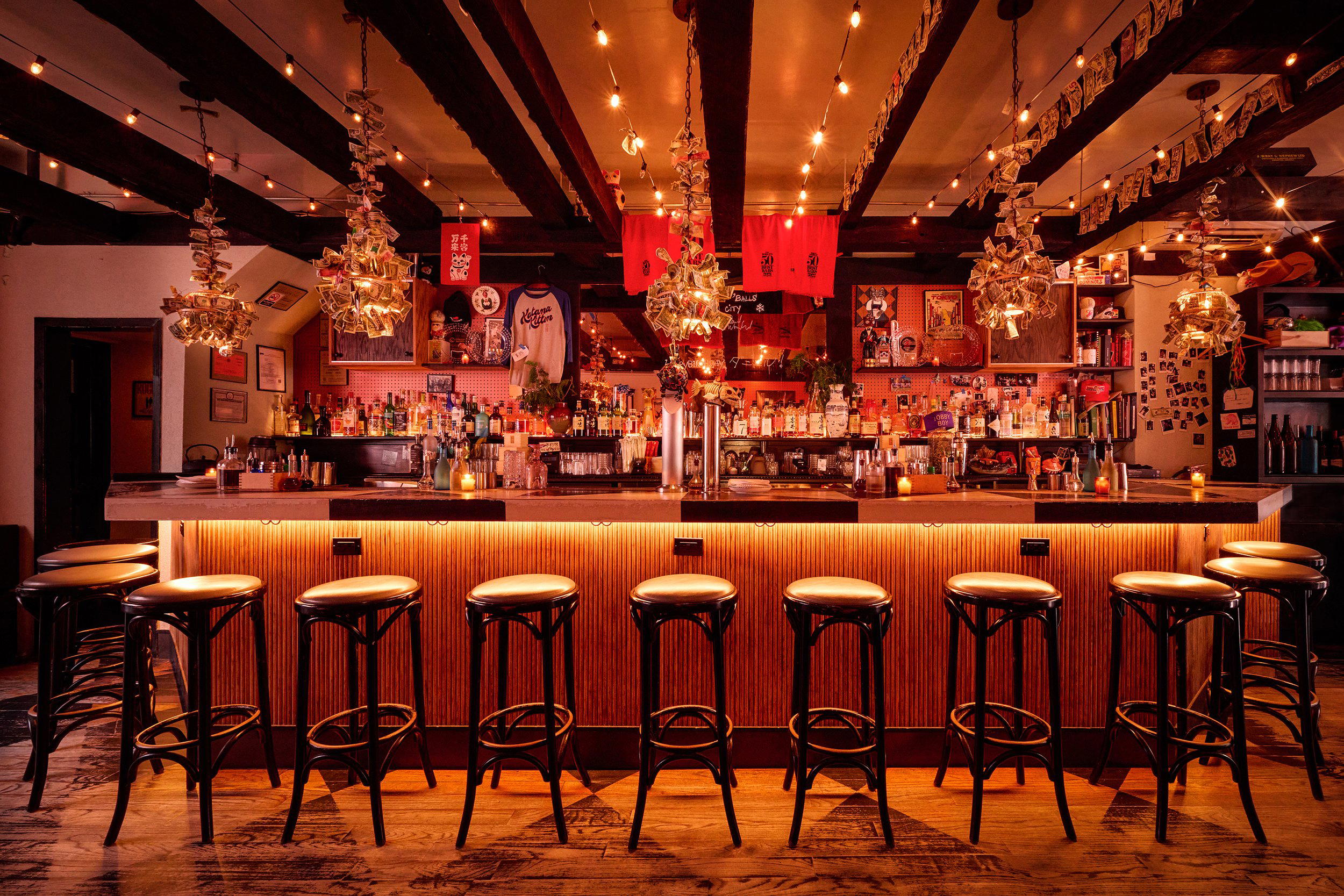
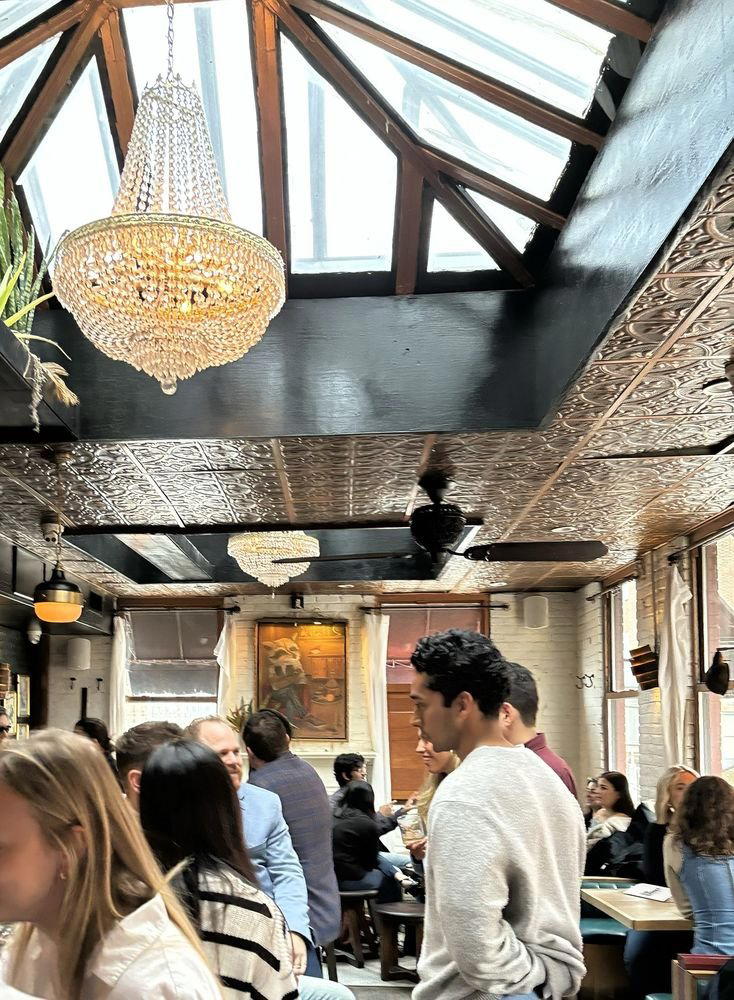
Hotels in Parsippany
Browse all →



At a Glance
- Cozy
- Elegant
- Date Night
- Group Dining
- Special Occasion
- Live Music
- Byob
Current opening hours
- Monday
- Closed
- Tuesday
- 5–10 PM
- Wednesday
- 5–10 PM
- Thursday
- 5–10 PM
- Friday
- 5 PM–12 AM
- Saturday
- 5 PM–12 AM
- Sunday
- 4–9 PM
Hours can change for holidays and private events. Last verified .
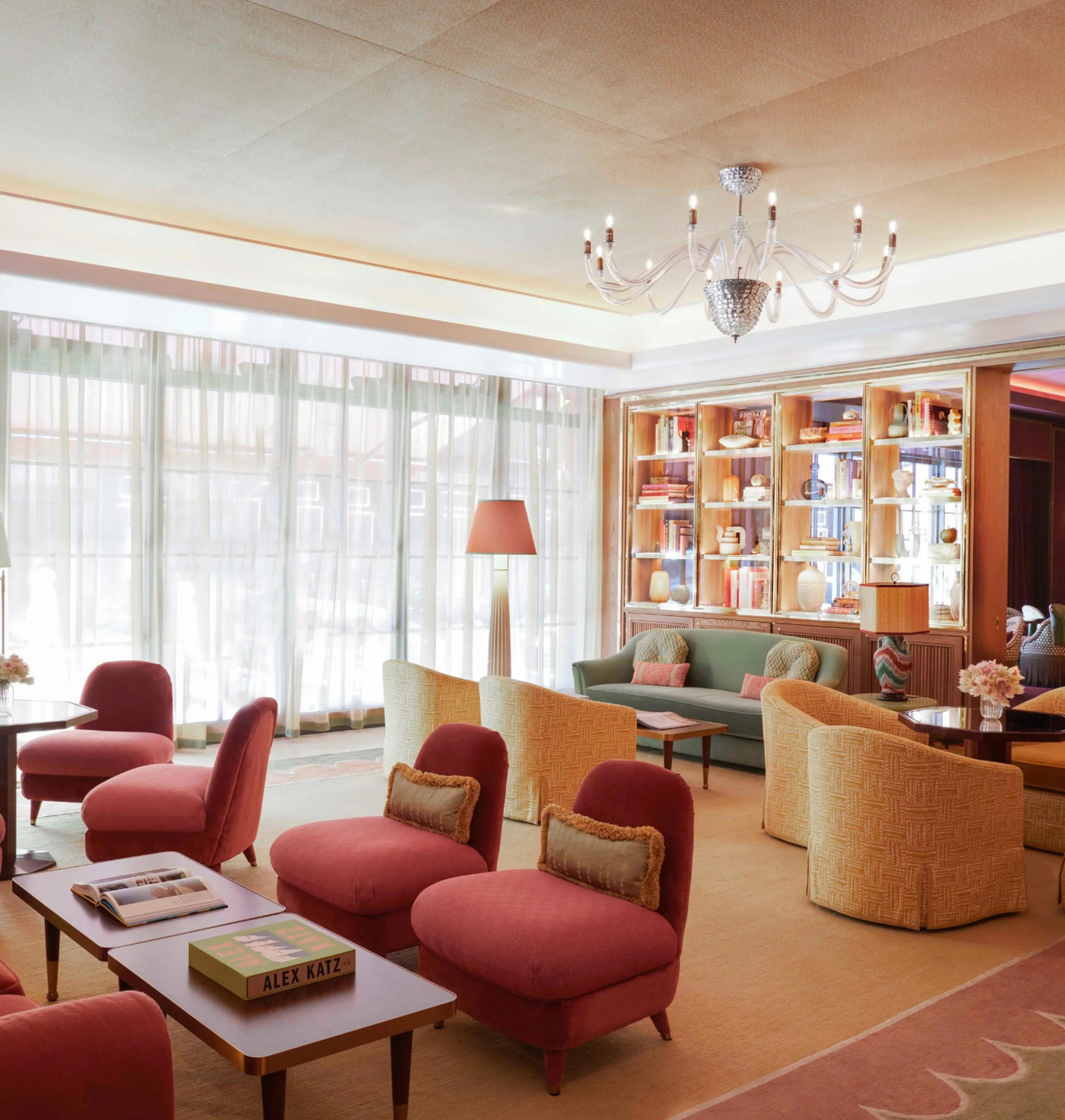
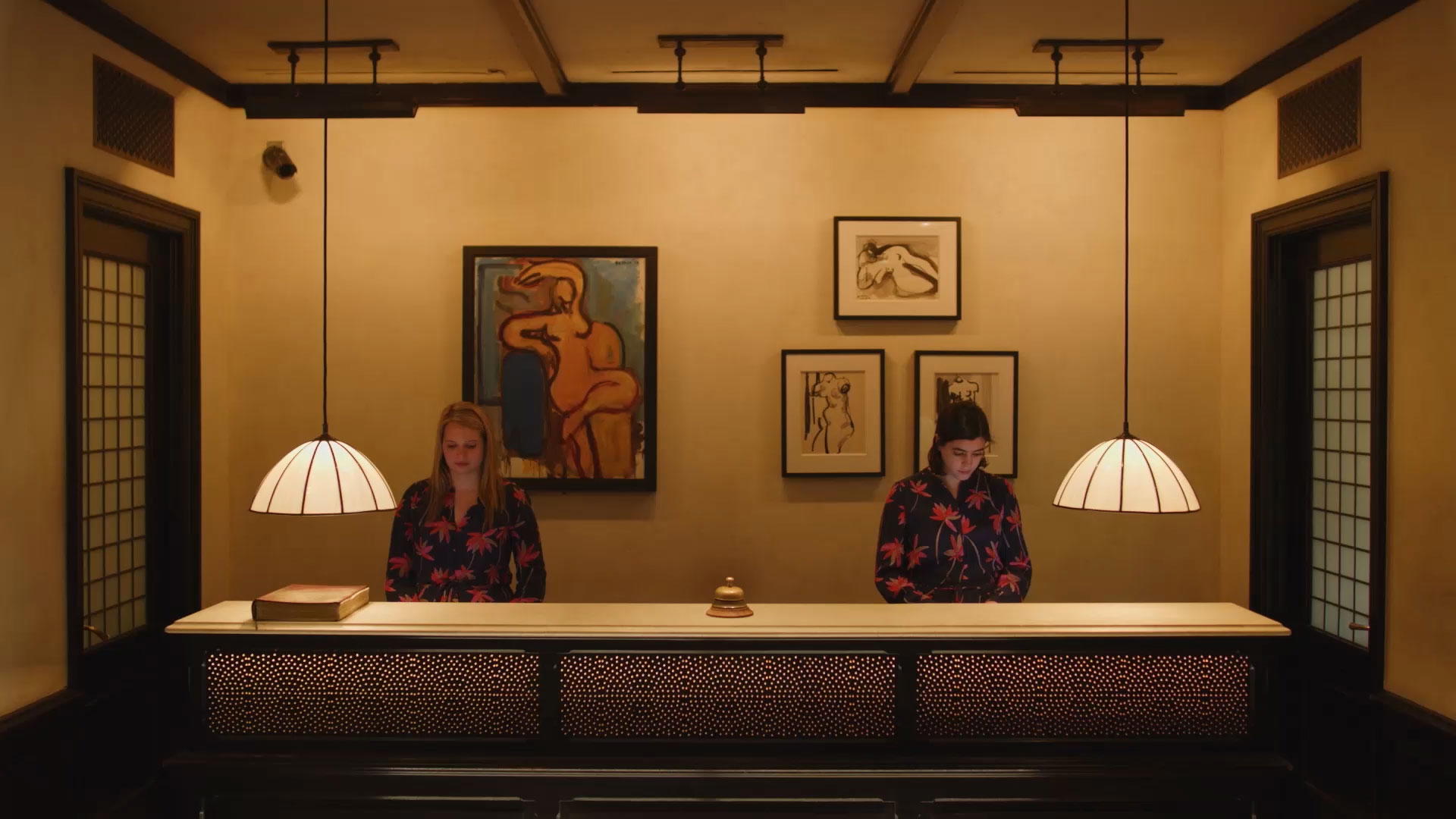
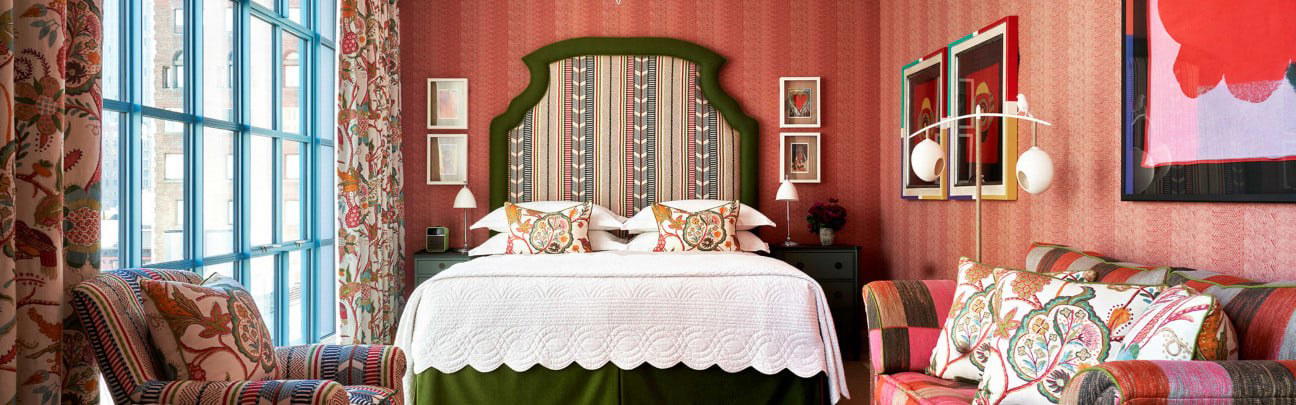
Cozy and elegant Moroccan palace atmosphere with intricate Arabic art and crafts.