The Brass Rail
The Brass Rail occupies a firm place in Hoboken's bar and dining fabric at 135 Washington St, drawing a local crowd that has kept the address relevant through decades of neighborhood change. The room carries the worn confidence of a place that does not need to announce itself. For visitors mapping Hoboken's eating and drinking scene, it functions as a useful anchor point on the main strip.
Pearl is the En Primeur Club membership app — saves, bookings, and concierge access live there. Same editors, same standards.
- Address
- 135 Washington St, Hoboken, NJ 07030
- Phone
- +12016597074
- Website
- thebrassrailnj.com
- Directions
- Get directions
 Saves & bookings on Pearl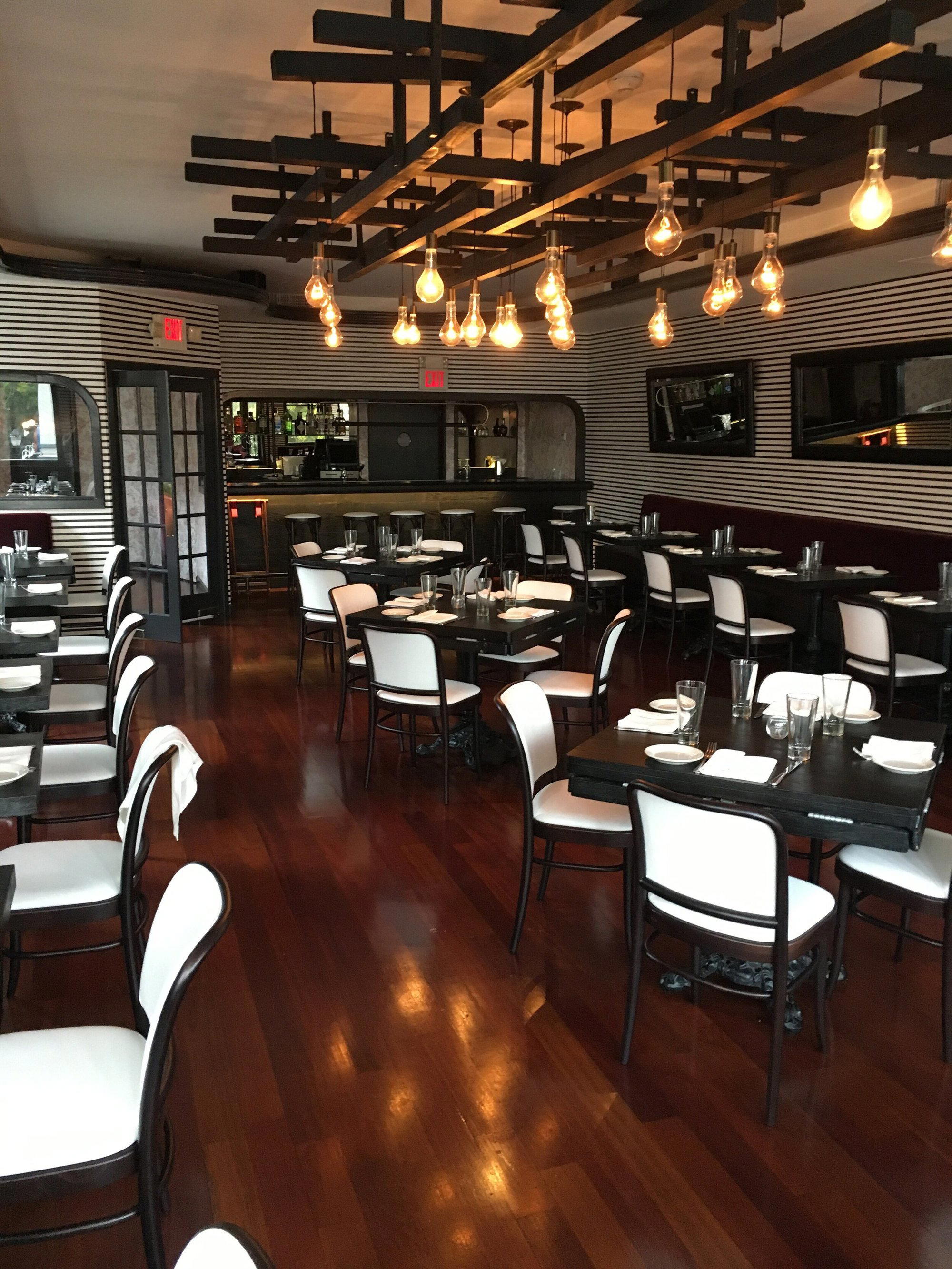
Washington Street After Dark: What the Room Tells You
There is a particular type of bar-restaurant that American cities produce in their older, denser neighborhoods, the kind where the lighting is calibrated by years of use rather than a designer's brief, and where the sound of the room arrives before you push through the door. The Brass Rail on Washington Street sits in that category. Located at 135 Washington St in Hoboken's commercial corridor, it occupies a position that speaks more to institutional staying power than to any single moment of reinvention. The physical approach along Washington gives the first signal: this is a block where the serious foot traffic of a transit-dense city does its sorting, and addresses that endure here tend to do so because the local population keeps returning, not because out-of-town reviewers keep arriving.
Hoboken's dining and drinking scene has layered considerably since the early 2000s. The mile-square city across the Hudson from Manhattan has absorbed waves of young professionals, and the Washington Street spine has tracked that demographic shift with a range of formats running from polished New American rooms to neighborhood Italian and high-heat steakhouses. Within that mix, places with longer operational histories occupy a different social function: they carry neighborhood memory, attract a broader age range, and often anchor the early part of an evening before the crowd disperses to more specialized addresses. The Brass Rail fits that pattern.
The Sensory Register of a Room That Has Settled
Older bar rooms in American cities tend to communicate through accumulation rather than curation. The grain of the bar leading, the way the backlit bottles organize the eye, the particular acoustic quality of a space where sound reflects off hard surfaces, these are not designed effects so much as outcomes of time. At addresses like The Brass Rail, the atmosphere that reaches a first-time visitor has been shaped by thousands of ordinary evenings rather than a single opening-night concept. That distinction matters for how you read the room. You are not walking into a proposition; you are walking into a result.
In a city where bars compete through novelty, theme-driven cocktail programs, rotating tap lists, hyper-local sourcing narratives, venues that communicate through settled character rather than active programming occupy a specific niche. They are the places where regulars do not need to read the menu, where the bartender's knowledge of the room is institutional rather than trained, and where the ambient noise tracks the rhythm of the neighborhood's week. For visitors arriving from Manhattan via the PATH train, that quality of place can read as a different pitch.
Hoboken's Bar and Dining Tier: Where The Brass Rail Sits
Mapping the restaurant against its Washington Street neighbors clarifies the local competitive picture. Dino & Harry's Steakhouse operates at the higher-ticket end of Hoboken's dining range, drawing business diners and occasion-driven tables. Amanda's works a more refined New American register with corresponding price signals. Caffe Buon Gusto anchors the Italian casual tier. Halifax and Il Tavolo di Palmisano each represent distinct contemporary formats that have entered the market in more recent cycles. The restaurant reads as a different category altogether: a bar-first address with food, operating at a price point that reflects the neighborhood's working-familiarity.
That positioning is not a limitation so much as a functional choice. Cities need the full range, and the bars that outlast trend cycles usually do so by serving the population that lives there rather than the one that reads about it. Hoboken's density and transit connectivity mean the local population is large and recurring, which gives an address like this a stable base that destination-oriented venues have to rebuild with each editorial cycle.
For those mapping broader American fine dining beyond Hoboken, the contrast in formats is instructive. Tasting-menu rooms like Alinea in Chicago, The French Laundry in Napa, and Lazy Bear in San Francisco operate at the opposite end of the hospitality register, curated, reservation-forward, and experientially dense. Farm-integration models like Blue Hill at Stone Barns in Tarrytown and Single Thread Farm in Healdsburg make land and sourcing the organizing principle. Coastal fine dining institutions like Le Bernardin in New York City and Providence in Los Angeles anchor their cities' premium tiers with decades of accumulated critical recognition. Regionally rooted high-end addresses like The Inn at Little Washington and Addison in San Diego demonstrate how American fine dining has moved beyond coastal concentrations. Korean-led contemporary rooms like Atomix in New York City and internationally recognized kitchens like 8 1/2 Otto e Mezzo Bombana in Hong Kong round out the global comparison. The restaurant is a different animal entirely, its value is in the social function it performs for a neighborhood that keeps choosing it.
Gulf Coast culinary tradition and the New Orleans dining scene, where addresses like Emeril's in New Orleans operate, offer another useful comparison point: cities that support both destination fine dining and deeply embedded neighborhood institutions understand that the two formats are not in competition. They serve different moments in the same city's life.
Planning Your Visit
The restaurant sits at 135 Washington St, a short walk from the Hoboken PATH terminal, which makes it easily reachable from lower and midtown Manhattan in under fifteen minutes. Washington Street bars and restaurants tend to fill earliest on Thursday and Friday evenings as the commuter population transitions into the weekend, so earlier arrival on those nights is practical for anyone who prefers to settle in before the room reaches peak volume.
Nearby-ish Comparables
Comparable venues nearby, for context on price, style, and recognition.
| Venue | Cuisine | Price | Notes |
|---|---|---|---|
| The Brass RailThis venue — the venue you are viewing | New American Steakhouse with French influences | $$ | Not listed |
| Halifax | Northeastern Farm-to-Table Coastal American | $$$ | waterfront |
| Amanda's | New American with Argentine twist | $$$ | Hoboken |
| OddFellows | Dining | Not listed | Hoboken |
| Saku | Modern Japanese Sushi and Omakase | $$$ | Hoboken |
| Urban Coalhouse - Hoboken | Coal-Fired Neapolitan Pizza | $$ | Uptown Hoboken |
Continue exploring
More in Hoboken
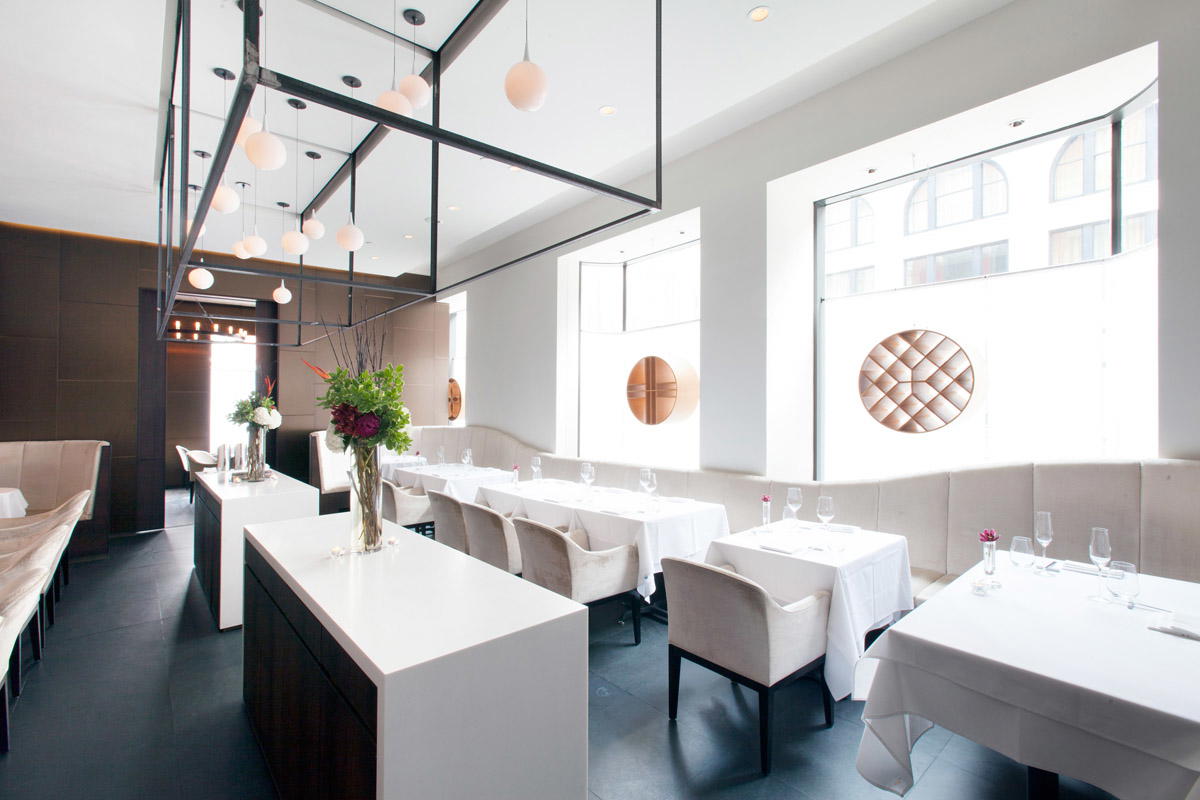
Restaurants in Hoboken
Browse all →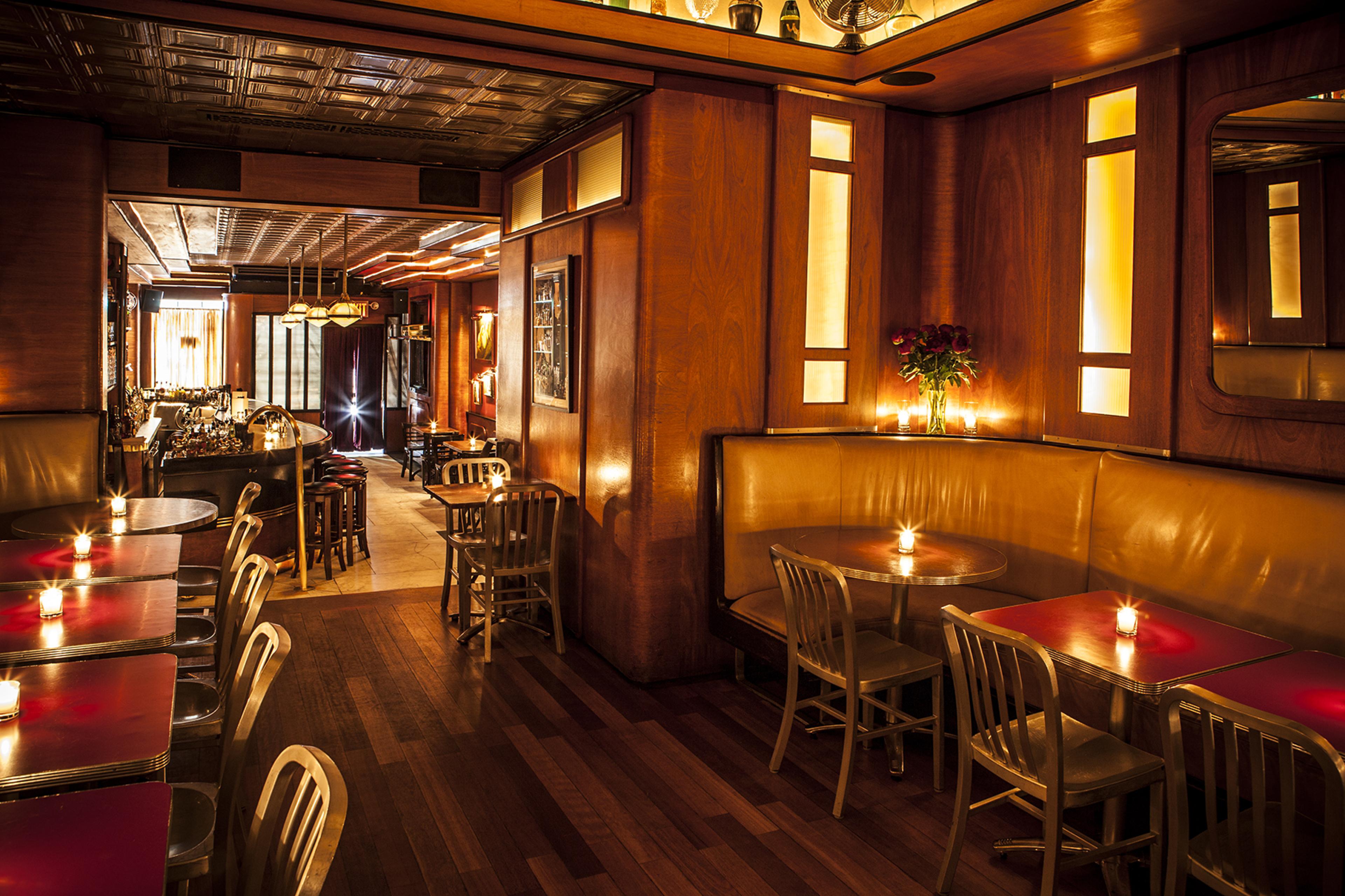
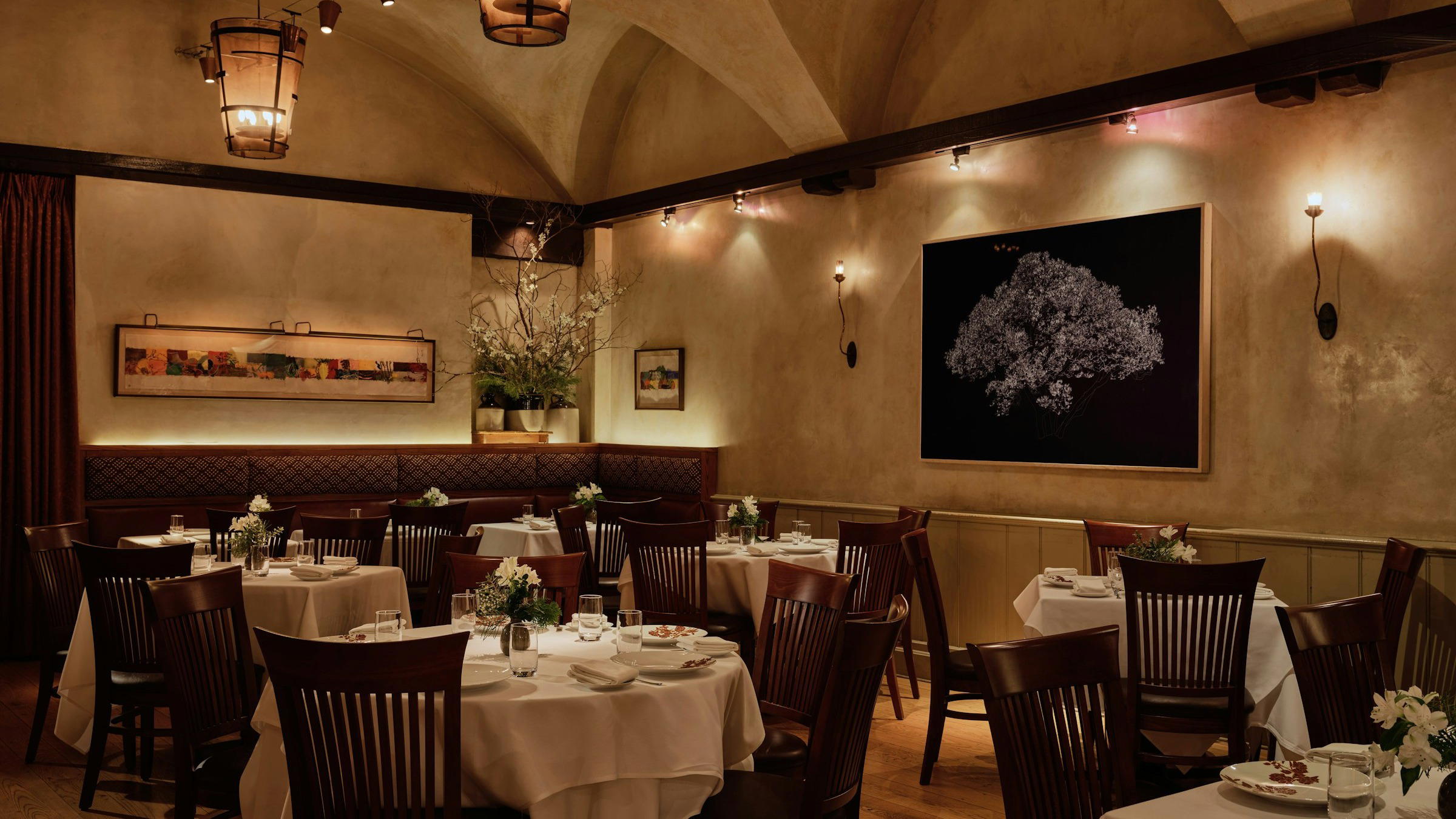
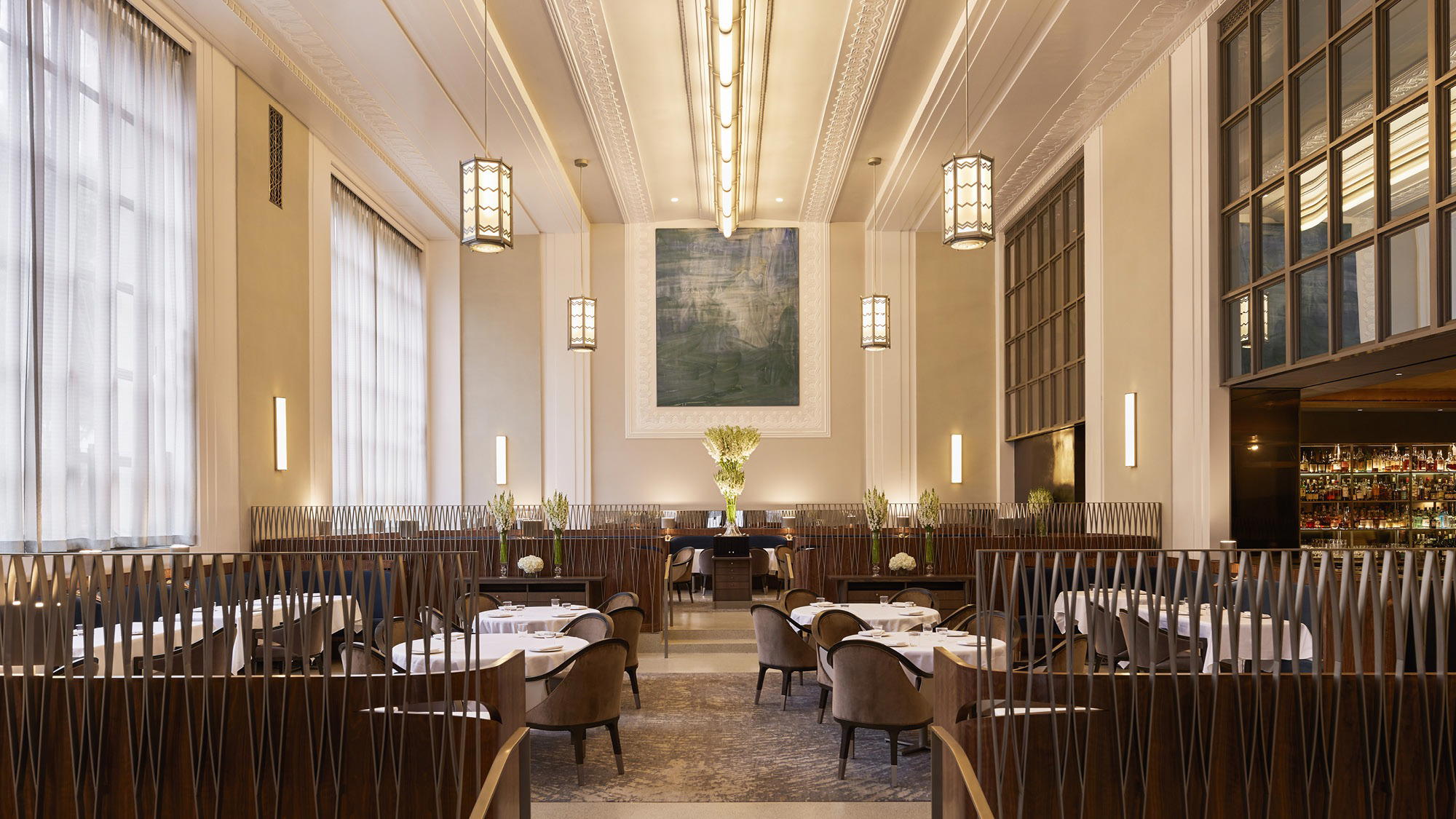
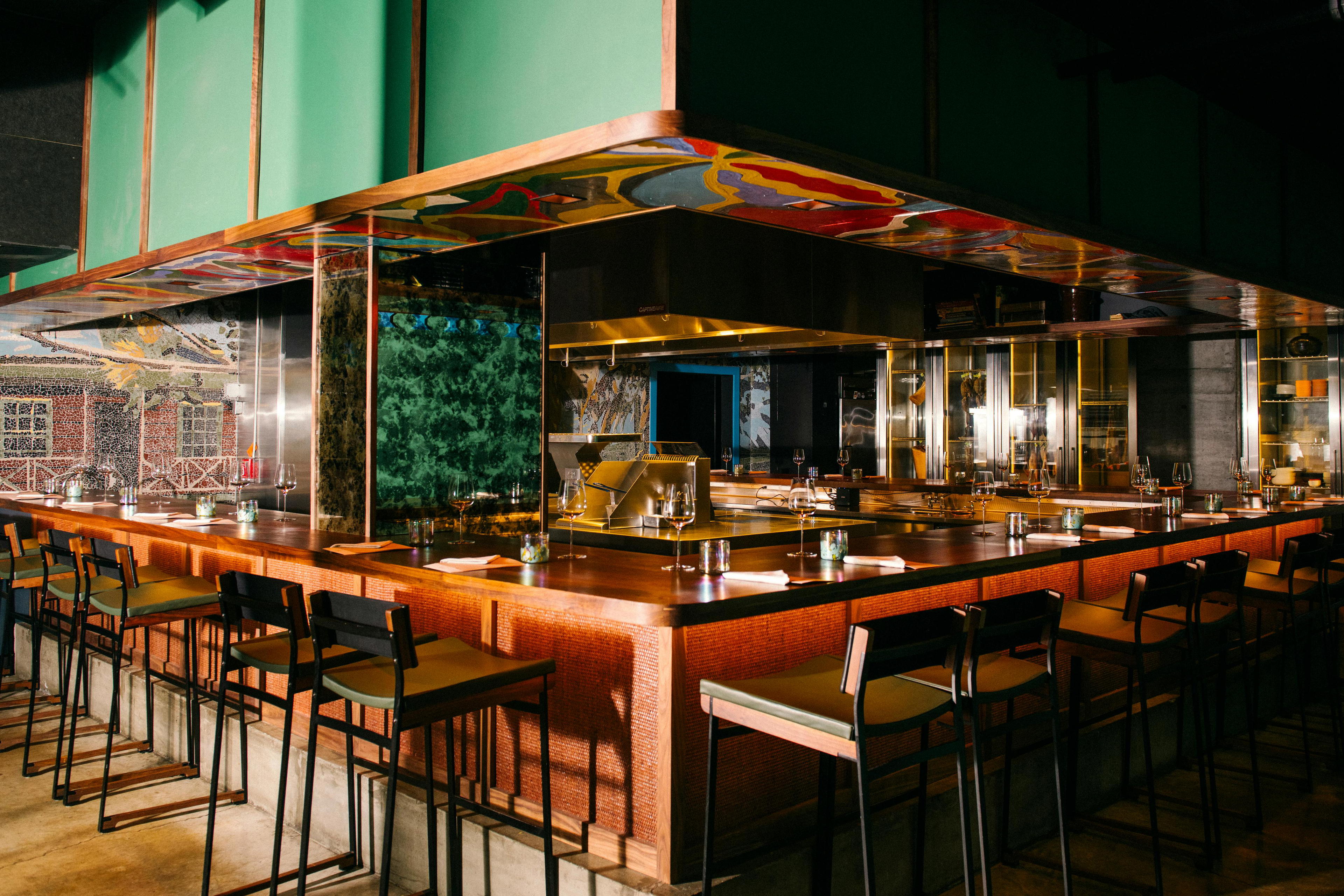
Bars in Hoboken
Browse all →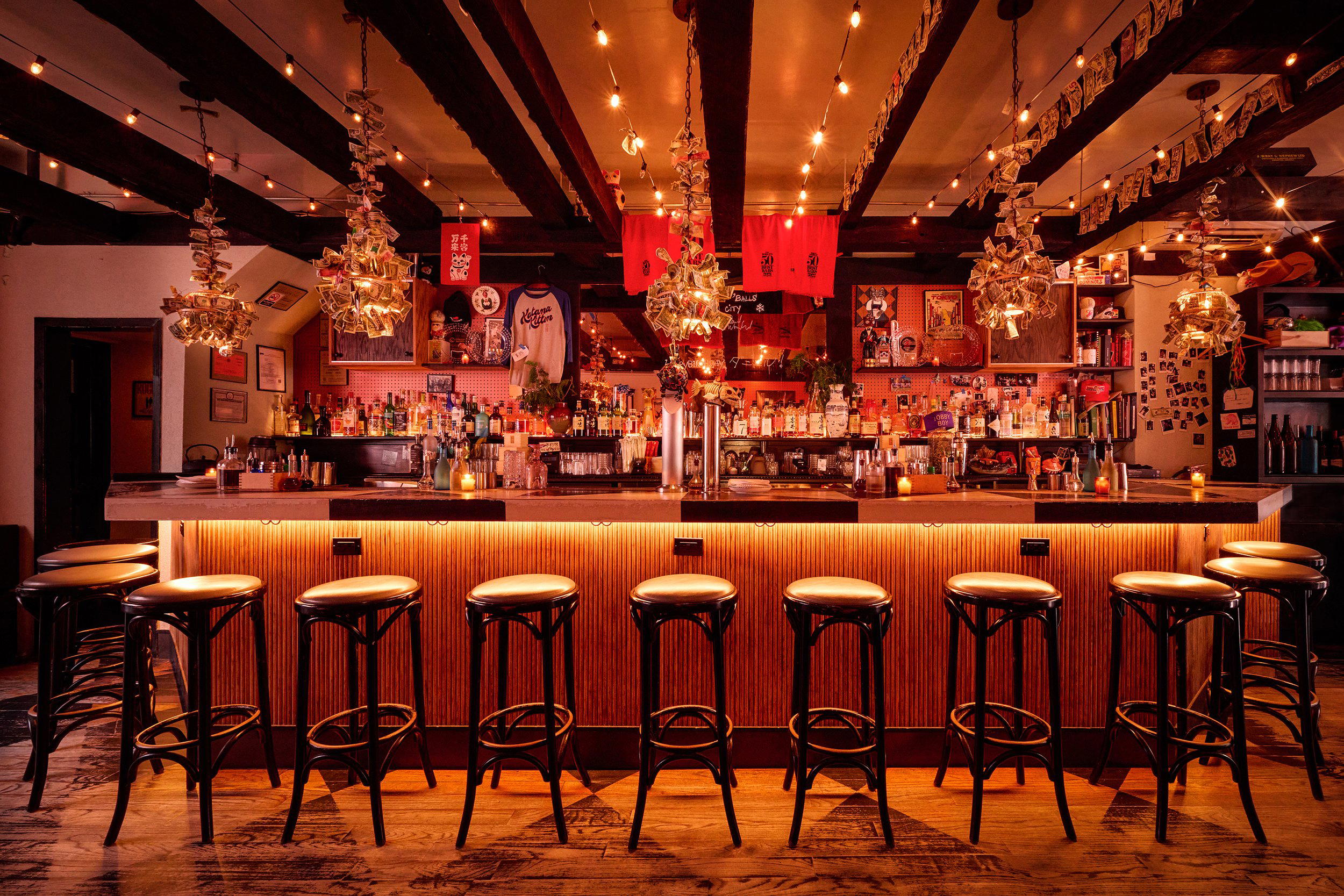
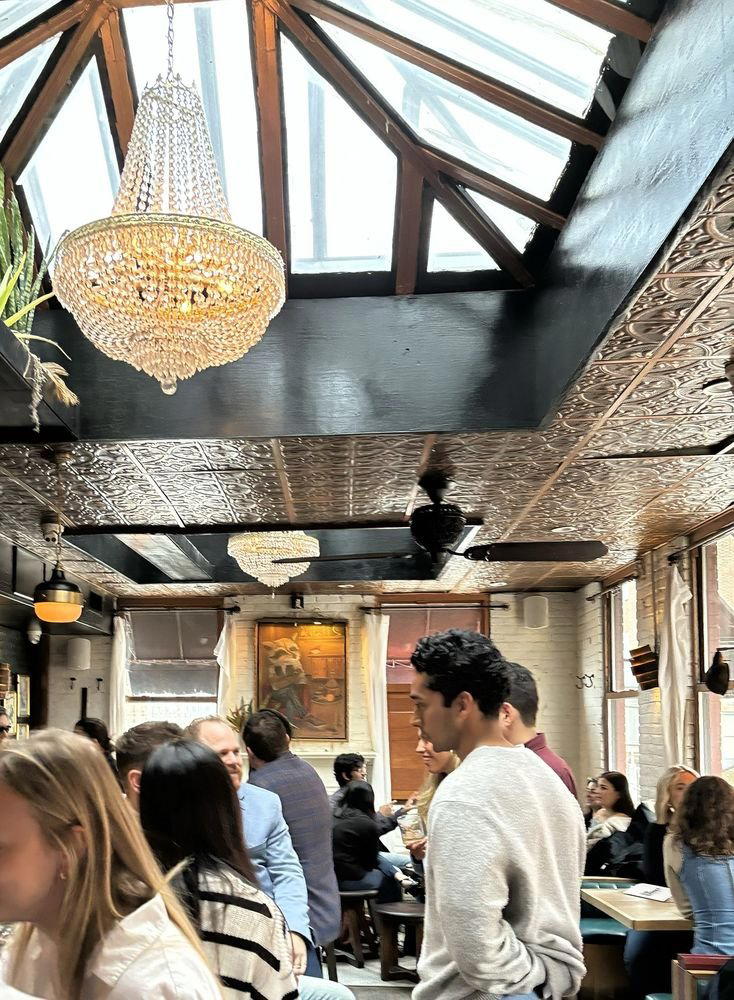
Hotels in Hoboken
Browse all →






At a Glance
- Classic
- Lively
- Elegant
- Historic
- Energetic
- Date Night
- Brunch
- Late Night
- Casual Hangout
- Celebration
- Historic Building
- Open Kitchen
- Extensive Wine List
- Craft Cocktails
Current opening hours
- Monday
- 3–11 PM
- Tuesday
- 3–11 PM
- Wednesday
- 3–11 PM
- Thursday
- 3–11 PM
- Friday
- 12 PM–12 AM
- Saturday
- 11 AM–1 AM
- Sunday
- 11 AM–1 AM
Hours can change for holidays and private events. Last verified .
Fusion of old city charm with modern chic; energetic pub on the first floor and intimate French salon-style formal dining upstairs with red velvet banquettes and painted cherubs.