Skip to Main Content
Authentic Regional Italian
← Collection
Price≈$50
Dress CodeSmart Casual
ServiceUpscale Casual
NoiseConversational
CapacitySmall

Manzoni occupies a quiet address in Glen Park, a San Francisco neighbourhood more associated with neighbourhood cafés than serious dining. The restaurant sits in a city tier that rewards the curious: far from the Michelin circuit's most-trafficked corridors, yet drawing a crowd that knows where to look. For visitors mapping San Francisco's wider dining character, Manzoni offers a different angle on the city's culinary range.

Pearl is the En Primeur Club membership app — saves, bookings, and concierge access live there. Same editors, same standards.

Plan your visit on PearlPlan Your Visit
Address
2788 Diamond St, San Francisco, CA 94131
Phone
+14153342251
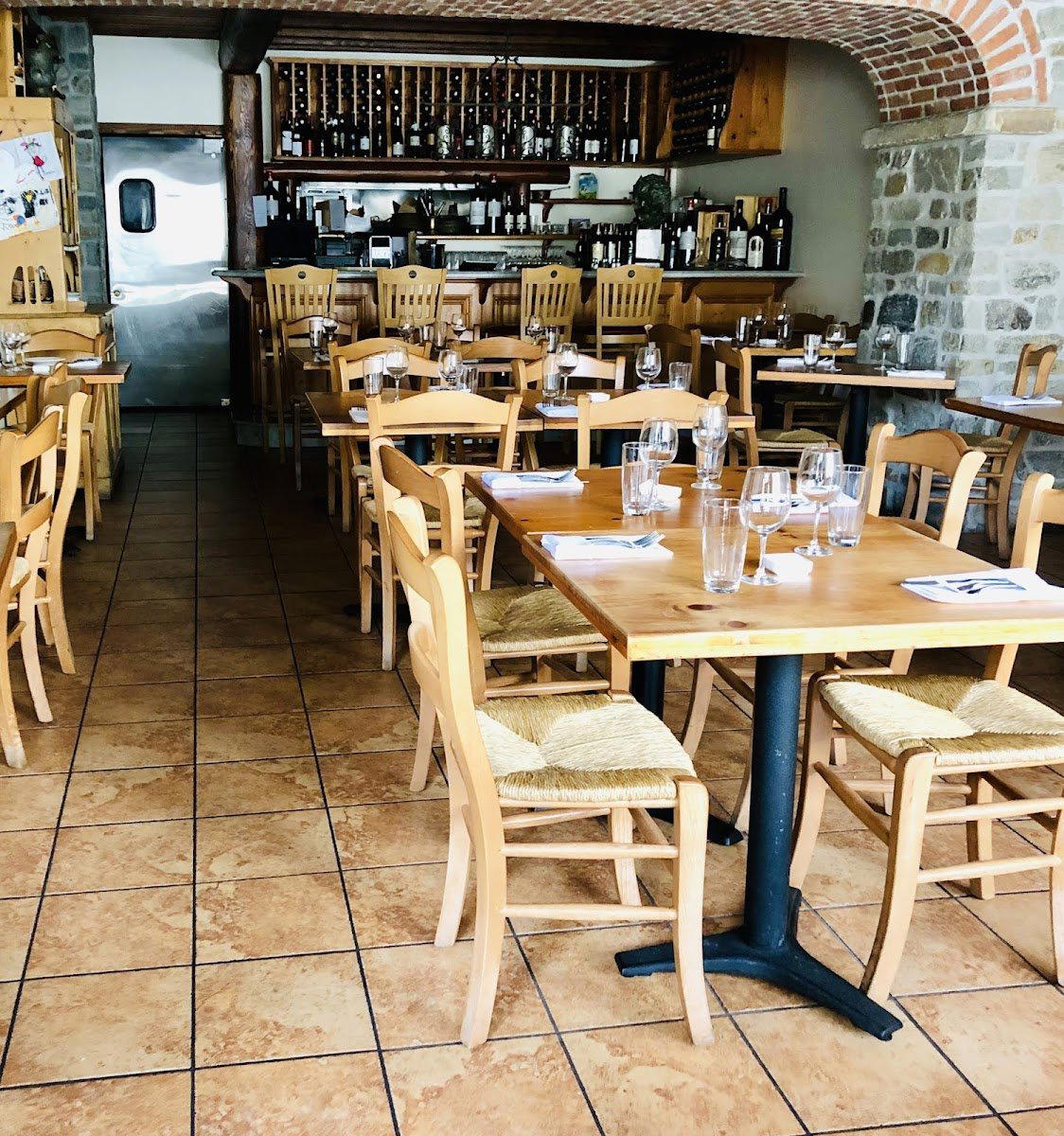
Manzoni restaurant in San Francisco, United States
About

Glen Park and the Geography of San Francisco Dining

San Francisco's serious restaurant scene has long concentrated in a handful of well-documented corridors: the Financial District counter seats, the Hayes Valley tasting menus, the SoMa kitchens that built reputations through a decade of national press. Manzoni is an Authentic Regional Italian restaurant at 2788 Diamond St, San Francisco, with a recommended reservation policy and an average Google rating of 4.6. Glen Park, where Manzoni sits at 2788 Diamond Street, operates outside that circuit almost by design. The neighbourhood is residential and self-contained, the kind of place that draws its own foot traffic rather than destination diners arriving by rideshare from a hotel. That geography matters because it shapes what a restaurant here has to be: genuinely good to survive without the benefit of tourist spillover.

That broader dynamic, a city capable of sustaining serious cooking well beyond its marquee postcodes, is one of the arguments San Francisco makes most convincingly against other American dining cities. Places like Lazy Bear and Atelier Crenn anchor the city's fine-dining identity with nationally recognised credentials, while Benu and Quince sustain multiple Michelin stars in more central locations. The restaurants that operate between and beyond those poles, in neighbourhoods like Glen Park, tell a different story about what the city's food culture actually looks like from the ground up.
Menu Architecture as Editorial Statement

The decision between à la carte and tasting format, between a short list built around technique and a longer one organised by ingredient or region, reveals both the kitchen's priorities and its assumptions about who is sitting across the counter. In a city where the tasting-menu format has become something close to a default for restaurants with serious ambitions, any deviation from that structure carries its own argument.

The restaurants that have shaped San Francisco's national reputation largely operate on fixed formats. Saison built its identity around a progressive Californian menu with almost no flexibility; the same logic applies at the upper end of the market from The French Laundry in Napa to Alinea in Chicago. The fixed-format restaurant communicates trust: trust that the kitchen knows better than the diner what the evening should contain, and trust that the diner is willing to submit to that judgment.

A neighbourhood restaurant, by contrast, often needs to speak to a more varied set of intentions on any given night. The menu has to accommodate the couple celebrating something specific alongside the regular who arrives twice a month for one dish and a glass of wine. That structural problem produces a different kind of menu intelligence, one organised around hospitality rather than statement-making, and it is worth reading carefully when you encounter it.

San Francisco's Broader Italian Register

The city's North Beach district carried an Italian-American identity for most of the twentieth century, shaped by the wave of Ligurian immigrants who arrived during the Gold Rush era and built the fishing industry around Fisherman's Wharf. That inheritance is still visible, but the contemporary Italian cooking that matters in the city has largely moved away from that tradition toward something more technically precise and regionally specific.

For a specifically Italian register at the highest international level, the comparison extends to 8½ Otto e Mezzo Bombana in Hong Kong, which demonstrates how Italian technique travels and adapts in contexts far from its origin.

A neighbourhood restaurant working in an Italian or Italian-adjacent register is doing something categorically different from those benchmarks. The craft lies in making familiar preparations feel considered rather than routine, in sourcing that reflects seasonal availability in Northern California rather than importing prestige ingredients, and in pacing that suits a two-hour dinner rather than a four-hour progression.

The Glen Park Approach

Arriving at 2788 Diamond Street, the signals are neighbourhood rather than destination: a residential block, the scale of a room built for regulars rather than reservation-chasers, an absence of the staging that characterises the city's more theatrical dining addresses. That atmosphere is a considered position rather than a limitation. Some of San Francisco's most durable restaurants have operated exactly this way, building a local constituency before attracting wider attention, which is a pattern visible in the early histories of restaurants that later received national recognition.

Comparative models for this trajectory are visible elsewhere in American dining. Bacchanalia in Atlanta built its reputation over decades as a serious neighbourhood anchor before the city's dining profile caught wider attention. Emeril's in New Orleans established itself in a specific local context before that city's culinary identity expanded nationally. Single Thread Farm in Healdsburg demonstrates how a restaurant outside San Francisco's main corridors can achieve national standing through a sufficiently distinct proposition. The pattern suggests that geography is not destiny, but the path requires a kitchen operating at a level that outlasts its immediate neighbourhood.

Know Before You Go

Address
2788 Diamond St, San Francisco, CA 94131 (Glen Park neighbourhood)
Phone
Website
Hours
Tue-Sun: 4:30-8:30 PM; Mon: Closed
Reservations
Reservations are recommended.
Price range
About $50 per person
Ideal time to visit
San Francisco's dining season is relatively consistent year-round, though autumn (September through November) tends to produce the most interesting produce-driven menus as Northern California harvests peak
Signature Dishes
Parma Prosciutto E BurrataBudinoTiramisu

Similar Picks

Comparable venues nearby, for context on price, style, and recognition.

Visit Official Site →

Continue exploring

More in San Francisco

Restaurants in San Francisco

Browse all →
Request Booking2,000+ collectors already inside
At a Glance
Vibe
  • Cozy
  • Elegant
  • Classic
Best For
  • Date Night
  • Special Occasion
Drink Program
  • Extensive Wine List
  • Corkage Allowed
Sourcing
  • Local Sourcing
Dress CodeSmart Casual
Noise LevelConversational
CapacitySmall
Service StyleUpscale Casual
Meal PacingLeisurely

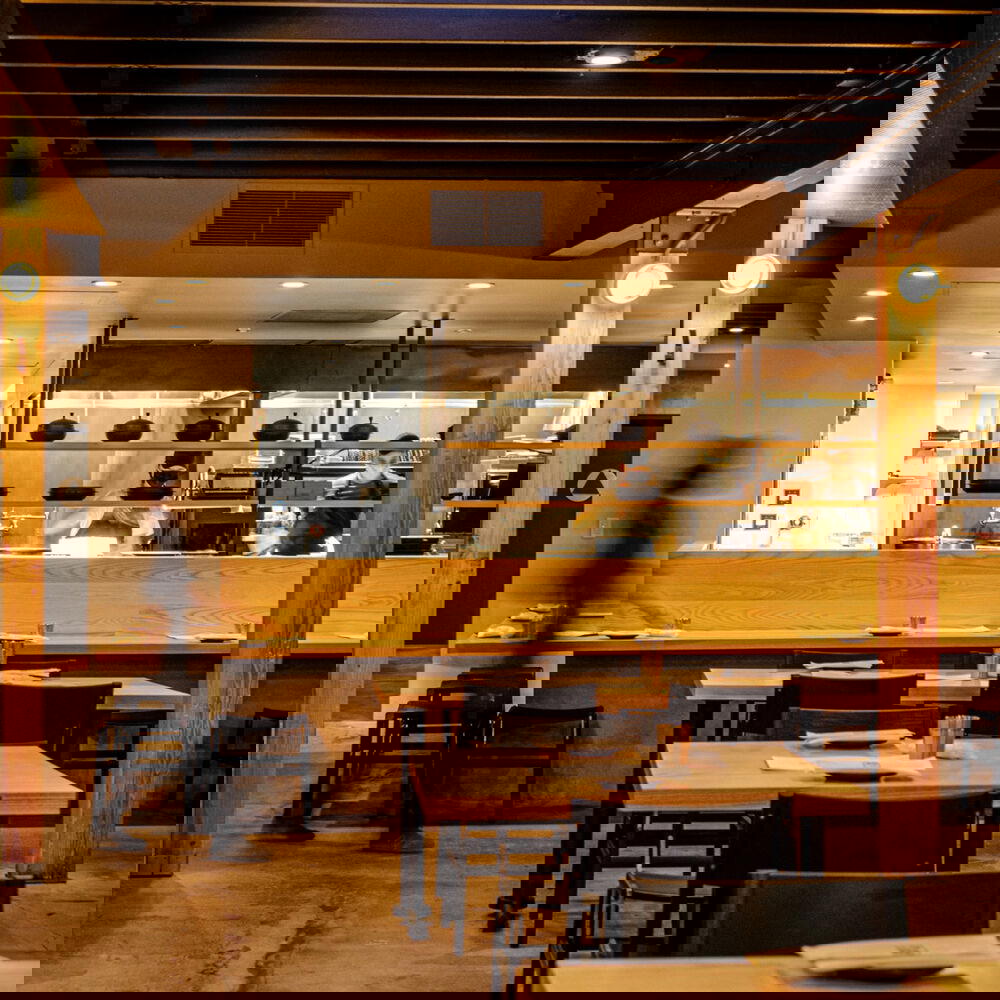
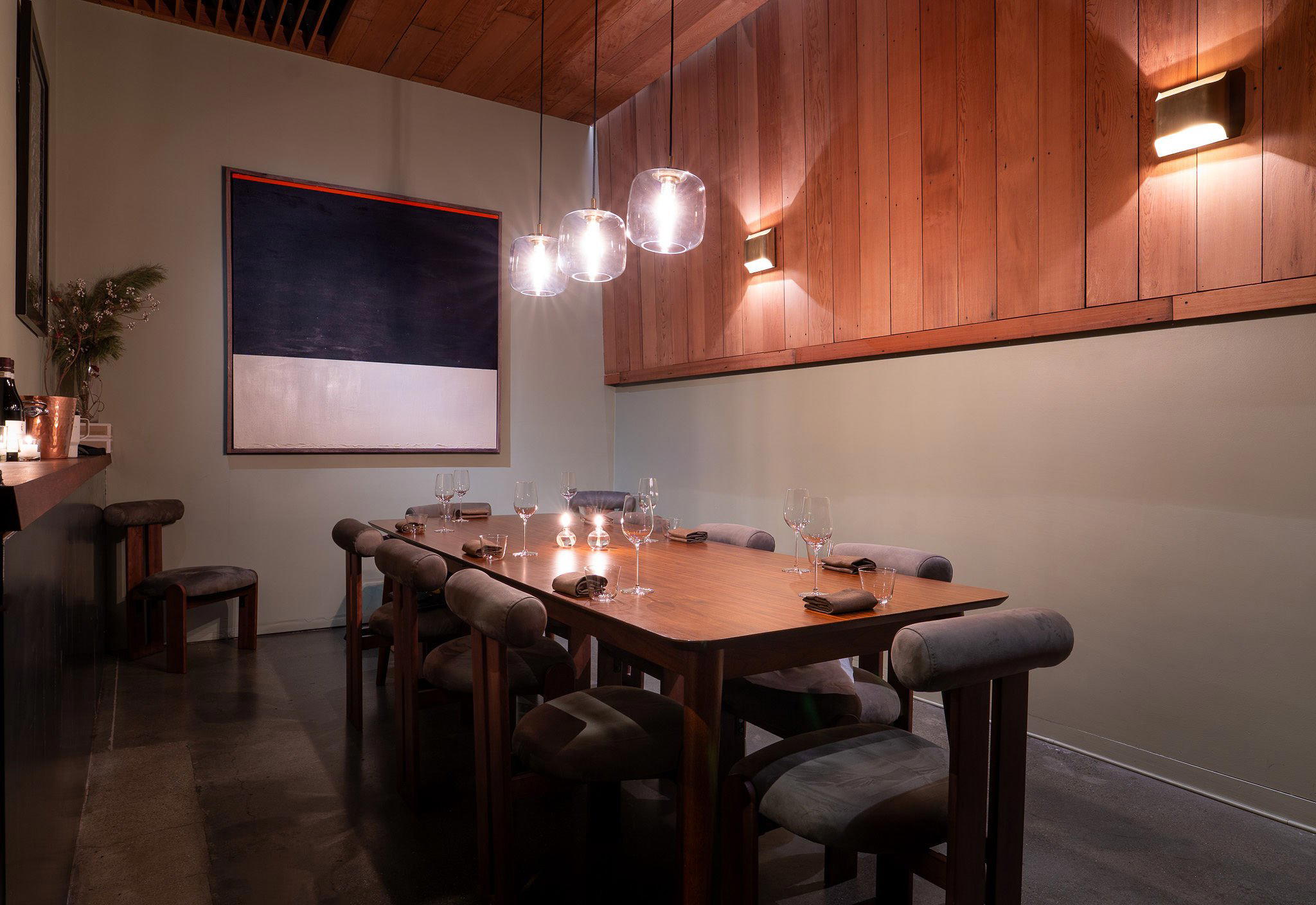
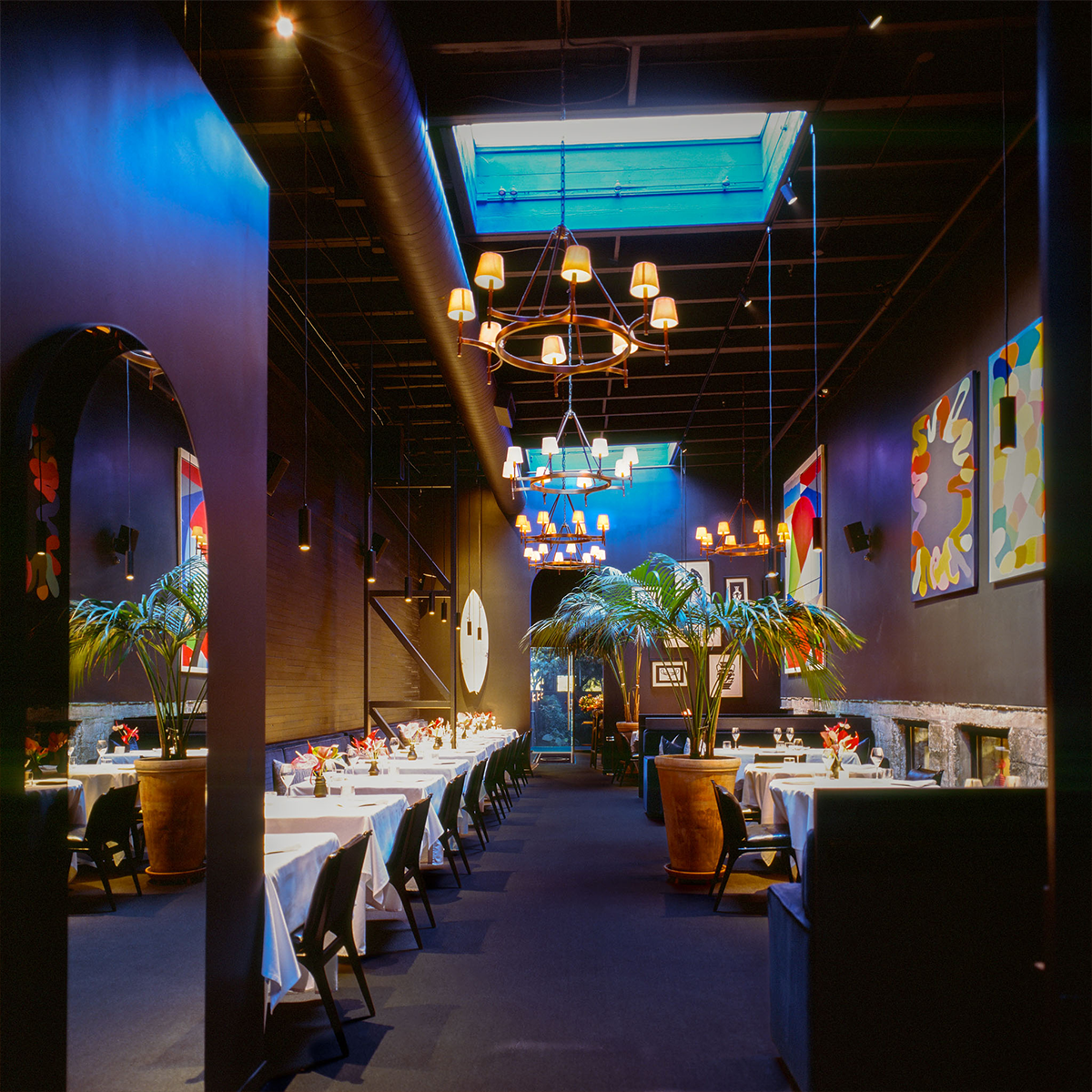
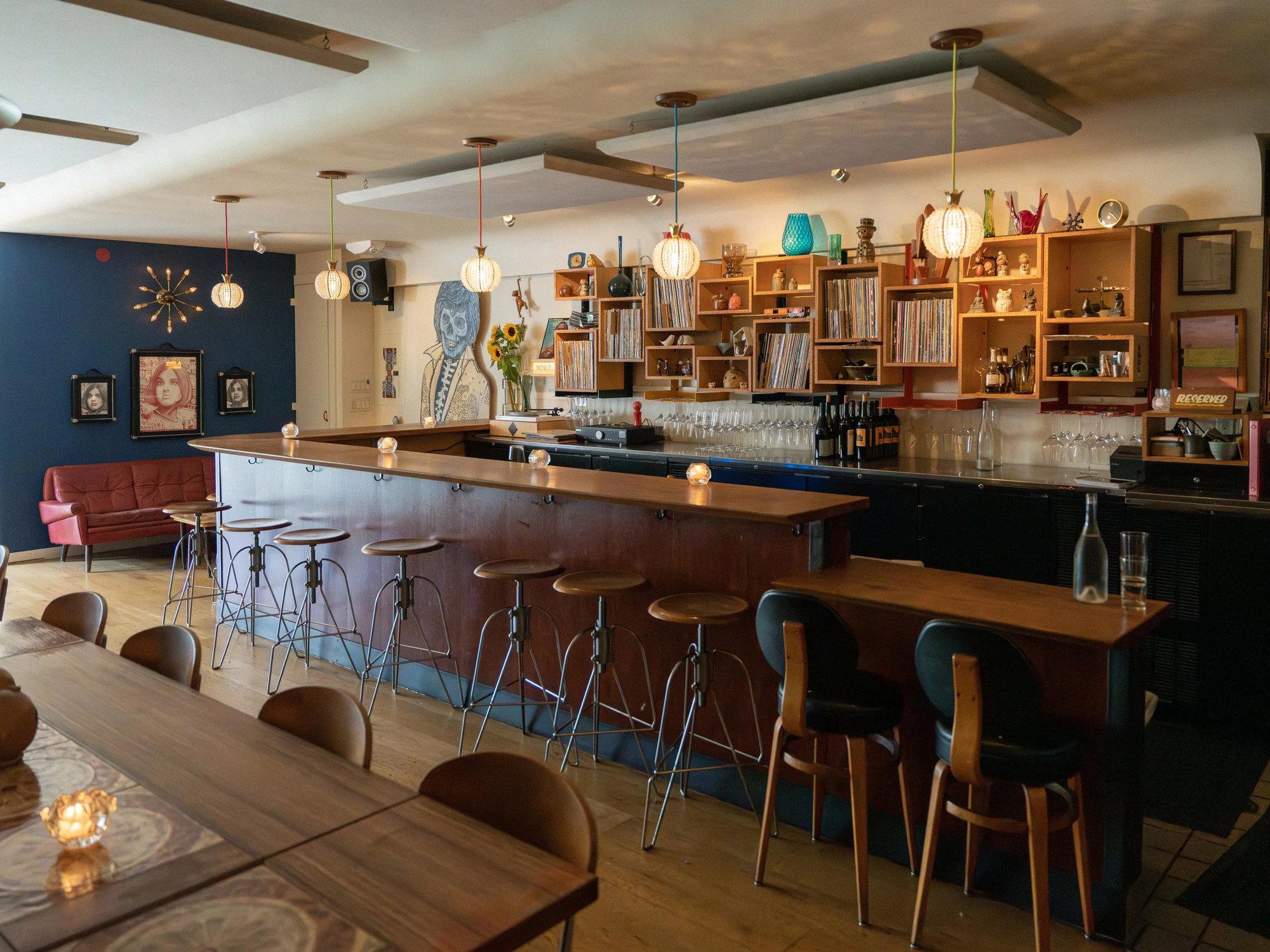
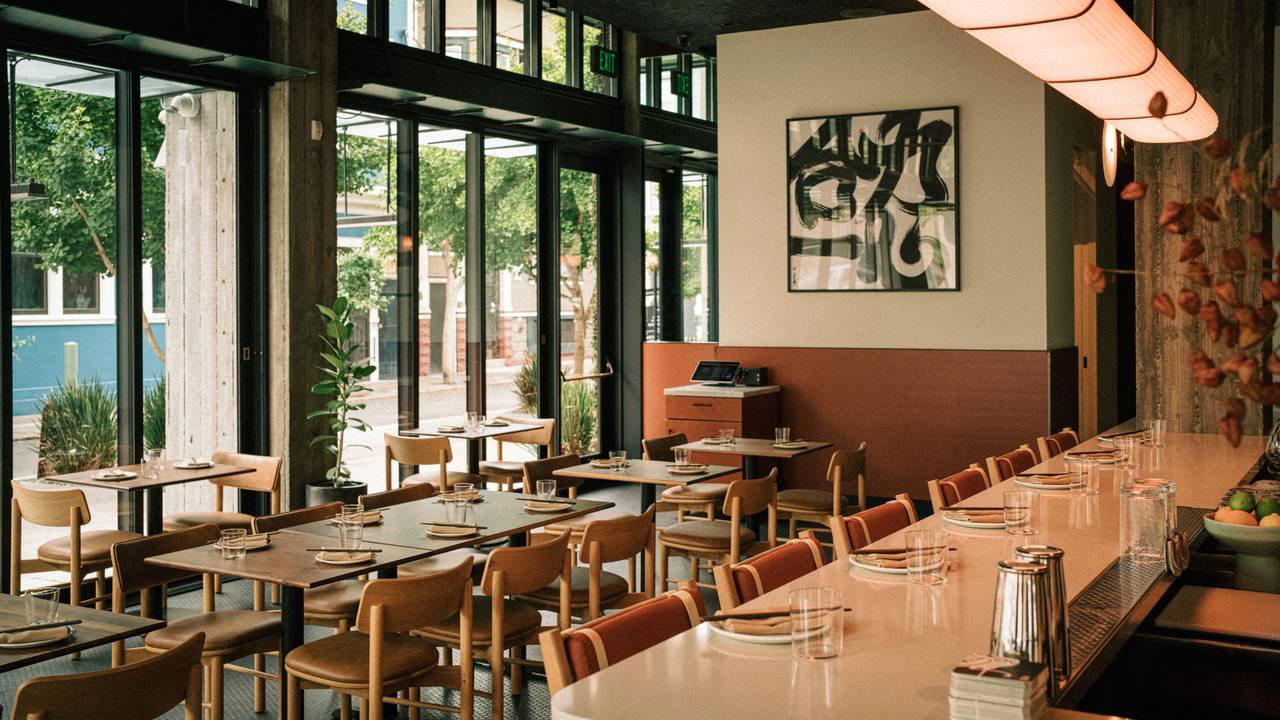
Warm and inviting Tuscan decor creates a cozy, relaxed atmosphere.

Signature Dishes
Parma Prosciutto E BurrataBudinoTiramisu