Pazzia
On a stretch of SoMa where tech offices and converted warehouses share the block, Pazzia has carved a durable niche as a neighborhood Italian with serious kitchen instincts. The cooking draws on the long tradition of Northern and Central Italian technique while leaning into the Northern California larder that makes San Francisco a productive address for ingredient-driven restaurants. It is the kind of place that rewards regulars and surprises first-timers.
Pearl is the En Primeur Club membership app — saves, bookings, and concierge access live there. Same editors, same standards.
- Address
- 337 3rd St, San Francisco, CA 94107
- Phone
- (415) 512-1693
- Website
- pazziasf.com
- Directions
- Get directions
 Saves & bookings on Pearl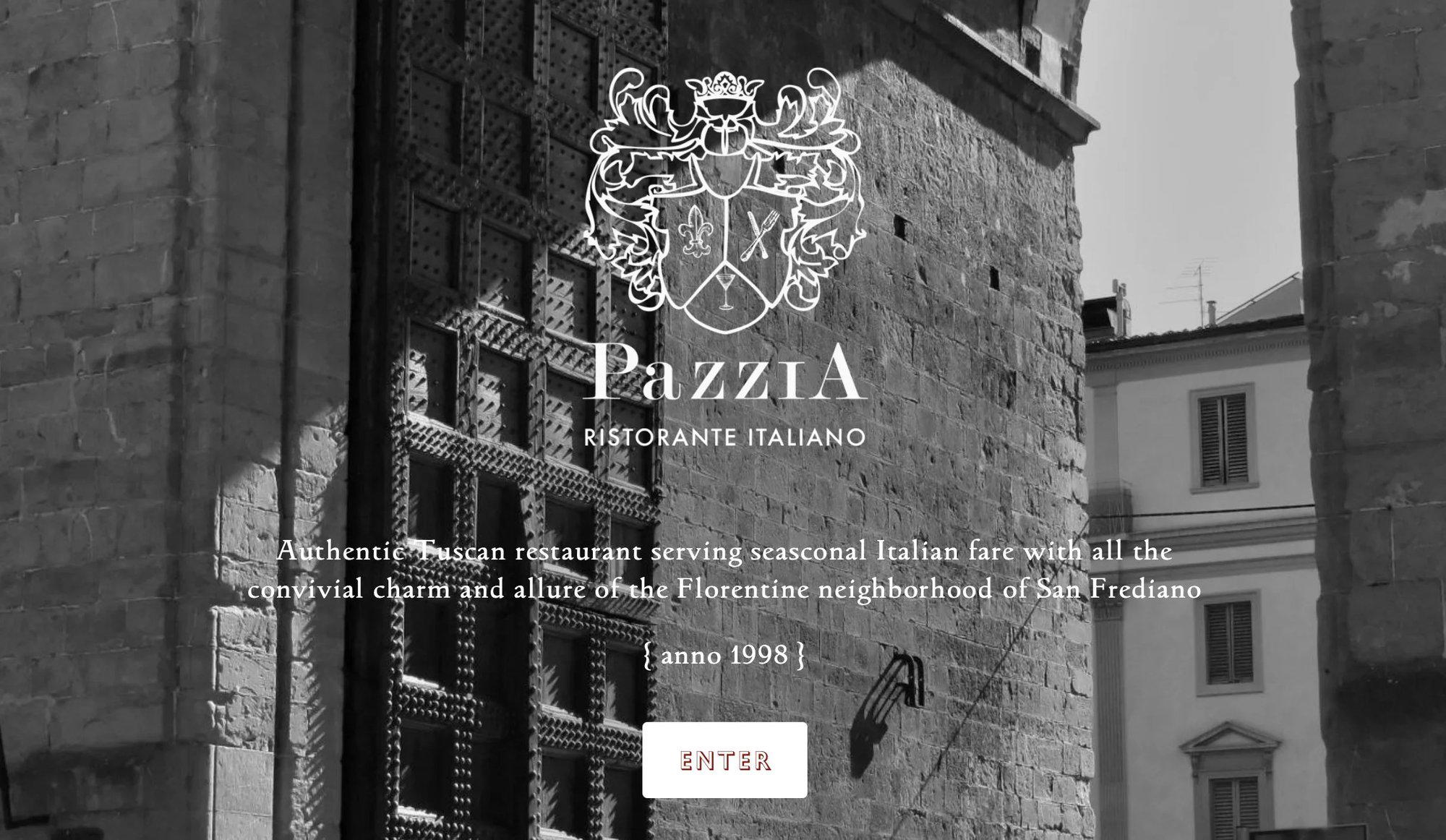
SoMa's Italian Kitchen and the Ingredient Argument
South of Market has never been San Francisco's most obvious dining address. The neighborhood built its modern identity around galleries, nightclubs, and, eventually, the office towers of the tech economy. Yet that industrial provenance created real estate conditions that allowed a certain kind of restaurant to survive: places with loyal followings, modest footprints, and no particular interest in being fashionable. Pazzia is an Authentic Tuscan Italian restaurant at 337 3rd Street in San Francisco, with a price tier around $50 per person. It sits a few blocks from the Moscone Center, close enough to capture conference traffic but not defined by it, and has operated in a part of the city where the competition is more about consistency than spectacle.
Italian cooking in San Francisco exists across a wide tier range. At the high end, Quince applies contemporary precision to Italian tradition, holding Michelin recognition and pricing against the city's most ambitious tasting menus. Pazzia operates in a different register entirely, closer to the trattoria model that Italian cities still sustain in their working neighborhoods: a kitchen that takes the canon seriously without treating every plate as a curatorial statement.
Where California Product Meets Italian Discipline
The editorial angle worth examining here is one that San Francisco handles better than almost any other American city: the intersection of imported culinary method and indigenous product. Italian technique, at its structural core, is ingredient-deferential. The traditions of Emilia-Romagna, Tuscany, and Lazio were built around the specific animals, grains, and produce of those regions. When that framework travels to Northern California, it meets one of the country's most productive agricultural systems: Sonoma and Marin ranches, Bay Area farms with year-round growing seasons, and a fishing economy that still delivers Dungeness crab, Pacific halibut, and local anchovies to city kitchens.
This convergence is not automatic or guaranteed. Italian-American cooking spent decades smoothing over regional specificity in favor of crowd-pleasing formulas. The more interesting Italian restaurants in cities like San Francisco, New York, and Chicago have moved in a different direction, using the structural logic of Italian cooking (simplicity, fat, acid, heat in careful balance) as a lens for local ingredients rather than a recipe for nostalgia. The same argument is being made at different price points: Blue Hill at Stone Barns in New York's Hudson Valley has made the local-product-through-European-discipline case at the tasting menu tier; neighborhood trattorias in cities like San Francisco make the same case in a more informal key.
For comparison, consider what that approach looks like across American fine dining more broadly. Single Thread Farm in Healdsburg integrates Northern California agriculture into a kaiseki-influenced tasting format at the extreme high end. Saison does something analogous for Progressive American cooking in San Francisco. Lazy Bear channels the same impulse through a communal, counter-service format. Pazzia's position in that map is more modest in ambition and price, but the underlying question, how well does the kitchen translate its reference tradition through the specific products available in this city, remains the question to ask.
The Italian Trattoria Model in a San Francisco Context
Trattoria-format Italian restaurants occupy a specific social function in the cities where they work leading: they are places you return to, not places you visit once as a destination. The reservation pressure at this tier is lower than at Benu or Atelier Crenn, but that accessibility is part of the proposition. You go because the pasta is made correctly, because the wine list has useful bottles at sensible prices, and because the room has the specific quality of not trying too hard.
SoMa as a neighborhood rewards this kind of anchor. It lacks the residential density of the Mission or the tourist infrastructure of North Beach, which means the restaurants that survive here do so on repeat business: the Moscone delegate who comes back every conference season, the office worker who treats it as a weekly ritual, the resident from nearby Rincon Hill or the Embarcadero who values proximity over novelty. In cities with stronger Italian dining traditions, this is understood as a feature. The longevity of a neighborhood restaurant in a market as competitive and expensive as San Francisco is itself a form of evidence.
For context on how San Francisco's Italian tier compares nationally: Le Bernardin in New York and Alinea in Chicago anchor their respective cities at the extreme best of the fine-dining tier. Providence in Los Angeles and Addison in San Diego represent the West Coast's Michelin-holding upper bracket. Atomix in New York demonstrates what happens when a non-Western culinary tradition applies similar levels of technical rigor. These are different games. Pazzia is not competing in that field; it is operating in the durable middle tier where Italian cooking in America has historically done its most reliable work. The same honest positioning applies to places like Bacchanalia in Atlanta or Emeril's in New Orleans, restaurants that built lasting neighborhood authority without chasing the awards circuit.
Planning Your Visit
| Venue | Cuisine | Price Tier | Booking Lead Time | Neighborhood |
|---|---|---|---|---|
| Pazzia | Italian | Mid-range (est.) | Walk-in or short notice possible | SoMa |
| Quince | Italian Contemporary | $$$$ | Weeks to months ahead | Jackson Square |
| Benu | French-Chinese Asian | $$$$ | Weeks to months ahead | SoMa |
| Lazy Bear | Progressive American | $$$$ | Weeks ahead | Mission |
| Saison | Progressive Californian | $$$$ | Weeks to months ahead | SoMa |
Pazzia is recommended for reservations and is generally priced around $50 per person.
Reputation Context
Comparable venues nearby, for context on price, style, and recognition.
| Venue | Cuisine | Price | Notes |
|---|---|---|---|
| PazziaThis venue — the venue you are viewing | Authentic Tuscan Italian | $$$ | Not listed |
| Frascati | Californian-Italian Bistro | $$$ | Russian Hill |
| Tosca Cafe | Modern Italian-American | $$$ | North Beach |
| Seven Hills | Seasonal Farm-to-Table Italian | $$$ | Russian Hill |
| Serafina | Authentic Italian Roman Kitchen | $$$ | Nob Hill |
| Per Diem - Financial District | Californian-Italian | $$ | Financial District/South Beach |
Continue exploring
More in San Francisco
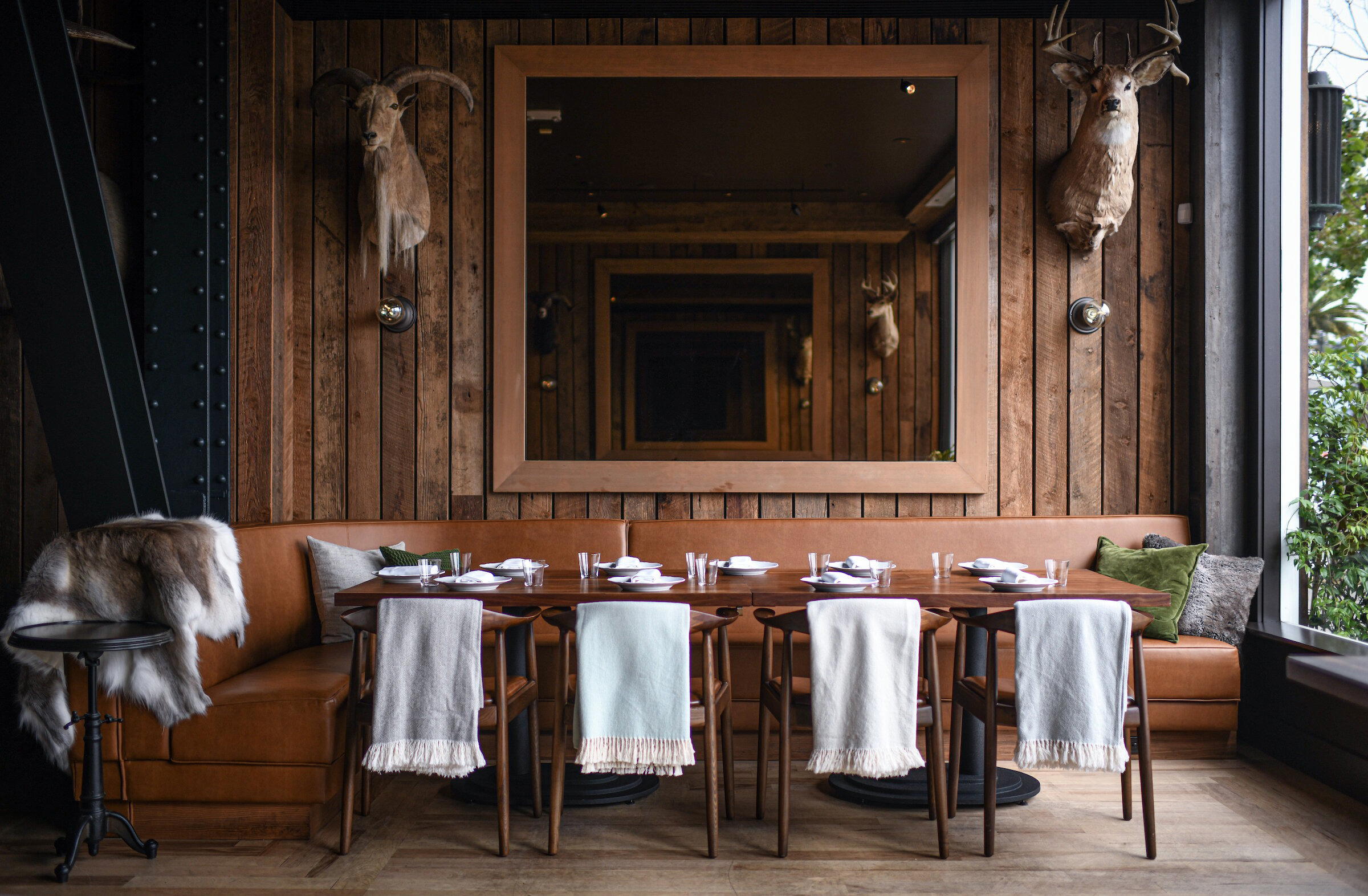
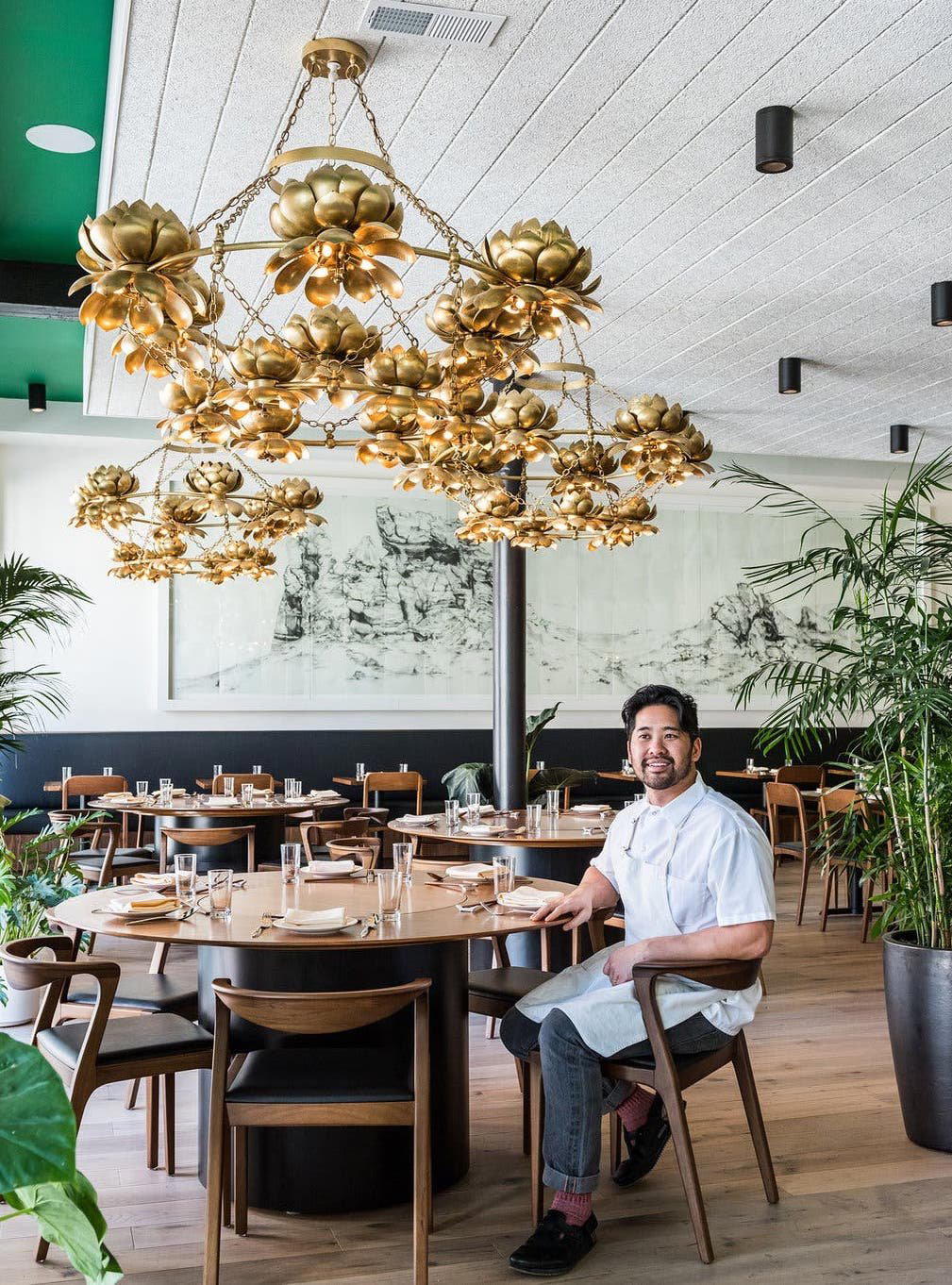
Restaurants in San Francisco
Browse all →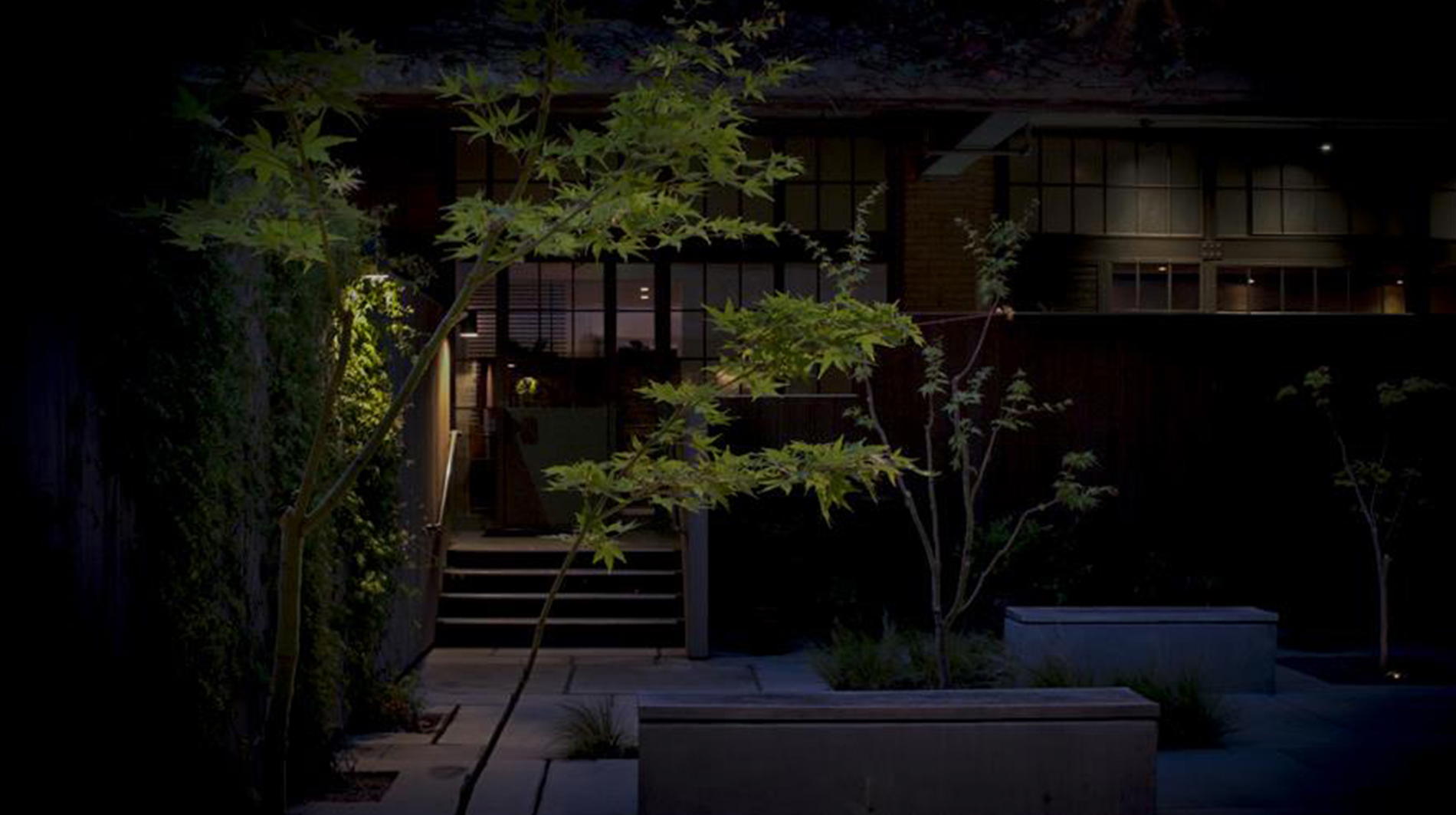
Bars in San Francisco
Browse all →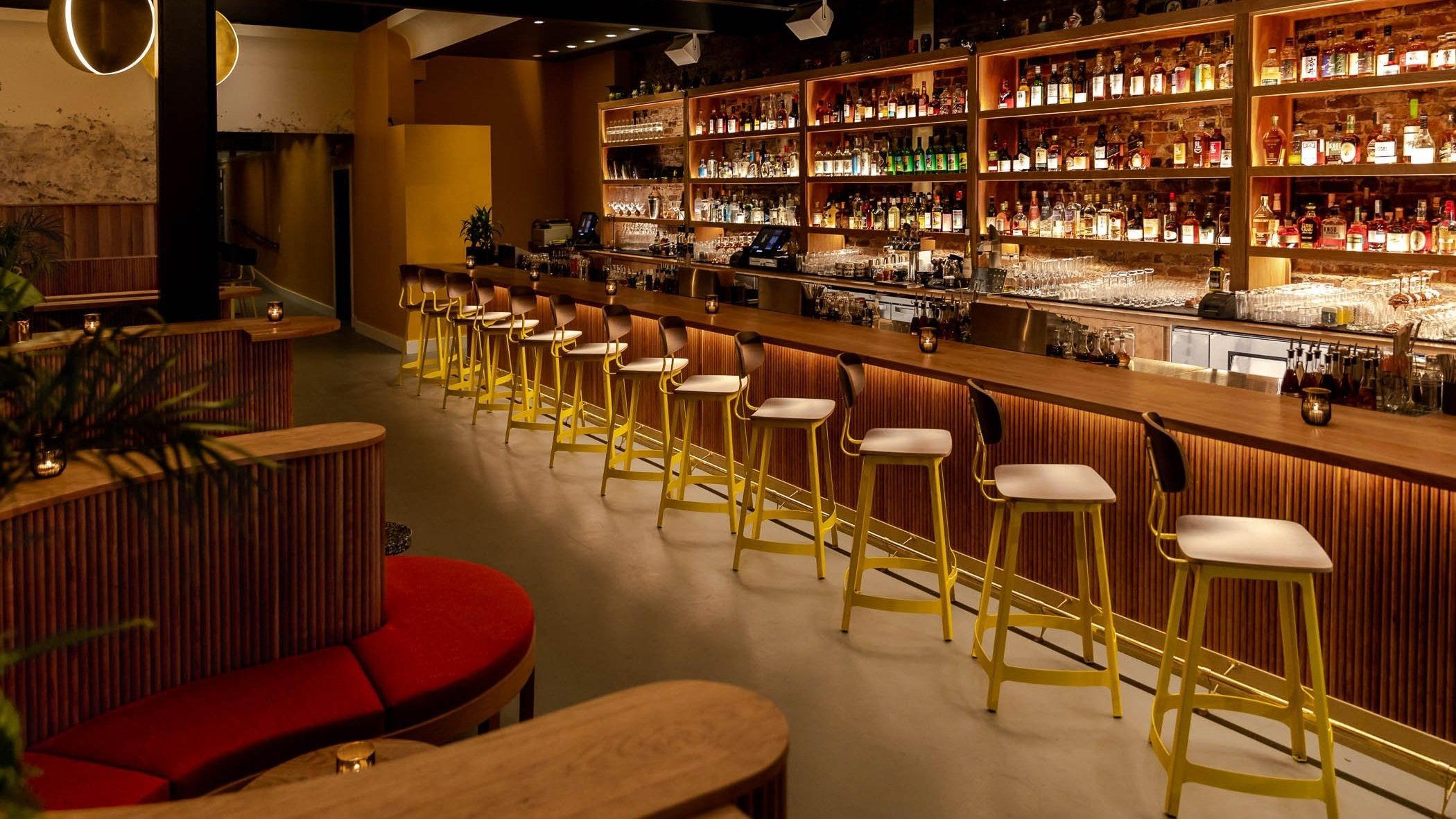
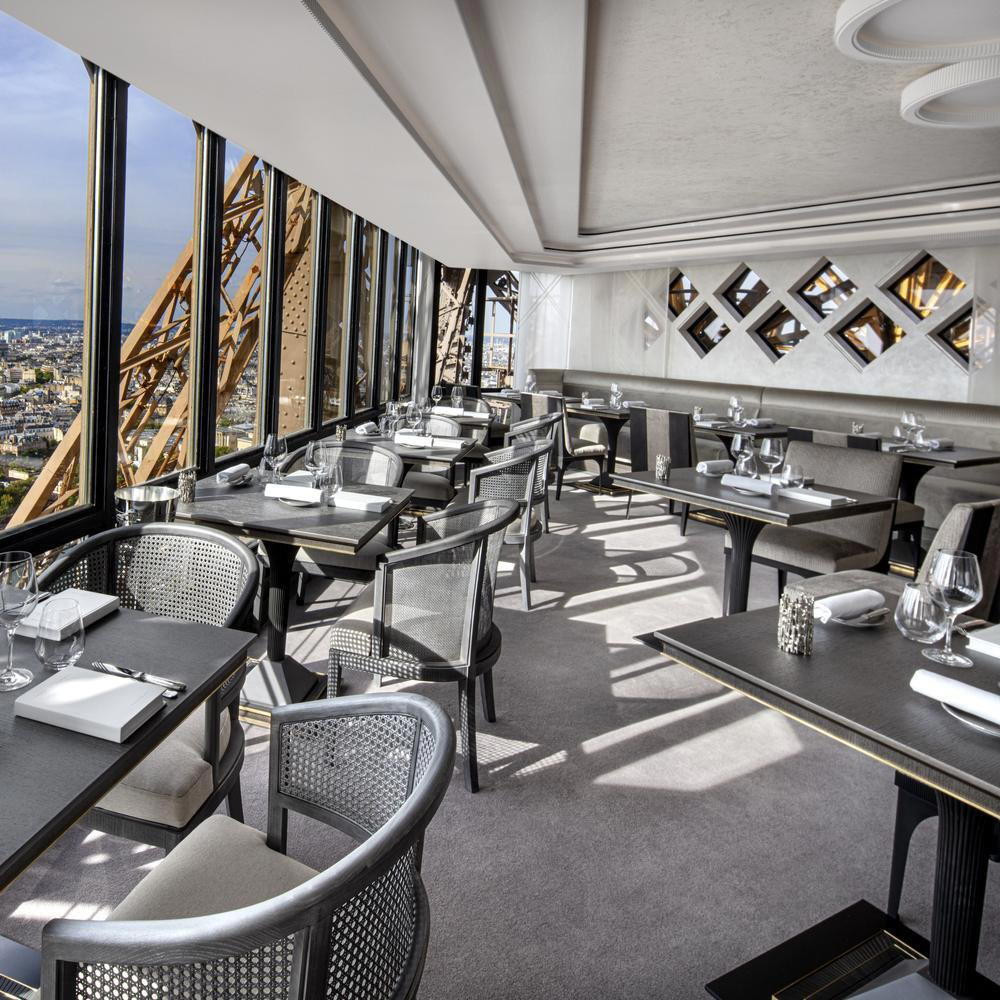
Hotels in San Francisco
Browse all →
At a Glance
- Rustic
- Cozy
- Lively
- Energetic
- Group Dining
- Family
- Casual Hangout
- Open Kitchen
- Terrace
- Craft Cocktails
Current opening hours
- Monday
- 5–9 PM
- Tuesday
- 5–9 PM
- Wednesday
- 5–9 PM
- Thursday
- 5–9 PM
- Friday
- 5–9:30 PM
- Saturday
- 5–9:30 PM
- Sunday
- Closed
Hours can change for holidays and private events. Last verified .
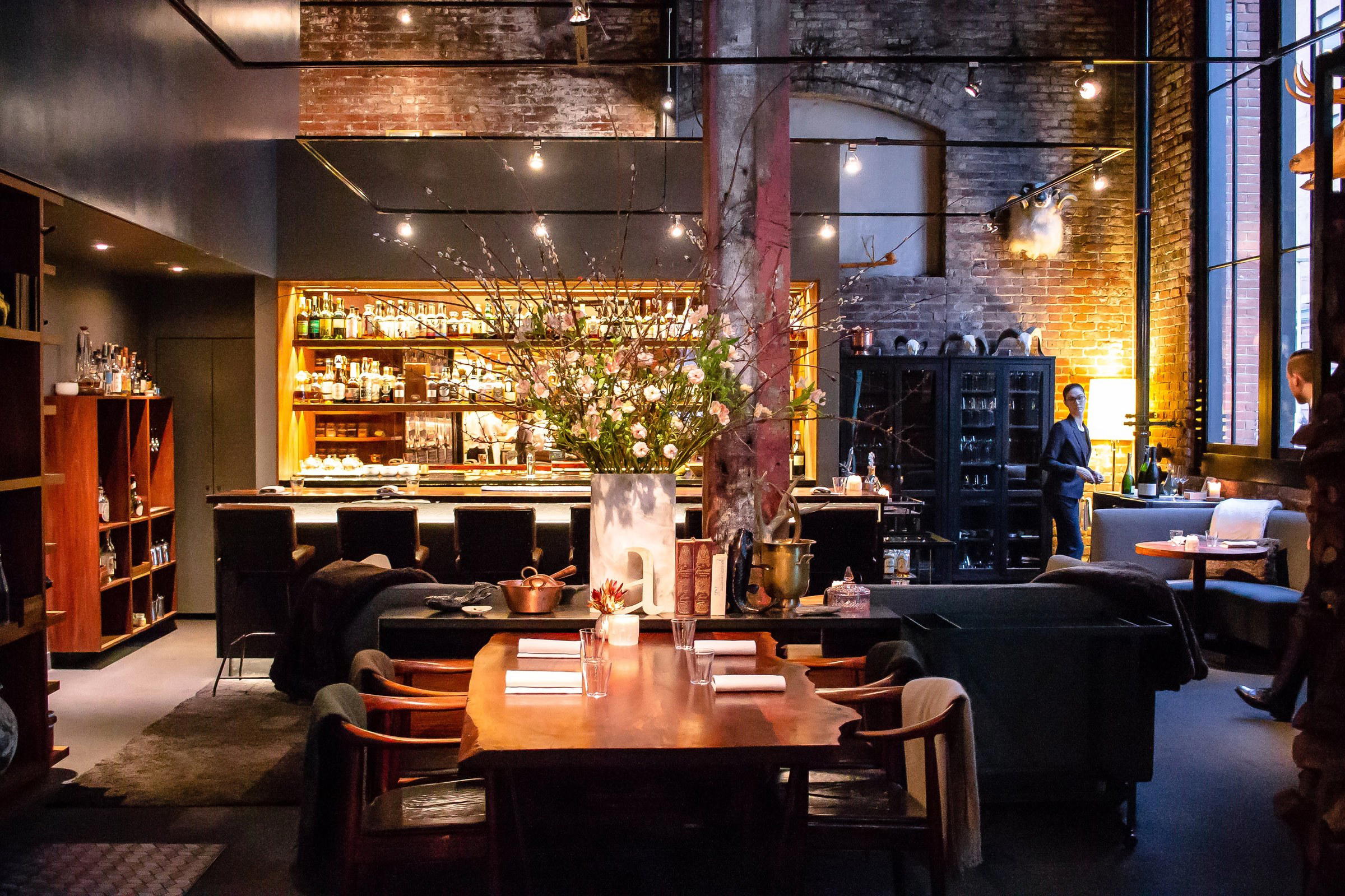
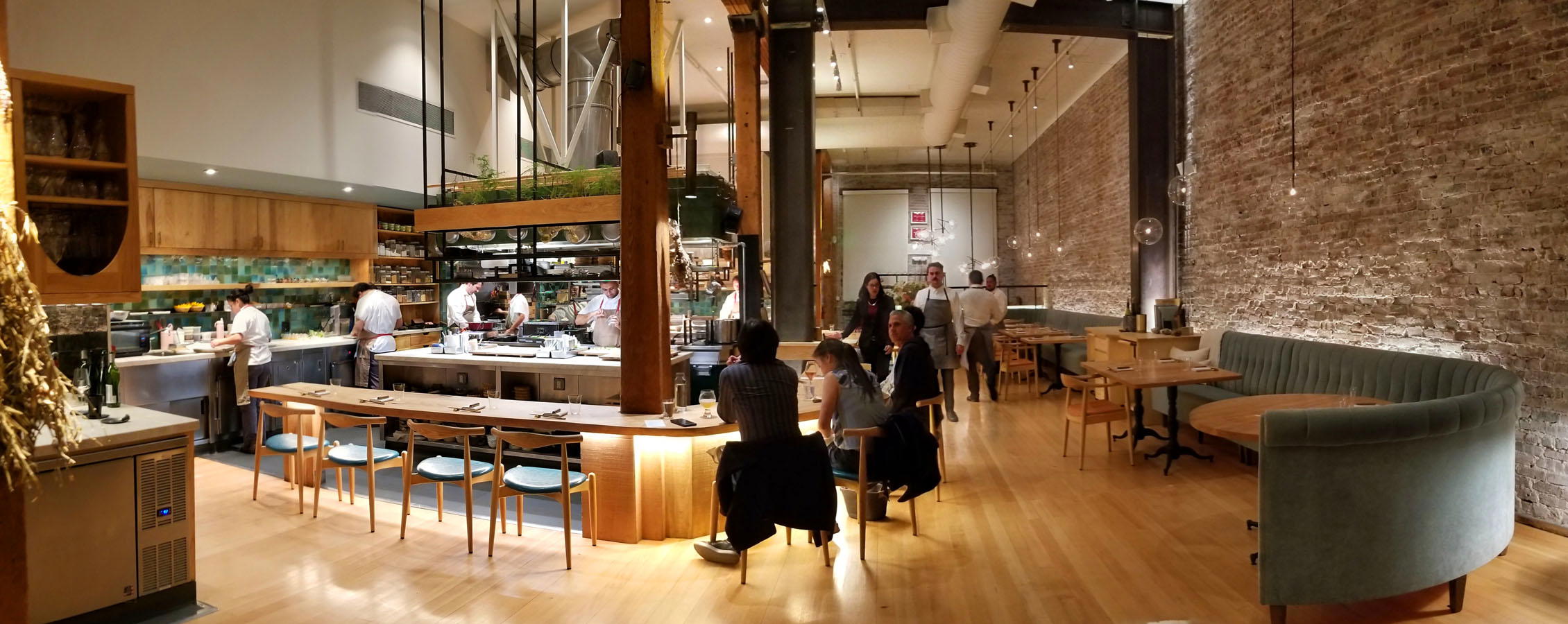
Lively dining room with open kitchen, cozy lounge featuring bar and fireplace seating, and sheltered sidewalk patio under string lights.