Barberio Osteria
Barberio Osteria occupies a Valencia Street address in San Francisco's Mission District, positioning itself within the neighbourhood's dense, competitive Italian dining corridor. The format follows the osteria tradition of approachable, ingredient-led cooking in a setting that reads as casual without being careless. It sits in a different tier from the city's tasting-menu Italian rooms, making it a natural reference point for readers weighing formality against flavour.
Pearl is the En Primeur Club membership app — saves, bookings, and concierge access live there. Same editors, same standards.
- Address
- 557 Valencia St, San Francisco, CA 94110
- Phone
- +14158749583
- Website
- barberiosf.com
- Directions
- Get directions
 Saves & bookings on Pearl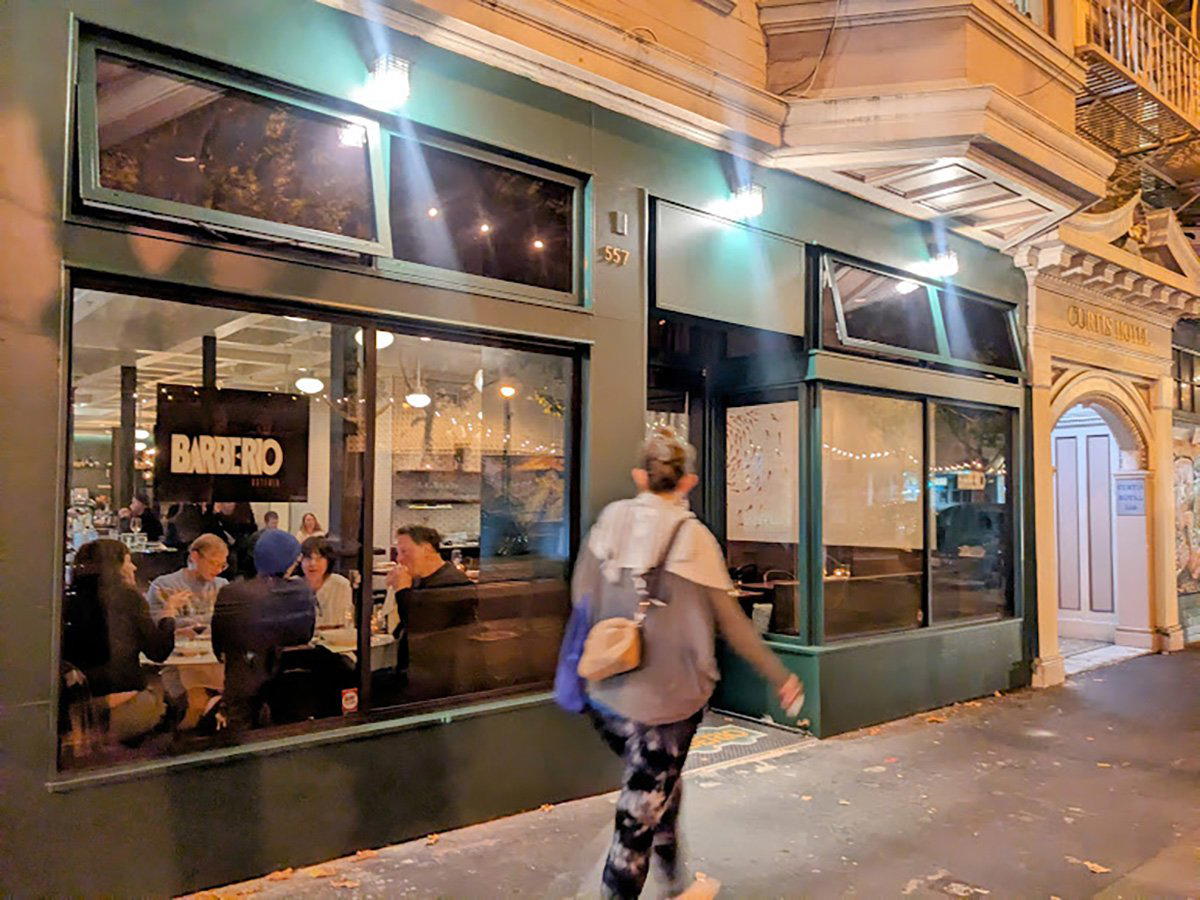
Valencia Street and the Osteria Format
The Mission District's dining identity has shifted considerably over the past decade. What began as a neighbourhood defined by taquerias and low-key Latin kitchens now carries a layered restaurant scene, with ambitious Italian rooms, natural wine bars, and progressive American kitchens occupying former storefronts along Valencia and 18th Street. Into that mix, the osteria format occupies a specific and practical niche: less ceremony than a ristorante, more cooking rigour than a trattoria, and a wine list that tends to reward curiosity over brand recognition.
Barberio Osteria, at 557 Valencia St, sits inside that tradition. The address places it in the denser stretch of Valencia where foot traffic is high and competition between independently operated restaurants is acute. In a city where the Italian fine dining tier is represented by operations like Quince, a long-running contemporary Italian room with serious Michelin recognition, and where tasting-menu culture broadly defines what premium dining means, the osteria model answers a different question: what does a well-executed Italian neighbourhood dinner look like when the format is relaxed but the sourcing and technique are not?
The Lunch and Dinner Divide on Valencia
The gap between lunch and dinner service at an osteria on a street like Valencia is worth understanding before you book. In Italian dining tradition, lunch at an osteria carries its own logic: shorter menus, faster pacing, a tolerance for single-course visits, and price points that reflect the midday rhythm rather than the evening occasion. Dinner shifts the register. The room fills differently, the wine order tends to run longer, and the kitchen typically has more time to execute dishes that require extended preparation.
On a street as active as Valencia, that divide also plays out in terms of access. Lunch service at mid-tier independent restaurants in the Mission often allows walk-in dining, particularly on weekdays, when the neighbourhood runs on a mix of remote workers, local regulars, and early diners. Evening service, especially from Thursday through Saturday, operates at higher occupancy and rewards advance planning. For readers accustomed to the booking windows at the city's more formal Italian rooms or at tasting-menu destinations like Lazy Bear, the osteria format represents a more flexible entry point, though that flexibility narrows considerably on peak evenings.
The value argument also shifts between services. A lunchtime visit to an osteria in this price tier typically delivers a better cost-per-course ratio than an equivalent dinner, not because the cooking is simpler but because the format encourages lighter ordering. If the goal is to assess the kitchen's pasta work or understand the wine program without committing to a full multi-course dinner, the lunch slot is often the more intelligent choice.
Italian Dining in San Francisco: Where the Osteria Sits
San Francisco's Italian restaurant scene operates across several distinct tiers. At the formal end, Quince represents the contemporary Italian approach with tasting menus, extensive cellar depth, and a kitchen that draws on Northern Italian technique while maintaining California sourcing discipline. Below that tier, the city carries a spread of neighbourhood Italians that range from red-sauce casual to genuinely ambitious mid-market rooms.
The osteria occupies the space between those poles. It is not a tasting-menu operation, and it does not price or format itself as a destination restaurant in the way that Atelier Crenn, Benu, or Saison do. Its comparable set is other independently operated neighbourhood Italian rooms where the kitchen is taken seriously but the format remains convivial and the cheque stays in a range that allows for regular visits rather than special-occasion budgeting.
That positioning reflects a broader national pattern. The osteria model has gained traction in American cities precisely because it offers a counterpoint to the tasting-menu-or-nothing binary that defines premium dining in markets like San Francisco. Readers who follow the Italian casual-fine tier across cities, from Frasca Food and Wine in Boulder to Smyth in Chicago, will recognise the format logic even if the specific kitchen expression varies by region and chef.
Planning Your Visit
| Factor | Barberio Osteria | Quince | Lazy Bear |
|---|---|---|---|
| Format | Osteria (à la carte) | Contemporary Italian (tasting menu) | Progressive American (tasting menu) |
| Price tier | Mid-range (est.) | $$$$ | $$$$ |
| Booking window | Short to moderate | Weeks to months ahead | Weeks to months ahead |
| Walk-in access | More likely at lunch | Limited | limited |
| Dress code | Smart casual | Smart casual to formal | Smart casual |
Valencia Street is well served by public transit, with the 14 and 49 MUNI lines running along Mission Street one block east, and the 22 running along Valencia itself. Street parking is competitive in the evening. For visitors staying in central San Francisco and building a wider dining itinerary,
The French Laundry in Napa, Providence in Los Angeles, Addison in San Diego, Le Bernardin in New York City, Blue Hill at Stone Barns in Tarrytown, The Inn at Little Washington, Emeril's in New Orleans, Atomix in New York City, and Single Thread Farm in Healdsburg
Cuisine and Awards Snapshot
Comparable venues nearby, for context on price, style, and recognition.
| Venue | Cuisine | Price | Notes |
|---|---|---|---|
| Barberio OsteriaThis venue — the venue you are viewing | Modern Regional Italian Osteria | $$$ | Not listed |
| Frascati | Californian-Italian Bistro | $$$ | Russian Hill |
| Bar Coto | Casual Italian Cafe & Aperitivo Bar | $$$ | Jackson Square |
| Manzoni | Authentic Regional Italian | $$$ | Glen Park |
| Il Borgo | Authentic Italian Trattoria | $$ | Hayes Valley |
| Patxi's Pizza | Chicago-Style Deep Dish Pizza | $$ | Hayes Valley |
Continue exploring
More in San Francisco
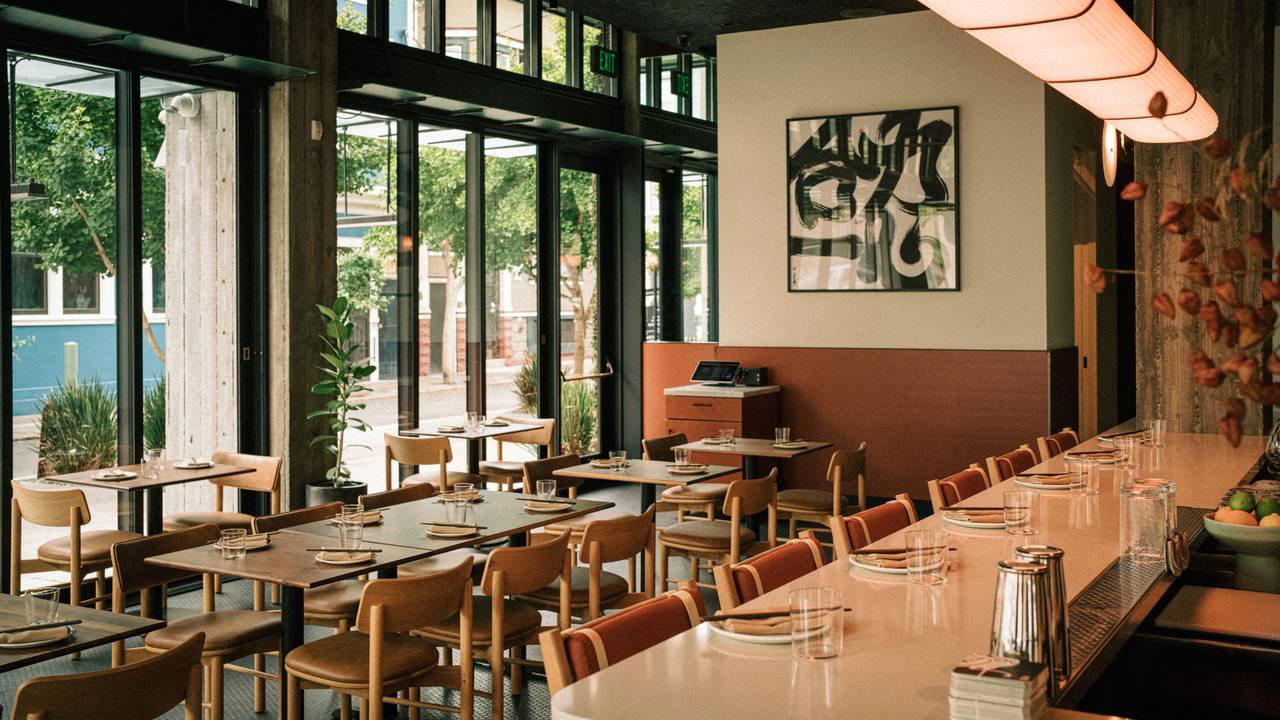
Restaurants in San Francisco
Browse all →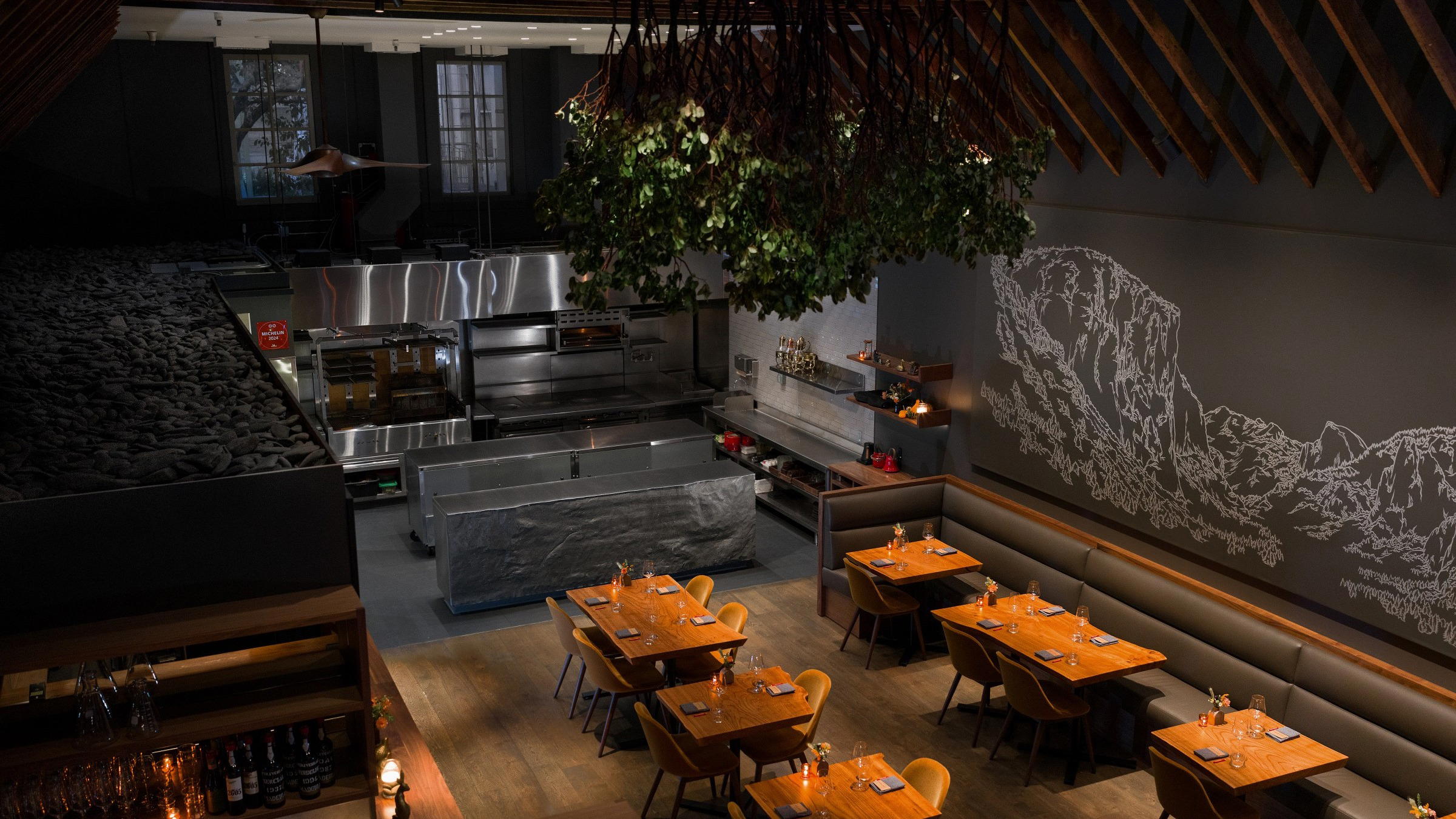
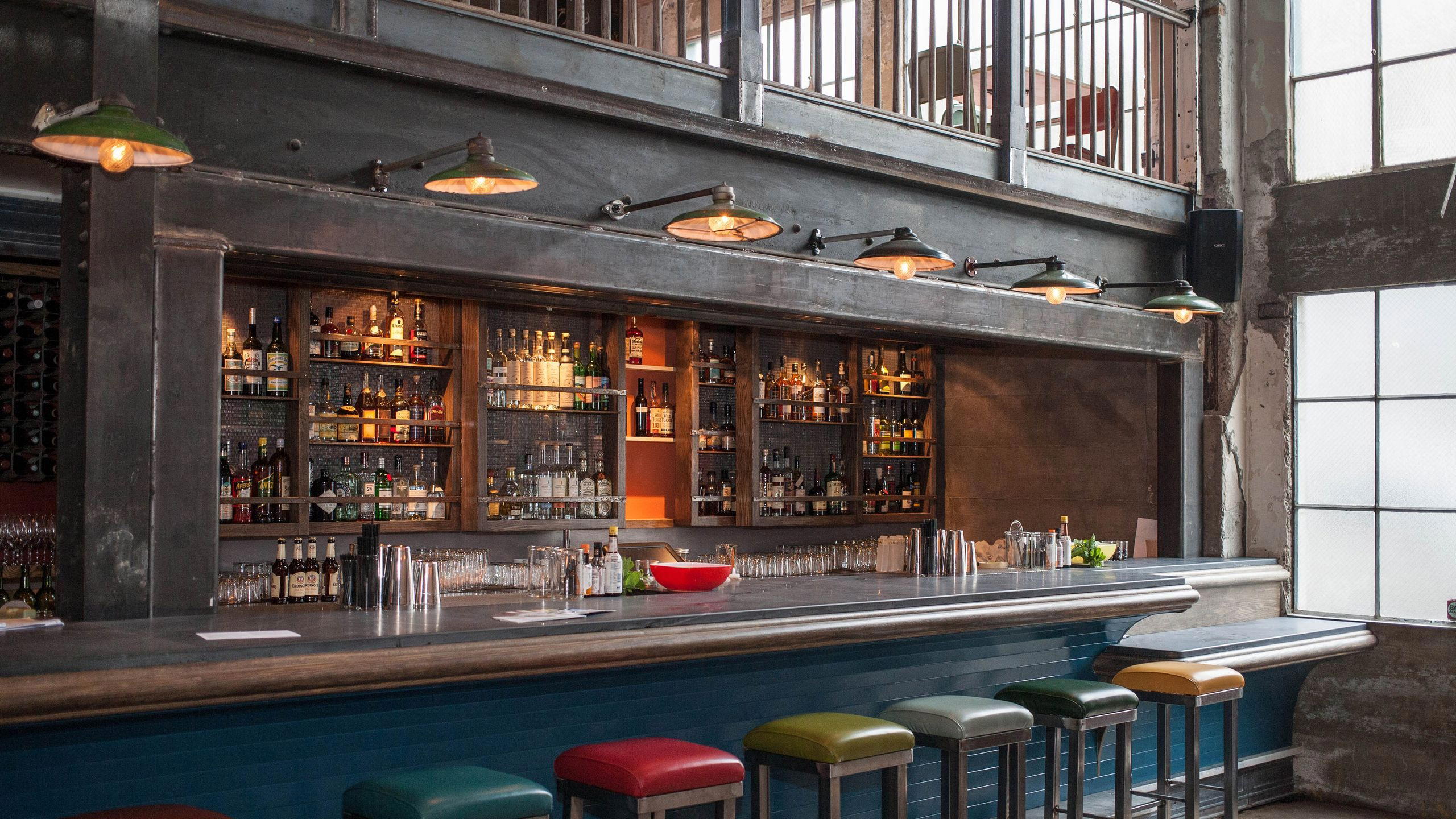
Bars in San Francisco
Browse all →
Hotels in San Francisco
Browse all →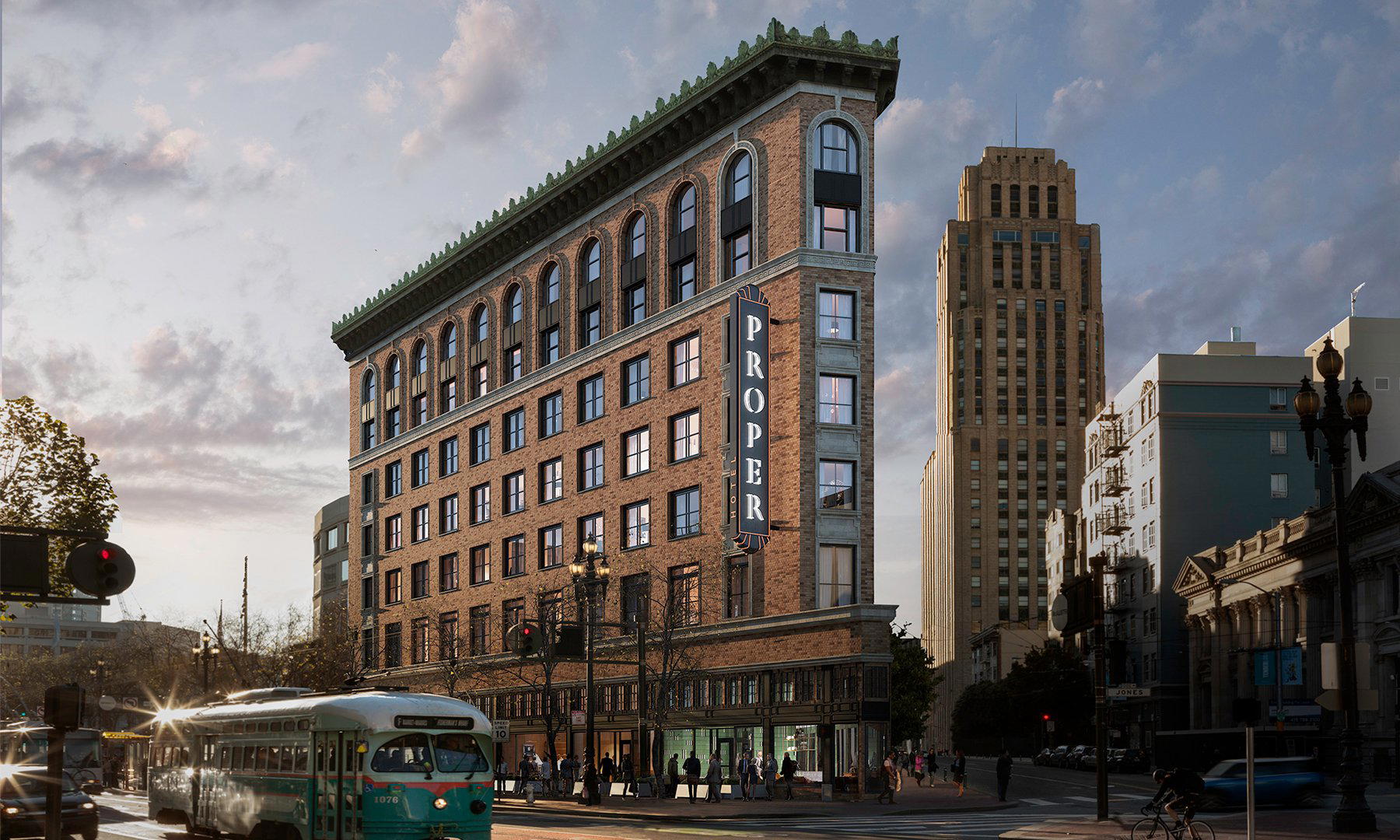
At a Glance
- Cozy
- Intimate
- Rustic
- Elegant
- Date Night
- Casual Hangout
- Special Occasion
- Open Kitchen
- Extensive Wine List
- Local Sourcing
- Farm To Table
Current opening hours
- Monday
- 5:30–9 PM
- Tuesday
- 5:30–9 PM
- Wednesday
- 5:30–9 PM
- Thursday
- 5:30–9 PM
- Friday
- 5:30–9:30 PM
- Saturday
- 5:30–9:30 PM
- Sunday
- Closed
Hours can change for holidays and private events. Last verified .
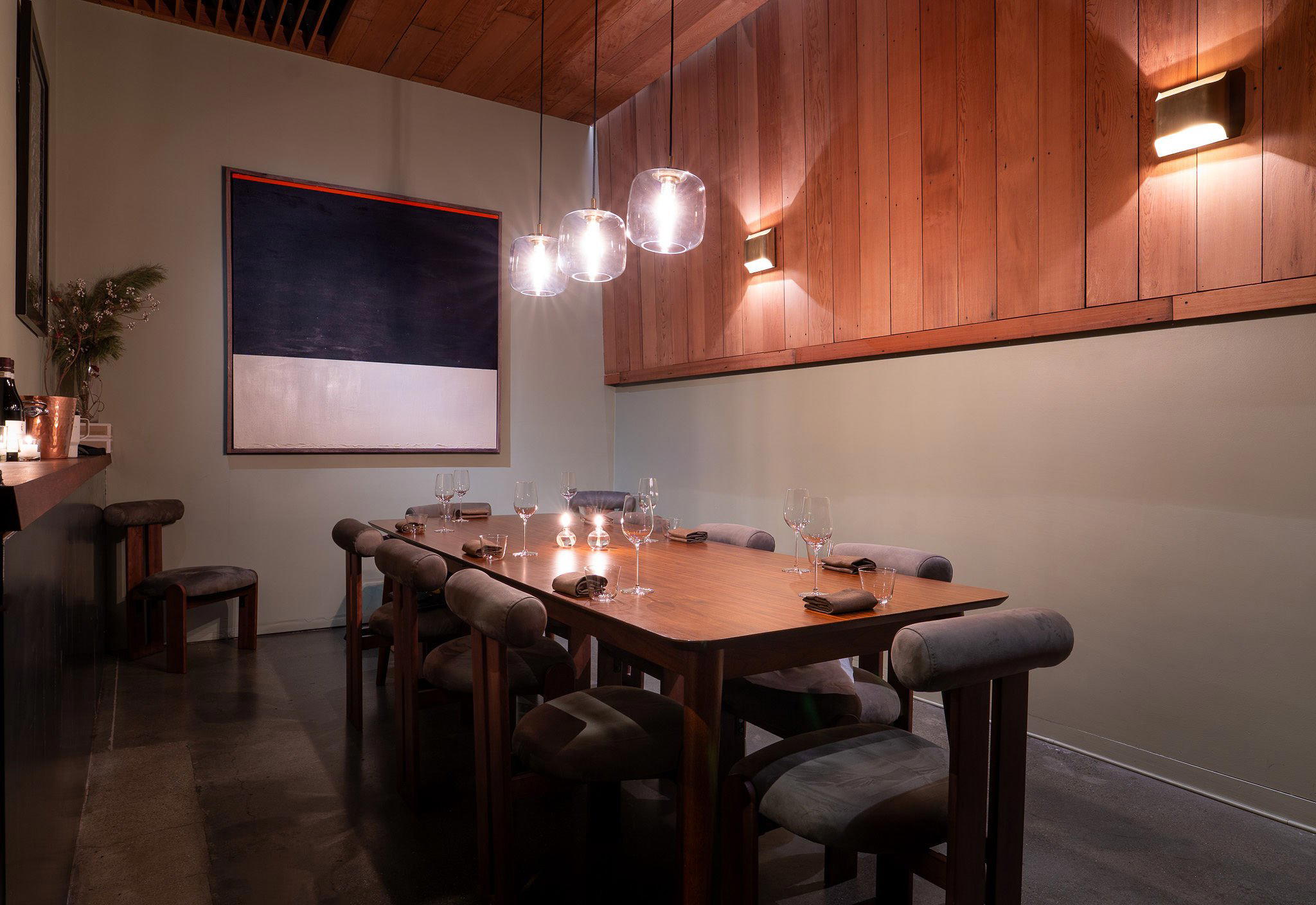
Cozy and intimate atmosphere with an open kitchen counter for watching the action, warm lighting, and a welcoming neighborhood feel.