
Tabelog 100 #97
Our verdict
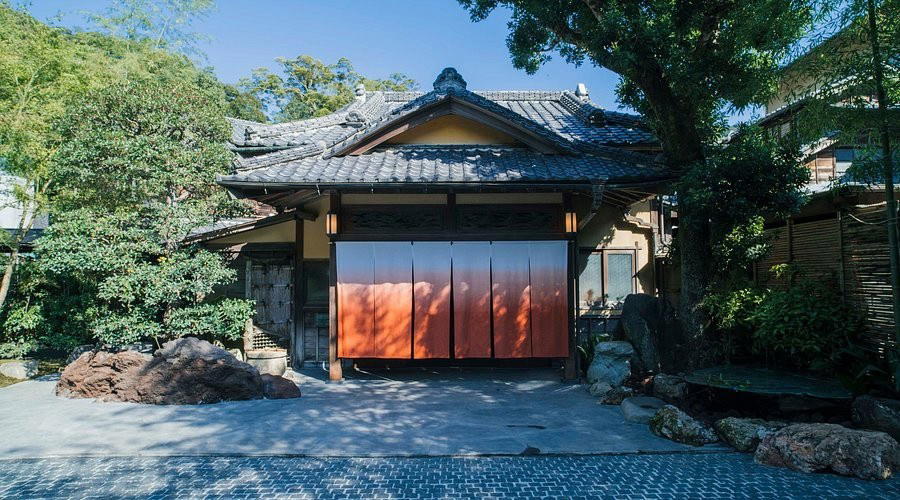
A traditional sweets stop in Shuzenji with Tabelog 100 recognition for Japanese confectionery in EAST 2023. The appeal is less about a long meal than about how wagashi fits into an onsen-town day: small-format, take-out friendly, and tied to the slower rhythm of Izu travel.

Pearl is the En Primeur Club membership app — saves, bookings, and concierge access live there. Same editors, same standards.
- Address
- 967 Shuzenji, Izu, Shizuoka 410-2416, Japan
- Phone
- +81 558-73-2224
- Hours
- Daily 9:30 AM–5 PM
- Website
- gen-raku.com
- Directions
- Get directions
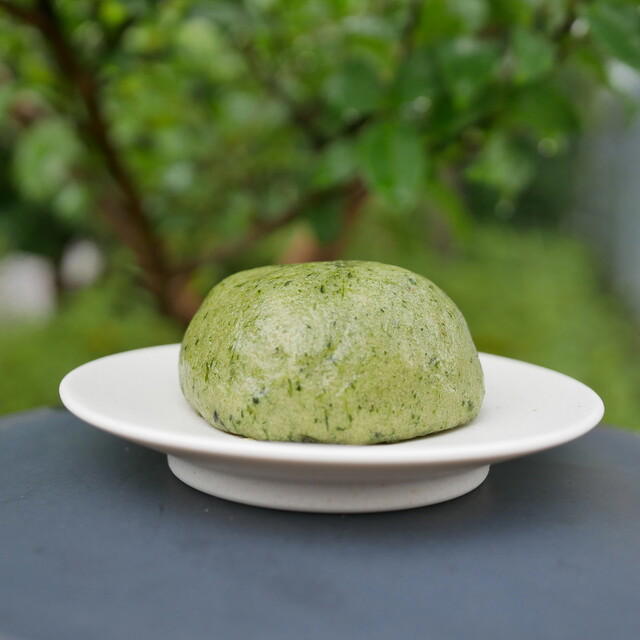
Izu’s sweets culture belongs to the tempo of an onsen town: a short walk, a paper-wrapped purchase, steam from bathhouses and temple approaches, then a pause before the next ryokan check-in or riverside stroll. Manju Sohonzan Genraku Shuzenji honten sits inside that tradition rather than the restaurant circuit, making Japanese traditional sweets part of the day’s geography rather than a separate dining event.
Wagashi in Izu is a local pause, not a full-course detour
Izu dining often splits between destination meals, casual cafés, and small specialist counters. For a fuller meal in the area, Asakusa Juroku Izu shuzenji hanare offers one local reference point, while Bakery & Table Tofuya Ashiyu Cafe shows the café side of the visitor economy. Lumiere gives another Izu reference point. A wagashi shop operates by different rules: purchase, carry, share, move on. That format matters in a place where eating often happens between baths, temples, bridges, and train connections.
The broader point is ingredient discipline. Japanese sweets depend on a narrow grammar: bean paste, rice flour, wheat, sugar, seasonal shaping, and texture control. Unlike a tasting menu, wagashi has little room to hide behind abundance. The craft is in proportion, shelf life, wrapping, and how sweetness lands with tea or after a walk. Tabelog’s 2023 recognition for Japanese traditional sweets places this shop within a specialist category where regional confectioners compete on consistency, recognisable style, and repeat local use rather than luxury theatre.
Why a sweets specialist belongs in an Izu itinerary
Izu rewards small stops. A confectionery counter can make more sense here than another formal reservation, especially for travellers already structuring the day around ryokan meals. The format keeps it flexible: it fits before a train, after a bath, or between sightseeing stops. That makes it useful in a way a multi-course lunch is not. The shop’s Tabelog score of 3.63 is also a helpful signal in Japan’s user-review culture, where specialist categories tend to reward precision and local repeatability rather than spectacle.
Comparisons should stay within format. This is not competing with kaiseki in the manner of Asaba, nor with beef-focused dining such as Yakiniku Fuji. It sits in the smaller bracket of Japanese traditional sweets, where a low-commitment purchase can carry more local character than an over-planned meal. In Izu, that distinction is practical: a visitor may already have breakfast and dinner accounted for at a ryokan, leaving the afternoon for a short, specific food stop.
The sourcing angle is less about named farms than about the confectionery tradition itself. Wagashi has historically mirrored place through water, beans, grains, season, and temple-town gifting culture. In hot-spring towns, sweets are often bought as omiyage, carried back to a room, or shared after bathing. The food is portable by design, and that portability is part of the pleasure: it ties the shop to travel habits as much as to appetite.
How to place it among Izu dining, hotels, bars, and day plans
Use this as a compact punctuation mark in an Izu day, not as the anchor around which everything else bends. For broader planning, Our full Izu restaurants guide gives the local dining spread, while Our full Izu hotels guide helps pair sweets stops with ryokan timing. Drinks and after-dark options are better mapped through Our full Izu bars guide, and regional wine context sits in Our full Izu wineries guide. For non-restaurant days, Our full Izu experiences guide is the more relevant companion.
Travellers building a wider Japan food route can treat this as a useful contrast to urban dining. Compare it with other dining rooms, casual seafood-and-charcoal counters, café culture, and contemporary regional cooking elsewhere in Japan. The contrast sharpens the point: Japan’s food culture is not only about counters and courses, but about small specialist formats that fit daily movement.
That same lens carries across the country and abroad. Other tightly defined formats show how a narrow idea can carry a city’s appetite, whether the focus is sweets, curry, snacks, or compact bar food. Overseas, small Japanese formats can also travel well when the structure is clear. In Izu, that structure is wagashi, a brief sweets stop, and the calm precision of a confectionery shop woven into an onsen-town afternoon.
Frequently asked questions
Is Manju Sohonzan Genraku Shuzenji honten suitable for children?
Yes, for a short sweets stop in Izu. The listed price range is JPY 1,000 - JPY 1,999 View spending breakdown, which makes it easy to fit into a family day out.
What is the atmosphere like at Manju Sohonzan Genraku Shuzenji honten?
It feels like a focused Japanese traditional sweets stop rather than a destination dining room. The 2023 Tabelog recognition in the Japanese traditional sweets category gives it clear local weight without dressing it up as a formal meal.
What price level is Manju Sohonzan Genraku Shuzenji honten?
Pricing at Manju Sohonzan Genraku Shuzenji honten is listed as JPY 1,000 - JPY 1,999 View spending breakdown.
What time does Manju Sohonzan Genraku Shuzenji honten open and close?
Specific opening and closing hours are not provided here; check directly with Manju Sohonzan Genraku Shuzenji honten before visiting.
What's Manju Sohonzan Genraku Shuzenji honten's location?
Izu.
Comparison Snapshot
Comparable venues by cuisine and price in the same metro.
| Venue | Cuisine | Price | Awards | Notes |
|---|---|---|---|---|
| Manju Sohonzan Genraku Shuzenji hontenThis venue — the venue you are viewing | Japanese Traditional Sweets | $1–10 | Tabelog 100 #97 | Not listed |
| 竹そば 八百孝 | Traditional Japanese Soba | $1–10 | Not listed | 修善寺 |
| Bakery & Table Tofuya Ashiyu Cafe | Japanese Bakery Café | $10–20 | Tabelog 100 #41 | Yoshina Onsen |
| Asakusa Juroku Izu shuzenji hanare | Japanese Soba | $10–20 | Tabelog 100 #27 | Shuzenji |
| あまご茶屋 | Amago Trout Specialist | $10–20 | Not listed | 修善寺 |
| ウトロ漁協婦人部食堂 | Fresh Seafood Donburi from Fishermen's Wives | Not listed | Not listed | Utoro |
Recognition history
Dated appearances from independent guides and award organizations, with the underlying list record or original source where available.
Tabelog 100 #97 · No. 97
Tabelog · Tabelog 100 - Japanese traditional sweets / Japanese sweets cafe - EAST - 2023
Continue exploring
More in Izu
Restaurants in Izu
Browse all →


Details
- Quiet
- Classic
- Casual Hangout
- Family
- Solo
- Standalone
Current opening hours
- Monday
- 9:30 AM–5 PM
- Tuesday
- 9:30 AM–5 PM
- Wednesday
- 9:30 AM–5 PM
- Thursday
- 9:30 AM–5 PM
- Friday
- 9:30 AM–5 PM
- Saturday
- 9:30 AM–5 PM
- Sunday
- 9:30 AM–5 PM
Hours can change for holidays and private events. Last verified .
Simple, traditional sweets-shop atmosphere focused on take-out and classic wagashi retail rather than dine-in hospitality.