Mango Bay

Inside a Fort Greene brownstone on Adelphi Street, Mango Bay brings an Afro-Caribbean kitchen to Brooklyn's most culturally layered borough. Floral wallpaper meets leather booths and exposed brick in a room that reads as genuinely casual rather than designed-to-look-casual. The cooking runs from char-grilled octopus with jerk gremolata to braised oxtail, with sides like spicy-sweet mango chow that give the menu its clearest identity.
Pearl is the En Primeur Club membership app — saves, bookings, and concierge access live there. Same editors, same standards.
- Address
- 271 Adelphi St, Brooklyn, NY 11205
- Phone
- (929) 788-5078
- Website
- themangobay.com
- Directions
- Get directions
 Saves & bookings on Pearl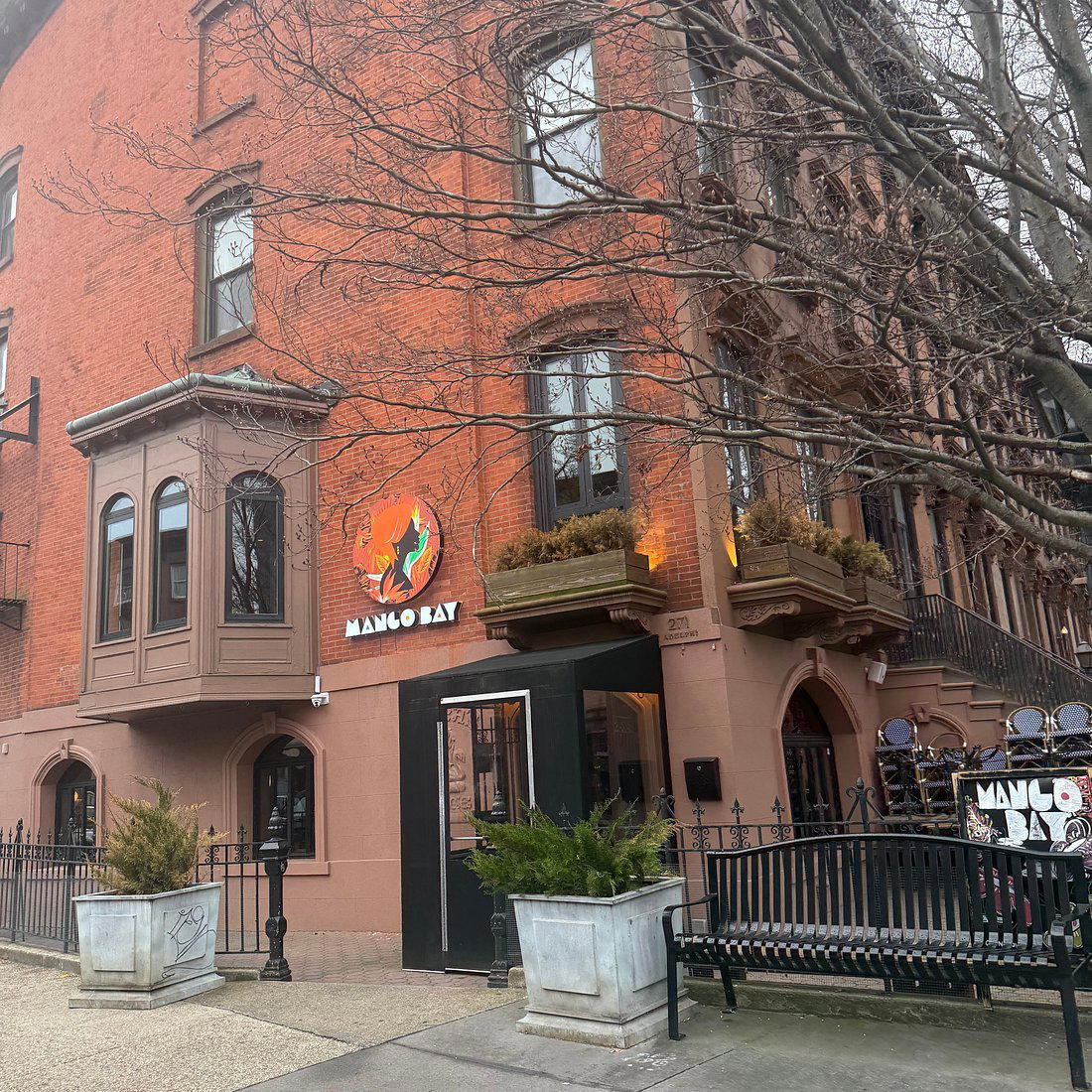
Fort Greene's Afro-Caribbean Counter-Argument
Brooklyn's dining conversation tends to cluster around a handful of recurring formats: the tasting-menu destination, the Michelin-tracked bistro, the aggressively minimal natural-wine bar. What receives less editorial attention is the neighbourhood restaurant operating with genuine regional specificity, the kind of place that draws from a culinary tradition rather than a trending ingredient. Mango Bay, on Adelphi Street in Fort Greene, occupies that less-discussed tier. Its Afro-Caribbean kitchen positions it within a broader shift in New York dining, where the cuisines of the African diaspora are receiving the serious critical attention they have long warranted.
Fort Greene itself provides relevant context. The neighbourhood carries one of Brooklyn's more layered cultural histories, and its restaurant blocks have evolved to reflect that complexity. The brownstone setting at 271 Adelphi St shapes the experience before a dish arrives. Floral wallpaper, leather booths, and exposed brick walls occupy the same room without contradiction, landing somewhere between Caribbean domestic warmth and contemporary Brooklyn restraint. The effect is welcoming rather than performative, which matters when the cooking aims to feel personal rather than produced.
What the Menu Argues
Afro-Caribbean cooking as a restaurant category covers significant range, from the jerk-focused Jamaican counter to the more seafood-forward cuisines of the Eastern Caribbean. Mango Bay's menu stakes a particular position within that range. The approach here is not strictly traditional, nor is it fusion in the dismissive sense. It draws from recognisable Caribbean touchstones and reframes them with technique and combination that read as considered rather than arbitrary.
The char-grilled octopus tentacle illustrates the logic well. Octopus over braised collards is a combination that moves between Caribbean and Southern American registers; the jerk gremolata introduces both heat and the sharp, herb-forward brightness associated with Italian condiment tradition. The burrata tossed with the collards adds a dairy richness that slows the palate between bites. Whether the combination always resolves is a fair question, but the ambition to work across those registers without losing coherence is itself editorially significant in a borough where cross-tradition cooking is common but rarely this specific.
The braised oxtail with roasted rainbow carrots represents the menu's more grounded register. Oxtail is a preparation with deep resonance across Caribbean cuisines, particularly Jamaican and Trinidadian cooking, and its presence here signals that the kitchen is drawing from tradition with genuine fluency rather than appropriating an aesthetic. The sides clarify that fluency further: spicy-sweet mango chow has roots in Trinidadian street food culture, where the preparation of green or semi-ripe mango with pepper and citrus functions as both condiment and snack. Fried plantains need no repositioning, their presence across the African diaspora is reason enough for inclusion, but their execution and seasoning are what determines whether they are a concession to expectation or a contribution to the meal. Critics and repeat visitors consistently identify both as the latter.
Critical Reception and Peer Context
Mango Bay rewards repeat visits, a quality that distinguishes a neighbourhood anchor from a destination restaurant. In New York's attention economy, where restaurants at the level of Le Bernardin in New York City or Atomix in New York City command single-visit pilgrimage status, the repeat-visit designation carries its own critical weight. It implies that the kitchen sustains quality across visits, that the room remains comfortable rather than fatiguing, and that the menu rewards familiarity.
Against the Brooklyn comparable set, the restaurant occupies a different register than the omakase counters and tasting-menu formats that attract the borough's formal critical apparatus. For comparison across the Brooklyn dining map, venues like Enso and Glin Thai Bistro represent the borough's commitment to specialist cuisines delivered with neighbourhood-restaurant scale, while 6 Restaurant, Bong, and Hungry Thirsty reflect the range of formats that define Brooklyn's mid-register dining culture. The restaurant's positioning within this set is as the Afro-Caribbean entry in a borough that values culinary specificity, a role that carries both distinction and responsibility to the traditions it draws from.
The contrast with destination-format restaurants further up the critical hierarchy, places like Alinea in Chicago, The French Laundry in Napa, or Lazy Bear in San Francisco, is instructive rather than unflattering. Those venues operate as singular dining events; the restaurant operates as the kind of restaurant a neighbourhood actually needs. Both serve critical functions in a city's food ecosystem. The international comparison extends further: the precision tasting formats at Single Thread Farm in Healdsburg or the Italian fine dining of 8 1/2 Otto e Mezzo Bombana in Hong Kong represent dining as occasion, while the New Orleans warmth of Emeril's in New Orleans offers a closer analogy, a kitchen rooted in a specific regional identity, made accessible without condescension.
Planning a Visit
The restaurant sits at 271 Adelphi St in Fort Greene, a walkable distance from the G train at Fulton Street and the C train at Lafayette Avenue. The brownstone format means the room is intimate rather than expansive, which contributes to the casual and welcoming atmosphere that critics note but also means the space fills quickly on weekends. Visiting mid-week gives a better read of the kitchen at a measured pace.
At-a-Glance Comparison
Comparable venues nearby, for context on price, style, and recognition.
| Venue | Cuisine | Price | Awards | Notes |
|---|---|---|---|---|
| Mango BayThis venue — the venue you are viewing | Modern Afro-Caribbean | $$$ | Michelin Plate | Not listed |
| Bong | Cambodian Khmer | $$$$ | Not listed | Crown Heights |
| Olmo | Nostalgic Mexican Cantina | $$$ | Bib Gourmand | Bed-Stuy |
| Lucali | Thin-Crust Pizza | $$ | Not listed | Carroll Gardens |
| Il Leone | Neapolitan Pizza | $$ | Not listed | Park Slope |
| Taqueria El Chato | Mexico City-Style Taqueria | $$ | Bib Gourmand | Greenpoint |
Recognition history
Dated appearances from independent guides and award organizations, with the underlying list record or original source where available.
Michelin Plate
Michelin
Continue exploring
More in Brooklyn
Restaurants in Brooklyn
Browse all →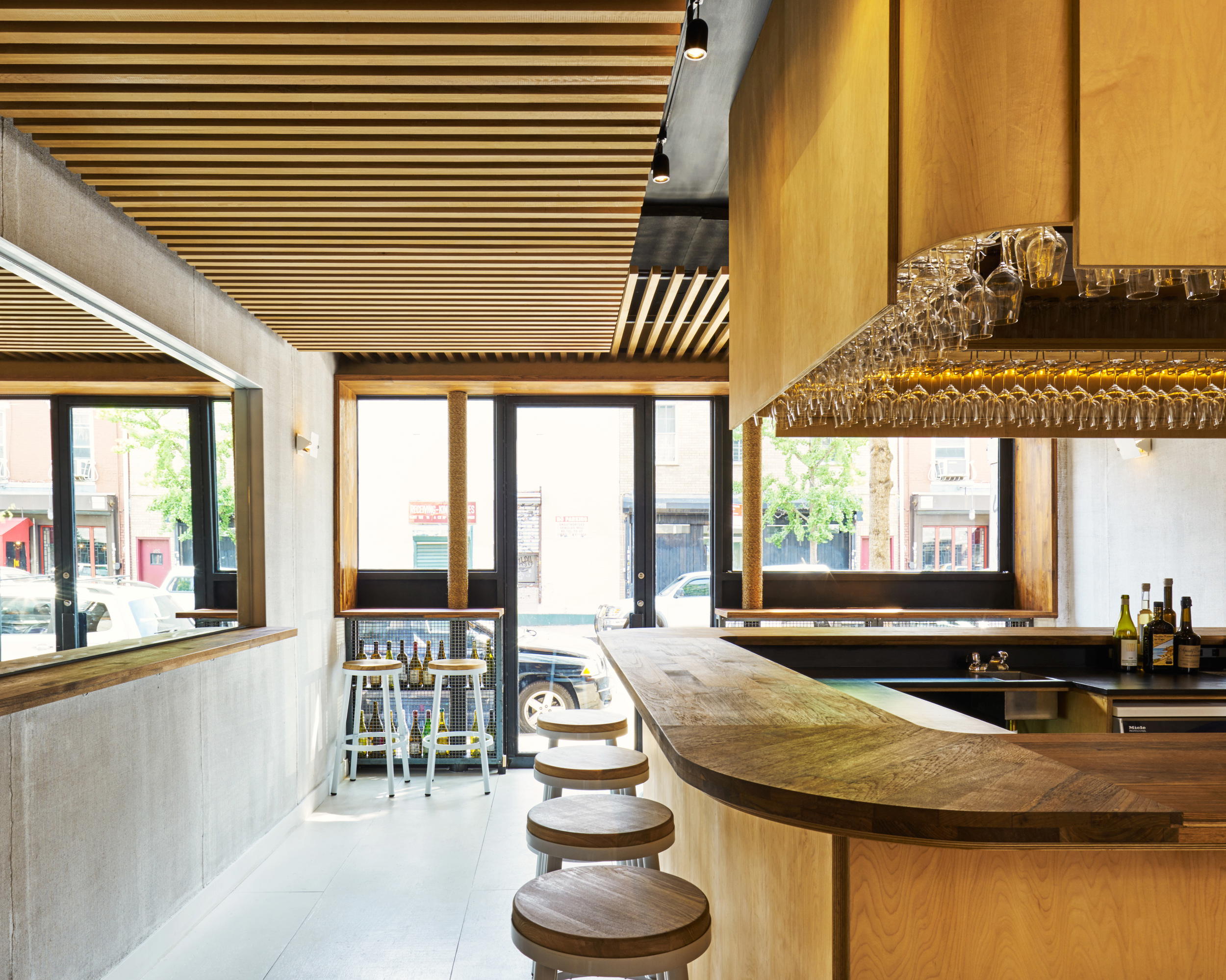
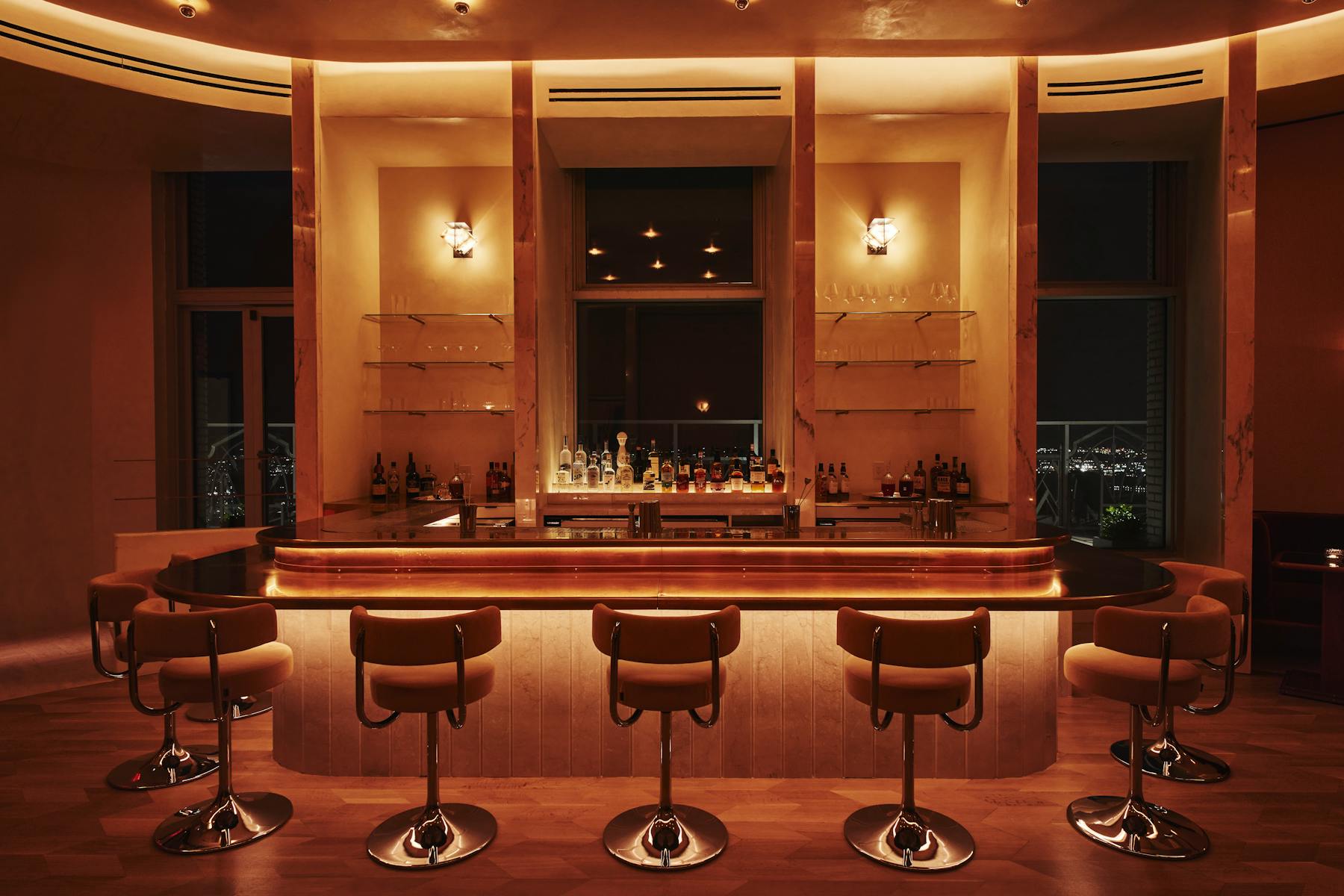
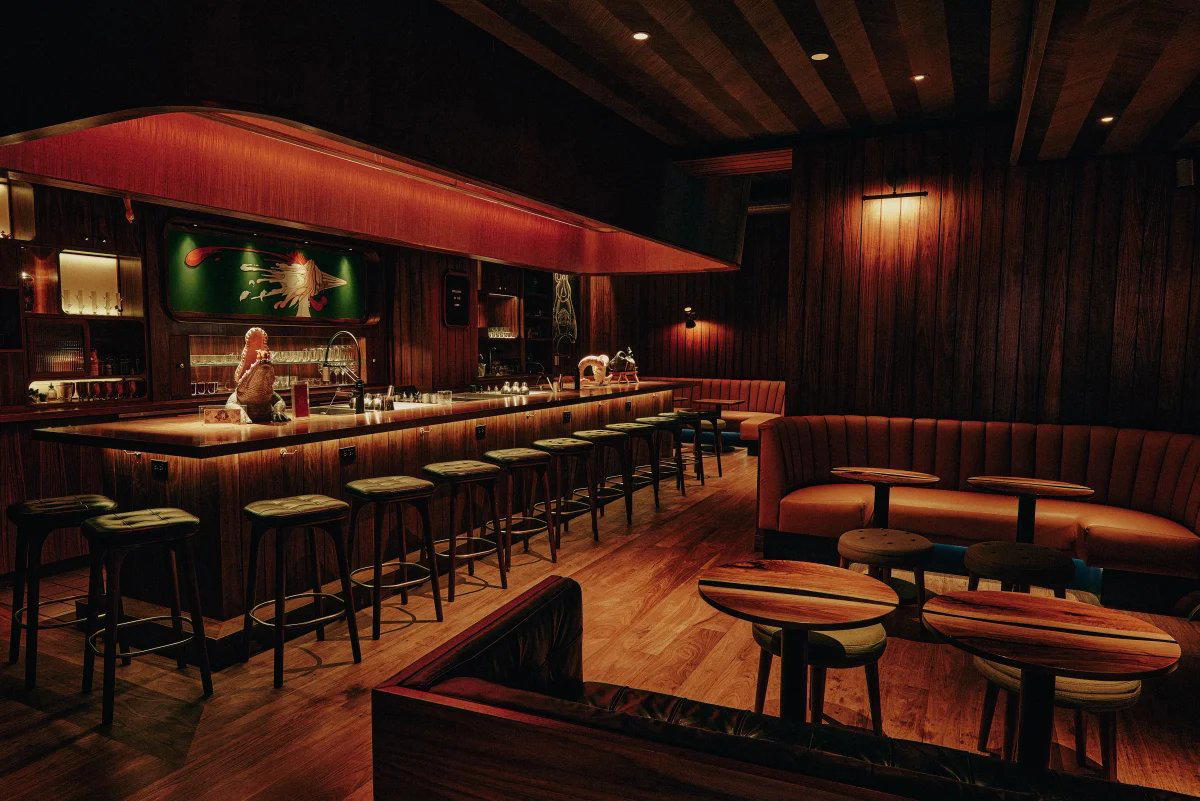
Bars in Brooklyn
Browse all →
Hotels in Brooklyn
Browse all →






At a Glance
- Lively
- Cozy
- Trendy
- Elegant
- Date Night
- Group Dining
- Special Occasion
- Casual Hangout
- Open Kitchen
- Craft Cocktails
Current opening hours
- Monday
- 5–10 PM
- Tuesday
- 5–10 PM
- Wednesday
- 5–10 PM
- Thursday
- 5–10 PM
- Friday
- 5–10 PM
- Saturday
- 11:30 AM–10 PM
- Sunday
- 11:30 AM–9:30 PM
Hours can change for holidays and private events. Last verified .
Warm and inviting with lively Afro-Caribbean artwork, floral wallpaper, warm woods, and a polished yet relaxed atmosphere across two levels.