El Poco Cantina (Malate)

El Poco Cantina on Estrada Street brings a Michelin Plate recognition (2026) to Malate, one of Manila's oldest and most layered dining neighbourhoods. The cantina format fits naturally into a district where Spanish colonial memory and Filipino street culture have coexisted for generations. For visitors and locals tracking the city's recognised dining circuit, it occupies a distinct position on the south side of the bay area.
Pearl is the En Primeur Club membership app — saves, bookings, and concierge access live there. Same editors, same standards.
- Address
- 945 Estrada St, Malate, Manila, 1004 Metro Manila, Philippines
- Phone
- +63 920 980 0945
- Website
- elpococantina.com
- Directions
- Get directions
 Saves & bookings on Pearl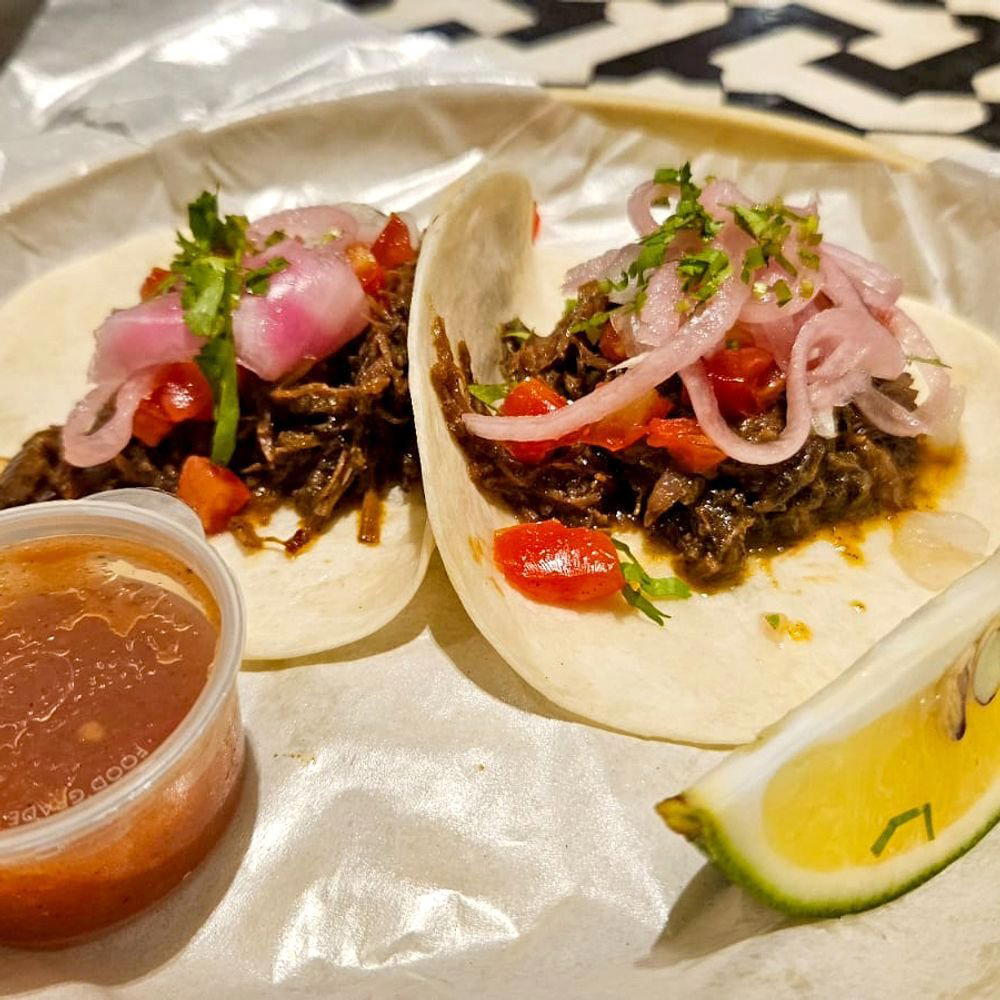
Malate and the Cantina Tradition
Malate is one of those Manila neighbourhoods where the dining culture carries its history visibly. The district sits south of Ermita along Roxas Boulevard, and its streets have hosted generations of Spanish-inflected eating houses, late-night canteens, and neighbourhood restaurants that predate the Bonifacio Global City boom by decades. The cantina format, with its suggestion of informal Spanish or Mexican hospitality, reads differently here than it would in Makati or Taguig. In Malate, a cantina is less a concept and more a continuation of something already in the street's DNA.
El Poco Cantina, at 945 Estrada Street, sits inside that tradition. The address places it in the residential-commercial fringe of the neighbourhood, away from the main thoroughfare noise, which shapes the rhythm of a meal before you sit down. Estrada Street is not a dining strip in the curated sense; it is a working Manila street, and restaurants along it tend to rely on local loyalty rather than foot traffic from visitors.
What a Michelin Plate Signals in This Context
The 2026 Michelin Plate recognition matters here for reasons that go beyond the award itself. Manila's inclusion in the Michelin Guide placed Filipino dining on an international evaluation framework for the first time, and the Plate designation, which signals a kitchen producing food of good quality rather than the headline-grabbing star tier, is the more instructive marker for understanding the broader dining scene. It identifies kitchens that are consistent, competent, and worth a deliberate visit, without the reservation scarcity or price points associated with the starred tier.
In that sense, El Poco Cantina's recognition positions it alongside a cohort of Manila restaurants that the guide treats as foundational to the city's dining character rather than its trophy cabinet. Compared with starred properties like Gallery By Chele, which operates at the high-formality, high-investment end of the Manila dining spectrum, a Plate-level cantina in Malate represents a different register entirely: the kind of place the guide acknowledges because the cooking is honest and the execution holds.
For reference, the international Michelin Plate system applies the same evaluative rigour across price tiers, which means the designation carries weight regardless of whether the kitchen is operating at the price level of Le Bernardin or a neighbourhood cantina. The standard is cooking quality, not occasion or format.
The Ritual of Eating at a Manila Cantina
The dining ritual at a cantina-format restaurant in Manila follows a pace that differs from the tasting-menu progression or the izakaya-style ordering rhythm at venues like iai. A cantina meal is typically ordered in rounds or as a shared spread, with dishes arriving as they are ready rather than on a choreographed schedule. This is not a failure of service; it is the format. The table is the unit of experience, and the expectation is that eating unfolds laterally across the group rather than sequentially for each diner.
That informality has implications for how you plan the visit. Groups of two to four tend to eat better at cantina-format venues than solo diners, because the ordering logic rewards breadth over depth. Arriving without a reservation on a busy evening is a gamble in any recognised Manila restaurant, and the Michelin Plate designation will have increased demand at El Poco Cantina. The Estrada Street location means parking and transport logistics require some advance thought; the neighbourhood is accessible by ride-share but not always direct for those unfamiliar with Malate's one-way street patterns.
The informality of the cantina ritual also means dress expectations lean casual. This is not the setting for the studied smart-casual calculus that applies at Blackbird Makati or the considered minimalism of the Makati fine-dining tier. Estrada Street is a neighbourhood street, and the meal should be approached accordingly.
Malate in the Wider Manila Dining Map
Manila's recognised dining circuit has concentrated heavily in Makati and BGC over the past decade, with a secondary cluster in Quezon City. Malate operates as something of a counterweight to that geography, a reminder that the city's serious cooking is not exclusively contained in its wealthiest postal codes. Manam Comfort Filipino has demonstrated that Filipino comfort cooking can hold commercial and critical traction across multiple Manila locations; El Poco Cantina's Plate recognition suggests the cantina format can do the same for a single neighbourhood address.
Elsewhere in the Philippines, the Spanish-influenced cooking tradition surfaces in different forms: Asador Alfonso in Cavite and Cantabria by Chele Gonzalez in Mandaluyong both engage with Iberian culinary lineage at different formality levels. The cantina in Malate, by contrast, is embedded in the neighbourhood rather than positioned as a destination format, which gives it a different relationship to its cooking tradition. For a broader view of what the Michelin recognition tier looks like across the Philippines, Celera in Makati and Linamnam in Parañaque offer useful reference points.
For visitors building a Manila dining itinerary across multiple days, the south-bay geography of Malate makes El Poco Cantina a natural pairing with a Roxas Boulevard hotel stay. Our full Manila hotels guide covers the options in that corridor. Those interested in the broader dining picture can consult our full Manila restaurants guide, which maps recognised venues across all of the city's major dining zones, alongside our guides to Manila bars, Manila wineries, and Manila experiences.
Other venues worth tracking in the current Manila scene include Cabel and, for those moving between the archipelago's dining destinations, Abaseria Deli and Cafe in Cebu and Bolero in Taguig. The contrast between Taguig's polished dining strip and Malate's street-level character is itself an argument for spending time in both parts of the city. In a dining scene as geographically spread as Manila's, the Michelin Plate at El Poco Cantina is a useful prompt to look south.
Planning a Visit
El Poco Cantina is located at 945 Estrada Street in Malate, within Metro Manila's first district. Arriving with a group and some flexibility on timing is the practical approach. Given the 2026 Michelin Plate recognition, demand is likely higher than it was in prior years, and an evening walk-in during peak dining hours carries risk. The cantina format typically accommodates lunch and dinner seatings, and the neighbourhood dynamic means a late-afternoon or early-evening visit may offer a calmer entry point than a Friday or Saturday night.
Cuisine and Awards Snapshot
Comparable venues nearby, for context on price, style, and recognition.
| Venue | Cuisine | Price | Awards | Notes |
|---|---|---|---|---|
| El Poco Cantina (Malate)This venue — the venue you are viewing | Casual Mexican Taqueria | $ | Michelin Plate | Not listed |
| Casa Italianos | Northern Italian-Filipino Fusion | $$ | Not listed | Salcedo Village |
| Cabel | Filipino Heritage (Luzon, Visayas, Mindanao) | $$ | Bib Gourmand | San Miguel |
| Agni by Mantra | Modern Regional Indian | $$$ | Not listed | Makati |
| Manam Comfort Filipino | Filipino Comfort Food | $$ | Not listed | Pasay |
| iai | Modern Japanese Sushi Kappo Omakase | $$$$ | Michelin Plate | Bonifacio Global City |
Recognition history
Dated appearances from independent guides and award organizations, with the underlying list record or original source where available.
Michelin Plate
Michelin
At a Glance
- Lively
- Trendy
- Energetic
- Casual Hangout
- Solo
- Family
- Open Kitchen
Current opening hours
- Monday
- 10 AM–10 PM
- Tuesday
- 10 AM–10 PM
- Wednesday
- 10 AM–10 PM
- Thursday
- 10 AM–10 PM
- Friday
- 10 AM–10 PM
- Saturday
- 10 AM–10 PM
- Sunday
- 10 AM–10 PM
Hours can change for holidays and private events. Last verified .
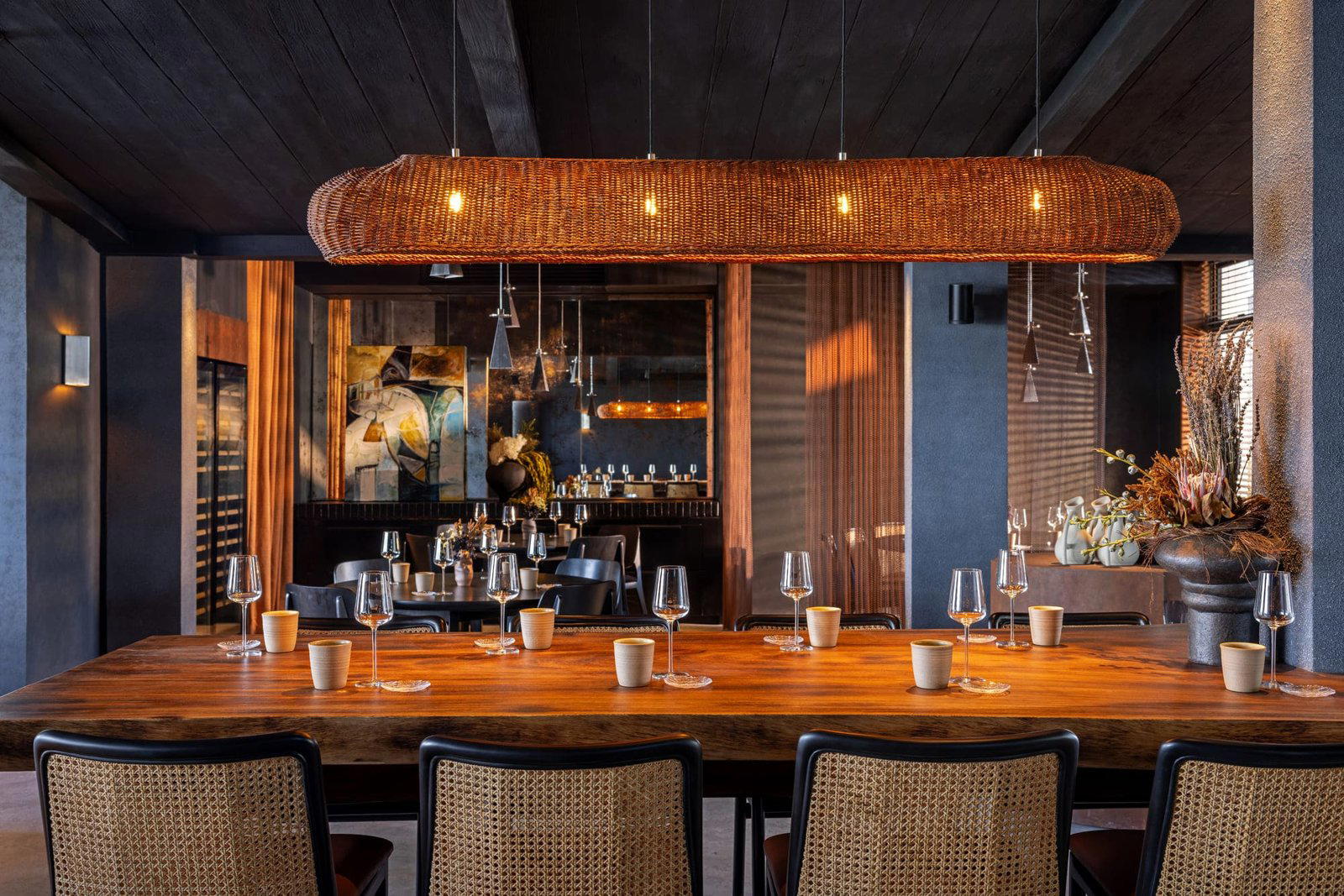
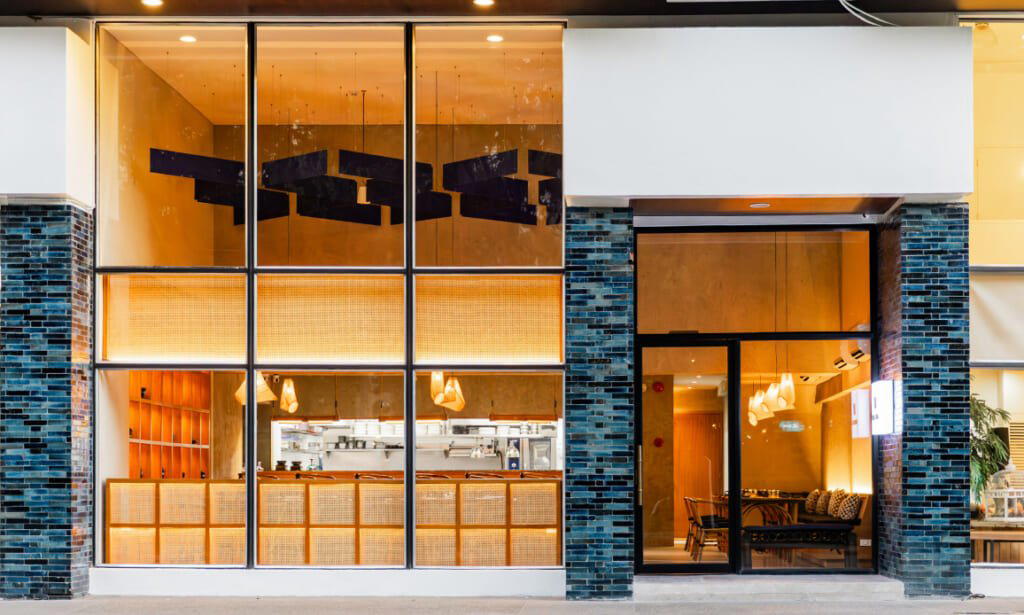
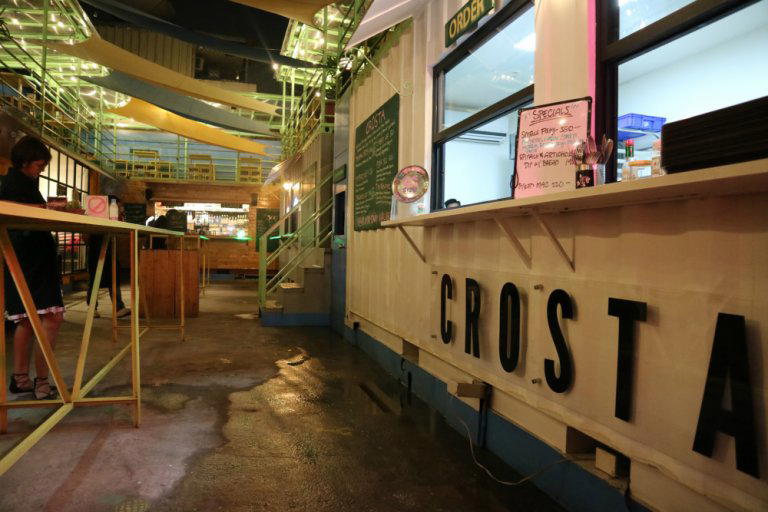
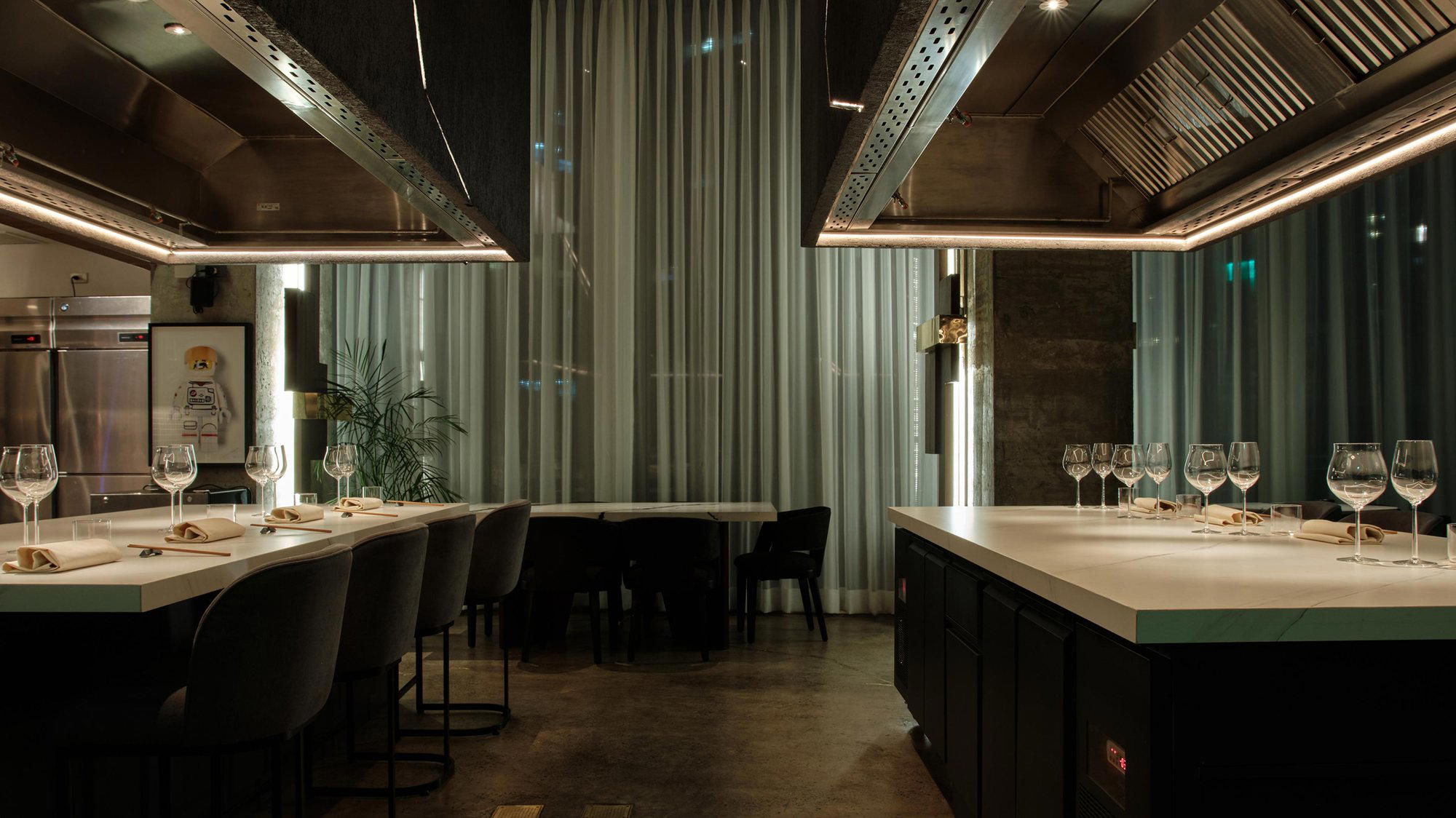
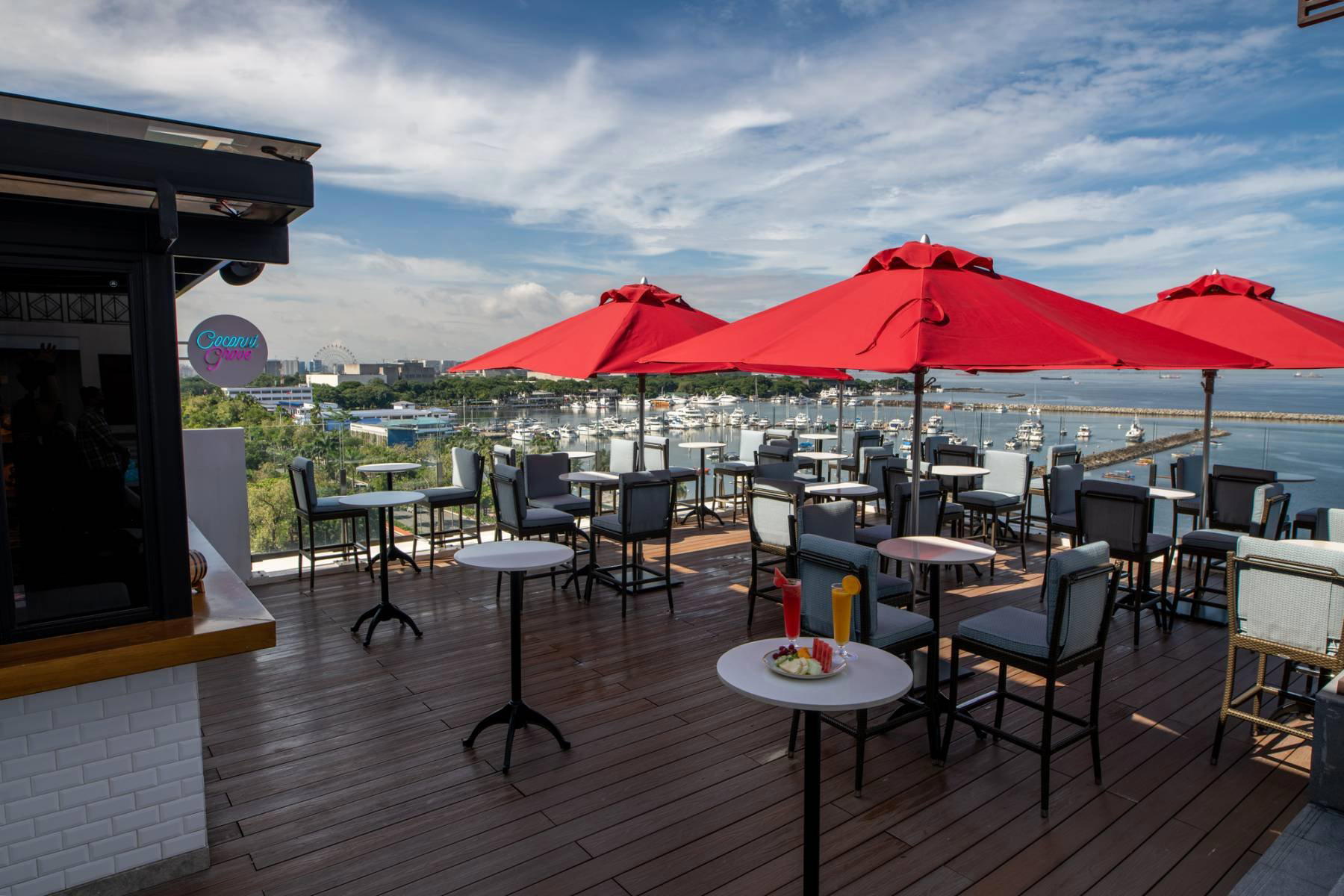
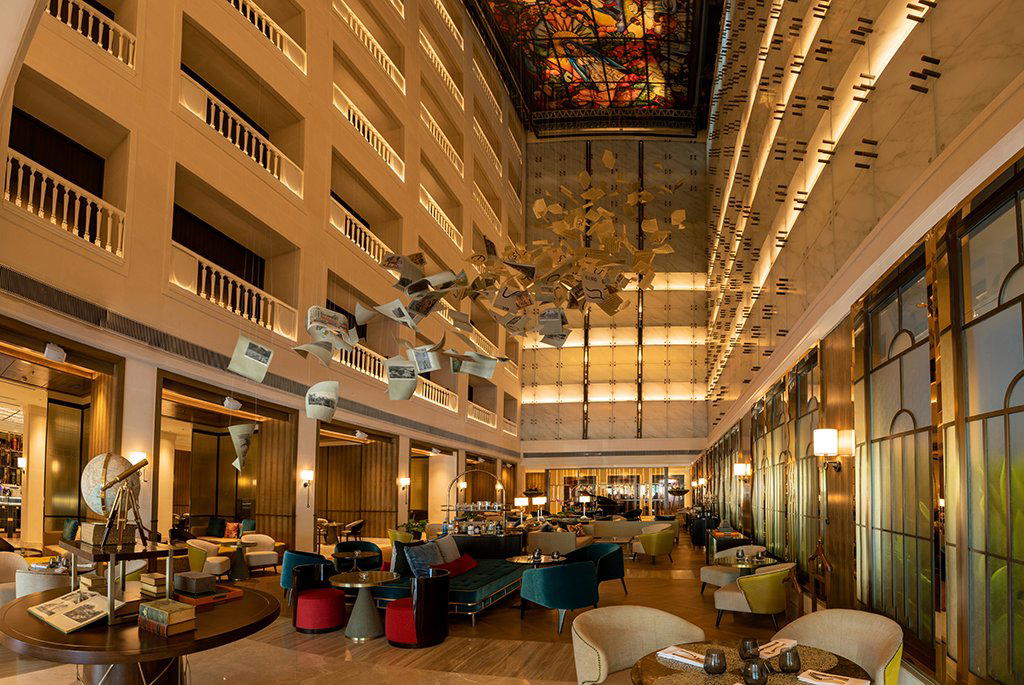
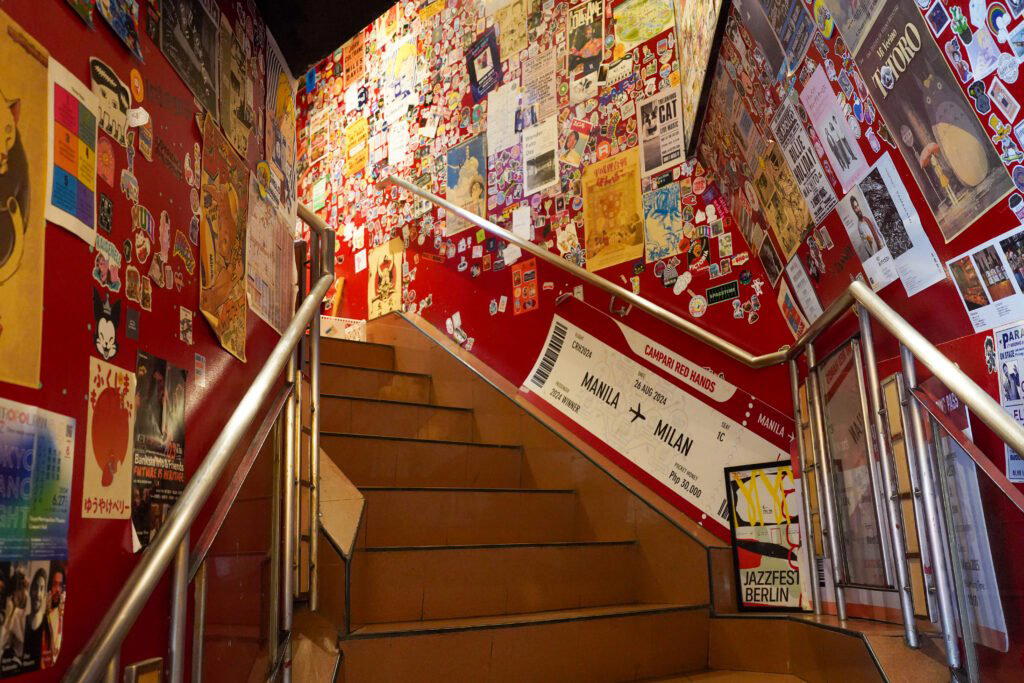
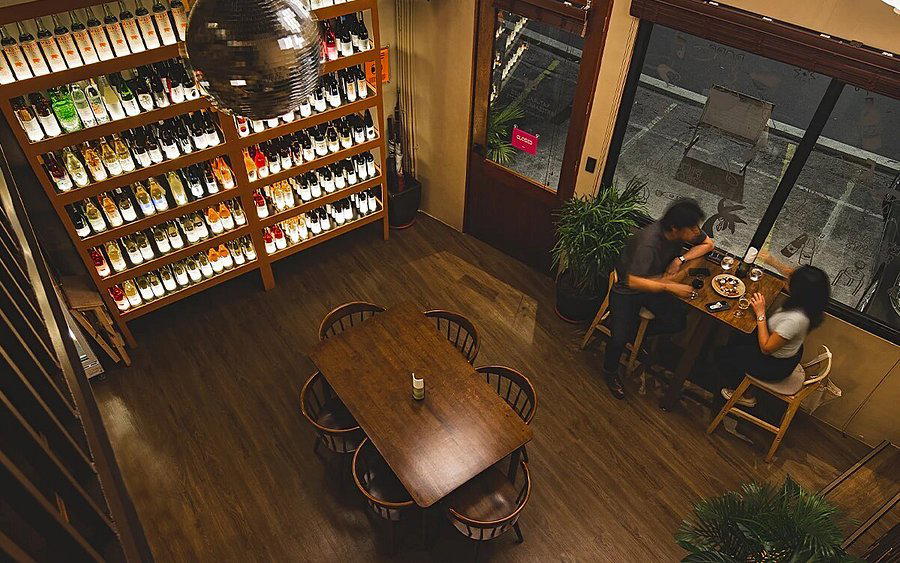
Lively and playful with bright lighting, tiled walls, graffiti art, and a Frida Kahlo mural creating an energetic, unpretentious atmosphere.