Cabel

Cabel sits on Jose Laurel Street in San Miguel, Manila, carrying a 2026 Michelin Bib Gourmand, the guide's marker for cooking that punches above its price point. The address places it inside one of the capital's older, more historically layered districts, away from the polished restaurant corridors of BGC and Makati. For Manila's Filipino food scene, it represents the kind of neighbourhood anchor the Bib Gourmand category was designed to recognise.
Pearl is the En Primeur Club membership app — saves, bookings, and concierge access live there. Same editors, same standards.
- Address
- 1147 Jose Laurel St, San Miguel, Manila, Metro Manila, Philippines
- Phone
- +63 915 214 8565
- Website
- facebook.com
- Directions
- Get directions
 Saves & bookings on Pearl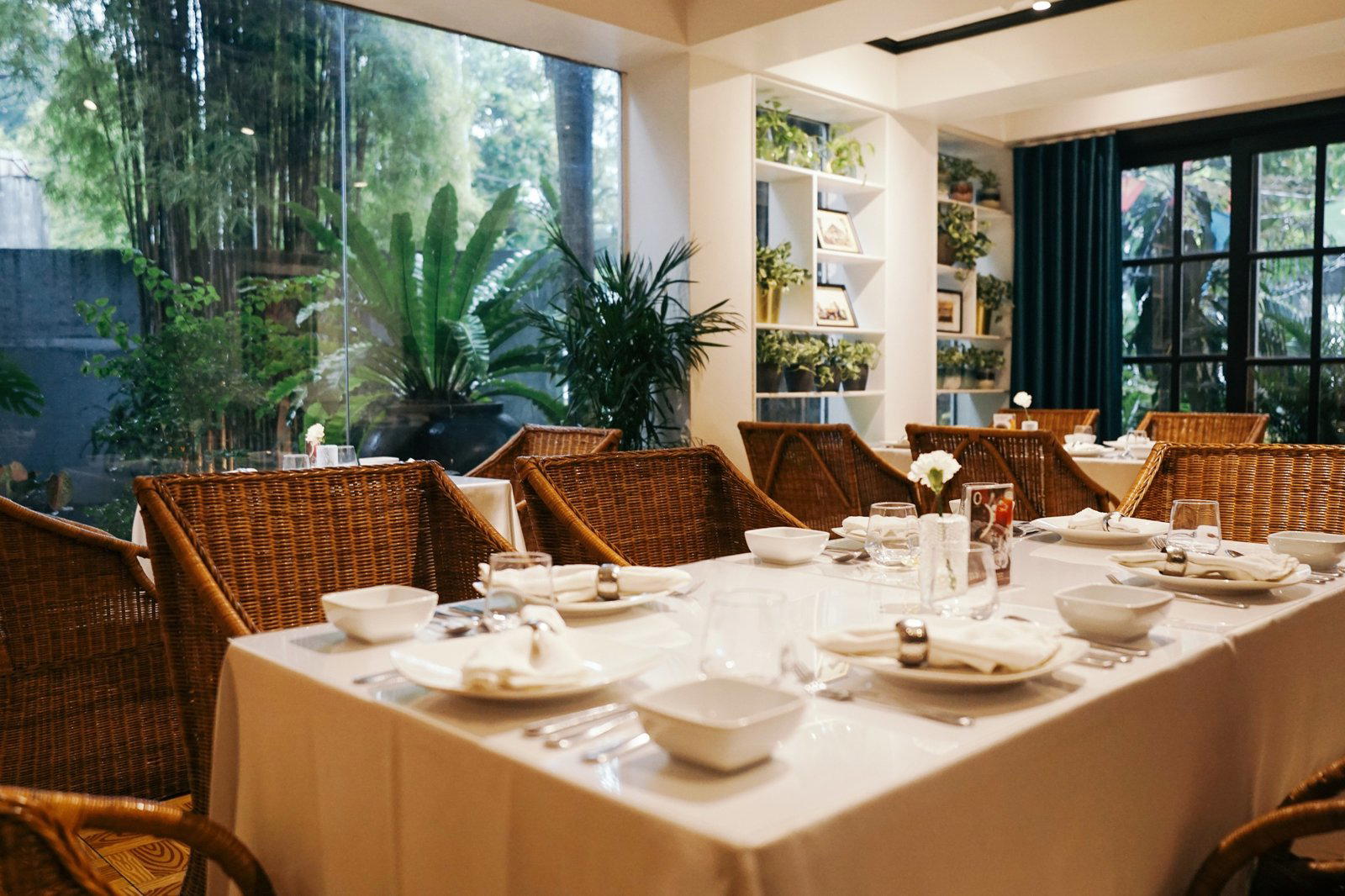
San Miguel and the Case for Eating Outside the Fort
Manila's dining conversation defaults to Bonifacio Global City and Makati. Both districts have the infrastructure, the foot traffic, the retail density, the international hotel addresses, that makes restaurant investment direct. But Filipino food culture has never been exclusively centred on those corridors, and the Michelin Guide's 2026 Bib Gourmand list makes that visible in concrete terms. Cabel, at 1147 Jose Laurel Street in San Miguel, is a Filipino restaurant with a Michelin Bib Gourmand designation: Michelin's shorthand for cooking that delivers quality in excess of what its price bracket would ordinarily suggest.
San Miguel is one of Manila's older residential and institutional districts, sitting close to Malacañang Palace and the Pasig River. It is not a neighbourhood built around restaurant tourism, which is partly what makes a Michelin-recognised address there worth understanding. The Bib Gourmand category, across every market the guide covers, consistently flags places that locals rely on rather than places that exist to attract visitors. An address in San Miguel fits that pattern more naturally than it would in a purpose-built dining destination.
The Bib Gourmand Signal and What It Means in Manila
Michelin's Bib Gourmand designation sits below the star tier but carries a specific and credible claim: the inspectors found value. In markets where the guide is relatively new, and the Philippines is one of them, the Bib category often does more work than the stars, because it maps accessible, high-quality cooking across the city rather than directing readers only toward formal fine-dining rooms. For context, Gallery By Chele and Celera in Makati represent Manila's fine-dining tier; Cabel occupies a different register entirely.
The Philippine dining scene has a long tradition of food that is deeply technical without being formally staged. The canon includes regional dishes from the Visayas, Ilocos, Bicol, and the Tagalog heartland, each with its own acid profiles, fat structures, and fermentation logic. A Bib Gourmand in Manila, at this stage of the guide's engagement with the city, signals that Cabel is doing something within that tradition that the inspectors found sufficiently compelling to name, and to name at a price point the guide considers fair. That combination is not a given. Plenty of neighbourhood restaurants in Manila are affordable; fewer are precise enough to clear the Michelin threshold.
For comparison with how the Filipino food category maps across the capital, Manam Comfort Filipino represents the accessible, crowd-oriented end of the market, scaling Filipino comfort dishes for high-volume service. Cabel's San Miguel address and its Bib designation suggest a narrower operation: fewer seats, tighter execution, a kitchen working closer to the edge of what the format allows.
The Address: Jose Laurel Street
Jose Laurel Street runs through San Miguel, a district where the built environment is older and more mixed in character than the reclaimed land of BGC or the commercial grid of Makati. Getting there from central Makati or BGC will typically take 30 to 45 minutes by car depending on traffic, Manila traffic being the variable it is, earlier in the evening is reliably easier than arriving at peak hour. The surrounding neighbourhood does not function as a restaurant strip, so Cabel operates as a destination rather than a browse option. That changes the booking calculus: you go specifically, not incidentally.
On a street with the residential and civic character of Jose Laurel, a Michelin-recognised restaurant draws from a different mix of diners than it would in a mall-adjacent location. Regulars from the district, people making a deliberate trip from Makati or Quezon City, and, post-recognition, international visitors cross-referencing the Bib list, these form the likely audience. The neighbourhood's proximity to Malacañang and the older Manila institutional core gives it a different social texture than the newer commercial districts further south, and that context shapes what it means to eat in San Miguel rather than in a purpose-designed dining enclave.
Filipino Cooking and the Cultural Register Behind the Recognition
The Bib Gourmand finding Cabel worthy of recognition in 2026 connects to a broader shift in how Philippine cuisine is being assessed internationally. Filipino food has historically been underrepresented in formal critical frameworks despite the depth and regional diversity of its cooking traditions. That is changing: the Michelin Guide's expansion into Manila, the growing international profile of Filipino chefs, and the way that restaurants like Linamnam in Parañaque and Asador Alfonso in Cavite are drawing attention to the breadth of what's happening outside the formal fine-dining tier, all of this is part of a revaluation that has been building for several years.
Filipino cooking's central techniques, the sour-forward braising of sinigang, the vinegar and soy balance of adobo, the long-cooked pork preparations of lechon culture, the fermented shrimp pastes that underpin so much seasoning, are technically demanding and regionally varied in ways that are easy to underestimate from the outside. A restaurant that earns Michelin recognition in this context is being assessed against those traditions as much as against a global fine-dining standard. The Bib Gourmand's emphasis on value is particularly appropriate here: it recognises cooking that doesn't require a formal-dining price point to demonstrate quality.
For broader context on where Filipino dining sits against Manila's international and cross-cultural options, Blackbird Makati and El Poco Cantina in Malate represent international and hybrid directions the city's restaurant scene has also developed. iai and Bolero in Taguig add further reference points for how Manila's mid-tier and specialist segments are developing. Cabel's position within this picture is specifically as a Filipino address in an older district that the Michelin Guide has chosen to highlight, a different contribution to the city's food story than what the BGC corridor offers.
Planning a Visit
Cabel's address at 1147 Jose Laurel Street, San Miguel, is the reliable constant for planning purposes. A venue operating at Bib Gourmand level in a non-tourist neighbourhood typically has limited capacity and does not carry the marketing infrastructure of a larger restaurant group, which means booking ahead is advisable, particularly following Michelin recognition in 2026, which will increase both local and international attention.
For Philippine dining beyond Manila, Abaseria Deli & Cafe in Cebu and Cantabria by Chele Gonzalez in Mandaluyong extend the picture. For international reference points on what Michelin recognition at different tiers signals, Le Bernardin in New York City and Atomix in New York City illustrate the star tier against which the Bib category is calibrated.Price and Positioning
Comparable venues nearby, for context on price, style, and recognition.
| Venue | Cuisine | Price | Awards | Notes |
|---|---|---|---|---|
| CabelThis venue — the venue you are viewing | Not listed | $$ | Bib Gourmand | Not listed |
| Blackbird Makati | Ayala Triangle, International Fusion | $$$ | Michelin Plate | Not listed |
| El Poco Cantina (Malate) | Malate, Casual Mexican Taqueria | $ | Michelin Plate | Not listed |
| Agni by Mantra | Makati, Modern Regional Indian | $$$ | Not listed | Not listed |
| Manam Comfort Filipino | Pasay, Filipino Comfort Food | $$ | Not listed | Not listed |
| iai | Not listed | $$$$ | Michelin Plate | Bonifacio Global City, Modern Japanese Sushi Kappo Omakase |
Recognition history
Dated appearances from independent guides and award organizations, with the underlying list record or original source where available.
Michelin Bib Gourmand
Michelin

At a Glance
- Classic
- Cozy
- Elegant
- Historic
- Family
- Celebration
- Special Occasion
- Historic Building
- Garden
- Private Dining
- Craft Cocktails
- Local Sourcing
- Garden
Current opening hours
- Monday
- 8 AM–9 PM
- Tuesday
- 8 AM–9 PM
- Wednesday
- 8 AM–9 PM
- Thursday
- 8 AM–9 PM
- Friday
- 8 AM–9 PM
- Saturday
- 8 AM–9 PM
- Sunday
- 8 AM–9 PM
Hours can change for holidays and private events. Last verified .
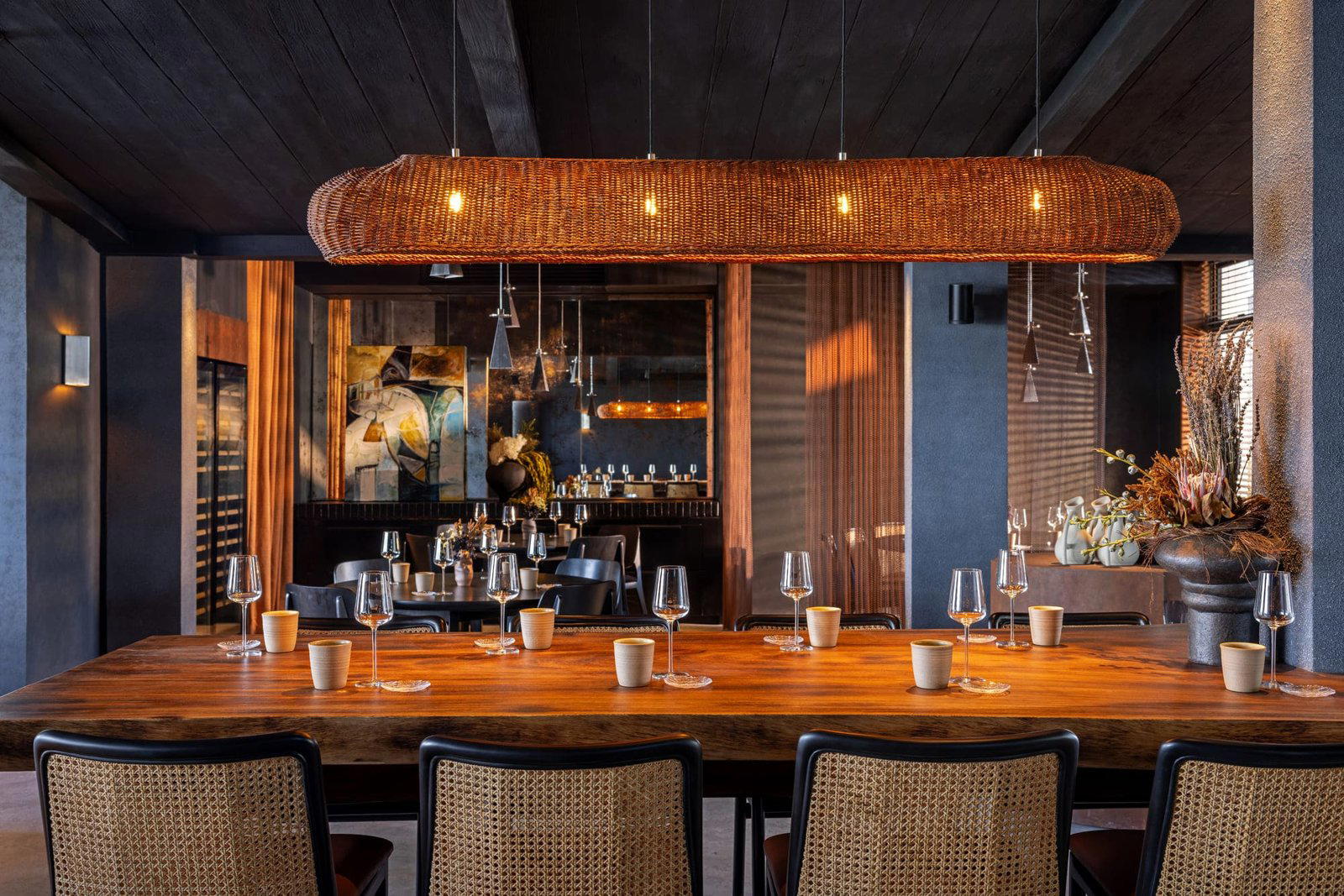
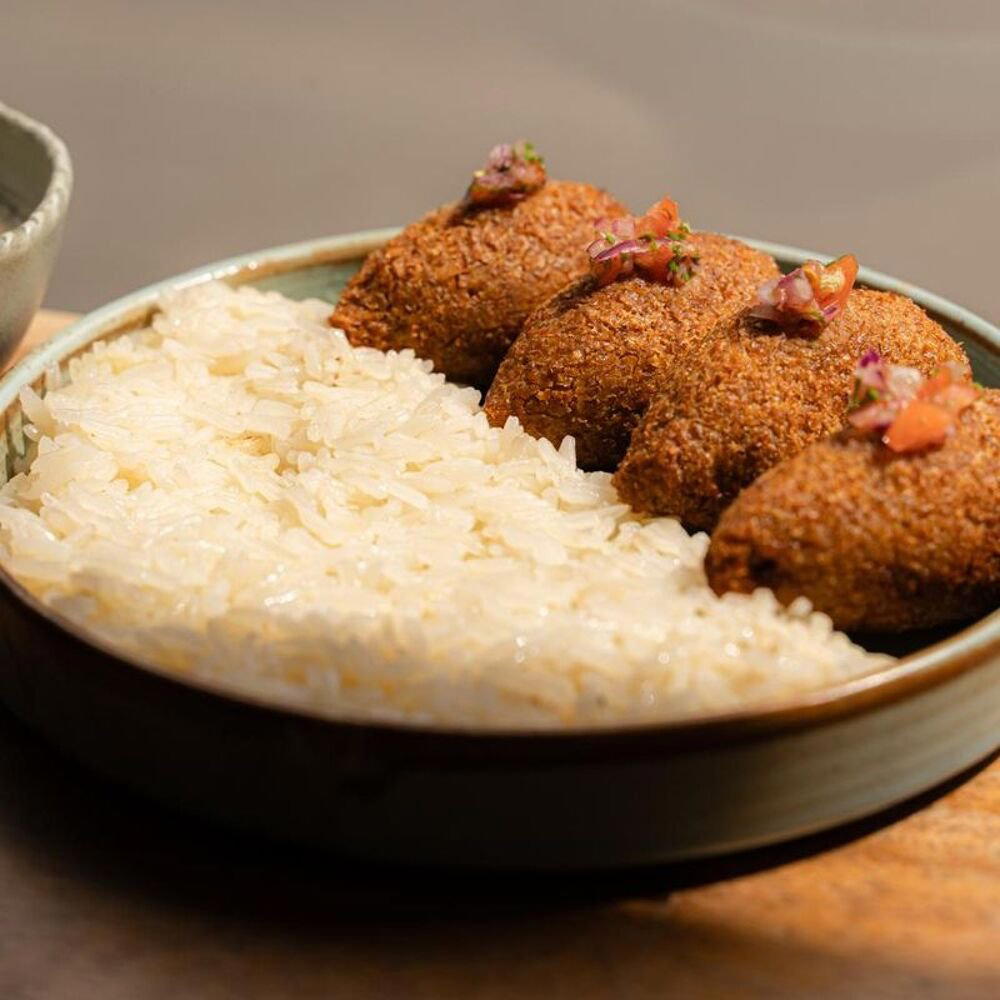
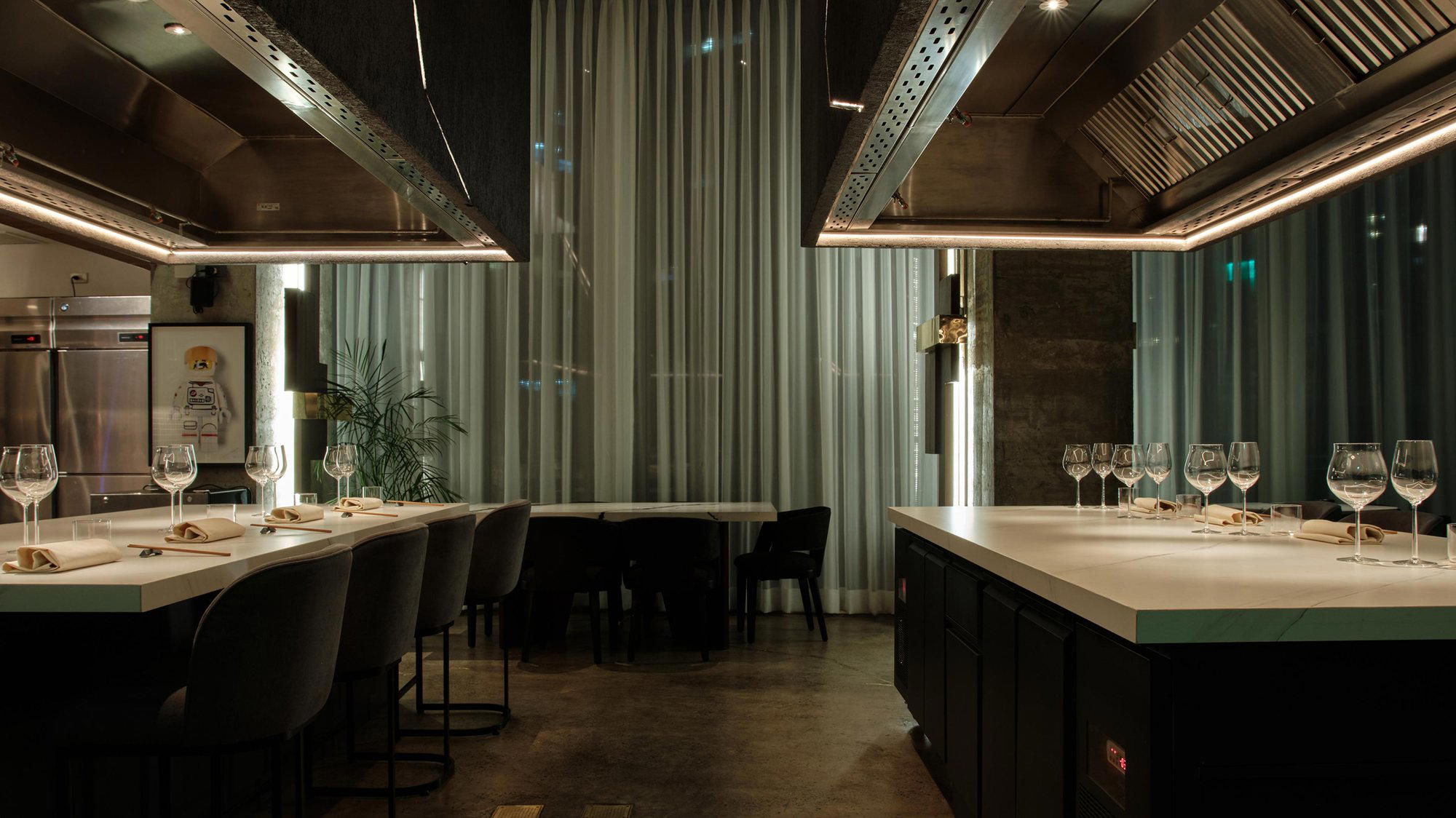
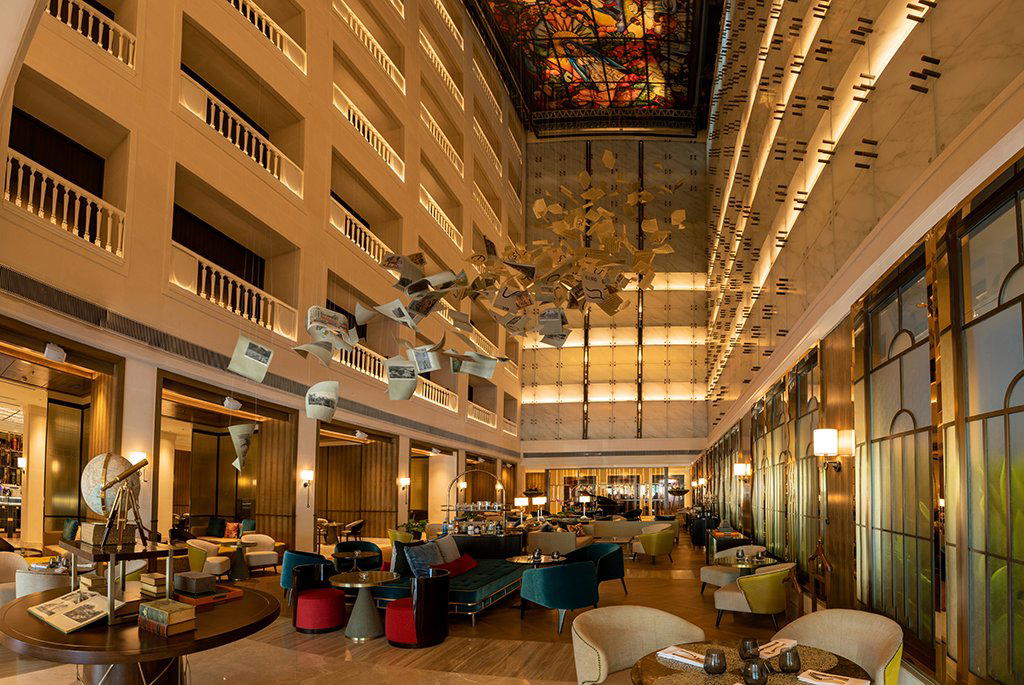
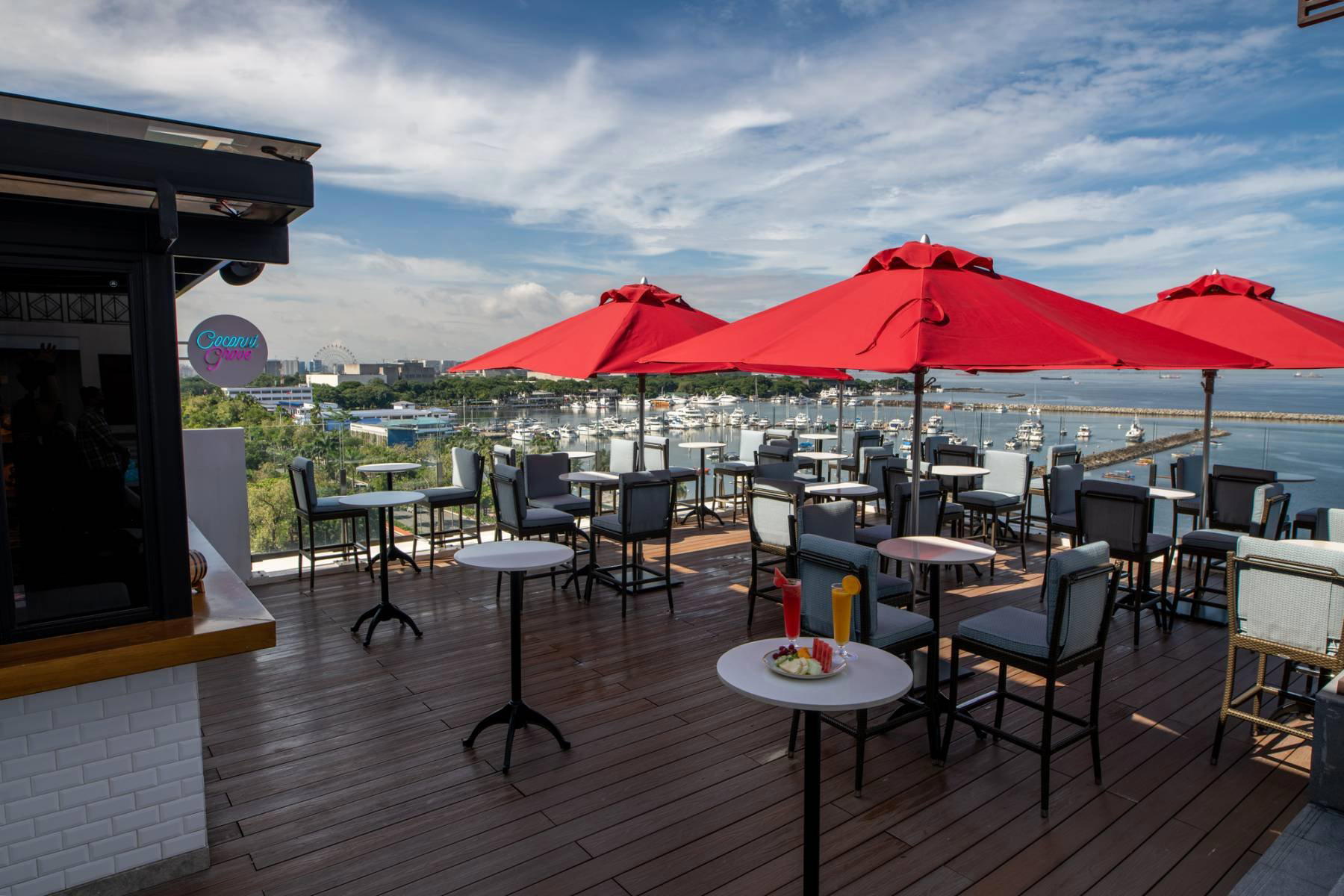
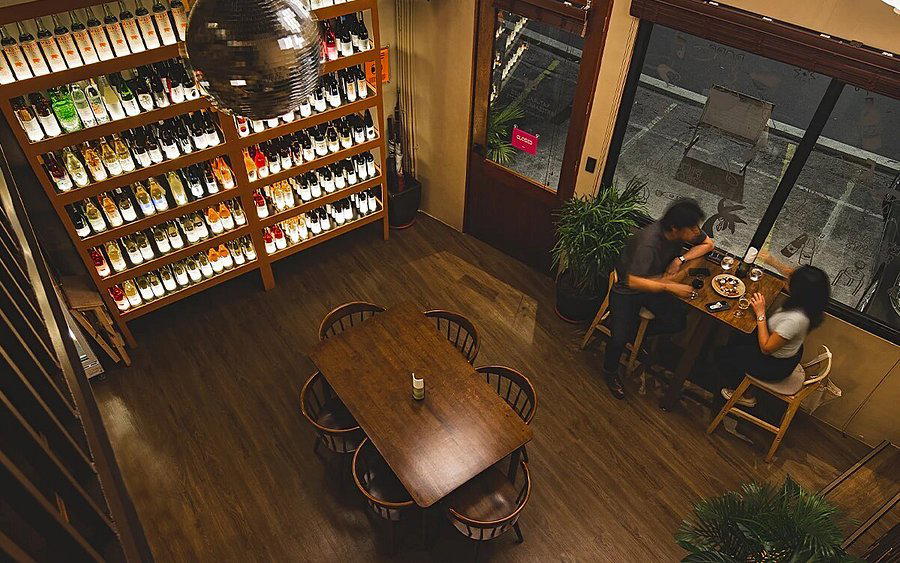
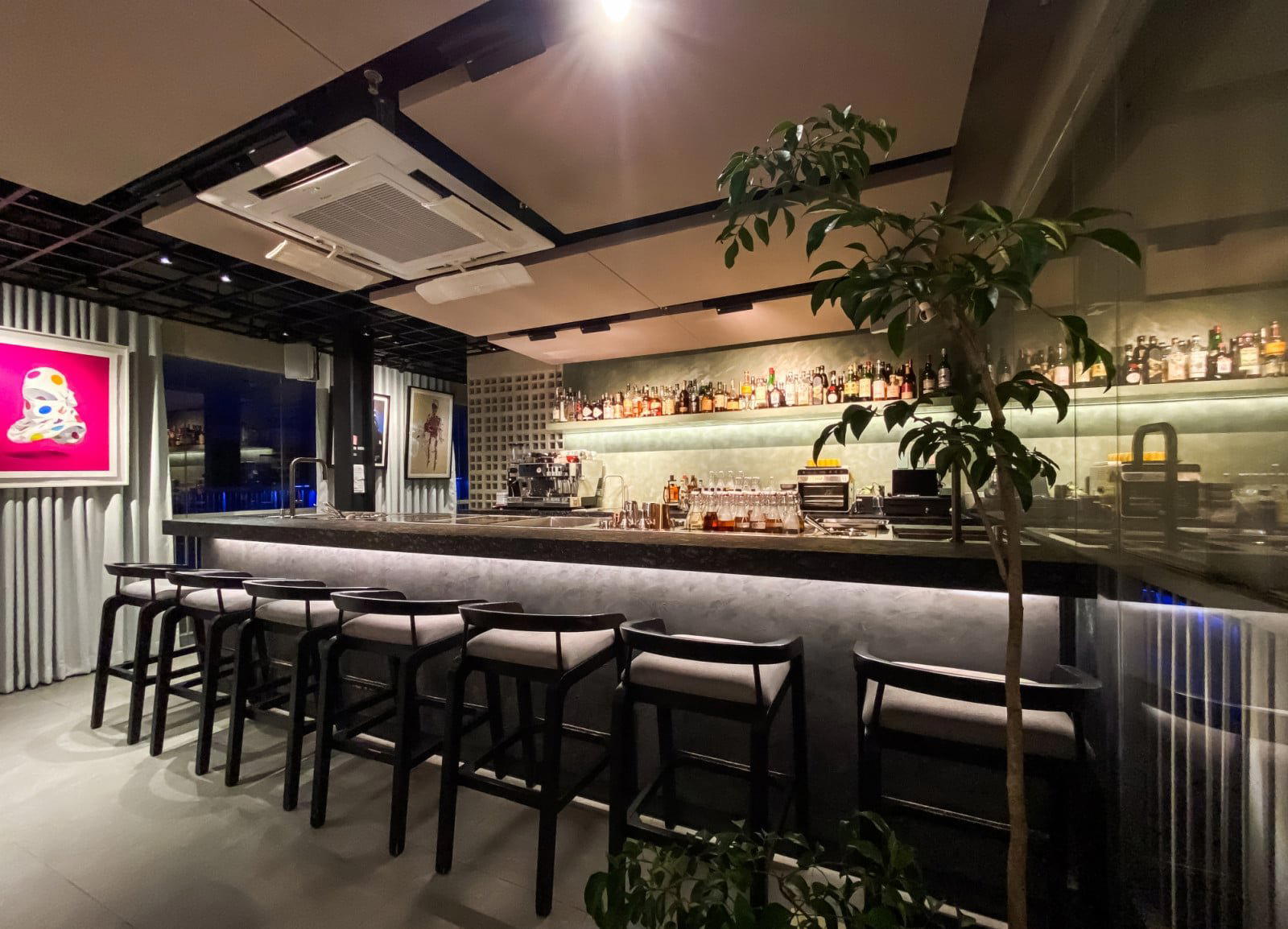
Elegant interiors with tiled floors, rattan chairs, striking decor, family photos, and a lush garden with koi pond; cozy dining areas that evoke traveling back in time with a warm, home-like atmosphere.