Mamma Mia Erlangen sits on Äußere Brucker Strasse in the western reaches of the city, representing the kind of neighbourhood Italian that Erlangen's dining scene relies on beyond its university-district cluster. The address places it outside the central restaurant corridor, drawing a local rather than tourist crowd. For Italian in Erlangen, it occupies a familiar and well-trodden category alongside peers like Basilikum Restaurant and Cantine Erlangen.
Pearl is the En Primeur Club membership app — saves, bookings, and concierge access live there. Same editors, same standards.
- Address
- Äußere Brucker Str. 132, 91052 Erlangen, Germany
- Phone
- +499131970297
- Directions
- Get directions
 Saves & bookings on Pearl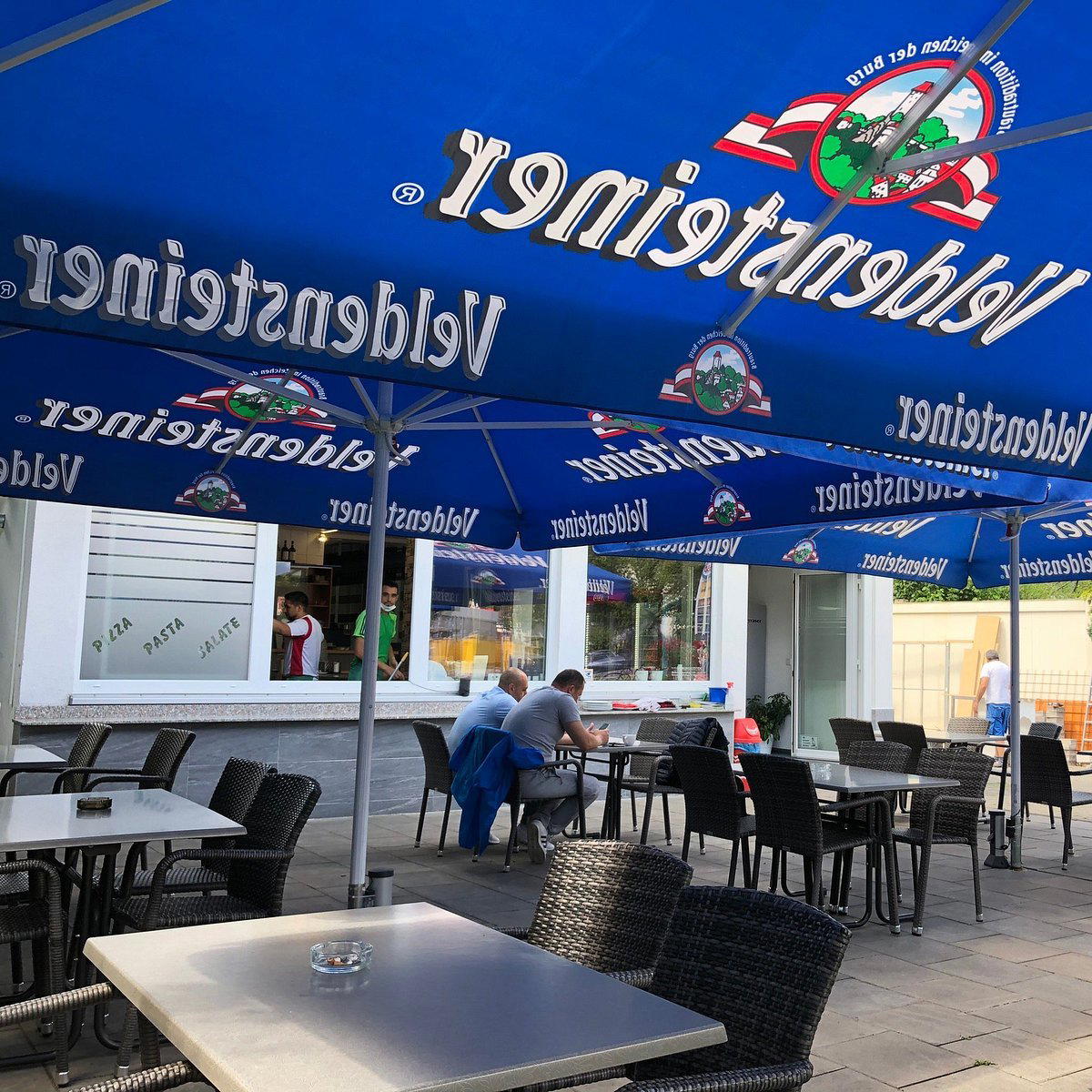
Erlangen's Italian Dining Tier and Where Mamma Mia Sits Within It
Mamma Mia Erlangen is an Italian Pizzeria in Erlangen, Germany, at Äußere Brucker Str. 132. The Franconian university town, home to around 115,000 residents and anchored by Friedrich-Alexander-Universität, has a dining scene that operates on neighbourhood logic rather than destination logic. Italian restaurants form a consistent layer of that scene, spread across the city's districts and serving a mixed clientele of students, academics, and long-established local families. In that context, Mamma Mia Erlangen, located at Äußere Brucker Str. 132 in the city's western zone, occupies a position familiar to any mid-sized German city: the dependable neighbourhood Italian that earns its reputation through repetition and proximity rather than through awards or press.
This segment of the market in Germany has grown more competitive over the past decade. Where Italian restaurants once operated with little differentiation, the rise of regional Italian specificity, Neapolitan pizza with certified flour and fermentation times, handmade pasta formats tied to specific southern or northern traditions, has created pressure on operators to define their offer more precisely. Erlangen's Italian options, including Basilikum Restaurant and Cantine Erlangen, each occupy slightly different positions within this spectrum. Mamma Mia's western address gives it a catchment area distinct from those more centrally positioned alternatives.
The Ritual of the Neighbourhood Trattoria
The dining ritual at this category of restaurant follows a well-understood grammar. You arrive without ceremony, you are likely recognised if you come regularly, and the menu moves at a pace set by the kitchen rather than by any tasting-menu protocol. This is not the format of Aqua in Wolfsburg or JAN in Munich, where the meal is structured as a sequence of decisions made weeks in advance. The neighbourhood Italian operates on a different contract with its guest: immediacy, familiarity, and a kitchen that has made the same dishes hundreds of times and knows how to execute them without drama.
That ritual has its own value. In German cities, where formal fine dining has its flagship addresses, Schwarzwaldstube in Baiersbronn, Vendôme in Bergisch Gladbach, Waldhotel Sonnora in Dreis, the majority of meals happen at exactly the kind of address Mamma Mia represents. The pacing is guest-led. Tables are not turned on a schedule. A glass of wine comes without a sommelier consultation. This format has retained its cultural relevance precisely because it resists the professionalization that has reshaped higher-end dining.
For a sense of how far that professionalization has gone at the other end of the spectrum, consider that CODA Dessert Dining in Berlin and ES:SENZ in Grassau operate with the kind of structural formality where every course arrives with contextual explanation. Mamma Mia's appeal is partly defined by the absence of that architecture.
Erlangen's Broader Restaurant Map
Understanding Mamma Mia requires understanding Erlangen's dining geography. The city's restaurant concentration follows the pedestrian zones and university buildings in the centre, with sparser coverage in the outer districts. The Äußere Brucker Strasse address places this restaurant in a residential-commercial strip that services the western neighbourhoods rather than passing visitors or weekend destination diners.
Erlangen's more talked-about restaurant options cluster closer to the centre. Das Muskat and Holzgarten, which operates a seasonal cuisine format at a €€ price point, sit in that more visible tier. Street food and quick-service formats like Cigkoftem Erlangen reflect the city's diverse, student-driven appetite for affordable, fast options. Mamma Mia operates between those poles: not fine dining, not street food, but the full-service sit-down Italian that functions as a weekly habit for its regulars. For a broader map of where Erlangen eats, the full Erlangen restaurants guide covers the city's options across categories and price points.
What the Italian Category Means in a Franconian Context
Franconia has its own strong food identity, bratwurst, Schäufele, the beer culture of Nuremberg and Bamberg, which means Italian restaurants exist in dialogue with a confident local tradition rather than filling a gap. Italian food in this region is not an exotic category. It has been present long enough to become ordinary, and ordinary is not an insult in this context. It means the cuisine has been absorbed into daily life rather than remaining a special-occasion format.
This normalisation has pushed Italian operators in Franconian cities to compete less on novelty and more on consistency, portion integrity, and price-value perception. The restaurants that have lasted in these markets have done so by understanding their regulars, not by chasing trends. At the high end of the German Italian spectrum, there are addresses with serious wine programs and regional specificity, but the bulk of Italian dining in cities like Erlangen sits in the middle register, where trust is built over years of repeated visits.
Internationally, the equivalent conversation about Italian dining tradition and rigour plays out at a different level entirely. Venues like Le Bernardin in New York City demonstrate what happens when a culinary tradition is distilled into its most precise expression. Atomix in New York City shows how a defined culinary identity can anchor an entire dining experience. The neighbourhood Italian operates on none of those principles, and that is precisely what makes it useful to its community.
Planning Your Visit
Mamma Mia Erlangen is located at Äußere Brucker Str. 132, 91052 Erlangen, in the western part of the city. The address is accessible by public transport from Erlangen's central station, which connects to Nuremberg via the S-Bahn in approximately 20 minutes. Visitors unfamiliar with the area should note that this is a residential district rather than a tourist corridor, meaning the surrounding streets offer limited alternative dining options if the restaurant is full. Current hours are Monday closed, Tuesday to Saturday 10:30 AM to 10 PM, and Sunday 11:30 AM to 10 PM. The restaurant is walk-in friendly. The dress code is casual.
What It’s Closest To
Comparable venues nearby, for context on price, style, and recognition.
| Venue | Cuisine | Price | Notes |
|---|---|---|---|
| Mamma Mia ErlangenThis venue — the venue you are viewing | Italian Pizzeria | $ | Not listed |
| Vulcani Del Sud Erlangen | Southern Italian | $$ | Eltersdorf |
| Restaurant Palmyra - Erlangen | Authentic Syrian | $$ | City Center |
| Cigkoftem Erlangen Inh. Z. Sunar | Vegan Turkish Çiğ Köfte | $ | Erlangen |
| Cantine Erlangen | Turkish Döner Kebab | $ | Not listed |
| La Martinez | South American Cocina Sudamericana | $$ | Schlossgarten |
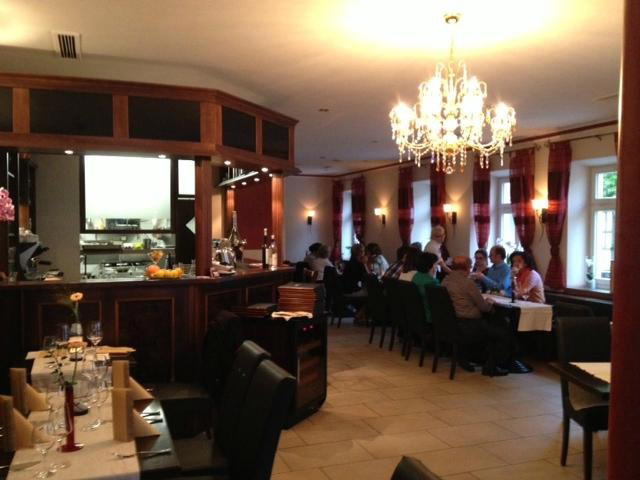
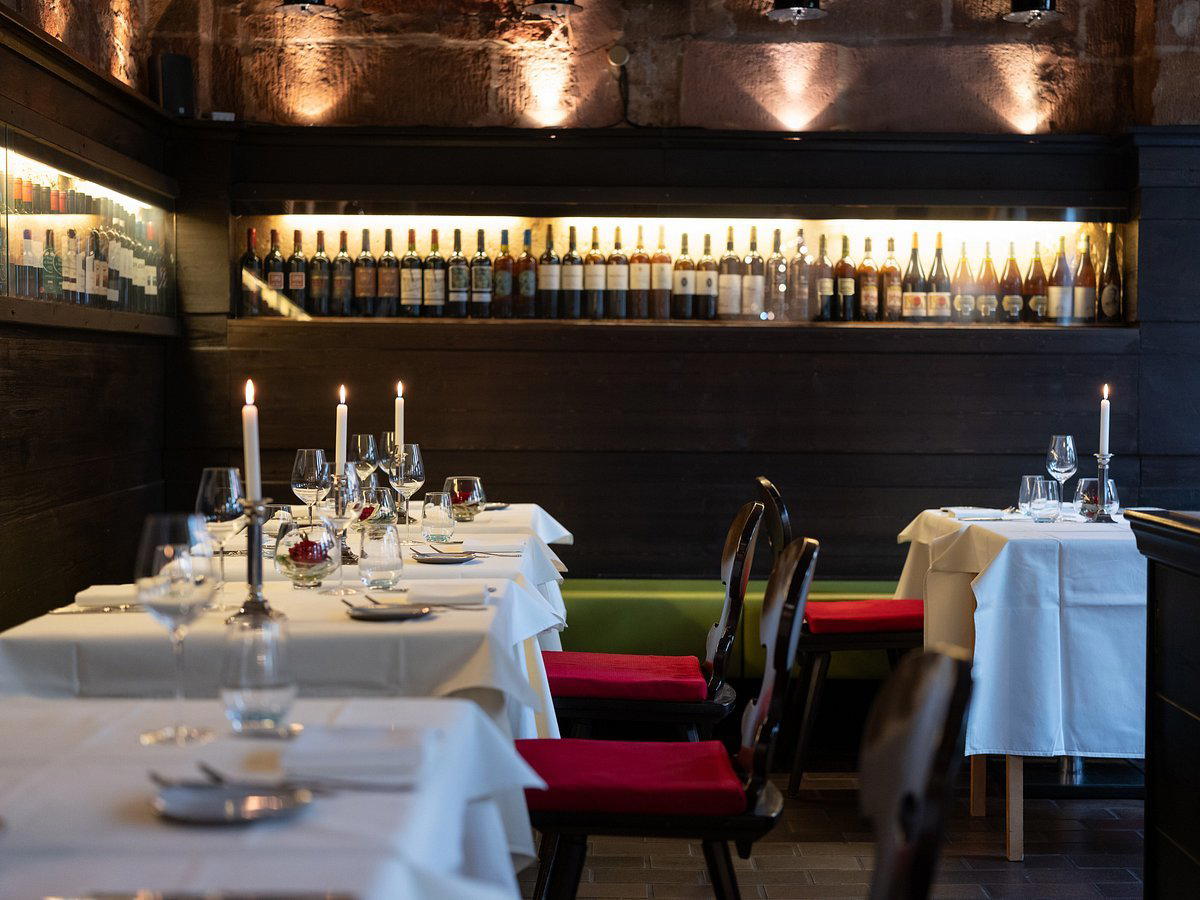
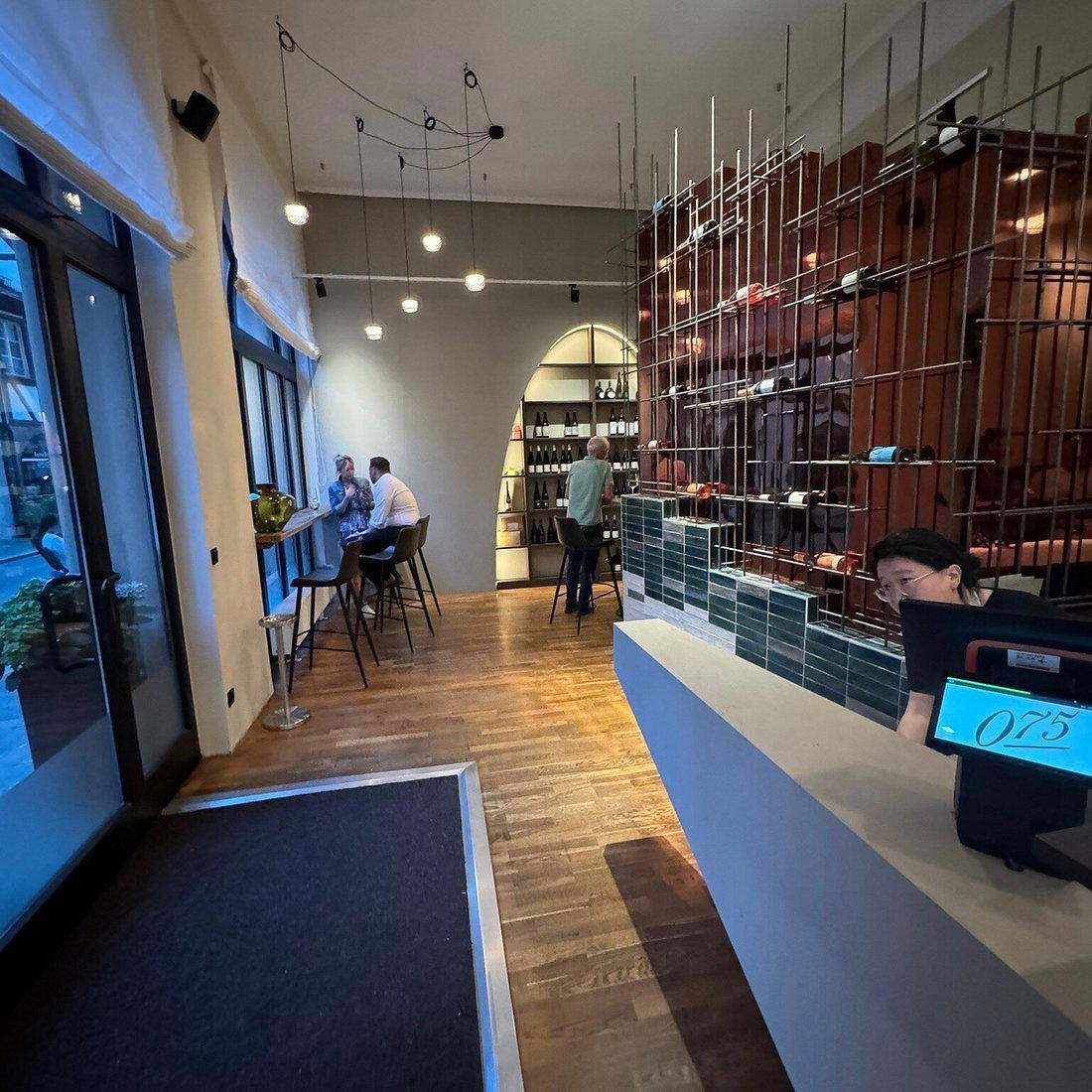
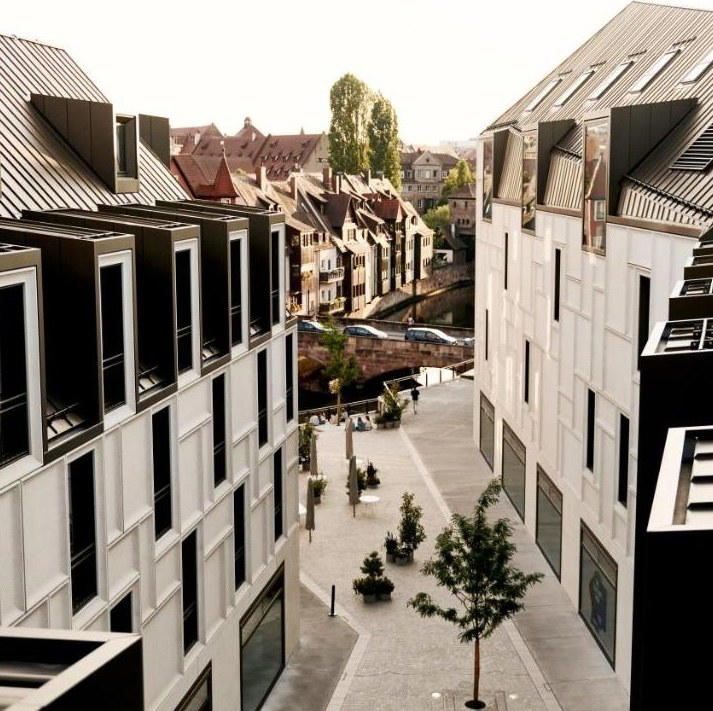
At a Glance
- Cozy
- Family
- Casual Hangout
- Open Kitchen
Current opening hours
- Monday
- Closed
- Tuesday
- 10:30 AM–10 PM
- Wednesday
- 10:30 AM–10 PM
- Thursday
- 10:30 AM–10 PM
- Friday
- 10:30 AM–10 PM
- Saturday
- 10:30 AM–10 PM
- Sunday
- 11:30 AM–10 PM
Hours can change for holidays and private events. Last verified .
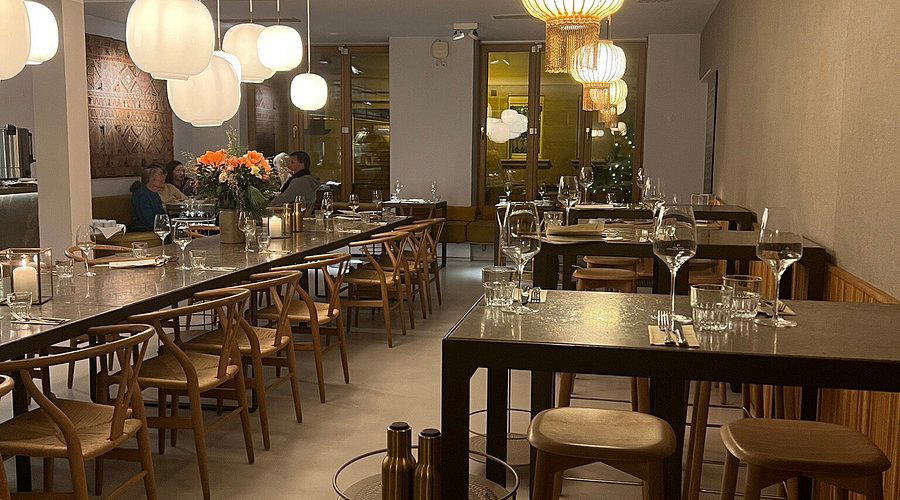
Wonderfully cozy atmosphere with an open kitchen.