A southern Italian address on Erlangen's Eltersdorfer Strasse, Vulcani Del Sud brings the volcanic-influenced traditions of Italy's deep south to a mid-sized Franconian city better known for its beer gardens than its Mediterranean table. The name gestures toward the southern regions where geography and soil shape what ends up on the plate, placing this among Erlangen's more distinct options for those seeking something beyond the regional German default.
Pearl is the En Primeur Club membership app — saves, bookings, and concierge access live there. Same editors, same standards.
- Address
- Eltersdorfer Str. 13, 91058 Erlangen, Germany
- Phone
- +4991311253666
- Website
- vulcani-erlangen.de
- Directions
- Get directions
 Saves & bookings on Pearl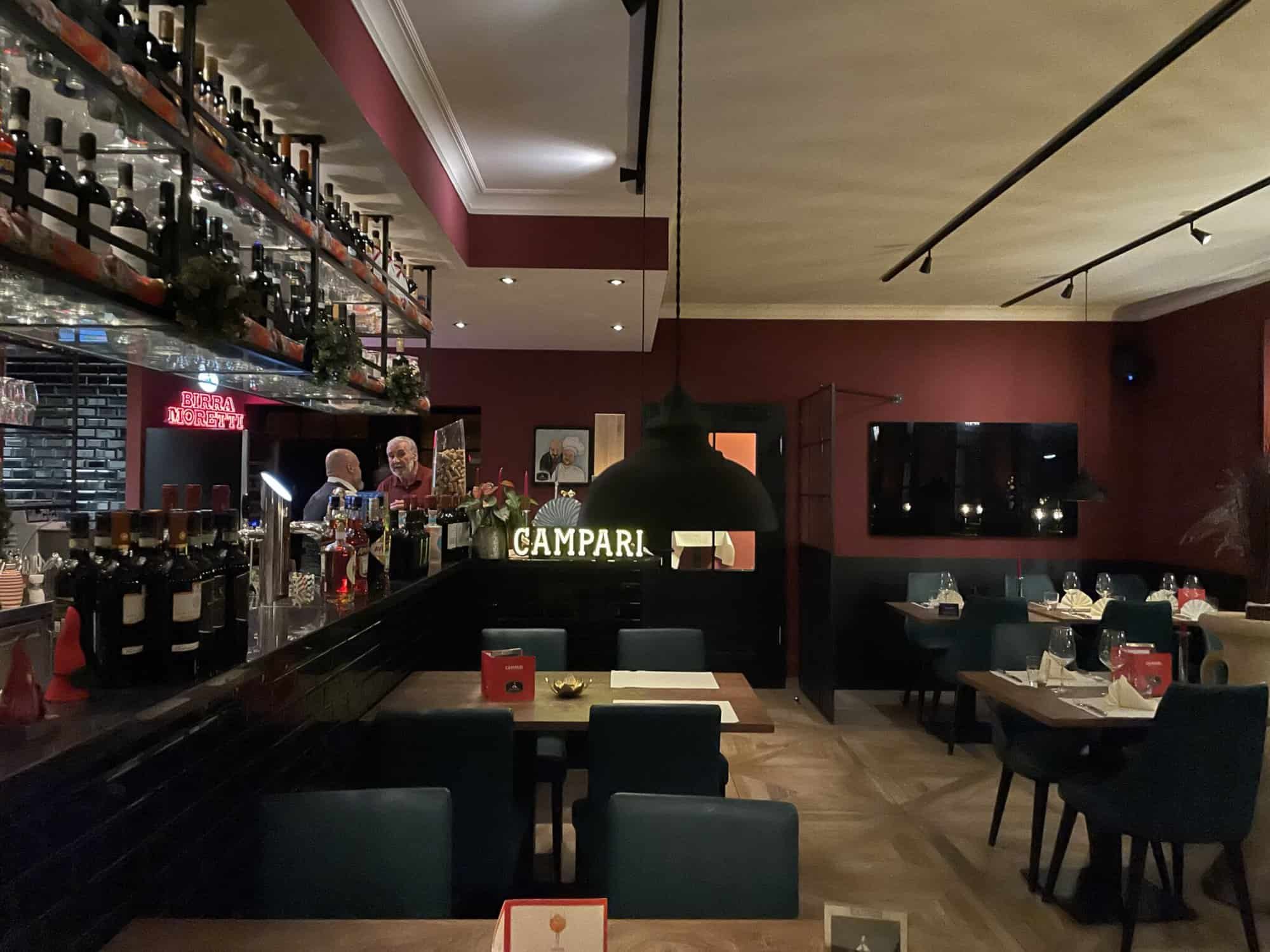
Southern Italian Cooking in a Franconian Context
Erlangen is not a city that announces itself as a dining destination. The university town of roughly 115,000 sits in the shadow of Nuremberg to the south, and its restaurant scene reflects that position: a functional mix of student-facing spots, reliable German taverns, and the occasional outlier that suggests someone here is paying close attention to what is happening elsewhere. Vulcani Del Sud, on Eltersdorfer Strasse 13, falls into that outlier category. The name, which translates loosely to "Volcanoes of the South," signals a specific geographical and culinary orientation: the deep south of Italy, where volcanic soils in Sicily, Campania, and Calabria define what grows, what tastes of something, and what eventually makes it to the table.
That framing matters more than it might initially appear. Southern Italian cooking occupies a distinct position within Italian cuisine more broadly, and within Germany it is often flattened into a generic "Italian restaurant" category that serves the same pizza-pasta-tiramisu circuit regardless of regional origin. The restaurants that push back against that flattening tend to anchor themselves in sourcing logic: the argument that if the ingredients come from the right places, the cooking follows. Whether Vulcani Del Sud takes that position with full conviction is something a visit to Eltersdorfer Strasse 13 would confirm, but the name alone places a stake in the ground.
What Volcanic Soil Actually Means for the Plate
The link between volcanic geography and ingredient quality is well-documented in Italian food culture. The slopes of Etna in Sicily produce tomatoes, pistachios, and grapes with a mineral intensity that flat-grown equivalents rarely match. Campania's Vesuvian zone gives the world San Marzano tomatoes, which carry a protected designation of origin precisely because the soil composition is considered irreplaceable. Calabria's chilli-heavy larder and the nduja tradition that has spread through European restaurant culture in the past decade both originate in a region shaped as much by geology as by poverty and preservation necessity.
A restaurant name that invokes these volcanoes is, in effect, making a sourcing argument before a single dish is ordered. It positions the kitchen as one interested in provenance rather than approximation. In the context of Erlangen's dining scene, where Holzgarten takes a seasonal-sourcing approach to German-leaning cuisine and where venues like Basilikum Restaurant, Cantine Erlangen, and Das Muskat represent different points on the local quality spectrum, a southern Italian address with this kind of positioning occupies its own lane.
The Scene at Eltersdorfer Strasse
Eltersdorfer Strasse runs through the southern edge of Erlangen, a quieter stretch that sits away from the pedestrianised centre and the university quarter. Eating here requires intent: you come because you chose this address, not because you wandered past it. That kind of location tends to self-select for a dining room where guests arrive with some expectation already formed, which shifts the atmosphere relative to tourist-adjacent or high-footfall spots in the city centre.
Southern Italian restaurants in Germany's mid-tier cities have historically occupied two registers: the affordable neighbourhood trattoria that serves as a reliable weekly option, and the more considered address where the cooking is treated as a subject in itself. The physical environment of a restaurant signals which register it inhabits before the menu arrives. At an address like this one, with a name that reaches for a specific Italian geography, the expectation leans toward the latter.
Erlangen in the Broader German Dining Picture
Germany's most decorated tables are dispersed across the country in a pattern that rewards travel: Aqua in Wolfsburg, JAN in Munich, Schwarzwaldstube in Baiersbronn, Vendôme in Bergisch Gladbach, ES:SENZ in Grassau, Victor's Fine Dining by Christian Bau in Perl, Waldhotel Sonnora in Dreis, Restaurant Haerlin in Hamburg, and Schanz in Piesport represent the upper tier. Concepts like CODA Dessert Dining in Berlin show the country's willingness to experiment structurally with format and coursework. Erlangen sits outside that award-circuit geography, but that absence is not an indictment: some of Germany's most genuinely local and characterful cooking happens in cities that inspectors rarely make the detour to visit.
The international comparison is instructive too. Restaurants like Le Bernardin in New York City or Atomix in New York City operate within highly scrutinised, award-dense environments where every sourcing decision is a public statement. In a city like Erlangen, sourcing choices are made with less external pressure and more local context, which can produce either laziness or genuine conviction depending on who is running the kitchen.
Planning a Visit
Vulcani Del Sud sits at Eltersdorfer Strasse 13 in the southern part of Erlangen. No website or phone number is listed in current records, which means one reliable approach is to visit in person to confirm current hours and availability, or to ask locally. Erlangen is accessible by train from Nuremberg in under 20 minutes, making a combined city visit a practical option for those based in or travelling through the Franconian region. For a broader look at where to eat across the city, the full Erlangen restaurants guide maps the scene in detail, including the range from approachable spots like Cigkoftem Erlangen to the more considered addresses the city supports.
Continue exploring
More in Erlangen
Restaurants in Erlangen
Browse all →
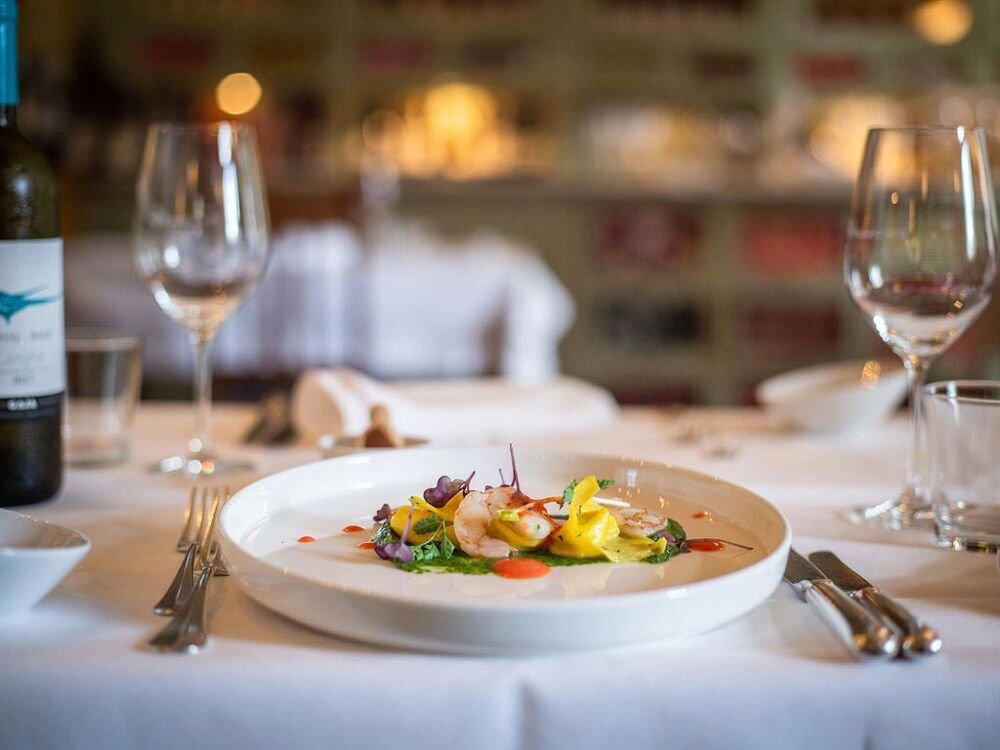
Bars in Erlangen
Browse all →
Hotels in Erlangen
Browse all →

At a Glance
- Cozy
- Modern
- Date Night
- Family
- Casual Hangout
- Craft Cocktails
Current opening hours
- Monday
- 5:30–11 PM
- Tuesday
- Closed
- Wednesday
- 5:30–11 PM
- Thursday
- 5:30–11 PM
- Friday
- 5:30–11 PM
- Saturday
- 5:30–11 PM
- Sunday
- 11:30 AM–2 PM, 5:30–11 PM
Hours can change for holidays and private events. Last verified .
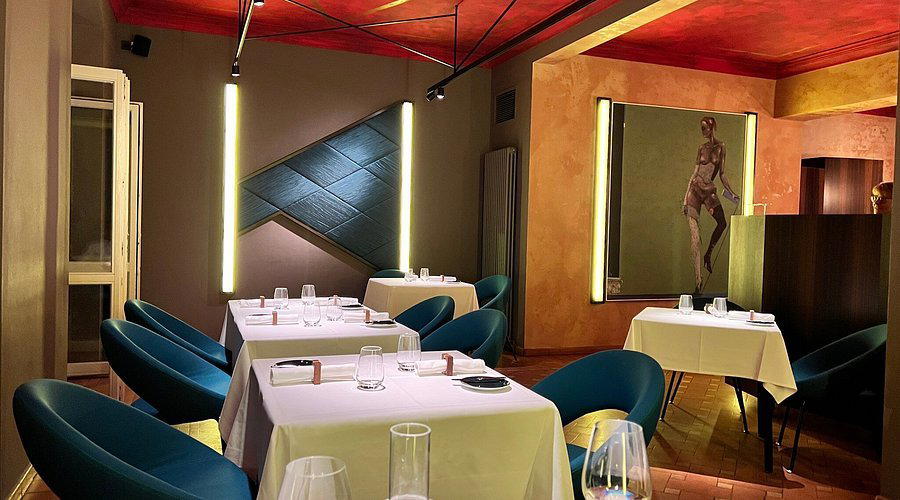
Cozy and modern with warm lighting, detailed Italian decor, creating a welcoming and relaxed atmosphere.