On Linnankatu in central Turku, Mami occupies a stretch of the city's older riverside quarter where the dining scene has grown more considered in recent years. The restaurant sits in a neighbourhood that has drawn several of Finland's more interesting mid-scale operations, placing it in a comparable set defined less by spectacle than by the quality of what arrives at the table.
 Discover on Pearl
Pearl is the En Primeur Club membership app — saves, bookings, and concierge access live there. Same editors, same standards.
- Address
- Linnankatu 3, 20100 Turku, Finland
- Phone
- +35822311111
- Website
- mami.fi
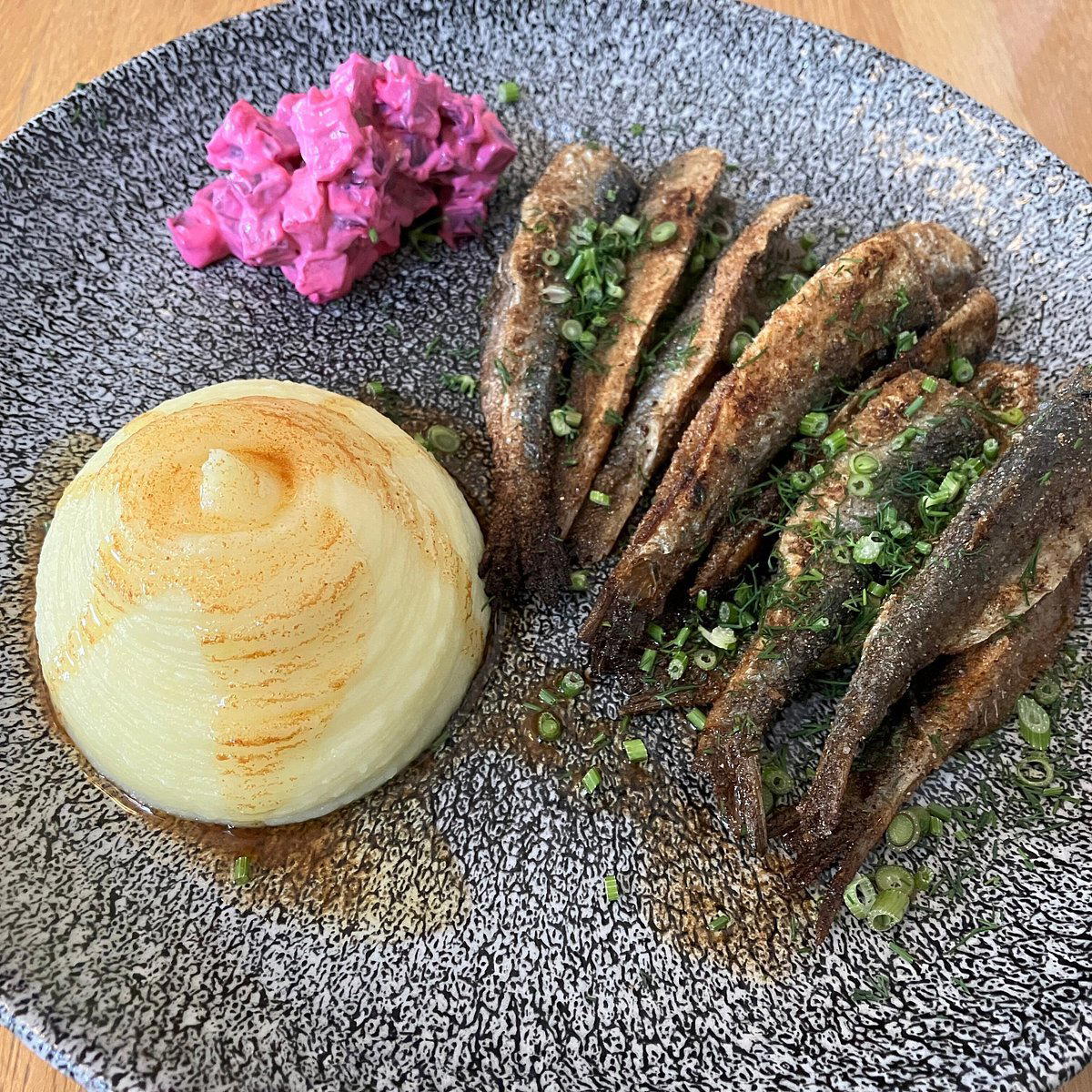
Linnankatu and the Quieter End of Turku's Dining Ambition
Turku's restaurant culture has always operated at a slight remove from Helsinki's more publicised scene, and that distance has proved useful. Freed from the pressure to compete with the capital's award-cycle venues, a handful of addresses along Linnankatu and the surrounding riverside streets have developed something more durable: a sense of place that reads in the room before the menu arrives. Mami is a restaurant in Turku at Linnankatu 3, serving Nordic Bistro with French Influences at a smart casual, recommended-reservation address.
The broader Turku dining scene has matured considerably over the past decade. Kaskis, the city's most internationally referenced table, operates at the €€€€ tier with a New Nordic tasting format that benchmarks against Helsinki fine dining. What has developed around it is a secondary tier of restaurants with distinct identities rather than scaled-down versions of the same format. Mami occupies this secondary tier, where the expectations are different and, in some ways, more demanding: there is less structural scaffolding provided by a prestige format, so the cooking and the room have to do more work on their own terms.
The Logic of Collaboration in a Smaller Room
In Finnish restaurant culture outside the capital, the relationship between kitchen, floor, and drinks programme tends to be more compressed than in a major metropolitan setting. There are fewer layers of management, fewer specialists insulated from one another. This compression can produce either inconsistency or a kind of coherence that larger operations struggle to replicate, because the people responsible for the food, the wine, and the pace of service are often working within direct sight of each other throughout the evening.
The editorial angle that matters for a restaurant in Mami's position is not chef biography but team dynamic. In the better examples of this format across Scandinavia and Finland, the sommelier or drinks lead functions as an editorial counterpart to the kitchen: not simply matching wine to dishes but shaping the rhythm of the meal alongside the front-of-house. At venues like VÅR in Porvoo or Bistro Henriks in Tampere, the tightest versions of this model show in meals where the transition between courses feels managed rather than mechanical. The question for any restaurant in Turku's mid-tier is whether that integration is present or merely implied by the format.
The Turku venues that have held attention over time, including Bar4 and Brasserie Amelie, share a tendency toward relatively focused menus rather than expansive lists. This is partly a function of supply: Turku's position on the southwest Finnish coast means strong access to Baltic and archipelago produce, and the better restaurants here have learned to let that access drive the menu's scope rather than defaulting to a pan-European range. E. Ekblom and Kakolanruusu represent other points on the same map, each working within the city's particular geography of ingredients and atmosphere.
Where Mami Sits in the Regional Picture
Positioning Mami against its Finnish peers requires some honesty about what verified data allows. The venue's address on Linnankatu places it in a part of Turku with established residential and commercial character, not in a newly developed district. That matters because the dining culture in older urban fabric tends to be different from destination-district openings: the clientele is more local, the format more settled, and the pressure to perform for out-of-town visitors is lower. This is not a disadvantage. Some of the most consistent restaurants in Nordic cities operate precisely in this register.
At the national level, the comparison set for a Turku restaurant of this type extends to venues across smaller Finnish cities. Figaro in Jyväskylä, Filipof in Joensuu, and Hejm in Vaasa each demonstrate that serious cooking in Finnish regional cities does not require the infrastructure of Helsinki to function. Gösta in Mänttä and Vintti in Hameenlinna extend this further into smaller markets. Against this backdrop, Turku has an advantage in population density and tourism infrastructure, including the river corridor and proximity to the archipelago, that gives its restaurants a broader draw than most regional Finnish cities can manage.
At the international end of the scale, the reference points are inevitably different. Restaurants like Palace in Helsinki or, further afield, Le Bernardin in New York City and Atomix in New York City operate in a tier defined by sustained critical recognition and structural prestige. The mid-tier regional restaurant in a city like Turku is not in competition with those venues, but the habits they have established, around seasonal sourcing, drinks programme integration, and front-of-house calibration, have filtered down through Finnish dining culture in visible ways over the past decade. Hai Long in Rovaniemi and JJ's BBQ in Salo show how differently that influence can express itself depending on city and format.
Planning a Visit
Linnankatu is walkable from the main railway station and from the river ferry connections, which makes the address practical for visitors arriving without a car. Turku's compact centre means that the distance between the cathedral quarter, the market hall, and the riverside restaurant strip is rarely more than fifteen minutes on foot, so a dinner at Mami fits naturally into an itinerary that might also include one of the city's daytime cultural sites.
Reservations are recommended, and the dress code is smart casual.
Budget and Context
Comparable venues nearby, for context on price, style, and recognition.
| Venue | Cuisine | Price | Awards | Notes |
|---|---|---|---|---|
| MamiThis venue — the venue you are viewing | $$$ | , | ||
| Roster | $$$ | , | Central Turku, World Flavors Bistro with Japanese Fusion | |
| Sergio's | $$ | , | Aurajoki, Authentic Italian Pizza and Pasta | |
| E. Ekblom | Central Turku, Modern Finnish Bistro | $$ | , | |
| Ravintola Karu Izakaya | $$$ | , | Turku city centre, Modern Japanese Izakaya | |
| Kakolanruusu | $$$ | , | Kakolanmäki, Open-fire Nordic Fine Dining |
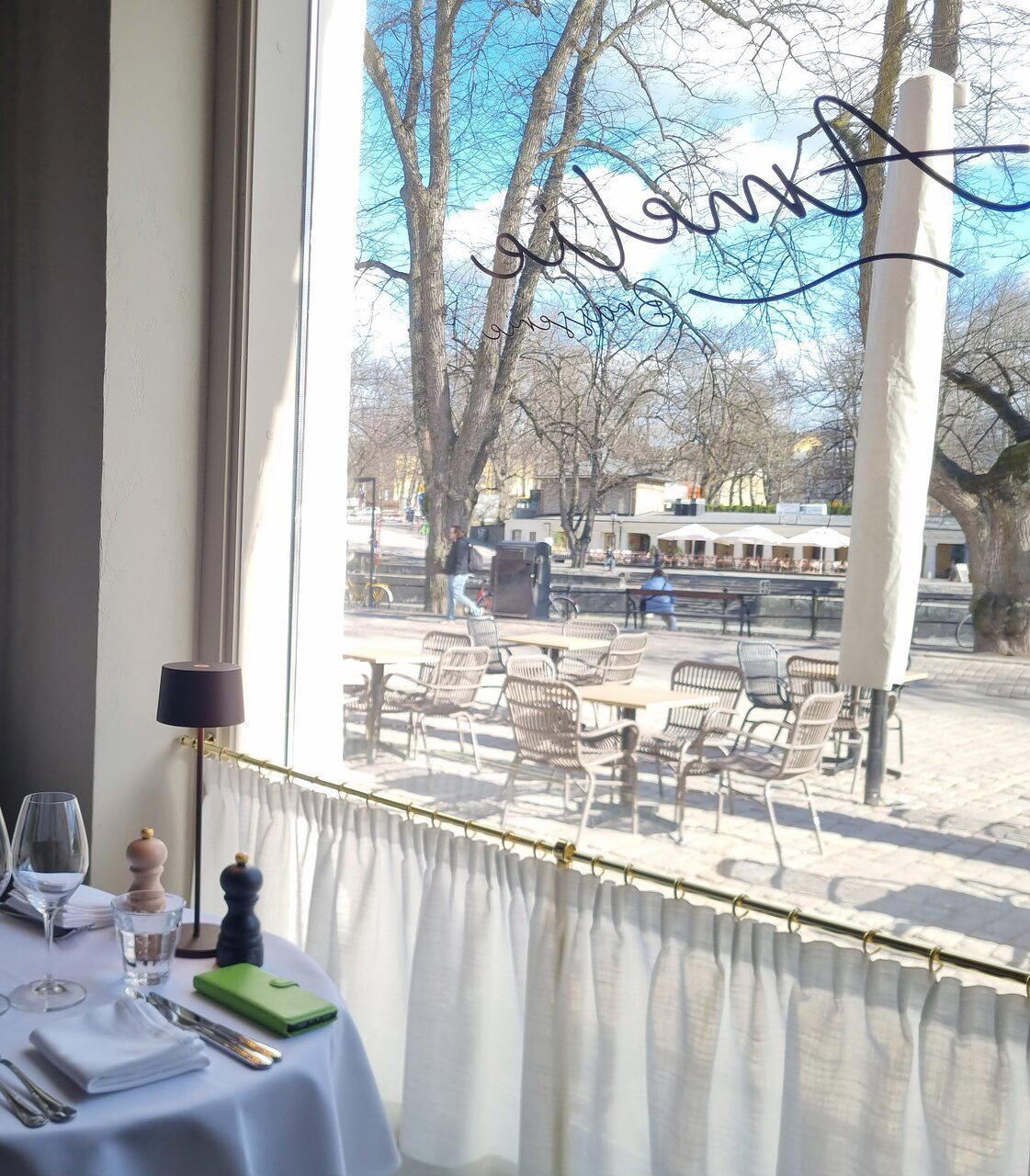
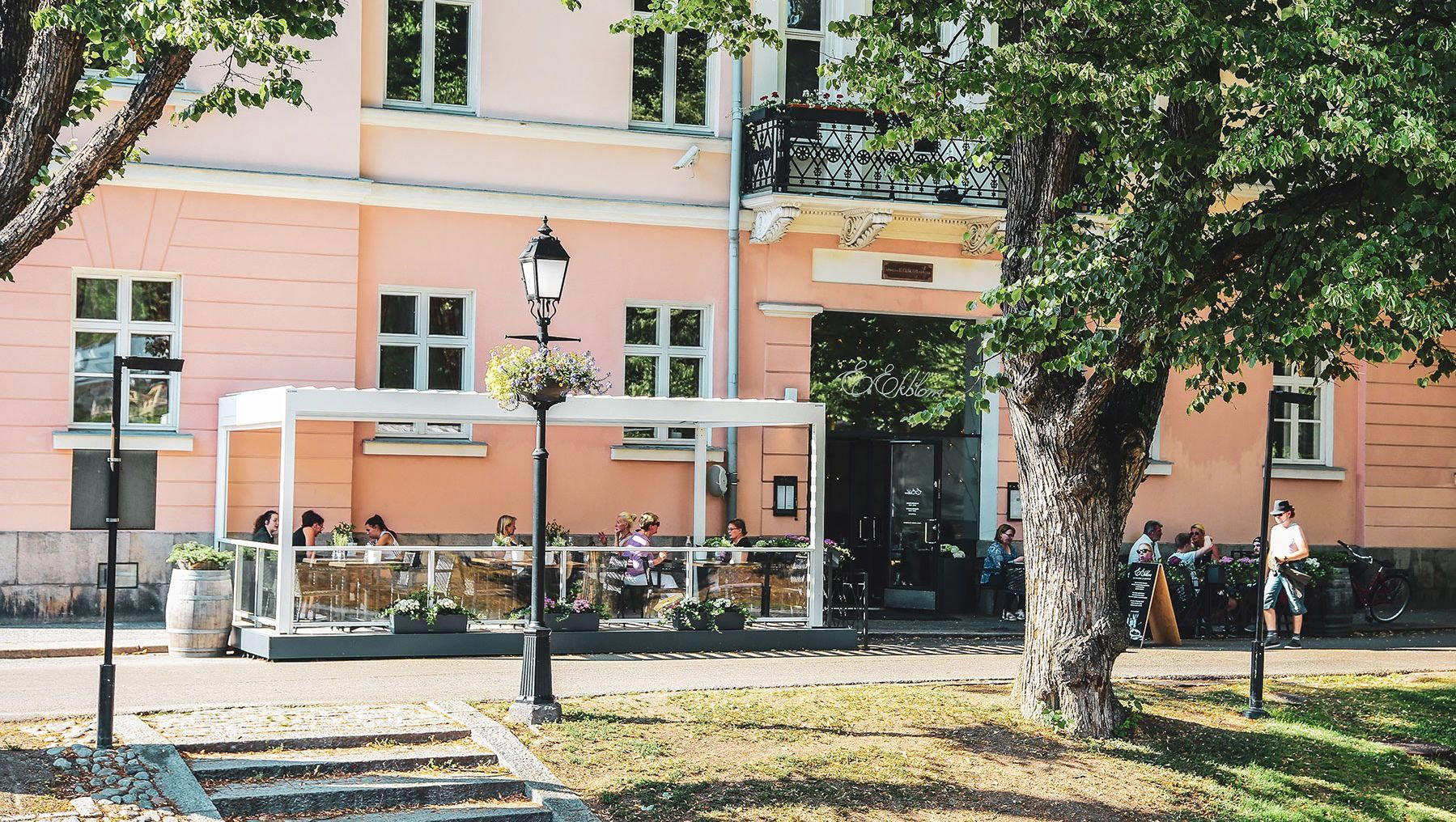
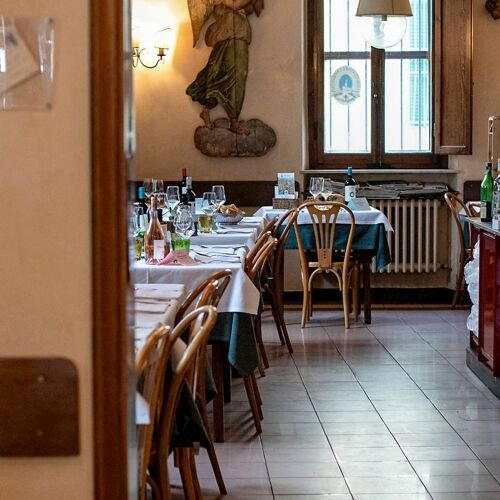
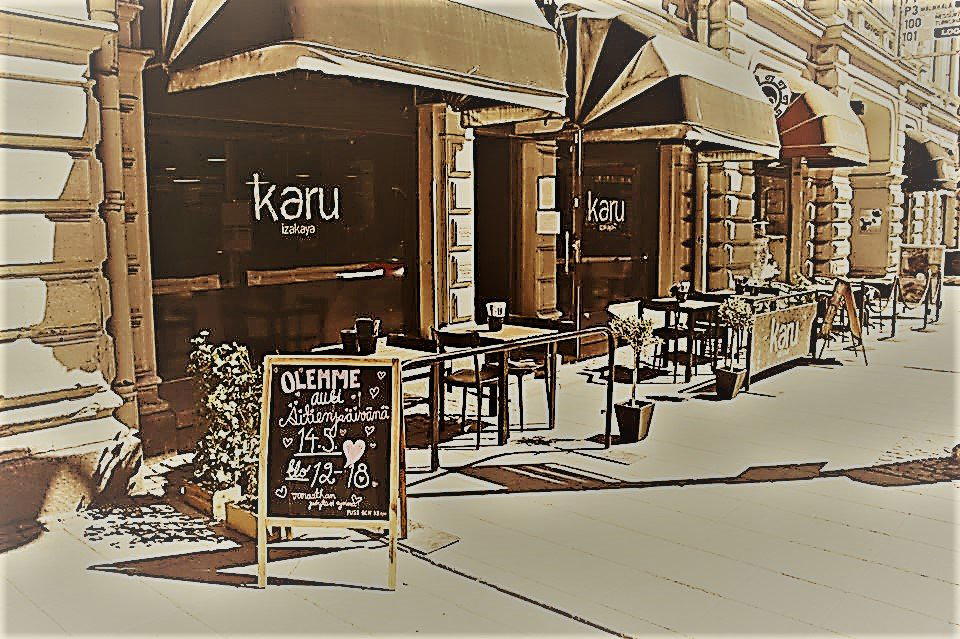
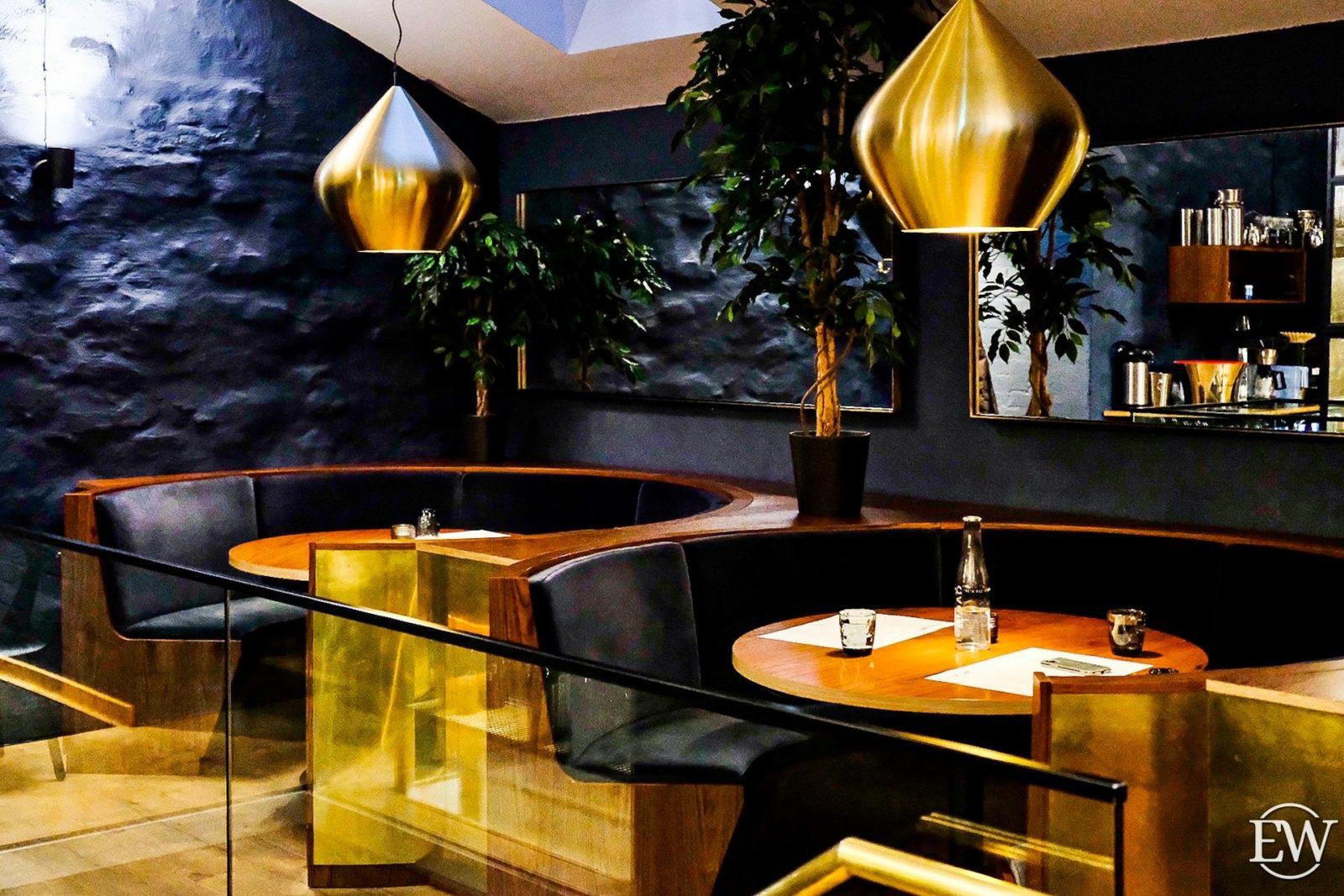
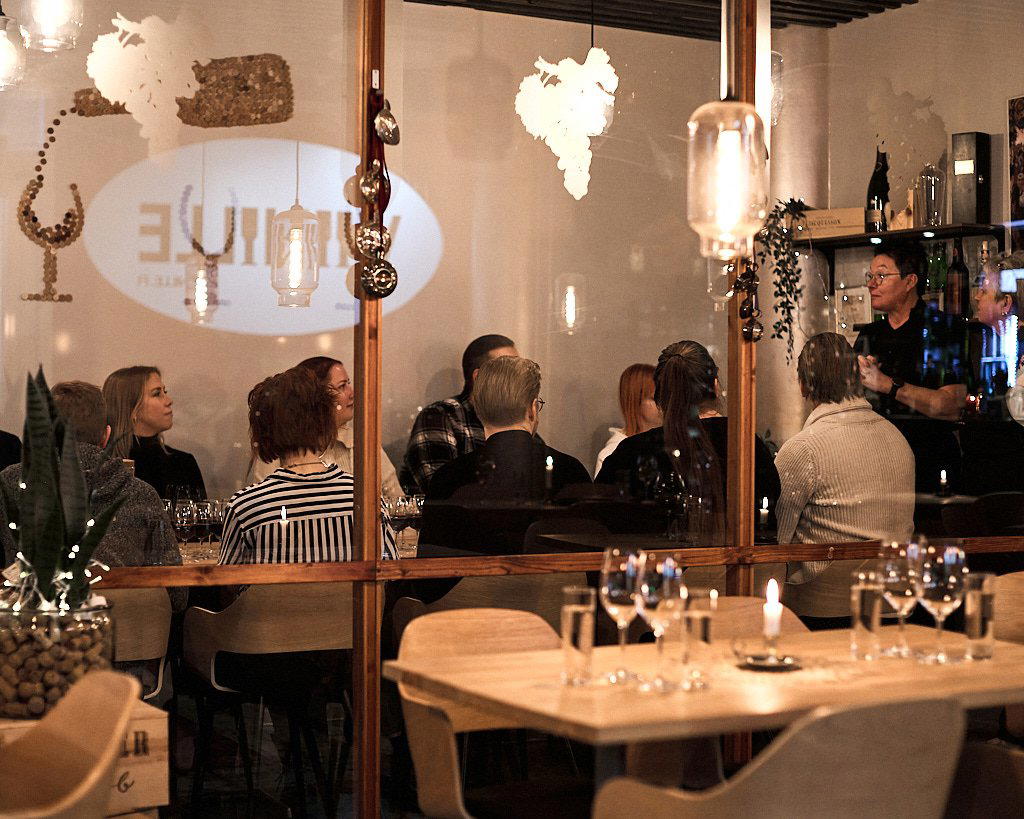
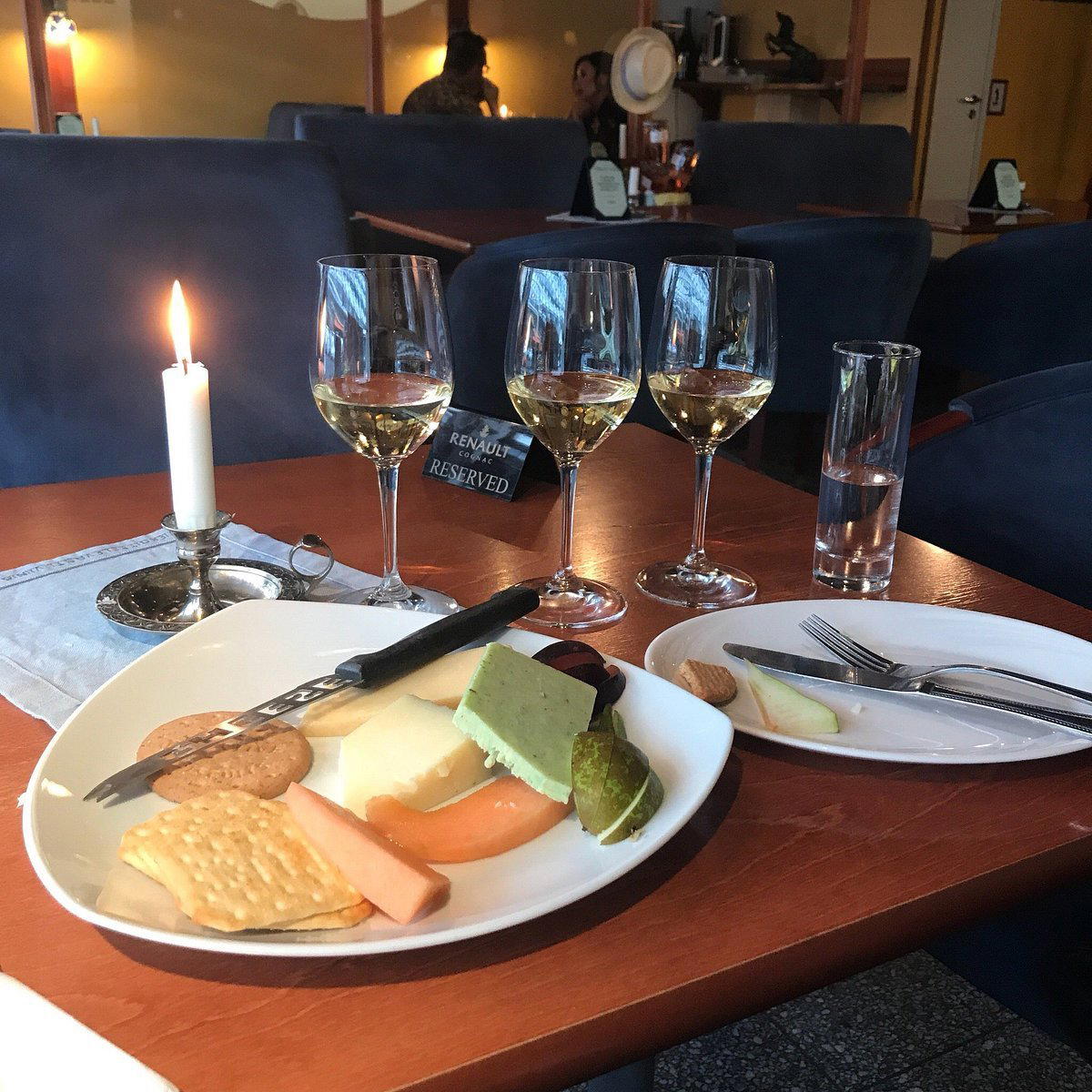
At a Glance
- Cozy
- Modern
- Relaxed
- Lunch
- Dinner
- Terrace
- Historic Building
- Extensive Wine List
- Local Sourcing
- Waterfront
- Street Scene
Cosy and modern surroundings with a relaxed yet refined atmosphere.