
Kakolanruusu occupies a distinctive address on Graniittilinnankatu in central Turku, placing it within reach of the city's compact dining corridor. With Turku's restaurant scene maturing rapidly around New Nordic and modern Finnish formats, Kakolanruusu holds a position that rewards advance planning. Visitors exploring southwestern Finland's dining options should treat this as an early booking on any Turku itinerary.
Pearl is the En Primeur Club membership app — saves, bookings, and concierge access live there. Same editors, same standards.
- Address
- Graniittilinnankatu 2F, 20100 Turku, Finland
- Phone
- +358442230200
- Website
- kakolanruusu.fi
- Directions
- Get directions
 Saves & bookings on Pearl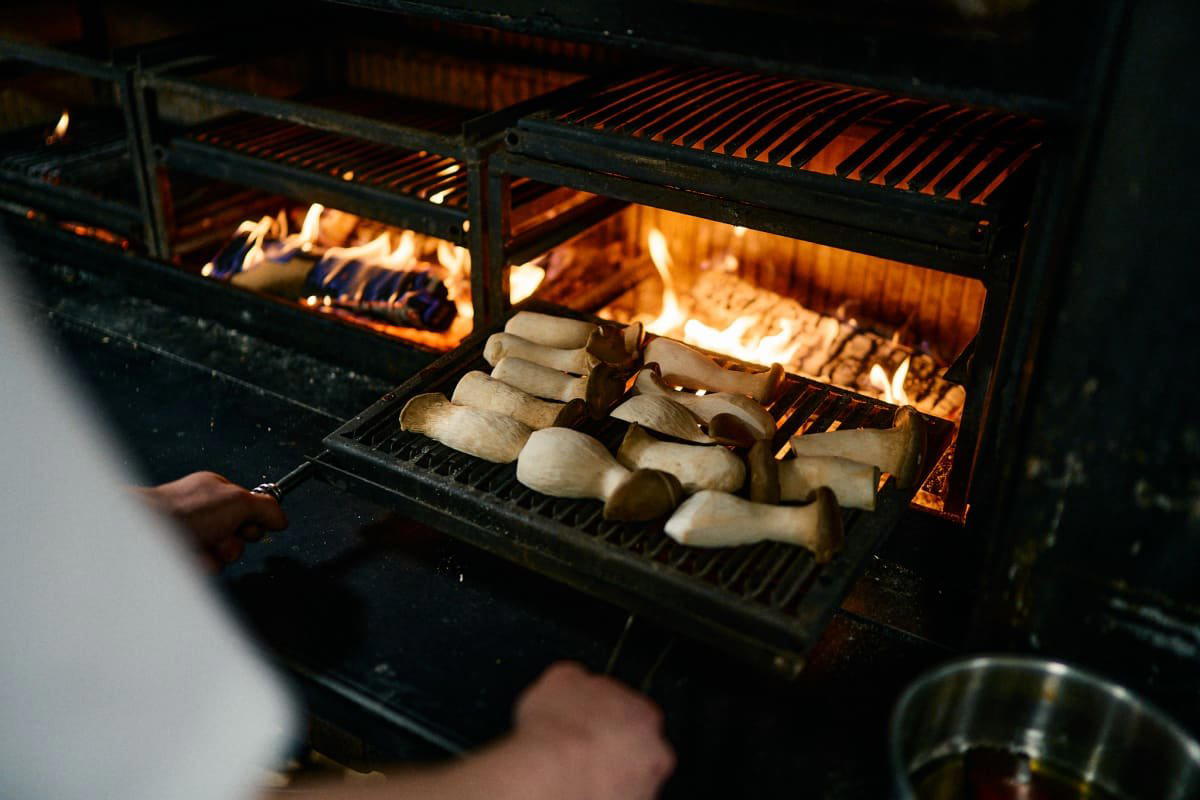
Dining Inside Turku's Old Prison Quarter
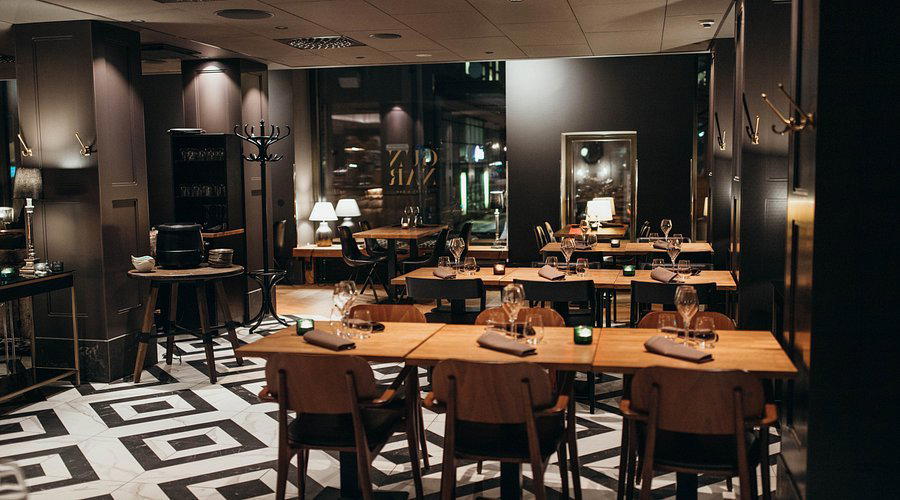
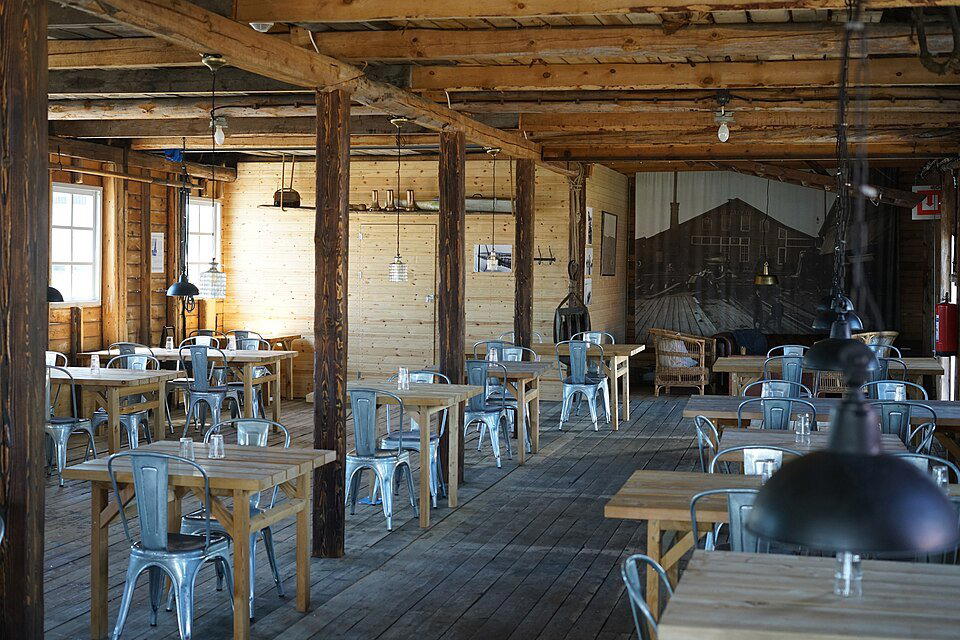
The approach to Graniittilinnankatu 2F sets a particular tone. Turku's Kakola hill, once the site of Finland's most storied prison complex, has undergone a notable conversion, with thick granite walls and vaulted corridors now giving way to residential and hospitality uses. Kakolanruusu sits within this fabric, which means that before a single dish arrives, the physical environment has already made an argument about place, weight, and Finnish history.
What Turku's Dining Scene Looks Like Right Now
Turku has been repositioning itself as a serious dining city for several years. The city now supports a tier of restaurants, including Kaskis, which operates at the summit of the New Nordic bracket in southwestern Finland, alongside Brasserie Amelie and E. Ekblom, that can hold their own against comparable addresses in Helsinki or Tampere. Bar4 and Mami extend the city's range further, covering distinct price points and formats. Within this context, a venue on the Kakola site occupies a specific niche: destination dining tied to place and memory as much as to plate.
Finnish dining culture at this tier has shifted considerably over the past decade. The early New Nordic wave, which prioritised foraged ingredients and austere presentation, has given way to something more grounded in regional identity without the aesthetic rigidity. Southwestern Finland, the old Swedish-speaking coastal corridor, brings its own culinary logic: archipelago fish, root vegetables with genuine depth of flavour, preserved and fermented ingredients that reflect a short growing season used seriously. Restaurants in Turku that understand this tradition are working with a distinct set of raw materials and reference points that differ from what Helsinki's fine dining corridor produces.
The Cultural Weight of the Kakola Site
To understand why the address matters, consider what Kakola represented to Turku for over a century. The prison operated from the 1850s until 2007, and its granite buildings defined the hill's silhouette as among the more recognisable in the city. The conversion into a mixed-use complex, completed in stages through the 2010s, was locally contested and closely watched. When hospitality moves into a space like this, it inherits a particular obligation: to acknowledge what the building was without turning it into a theme. The better restaurants and bars in repurposed heritage structures across the Nordic countries tend to let the architecture speak plainly and keep the food focused. The physical context does enough.
This is the context Kakolanruusu sits within, a category of Nordic restaurants defined as much by their architectural address as by their culinary approach. Comparable conversions elsewhere in Finland and Scandinavia have produced some of the region's more compelling dining experiences precisely because the surroundings resist the generic. When stone walls are two feet thick and the windows look out over a city that has existed since the medieval period, the dining room carries authority that purpose-built interiors cannot manufacture.
How Kakolanruusu Fits the Broader Finnish Dining Map
Turku sits roughly 165 kilometres west of Helsinki, and the two cities run different dining cultures despite the proximity. Helsinki's premium tier, anchored by addresses like Palace, benefits from a larger international visitor base and the attendant pressure to perform for critics and awards bodies. Turku's better restaurants, by contrast, tend to develop more slowly and with a stronger orientation toward the local regular. This is not a weakness. Some of Finland's more interesting culinary work happens in the second and third cities, where the pace is different and the relationship between kitchen and community is less mediated by tourism.
The comparison is instructive when placed against other Finnish city contexts. Bistro Henriks in Tampere, VÅR in Porvoo, and addresses like Figaro in Jyväskylä or Hejm in Vaasa all demonstrate the same pattern: regional cities now sustaining a tier of serious restaurants that draw on local ingredients and heritage rather than importing metropolitan formats wholesale. Filipof in Joensuu, Gösta in Mänttä, and Vintti in Hämeenlinna extend this pattern further, and even in the north, Hai Long in Rovaniemi and JJ's BBQ in Salo show how seriously regional operators are taking the question of what to cook and where. Kakolanruusu is part of this wave, occupying a specific Turku address that gives it a built-in identity no menu engineering alone could supply.
For visitors who benchmark against international fine dining, addresses like Le Bernardin or Atomix in New York, the Finnish regional tier operates differently. The reference points are local, the pacing is unhurried, and the ambition is expressed through ingredient quality and restraint rather than through technique spectacle. This is worth factoring into expectations.
Planning Your Visit
Turku's dining options are concentrated enough that a single well-planned evening can anchor a broader itinerary. Kakolanruusu's address on Graniittilinnankatu is reachable on foot from the city centre, making it practical to combine with a pre-dinner walk through the old town or along the Aura River. For a fuller picture of what Turku's restaurants offer across formats and price points, the city's key addresses are worth exploring by cuisine and context. Given the Kakola site's character, arriving with time to explore the surrounding architecture before sitting down works well.
A Pricing-First Comparison
Comparable venues nearby, for context on price, style, and recognition.
| Venue | Cuisine | Price | Notes |
|---|---|---|---|
| KakolanruusuThis venue — the venue you are viewing | Not listed | $$$ | Not listed |
| Bar4 | City Centre, Cocktail Bar | $$ | Not listed |
| Brasserie Amelie | riverside, Modern French Brasserie | $$$ | Not listed |
| Ravintola Kuori | central Turku, Modern Vegetarian Fusion | $$$ | Not listed |
| Ravintola Karu Izakaya | Not listed | $$$ | Turku city centre, Modern Japanese Izakaya |
| Mami | Not listed | $$$ | Old Town, Nordic Bistro with French Influences |
Recognition history
Dated appearances from independent guides and award organizations, with the underlying list record or original source where available.
White Guide Nordic Restaurants - Fine Level
White Guide
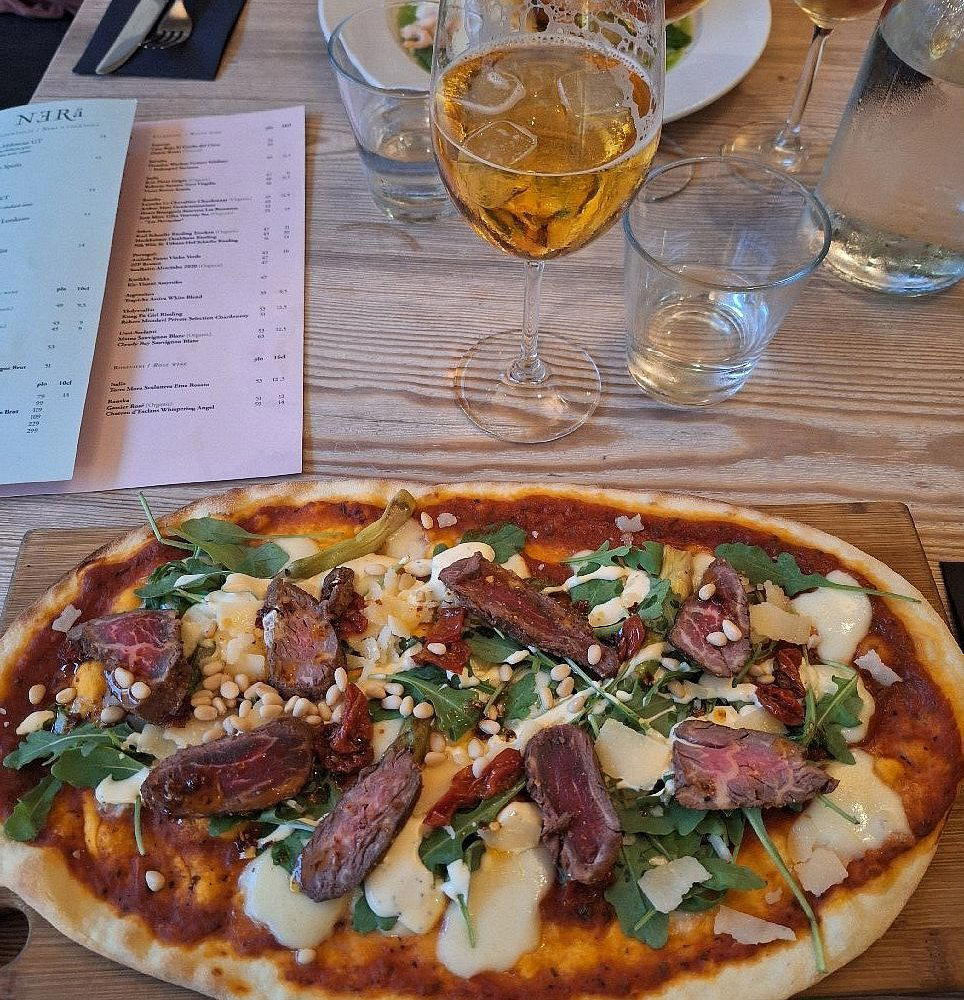
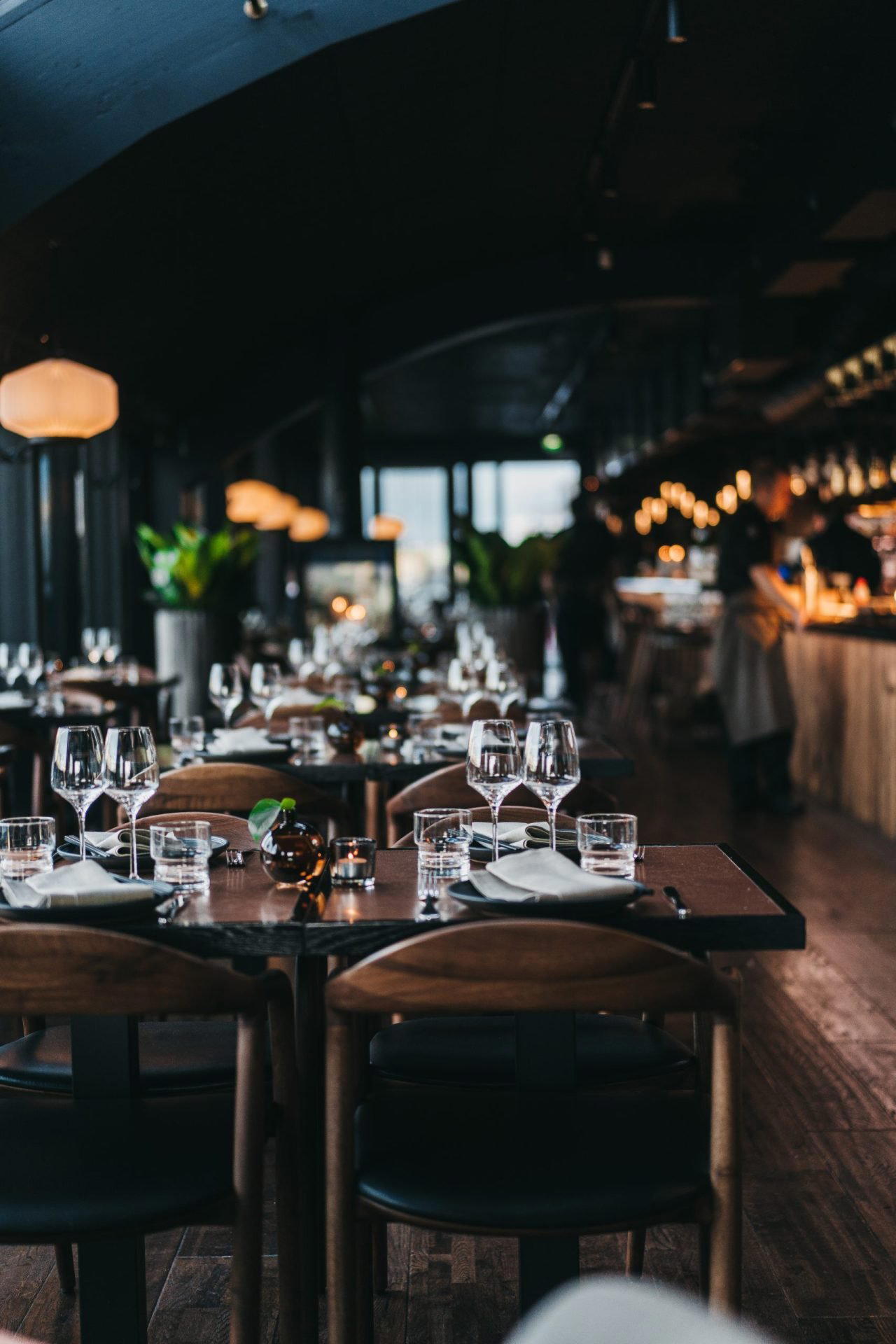
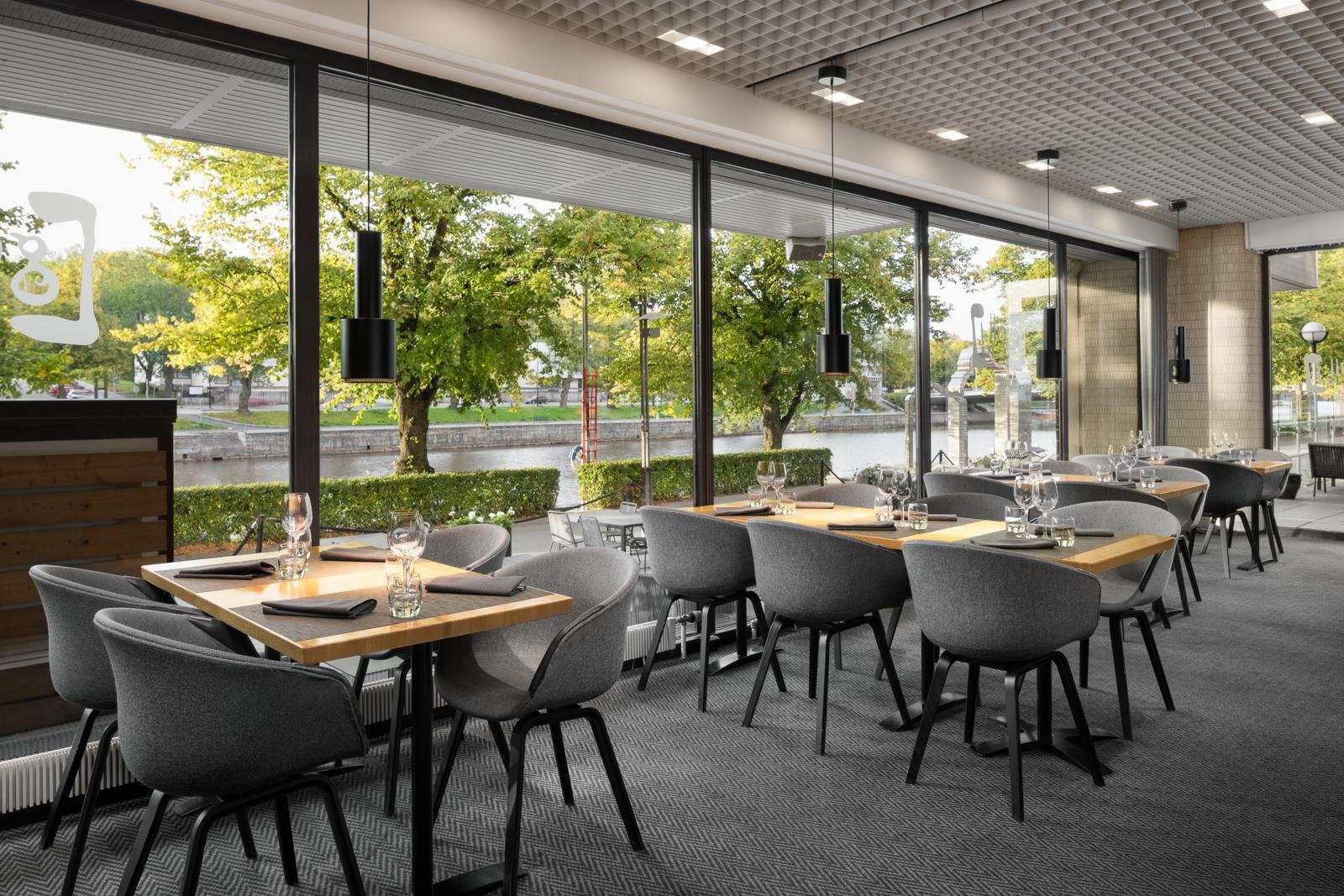
At a Glance
- Cozy
- Historic
- Intimate
- Rustic
- Date Night
- Special Occasion
- Business Dinner
- Open Kitchen
- Historic Building
- Terrace
- Craft Cocktails
- Local Sourcing
Current opening hours
- Monday
- Closed
- Tuesday
- 5–11 PM
- Wednesday
- 5–11 PM
- Thursday
- 5–11 PM
- Friday
- 12–2:30 PM, 4 PM–12 AM
- Saturday
- 1 PM–12 AM
- Sunday
- Closed
Hours can change for holidays and private events. Last verified .
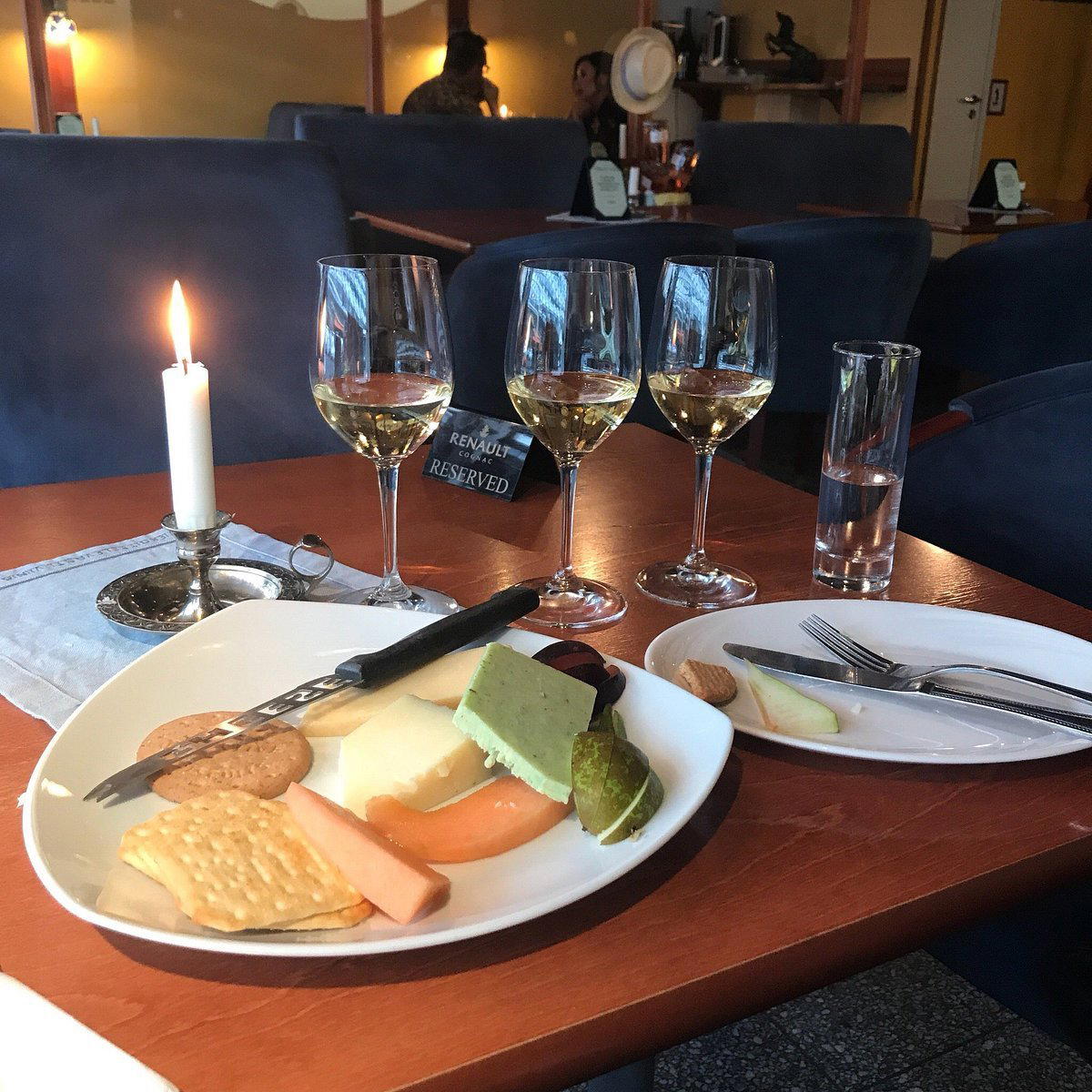
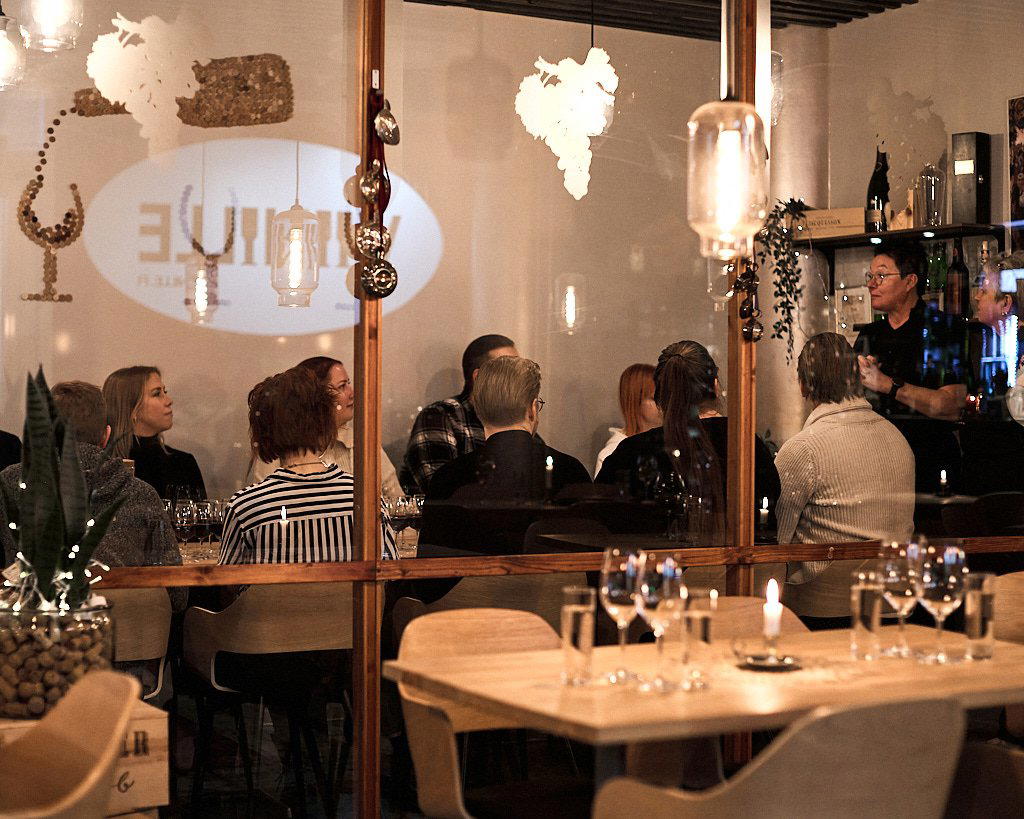
Cozy lounge bar and courtyard terrace in historic prison setting with warm service.