On the western embankment of the Aura River, E. Ekblom occupies a telling address in Turku's compact dining corridor. The restaurant sits within a city that has long punched above its size in Finnish food culture, drawing comparisons with Helsinki's more celebrated circuit. Precise details on format and pricing remain sparse, which itself signals a venue that operates on word-of-mouth cadence rather than broad promotional reach.
Pearl is the En Primeur Club membership app — saves, bookings, and concierge access live there. Same editors, same standards.
- Address
- Läntinen Rantakatu 3, 20100 Turku, Finland
- Phone
- +35825369445
- Website
- eekblom.fi
- Directions
- Get directions
 Saves & bookings on Pearl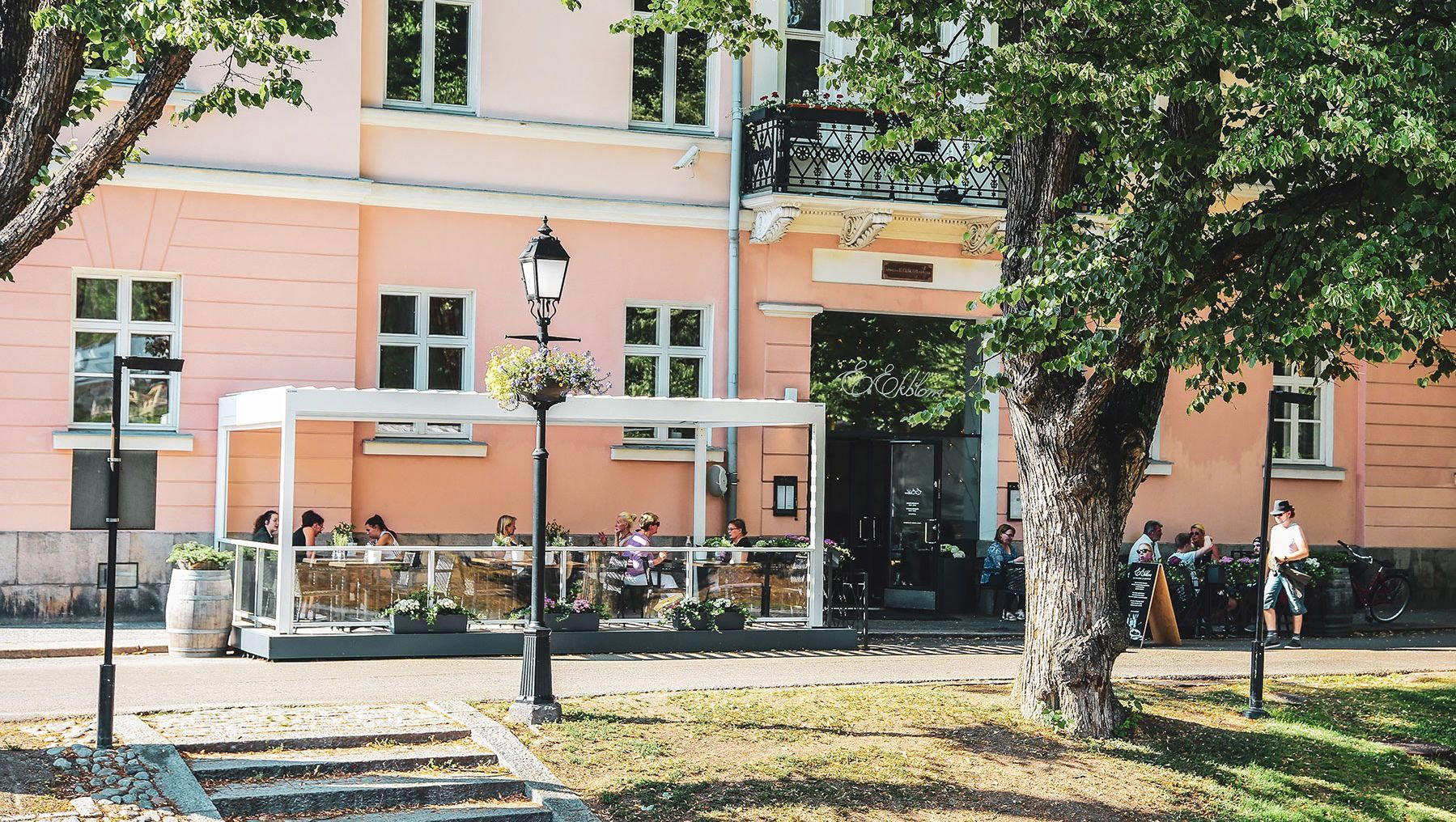
The Riverbank Setting and What It Signals
Läntinen Rantakatu, the western bank road tracing the Aura River through Turku, has become one of the more instructive stretches in Finnish provincial dining. The address tells you something before you step inside: this part of the city concentrates restaurants that draw local regulars rather than passing tourist traffic, and the buildings along the embankment tend toward historic fabric that resists the open-plan minimalism common in newer Nordic dining rooms. E. Ekblom sits at number 3, at the quieter, more residential end of a strip that becomes livelier closer to the market square. The physical approach, particularly in the long Nordic twilight of summer or the compressed grey afternoons of February, frames the meal before it begins.
Turku occupies an interesting position in Finnish food culture. As the country's former capital and its oldest city, it carries institutional weight that Helsinki, for all its contemporary energy, simply cannot replicate. That history shapes how restaurants here position themselves: there is less pressure to perform novelty, and more appetite among local diners for continuity and craft. The city's most critically regarded table, Kaskis (New Nordic, Modern Cuisine), has set a benchmark for the New Nordic approach in the southwest, but the broader scene accommodates a range of registers, from the casual riverbank formats of Bar4 to the brasserie rhythm of Brasserie Amelie.
The Dining Ritual in a Finnish Provincial Context
Finnish dining customs in a city like Turku differ from the Helsinki tempo in ways that matter to how a meal unfolds. The pace tends to be more deliberate, the table turnover less aggressive, and the relationship between a local restaurant and its regular clientele more entrenched. In cities of Turku's scale, roughly 200,000 residents, the better restaurants operate closer to neighbourhood institution than anonymous dining destination. Regulars book ahead, know the rhythm of the kitchen, and generally expect a relaxed meal.
This is the ritual context in which E. Ekblom operates. The western embankment address, away from the tourist-facing terraces clustered around the market hall, suggests a room built around that kind of repeat patronage. The Finnish tradition of allowing a meal to breathe, to move from a cold starter through warm courses without the Anglo-American instinct for compression, is well suited to this part of the city. Visitors from outside Finland benefit from calibrating their expectations accordingly: the meal here is not an efficient fuel stop, and treating it as one would misread what the room is offering.
Comparable dynamics play out at Kakolanruusu and Mami, both of which operate within Turku's middle register and attract a local-leaning clientele for whom the social architecture of the dinner matters as much as the food itself. Across Finland more broadly, this pattern repeats in cities where the restaurant scene has matured without being over-developed: see Gastropub Tuulensuu in Tampere, Pöllöwaari in Jyväskylä, or Musta lammas in Kuopio for analogous local anchoring in provincial Finnish cities.
Situating E. Ekblom in the National Picture
Finland's restaurant hierarchy has never been as centralized as, say, France's. Helsinki leads in critical mass and international recognition, with rooms like Palace in Helsinki holding Michelin recognition that anchors the country's fine-dining credibility. But the provinces have produced serious cooking for decades, and Turku in particular benefits from proximity to the southwest archipelago, among the more productive coastlines in the Nordic region for fish, shellfish, and foraged ingredients. Restaurants that tap that supply chain, whether at the formal end or in more casual formats, are working with raw material that their Helsinki counterparts sometimes have to source from further afield.
Outside Finland, the structural parallel to a riverbank address in a historically significant provincial city might be VÅR in Porvoo, where a smaller city's older urban fabric frames a serious kitchen. Or, at a different register entirely, the kind of neighbourhood-embedded authority that Lazy Bear in San Francisco built by prioritising a specific local audience over broad appeal. The comparison is structural, not culinary: restaurants that earn loyalty from the street they occupy rather than from algorithmic visibility tend to operate by a different set of rules.
Planning Your Visit
The restaurant's address at Läntinen Rantakatu 3 places it within walking distance of central Turku, accessible on foot from the main railway station in around fifteen minutes, or from the market square in closer to ten. The riverbank setting means the approach is most pleasant along the embankment path rather than the road itself. Reservations are recommended. The restaurant is open Tuesday to Thursday from 5 to 10 PM, Friday from 5 PM to 12 AM, and Saturday from 2 PM to 12 AM; it is closed Monday and Sunday. Expect about $47 per person. Turku is most visited in summer, when the archipelago is accessible and the riverside terraces open, but the city's dining scene runs year-round, and the quieter months carry their own appeal for visitors who prefer a less compressed experience.
For context on how the restaurant fits the broader Finnish provincial circuit, the following addresses provide useful reference points across the country: Popot in Lahti, Viinitupa Vuorenmaja in Mänttä, Lucy in the sky in Espoo, DeLorean in Jyväskylä, and Aurora Restaurant in Luosto. Each operates within a different regional register, but together they sketch the geography of serious Finnish cooking outside the capital. At the international end of the spectrum, Le Bernardin in New York City represents the kind of sustained institutional recognition that the leading Nordic restaurants are increasingly measured against by international critics, even if the formats and price points differ sharply.
Category Peers
Comparable venues nearby, for context on price, style, and recognition.
| Venue | Cuisine | Price | Awards | Notes |
|---|---|---|---|---|
| E. EkblomThis venue — the venue you are viewing | Modern Finnish Bistro | $$ | Not listed | Not listed |
| Nerå | Mediterranean with Finnish influences | $$ | Not listed | River Aura |
| Pizzeria 450 | Neapolitan Artisan Pizza | $$ | Not listed | Hansakortteli |
| Smör | Modern Scandinavian Fine Dining | $$$ | Michelin Plate | central Turku |
| Mami | Nordic Bistro with French Influences | $$$ | Not listed | Old Town |
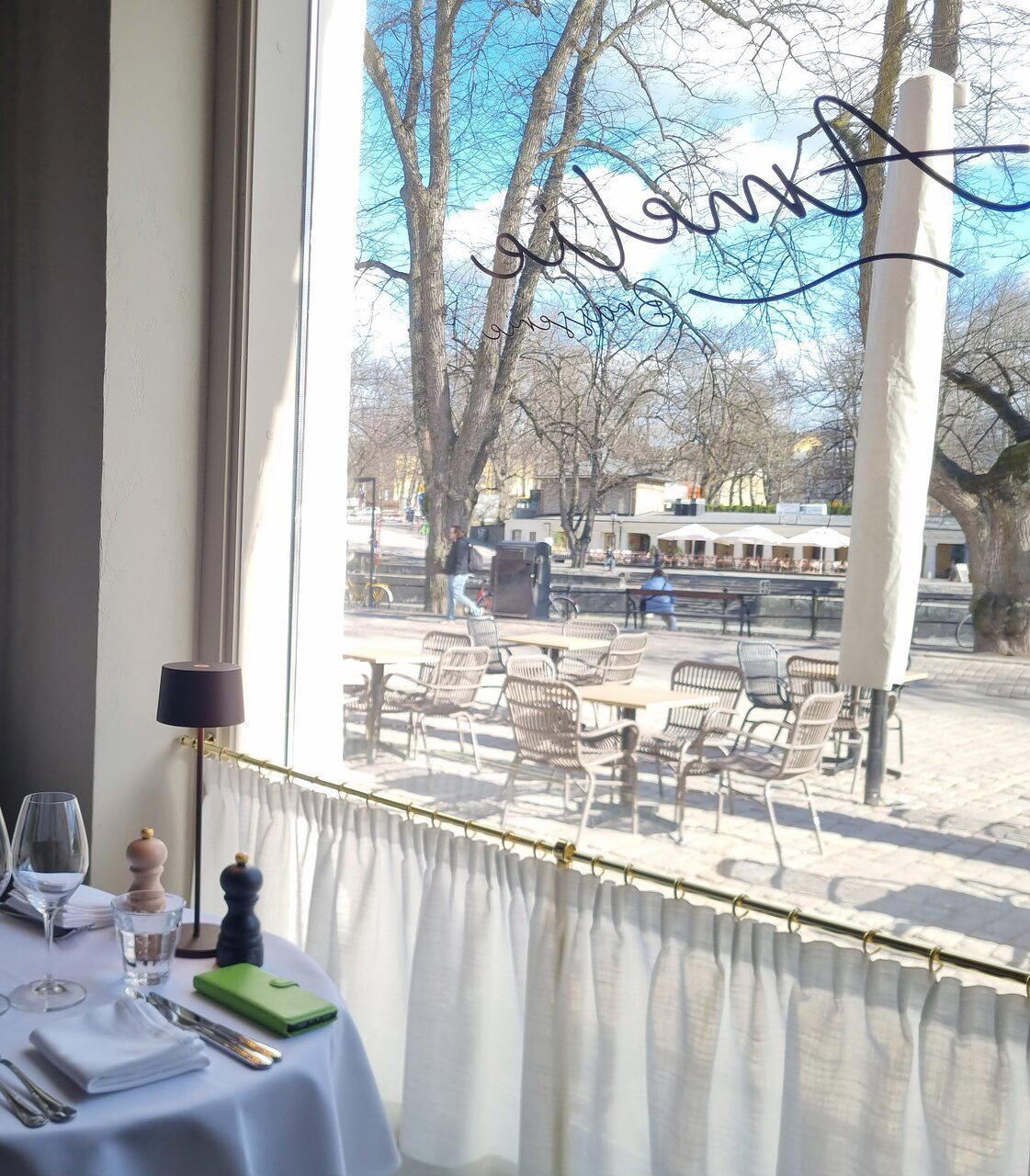
| Brasserie Amelie | Modern French Brasserie | $$$ | Not listed | riverside |
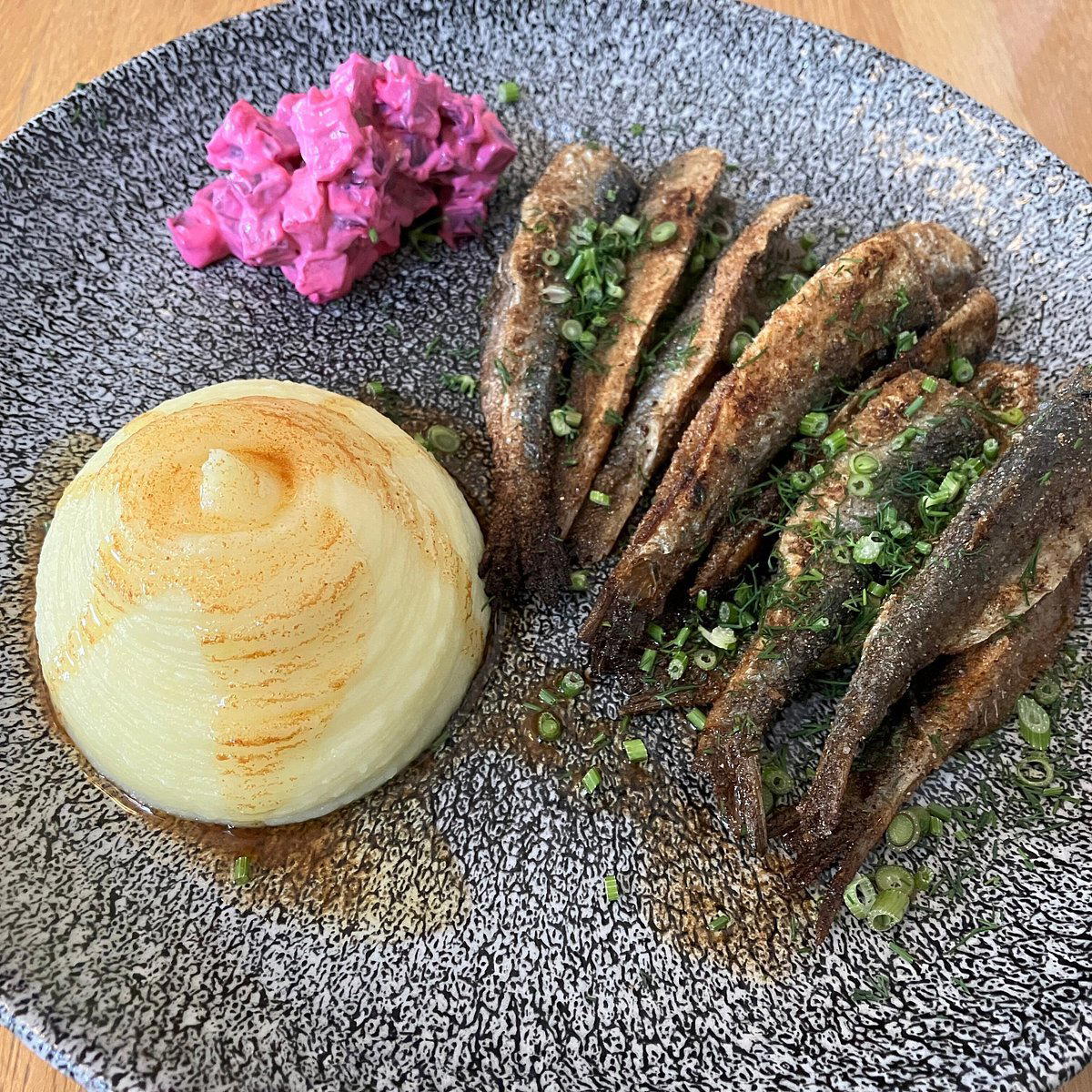
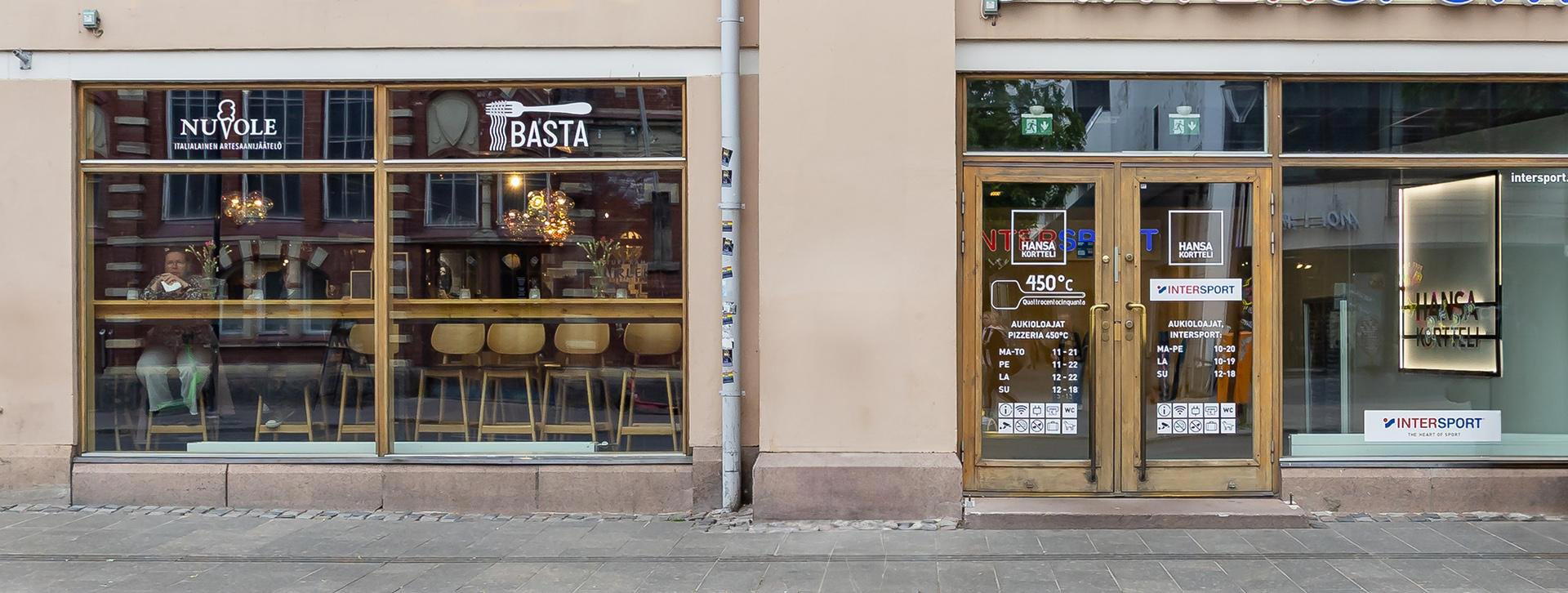
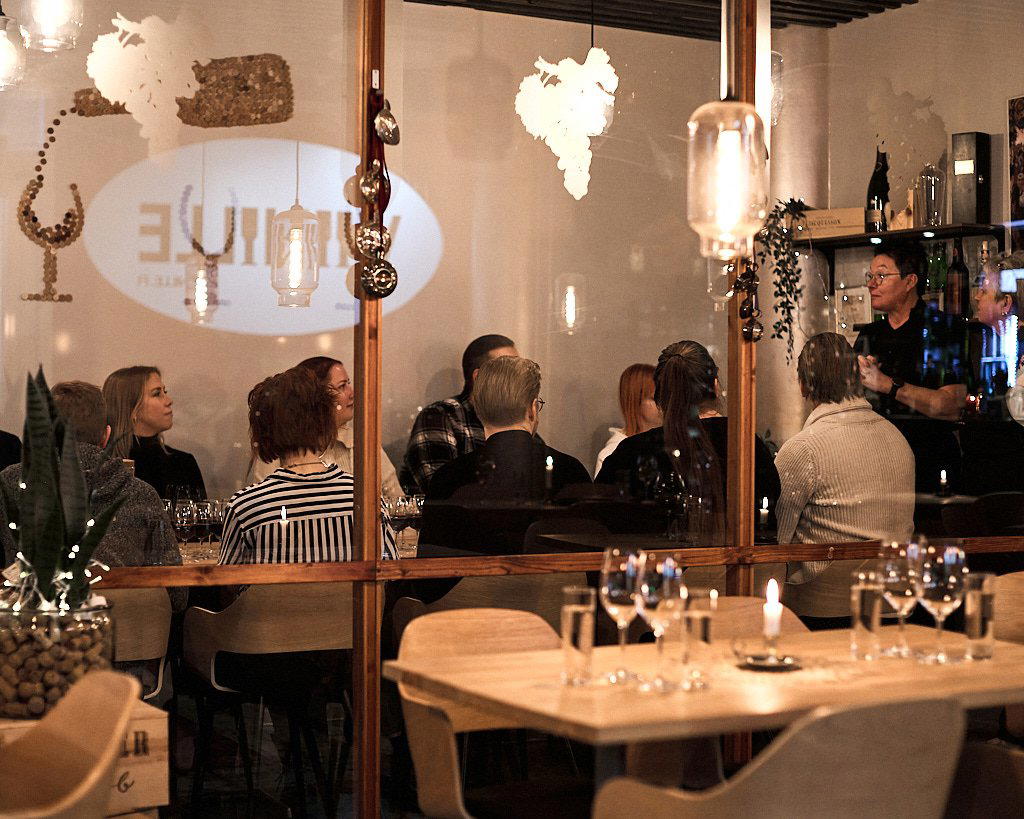
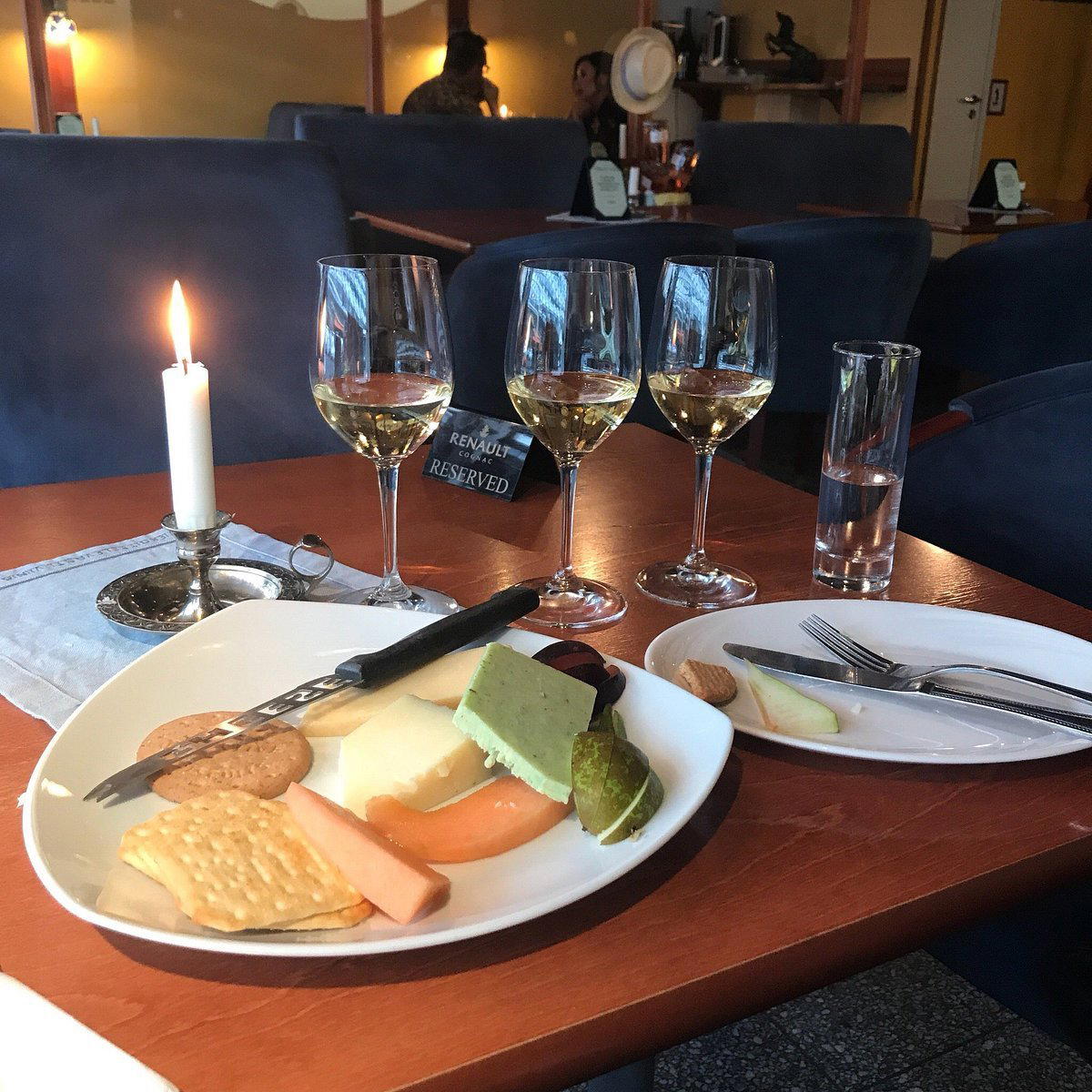
At a Glance
- Cozy
- Intimate
- Historic
- Date Night
- Casual Hangout
- Special Occasion
- Waterfront
- Terrace
- Historic Building
- Extensive Wine List
- Local Sourcing
- Waterfront
- Street Scene
Current opening hours
- Monday
- Closed
- Tuesday
- 5–10 PM
- Wednesday
- 5–10 PM
- Thursday
- 5–10 PM
- Friday
- 5 PM–12 AM
- Saturday
- 2 PM–12 AM
- Sunday
- Closed
Hours can change for holidays and private events. Last verified .
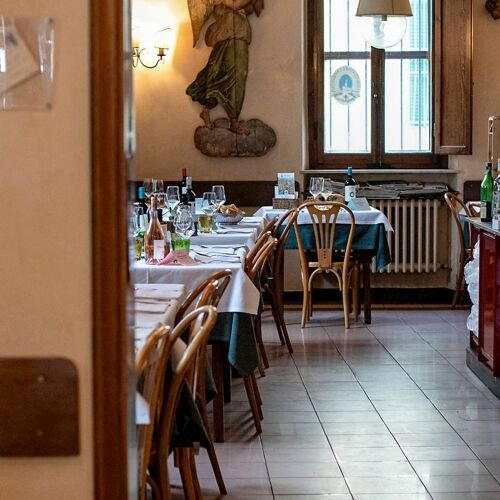
Cozy and beautiful ambiance in a basement space with welcoming historic atmosphere, well-suited for casual and special occasions.